A Beginner’s Guide to Basic Home-Improvement Tools
A beginner-friendly overview of how to think about basic home-improvement hand tools by task, comfort, safety, and storage, with links to public safety resources rather than brand recommendations.
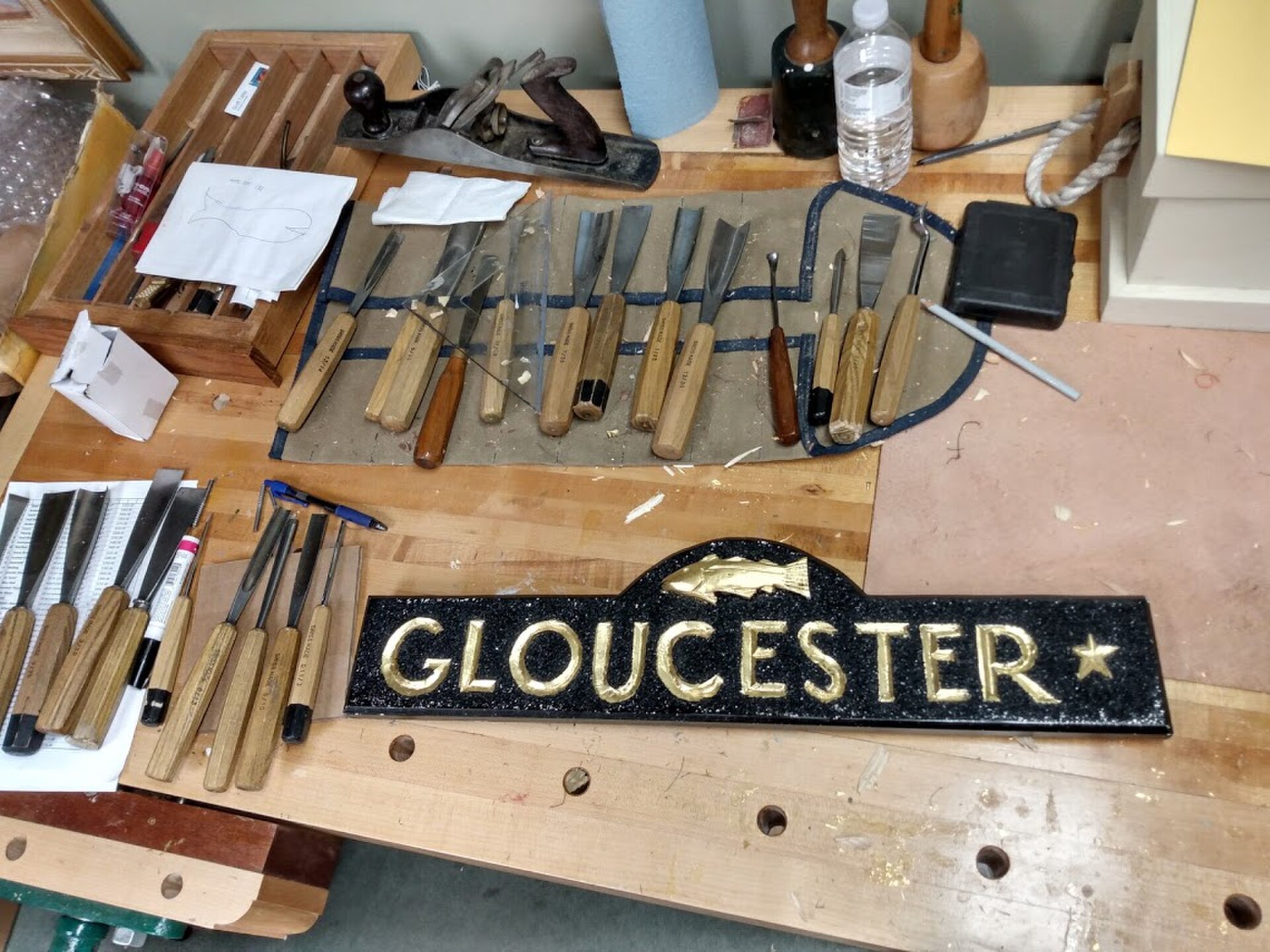
Cover: Own work · Wikimedia Commons · CC BY-SA 4.0
Question: What should a beginner understand about choosing and using basic home-improvement hand tools?
Start with tasks, not a shopping list
A beginner-friendly way to approach tools is to group them by the jobs they support: measuring and marking, turning fasteners, gripping, cutting, shaping, and cleanup. The right starting point depends on the repairs or projects someone expects to handle. Public tool-safety resources tend to focus on matching the tool to the task and understanding its limits rather than on brand names.
Know the difference between hand tools and power tools
Hand tools rely on the user’s effort; power tools use an external power source. For beginners, hand tools can be easier to understand and store, while power tools may require extra attention to guards, cords or batteries, and manufacturer guidance. Safety agencies commonly discuss both categories because the main concerns are control, condition, and appropriate use.
Comfort, fit, and condition matter
A tool that feels awkward can be harder to control. Beginners may find it useful to compare weight, grip, reach, and clarity of markings before choosing. Used or borrowed tools should be checked for loose parts, damage, or missing components. Public safety guidance often emphasizes inspecting tools and following the maker’s information.
Safety guidance is part of tool literacy
Tool literacy includes eye protection, dust and fume awareness, electrical safety, and knowing when a task is beyond a beginner’s current skill. Workplace-safety resources are written for jobsites, but their general themes—inspection, task matching, storage, and supervision—can help beginners ask better questions. They are not a substitute for manufacturer instructions or local rules.
Build a starter set gradually
Rather than buying a large kit at once, beginners can learn from each project and add tools as recurring needs become clear. A small, organized collection is often easier to maintain than a crowded box. Storage that keeps cutting edges protected, small parts contained, and tools dry can make the kit easier to use and inspect.
Use public resources as starting points
The linked resources discuss hand-tool and power-tool hazards in workplace settings. They can help beginners recognize categories of risk and the value of clear instructions, but they do not endorse a particular brand, kit, or retailer.