A Beginner’s Guide to Home Improvement Tools and Safe Planning
A plain-language introduction to basic home improvement tools, safety awareness, planning, and knowing when to bring in a qualified professional.
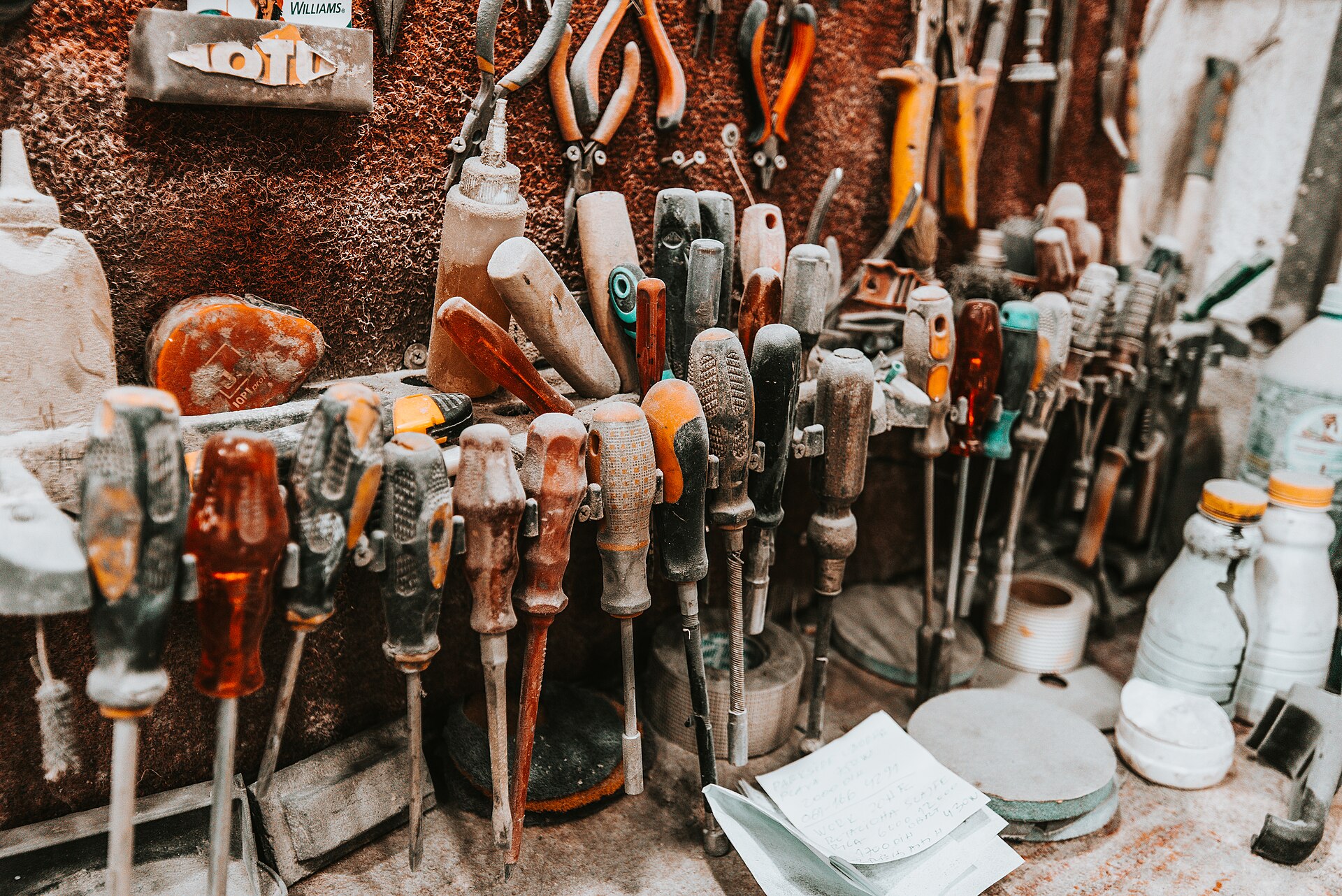
Cover: Own work · Wikimedia Commons · CC BY 2.0
Question: What basic tools and practices help a beginner approach simple home improvement tasks responsibly?
What home improvement tools are for
Home improvement tools are implements used to measure, adjust, assemble, fasten, or maintain parts of a home. For a beginner, the goal is not to own every tool. It is to understand what a tool does, when it is appropriate, and when a task is beyond a basic do-it-yourself scope. A small, versatile set can support simple repairs and maintenance while leaving complex or risky work to qualified tradespeople.
Starter tools to recognize
A beginner-friendly starter set often includes a tape measure for checking fit, a spirit level for checking whether a surface is level, a screwdriver set for compatible fasteners, an adjustable wrench for compatible nuts and bolts, safety glasses for eye protection, work gloves for hand protection, and a flashlight for looking into dim spaces. These are labels for common tool categories, not a recommendation to attempt every task. Tool choice should follow the job, the instructions, and local requirements.
Safety awareness for simple tasks
Basic safety habits matter more than a large tool collection. Read product labels and manufacturer instructions, keep work areas clear, and use protective equipment that fits the task. Be cautious with dust, sharp edges, heavy items, and anything involving electricity, gas, water, or hazardous materials. If a task feels unclear or risky, pause and seek guidance from a qualified professional or local authority rather than guessing.
Planning before starting
A responsible beginner plans before buying tools or beginning work. Identify the task, check whether a permit or inspection may be required, and confirm that the work does not affect structural, electrical, gas, or water systems. For rented homes, review the lease or ask the landlord. For shared buildings, check building rules. Planning helps avoid unnecessary purchases and reduces the chance of starting a project that should be handled by a licensed specialist.
Knowing when to call a professional
Some home improvement work is best handled by qualified professionals, including electrical, gas, structural, roofing, and hazardous-material tasks. Beginners can still learn a great deal by observing, asking questions, and understanding the scope of a project. A good rule is to avoid work that could affect safety systems, building integrity, or legal compliance unless the proper approvals and qualified help are in place.
How to keep learning
Use public safety and consumer resources to build general awareness. Manufacturer instructions, local building departments, and recognized safety organizations can help clarify tool use and project limits. Avoid relying on anonymous claims or product marketing alone. A beginner-friendly approach is to learn the vocabulary, ask careful questions, and keep expectations modest while skills develop.