Basic Home Improvement Tools: A Beginner-Friendly Starting Point
A plain-language overview of common hand-tool categories, task planning, storage habits, and public learning resources for small home improvement projects.
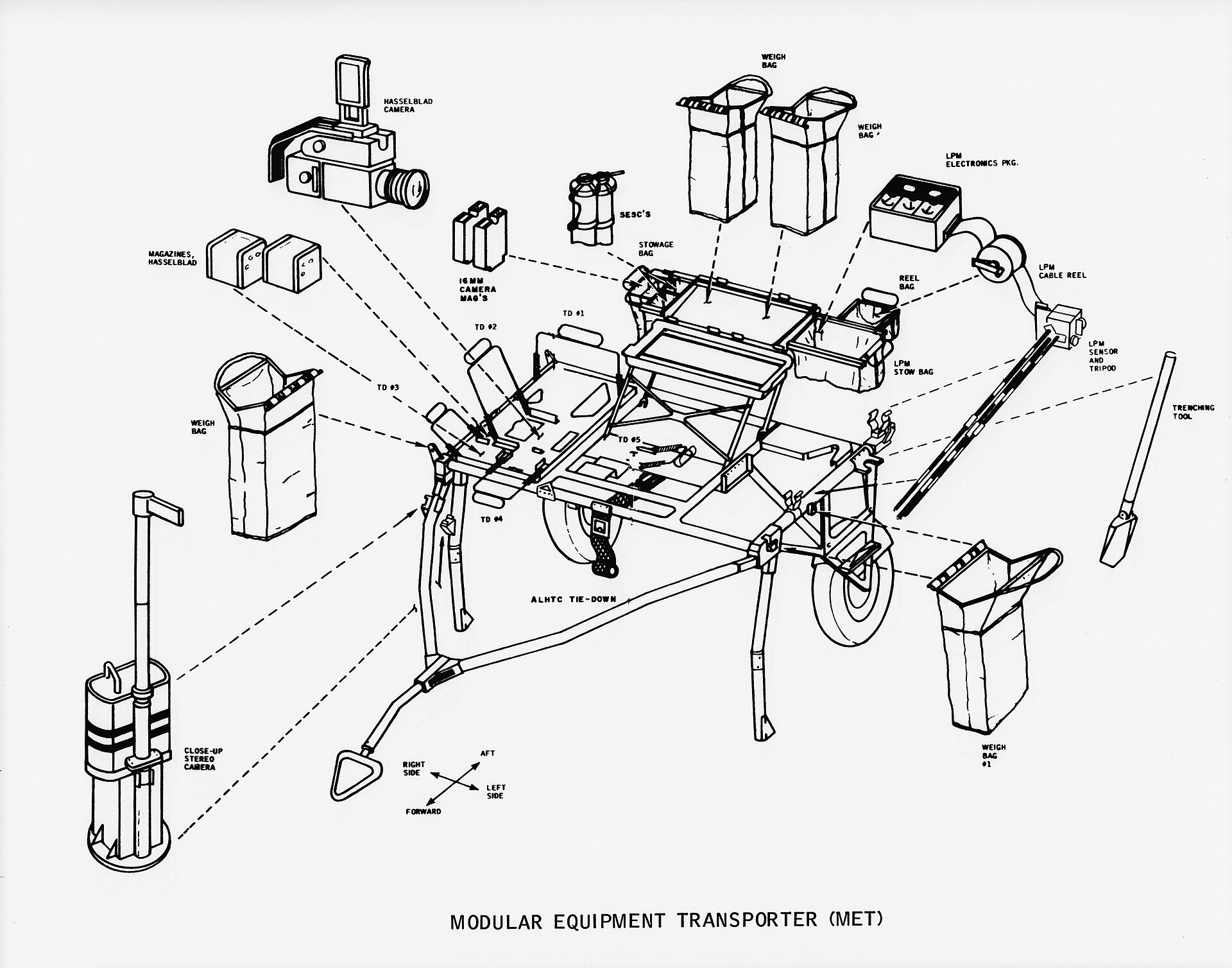
Cover: This image or video was catalogued by Lyndon B. Johnson Space Center of the United States National Aeronautics and Space Administration (NASA) under Photo ID: S70-50762. · Wikimedia Commons · Public domain
Question: What basic tools and public resources should a beginner consider before starting small home improvement projects?
Start with the task, not the toolbox
A useful beginner habit is to begin with the specific job and read any manufacturer instructions or project guidance before buying tools. The tool list should follow the task, the material, and the instructions. For small repairs, that may mean only a few hand tools are relevant. For work involving electrical, gas, plumbing, or structural elements, general guides are not enough; qualified help and local requirements may apply.
Common hand-tool categories
Beginner-oriented tool lists often group hand tools by function rather than brand. Measuring and marking tools can include a tape measure, pencil, and square. Driving and fastening tools can include screwdrivers and a hammer. Gripping tools can include pliers and an adjustable wrench. Cutting tools can include a utility knife or handsaw. A spirit level is used for checking alignment. These are categories to learn about, not a mandatory shopping list; the task and instructions should guide what is actually needed.
Storage, inspection, and workspace habits
A simple storage system can make tools easier to find and inspect. Keep hand tools dry and organized, and check condition before use according to manufacturer guidance. A clear work area and good lighting can make small tasks easier to plan. Public hand-tool guidance from OSHA and HSE emphasizes hazards and safe handling; it should be read alongside, not instead of, the instructions for a specific tool.
Use public resources for orientation
Publicly available pages can help beginners understand tool categories, general hazards, and home energy topics. OSHA's hand and power tools page and HSE's hand tools page provide general safety context. The U.S. Department of Energy's Energy Saver site provides general information about home energy use. These resources are starting points for learning; they do not replace manufacturer instructions, local codes, or professional advice for specialized work.
A practical beginner mindset
Choose a small task, identify the materials and instructions, select only the relevant tools, and pause when the job requires specialized knowledge. Good organization and a willingness to ask questions are part of the toolkit. The goal is not to own every tool, but to understand the few tools a task calls for and to use reliable guidance.