Beginner’s Guide to Home Improvement Tools: Start Simple
A beginner-friendly look at the basic tools that help you measure, cut, fasten, level, and work safely on your first home improvement projects.
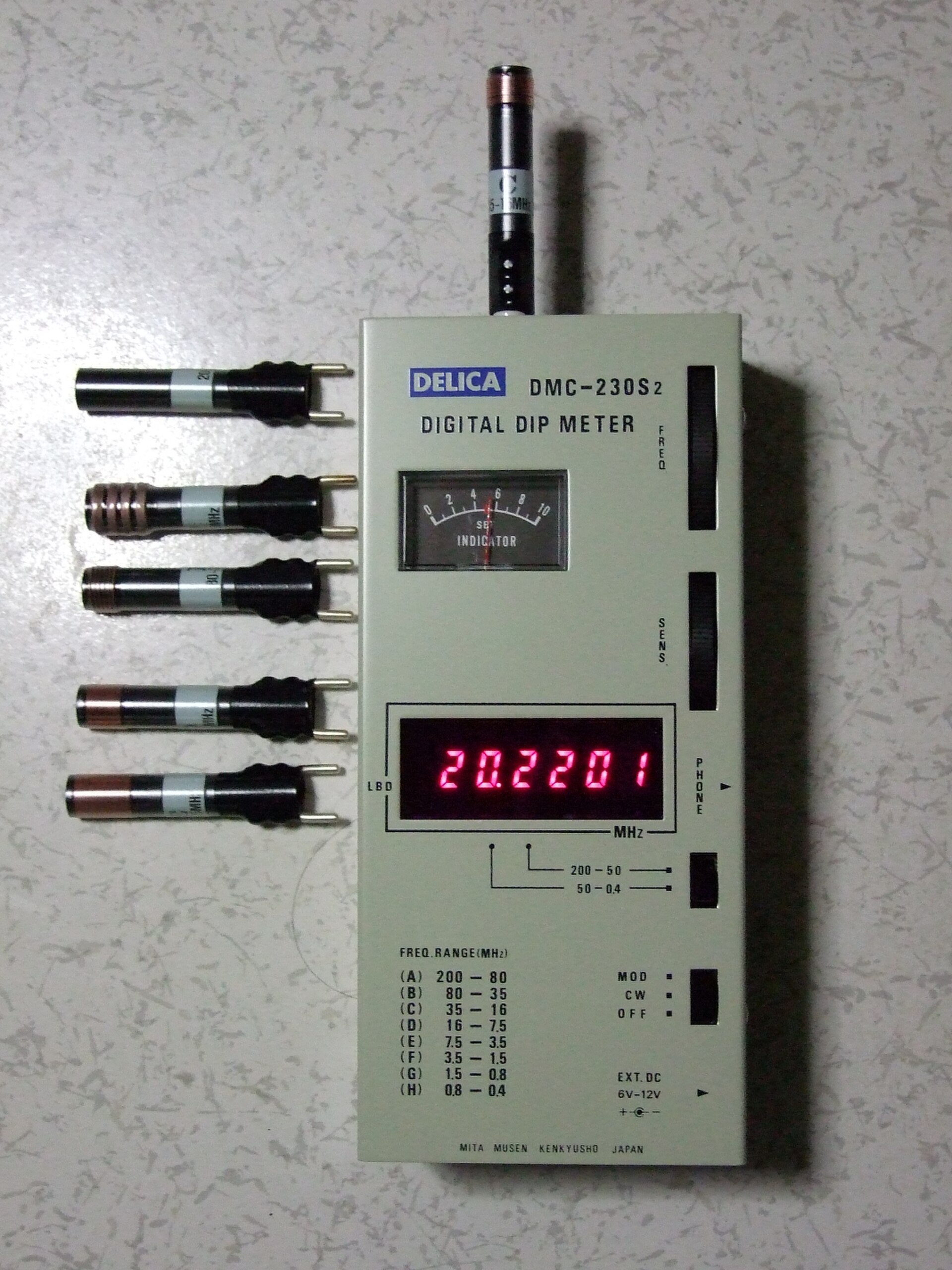
Cover: A photo taken by the contributor User:しまでん. · Wikimedia Commons · CC BY-SA 3.0
Question: What tools should a beginner buy first for basic home improvement projects?
Think in toolkits, not single purchases
Before buying anything, decide what kind of projects you want to do. Hanging pictures, assembling furniture, and minor repairs require only a handful of tools. Starting with a simple kit—a hammer, screwdrivers, pliers, and a tape measure—lets you practice basics before adding specialized tools.
Measuring and marking first
Most beginner mistakes happen because of poor measuring. A tape measure, a carpenter’s square, and a pencil are the foundation of accurate work. Marking tools help you transfer measurements cleanly, and a level ensures that whatever you hang or build is straight.
Cutting tools for common materials
For simple cuts in wood, plastic, and drywall, a utility knife and a handsaw cover many tasks. If you plan more ambitious work, you might later add a circular saw or jigsaw, but a beginner can finish many projects without power tools.
Fastening and assembly basics
A claw hammer, a set of screwdrivers (both flat-head and Phillips), and adjustable pliers allow you to assemble furniture, tighten hinges, and hang shelves. A cordless drill is often the first power tool people add because it speeds up driving screws and making pilot holes.
Safety and work space
Protective eyewear and work gloves are inexpensive and should be stored with your tools. Keep tools in a dry toolbox or a dedicated drawer, and clean them after each project. A sharp tool is safer than a dull one, so learn how to keep cutting edges in good condition.