Beginner Basics: Understanding Home-Improvement Tools
A beginner-friendly overview of common home-improvement tool categories, including measuring, fastening, gripping, cutting, storage, and public guidance for learning more.
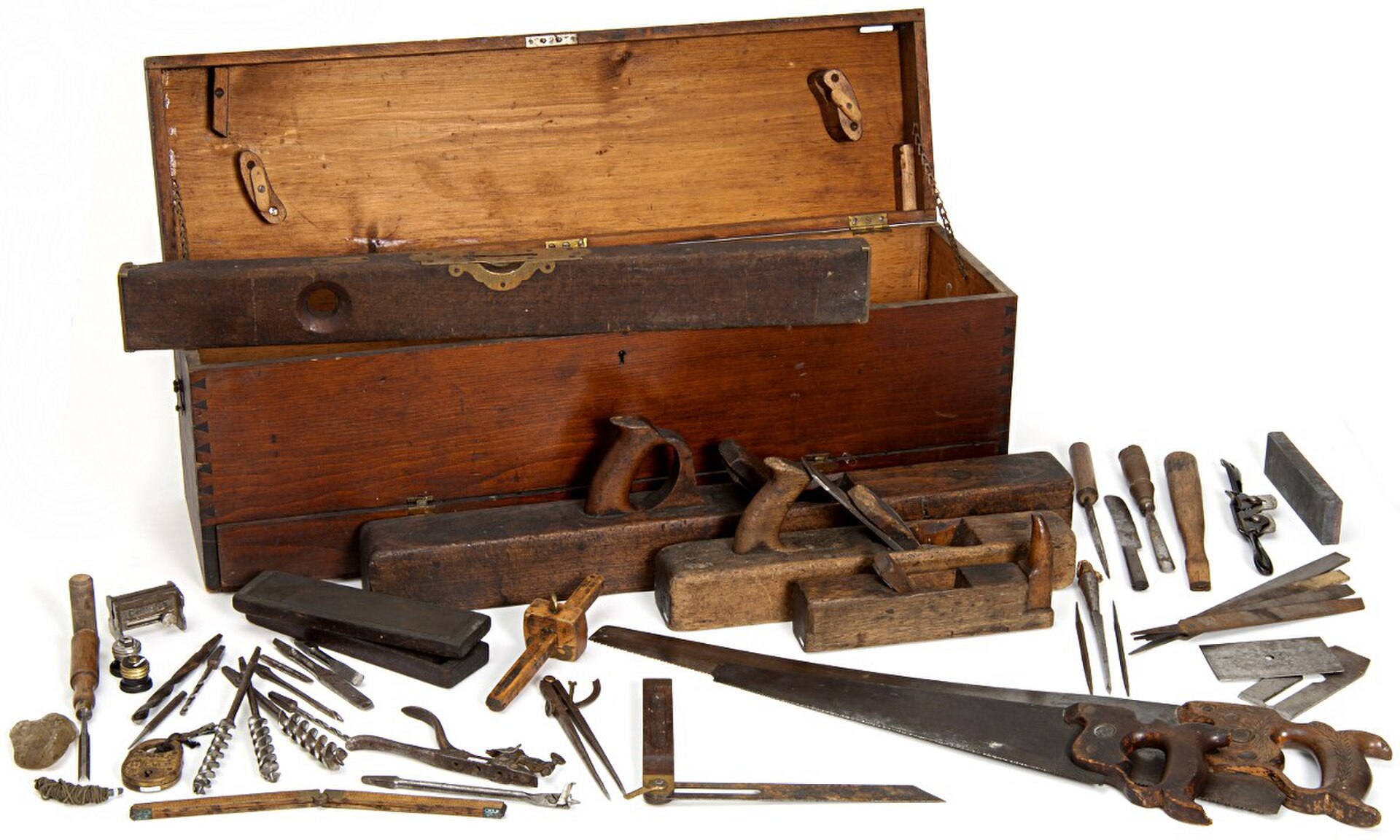
Cover: https://www.flickr.com/photos/minnesotahistoricalsociety/5494632378/sizes/l/in/photostream/ · Wikimedia Commons · CC BY-SA 2.0
Question: What should a beginner understand about basic home-improvement tools?
Start with tool categories, not a giant collection
Beginner home improvement is easier to understand when tools are grouped by purpose: measuring and layout, fastening, gripping, and cutting. A beginner does not need every specialty tool for every project. Instead, it helps to recognize which category a task belongs to and then check the material, fastener, or manufacturer guidance before choosing a tool.
Measuring and layout tools
Tape measures, levels, and squares are common measuring and layout tools. They help with checking dimensions, alignment, and straight lines before cutting or fastening. Clear marking and careful checking are often described in beginner guides because layout mistakes can affect later steps.
Fastening and gripping tools
Hammers, screwdrivers, pliers, and adjustable wrenches are common examples of fastening and gripping tools. Hammers and screwdrivers are associated with driving or removing fasteners, while pliers and wrenches are used for holding, turning, or adjusting parts. Matching the tool to the fastener type and size is a recurring theme in tool guidance.
Cutting and shaping tools
Utility knives, hand saws, and sanding tools are common in beginner tool discussions. They are associated with trimming, cutting, and smoothing materials. Because cutting tools can be sharp, public safety resources generally emphasize reading manufacturer guidance and using appropriate protective equipment for the task.
Storage, care, and learning resources
A toolbox, drawer, shelf, or wall organizer can keep tools grouped and easier to find. Dry storage and simple cleaning routines are commonly mentioned in tool-care guidance. Public resources such as OSHA hand-tool and protective-equipment pages, along with housing and healthy-homes guidance, can provide general background without replacing manufacturer instructions.