Beginner-Friendly Home Improvement: Tools, Planning, and When to Ask for Help
A beginner-focused look at planning small home improvement projects, choosing a basic tool set, and knowing when to seek expert help.
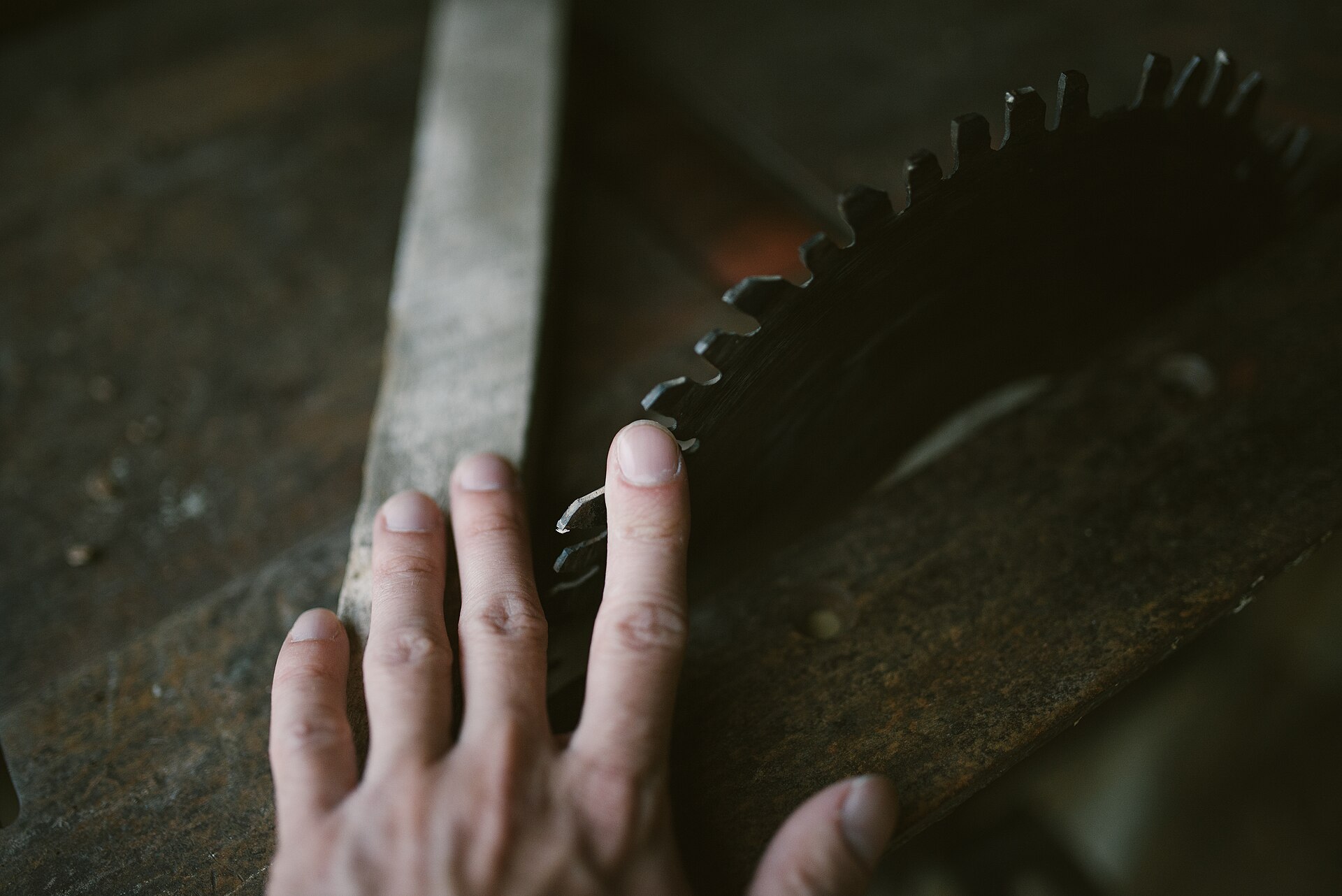
Cover: Own work · Wikimedia Commons · CC BY 2.0
Question: What should a beginner know before starting a small home improvement project?
Start with scope and local rules
A beginner-friendly approach is to define the smallest version of the project, note what surfaces or systems it touches, and review manufacturer instructions for the tools and materials involved. Local permit and building-code requirements vary; a local building department can confirm what applies before work begins.
Assemble a basic starter tool set
A basic starter set can include a tape measure, screwdriver set, adjustable wrench, pliers, utility knife, drill/driver, level, safety glasses, and work gloves. Beginners often borrow or rent specialty tools rather than buying them for a single small project.
Plan for safety, ventilation, and cleanup
Clear the work area, keep packaging and cords out of walkways, and think about ventilation when materials produce dust or fumes. Public safety resources such as OSHA offer general information about hand and power tools; they are not a substitute for product instructions or local requirements.
Know when to call a qualified professional
Electrical, gas, structural, and some plumbing work can involve risks that are hard to judge from a beginner's perspective. Older homes may also have lead paint or other material concerns; the EPA has public information on lead. When a project touches these areas, a qualified trade professional can assess the work.
Keep the project realistic
Small projects are easier to finish when the tools, materials, and cleanup plan are organized before starting. A simple storage plan for tools and supplies can reduce clutter and make the next project easier to begin.