Home Improvement Tools for Beginners: A Task-First Overview
A beginner-friendly explanation of how to think about home improvement tools by task, storage, and general safety, with links to public resources.
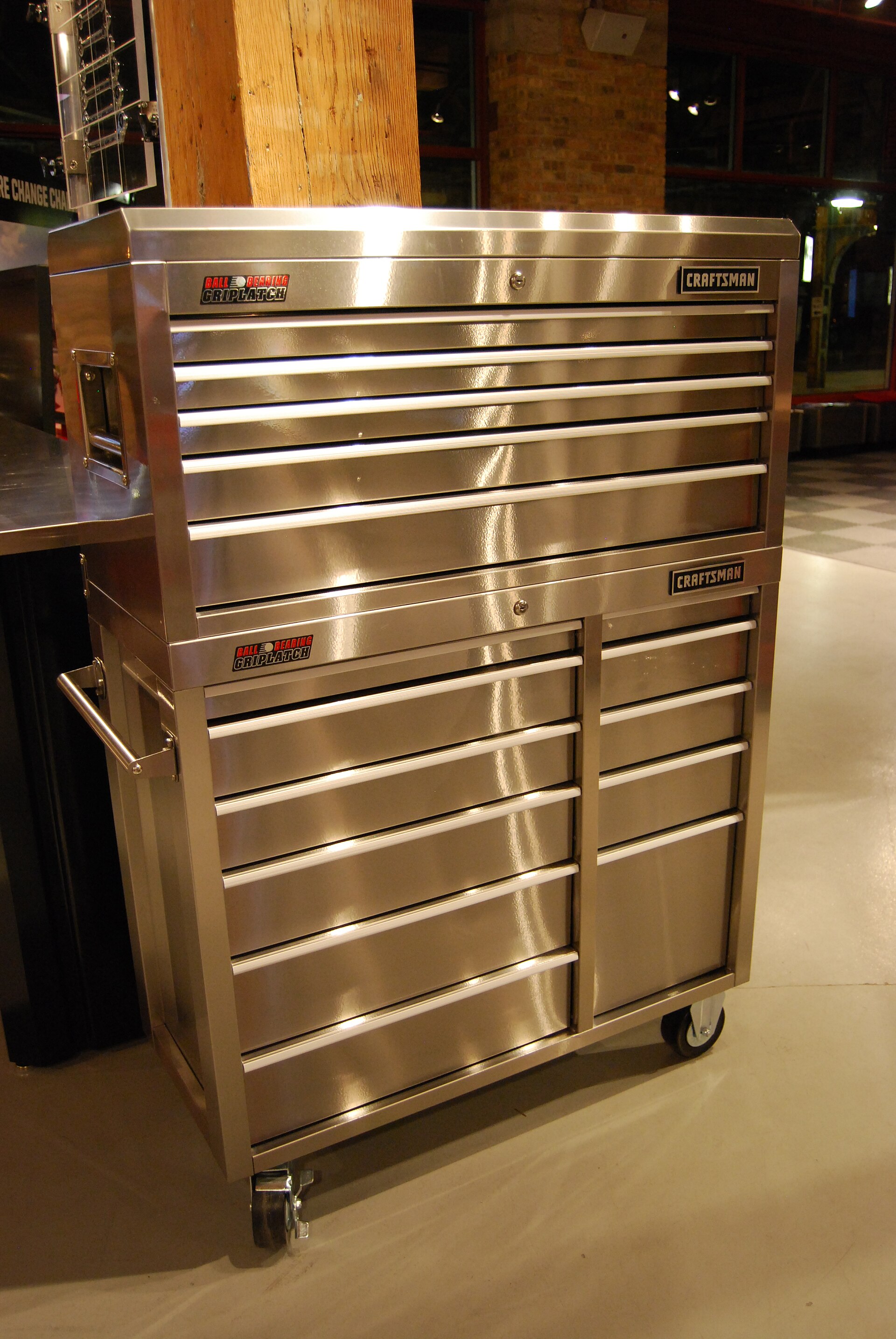
Cover: Flickr: Tool Chest · Wikimedia Commons · CC BY-SA 2.0
Question: What should a beginner know about choosing and organizing home improvement tools?
Why task-first tool selection helps
For beginners, the most useful question is not which tool is best in general but which category of tool fits the job at hand. Measuring and marking tools, driving tools, gripping tools, cutting tools, and leveling tools are common categories that appear in starter discussions, but the right set depends on the project. Reading the project plan and noting the tasks can help prevent buying tools that are not needed.
A simple way to think about tool categories
Home improvement tools are often grouped by function: measuring and marking, driving and fastening, gripping and turning, cutting, leveling, and cleaning up. Beginners can compare tool sets by asking which functions a project requires and whether the tool is intended for the materials involved. Product labels, manuals, and retailer information can clarify compatibility and limitations.
Storage, organization, and basic care
A toolbox, pegboard, or shelf can keep tools visible and separated. Labels, original cases, and a simple inventory can help a beginner find items and notice missing pieces. Storage should suit the space and the tool size, and manufacturer guidance can clarify care and limitations.
General safety and when to ask for help
Public safety resources note that hand and power tools can present hazards, and personal protective equipment may be appropriate depending on the task. Beginners can review manufacturer instructions, use general safety information, and ask a qualified professional or local permitting office about work involving utilities, structural changes, or permits. This article is educational and is not a substitute for professional advice.
How to build confidence without overbuying
A beginner-friendly approach is to start with a small set of general categories, borrow or rent specialized tools when appropriate, and add items only as projects require. Keeping receipts, manuals, and notes can make future decisions easier. Public resources from OSHA, the EPA, and the Department of Energy offer background on tool hazards, indoor air, and home energy topics.