Photos from current listings. Actual item, color, and included accessories may vary.
Box Shelf Buying Guide
A box shelf is a wall-mounted or freestanding rigid shelf unit—typically steel or reinforced particleboard—used to store boxed goods, bins, and tools off the garage floor. The primary trade-off is load rating versus wall-anchor strategy: light-gauge stamped steel shelves rely on drywall anchors and sag under 50 lb per tier, while welded 14-gauge steel or 1-inch MDF units with lag-bolted stud mounting hold 100–250 lb per shelf without deflection. The decision rule: buy only shelves rated per-shelf (not per-unit) at 2x your heaviest box weight, and mount into studs or masonry—never drywall alone.


At a glance
- Category
- Garage Storage
- Data updated
- Nov 20, 2026
Current offers
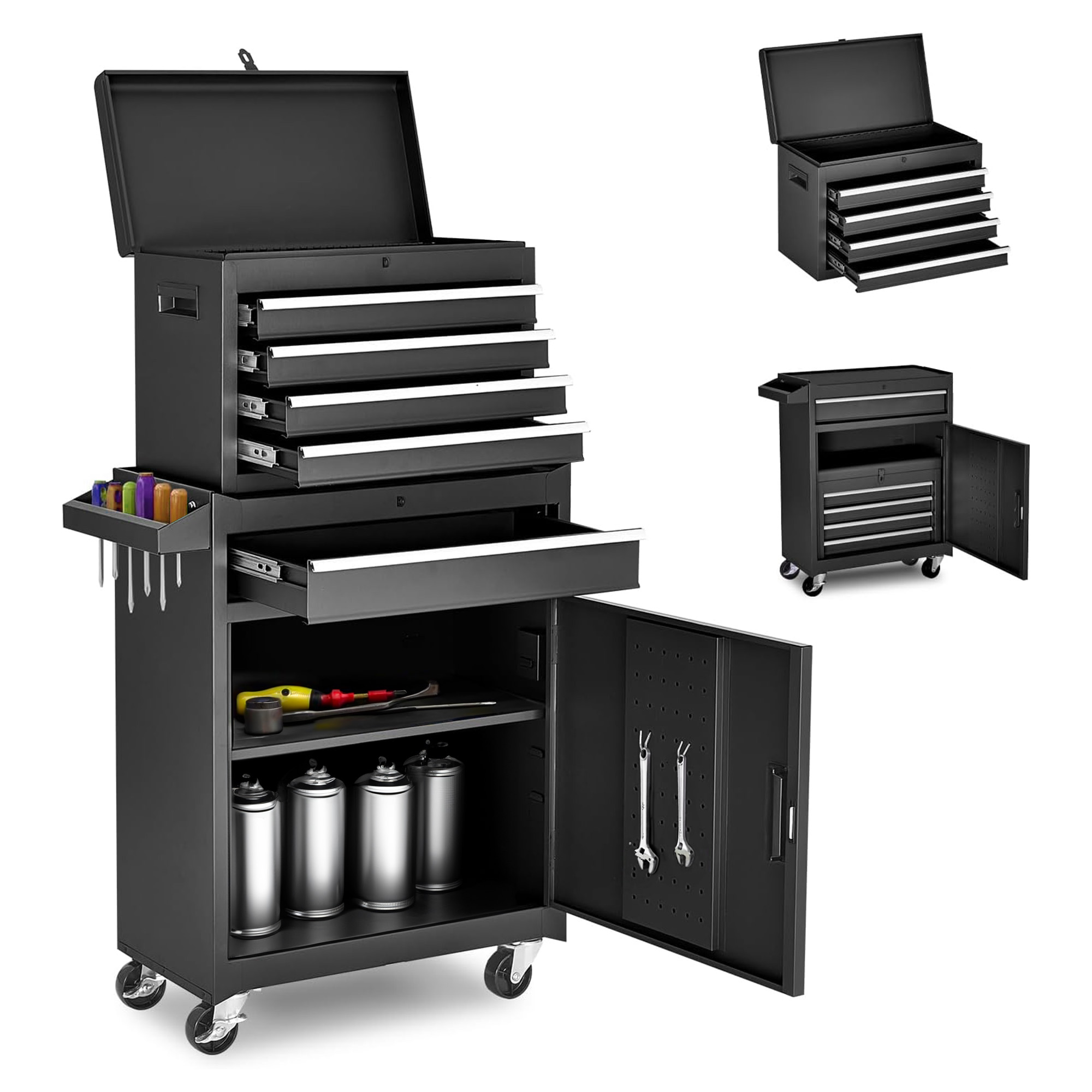 Excelo Tool Chest, 5-Drawer Rolling Storage Cabinet With Detachable Top Box, Liner, Universal Lockable Wheels, Adjustable Shelf, Locking Mechanism, Metal Cart For Garage Workshop$133.99
 View on Mallflare
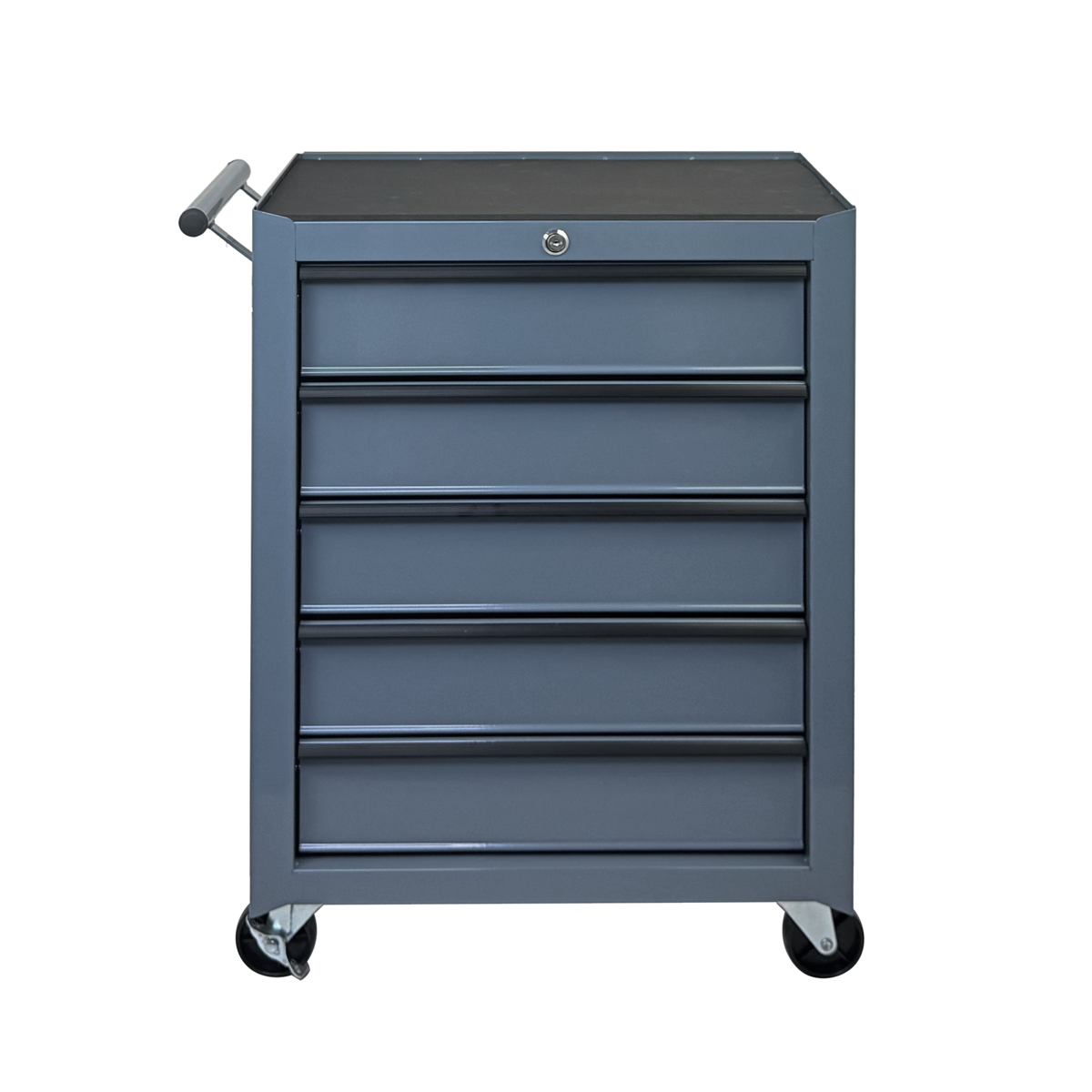 5-Drawer Rolling Tool Storage Cabinet With Detachable Top Box, Universal Lockable Wheels, Adjustable Shelf, Locking Mechanism, Metal Cart For Garage Workshop$149.99View on Mallflare
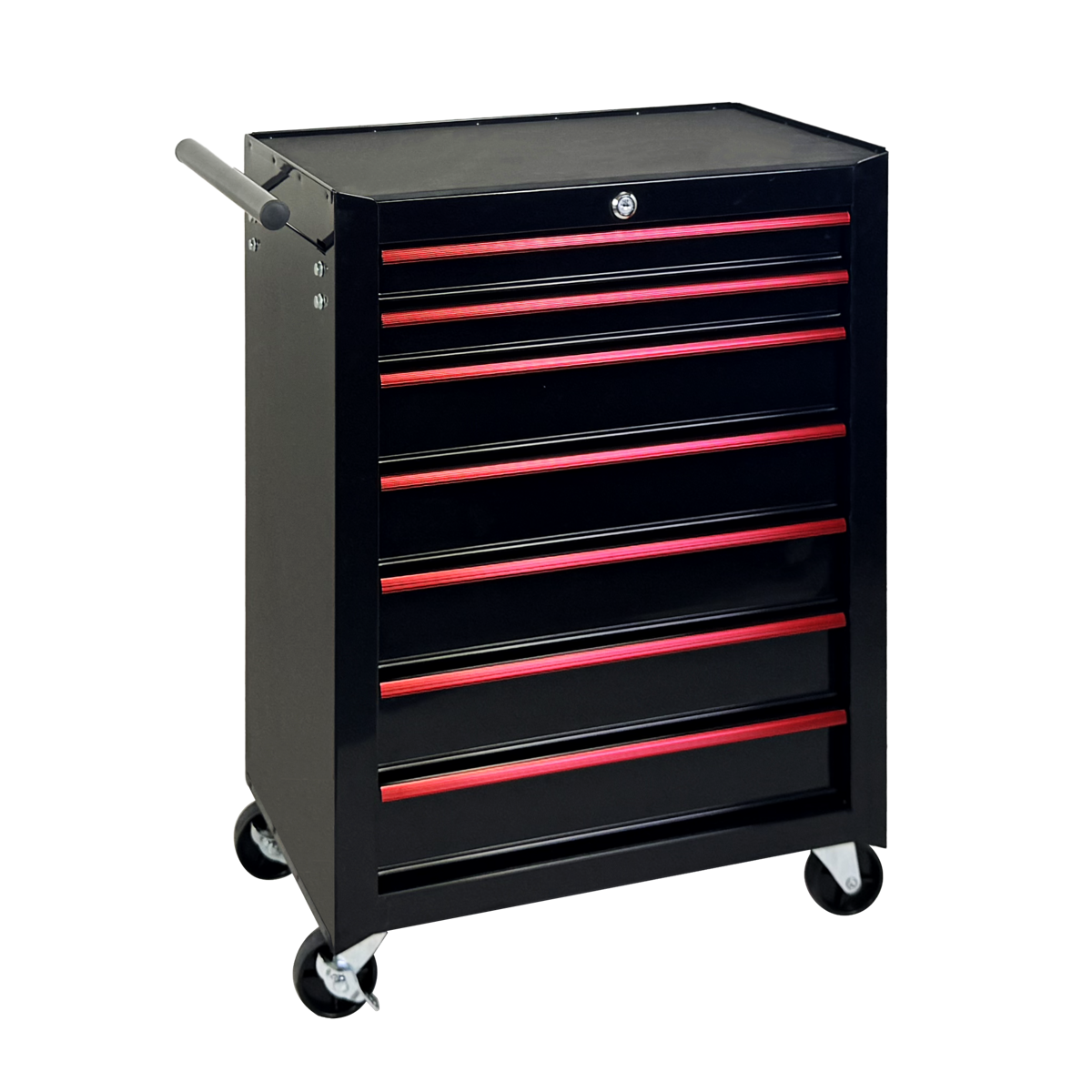 7-Drawer Rolling Tool Storage Cabinet With Detachable Top Box, Universal Lockable Wheels, Adjustable Shelf, Locking Mechanism, Metal Cart For Garage Workshop,Dark Space Black$163.99View on Mallflare
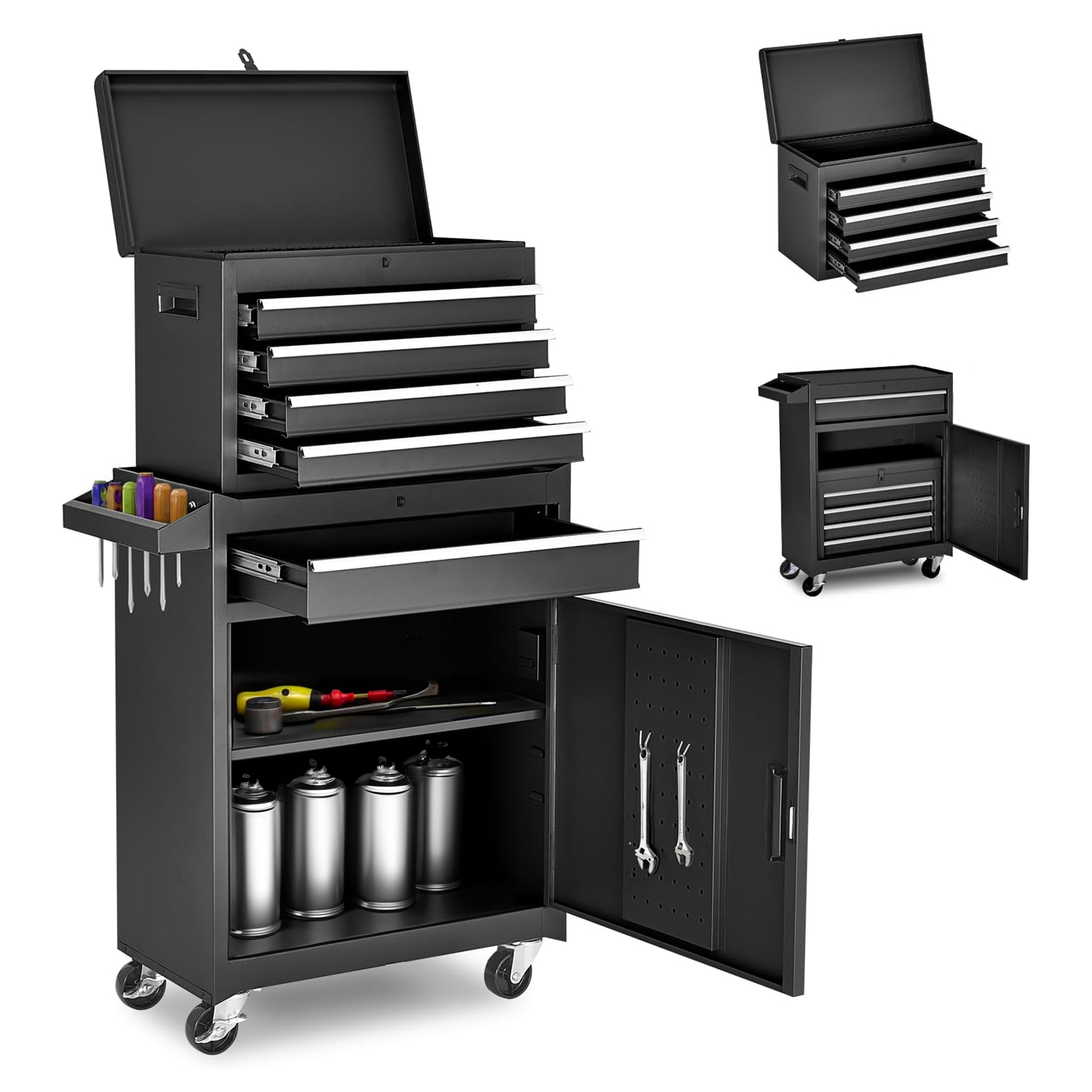 Tool Chest, 5-Drawer Rolling Storage Cabinet with Detachable Top Box, Liner, Universal Lockable Wheels, Adjustable Shelf, Locking Mechanism, Metal Cart for Garage Workshop$233.99View on Mallflare
Highlights
- Welded 14–16 gauge steel frames with 1-inch shelf lips resist deflection; stamped 20-gauge bolt-together units flex and fatigue above 75 lb per shelf.
- Per-shelf load ratings (not total unit) are the real spec: 50 lb tiers suit light bins; 150–250 lb tiers are needed for toolboxes and paint cans.
- Wall-mount brackets must hit studs at 16- or 24-inch centers or use 3/8-inch masonry anchors; drywall anchors cap safe loads near 25 lb.
- Adjustable shelving in 1-inch increments beats fixed shelves for mixed box heights, while drawer-top tool chests trade open shelf access for enclosed security.
Best use cases
- Best fit: 4–6 tier steel box shelf lag-bolted into 16-inch stud centers for banker boxes, storage totes, and paint—pick 150 lb per-shelf rating.
- Best fit: freestanding 5- or 7-drawer rolling tool cabinet with detachable top box for mechanics who need lockable, mobile tool storage with an adjustable shelf.
- Wrong fit: drywall-anchored floating shelves for heavy boxes—skip unless every bracket lands on a stud or masonry plug.
- Wrong fit: 50 lb-rated wire or stamped shelves for toolboxes and liquid containers—step up to welded steel or 1-inch MDF with steel brackets.
Buying tips
- Match shelf depth to box footprint: 12-inch depth fits standard banker boxes; 16–24-inch depth is required for storage totes and power tools.
- Verify per-shelf capacity separately from total capacity—a 5-tier unit rated 1000 lb total may only hold 200 lb per shelf.
- Choose 14-gauge welded steel or 1-inch MDF over 5/8-inch particleboard; particleboard sags permanently above 60 lb per shelf over 36-inch spans.
- For wall units, confirm bracket hole spacing matches your stud layout (16 or 24 inches); adjustable-track systems need vertical standards anchored at top and bottom.
Specs
| Shelf Material | Welded steel / 1-in MDF / wire |
|---|---|
| Per-Shelf Load | 50–250 lb per tier |
| Mount Type | Stud lag / masonry anchor / freestanding |
| Shelf Adjustment | Fixed vs 1-in increment adjustable |
Related searches
What to check before buying
- Measure wall height and width, then subtract 12 inches clearance above the top shelf for box retrieval.
- Locate studs with a magnetic or electronic finder and confirm 16- or 24-inch centers before buying wall brackets.
- Check floor-to-ceiling height for freestanding units and add 6 inches for detachable top-box lid swing.
- Confirm shelf depth clears garage door tracks, parked vehicles, and walkway clearance of at least 30 inches.
FAQ
Data sources: eBay / Amazon listings and product attribute feeds Data updated Nov 20, 2026.
Some links on this page are affiliate links. If you buy after clicking one, we may earn a commission at no extra cost to you. This does not change which products appear here or their order. Affiliate disclosure.