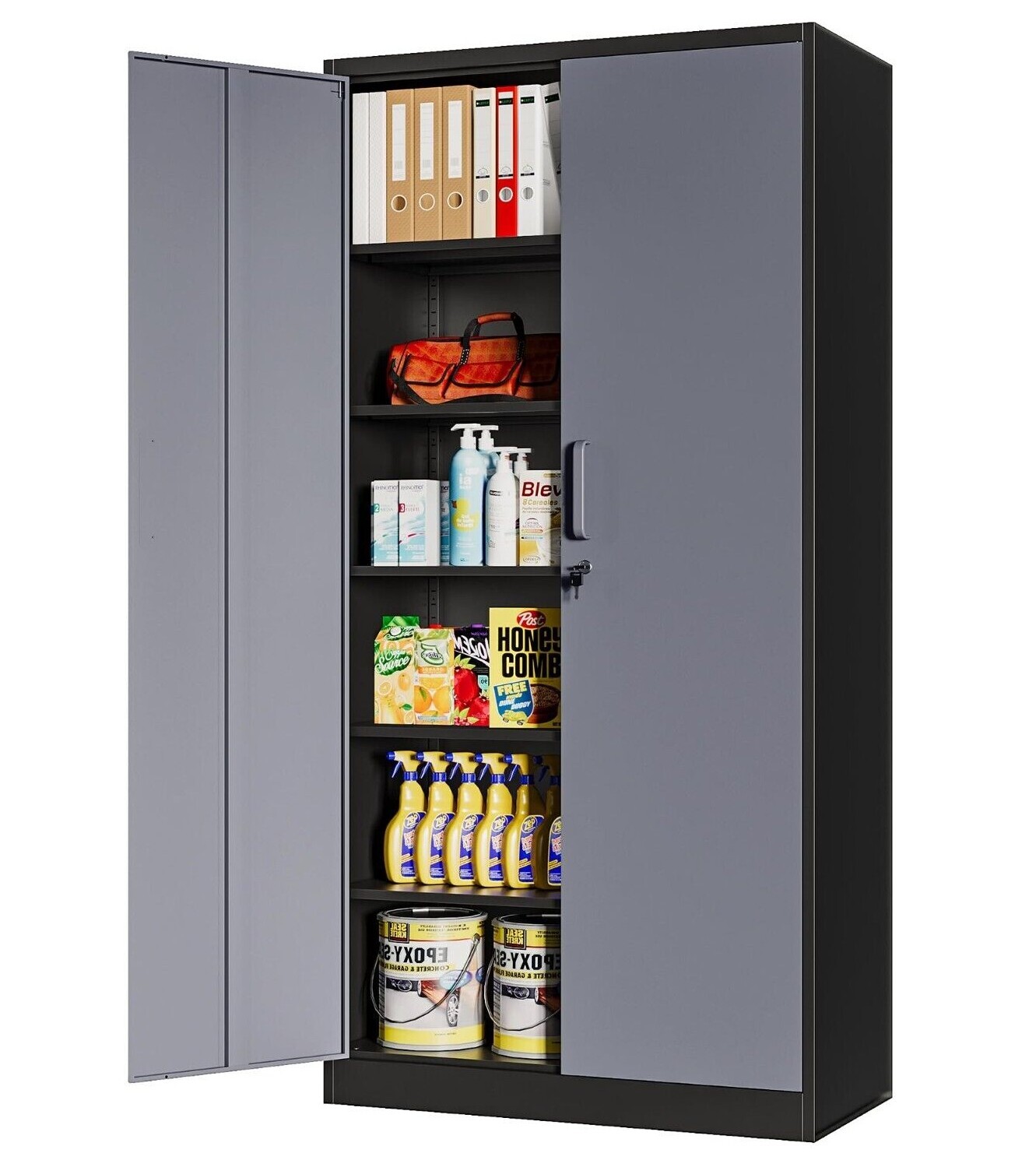

Photos from current listings. Actual item, color, and included accessories may vary.
Mlezan Metal Storage Cabinet Buying Guide
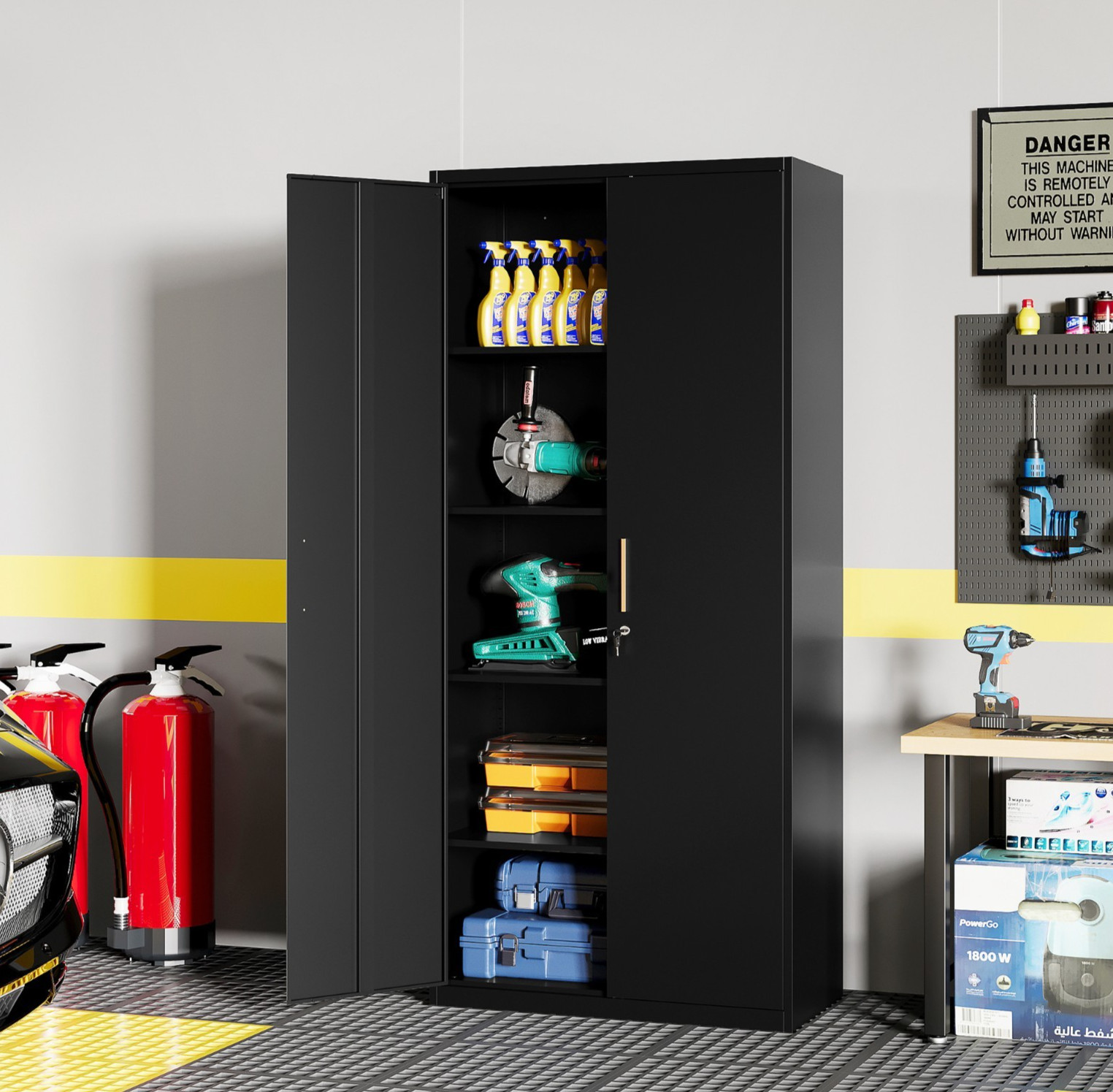
The Mlezan Metal Storage Cabinet is a freestanding steel utility cabinet aimed at garage, workshop, and back-of-house storage, where its worth hinges on steel gauge and shelf load rating rather than styling. The core trade-off is thin stamped steel with riveted or snap-together assembly versus welded or bolted frames in heavier gauge that resist racking under real garage loads. The decision rule: buy only if the listing states a steel gauge of 22 or thicker (lower number) and a per-shelf capacity, plus welded or bolted construction; skip riveted light-gauge cabinets regardless of brand.


At a glance
- Brand
- Not synced yet
- Model
- Not synced yet
- MPN
- Not synced yet
- Category
- Garage Storage
- Status
- Offers available
- Data updated
- Nov 20, 2026
Current offers
Highlights
- Construction type is the primary durability divider: welded or bolted steel frames resist diagonal racking; riveted or tab-and-slot snap assembly loosens under repeated loading.
- Steel gauge (thickness) determines dent resistance and shelf sag: 22-gauge or thicker steel (lower gauge number) is the practical floor for loaded garage use; 24-26 gauge is light-duty only.
- Locking mechanism and door reinforcement decide security: a keyed cam lock through a reinforced door panel is adequate for tool deterrence; a simple latch without a lock barrel is not.
- Shelf adjustability on 1-inch increments with a stated load rating per shelf (often 100-200 lb on mid-tier units, higher on welded frames) is the specification that separates real storage from display furniture.
Best use cases
- Best fit: a garage or workshop needing lockable, adjustable steel shelving for tools, paint, and boxed goods — pick a welded or bolted 22-gauge model with at least 150 lb per shelf.
- Wrong fit: storing engine blocks, heavy tile, or dense metal stock on a single shelf — skip any cabinet under 200 lb per-shelf rating and use a heavy-duty welded industrial cabinet instead.
- Best fit: a climate-controlled indoor utility room or office back-of-house for paperwork, supplies, and electronics — a lighter 24-gauge cabinet with a cam lock is sufficient and cheaper to move.
- Wrong fit: an uninsulated, damp garage or coastal environment — skip standard painted cold-rolled steel and choose a galvanized or powder-coated cabinet rated for humidity, or accept surface rust on seams and spot welds.
Buying tips
- Match cabinet height to ceiling and door swing: a 71-inch tall cabinet needs at least 75 inches of clearance to tip upright during assembly and a 30-inch door opening for delivery.
- Require a stated per-shelf load rating, not a cabinet total: a 900 lb total across four shelves averages 225 lb each, but thin shelves may sag well before that if the rating is not per shelf.
- Check the door and lock hardware: a keyed cam lock with two keys and a reinforced lock plate is the minimum for tool security; barrel bolts or padlock hasps are a downgrade.
- Confirm shelf adjustability increments and clip type: 1-inch spacing with steel shelf clips supports odd-height items; fixed shelves or plastic clips limit reconfiguration and fatigue faster.
Specs
| Steel Gauge | 22-24 ga typical; 22 ga minimum |
|---|---|
| Construction | Welded/bolted vs riveted snap |
| Shelf Load | 150-225 lb per shelf mid-tier |
| Locking | Keyed cam lock, reinforced door |
Alternatives to compare

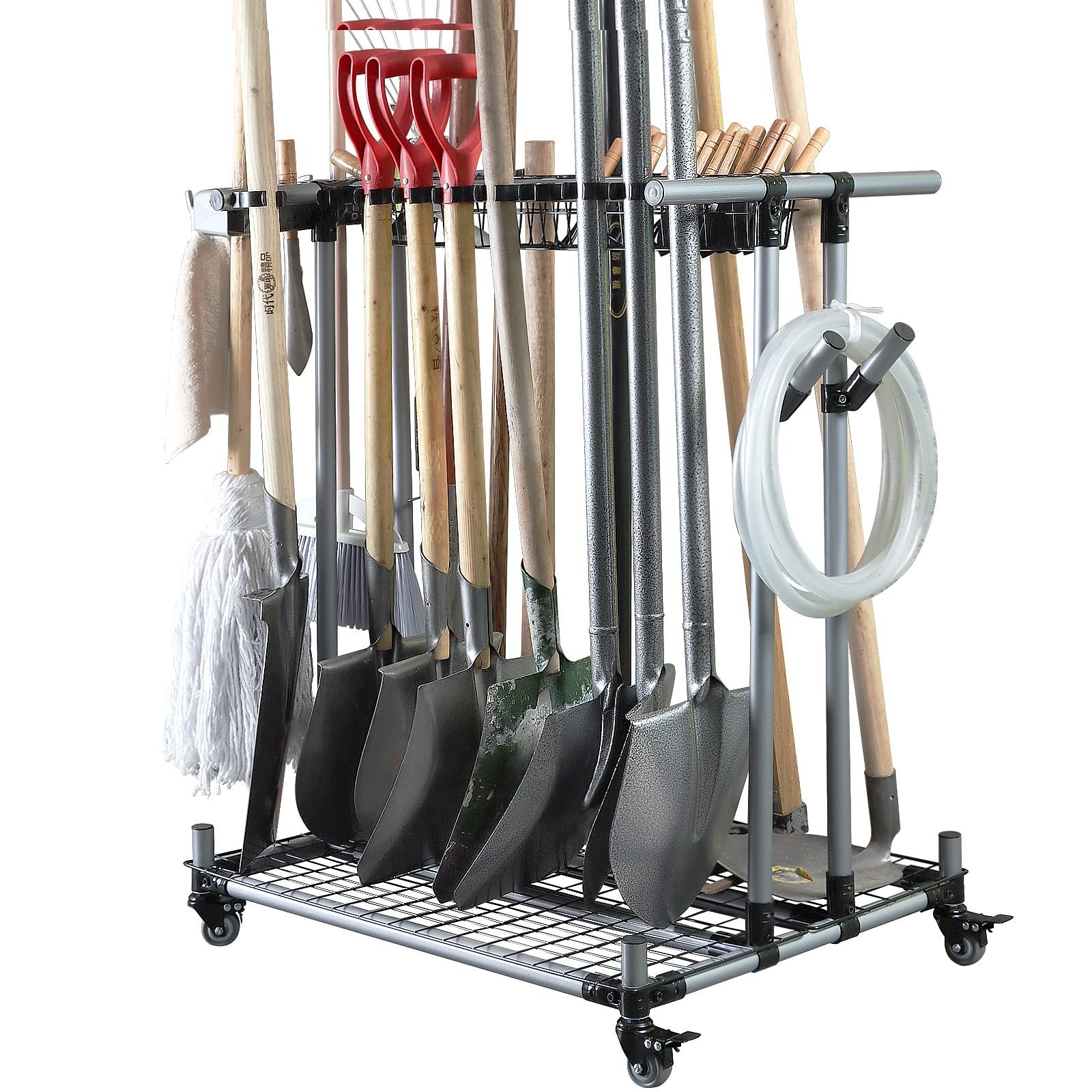
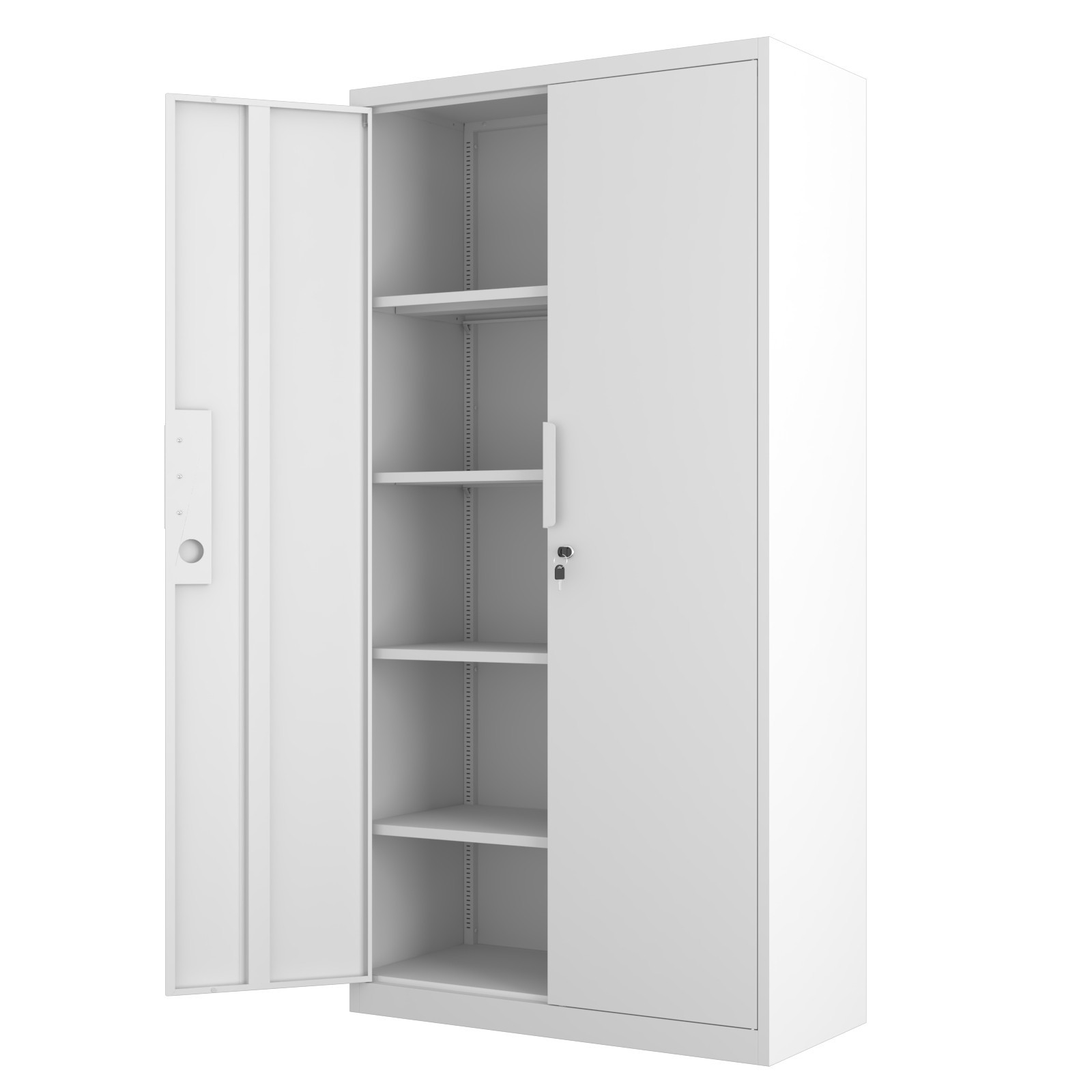
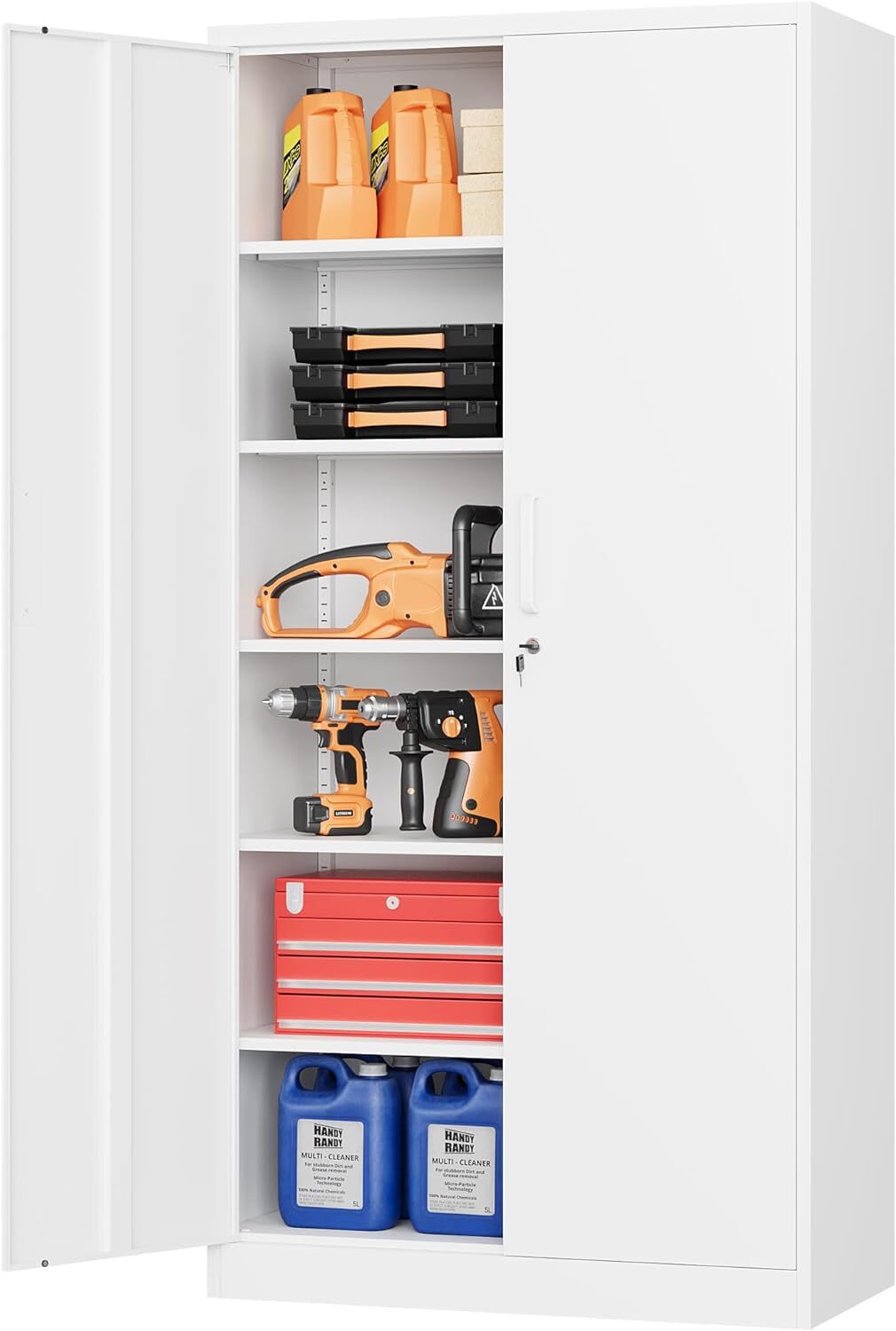
Related searches
What to check before buying
- Measure the delivery path and assembly space: cabinet width plus 6 inches clearance on each side, and ceiling height at least 4 inches above cabinet height for tipping upright.
- Verify floor type and level: a 900 lb loaded cabinet needs a level concrete or reinforced floor; on uneven slabs, use shims under the base and anchor the cabinet to a wall stud.
- Confirm the electrical and climate environment: avoid placing the cabinet against a damp exterior wall; in humid garages, leave a 2-inch air gap and consider a galvanized finish.
- Check anchor and anti-tip hardware: tall cabinets over 60 inches should be wall-anchored; confirm the cabinet includes a tip-restraint bracket or predrilled anchor holes.
FAQ
Data sources: eBay / Amazon listings and product attribute feeds Data updated Nov 20, 2026.
Some links on this page are affiliate links. If you buy after clicking one, we may earn a commission at no extra cost to you. This does not change which products appear here or their order. Affiliate disclosure.