Photos from current listings. Actual item, color, and included accessories may vary.
Storage Rack Buying Guide
Storage racks for garages split into two architectures: freestanding shelving units that carry boxed goods and wall-mounted rail systems that hang tools, lumber, and long-handled equipment. The decisive trade-off is rated load per shelf versus anchoring method — freestanding steel units spread weight across four legs, while wall racks transfer all load into studs or masonry. Buy freestanding steel shelving for bulk storage and a stud-mounted rail system for tools; skip particleboard units and drywall-anchored racks for anything heavy.

At a glance
- Category
- Garage Storage
- Data updated
- Nov 20, 2026
Current offers
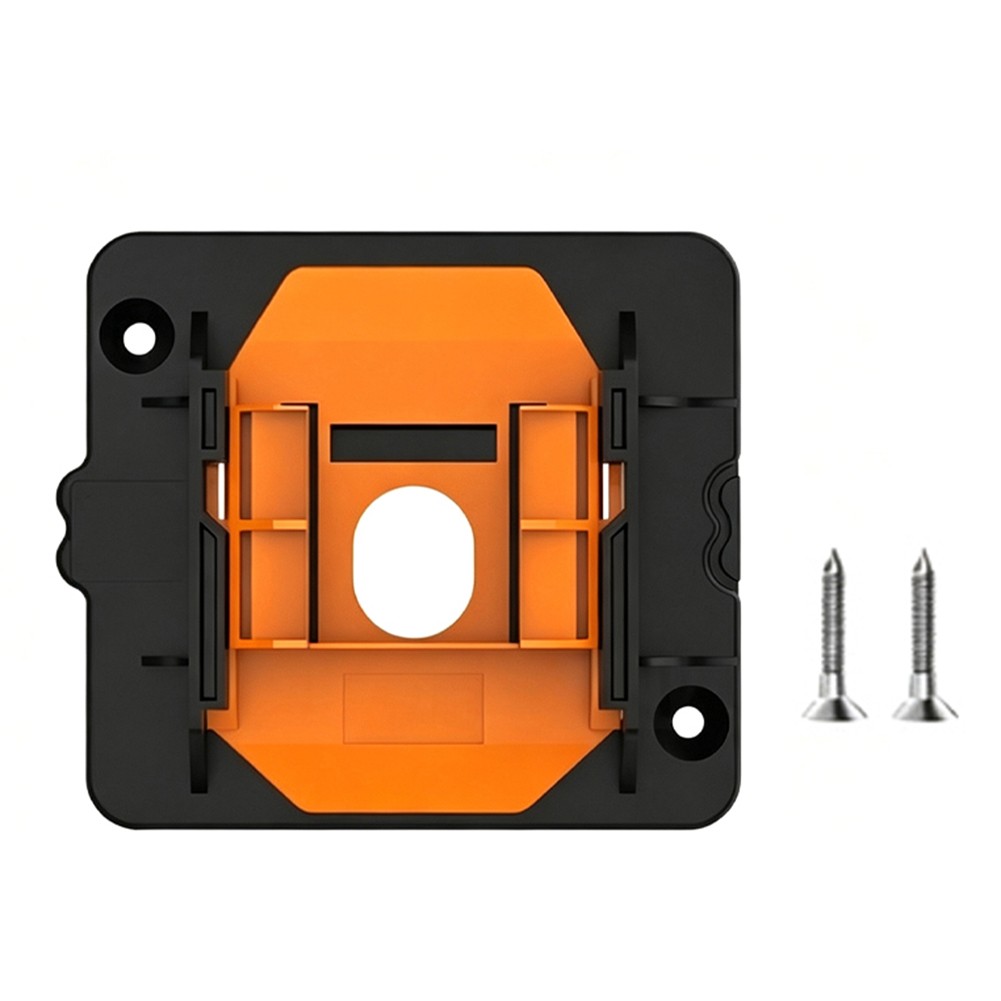 Power Tool Storage Rack For Home Garage Organization Sturdy Plastic Construction$10.92
 View on eBay
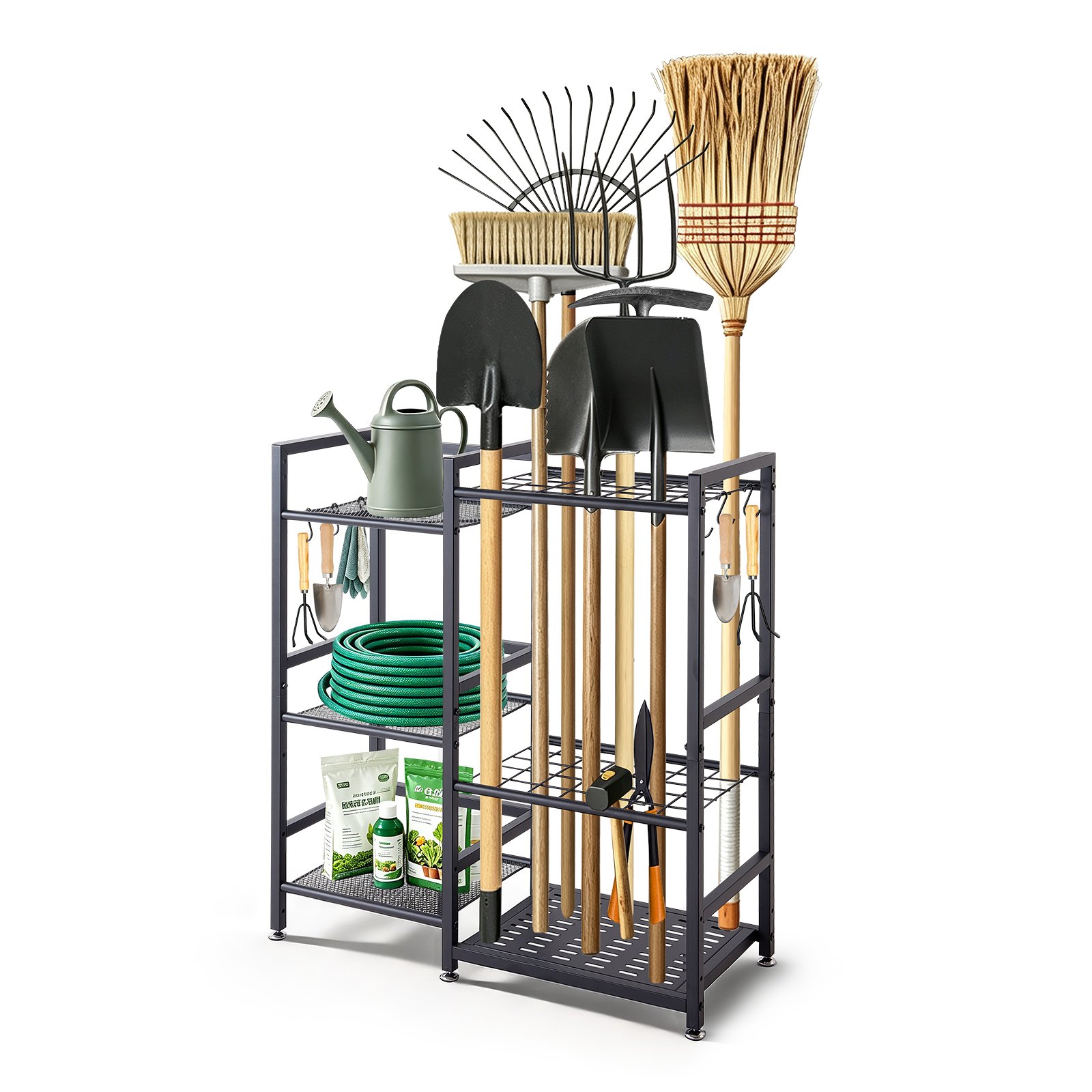 Garden Tool Organizer with Guard Rail, 3-Tier Metal Storage Rack, for Rakes/Shovels/Brooms, Yard Utility Holder for Garage/Shed/Outdoor/Lawn Organization, Heavy-Duty Steel, Hooks, Black$47.99
 View on Mallflare
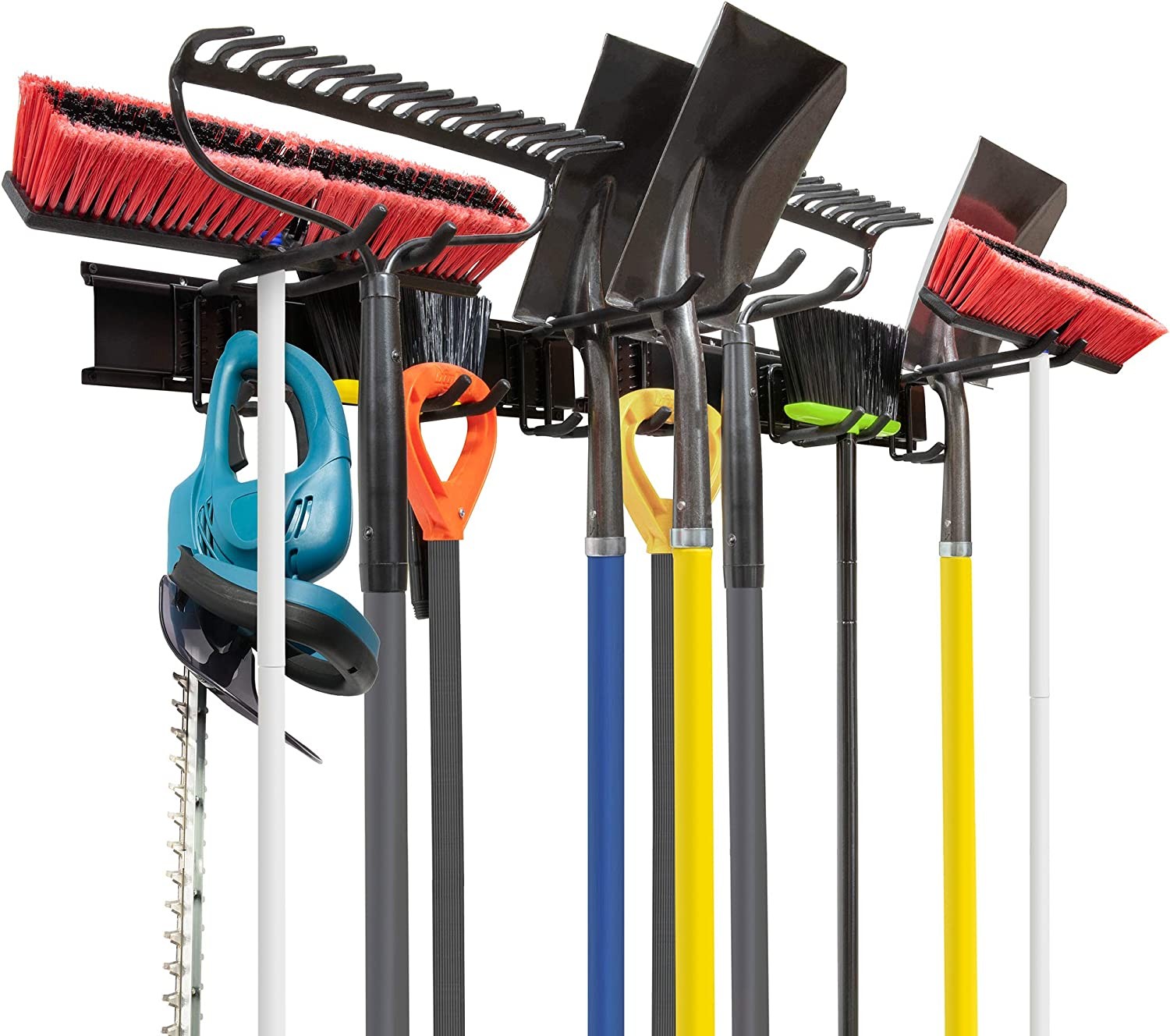 RightHand Garage Tool Storage Rack, 8 Piece Wall Mounted Garage Organizer$35.98Last checked Nov 19, 2026View on eBay
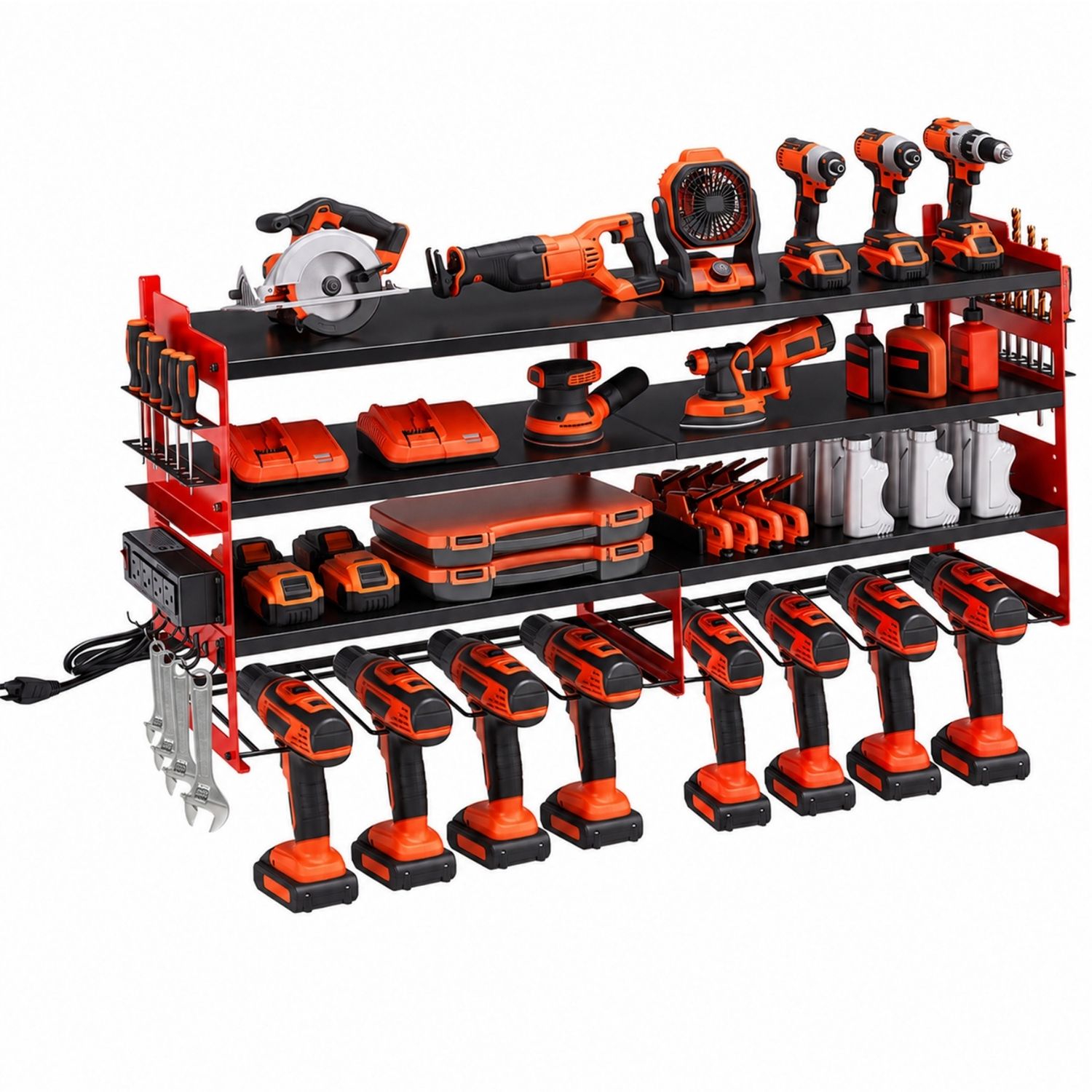 Electric Tool Storage Rack With Charging Station, Wall-mounted Practical Equipped 4-hole Power Socket$79.99View on Mallflare
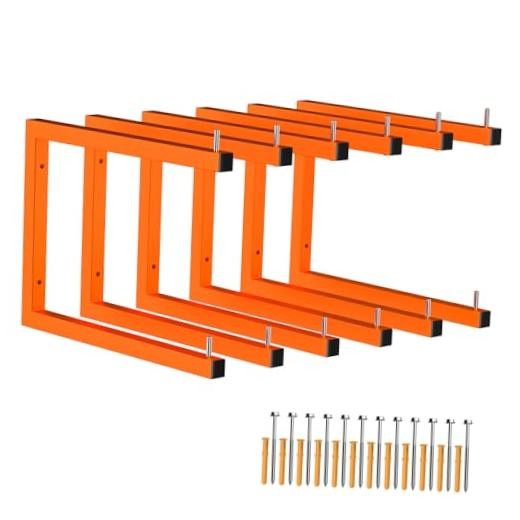 6 Pack Lumber Storage Rack | Wall-Mounted Wood Storage | 6-Tier 6 Pack-6 Level$86.11View on eBay
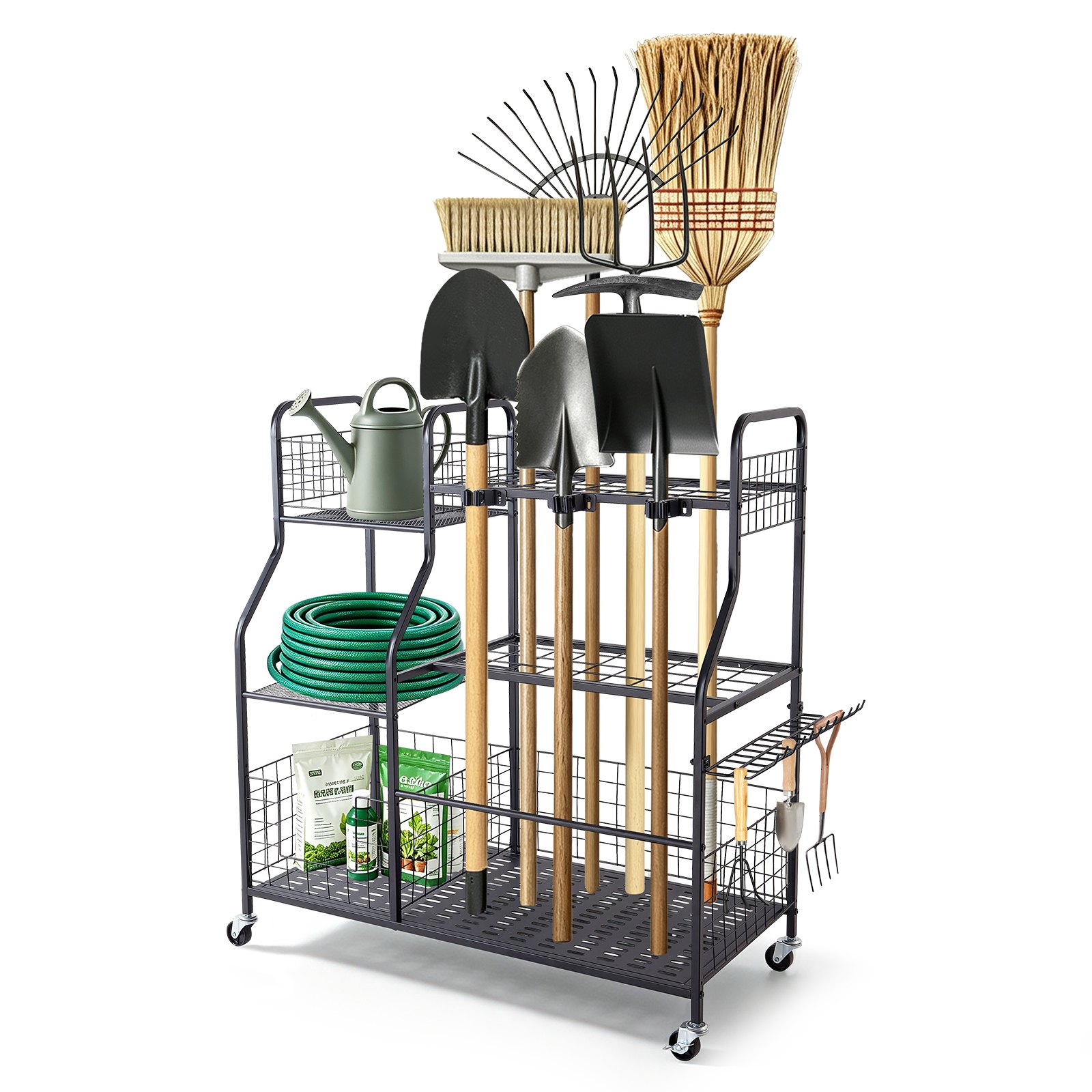 Garden Tool Organizer with Wheels, Large Metal Garage Storage Rack, for Rakes/Shovels/Brooms, Yard Utility Holder for Shed/Outdoor/Lawn Organization, Heavy-Duty Steel, Hooks, Black$85.99View on Mallflare
 Heavy Duty Wall Mounted Garage Tool Storage Rack with 12 Hooks & 4 Rails Organiz$87.19View on eBay
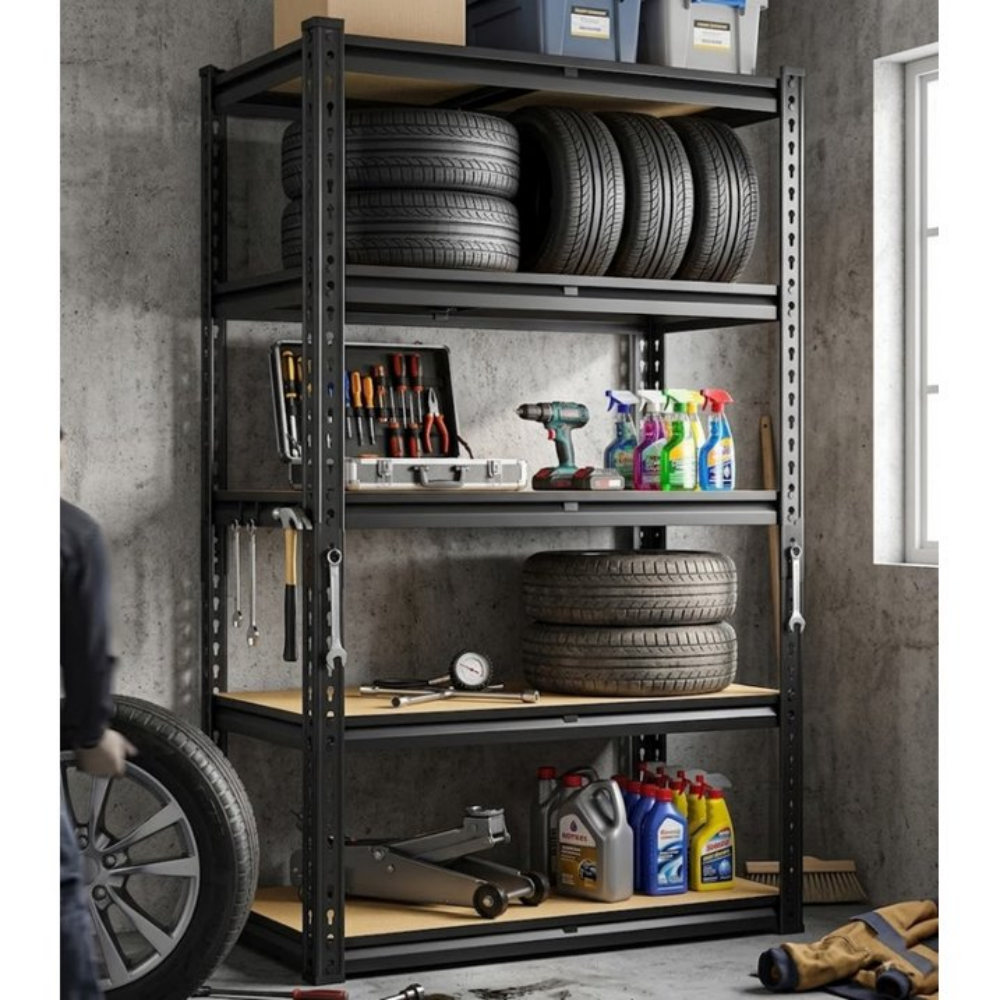 5-Tier Heavy Duty Metal Garage Shelving Unit, 1500lbs Capacity, Adjustable Storage Rack, Utility 28" L x 12" W x 60" H$96.99View on Mallflare
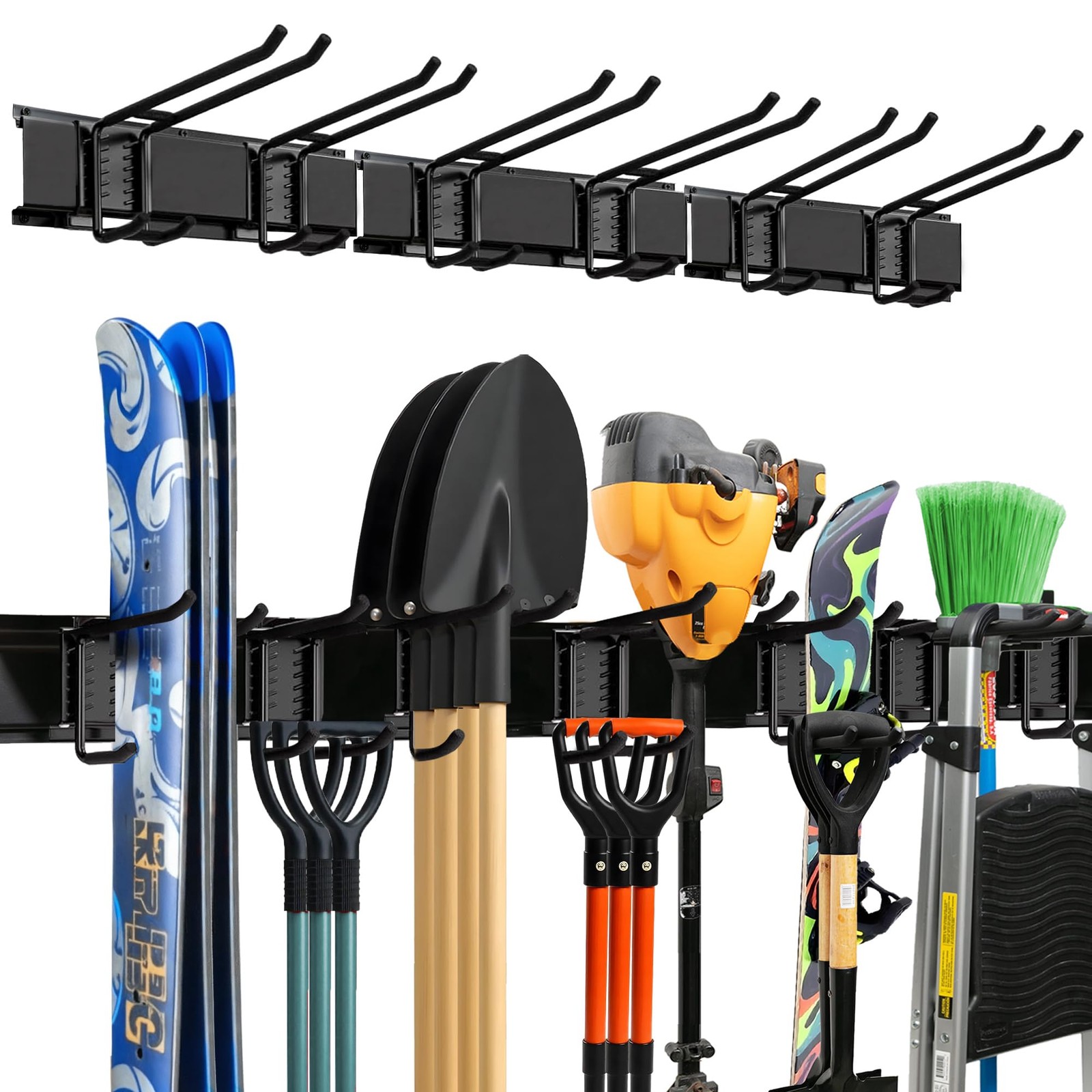 Tidyme Garage Wall Organizer 48 Heavy-Duty Tool Storage Rack Adjustable$111.79View on eBay
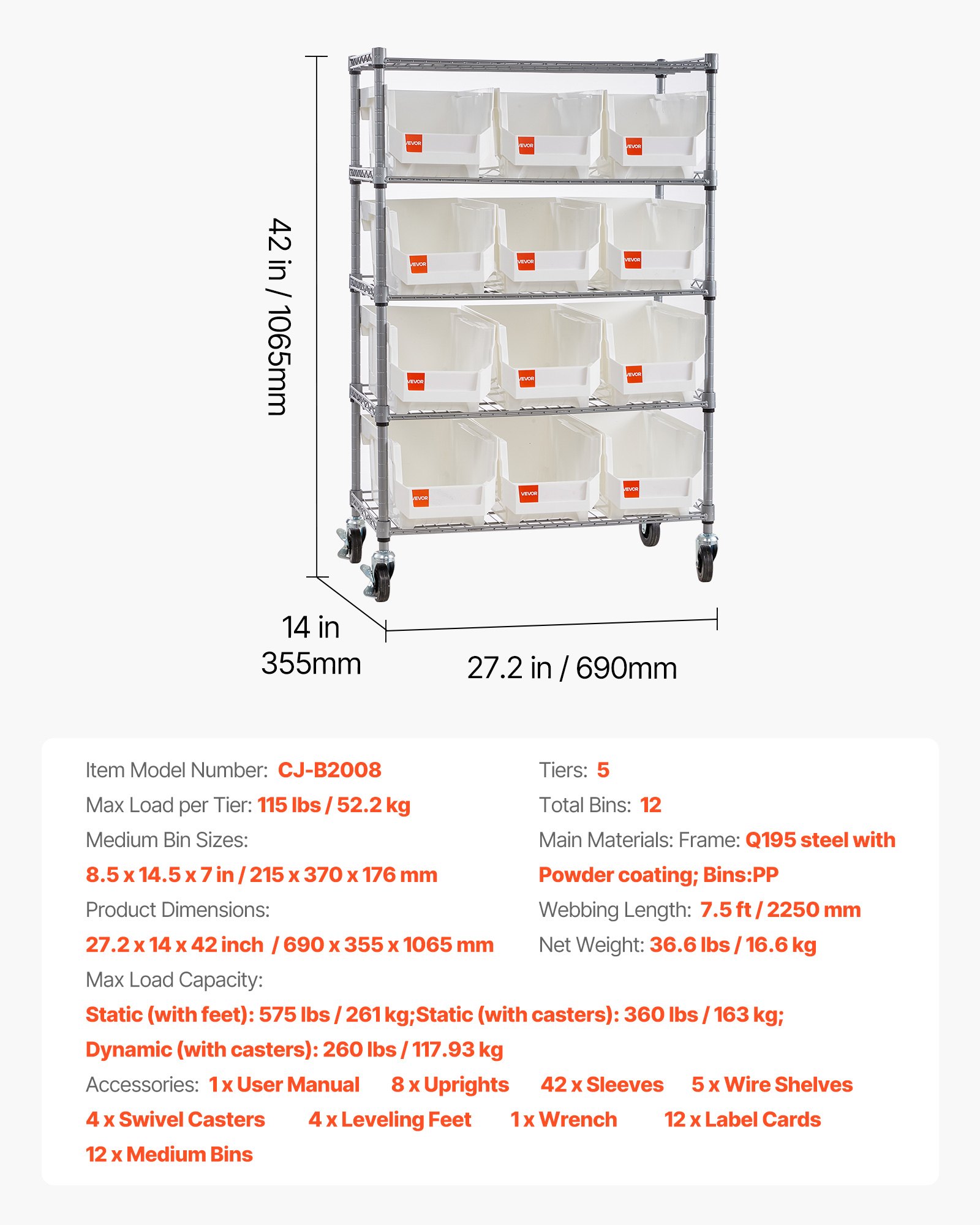 5-Tier Rolling Bin Storage Rack, 12 Organizer Bins, Bin Steel Wire Shelving System With Wheels, Mobile Tool For Garage, Warehouse, Office, Restaurant, Classroom, Kitchen$168.99View on Mallflare
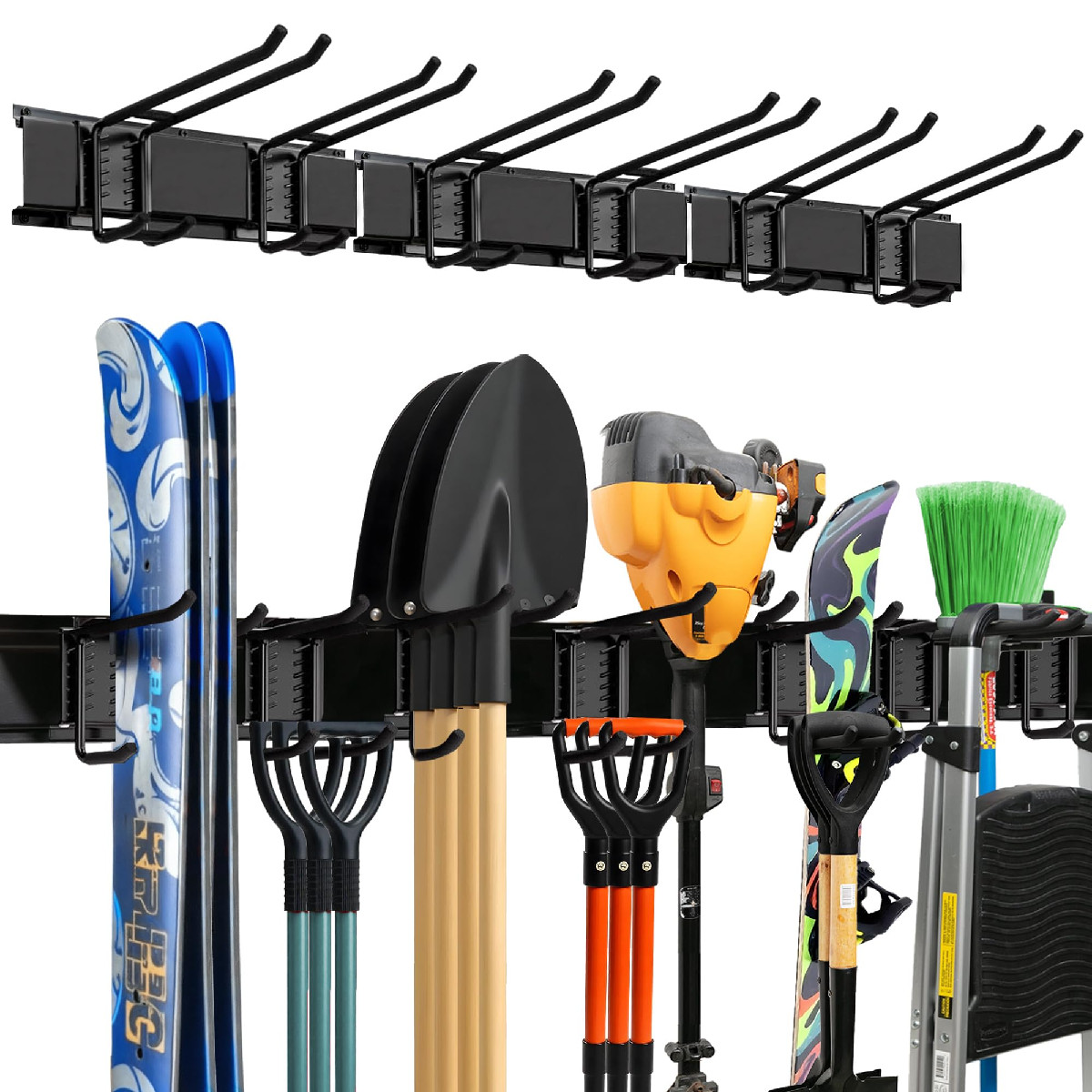 Tidyme Garage Wall Organizer 48 Heavy-Duty Tool Storage Rack Adjustable$117.66View on eBay
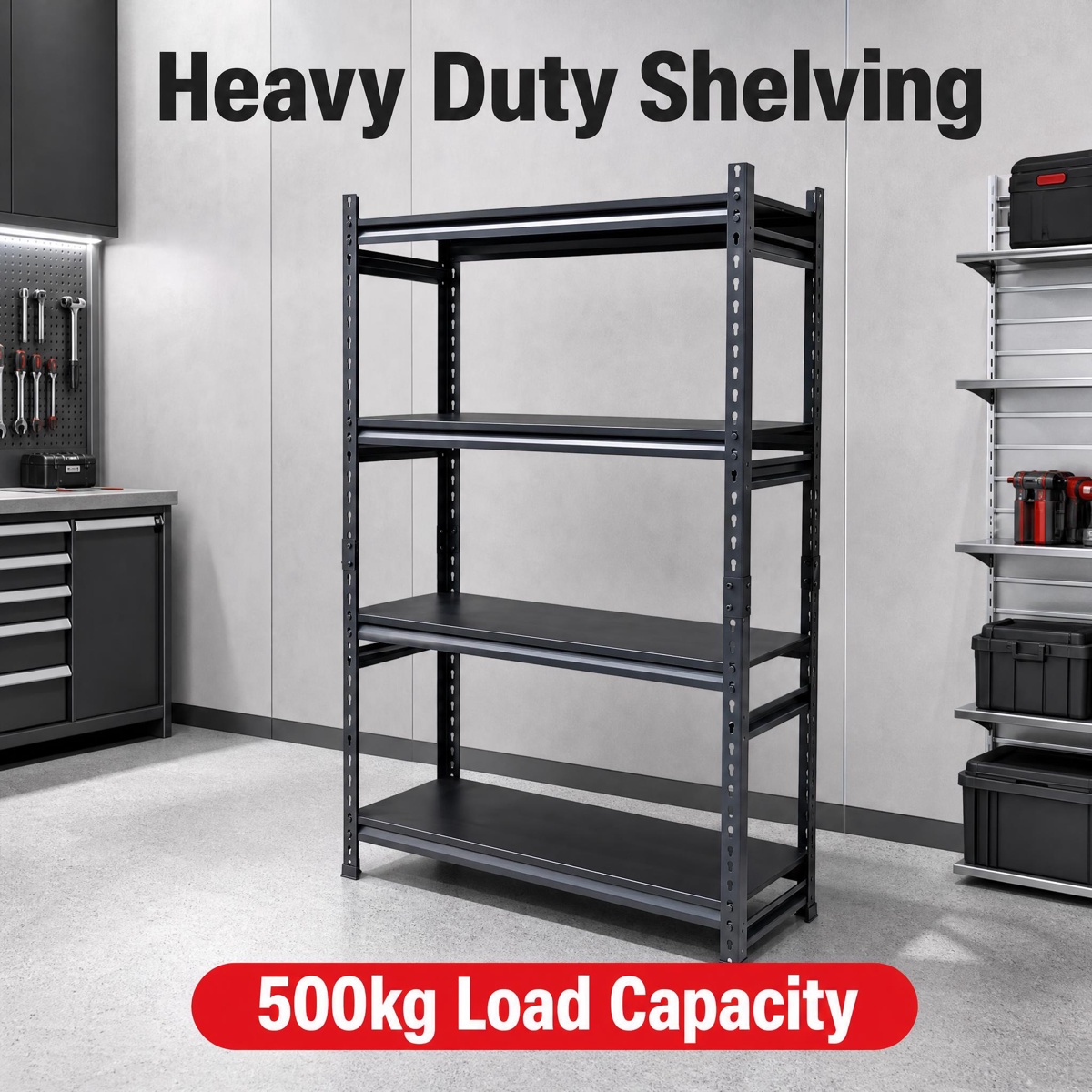 Heavy-duty Garage Storage Racks, Metal Shelving Units, Rust-resistant, Suitable For Warehouses And Basements, Maximize Space Utilization, Tool And Home Organization$187.99View on Mallflare
- Tidyme Garage Wall Organizer 48 Heavy-Duty Tool Storage Rack Adjustable$117.92View on eBay
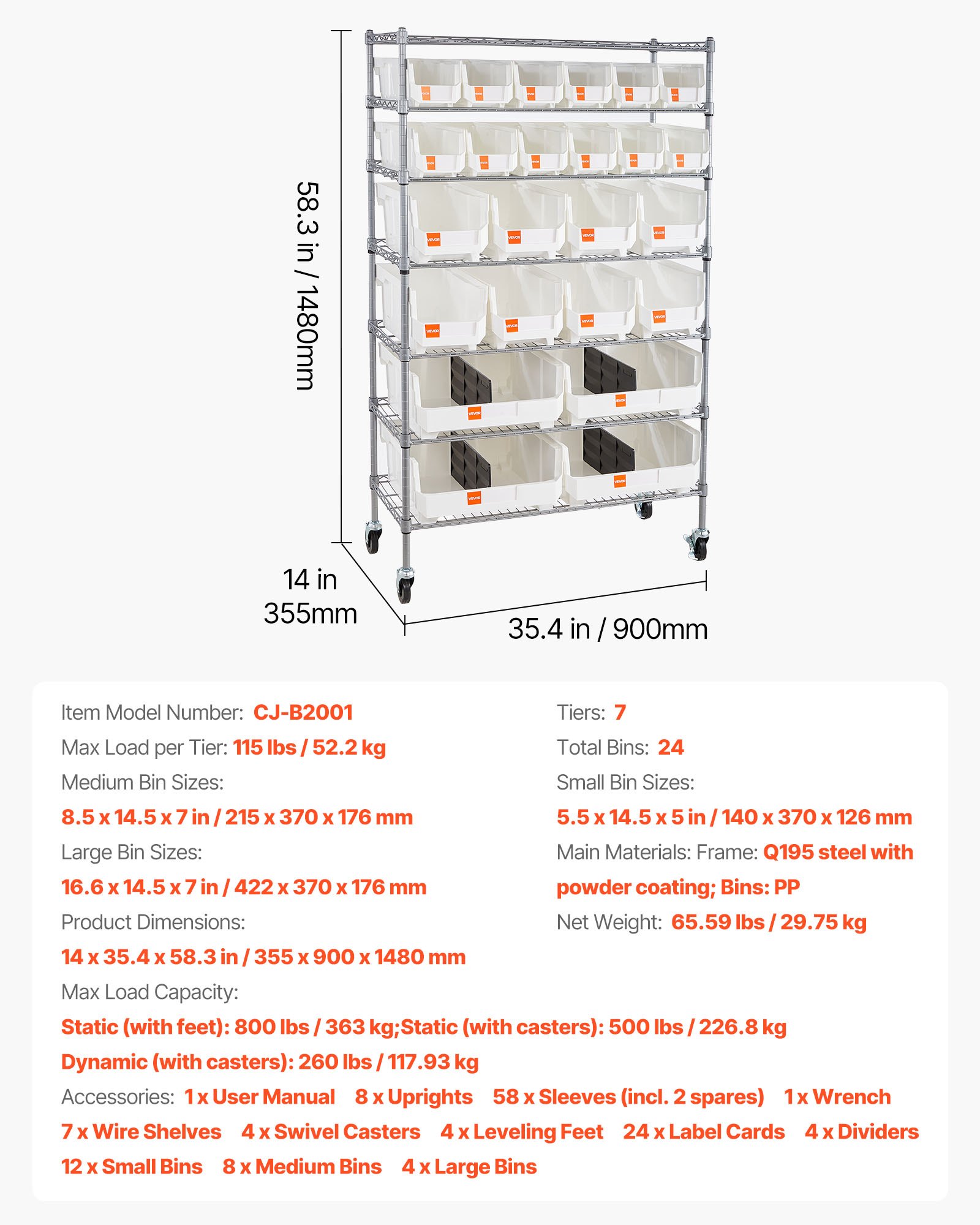 7-Tier Rolling Bin Storage Rack, 24 Organizer Bins, Bin Steel Wire Shelving System With Wheels, Mobile Tool For Garage, Warehouse, Office, Restaurant, Classroom, Kitchen$266.99View on Mallflare
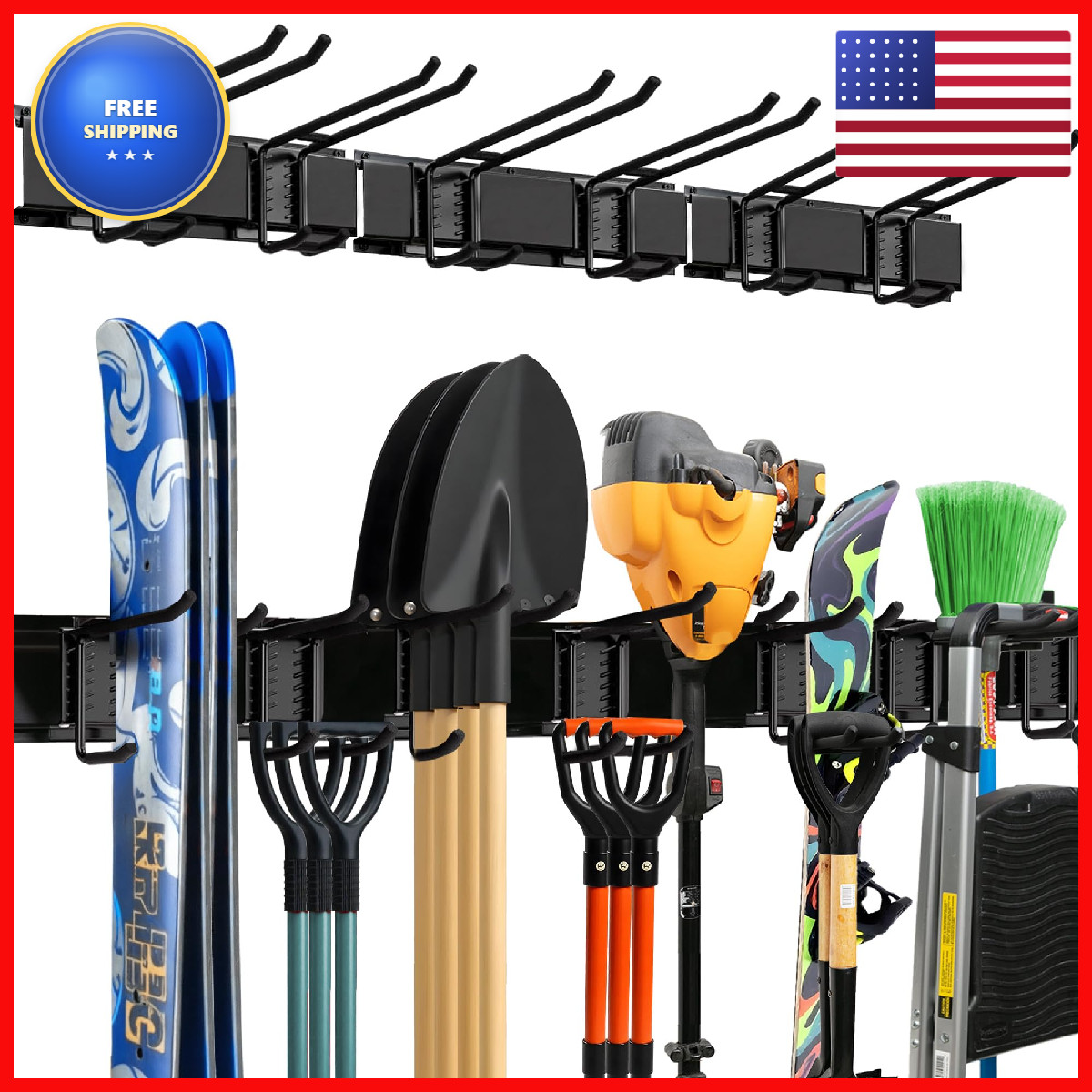 Tidyme Garage Wall Organizer 48 Heavy-Duty Tool Storage Rack Adjustable$125.91View on eBay
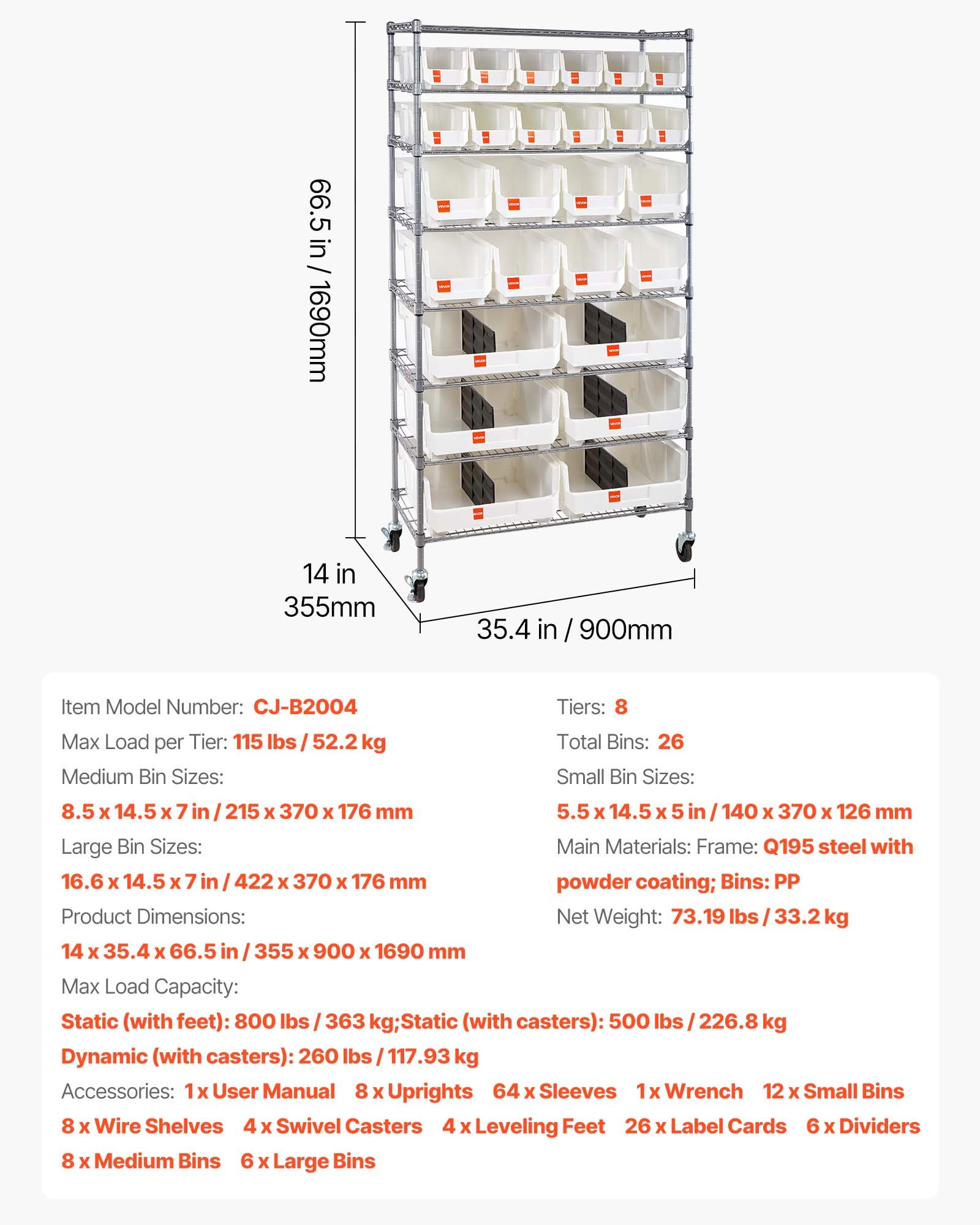 8-Tier Rolling Bin Storage Rack, 26 Organizer Bins, Bin Steel Wire Shelving System With Wheels, Mobile Tool For Garage, Warehouse, Office, Restaurant, Classroom, Kitchen$297.99View on Mallflare
- Tidyme Garage Wall Organizer 48 Heavy-Duty Tool Storage Rack Adjustable$127.79View on eBay
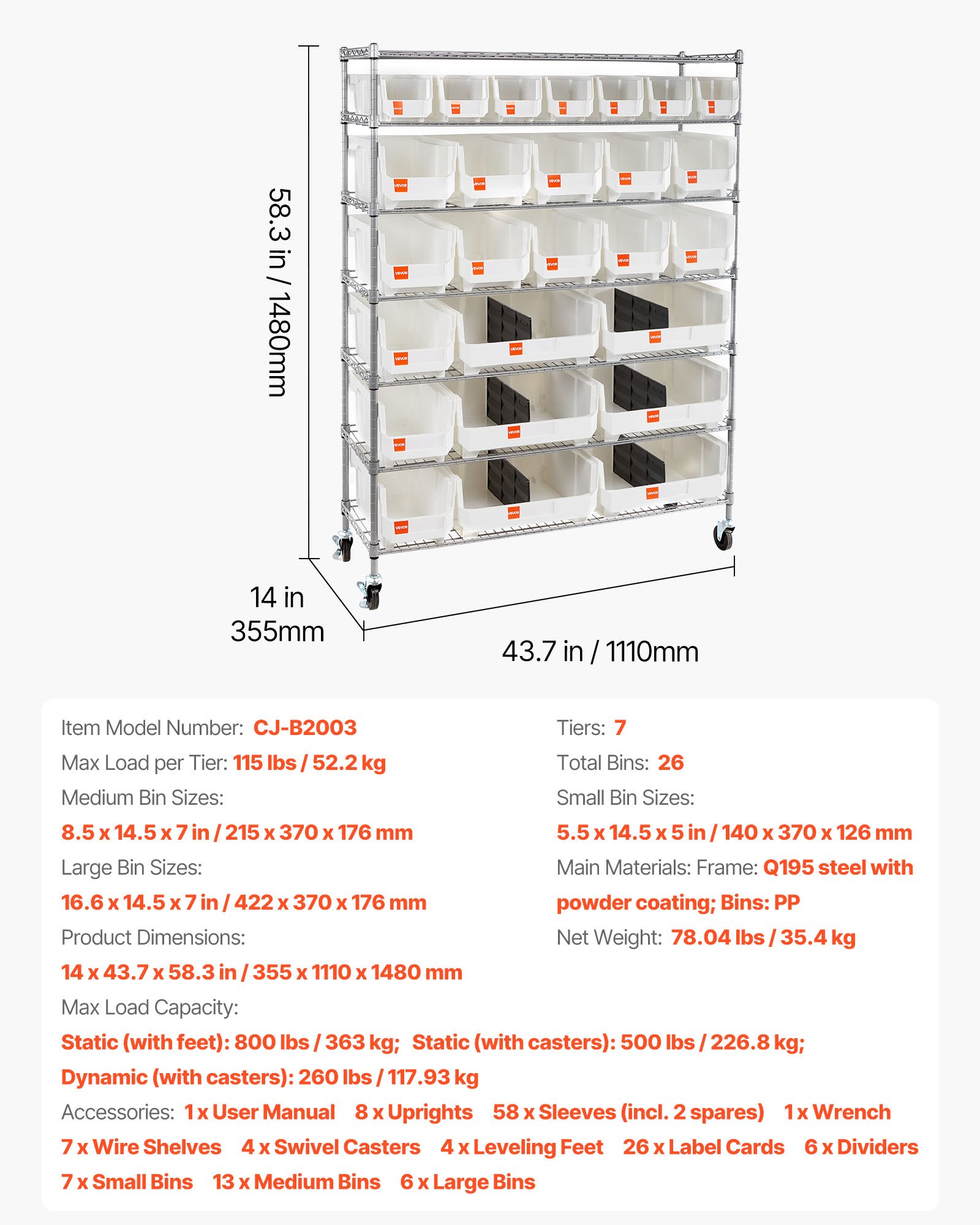 7-Tier Rolling Bin Storage Rack, 26 Organizer Bins, Bin Steel Wire Shelving System With Wheels, Mobile Tool For Garage, Warehouse, Office, Restaurant, Classroom, Kitchen$302.99View on Mallflare
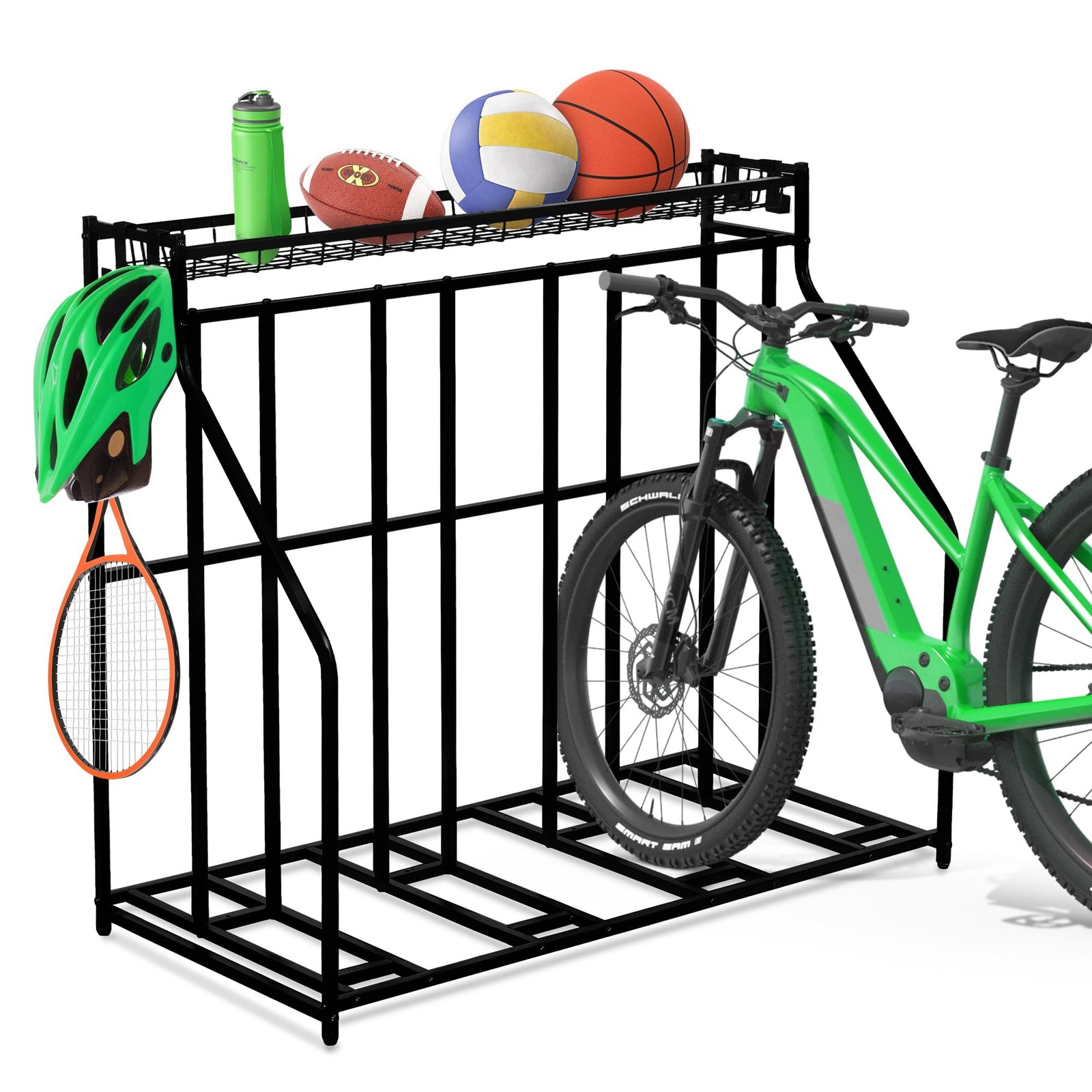 YES4ALL 4-Bike Stand, Bike Storage Rack, Bicycle Floor Rack for Garage Organi...$154.09View on eBay
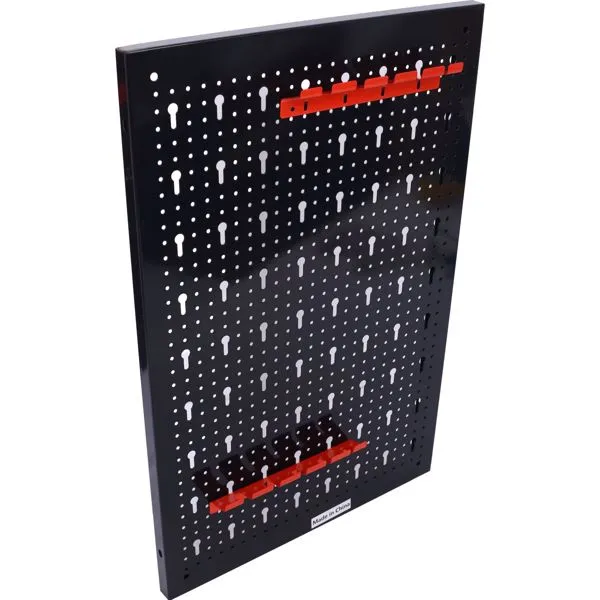 Pegboard Wall Organizer, 4ft Metal Garage Tool w/3 Pegboards, Drill Bit Rack, Wrench Hooks Accessories, Wall-Mounted Storage for Workshop Warehouse, Black$53.99View on Mallflare
Highlights
- Freestanding steel shelving is rated by total capacity and per-shelf load; 5-tier units commonly rate 1500 lb total (300 lb per shelf) with adjustable shelf heights on 1-inch increments.
- Wall-mounted tool rails depend entirely on fastener grade: lag bolts into wood studs or masonry anchors into concrete, never drywall plugs, because a loaded rail exerts pull-out force.
- Deck material separates durable from disposable: steel or wire decking resists moisture and oil, while particleboard or MDF shelves swell and fail in humid garages.
- Long-handled tool racks use hook spacing and guard rails to hold rakes, shovels, and brooms; lumber racks use stacked arm pairs rated per level for board feet.
Best use cases
- Bulk boxed storage (holiday bins, paint, automotive fluids): choose a 5-tier freestanding steel unit with wire or steel decking rated at least 250–300 lb per shelf; skip particleboard shelving.
- Long-handled yard tools and brooms: choose a wall-mounted rail with hooks and a guard rail, anchored into studs; skip freestanding racks that consume floor space and tip when loaded unevenly.
- Lumber and long stock: choose a dedicated multi-level wall lumber rack with paired arms rated per level; skip general-purpose hook rails, which cannot support board weight safely.
- Power tool charging and organization: choose a wall rack with an integrated socket strip only if a circuit is nearby; otherwise a plain hook rail plus a separate power strip is cheaper and more flexible.
Buying tips
- Match rack width to stud spacing: wall rails must span at least two studs at 16 or 24 inches on center, so pick a rail length that lands fasteners on both studs.
- Size freestanding units to leave 24–36 inches of aisle: a 28-inch-long, 12-inch-deep, 60-inch-high 5-tier unit fits tight garages; deeper 18–24 inch units suit bulk bins but block walkways.
- Check per-shelf rating, not just total: a 1500 lb total across 5 shelves means roughly 300 lb per shelf evenly distributed; point loads at shelf edges reduce that.
- Choose steel thickness and coating: 18–20 gauge steel posts with powder coating resist rust; thinner gauge and painted-only finishes dent and corrode in unheated garages.
Specs
| Rack Architecture | Freestanding shelving vs wall rail |
|---|---|
| Shelf Load Rating | 150–300 lb per shelf typical |
| Deck Material | Steel/wire vs particleboard |
| Anchoring Method | Stud lag bolt vs masonry anchor |
Related searches
What to check before buying
- Measure wall height and floor-to-ceiling clearance; a 60–72 inch shelving unit needs headroom to load the top shelf, and wall rails need clear space above the highest hook.
- Confirm wall construction: locate wood studs with a stud finder or verify masonry; drywall-only walls cannot anchor a loaded tool or lumber rack.
- Check floor level and moisture: slope or damp concrete calls for adjustable leveling feet and rust-resistant finishes on shelving legs.
- Verify rack depth against parked-car clearance and door swing so shelves and hanging tools do not obstruct vehicle doors or walk paths.
FAQ
Data sources: eBay / Amazon listings and product attribute feeds Data updated Nov 20, 2026.
Some links on this page are affiliate links. If you buy after clicking one, we may earn a commission at no extra cost to you. This does not change which products appear here or their order. Affiliate disclosure.