Photos from current listings. Actual item, color, and included accessories may vary.
Tool Bag Buying Guide
A tool bag is a soft-sided carry system defined by three architectures: open-top totes, multi-pocket backpacks, and wheeled rolling bags. The primary trade-off is fabric durability and base protection versus weight and pocket count; the clear rule is to match the carry architecture and base grade to your daily load and terrain, not to the highest pocket number.
Carry Architecture:Open-top tote / Backpack / RollingFabric Grade:600D polyester to 1680D ballistic nylonBase Protection:Molded rubber / Reinforced fabric / FlatLoad & Pockets:49-72 pockets; 110 lb rolling capacity
Typical price range$12.99 – $115.99


At a glance
- Category
- Garage Storage
- Data updated
- Nov 20, 2026
Current offers
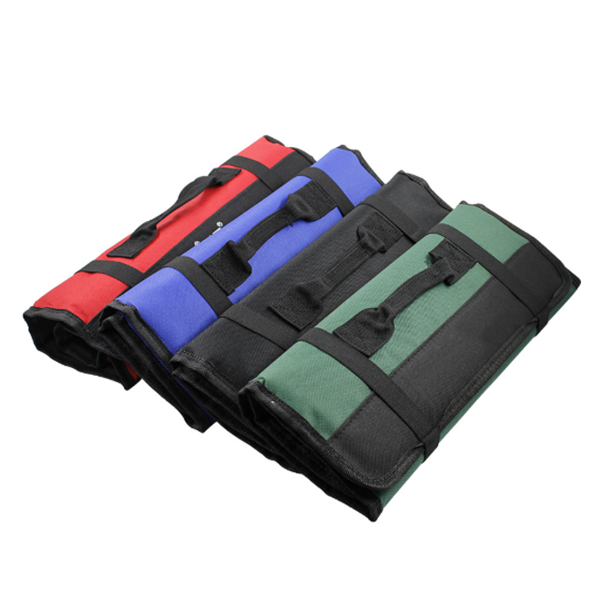 Portable Multifunctional Reel Type Hardware Tool Bag$12.99
 View on Mallflare
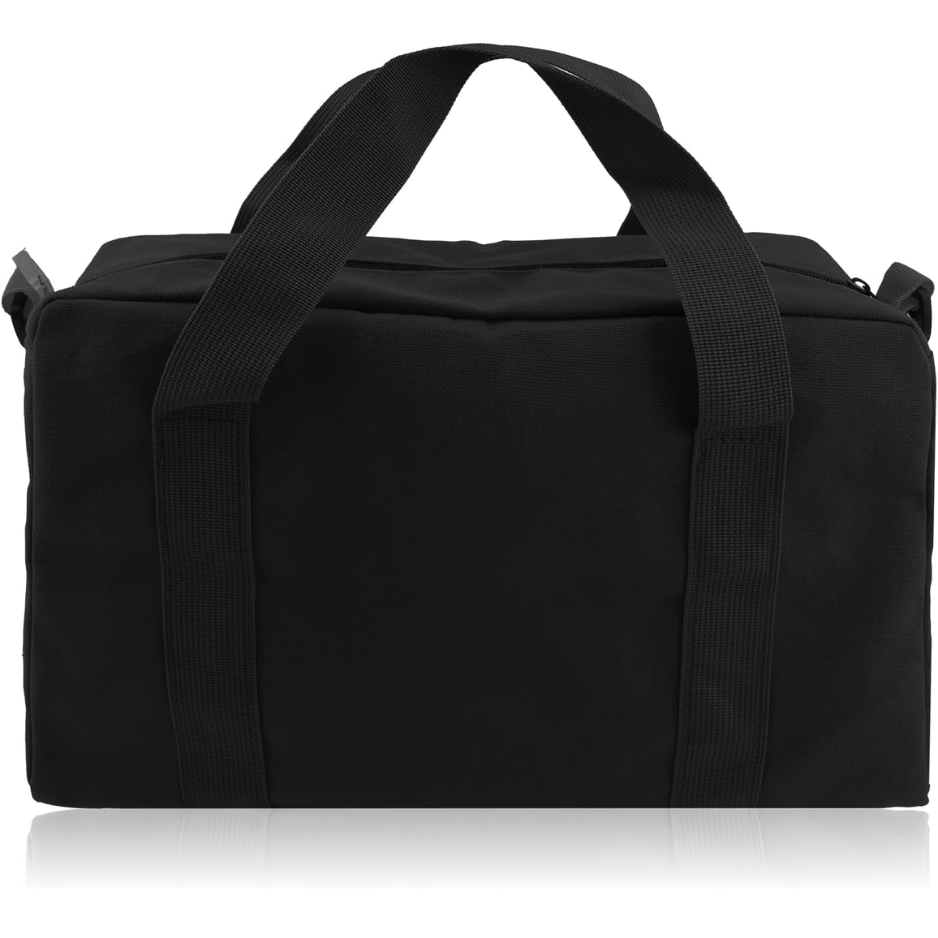 Small Tool Bag Close Top Wide Mouth Organizer Bag Canvas Storage Handbag Black 12 Inch$37.99View on Mallflare
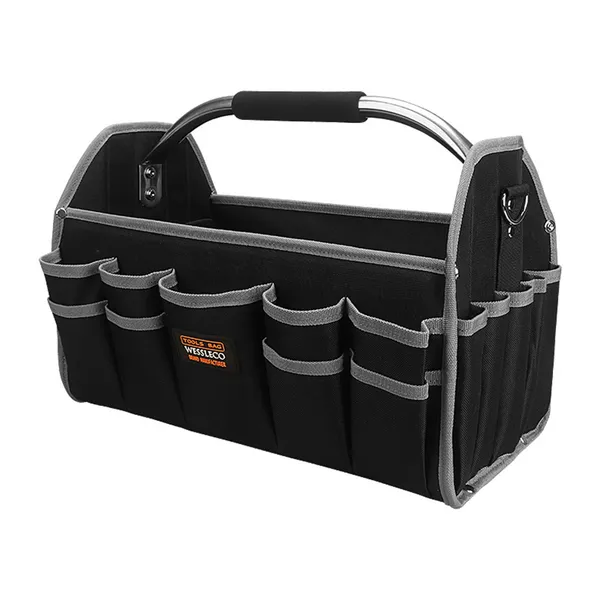 16 Inch Heavy Duty Electrician's Tool Bag Large Capacity Woodworking Handbag Toolbag Open Top Softsided Storage Organizer$42.99View on Mallflare
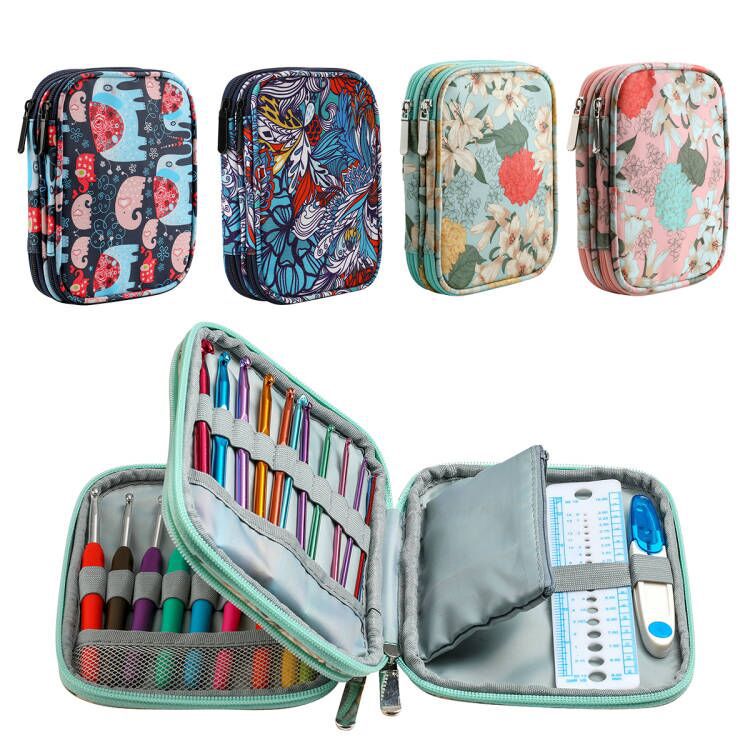 Green Lily Short Bearded Woven Tool Storage Bag Manufacturer$18.99View on Mallflare
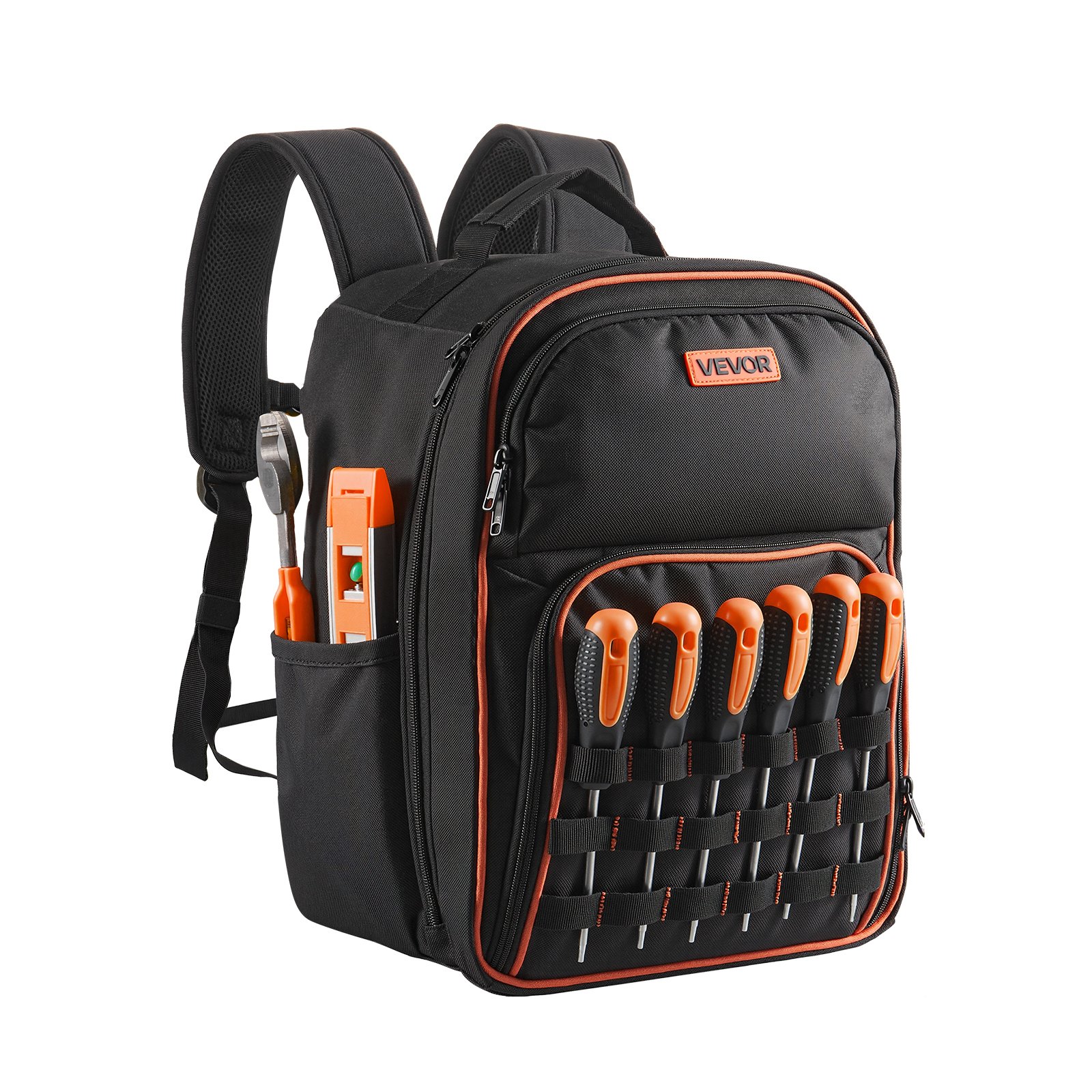 Tool Backpack, 49 Pockets, Heavy-duty Tools Storage Organizer Work Bags With Laptop Compartment & Reinforced Fabric Base, Electrician Jobsite For Repairman$38.99View on Mallflare
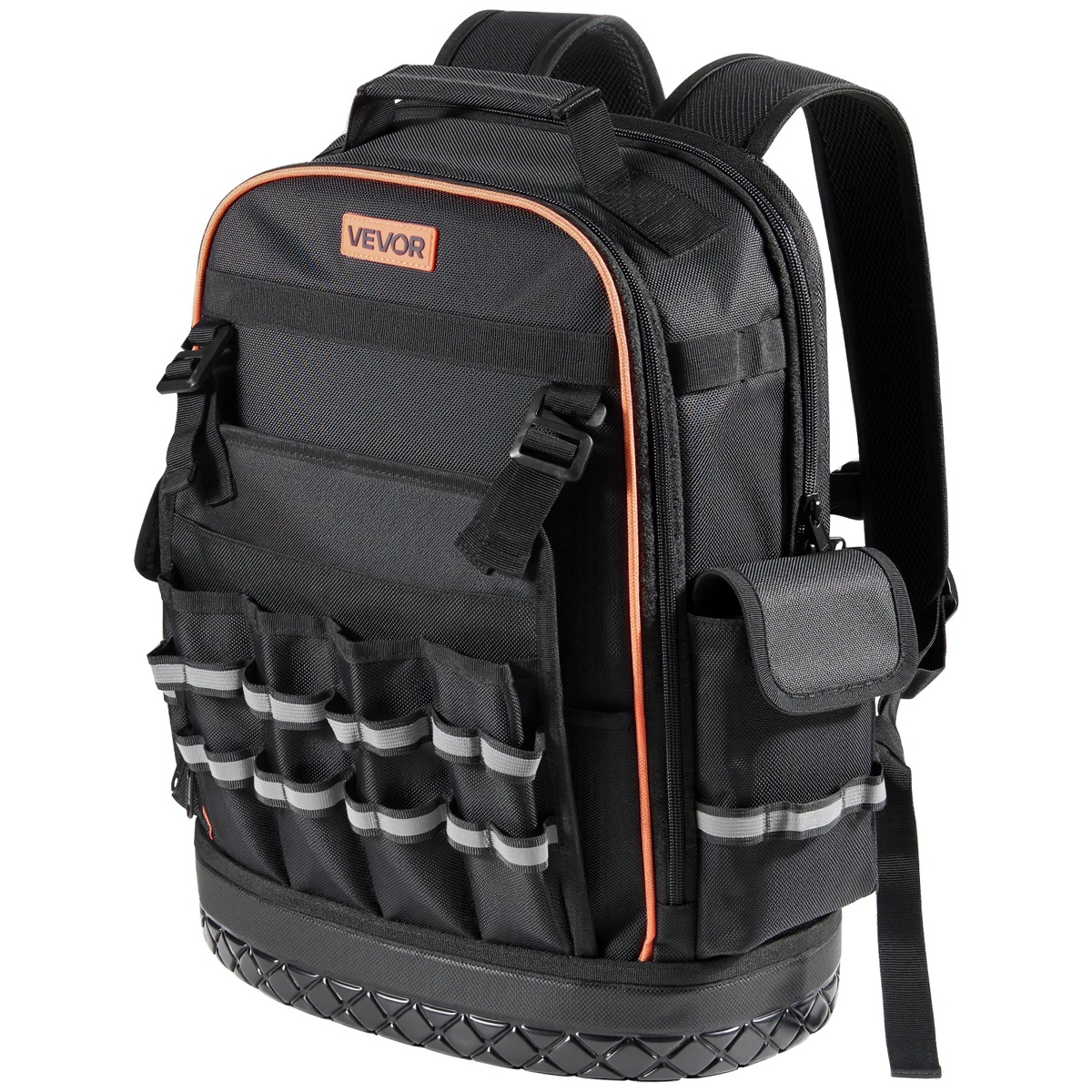 Tool Backpack, 64 Pockets, Heavy-duty Tools Storage Organizer Work Bags With Laptop Compartment & Molded Base, Electrician Jobsite For Repairman, And HVAC Techs$83.99View on Mallflare
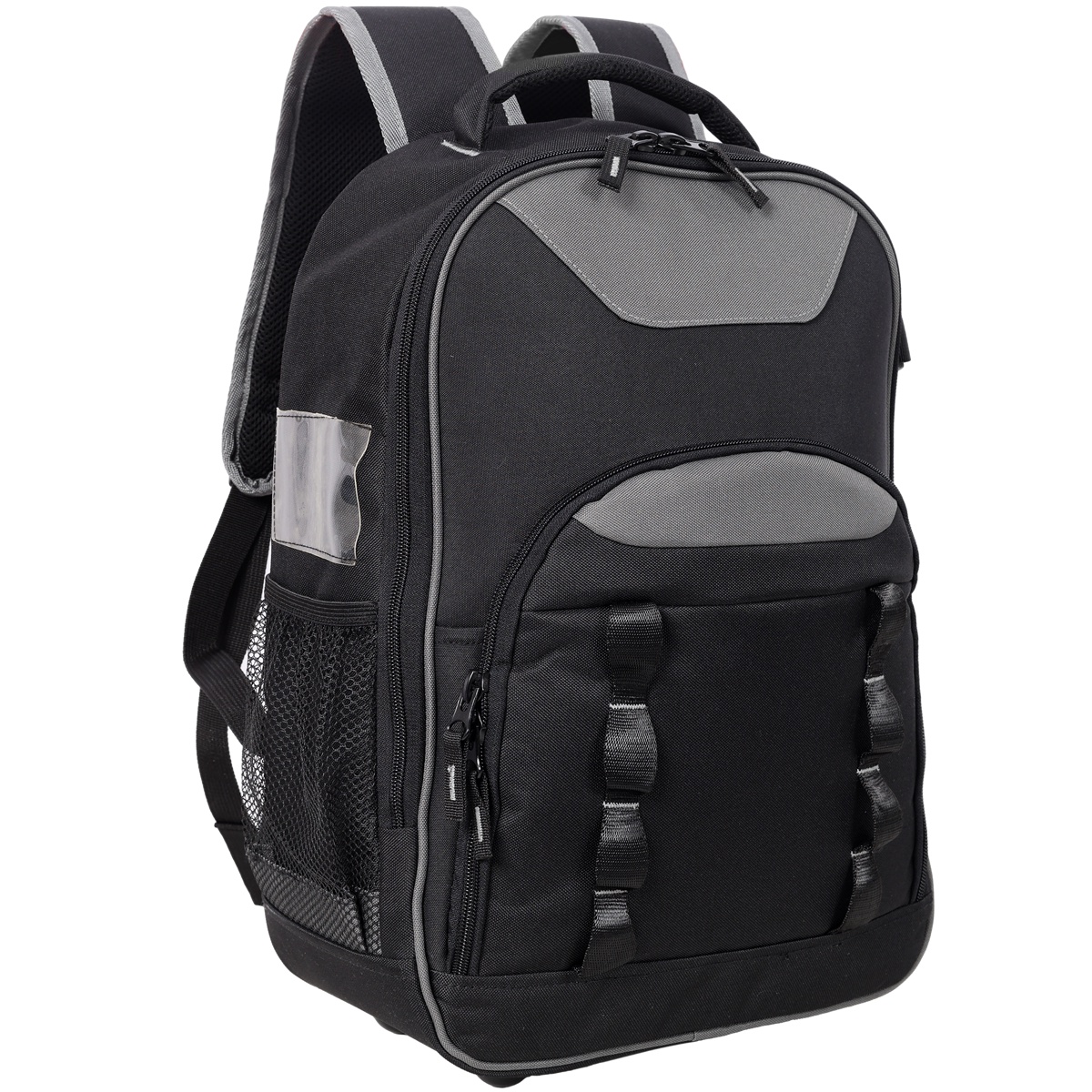 Oxford Cloth Multifunctional Tool Backpack, Heavy-Duty Bag with Multiple Pockets for Electricians and Technicians$88.99View on Mallflare
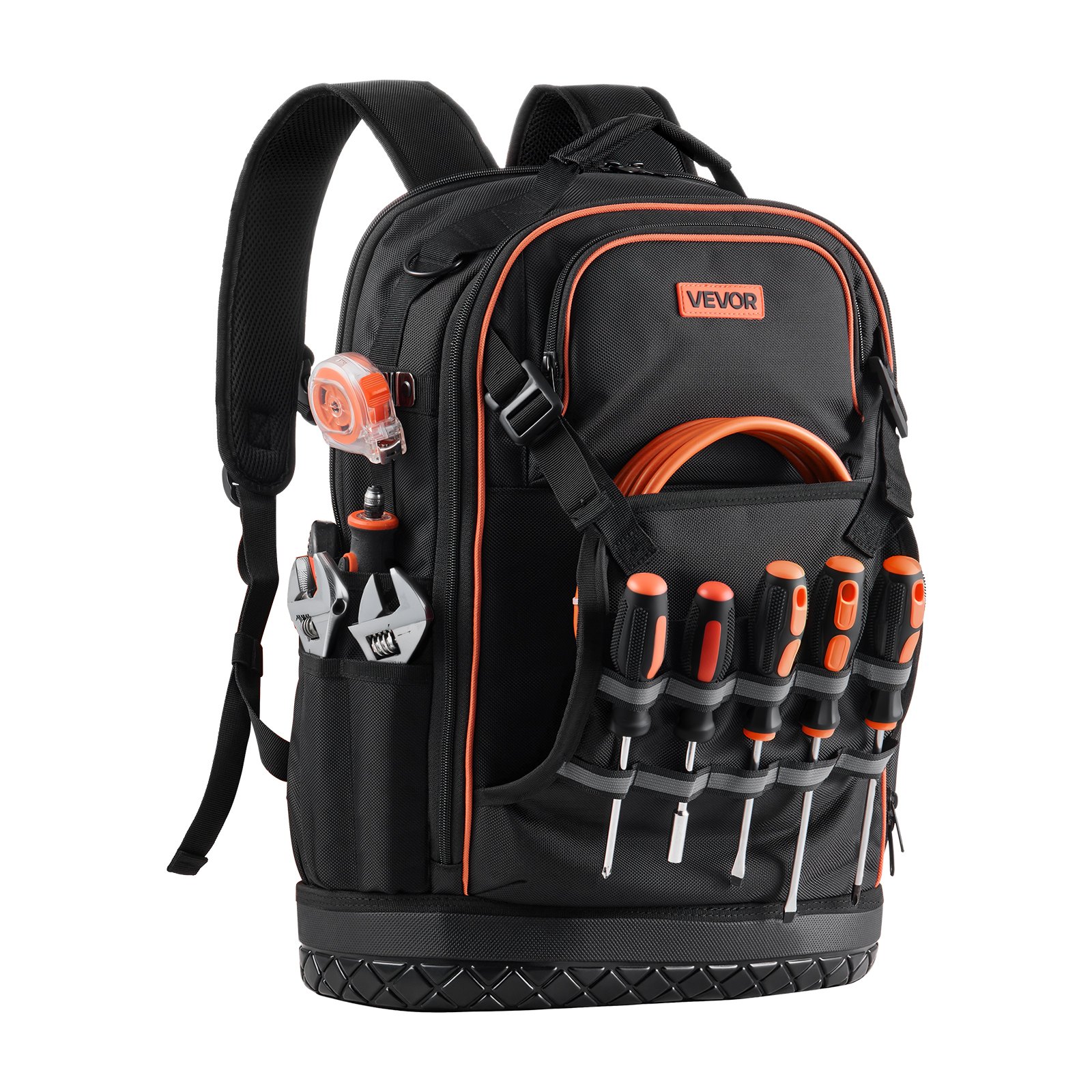 Tool Backpack, 65 Pockets, Heavy-duty Tools Storage Organizer Work Bags With Laptop Compartment & Molded Base, Electrician Jobsite For Repairman, And HVAC Techs$88.99View on Mallflare
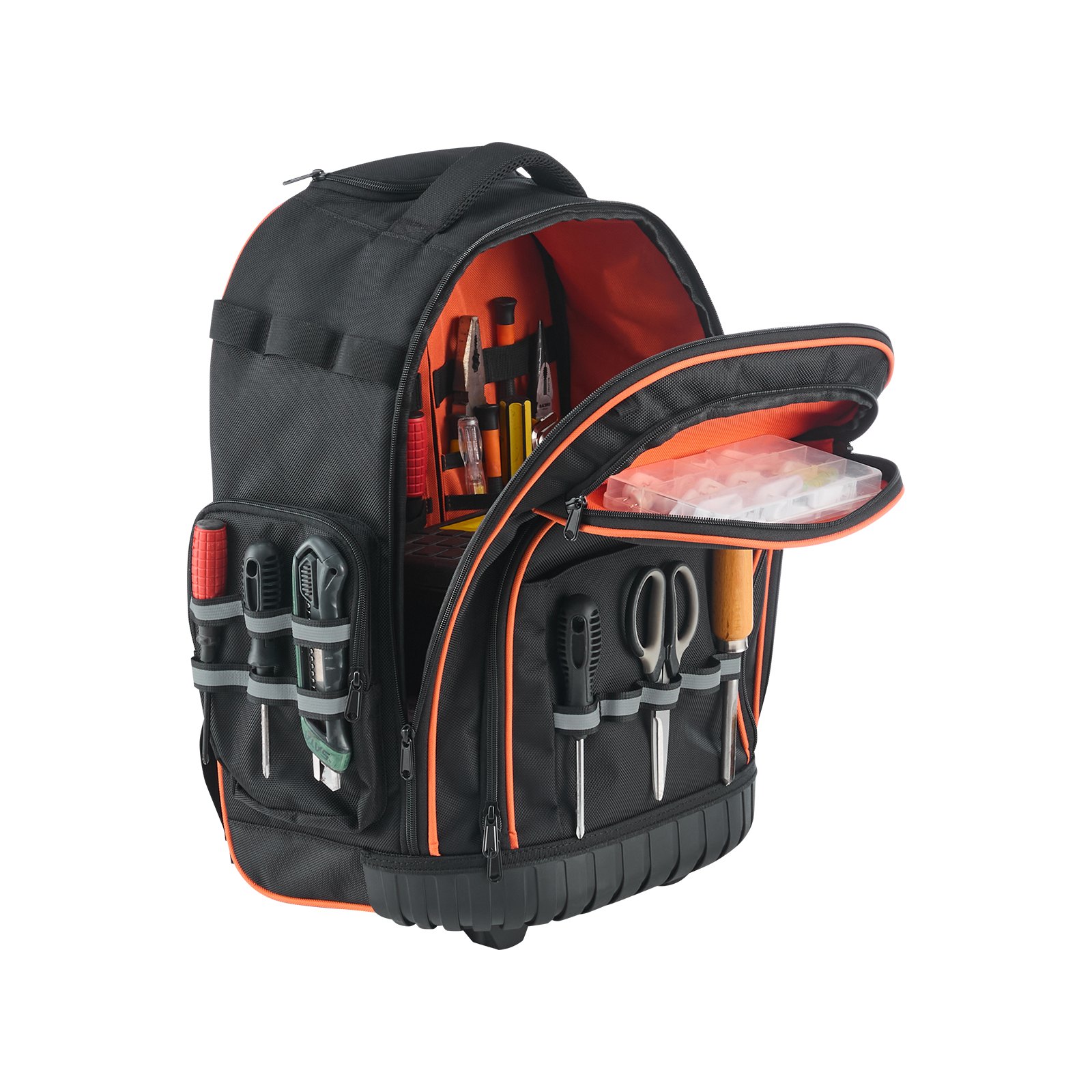 Rolling Tool Backpack, 110 Lbs Load Capacity, 45 Pockets Heavy Duty Roller Bag On Wheels, Adjustable Telescoping Handle & Stable Base, Toolbag Organizers For Construction, Mechanic$102.99View on Mallflare
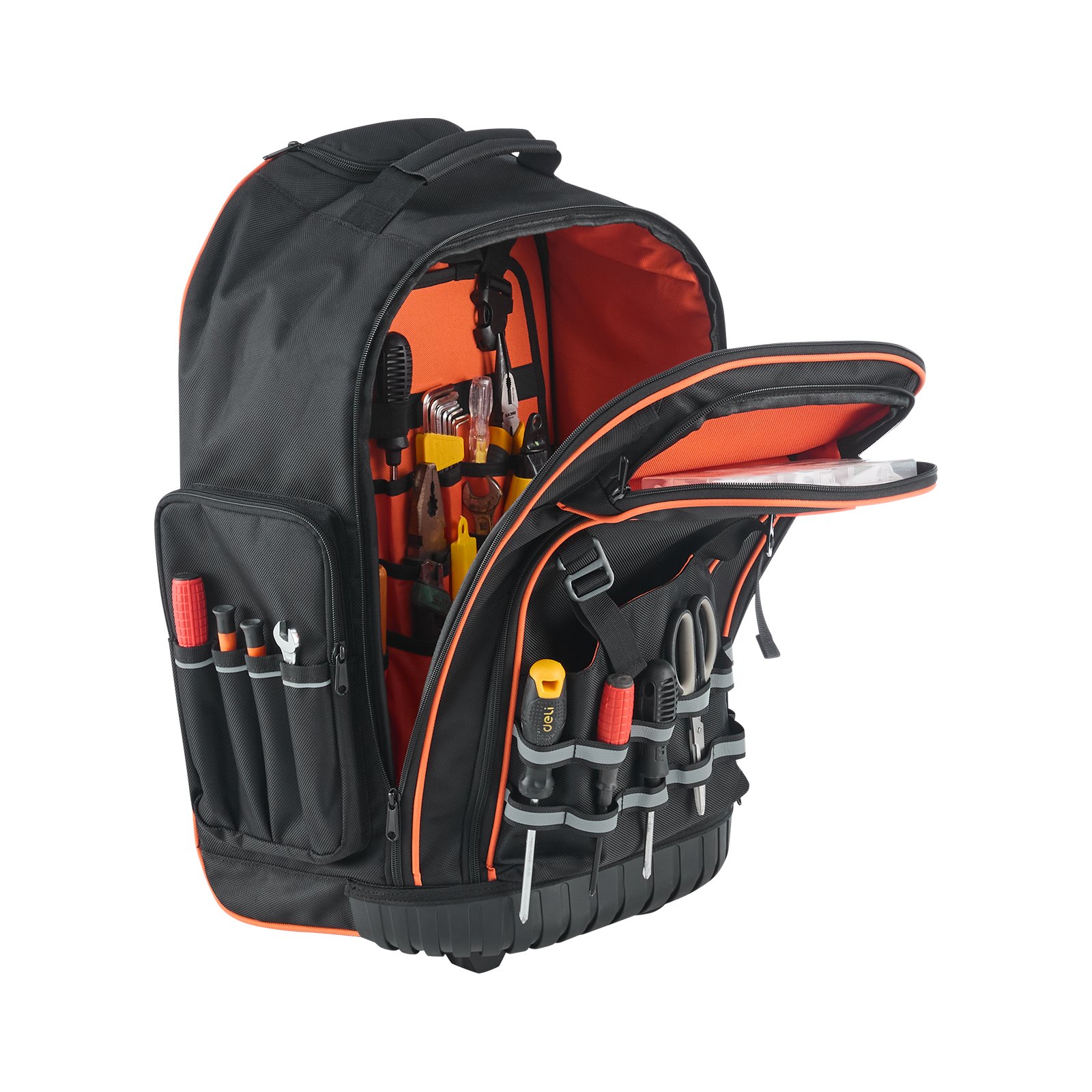 Rolling Tool Backpack, 110 Lbs Load Capacity, 72 Pockets Heavy Duty Roller Bag On Wheels, Adjustable Telescoping Handle & Stable Base, Toolbag Organizers For Construction, Mechanic$112.99View on Mallflare
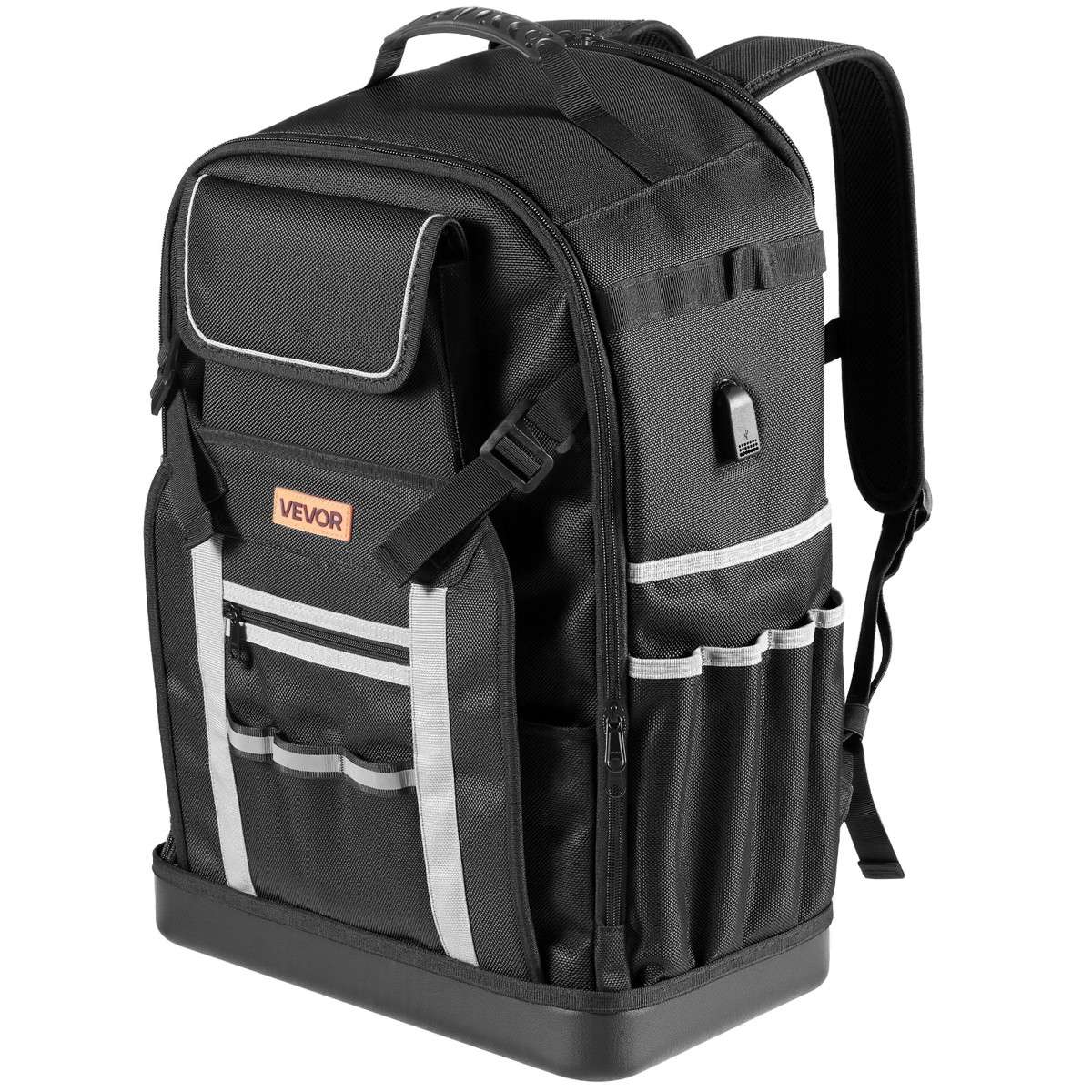 Tool Backpack, 56 Pockets, Heavy-duty Tools Storage Organizer Bags With Molded Base, Electrician Jobsite For Construction Industrial, Repairman, And HVAC Techs$115.99View on Mallflare
Highlights
- Open-top tote bags in 16-inch class use 600D-1680D polyester or ballistic nylon; 1680D and reinforced ripstop weaves resist abrasion and puncture far better than 600D.
- Tool backpacks are specified by pocket count (49, 56, 64, 65) and base type: molded rubber or reinforced fabric bases protect against wet floors and jobsite grit.
- Rolling tool backpacks are rated by load capacity, commonly 110 lbs, with telescoping handles and wide stable bases for construction and mechanic loads.
- Soft-sided bags carry more volume per pound than hard boxes, but zippers, stitching, and base panels are the first failure points; YKK-style zippers and bar-tacked stress points define service life.
Best use cases
- Plumbers and electricians carrying hand tools up ladders or into crawlspaces: choose a 16-inch open-top tote or a 49-56 pocket backpack with molded base; skip wheeled bags that cannot climb stairs.
- HVAC and repair technicians moving between van and rooftop: pick a 56-65 pocket backpack with laptop compartment and reinforced base; skip open totes that expose tools to rain and debris.
- Construction and mechanic work with heavy loads over flat surfaces: choose a 110 lb-rated rolling backpack with telescoping handle; skip rolling bags for stair-heavy or gravel jobsites where wheels bind.
Buying tips
- Measure your longest tool: a 16-inch bag fits most pipe wrenches and hammers; add 2 inches of clearance for zipper closure on backpacks.
- Match base to environment: molded rubber or reinforced fabric bases for wet or gritty floors; flat fabric bases absorb moisture and wear through at corners.
- Pocket count is not capacity: 49-56 pockets suit electricians, 64-72 pockets suit HVAC and maintenance techs who carry fittings and meters; more pockets add weight and bulk.
- For rolling bags, confirm 110 lb load rating and a wide wheelbase; narrow bases tip on ramps, and telescoping handles should lock at multiple heights.
Specs
| Carry Architecture | Open-top tote / Backpack / Rolling |
|---|---|
| Fabric Grade | 600D polyester to 1680D ballistic nylon |
| Base Protection | Molded rubber / Reinforced fabric / Flat |
| Load & Pockets | 49-72 pockets; 110 lb rolling capacity |
Related searches
What to check before buying
- Measure your vehicle trunk or van shelf: rolling backpacks need length for the telescoping handle plus bag depth; confirm folded dimensions fit.
- Check jobsite surfaces: wheels roll on concrete and plywood but not gravel or stairs; pick backpack or tote if stairs are routine.
- Verify tool length against bag interior: 16-inch totes fit most hand tools; longer levels and pipe wrenches need open-top or extended bags.
- Confirm companion parts: laptop compartment sizing for a 15-16 inch laptop, and whether a separate tool belt or pouch is needed for quick-access tools.
FAQ
Data sources: eBay / Amazon listings and product attribute feeds Data updated Nov 20, 2026.
Some links on this page are affiliate links. If you buy after clicking one, we may earn a commission at no extra cost to you. This does not change which products appear here or their order. Affiliate disclosure.