Photos from current listings. Actual item, color, and included accessories may vary.
Wire Shelf Buying Guide
Wire shelving is a modular steel-rod system, not a single product: the performance gap comes down to rod gauge and coating versus tube-wall thickness and post-diameter, and the decision rule is simple — pick chrome-plated or zinc-coated steel rated 800 lb per shelf for garage loads, and accept lighter epoxy or powder-coated wire only for pantry, closet, or light office duty.

At a glance
- Category
- Garage Storage
- Data updated
- Nov 20, 2026
Current offers
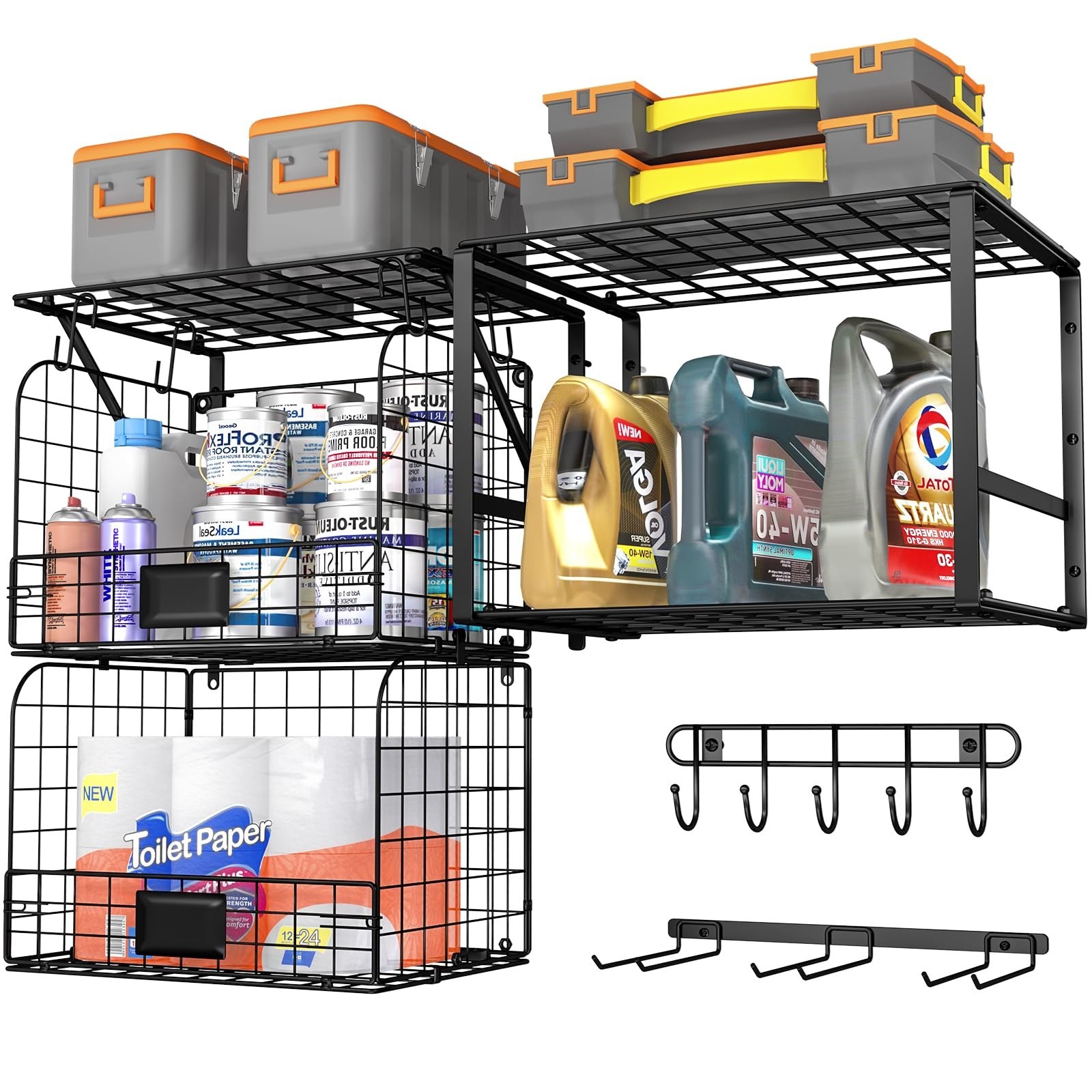 ThreeHio Garage Shelf Wall Mounted with Wire baskets, Heavy Duty Garage Wall ...$65.10
 View on eBay
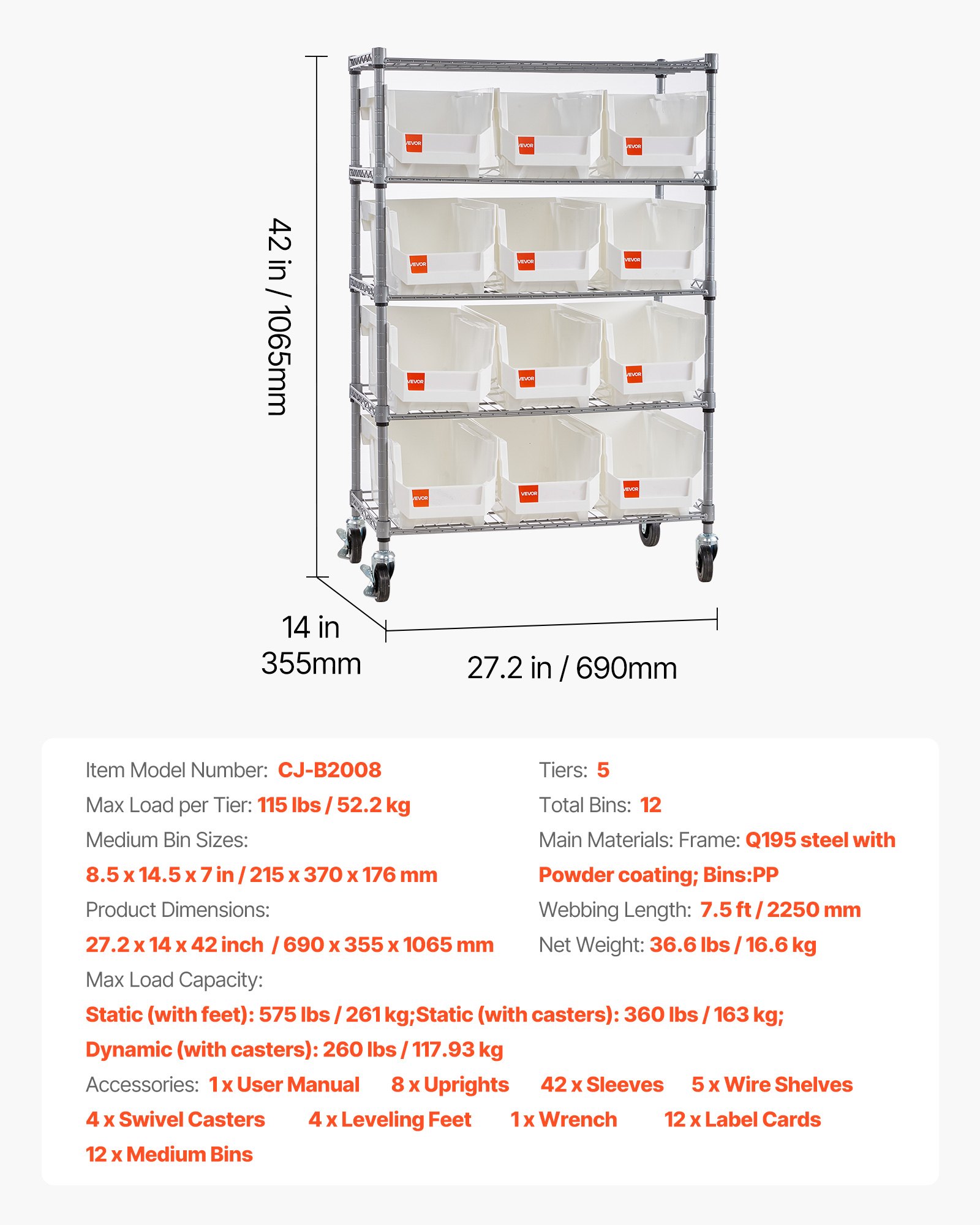 5-Tier Rolling Bin Storage Rack, 12 Organizer Bins, Bin Steel Wire Shelving System With Wheels, Mobile Tool For Garage, Warehouse, Office, Restaurant, Classroom, Kitchen$168.99
 View on Mallflare
- ThreeHio Garage Shelf Wall Mounted with Wire baskets, Heavy Duty Garage Wall ...$71.99View on eBay
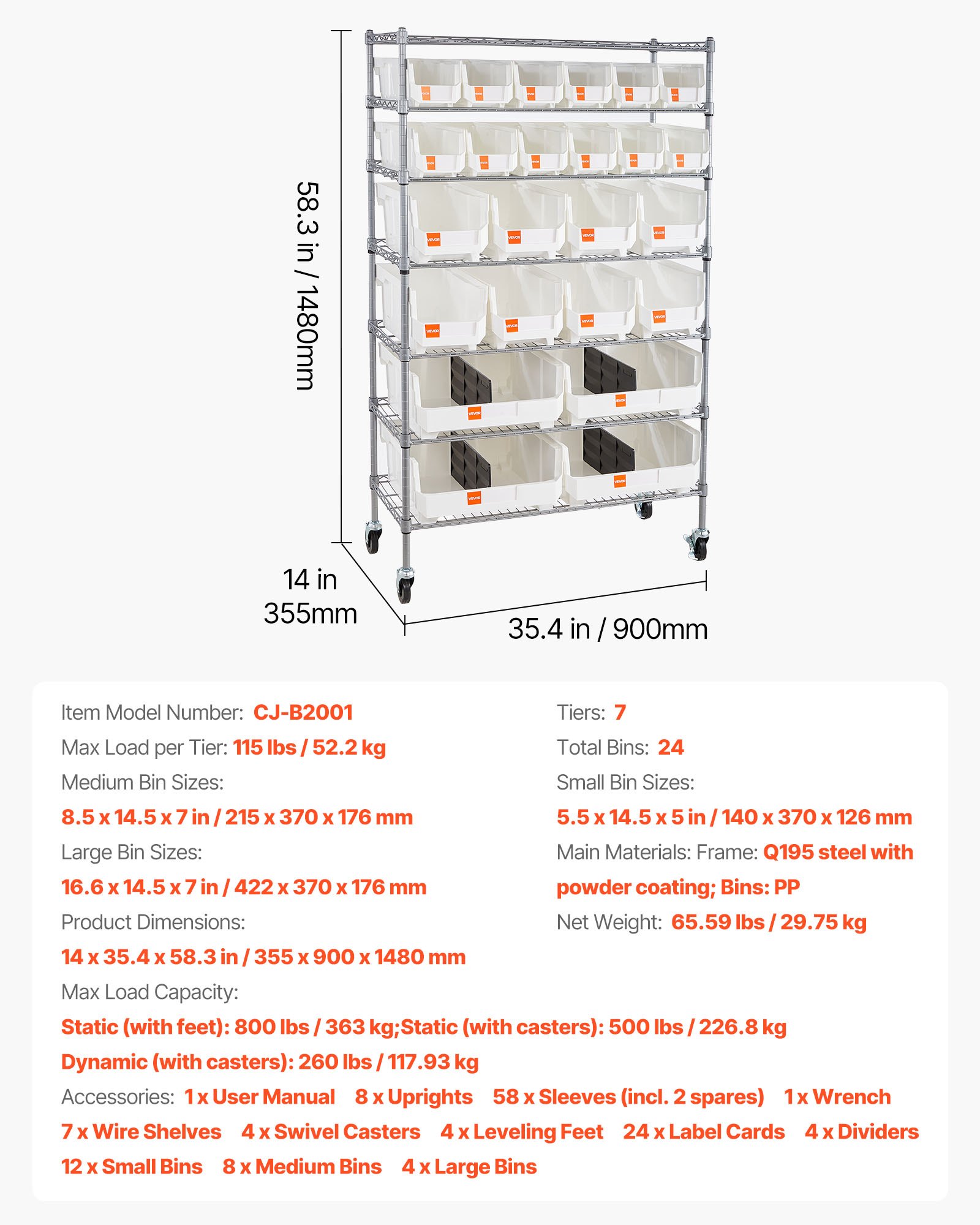 7-Tier Rolling Bin Storage Rack, 24 Organizer Bins, Bin Steel Wire Shelving System With Wheels, Mobile Tool For Garage, Warehouse, Office, Restaurant, Classroom, Kitchen$266.99View on Mallflare
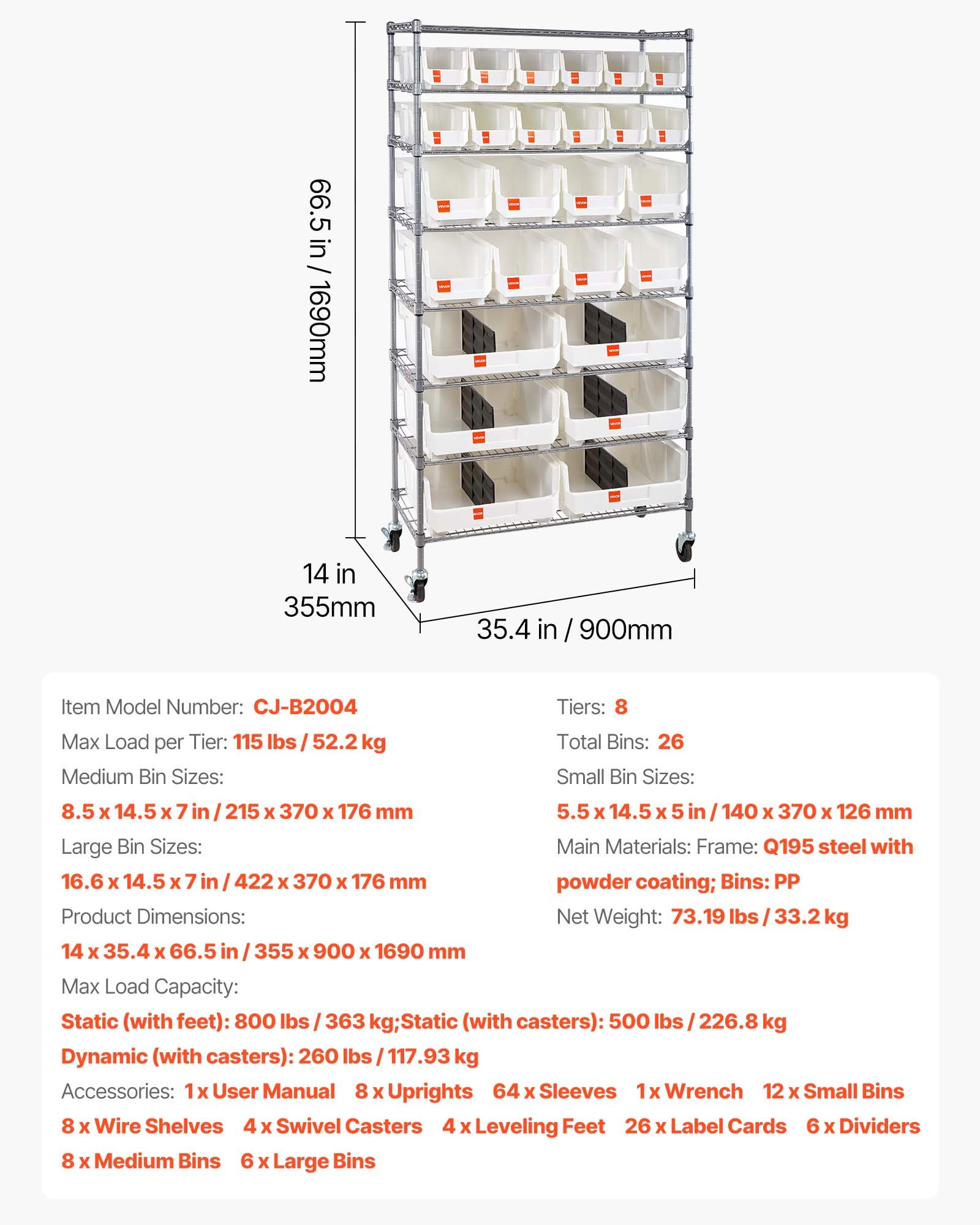 8-Tier Rolling Bin Storage Rack, 26 Organizer Bins, Bin Steel Wire Shelving System With Wheels, Mobile Tool For Garage, Warehouse, Office, Restaurant, Classroom, Kitchen$297.99View on Mallflare
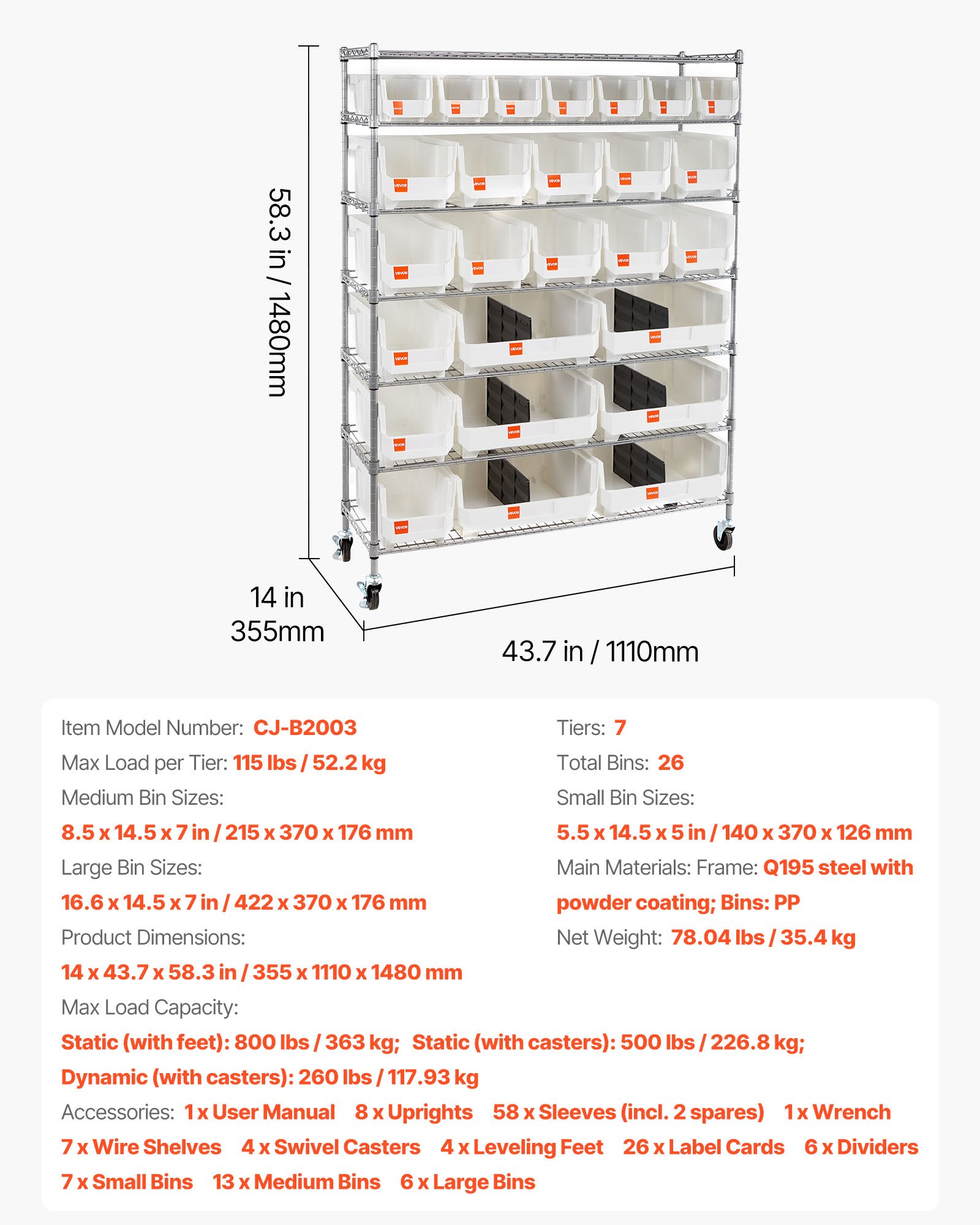 7-Tier Rolling Bin Storage Rack, 26 Organizer Bins, Bin Steel Wire Shelving System With Wheels, Mobile Tool For Garage, Warehouse, Office, Restaurant, Classroom, Kitchen$302.99View on Mallflare
Highlights
- Load rating is set by wire gauge and post diameter: garage-duty shelves use 10–14 gauge wire on 1-inch posts (often 800 lb per shelf), while pantry-grade units use thinner 16–18 gauge wire on 0.75-inch posts with 200–350 lb ratings.
- Coating determines rust life: chrome plating survives humid garages 2–3× longer than powder-coated or epoxy wire, which chips at weld joints and rusts first at floor-level edges.
- Post-and-sleeve modularity is standardized: 1-inch diameter posts with 1-inch sleeve increments let shelves be re-spaced or added later, but brands are not cross-compatible — sleeve taper and groove patterns differ.
- Caster sets cut capacity sharply: a 4-caster rolling conversion typically drops a shelf system to roughly one-third of its static load rating, so rolling racks are for bins and tools, not engine blocks.
Best use cases
- Best fit — garage wall or freestanding rack: choose 1-inch-post chrome wire shelves with at least 4 shelves and 800 lb shelf ratings, anchored to studs for wall-mounted units; this handles tires, cases, and heavy totes.
- Best fit — pantry or closet: choose 0.75-inch-post powder-coated wire in narrow depths (12–14 inches) so it fits 16-inch-deep pantry walls and slides past door frames; skip chrome since humidity is low and light loads are fine.
- Wrong fit — rolling bin racks for heavy garage storage: 5–8 tier bin carts with 12–26 bins are for small parts and classroom or office organization, so do not expect them to hold power tools or fluids safely.
- Best fit — rental or seasonal reconfiguration: modular post-and-sleeve wire shelving reassembles without tools, which beats welded or particle-board units when the layout changes yearly.
Buying tips
- Match post diameter to load: 1-inch posts for garage and bulk storage; 0.75-inch posts for pantry and closet. Budget wire units with plastic split sleeves at 1-inch increments are the weak point, so prefer metal sleeve locks on heavy racks.
- Size depth to your tallest item, not the wall: 12-inch depth for cans and small bins, 18-inch for tool cases and storage totes, 24-inch for tires and large equipment — deeper shelves reduce aisle clearance and are harder to reach.
- Add 2–4 inches to stated shelf width for post clearance when fitting a wall run, and confirm shelf height includes the 1-inch sleeve increments so the top shelf clears the garage door track.
- For rolling units, verify caster size: 3-inch casters roll over garage floor seams and thresholds; 2-inch casters bind on expansion joints and cracked concrete, which is where most bin racks fail.
Specs
| Post Diameter | 1 in garage / 0.75 in pantry |
|---|---|
| Wire Gauge | 10–14 ga heavy / 16–18 ga light |
| Coating | Chrome, zinc, powder-coat, epoxy |
| Shelf Load Rating | 200–350 lb light / 800 lb heavy |
Related searches
What to check before buying
- Measure the wall run and door or garage-door swing first: wire shelves need full front access, and a wall-mounted unit must span studs at 16 or 24 inches on center.
- Check floor flatness where a freestanding or rolling rack sits — wire posts level with shims, and casters need a smooth slab to avoid rocking.
- Confirm environment: unheated or damp garages need chrome or zinc coating; a pantry or climate-controlled closet can use powder-coated wire.
- Verify assembly requirements: wall-mounted units need lag bolts into studs and a drill; freestanding units need only a rubber mallet, and rolling units need the caster kit included.
FAQ
Data sources: eBay / Amazon listings and product attribute feeds Data updated Nov 20, 2026.
Some links on this page are affiliate links. If you buy after clicking one, we may earn a commission at no extra cost to you. This does not change which products appear here or their order. Affiliate disclosure.