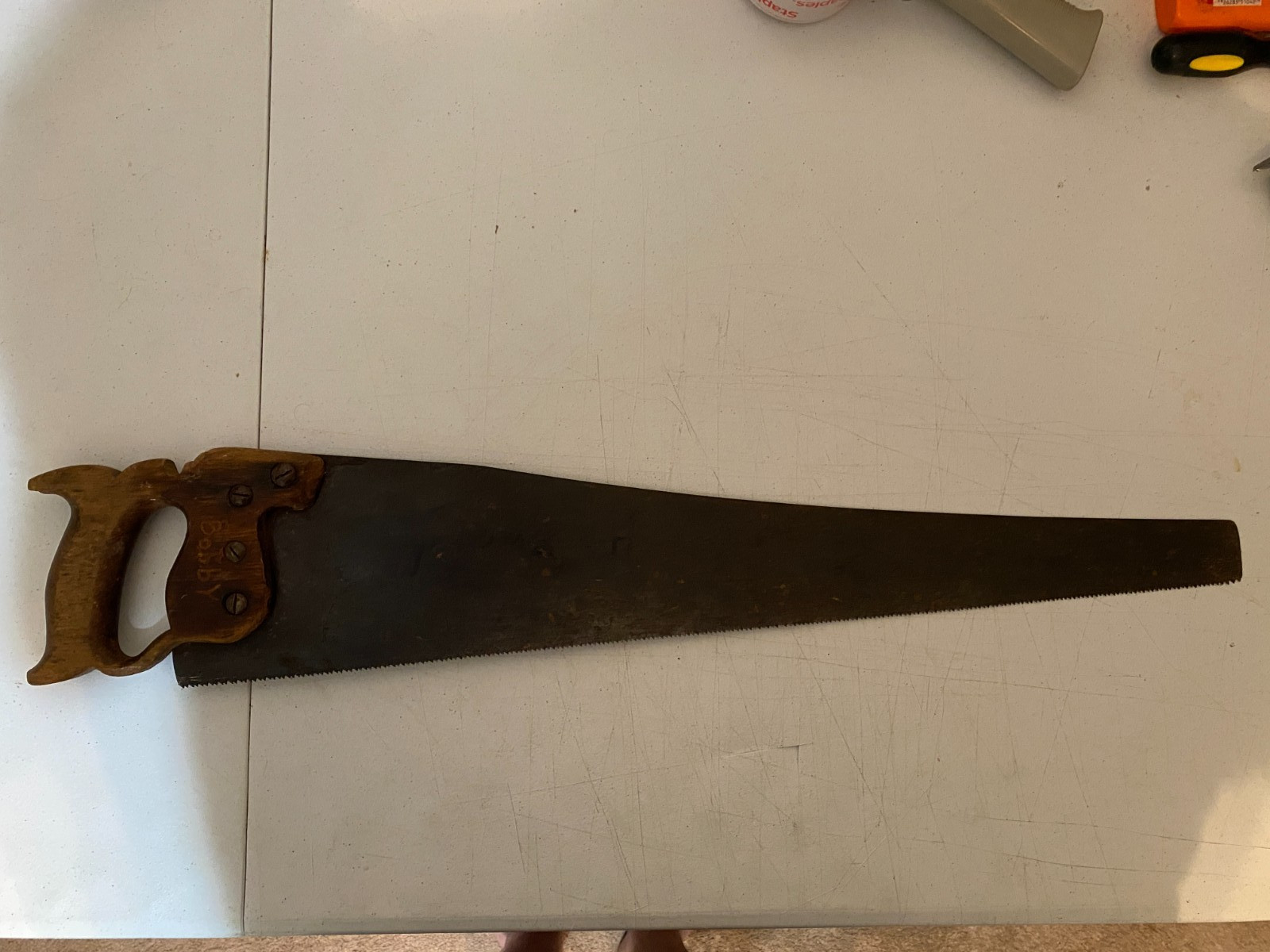

Photos from current listings. Actual item, color, and included accessories may vary.
Disston Panel Saw Buying Guide
A Disston panel saw is a vintage or collectible hand saw—typically 20–26 inches with 8–12 teeth per inch—made by the historic Disston & Sons brand, prized for its taper-ground steel and carved wheat-pattern handles. The core trade-off is condition and era: pre-1955 Philadelphia-made saws with intact etchings and straight plates hold value, while later or heavily sharpened saws are user-grade only. The decision rule: buy for collectible value only if the medallion, etching, and handle carving are intact; otherwise treat it as a working saw and verify plate straightness and tooth count before committing.


At a glance
- Brand
- Not synced yet
- Model
- Not synced yet
- MPN
- Not synced yet
- Category
- Woodworking Saws & Planers
- Status
- Offers available
- Data updated
- Nov 20, 2026
Current offers
Highlights
- Disston panel saws typically measure 20–26 inches with 8–12 TPI; panel saws favor 20–24 inch plates and finer teeth for crosscut joinery and trim.
- Pre-1955 Philadelphia saws use taper-ground, spring-tempered steel with a visible etching; later models (post-1955 Danville/Canada) are thinner and less desirable to collectors.
- Handle carving—wheat pattern, apple pattern, or plain—signals era and tier: wheat-carved handles with brass medallions are the collector-grade configuration.
- Tooth geometry matters: crosscut saws have filed fleam teeth (8–10 TPI), rip saws have chisel teeth (4–7 TPI); a panel saw is generally crosscut for fine work.
Best use cases
- Buy a wheat-carved, brass-medallion 26-inch Disston panel saw only as a display collectible when the etching and handle are intact—skip it for daily shop use.
- Choose a user-grade Disston panel saw (sharpened, straight plate, 10–12 TPI) for fine crosscutting of trim and thin stock; skip heavily rusted or kinked plates.
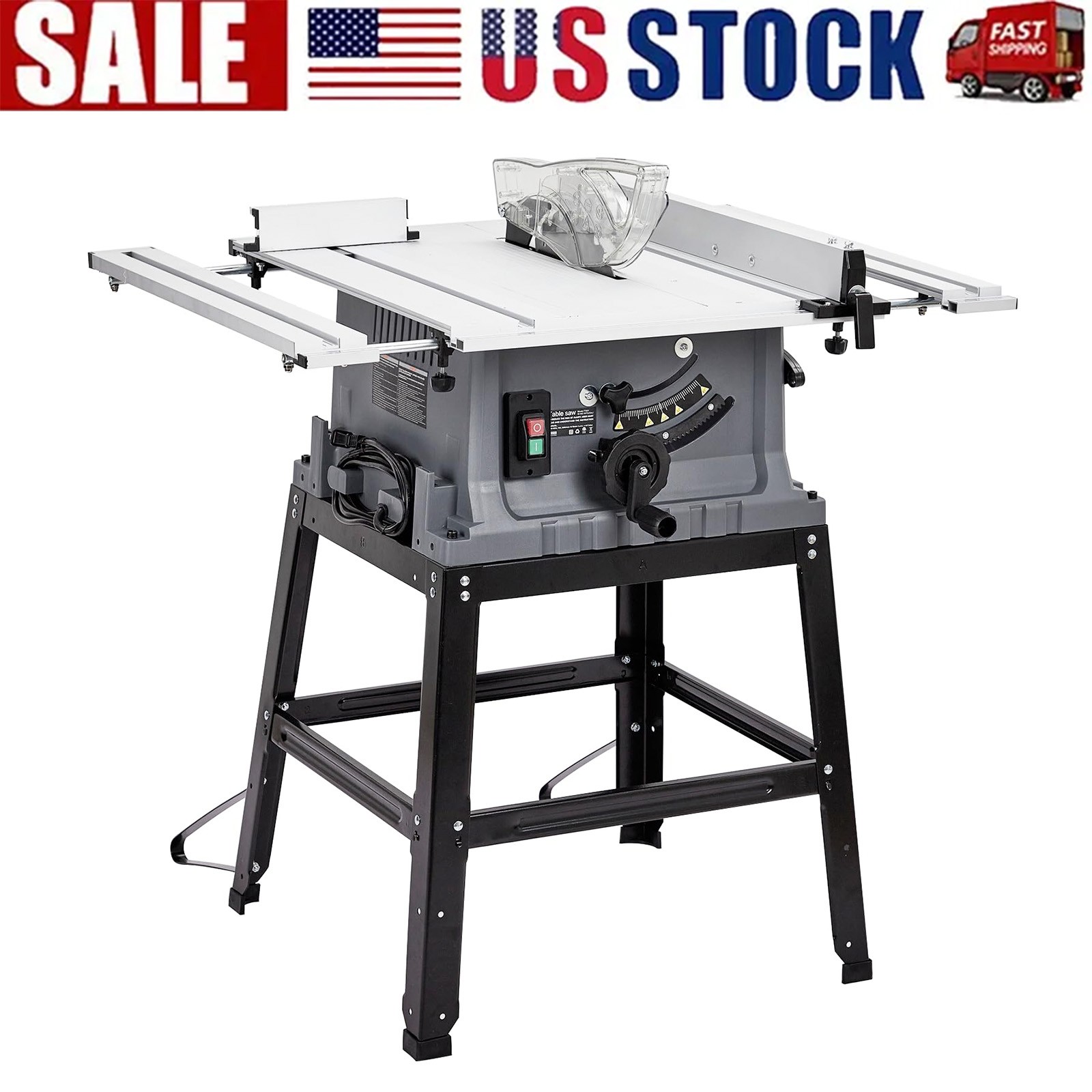
- Skip Disston panel saws for heavy ripping or dimensional lumber—pick a dedicated rip saw at 4–7 TPI or a circular saw instead.
- For a first vintage hand saw, pick a 24-inch 10-TPI crosscut with a sound handle; avoid 20-inch panel saws unless you specifically need fine, short-stroke trim work.
Buying tips
- Measure the plate: 20–24 inches is panel-saw territory; 26 inches is a full handsaw—match length to your stroke and workbench clearance.
- Count teeth per inch: 8–10 TPI suits crosscut trim; 12 TPI is for very fine work; 4–7 TPI indicates a rip saw, not a panel saw.
- Check plate straightness by sighting down the tooth line—any visible kink or bow makes it a wall-hanger, not a user.
- Confirm the medallion and etching: a brass Disston medallion plus legible etch anchors collector value; repainted or sanded handles halve it.
Specs
| Blade Length | 20–26 in (panel: 20–24 in) |
|---|---|
| Tooth Pitch | 8–12 TPI crosscut |
| Steel Type | Taper-ground spring steel |
| Handle Style | Wheat-carved / plain, brass medallion |
Alternatives to compare
Related searches
What to check before buying
- Verify plate length (20–26 in) and TPI match your intended crosscut or rip task before buying.
- Inspect handle carving pattern and medallion material—wheat carving with brass medallion is the collectible tier.
- Check for plate kinks, missing teeth, and heavy pitting; rust on the etch is a value killer.
- Confirm the saw fits your storage and bench: a 26-inch saw needs roughly 30 inches of clearance for a full stroke.
FAQ
Data sources: eBay / Amazon listings and product attribute feeds Data updated Nov 20, 2026.
Some links on this page are affiliate links. If you buy after clicking one, we may earn a commission at no extra cost to you. This does not change which products appear here or their order. Affiliate disclosure.