Choosing between these two woodworking tools starts with a simple question: are you trying to change the shape of the wood, or are you trying to lay out a cut before you make it? The 10-inch draw knife and the steel ruler positioning tool sit on different sides of that decision. The draw knife is for pulling long, controlled cuts to remove bark or shave away material. The ruler positioning tool is for locking a steel ruler at a set size so you can mark accurately and repeatably. Once you know which job is waiting at your bench, the right pick becomes clear.
Quick Verdict
If your next project starts with logs or rough lumber that needs bark removed and surfaces trimmed, the 10-inch draw knife is the working tool you want in hand. If your task is more about measuring, transferring dimensions, and drawing reliable cut lines before you reach for a saw, the steel ruler positioning tool is the smarter, lower-cost addition to your kit.
At a Glance
| Comparison | 10-Inch Draw Knife | Steel Ruler Positioning Tool |
|---|---|---|
| Listed price | USD 29.99 | USD 7.24 |
| Core job | Debarking, shaving, shaping wood | Accurate marking and ruler positioning |
| What's included | One straight draw shave knife | A 15 cm ruler locator |
| Best match | Rough wood prep and trimming | Layout, marking, and repeatable measurements |
Where Each Tool Wins
The 10-inch draw knife wins when the work is about removing material. Its straight edge is suited to pulling cuts that strip bark, shave rough spots, and bring a piece down to a more usable shape. It is the tool for the early-stage work on a project.
The steel ruler positioning tool wins when the work is about precision before the cut. It holds a ruler in place at the size you need, helps you draw straight lines with accurate dimensions, and speeds up marking without extra tools. It is the tool for the planning stage.
Product Notes
10-Inch Draw Knife
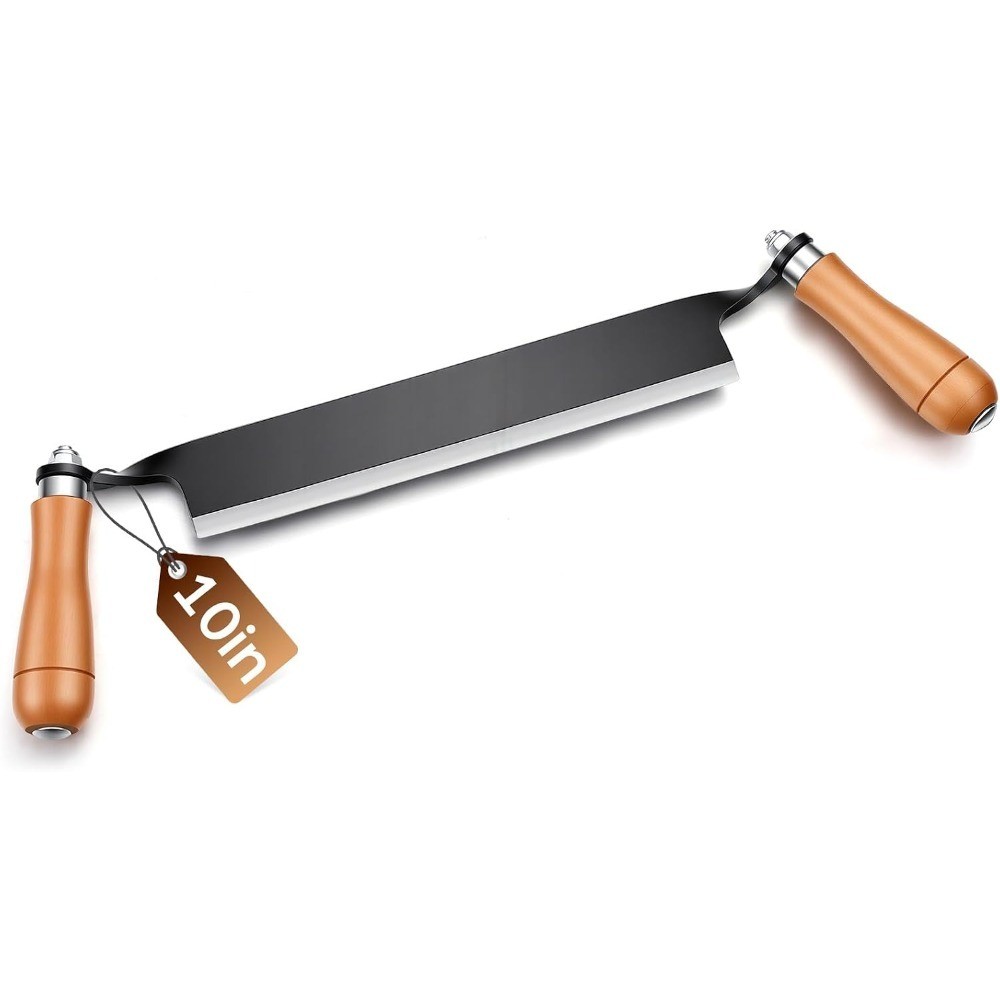
The 10-inch draw knife is the rough-shaping specialist in this pair. It is designed to be easy to operate and control, and its straight blade can handle wood of various types and sizes. That makes it a practical first tool when you need to debark timber, shave down a high spot, or take long cuts to prepare a piece for finer work. The main trade-off is focus: the package includes one straight draw shave knife, so you are buying a dedicated cutting tool rather than a set of blades or accessories. At USD 29.99, it is the higher-priced option, so it earns its place when your project actually involves draw-knife work instead of just layout and marking.
Steel Ruler Positioning Tool
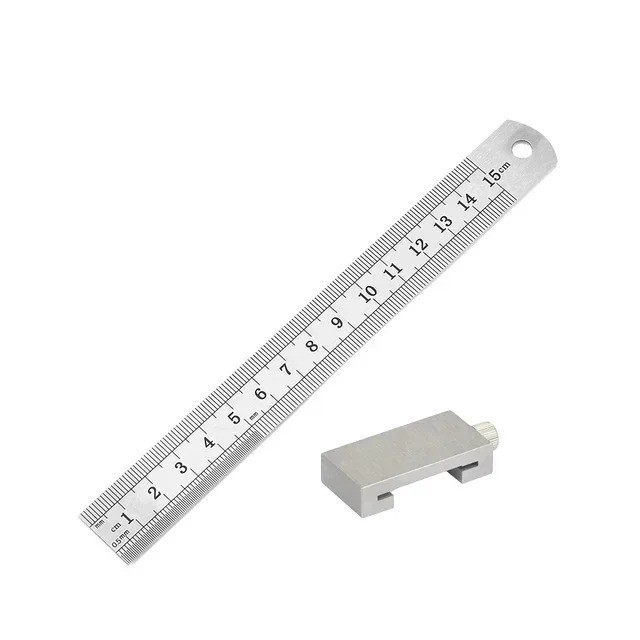
The steel ruler positioning tool is the marking aid that keeps your layout consistent. It is made for carpentry and DIY woodworking, with a ruler groove that lets you limit the ruler to the required size and lock it firmly and stably. The result is a quick, accurate way to draw straight lines without juggling a separate square or clamp. One practical limitation is that this is not a cutting tool; after the line is marked, you still need a saw or knife to do the actual cutting. The package includes a 15 cm locator, and the tool is designed to suit rulers of various widths. At USD 7.24, it is the lower-priced buy and an easy pick for beginners who want reliable mark-out help.
Final Choice by Use Case
Choose the 10-inch draw knife if you are processing raw wood-removing bark, trimming edges, or shaving down a face before you move into joinery or finishing. It is a working blade for the moments when the wood needs to change shape.
Choose the steel ruler positioning tool if your daily work is measuring, marking, and laying out cuts. It is the affordable helper for repeatable lines and consistent dimensions, and it pairs well with whatever cutting tool you already own.