When you're setting up for soldering electronics repair tools, the first big choice is usually heat or workspace. Do you buy the tool that melts solder, or the mat that keeps your tiny screws and components from rolling onto the floor? Here, the 100W Soldering Iron Kit costs $35.99 and the Silicone Soldering Repair Mat costs $76.45. They do very different jobs, but many shoppers need to pick one first.
Quick verdict
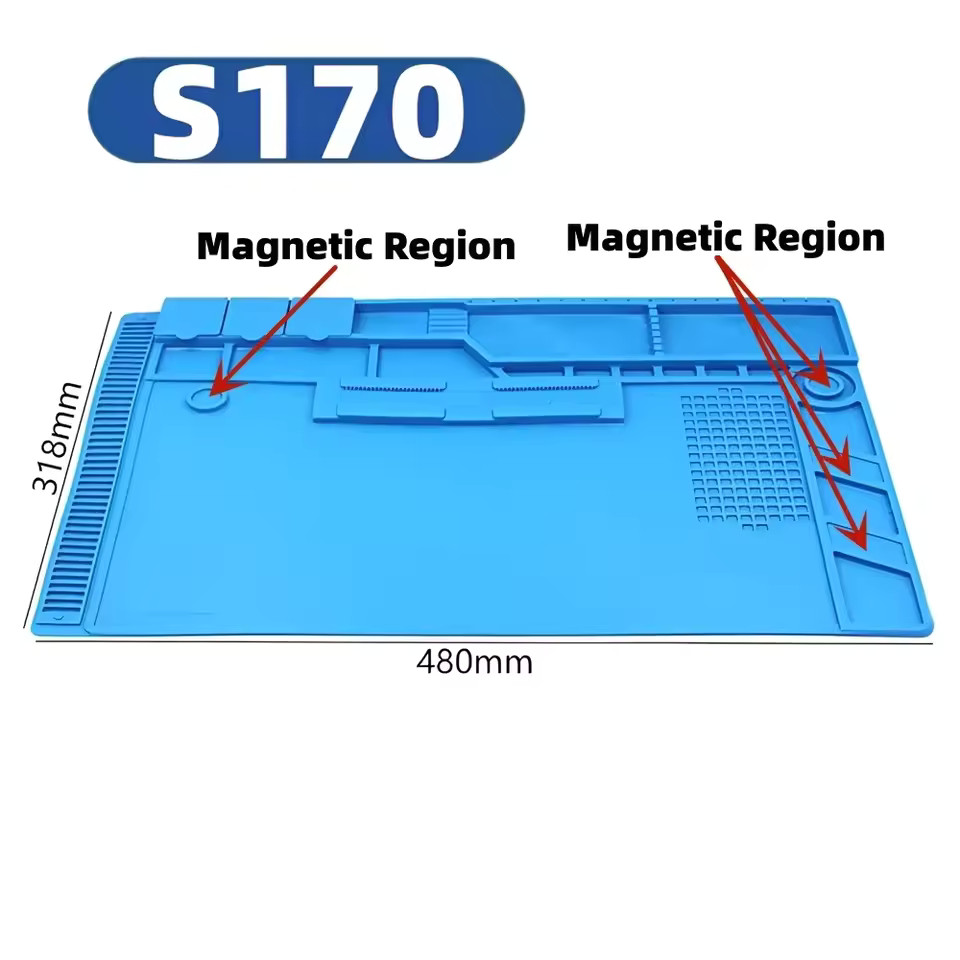
For most people who are just building a soldering station, the iron kit is the first purchase. It gives you the iron, a stand, solder, desoldering tools, and tweezers in one bundle, and it sits at the lower end of the price spread. The Silicone Soldering Repair Mat is the stronger second purchase: it does not heat anything, but it gives you a defined work surface with organized sections and magnetic help to keep parts in place during circuit board repair.
Price and feature comparison
| Feature | Silicone Soldering Repair Mat | 100W Soldering Iron Kit |
|---|---|---|
| Price | USD 76.45 | USD 35.99 |
| Core purpose | Electronics workbench mat with organized work surface | Fast-heating digital soldering iron bundle |
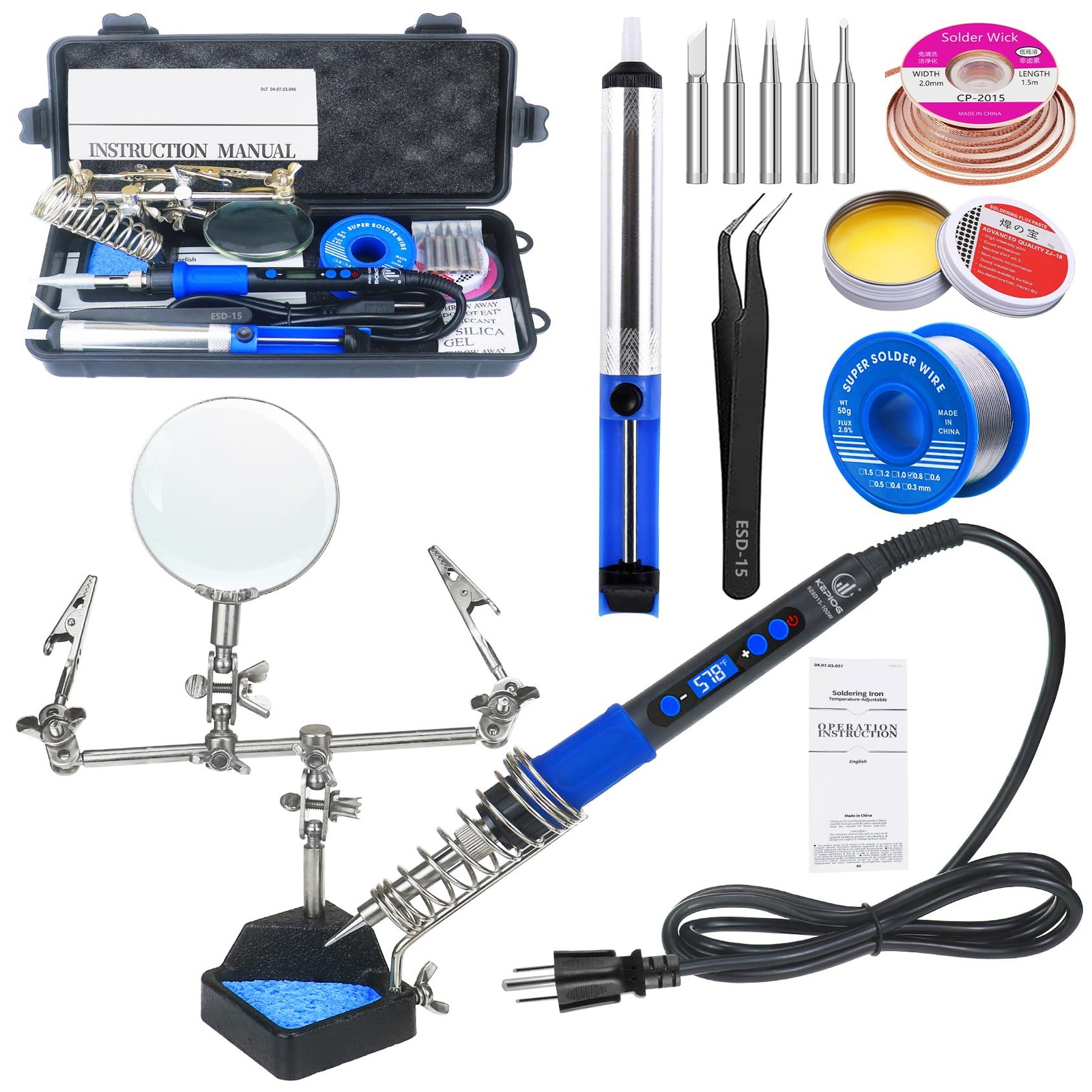
| What is included | Repair mat with tool sections | Iron, stand, 5 tips, 50g 0.8mm solder, desoldering pump, paste, wick, tweezers |
| Temperature control | Not applicable | Adjustable 392°F-932°F (200°C-500°C), reaches working temperature in about 20 seconds |
| Extra features | Magnetic sections, anti-static performance | Ceramic heating element, magnifying glass on the stand |
| Best for | Keeping screws, components, and tools organized | Completing a full soldering repair with one kit |
Where each product wins
- The iron kit wins when you need a working soldering setup immediately. It bundles the core tool and the essential accessories into one kit.
- The Silicone Soldering Repair Mat wins when you need a dedicated surface to arrange circuit boards and small parts. It adds bench organization to a workstation that already has heat.
100W Soldering Iron Kit with Magnifying Glass
If you need to actually melt solder today, start with the iron kit. The bundle includes a digital soldering iron, a soldering stand, five different tips, 50g of 0.8mm solder wire, a desoldering pump, solder paste, desoldering wick, and tweezers. The iron uses a ceramic heating element and lets you adjust temperature from 392°F to 932°F (200°C to 500°C), with a stated heating time of about 20 seconds. The magnifying glass mounted on the stand helps you see fine joints. At the lower end of the price spread, this kit is the more practical first buy for anyone who does not already own an iron. Its limitation is that it is a soldering tool, not a work surface; if your bench is chaotic, you will still need a mat or other protection to keep components from rolling away.
Silicone Soldering Repair Mat
If your soldering station already has an iron, the mat solves a different problem: keeping components, screws, and tools from wandering. It is an electronics workbench accessory with an organized work surface and tool sections, plus magnetic sections and anti-static performance to help hold small parts and address static during repair. It is not a heating tool, so it won't melt solder; it simply gives you a defined area to arrange circuit boards and hardware. For someone who repairs phones, laptops, or hobby electronics, a dedicated mat can make the difference between losing a fastener and finishing the job. If you are choosing between an iron and a mat and you do not own an iron yet, buy the iron first. If you already have heat covered and your bench is chaotic, the mat is the stronger addition.
Final choice by use case
If you need to make your first solder joint, the iron kit is the clear starting point. If you already have an iron and your main struggle is keeping small parts organized, the Silicone Soldering Repair Mat is the one to add to your bench. The most practical long-term setup is to buy the iron kit first and add the mat once your workbench starts accumulating tiny screws and loose components.