Photos from current listings. Actual item, color, and included accessories may vary.
Headlamp Buying Guide
A headlamp is a hands-free light worn on the head, and the core trade-off is between lightweight plastic-bodied budget units and metal-bodied, regulated, IP-rated lamps built for sustained output. The decision rule: buy for a declared ANSI FL1 beam distance, a real IP rating, and a swappable or USB-C charged cell—skip any lamp that lists only '3 modes' and 'super bright' with no lumen, runtime, or ingress specification.


At a glance
- Category
- Flashlights & Headlamps
- Data updated
- Nov 20, 2026
Current offers
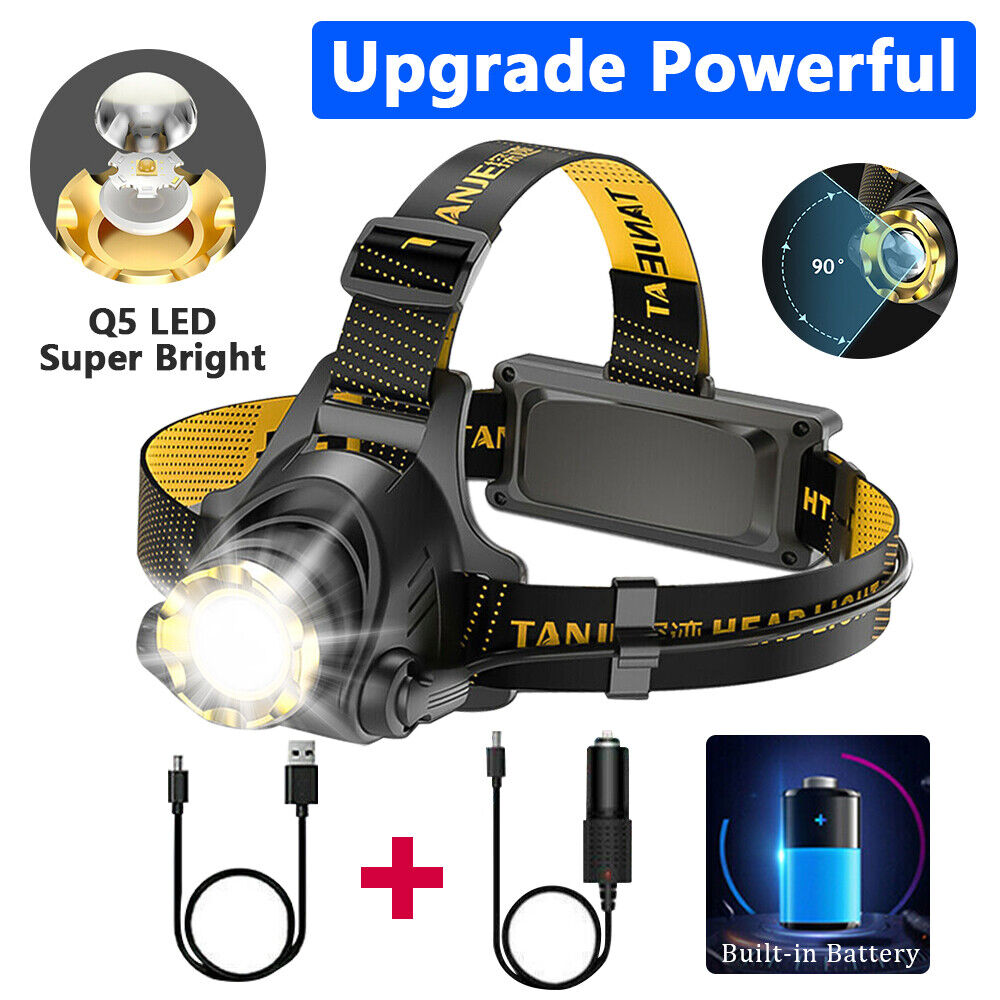 LED Headlamp Rechargeable Head Torch Zoom Headlight Lamp Flashlight Fishling Camping Light With 3 Modes Work$18.99
 View on Mallflare
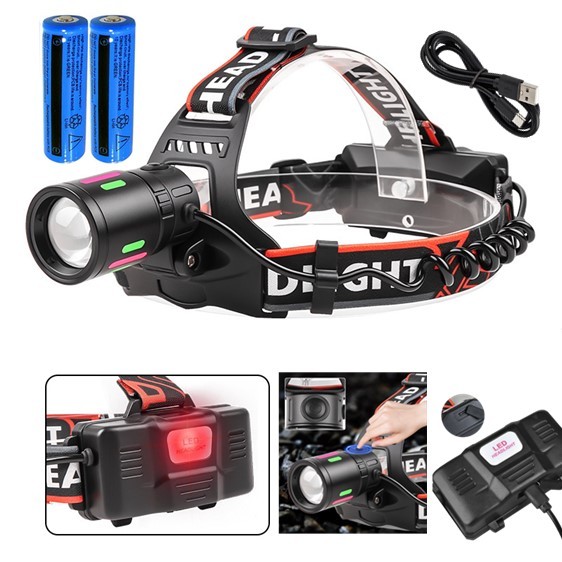 LED Headlamp USB Rechargeable Head Torch Zoom Headlight Lamp Super Bright Flashlight Work Light 3 Modes With Li-ion Batteries$19.99View on Mallflare
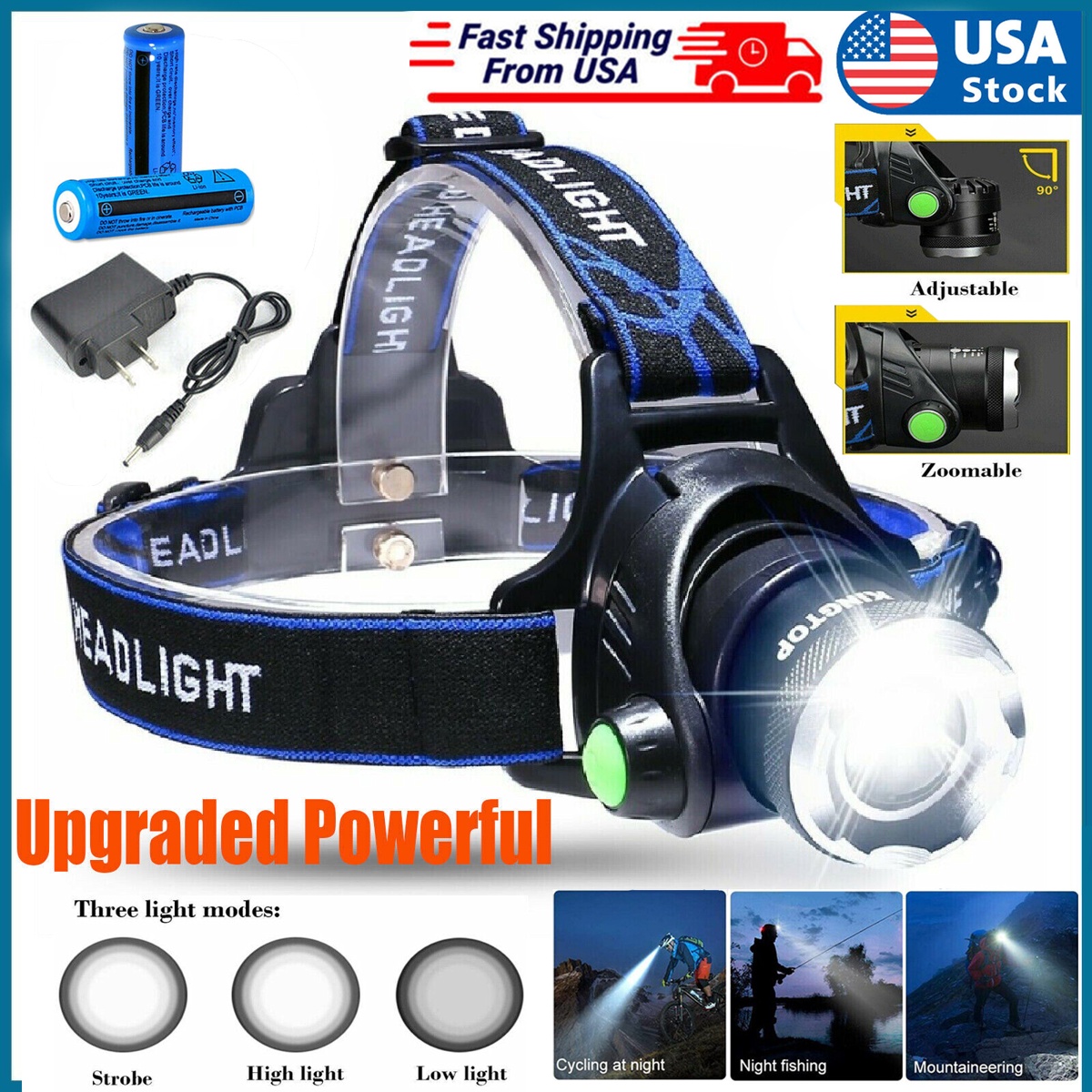 LED Headlamp Rechargeable Head Torch Zoom Headlight Super Bright Flashlight 3 Modes Work Light$22.99View on Mallflare
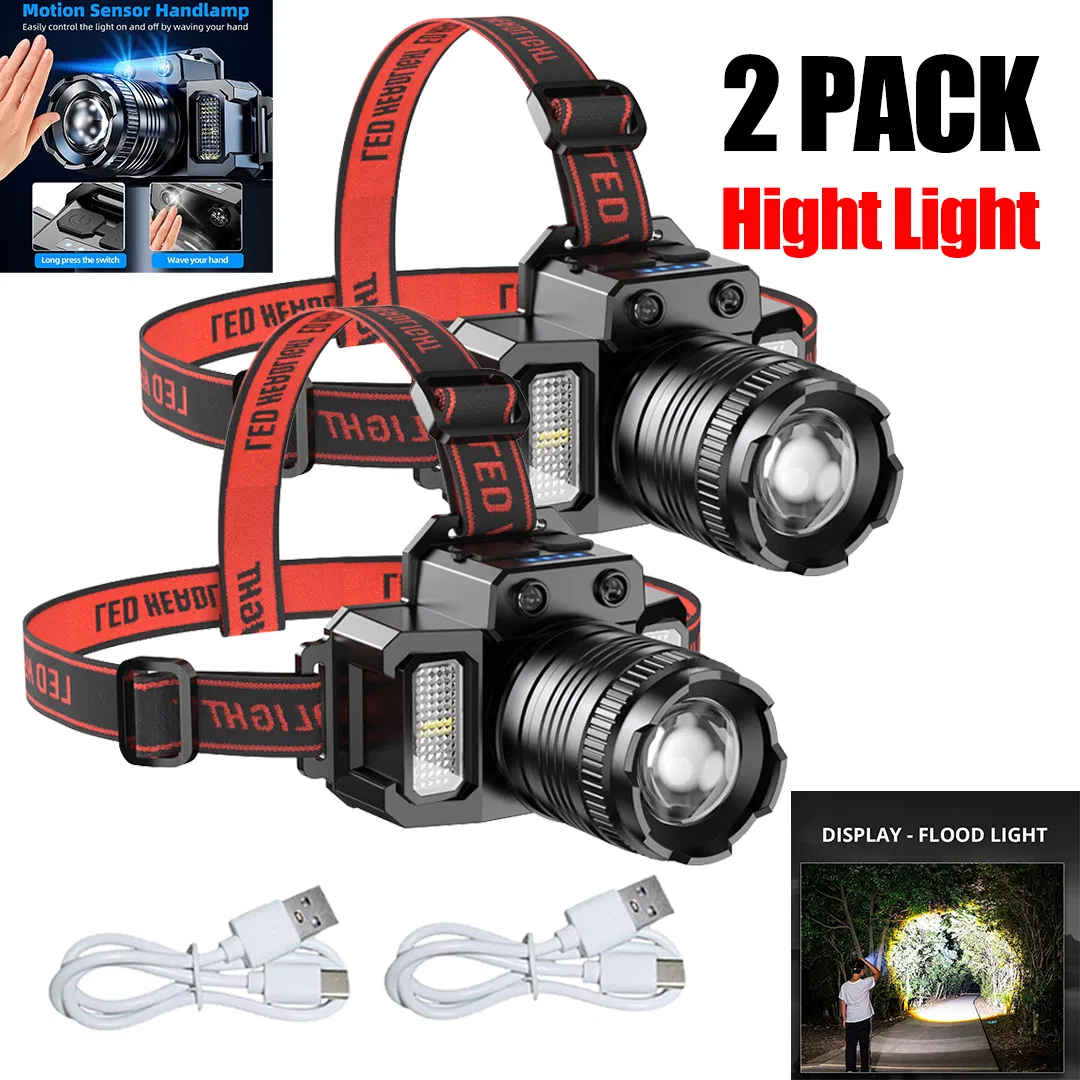 2 PACK LED Headlamp Motion Sensor 5-Modes USB Rechargeable Canping Hiking Headlight$27.99View on Mallflare
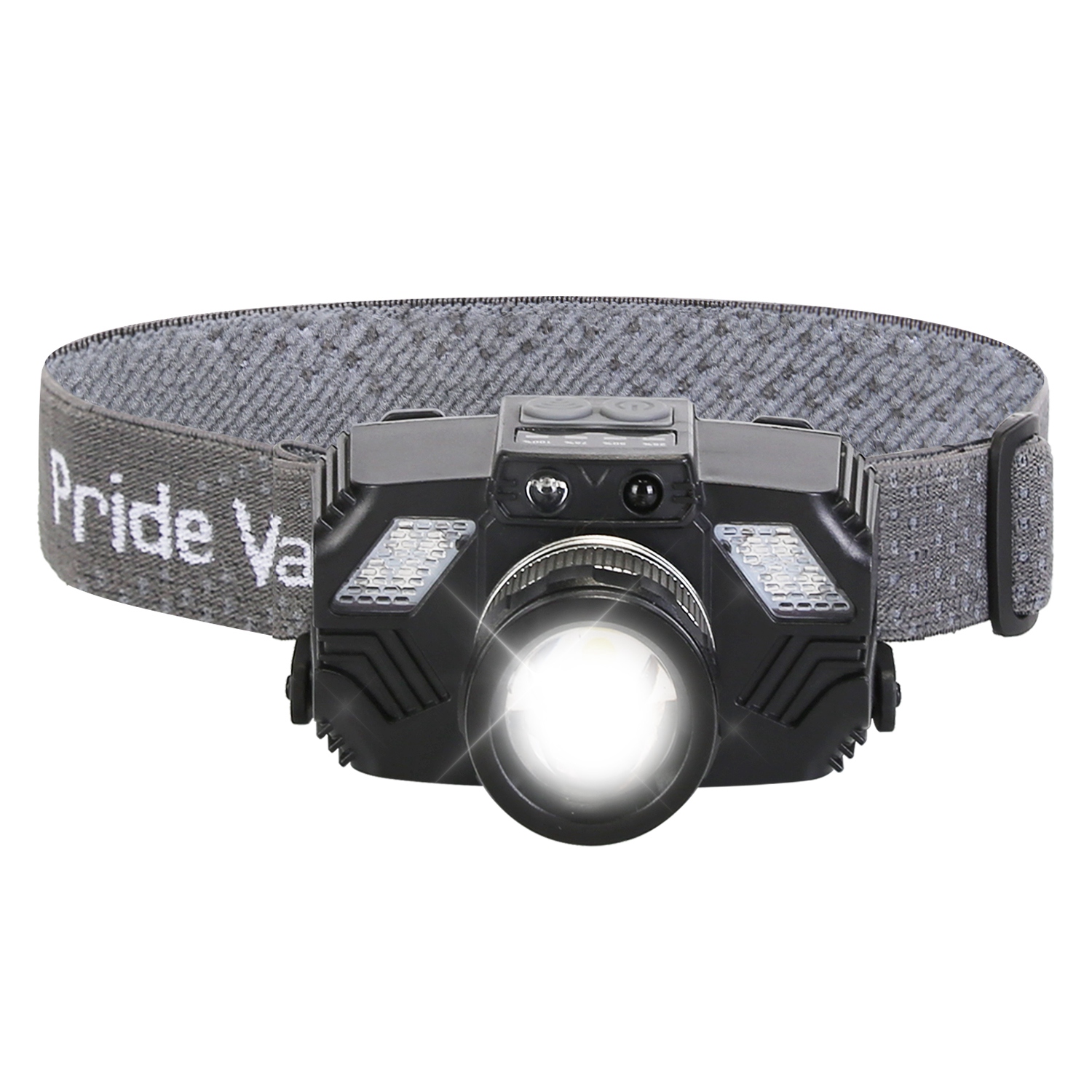 1Pc Motion Sensor LED Headlamp Zoomable Flashlight Waterproof Outdoor Emergency Headlight With 3 Lighting Modes$28.99View on Mallflare
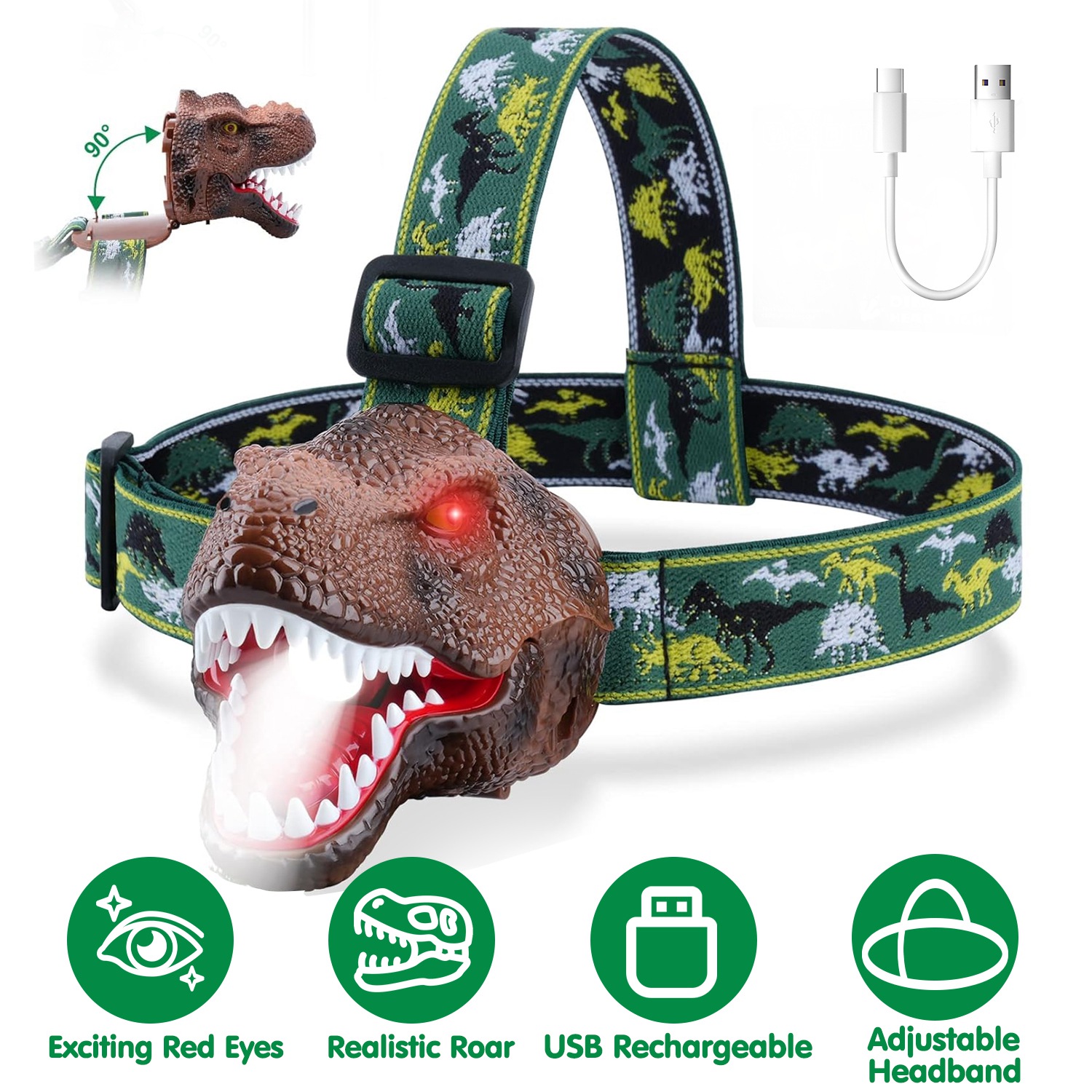 1Pc Dinosaur Headlamp Kids Headlight Flashlight With Realistic Roar Sound 4 Modes Adjustable Headband Kid Camping Gear Unique Gifts For Boys$33.99View on Mallflare
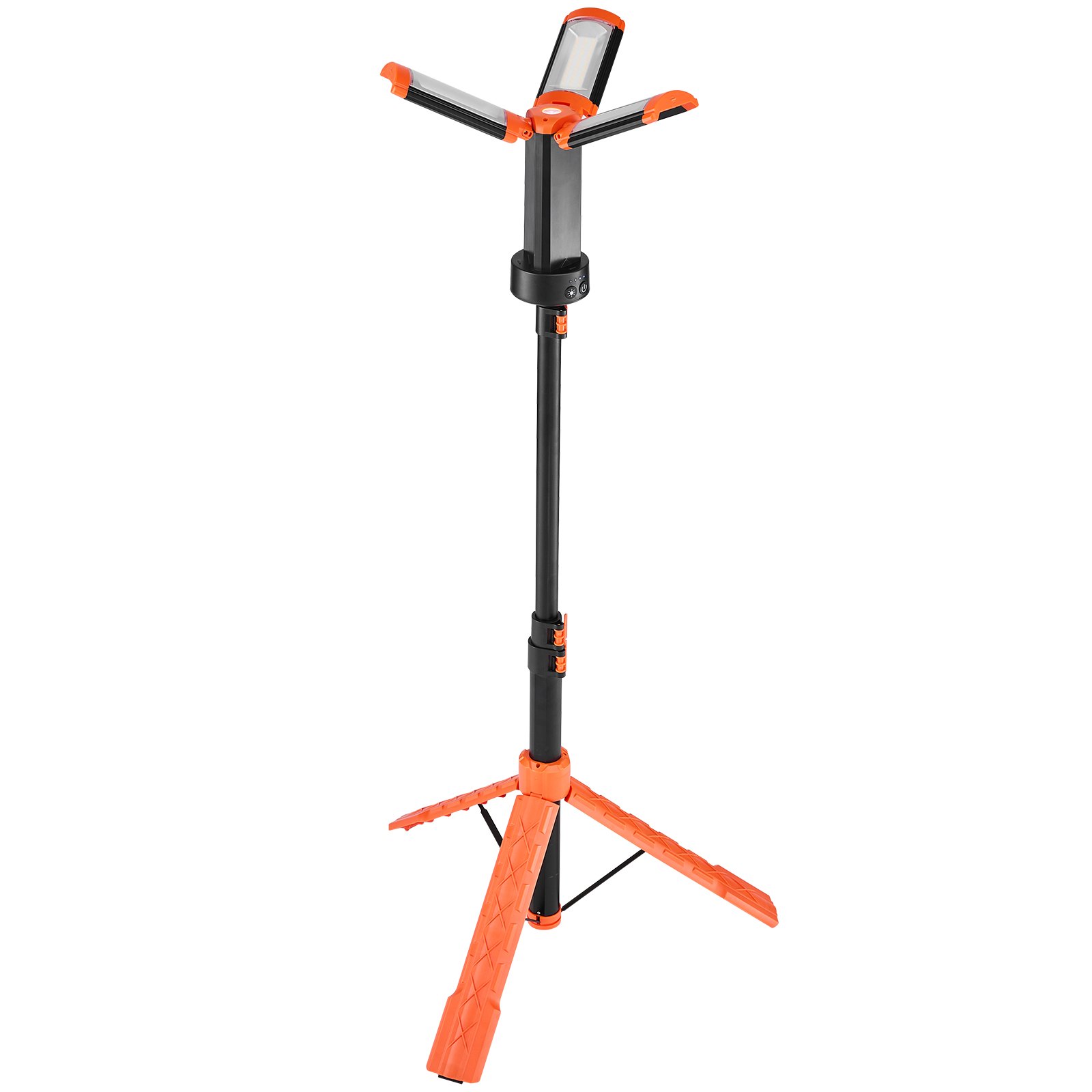 LED Work Light With Stand, 6Ah, Rechargeable Cordless Camping 3 Lamp Heads, Detachable Tripod 2200 Lumens 3000K-6500K Dimmable, Portable Construction Lighting For Job Site$67.99View on Mallflare
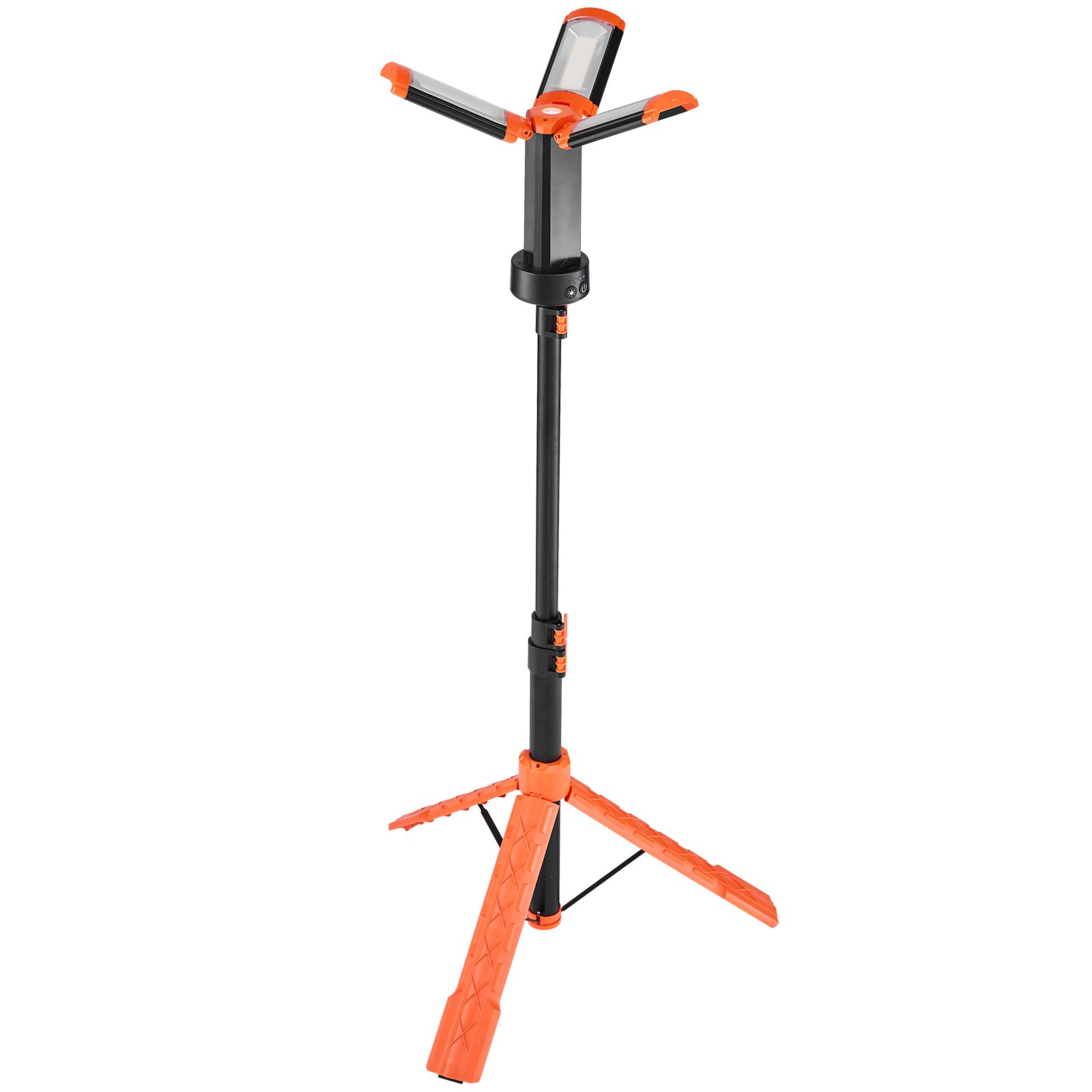 LED Work Light With Stand, 8Ah, Rechargeable Cordless Camping 3 Lamp Heads, Detachable Tripod 2200 Lumens 3000K-6500K Dimmable, Portable Construction Lighting For Job Site$69.99View on Mallflare
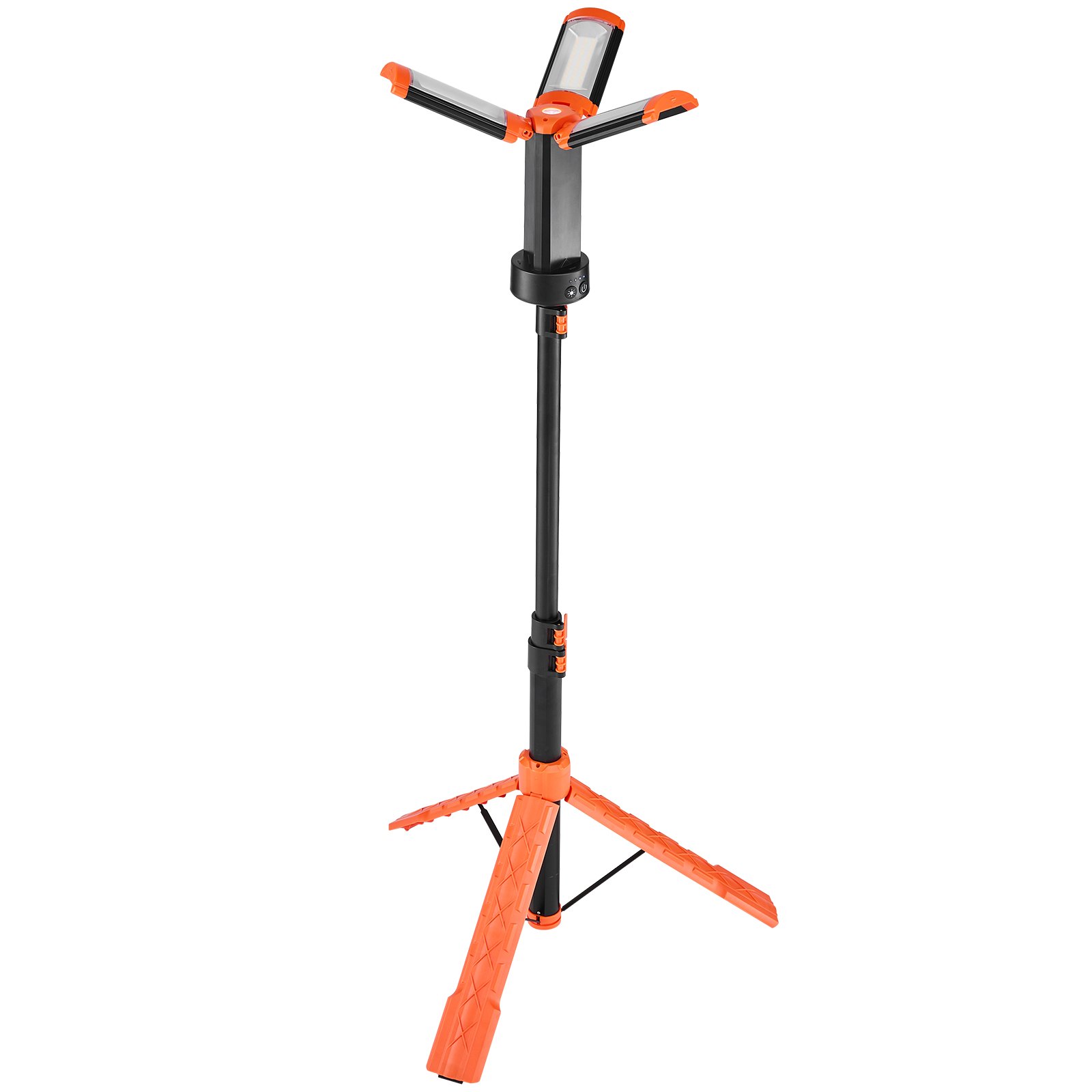 LED Work Light With Stand, 10Ah, Rechargeable Cordless Camping 3 Lamp Heads, Detachable Tripod 2200 Lumens 3000K-6500K Dimmable, Portable Construction Lighting For Job Site$73.99View on Mallflare
Highlights
- ANSI FL1 is the only comparable rating standard: it declares lumens, beam distance in meters, runtime to 10% output, and impact resistance—unrated 'super bright' claims are marketing only.
- Plastic housings dominate budget lamps; they save weight but limit heat sinking, so sustained output drops sharply after the first minutes on high mode.
- Regulated drivers hold near-constant brightness until the cell depletes; unregulated direct-drive lamps fade steadily and dim noticeably within the first hour.
- IPX4 handles rain and sweat, IPX7 survives submersion; the battery compartment seal—not the LED—is the usual water-entry point on headlamps.
Best use cases
- Work and trades (electrical, plumbing, crawlspaces): pick a metal-bodied, regulated lamp with 300+ lumens, IPX4 minimum, and a rechargeable 18650 or proprietary USB-C pack that swaps without tools.
- Trail running and camping: choose a sub-100 g lamp with a secure silicone-backed strap, 200–400 lumens, and a red night mode to preserve night vision; skip zoomable plastic units that rattle and shift aim.
- Kids and casual household use: a light plastic lamp with a wide elastic band and simple single-button modes is correct; skip high-output metal lamps, which are heavier and hotter for small heads.
Buying tips
- Match beam type to task: a floody 100–200 lumen wide beam for close work, a focused spot with 100+ m ANSI beam distance for distance viewing, and a dual-beam lamp if you need both.
- Check the cell format: 18650 and 21700 cells are field-replaceable and widely available; sealed proprietary packs are fine only if USB-C charging is built into the lamp.
- Use 1 lumen-per-gram as a rough portability ceiling: lamps over 150 g need a top strap or they will slide during running and forward-leaning work.
- Confirm the strap adjusts to your helmet or hard hat: hard-hat clips and slotted bands are separate accessories from the standard elastic headband.
Specs
| Light Source | LED / COB flood / dual beam |
|---|---|
| Power Source | USB-C rechargeable / 18650 / AAA |
| Water Resistance | IPX4 minimum; IPX7 submersible |
| Housing Material | Plastic (light) vs aluminum (heat-sinking) |
Related searches
What to check before buying
- Measure your head or hard hat circumference and confirm the strap's adjustment range covers it with margin for a beanie or helmet.
- Check charging voltage and plug standard: USB-C input at 5 V is universal; barrel-plug chargers and non-standard adapters are a compatibility risk.
- Match IP rating to your environment: IPX4 for rain and sweat, IPX7 if the lamp will be submerged or used in heavy washdown.
- Confirm the battery is user-replaceable or that the built-in cell charges over USB-C, so the lamp is not disposable when the cell ages.
FAQ
Data sources: eBay / Amazon listings and product attribute feeds Data updated Nov 20, 2026.
Some links on this page are affiliate links. If you buy after clicking one, we may earn a commission at no extra cost to you. This does not change which products appear here or their order. Affiliate disclosure.