Photos from current listings. Actual item, color, and included accessories may vary.
LED Headlamp Rechargeable Buying Guide
Rechargeable LED headlamps replace disposable-cell models with integrated lithium-ion packs and USB charging, but the segment splits sharply between plastic zoom-lens toys and sealed IP-rated lamps with regulated output. The core trade-off is lumens versus runtime and ingress protection: unregulated emitters dim as the cell drains, while overdriven single-LED zooms run hot and lose output in minutes. Buy a lamp whose mode table lists real runtime per level and whose body carries an IPX rating; skip anything advertising only a peak lumen number with no burn-time or water-resistance figure.


At a glance
- Category
- Flashlights & Headlamps
- Data updated
- Nov 20, 2026
Current offers
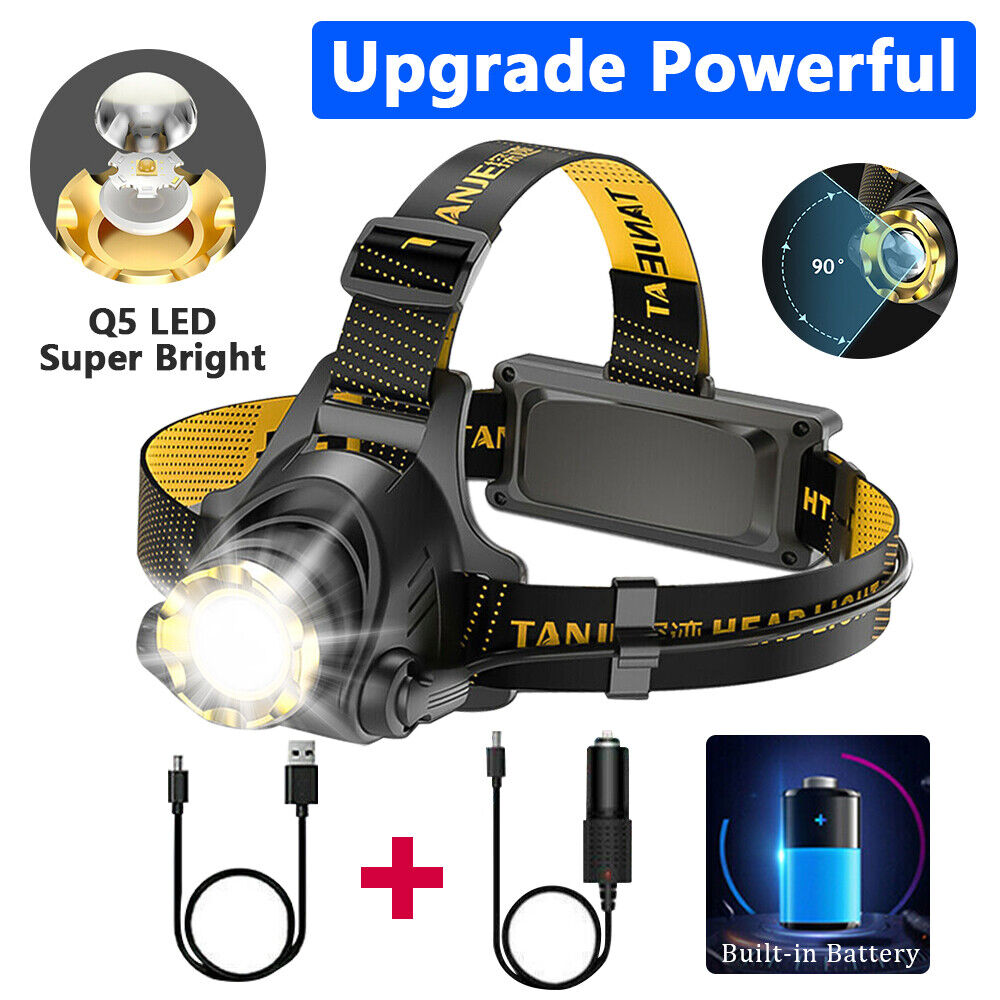 LED Headlamp Rechargeable Head Torch Zoom Headlight Lamp Flashlight Fishling Camping Light With 3 Modes Work$18.99
 View on Mallflare
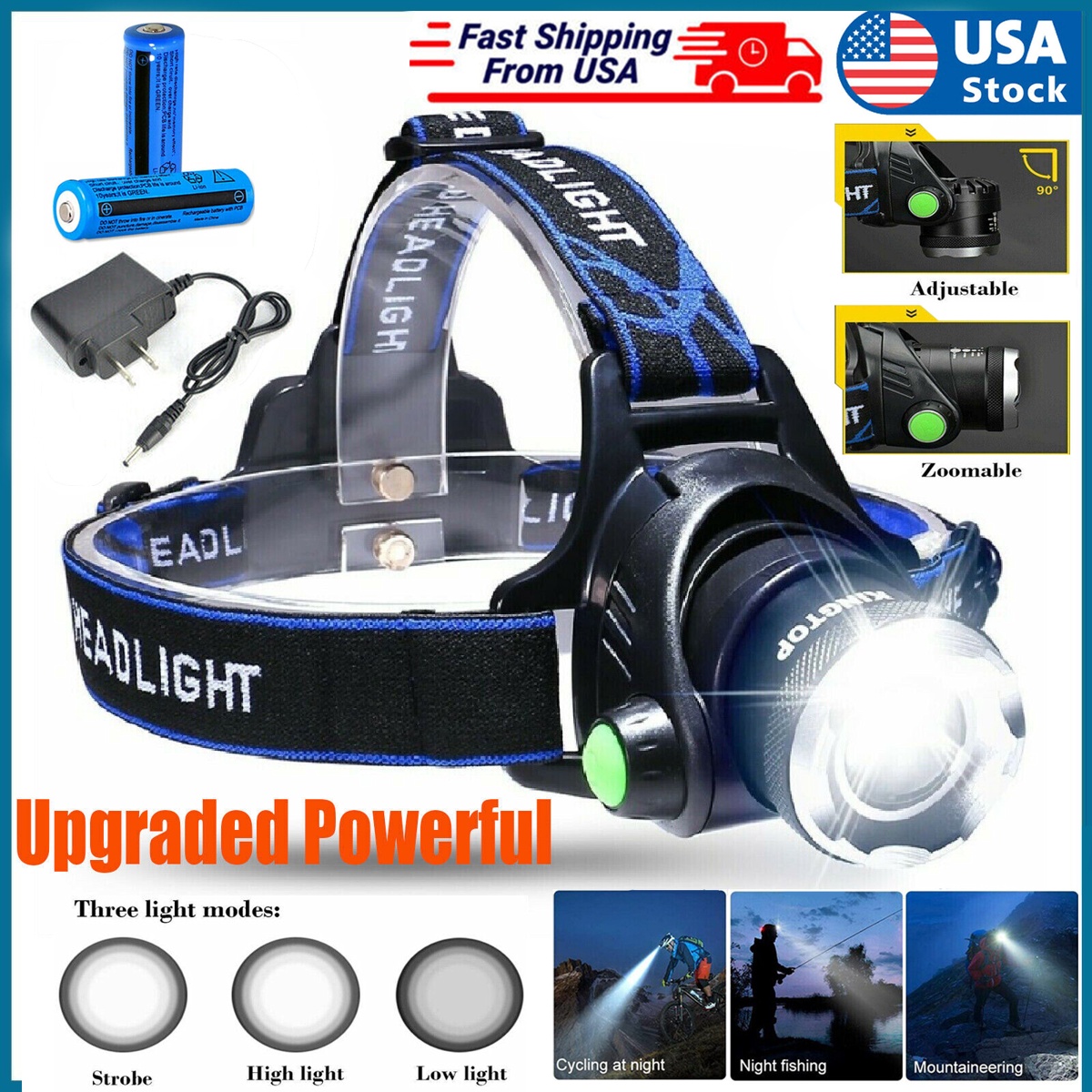 LED Headlamp Rechargeable Head Torch Zoom Headlight Super Bright Flashlight 3 Modes Work Light$22.99View on Mallflare
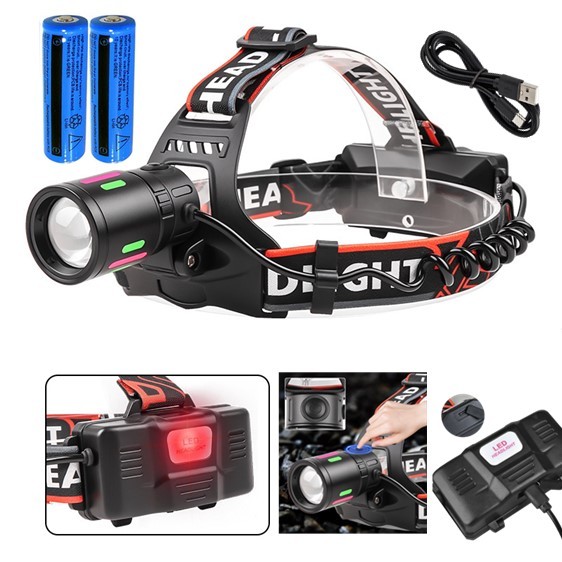 LED Headlamp USB Rechargeable Head Torch Zoom Headlight Lamp Super Bright Flashlight Work Light 3 Modes With Li-ion Batteries$19.99View on Mallflare
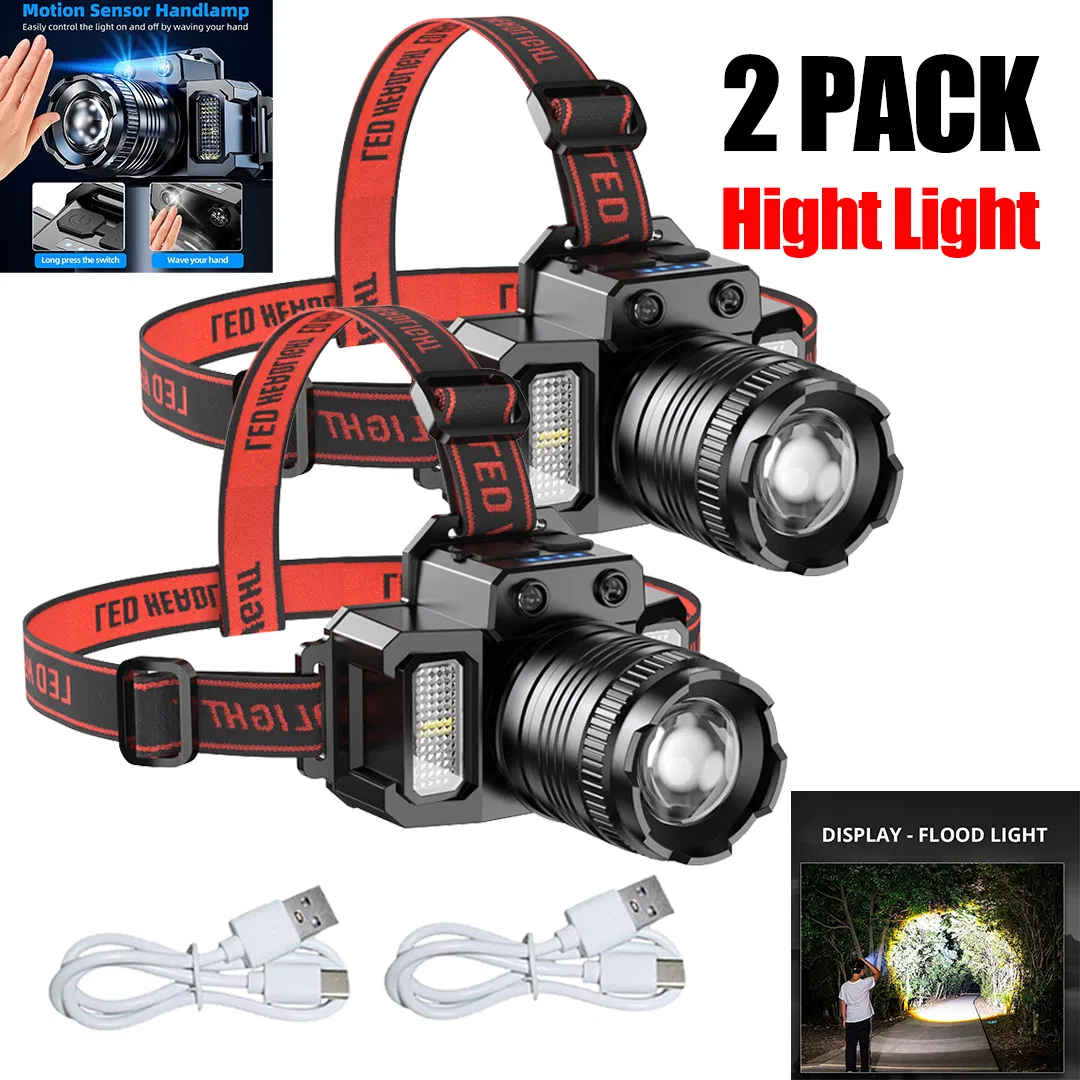 2 PACK LED Headlamp Motion Sensor 5-Modes USB Rechargeable Canping Hiking Headlight$27.99View on Mallflare
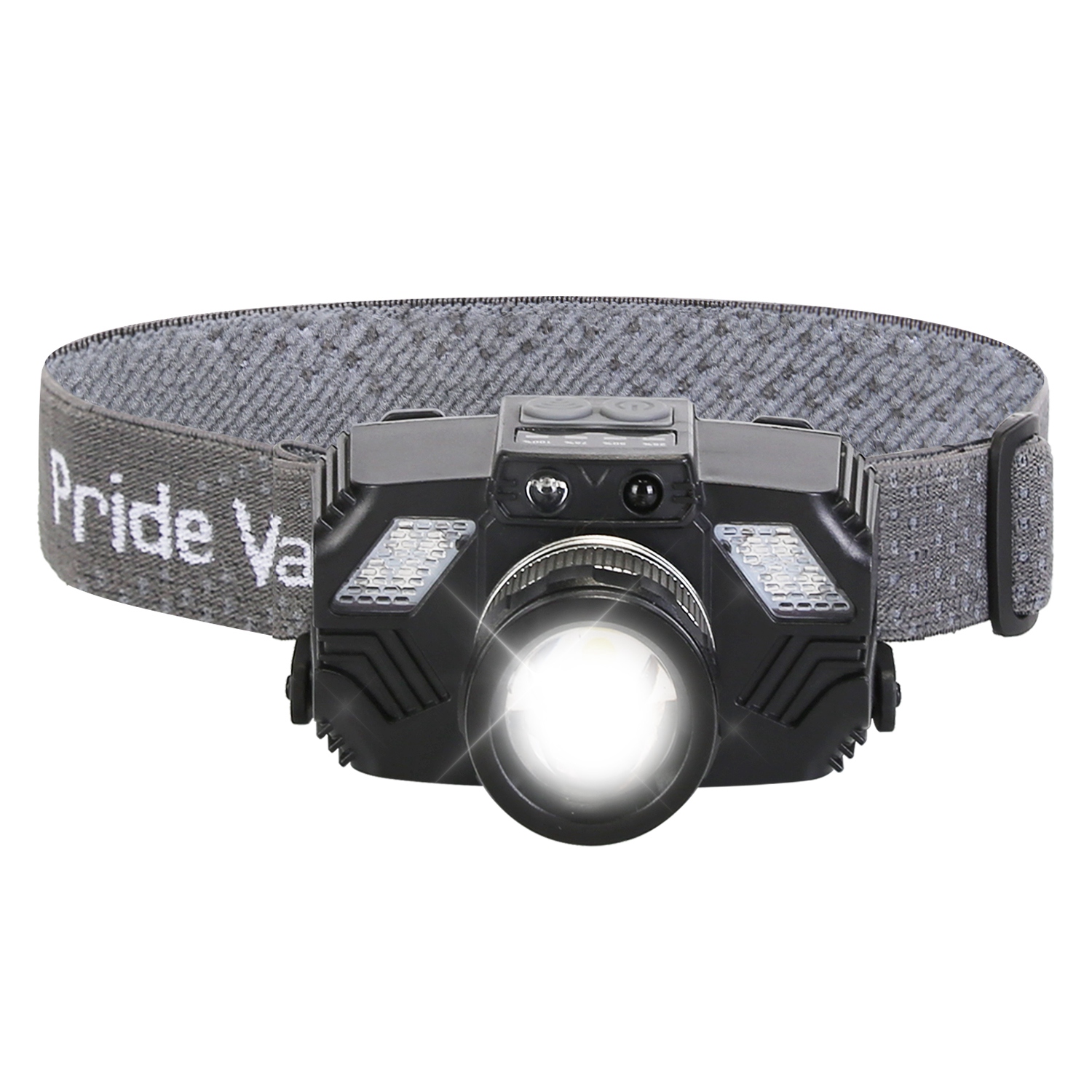 1Pc Motion Sensor LED Headlamp Zoomable Flashlight Waterproof Outdoor Emergency Headlight With 3 Lighting Modes$28.99View on Mallflare
Highlights
- Emitter and optic type set the beam: single-LED zoom lenses concentrate a hotspot but waste spill light, while multi-LED or TIR-reflector heads give a fixed flood beam with cleaner tint and no moving lens to leak.
- Battery architecture matters more than capacity claims: a single 18650 or built-in Li-ion pack with USB-C charging and a regulated driver holds output flat, whereas unregulated direct-drive heads fade from peak within minutes.
- Ingress protection is the durability dividing line: IPX4 survives rain and sweat, IPX6 handles heavy spray and hose-off, and IPX7 allows brief submersion — unrated plastic housings fail at the lens seal and button boot first.
- Mode logic separates work lamps from toys: stepped low/medium/high with a dedicated red night mode and lockout prevents accidental drain, while 3-mode strobe-first firmware is a red flag for unregulated budget builds.
Best use cases
- Trail running and night hiking: pick a lightweight IPX6 headlamp with a flood-plus-spot combo beam and a rear red blinker; skip heavy zoom heads with a forward-weighted battery pod that bounces.
- Hands-free work under sinks, in attics, or on vehicles: choose a lamp with a wide fixed flood, a magnetic base or clip mount, and USB-C charging so it tops up from a tool-bag power bank; skip pencil-beam zooms that light one bolt at a time.
- Camping and emergency kits: buy a regulated IPX4+ lamp with a red mode and a lockout, plus a spare 18650 or a built-in pack rated for a full night on medium; skip non-replaceable sealed packs with no runtime table.
- Caving or wet marine use: only an IPX7/IP68 sealed body with a locking battery compartment qualifies; skip any plastic zoom headlamp with an exposed charging port flap, which is the first failure point in sustained water.
Buying tips
- Demand a runtime table, not a peak lumen figure: a honest regulated lamp lists hours per mode, and a 400-lumen high mode that holds flat for 2-3 hours beats a 1000-lumen burst that collapses in 60 seconds.
- Match the cell to the use: 18650 cells (3.6 V, ~2500-3500 mAh) are field-replaceable and standard; built-in pouch packs are lighter but become e-waste when the cells age out.
- Check the charging standard: USB-C with a sealed port boot is current; micro-USB on a plastic flap is a legacy design that corrodes and tears.
- Verify the mount and strap: a silicone bracket or tool-free clip that fits a helmet or bare head without a separate strap adapter is what keeps the lamp stable at running pace.
Specs
| Power Source | USB-C Li-ion vs replaceable 18650 |
|---|---|
| Beam Type | Fixed flood/TIR vs zoom lens |
| Water Resistance | IPX4 rain / IPX6 spray / IPX7 submersible |
| Output Control | Regulated flat runtime vs direct-drive fade |
Related searches
What to check before buying
- Weigh the complete lamp with battery: under about 3.5 oz (100 g) stays stable on a bare head at running pace; heavier heads need a top strap or helmet mount.
- Confirm the strap adjusts to your head circumference and helmet shell, and that the battery pod (front or rear) balances without pulling the lamp down.
- Match IP rating to your wettest realistic condition — rain and sweat need IPX4 minimum, hose-down and marine splash need IPX6 or better.
- Check the charging port and cell type: USB-C input, a sealed port cover, and either a replaceable 18650 or a pack with a stated cycle life.
FAQ
Data sources: eBay / Amazon listings and product attribute feeds Data updated Nov 20, 2026.
Some links on this page are affiliate links. If you buy after clicking one, we may earn a commission at no extra cost to you. This does not change which products appear here or their order. Affiliate disclosure.