Photos from current listings. Actual item, color, and included accessories may vary.
Digital Torque Wrench Buying Guide
A digital torque wrench replaces the mechanical click with strain-gauge electronics and an LCD, trading impact durability for ±1–2% accuracy, preset modes, and data feedback. The core decision is drive size and torque range versus the precision and features you actually need, since a 1/2-inch 250 ft-lb wrench and a 1/4-inch bit-driver serve completely different fastener classes. Buy according to the torque band of your fasteners and the drive interface your sockets use; skip any unit that cannot state its accuracy grade and calibration method.

At a glance
- Category
- Hand Tools
- Data updated
- Nov 20, 2026
Current offers
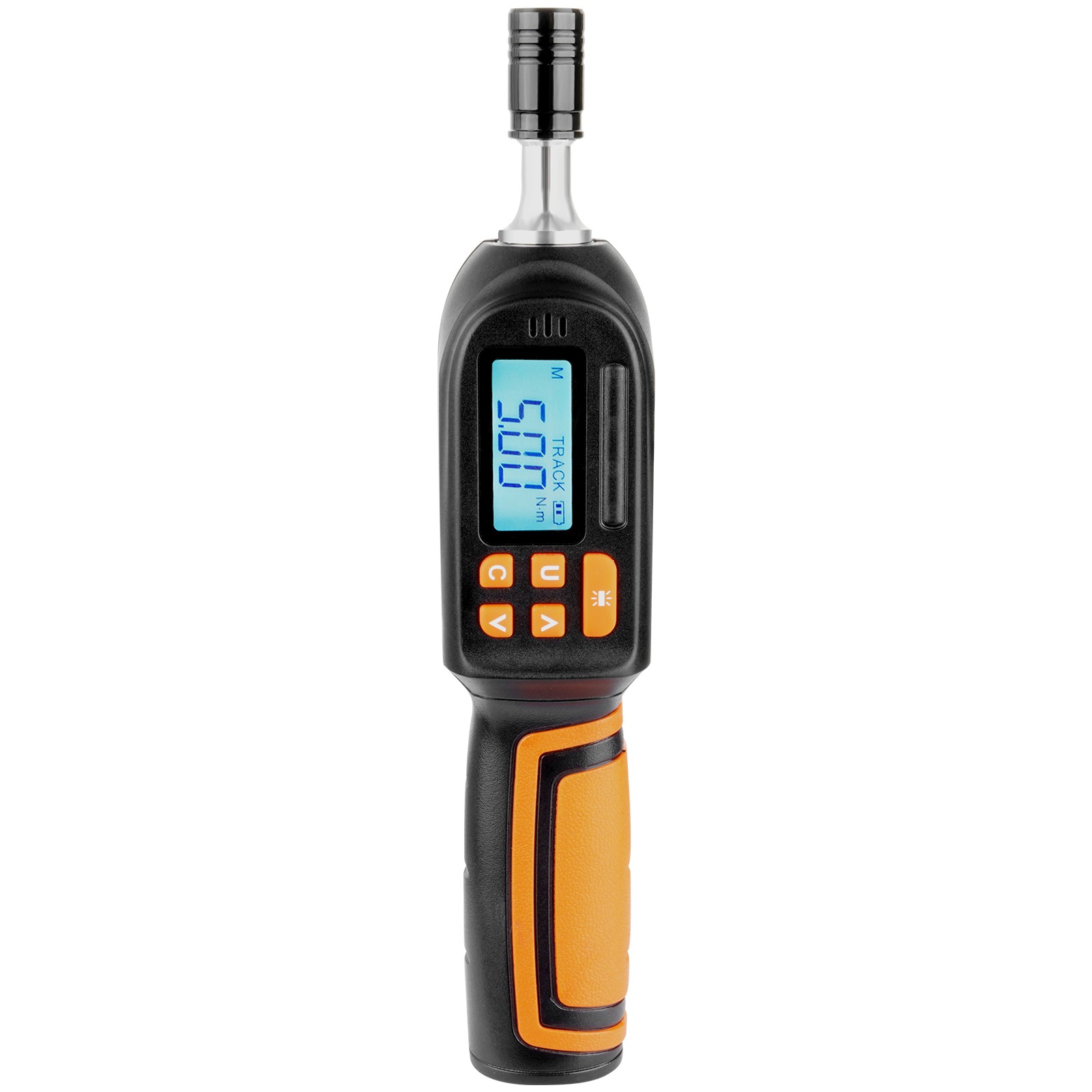 Digital Torque Wrench 1/4" Adjustable Screwdriver Torque Wrench Set w/ Bits&Case$43.69Last checked Nov 19, 2026
 View on eBay
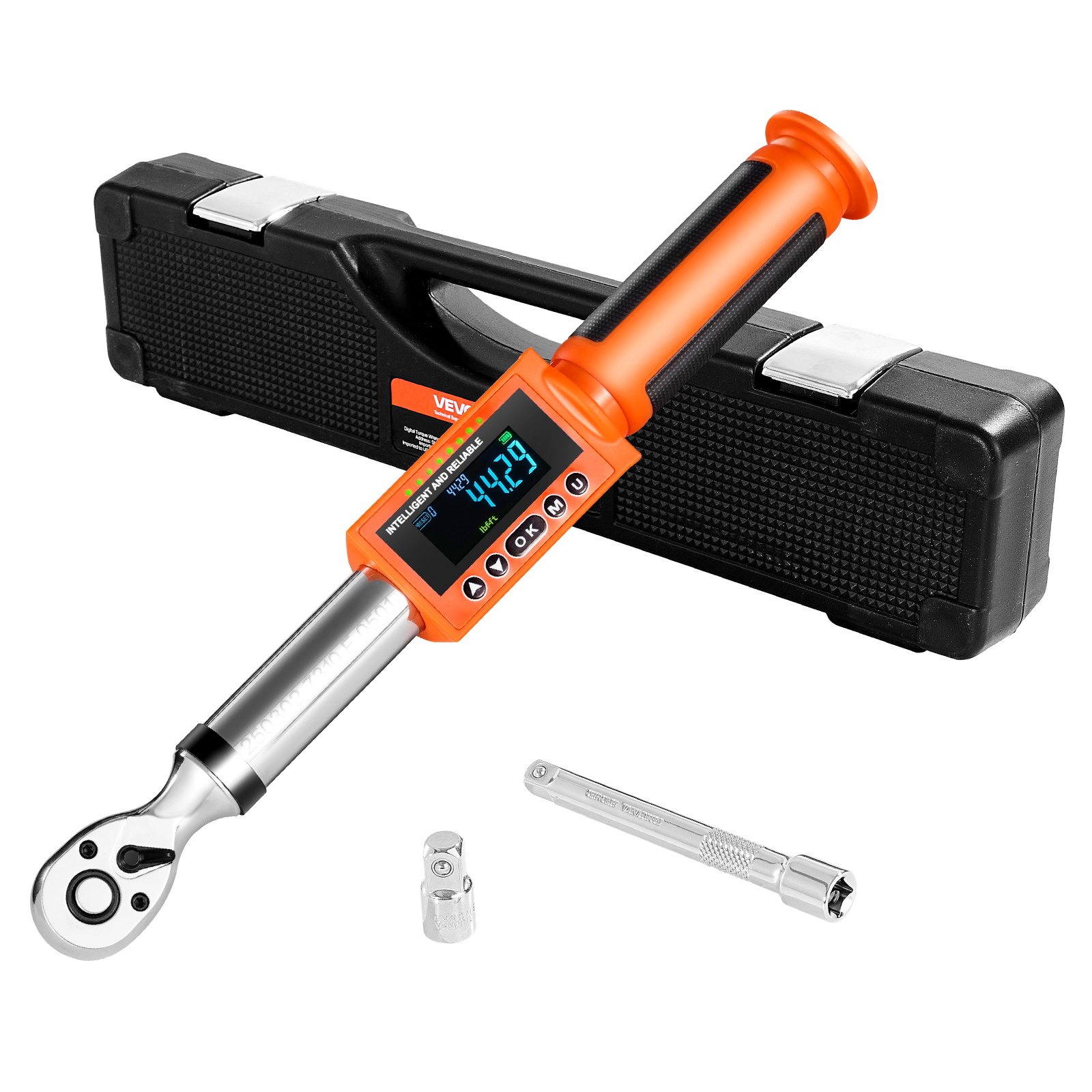 Digital Torque Wrench, 3/8 Inch Drive, 0-99.57 Lbf-ft / 0-135 N.m, 72-Tooth, ±2% High Accuracy Electronic With Preset Value, Buzzer And LED Notification, For Automotive Motorcycle$91.99
 View on Mallflare
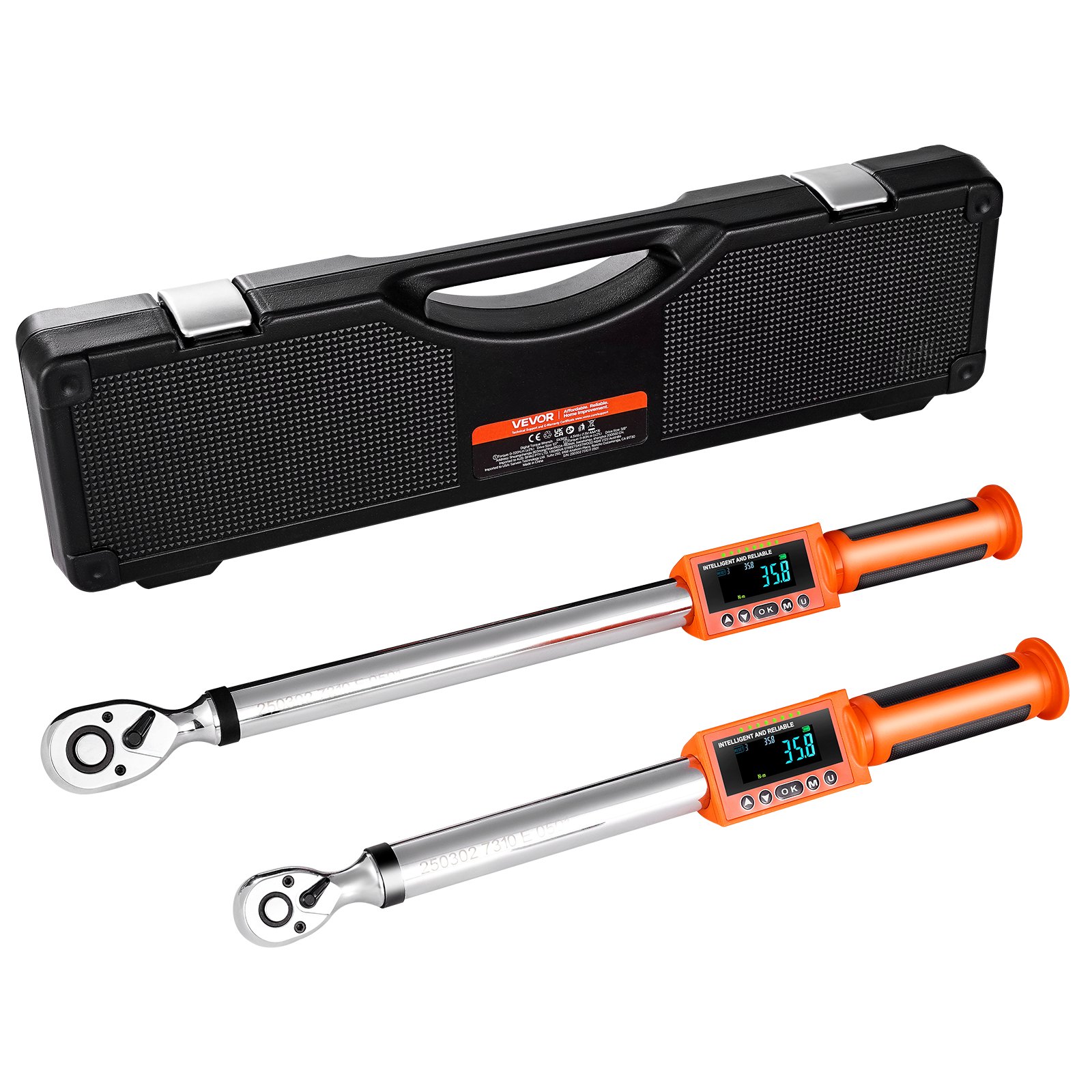 Digital Torque Wrench Set, 2 Pieces, 1-2, 3-8 Inch Drive, 72-Tooth High Accuracy Electronic With Preset Value, Buzzer And LED Notification, For Automotive Motorcycle$151.99View on Mallflare
 Digital Torque Wrench, 1/2" Drive Electronic Kit, 25–250 ft.lb / 34–340 N.m, ±2% Accuracy, 3-Mode Adjustable with LED Screen & Buzzer Calibration$219.99View on Mallflare
Highlights
- Strain-gauge + LCD electronics deliver ±1–2% accuracy versus ±4% for click-type mechanical wrenches, but they need battery care and are not impact-rated.
- Drive size sets the torque band: 1/4-inch for 5–25 ft-lb fasteners, 3/8-inch for 20–100 ft-lb, and 1/2-inch for 50–250 ft-lb; using a wrench at its extremes loses accuracy.
- 72-tooth ratchet heads give 5-degree swing arcs for tight engine bays; lower-tooth heads need more clearance and are slower in confined spaces.
- Preset mode, buzzer, and LED alerts let you set a target and feel/hear the approach, which matters on blind fasteners where you cannot watch the screen.
Best use cases
- Automotive engine, suspension, and lug-nut work: pick a 1/2-inch drive, 25–250 ft-lb unit with preset and buzzer; skip 1/4-inch drivers, which cannot reach lug-nut torque.
- Motorcycle, ATV, and small-engine fasteners: choose a 3/8-inch drive, 0–100 ft-lb wrench with 72-tooth head; skip 1/2-inch heavy units that are inaccurate at low torque.
- Electronics, bicycles, and interior trim: use a 1/4-inch bit-driver style in the 2–25 ft-lb range or a dedicated digital screwdriver; skip full-size wrenches for sub-10 ft-lb work.
- Production or quality-assurance torque auditing: select a wrench with data output or angle mode and a calibration certificate; skip budget units without traceable calibration.
Buying tips
- Match torque range to your fastener band so the target sits at 20–80% of full scale; readings drift at the low and high extremes of any wrench.
- Confirm the accuracy spec is stated as ±1% or ±2% of reading, not just 'high accuracy', and that a calibration certificate or method is named.
- Check the drive interface: 1/4-inch hex bits, 3/8-inch square, or 1/2-inch square; the wrong drive means buying adapters that add slop and error.
- Prefer a 72-tooth or higher ratchet head for confined work and verify the unit supports both peak and track modes if you need live torque readings.
Specs
| Drive Size | 1/4, 3/8, or 1/2 in square |
|---|---|
| Accuracy Grade | ±1% to ±2% of reading |
| Torque Range | 5–250 ft-lb by drive class |
| Ratchet Tooth Count | 72-tooth (5°) typical |
Related searches
What to check before buying
- List the torque values of your most common fasteners and pick a wrench whose range covers them at 20–80% of full scale.
- Measure clearance around the fastener: a 72-tooth head needs about 5 degrees of swing; a coarse head needs 15–20 degrees.
- Confirm socket or bit compatibility with the drive size, and budget for adapters only if the wrench drive matches your existing set.
- Check battery type and replacement availability (commonly coin or AAA) and whether the tool needs recalibration after a set number of cycles.
FAQ
Data sources: eBay / Amazon listings and product attribute feeds Data updated Nov 20, 2026.
Some links on this page are affiliate links. If you buy after clicking one, we may earn a commission at no extra cost to you. This does not change which products appear here or their order. Affiliate disclosure.