Photos from current listings. Actual item, color, and included accessories may vary.
Snap On Tool Buying Guide
Snap-on tools are professional-grade hand tools defined by proprietary industrial alloys, tight manufacturing tolerances, and a lifetime warranty, but the brand spans several distinct architectures—from chrome-plated sockets to industrial finish wrenches. The primary trade-off is material construction and drive/point geometry: flank-drive vs. corner-drive sockets and fixed vs. interchangeable tips determine torque capacity and fastener engagement. The decision rule is simple: buy Snap-on only where the fastener fit (6-point flank drive, Flank Drive Plus wrenches) and steel grade justify the premium; skip it for generic pliers, organizers, or accessory items better served by industrial-standard alternatives.

At a glance
- Category
- Hand Tools
- Data updated
- Nov 20, 2026
Current offers
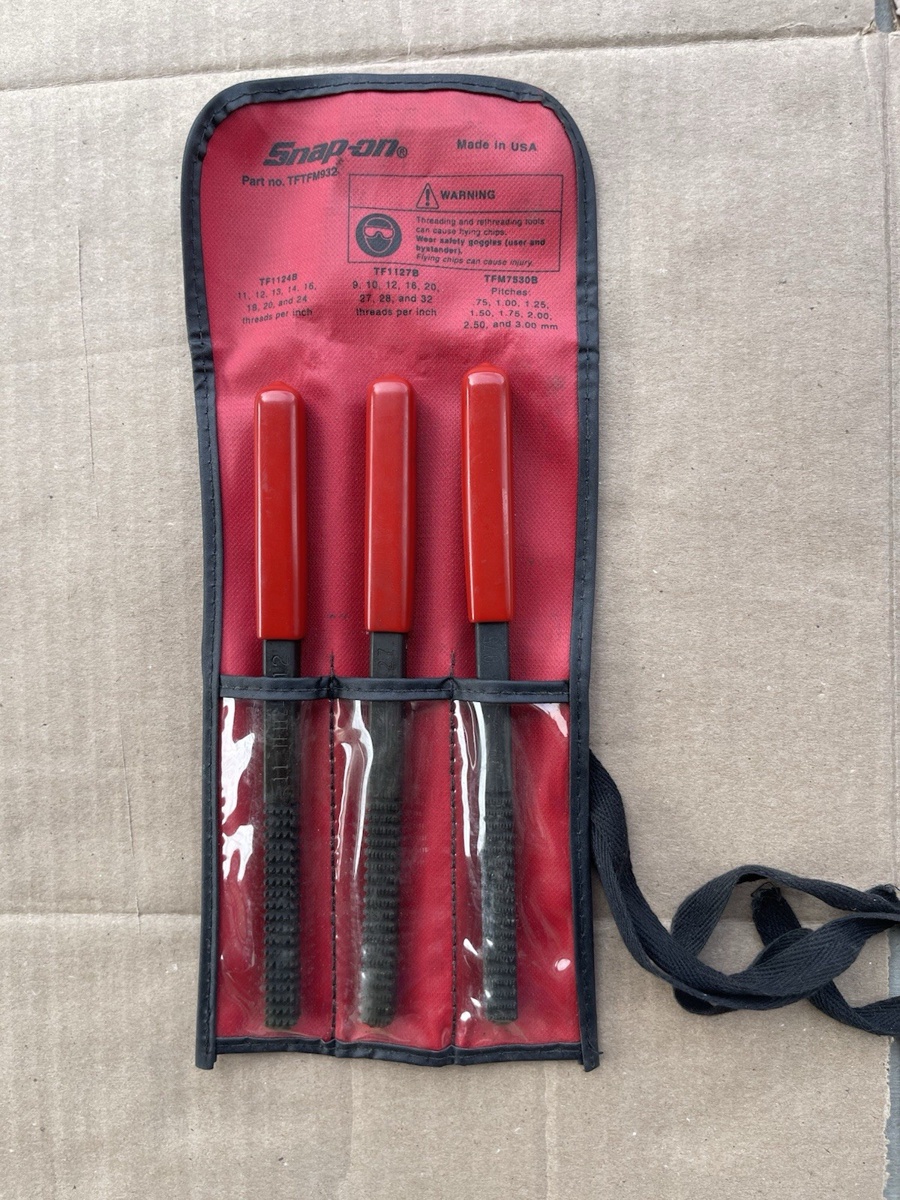 Snap-On Tools Metric SAE Thread Restoration File Set TFTFM932$75.00
 View on eBay
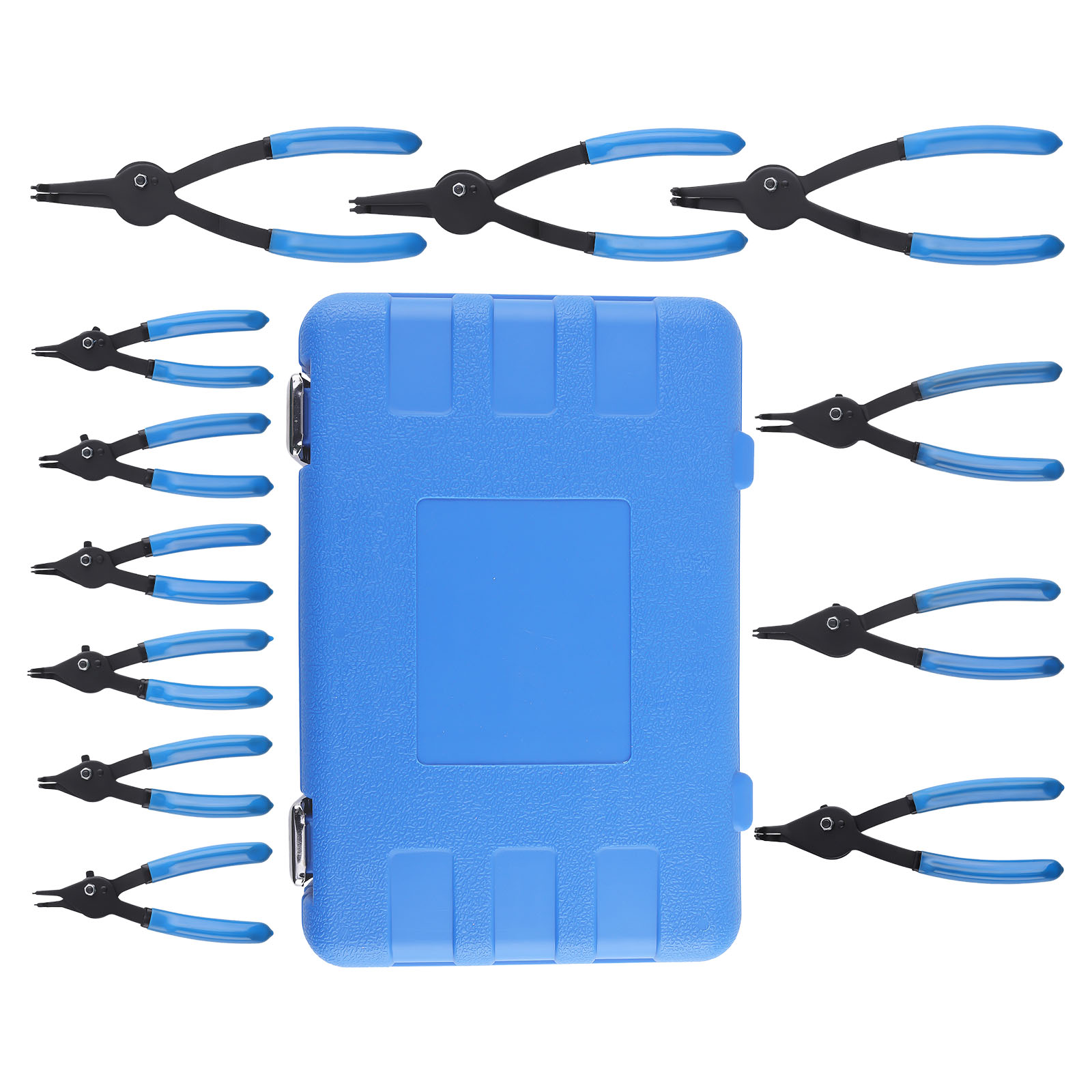 12 PC Versatile Retaining Snap Ring Pliers set Heavy Duty Fixed Tip 0° 45° 90°$111.99
 View on Mallflare
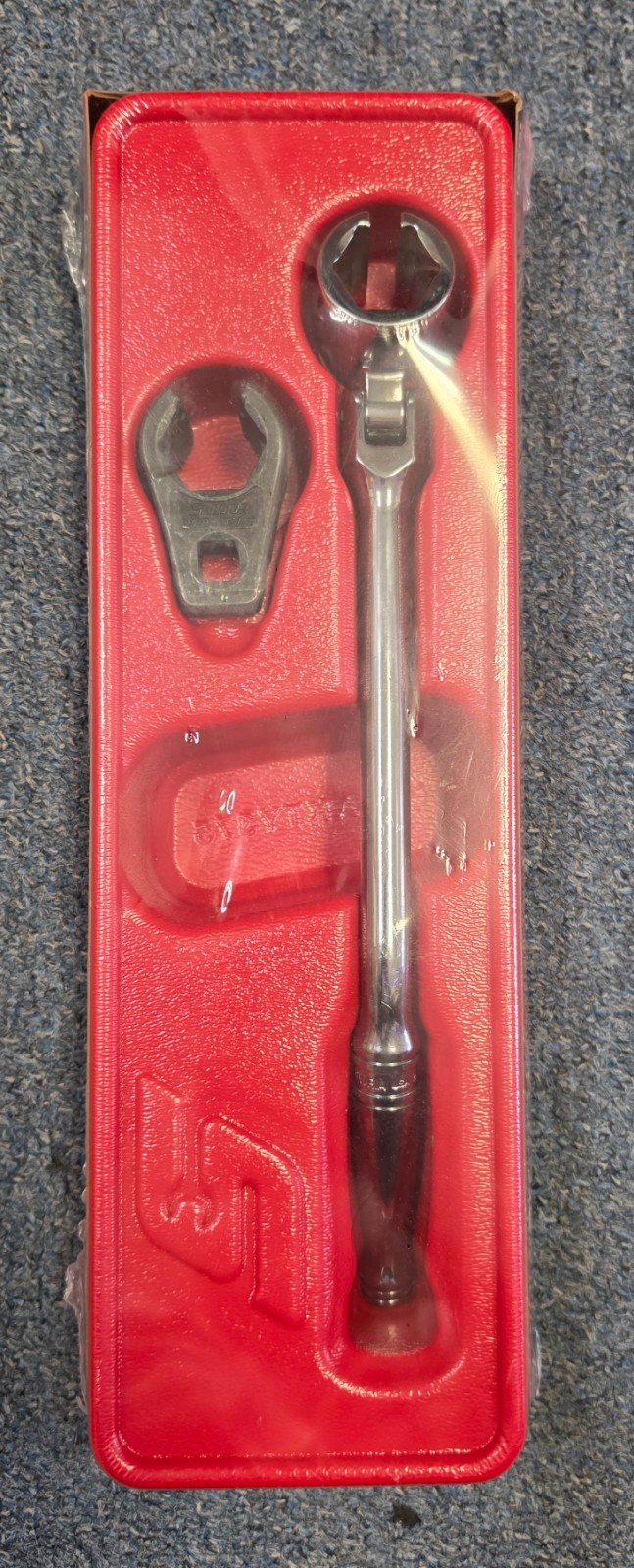 SNAP-ON SWR102 2-PIECE OXYGEN SENSOR WRENCH SET 7/8" - NEW$220.00New other (see details) · Last checked Nov 18, 2026View on eBay
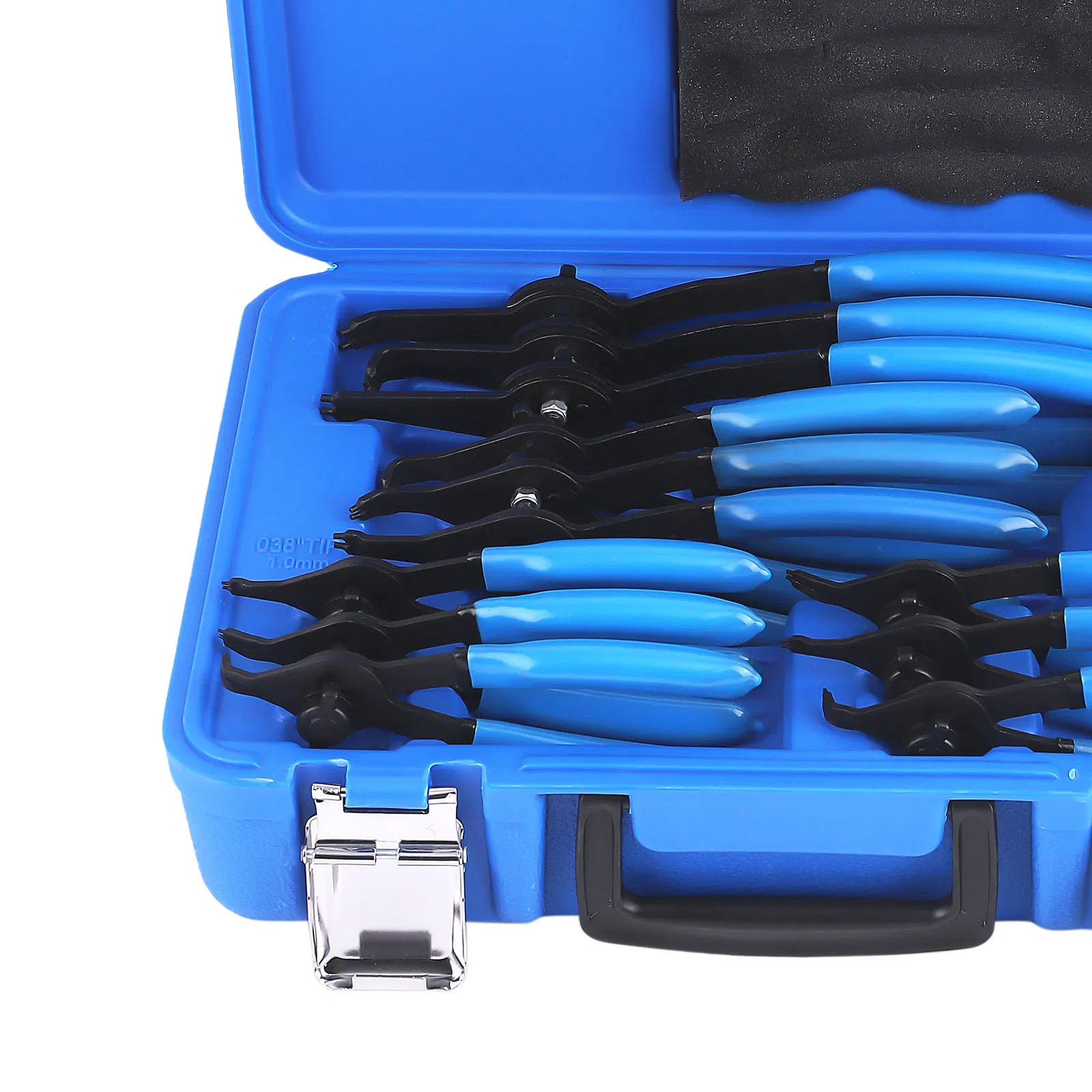 12 PC Versatile Retaining Snap Ring Pliers set Heavy Duty Fixed Tip 0 45 90$116.99View on Mallflare
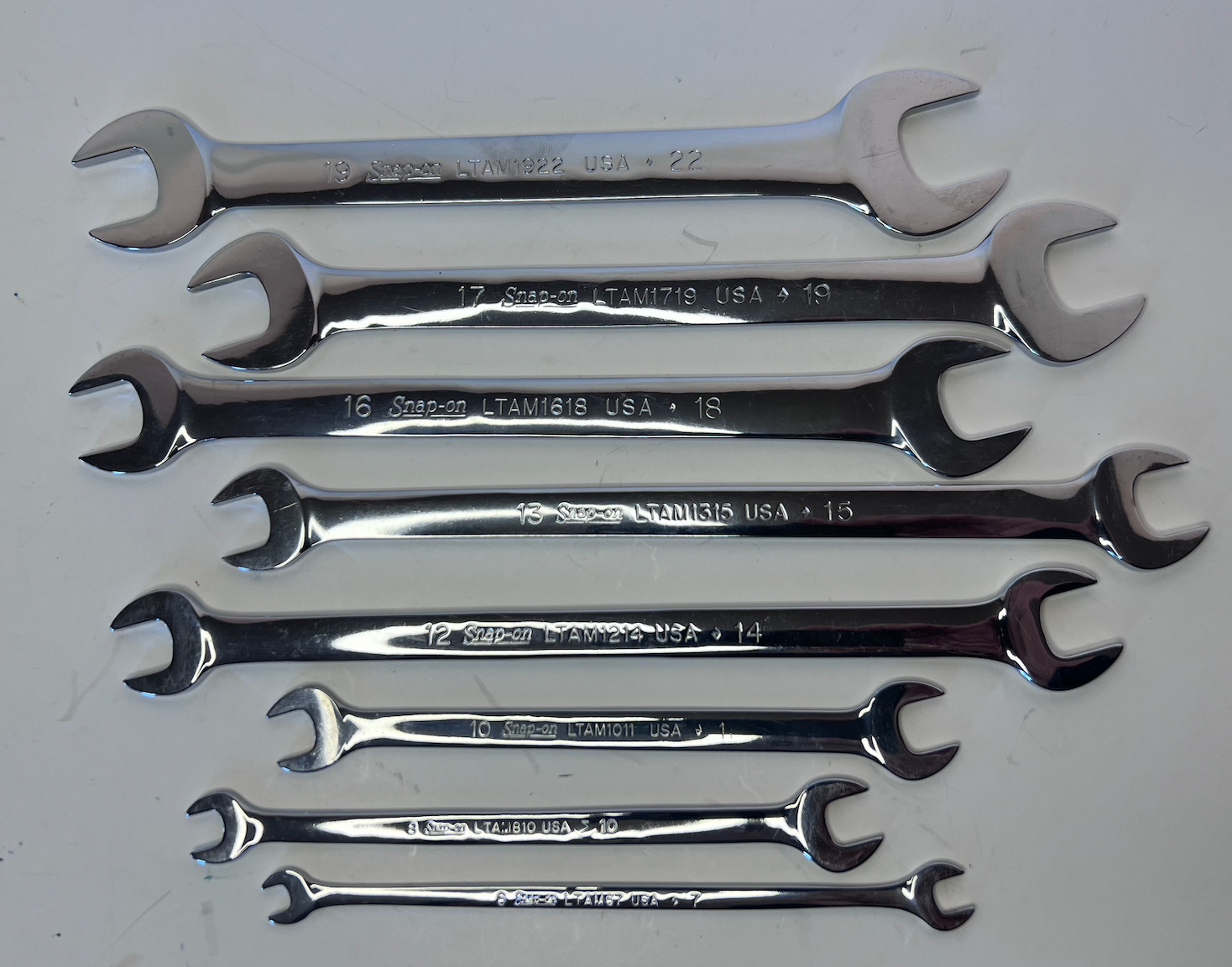 Snap-on LTAM 8pc Metric Low Torque Slimline Open End Wrench Set 6-22mm USA$279.00Used · Last checked Nov 18, 2026View on eBay
Highlights
- Snap-on sockets use a 6-point Flank Drive design that grips the fastener flats rather than corners, increasing torque by roughly 20% before rounding.
- Wrenches marked Flank Drive Plus feature a modified open-end jaw with serrated teeth for higher torque on damaged or rounded fasteners than standard open ends.
- Industrial-finish (black oxide) Snap-on tools offer the same steel grade as chrome-plated lines but are priced lower and lack the cosmetic chrome.
- Thread-restoration files and retaining-ring pliers are specialty items where Snap-on's fixed-tip geometry and heat-treated steel outperform generic carbon-steel equivalents in repeated high-load cycles.
Best use cases
- Professional mechanics and heavy-equipment techs: choose 6-point Flank Drive sockets and Flank Drive Plus wrenches for high-torque, rusty fastener work—skip 12-point chrome for high-torque applications.
- Aviation and precision assembly: pick 12-point sockets and low-profile wrenches for access in tight clearances where a 6-point's thicker wall will not fit.
- Home DIY and occasional use: skip Snap-on sockets and wrenches; generic chrome-vanadium 6-point sets deliver adequate torque for occasional use at a fraction of the cost.
- Thread restoration and snap-ring work: buy Snap-on TFTFM932 files or fixed-tip retaining-ring pliers only if you service damaged threads or internal/external rings regularly; otherwise standard carbon-steel pliers suffice.
Buying tips
- Match point count to torque: 6-point sockets for maximum torque on hex fasteners; 12-point sockets only for 12-point fasteners or tight-clearance access where wall thickness must be minimal.
- Choose drive size by fastener class: 1/4-inch drive for fasteners up to 1/2-inch, 3/8-inch drive for 1/2- to 3/4-inch, and 1/2-inch drive for 3/4-inch and larger—never use a smaller drive with an adapter to exceed its torque rating.
- Select Flank Drive Plus wrenches over standard open-end wrenches when working on rounded or corroded fasteners; the serrated jaw bites into the flat for higher breakaway torque.
- Verify retaining-ring plier tip style: fixed-tip 0°, 45°, and 90° configurations each serve specific ring orientations; a set with all three angles covers internal and external rings without tip changes.
Specs
| Socket Drive | 1/4, 3/8, 1/2 in |
|---|---|
| Socket Points | 6-point vs 12-point |
| Wrench Type | Flank Drive Plus vs standard |
| Retaining Ring Tip | Fixed 0°/45°/90° |
Related searches
What to check before buying
- Measure fastener sizes and count points (6 vs. 12) on the equipment you service before selecting socket sets; mismatched point counts round fasteners under load.
- Confirm drive size and socket depth: standard depth for most fasteners, deep-well for nuts on studs—measure stud protrusion to ensure deep sockets clear.
- Check plier tip reach and ring diameter: fixed-tip retaining-ring pliers must match the ring hole size and angle; measure ring diameter and hole diameter before buying.
- Verify wrench length and offset for clearance: long-pattern wrenches provide leverage but may not fit in tight engine bays; measure available swing arc before choosing long vs. standard pattern.
FAQ
Data sources: eBay / Amazon listings and product attribute feeds Data updated Nov 20, 2026.
Some links on this page are affiliate links. If you buy after clicking one, we may earn a commission at no extra cost to you. This does not change which products appear here or their order. Affiliate disclosure.