Photos from current listings. Actual item, color, and included accessories may vary.
Snow Pusher With Wheel Buying Guide
A snow pusher with wheel combines a wide, non-scooping blade with a rolling axle to clear driveways and decks without lifting. The core trade-off is blade width and material versus wheel load capacity and frame rigidity: wide HDPE blades clear fast but flex under wet snow, while metal-edged or reinforced blades need a heavier axle and handle. Buy a wheeled pusher only when you push straight runs on smooth surfaces; skip it for stairs, deep drifts, or gravel where a scoop shovel wins.


At a glance
- Category
- Hand Tools
- Data updated
- Nov 20, 2026
Current offers
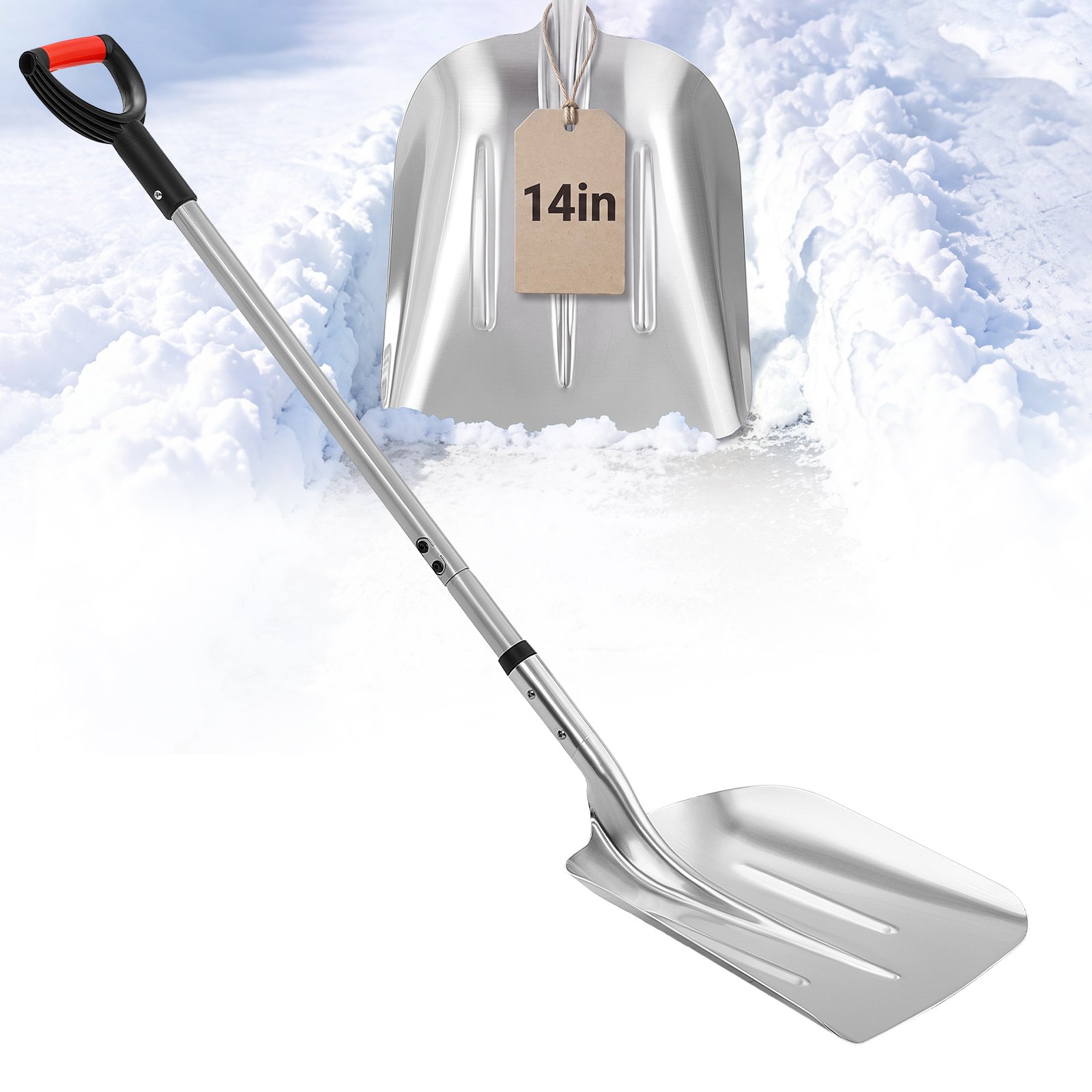 Snow Shovel for Driveway 14" Wide Aluminum with D-Grip Handle, for Home Garden Camping Outdoor, One-Piece Head, Large Capacity Lightweight Removal Tool Extended$53.99
 View on Mallflare
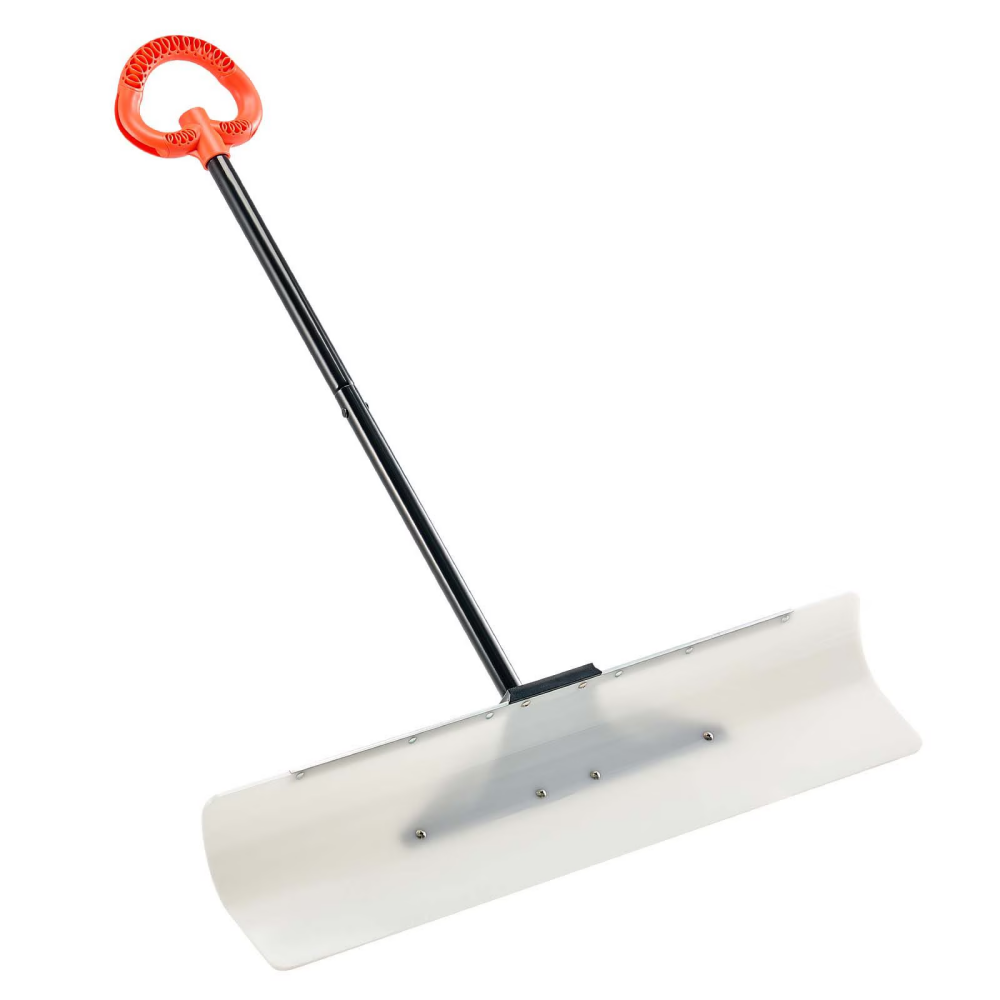 36" Snow Pusher Shovel with Metal Edge, HDPE Blade, Anti-Slip Grip, Segmented Handle, for Driveway Deck Stairs Winter Removal$125.99View on Mallflare
Highlights
- Blade width sets clearing rate: 24–30 in suits walkways and one-car paths, 36 in and wider clears full driveway lanes but demands a stiffer frame and larger wheels.
- HDPE (high-density polyethylene) blades resist snow sticking and never rust; aluminum and steel edges cut packed ice but add weight and need wax or paint upkeep.
- Wheels are load-bearing: small hard wheels skid on ice, while 6–10 in pneumatic or semi-pneumatic wheels roll over expansion joints and uneven pavers.
- Handle architecture matters: segmented or extended D-grip handles let you push upright, but two-piece joints loosen under heavy wet snow unless pinned or reinforced.
Best use cases
- Buy a 36 in HDPE pusher with metal wear edge and 8 in wheels for long smooth concrete or asphalt driveways where fast straight pushing beats lifting.
- Choose a narrower 24–30 in pusher with a D-grip handle for decks, patios, and tight walkways where a full-width blade cannot turn around rails or planters.
- Skip wheeled pushers on gravel, crushed stone, or steep slopes: wheels sink or roll away and the blade rides over the surface instead of cutting.
- Skip wheeled pushers for stairs and deep drifts above the blade height; a scoop shovel or snow scoop is required to lift and carry snow.
Buying tips
- Match blade width to your path: measure the narrowest gate or walkway and keep the blade at least 6 in narrower so you can angle and turn it.
- For wet, heavy snow choose a metal-edged HDPE blade; for powder and dry snow a plain HDPE or poly blade glides faster with less sticking.
- Check wheel diameter and axle mounting: 8 in or larger wheels with a through-axle and locking collars handle curb cuts and paver joints; 4–6 in plastic hubs wear fast.
- Prefer a pinned or bolted two-piece handle over a twist-lock joint; twist collars loosen under push load and are the first failure point on budget pushers.
Specs
| Blade Width | 24 / 30 / 36 / 48 in |
|---|---|
| Blade Material | HDPE / Aluminum / Steel edge |
| Wheel Type | 4–6 in hard / 8–10 in pneumatic |
| Handle Style | D-grip / Segmented / Extended |
Related searches
What to check before buying
- Measure driveway width and narrowest gate or door opening; a 36 in blade needs roughly 40 in of clear width to angle and turn.
- Confirm surface type: smooth concrete, asphalt, or sealed pavers suit wheels; gravel, grass, and steep slopes do not.
- Check storage space and handle length: extended pushers run 55–65 in long and need wall or rafter space for off-season storage.
- Verify blade height versus typical snowfall: a 10–12 in blade handles most storms, but drifts above blade height require a scoop or thrower.
FAQ
Data sources: eBay / Amazon listings and product attribute feeds Data updated Nov 20, 2026.
Some links on this page are affiliate links. If you buy after clicking one, we may earn a commission at no extra cost to you. This does not change which products appear here or their order. Affiliate disclosure.