Photos from current listings. Actual item, color, and included accessories may vary.
Tool Box Buying Guide
A tool box is the storage backbone of any hand-tool kit, and the core trade-off is between portability (plastic, blow-molded cases) and durability/load capacity (steel chests and rolling cabinets). Buyers should treat the box as a long-term investment: choose a steel or reinforced-polypropylene structure with metal drawer slides and a load rating matched to the tools it will hold, and skip thin, brittle cases that crack under socket-set weight.

At a glance
- Category
- Hand Tools
- Data updated
- Nov 20, 2026
Current offers
 909pcs General Household Tool Set Kit Home Repair Tool Kit w/ Rolling Tool Box$98.90
 View on eBay
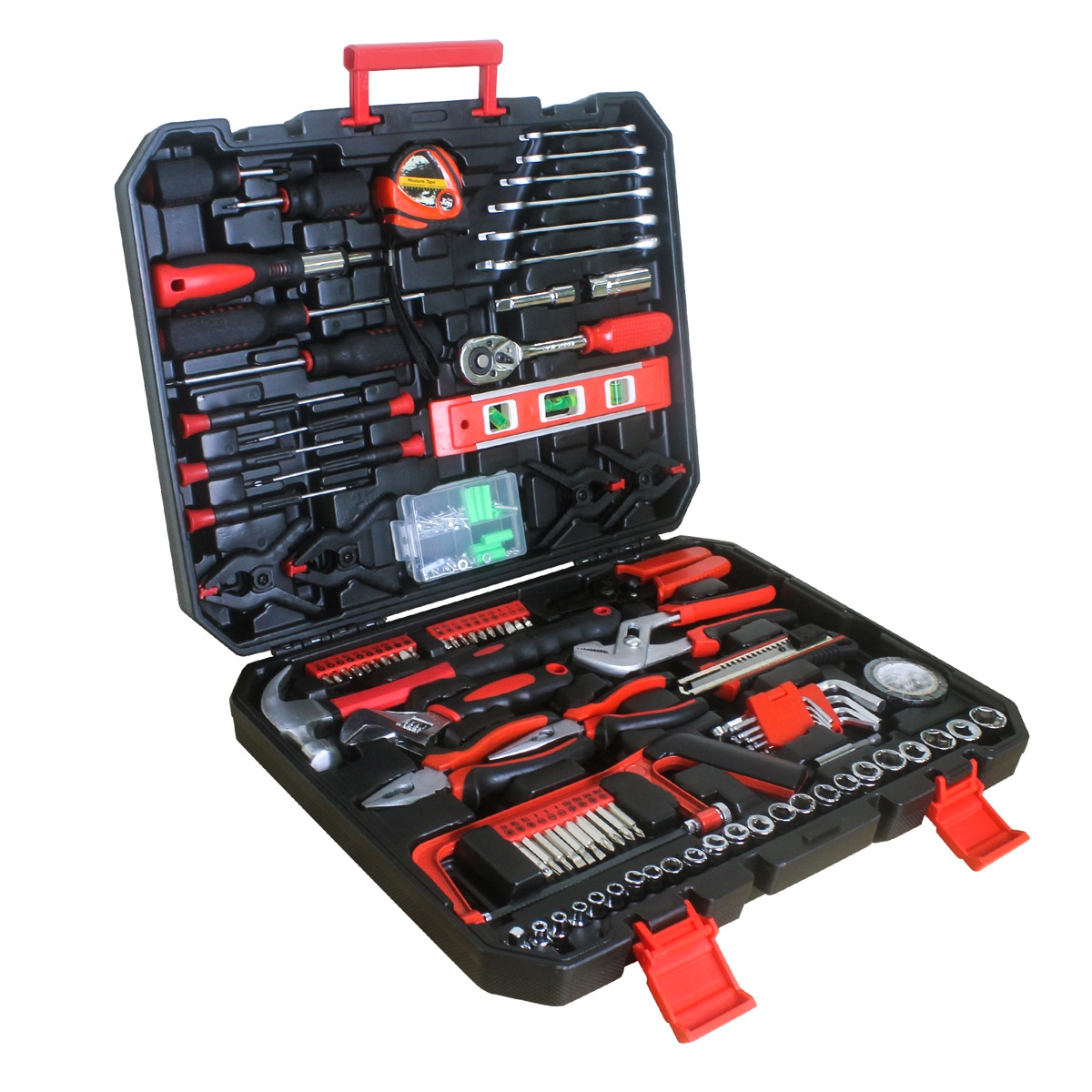 Black Hand Tool Box with Toolset 238Pcs$125.99
 View on Mallflare
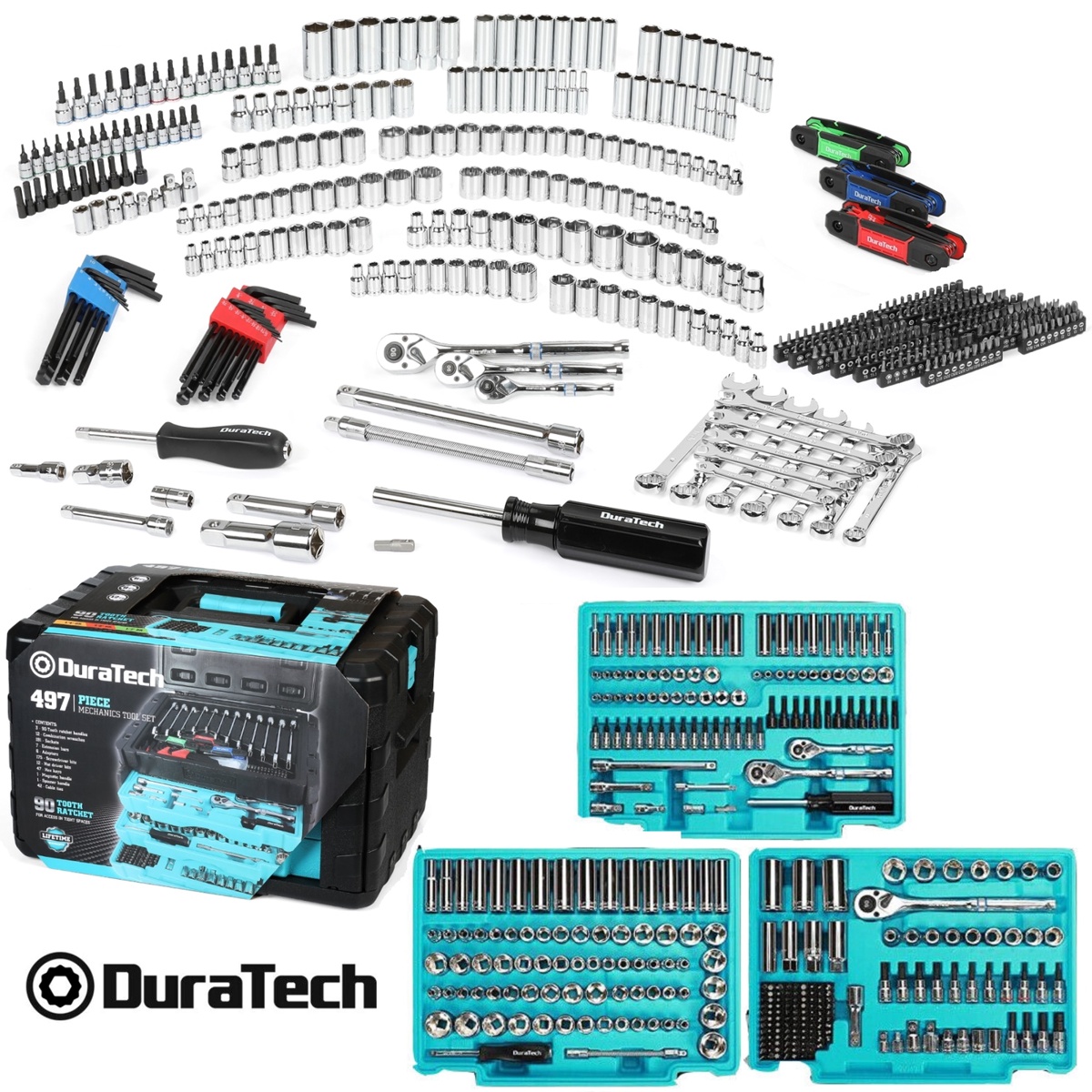 DURATECH 497 Pcs Mechanics Tool Set w/SAE and Metric Sockets w/3 Drawer Tool Box$239.99New · Last checked Nov 18, 2026View on eBay
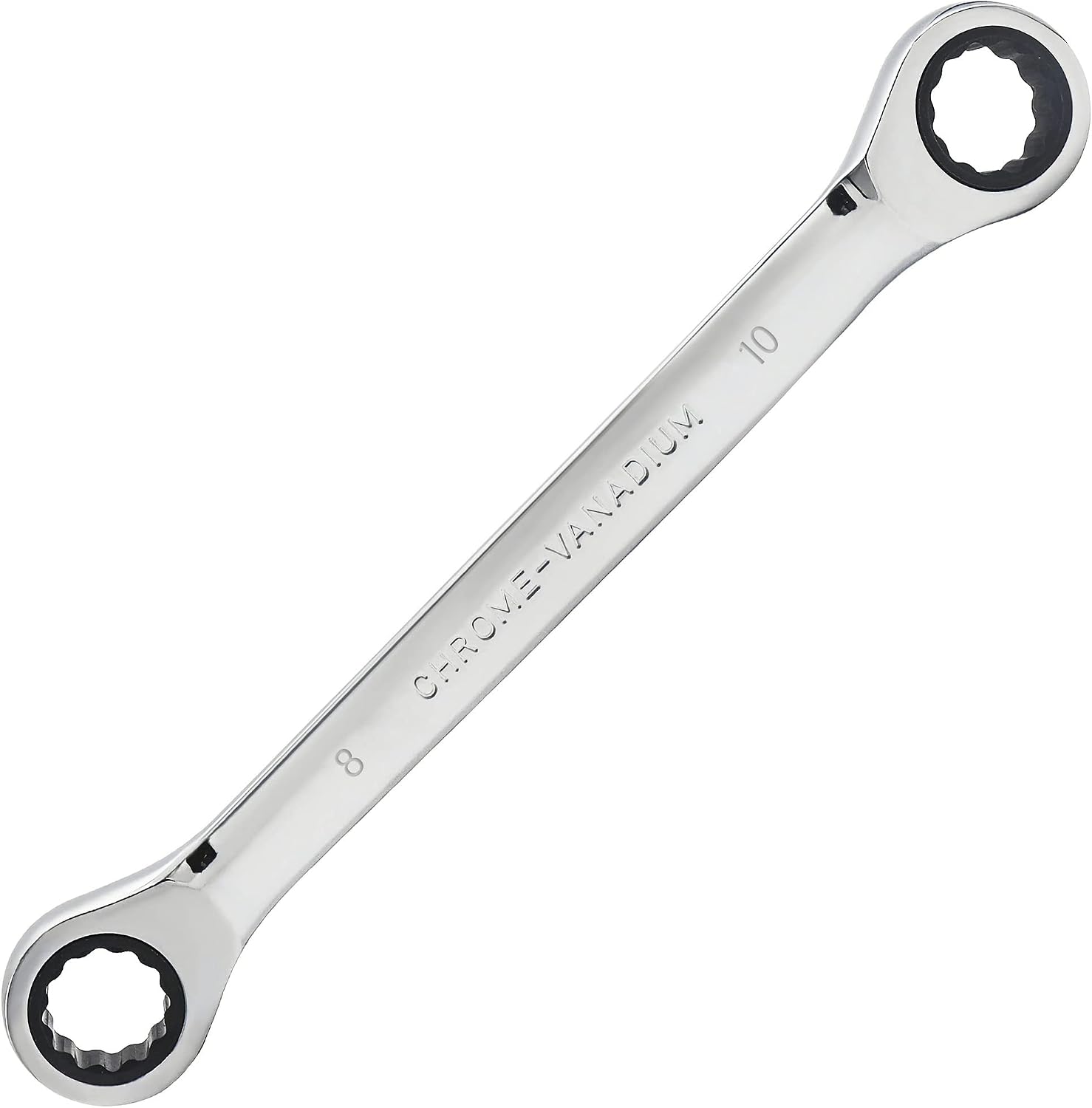 Double Box End Ratcheting Wrench 8mm X 10mm Metric 72 Teeth 12 Point Ratchet Gear Spanner Tools$13.99View on Mallflare
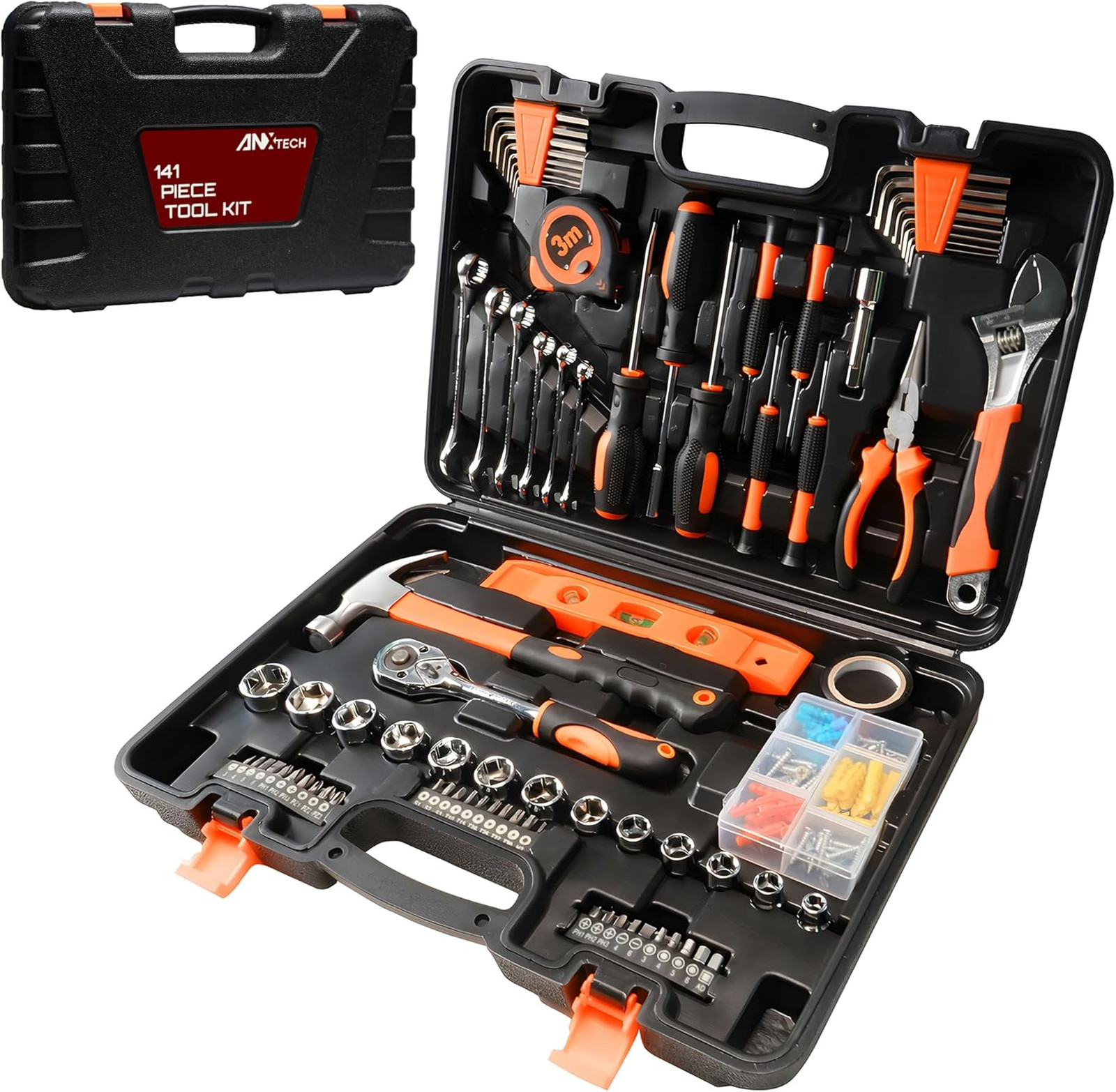 Home Repair Tool Kit 141 Piece Basic Home Garage Hand Tools with Storage Box$65.81View on eBay
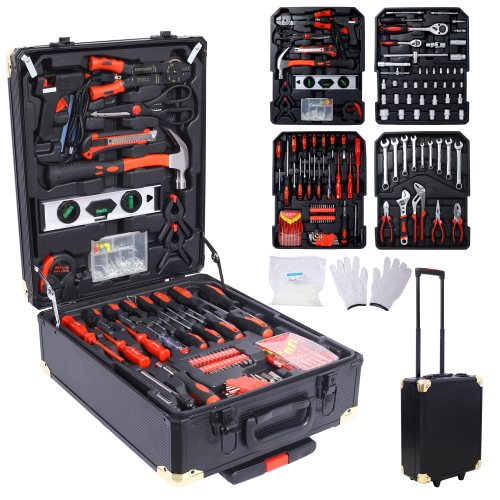 969pcs Home Repair Tool Set Kit For Men, Toolbox Storage Case With 4 Drawers, General Household Kit Rolling Box, Set Kit For Maintenance, Garden, Homeowner, Handyman -Black$157.99View on Mallflare
 Tool Set Mechanics Tool Kit 909 PCS Wrenches Socket with Trolley Case Box Silver$97.92View on eBay
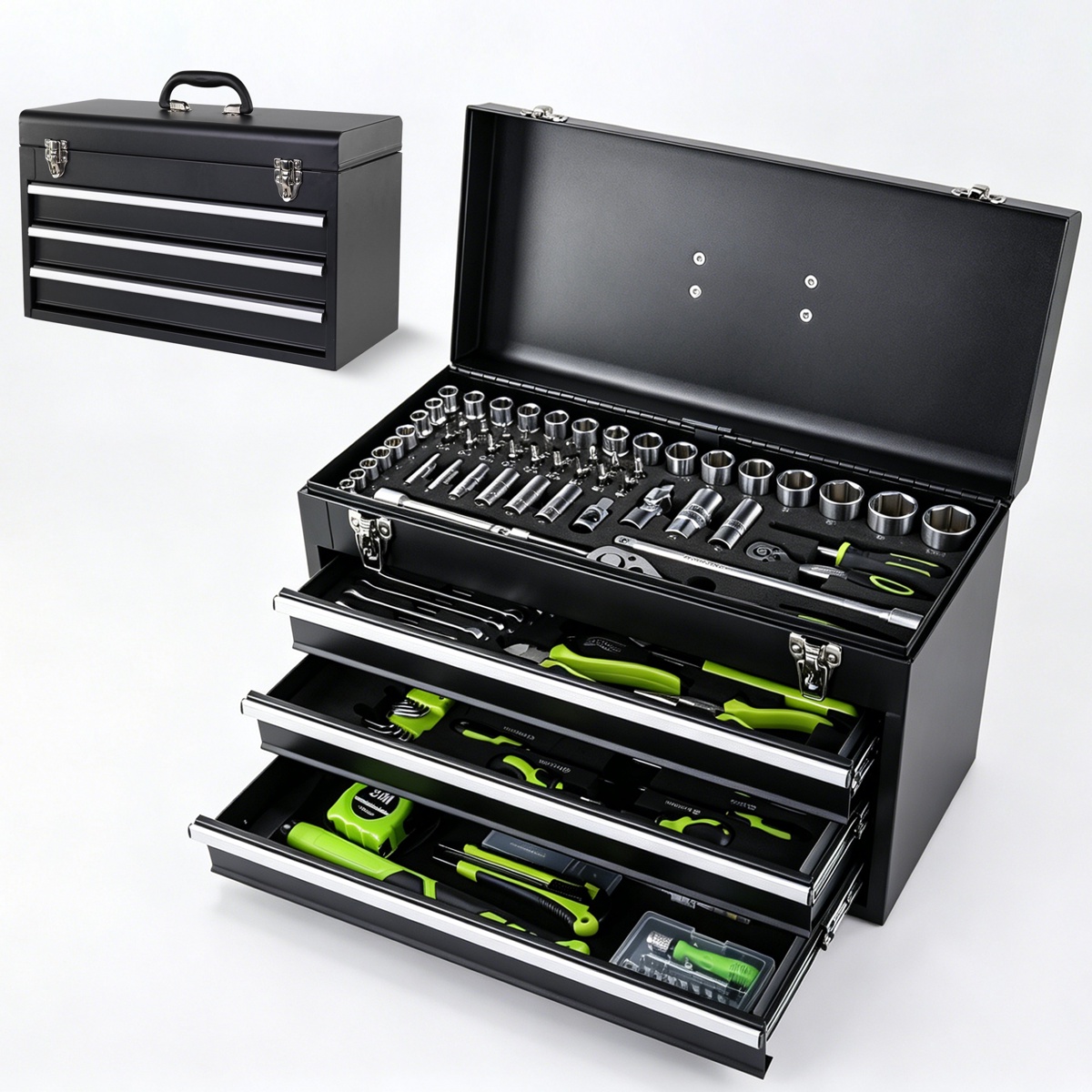 465-Piece Mechanics Tool Set with 3-Drawer Heavy Duty Metal Box Repair Kit$211.99View on Mallflare
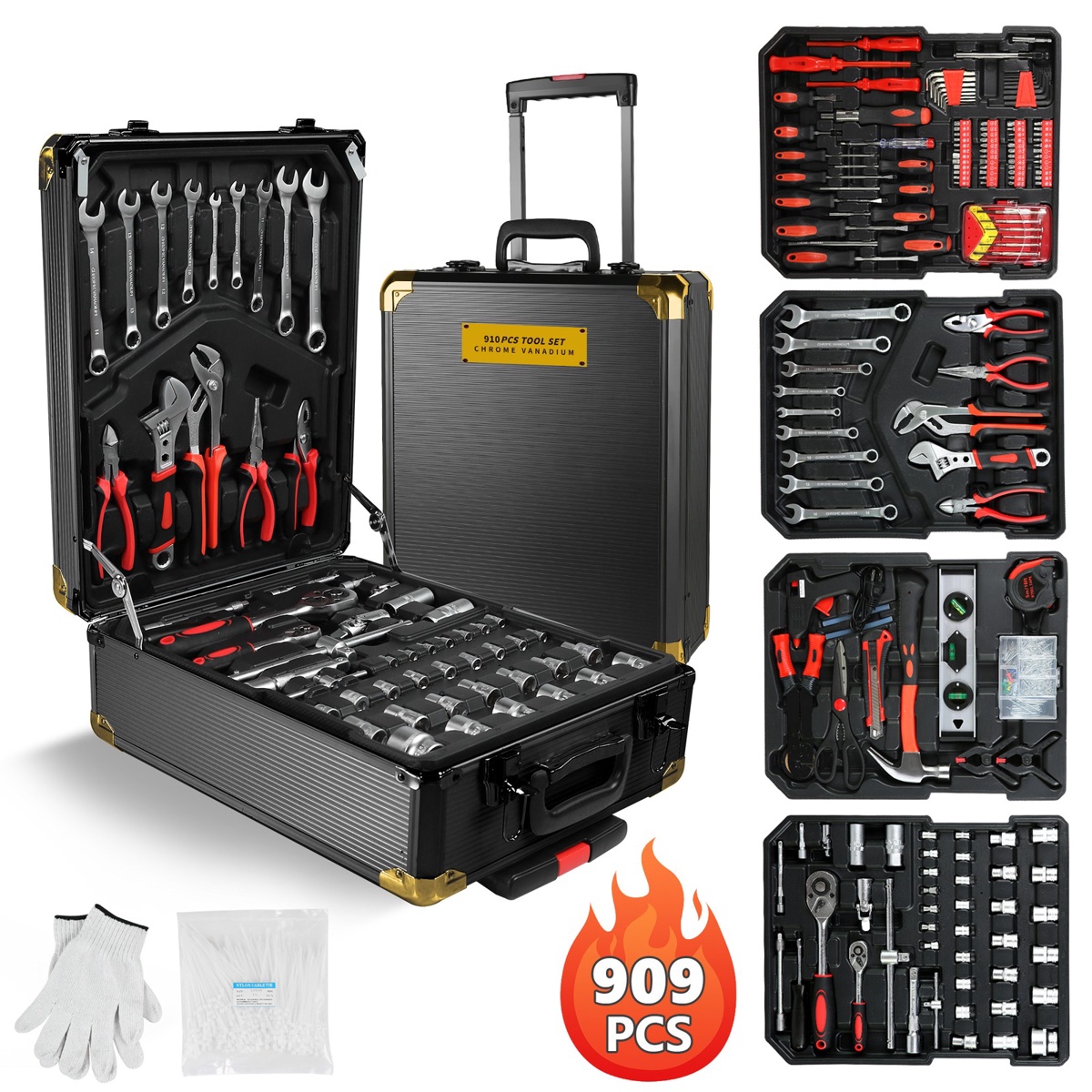 909 PCS Mechanics Tool Set Wrench Socket kit Ratchet Metric Set With Box$97.99View on eBay
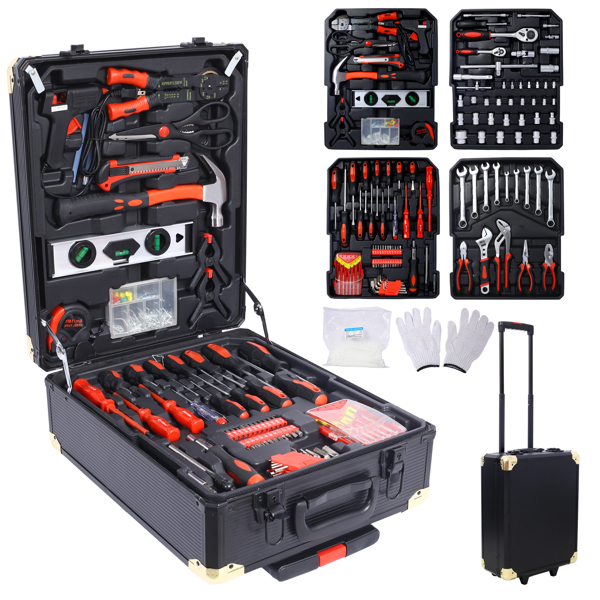 969 Piece Men's Home Repair Tool Set, Box Organizer With 4 Drawers, Universal Household Set Rolling Box$212.99View on Mallflare
 WORKPRO 408 Piece Mechanics Tool Set Socket Wrench Set With Heavy Duty Metal Box$175.99Last checked Nov 18, 2026View on eBay
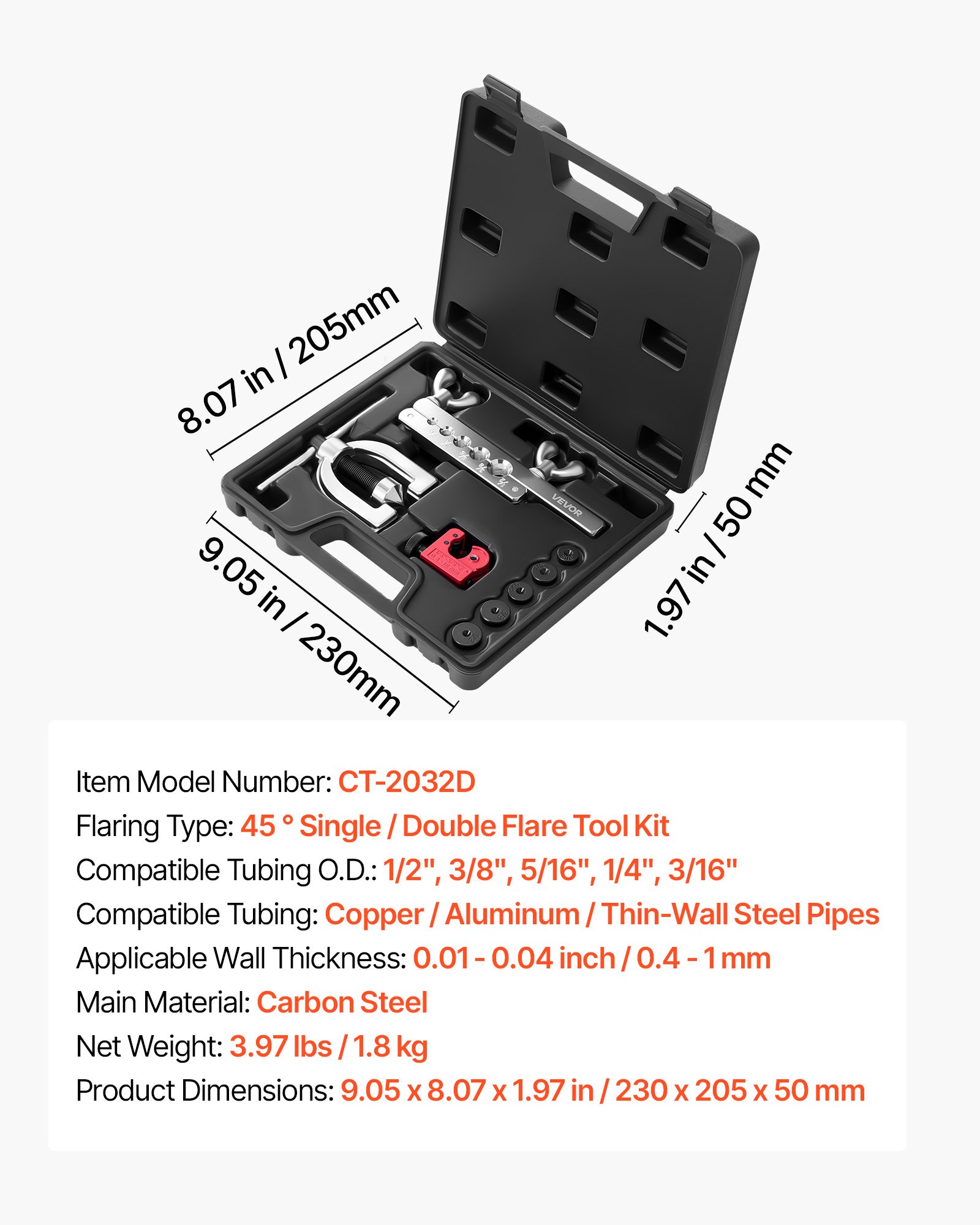 3/16" Brake Line Repair Kit, 45° Double & Single Flaring Tool Kit, 25FT Copper Coated (with 16 Fittings & 4 Unions) - Tube Cutter, 5 Adapters And Toolbox Included$36.99View on Mallflare
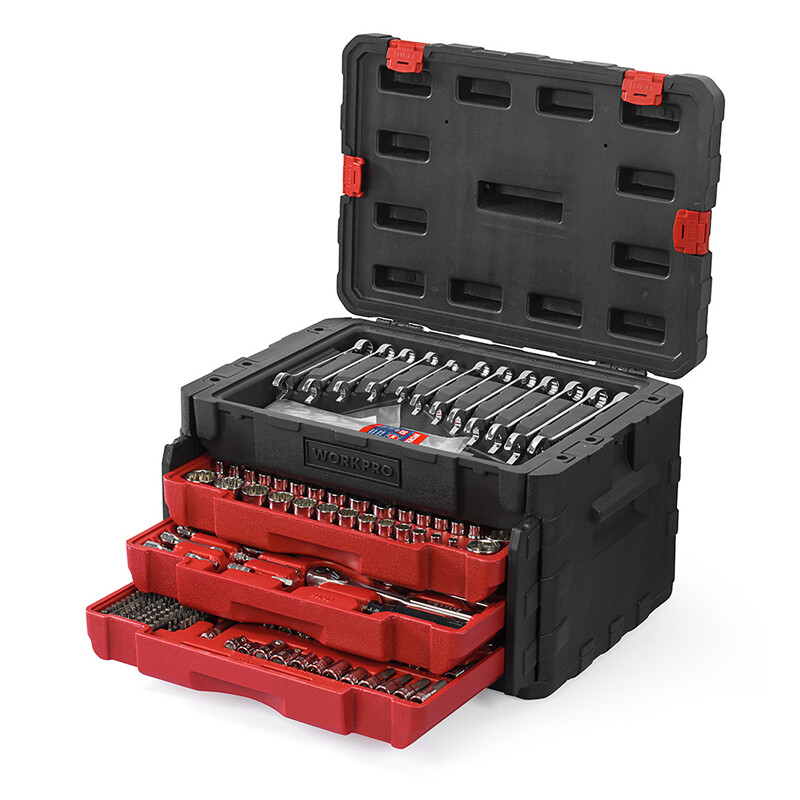 WORKPRO 450PC/408PC Mechanics Tool Set Socket Wrench Ratchet Heavy Duty Case Box$199.99Last checked Nov 16, 2026View on eBay
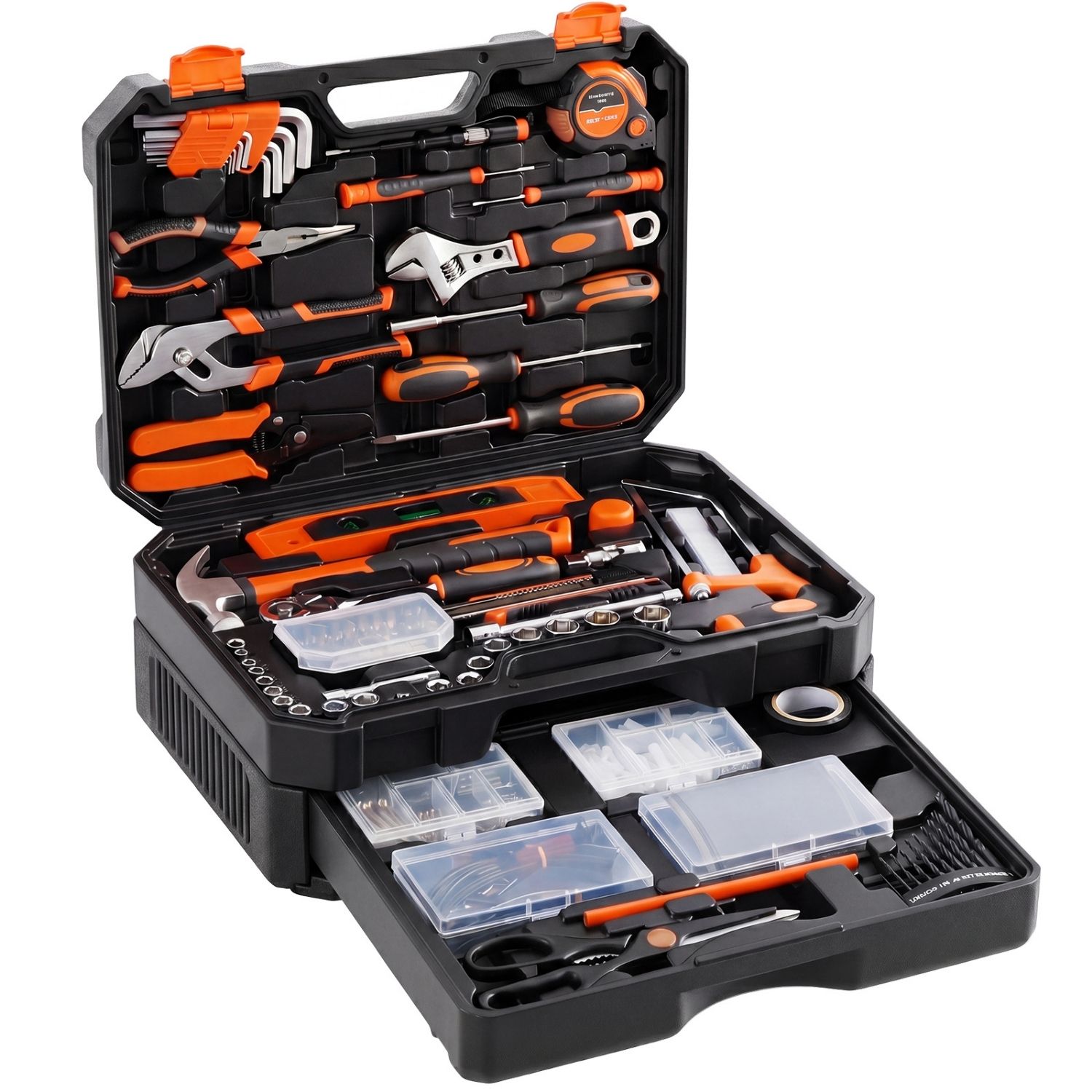 Home And Auto Repair Tool Kit, With Drawer Storage Toolbox, Complete Set For Daily Use$112.99View on Mallflare
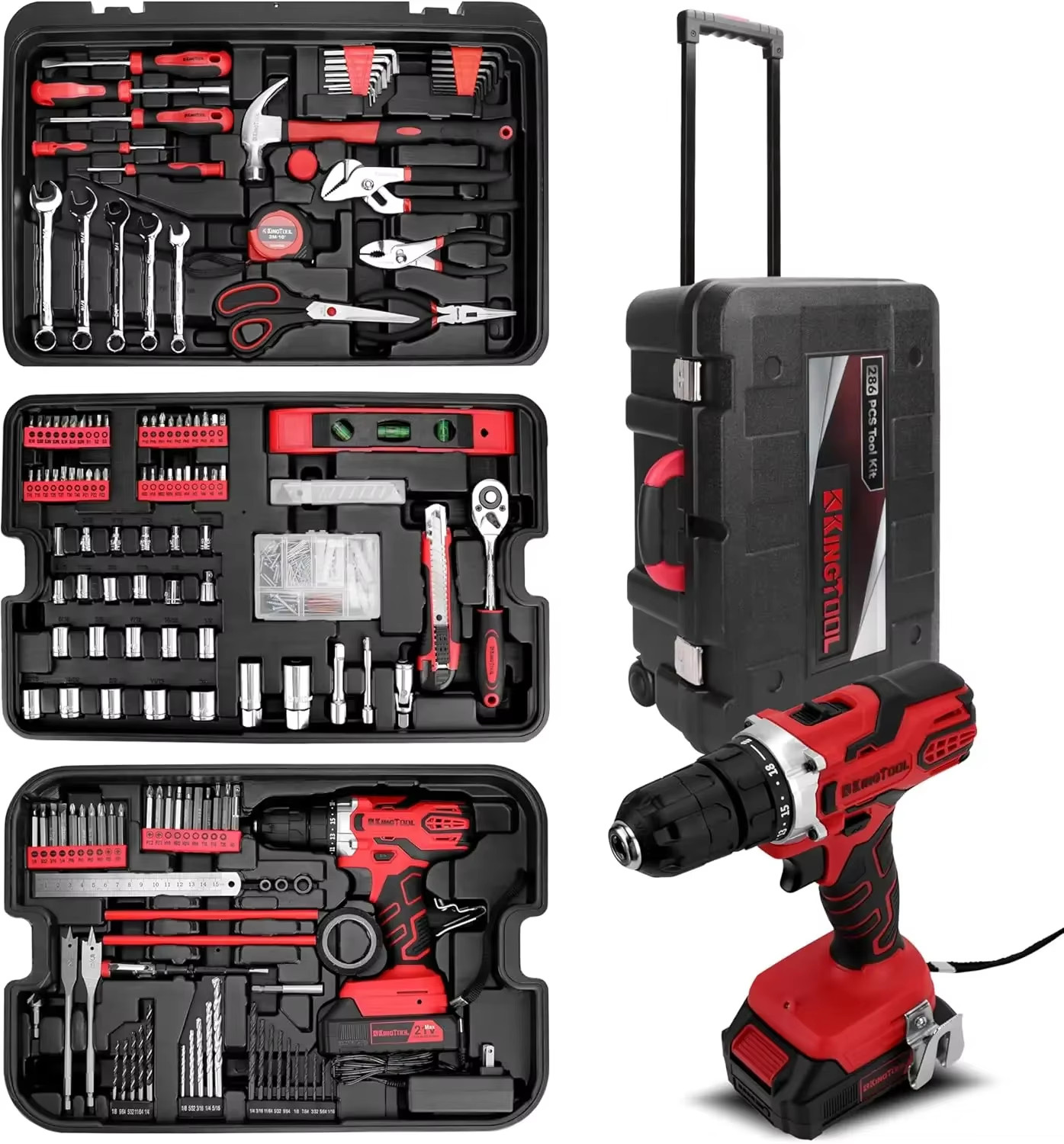 Home Tool Set Kit 286 PCS Home Auto Repair Tool Kit with Rolling Box Mechanic To$250.73New · Last checked Nov 17, 2026View on eBay
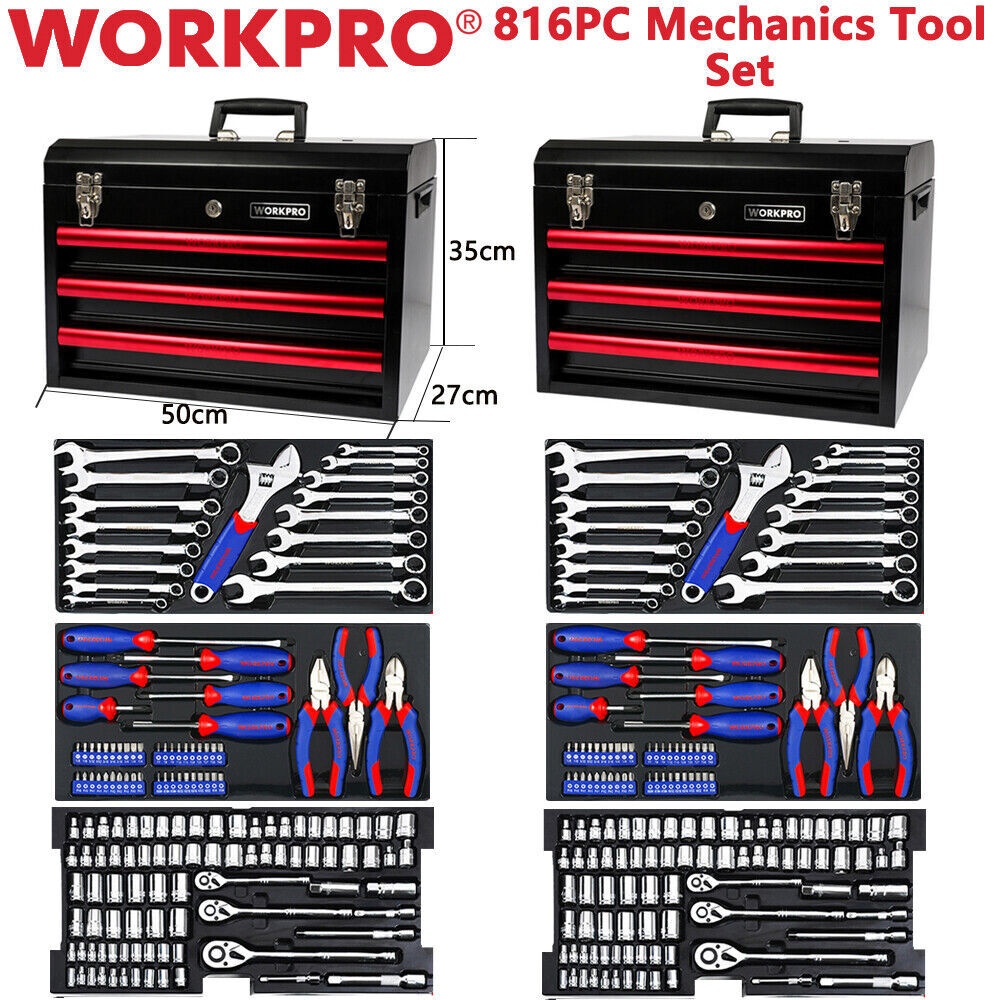 WORKPRO 816PCS Mechanics Tool Set Professional Hand Tool Kit Heavy Duty Case Box$379.99New · Last checked Nov 18, 2026View on eBay
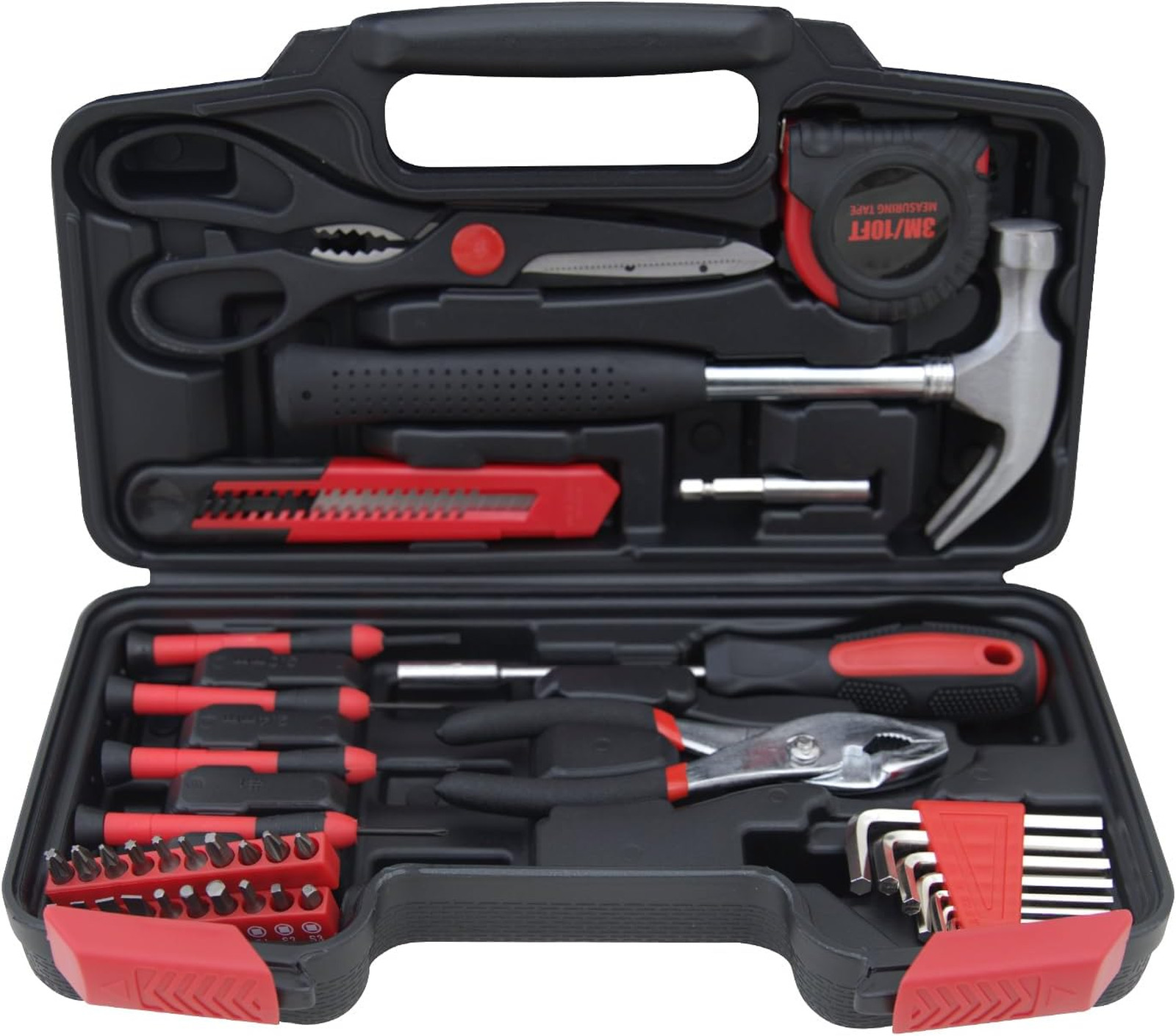 39-Piece Household Tools Kit with Plastic Toolbox Home Repair Set for DIY$32.24View on eBay
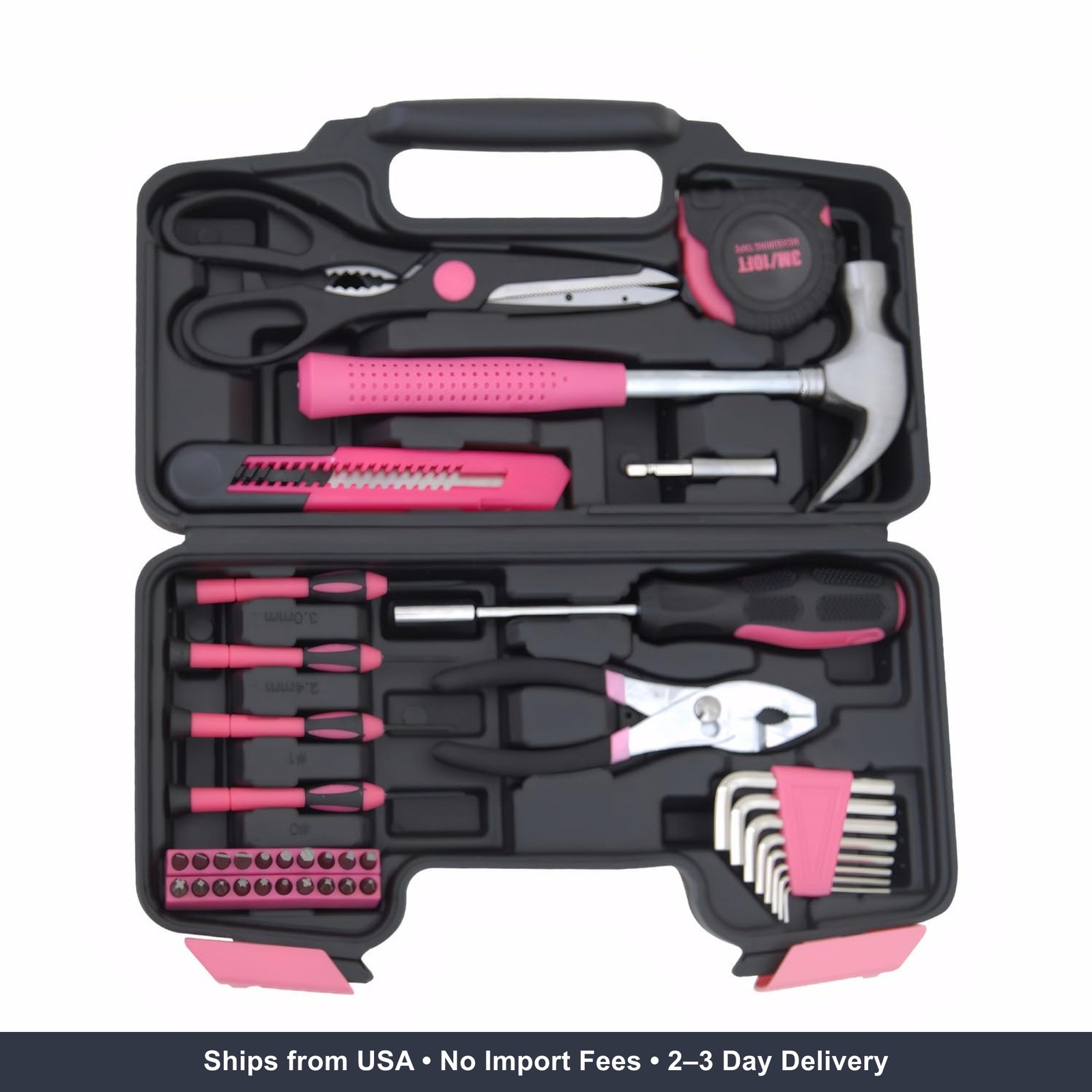 39-Piece Household Tools Kit Essential Home Repair Set with Plastic Toolbox Idea$41.83Last checked Nov 18, 2026View on eBay
 205 Pieces Home Repair Tool Kit, General Household Tool Set with Plastic Toolbox$69.34Last checked Nov 18, 2026View on eBay
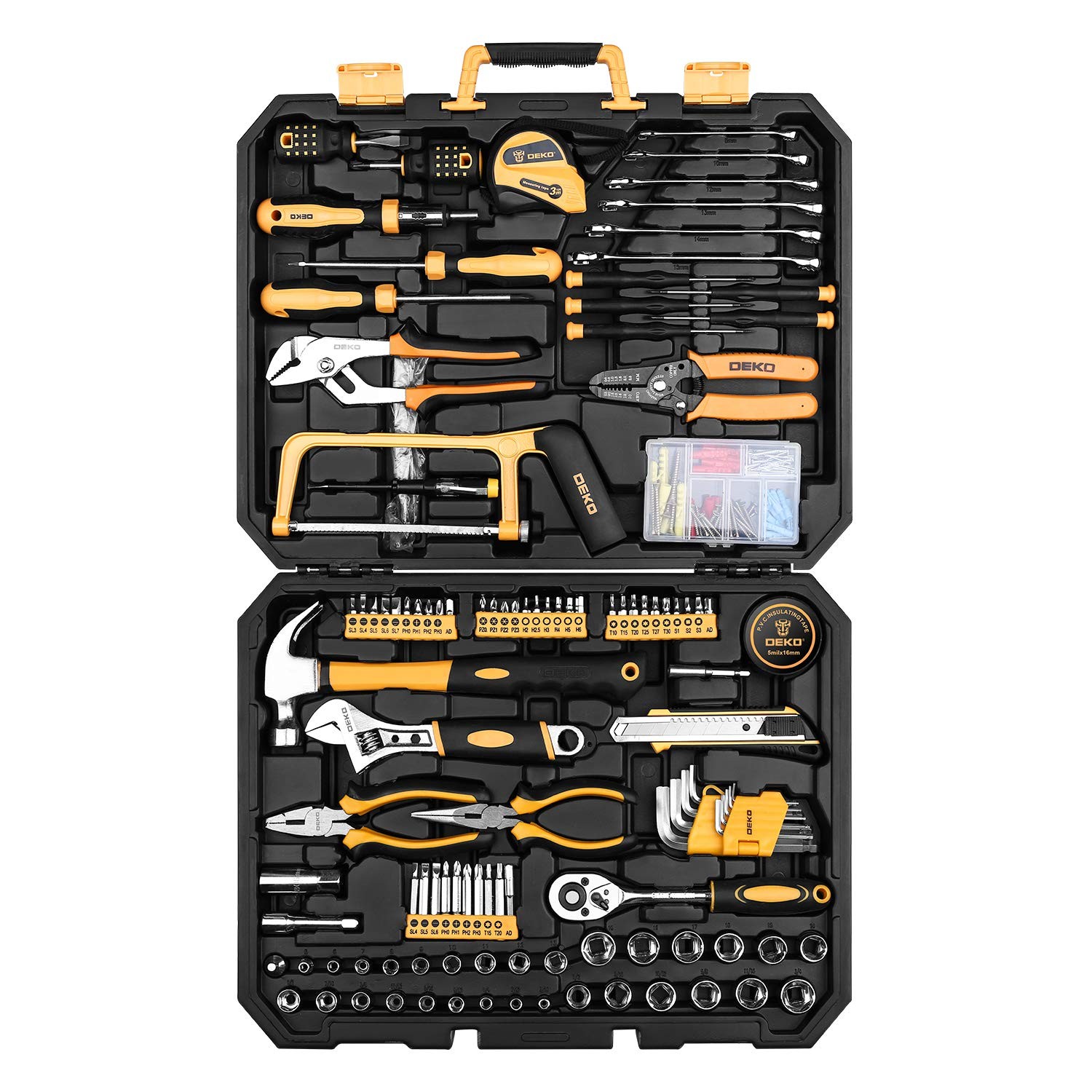 DEKOPRO 198 Piece Home Repair Tool Kit, Wrench Plastic Toolbox with 198 PCS$79.70View on eBay
Highlights
- Steel chests and rolling cabinets (20–26 in wide) carry 200–500 lb total load; plastic hand boxes typically top out around 50 lb and are for carry-only use.
- Drawer slides are the failure point: ball-bearing full-extension steel slides rated 50–100 lb per drawer outlast friction slides and are mandatory for socket and wrench sets.
- Blow-molded cases are sized to a specific piece count and cannot be expanded; steel boxes use standardized drawer heights (2–4 in) for modular socket, wrench, and pliers storage.
- Rolling tool boxes combine a bottom cabinet (3–7 drawers) with a top chest; check caster size (3–5 in) and locking brakes, since small casters bind on garage floors and thresholds.
Best use cases
- Homeowner with a basic 100–250 piece kit: choose a reinforced plastic hand box or a small steel chest with 2–3 drawers; skip rolling cabinets that waste floor space.
- Mechanic or serious DIYer with socket sets and power tools: pick a steel rolling cabinet with ball-bearing slides and a top chest; skip blow-molded cases that split under 40+ lb loads.
- Apartment or small-space user: a stackable steel chest or a compact plastic organizer box beats a full rolling cabinet; skip 26 in cabinets that won't fit closets or under benches.
Buying tips
- Match box volume to tool count: a 200–300 piece kit needs roughly 2,000–3,000 cu in; a 900+ piece kit needs a rolling cabinet with at least 5,000 cu in and 4+ drawers.
- For steel boxes, insist on ball-bearing slides rated at least 50 lb per drawer and a powder-coated finish; bare or painted-only steel rusts in humid garages.
- Check drawer height before buying: 2 in drawers fit wrenches and sockets, 3–4 in drawers are needed for pliers, hammers, and cordless drills.
- Rolling boxes need casters of 3 in or larger with at least two locking brakes; smaller casters catch on expansion joints and make a loaded cabinet unstable.
Specs
| Box Material | Powder-coated steel / PP plastic |
|---|---|
| Load Rating | Plastic 50 lb / Steel 200–500 lb |
| Drawer Slides | Ball-bearing full-extension, 50–100 lb |
| Mobility | Hand carry / 3–5 in locking casters |
Related searches
What to check before buying
- Measure your storage space: a 26 in wide rolling cabinet needs about 30 in of clear floor and 40 in of height clearance to open the top lid.
- Confirm the box's total load rating exceeds your tools' weight; a full 300-piece socket set alone can weigh 30–50 lb.
- For humid or unheated garages, choose powder-coated steel or UV-stabilized polypropylene; untreated metal and cheap plastic degrade within a season.
- Verify drawer slide type and warranty: ball-bearing slides with a lifetime rating are the minimum for daily-use mechanics boxes.
FAQ
Data sources: eBay / Amazon listings and product attribute feeds Data updated Nov 20, 2026.
Some links on this page are affiliate links. If you buy after clicking one, we may earn a commission at no extra cost to you. This does not change which products appear here or their order. Affiliate disclosure.