Photos from current listings. Actual item, color, and included accessories may vary.
Torque Wrench Buying Guide
A torque wrench is a precision measuring instrument that applies a specific rotational force to a fastener, and the core trade-off is between click-type mechanical simplicity and digital electronic accuracy. Buyers must prioritize calibration stability, drive size, and torque range over cosmetic features, because an out-of-spec wrench can strip threads or leave critical bolts loose. The clear rule: choose a click-type wrench with a stated accuracy of ±3% or better for general repair, and step up to a digital model only when you need preset values, audit trails, or sub-±2% precision.

At a glance
- Category
- Hand Tools
- Data updated
- Nov 20, 2026
Current offers
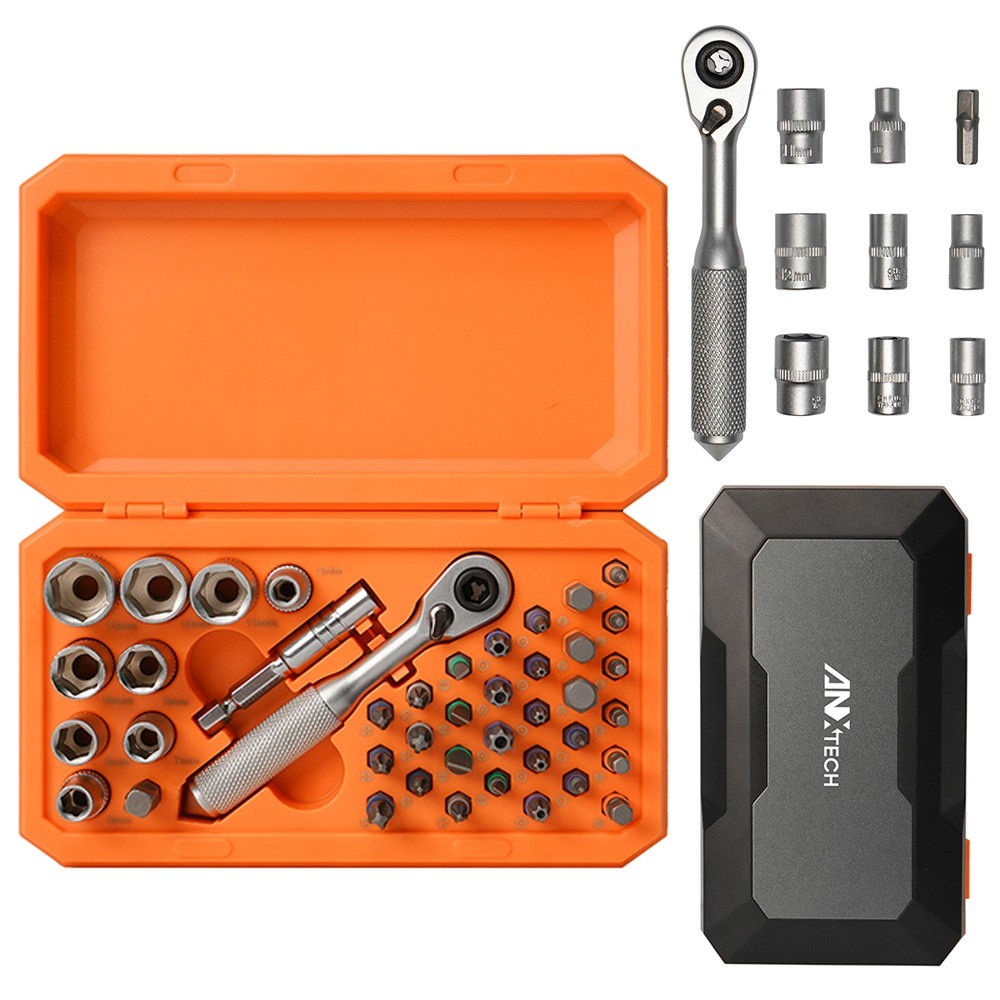 42piece Precision Ratchet Screwdriver Set Repair Tool Kit Torque Wrench Sockets$17.99
 View on eBay
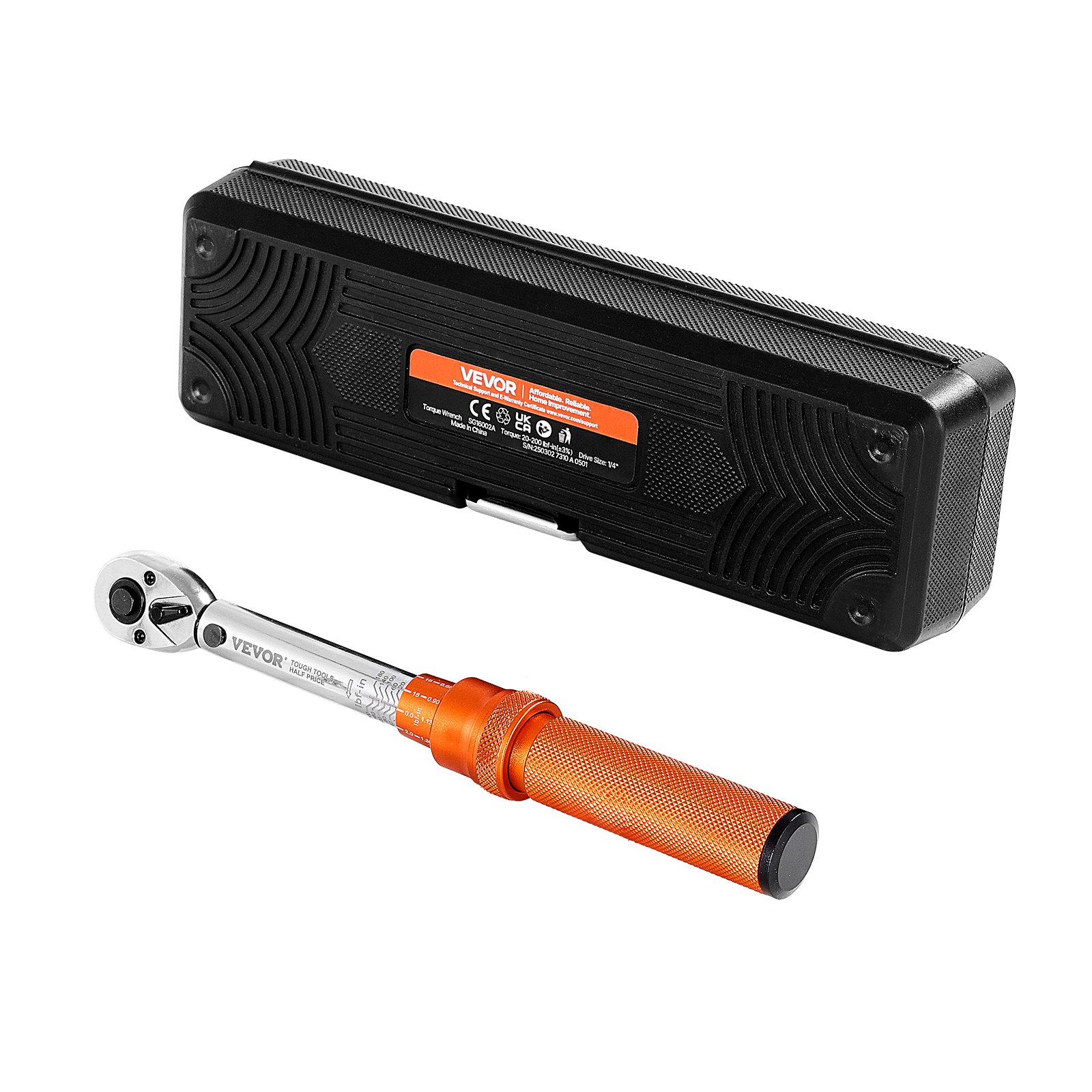 Click Torque Wrench Set, 1/4Inch Drive, 20-200lbf-in/2.3-22.6N.m, Dual-direction And Dual Range Scales, 72-Tooth, ±3% High Precision, With Bit Sockets, Extension Bar, For Bicycle Repair, Orange$31.99
 View on Mallflare
 42pcs Precision Ratchet Screwdriver Set Repair Tool Kit Torque Wrench Sockets$17.99View on eBay
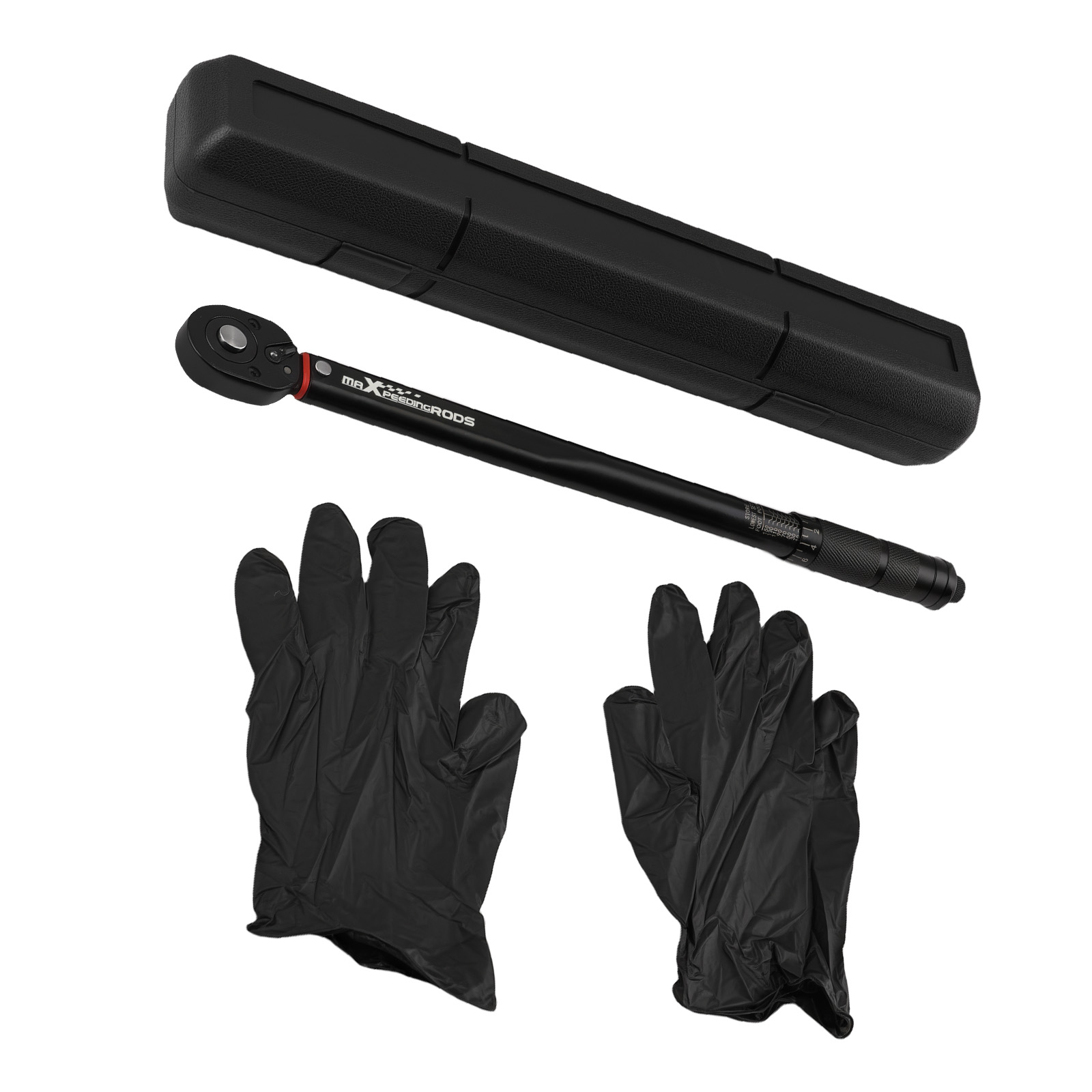 Drive Torque Wrench 1/2 13.6-203.5Nm Pre-calibrated with Quick Release Socket$63.99View on Mallflare
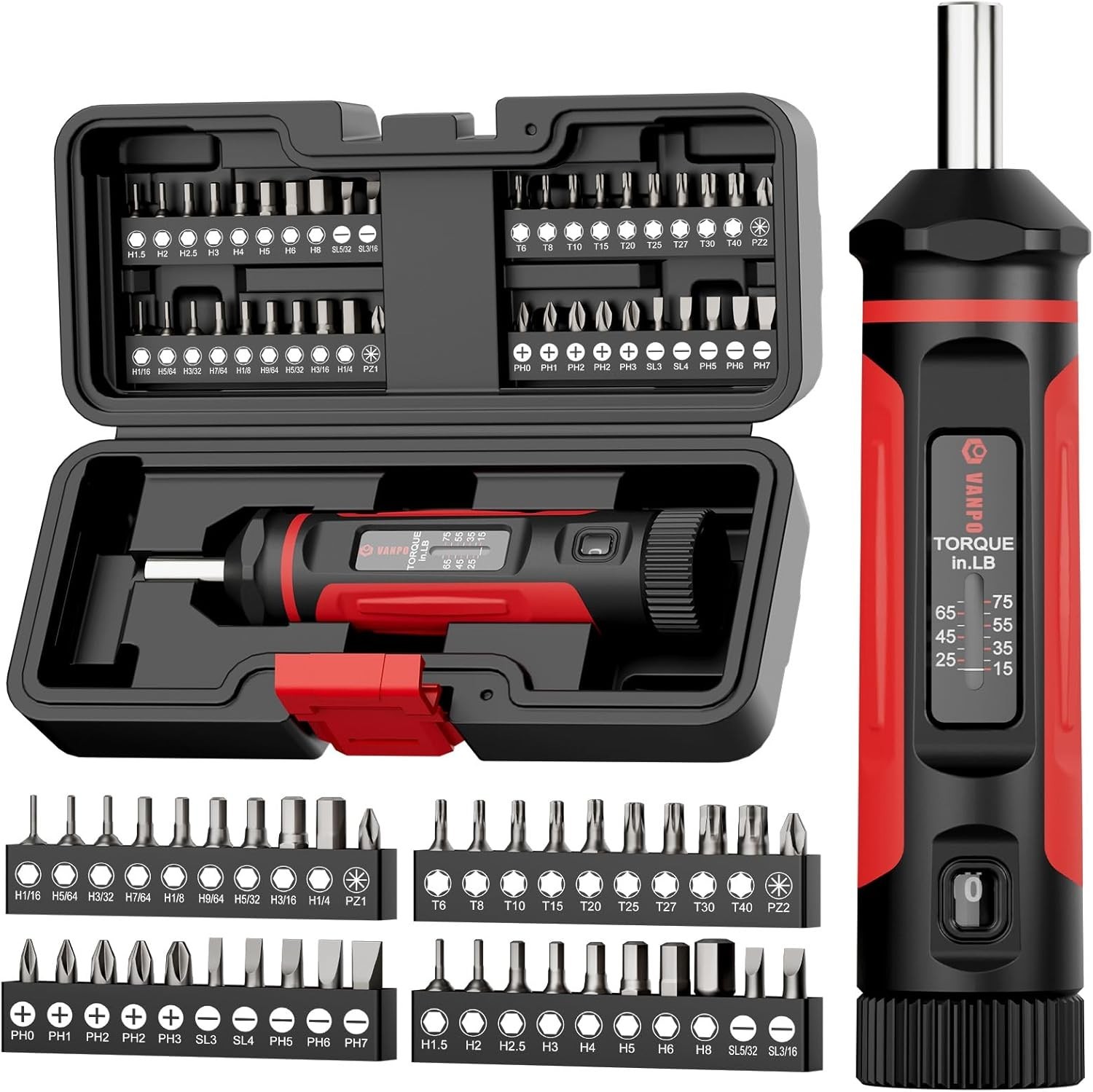 Drive Torque Wrench Screwdriver Set Gun Gunsmith Instrument Tool Accurizing NEW$34.79View on eBay
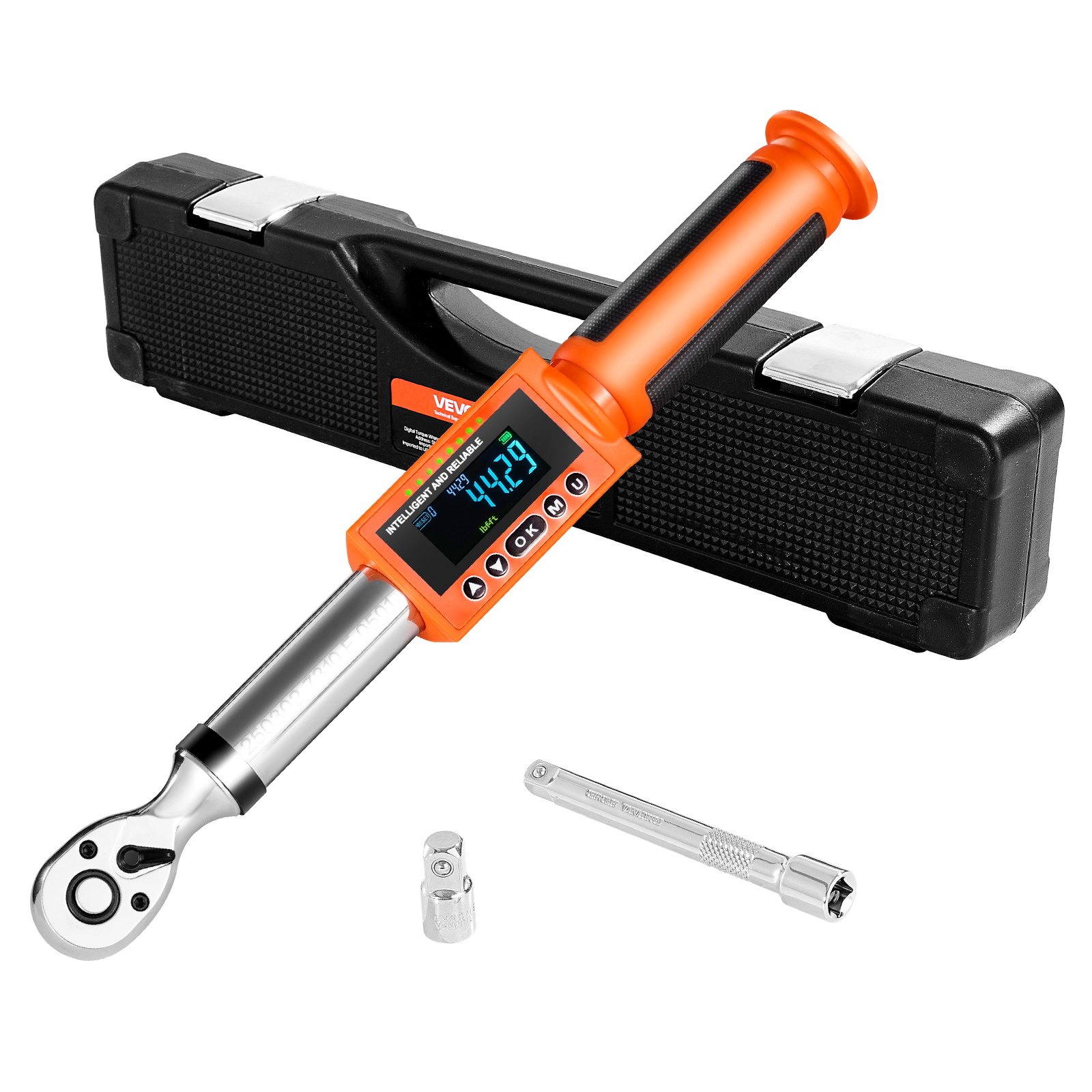 Digital Torque Wrench, 3/8 Inch Drive, 0-99.57 Lbf-ft / 0-135 N.m, 72-Tooth, ±2% High Accuracy Electronic With Preset Value, Buzzer And LED Notification, For Automotive Motorcycle$91.99View on Mallflare
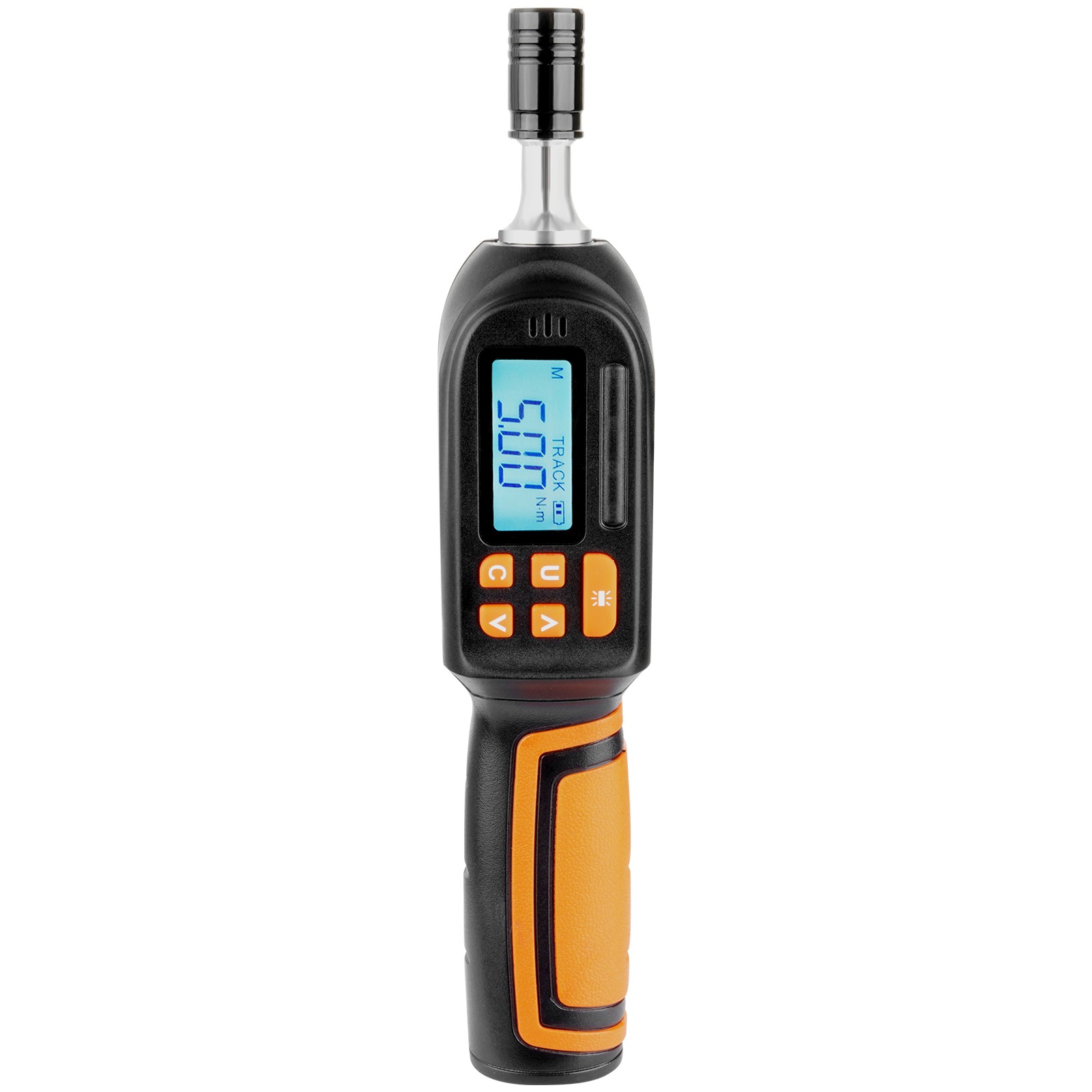 Digital Torque Wrench 1/4" Adjustable Screwdriver Torque Wrench Set w/ Bits&Case$43.69Last checked Nov 19, 2026View on eBay
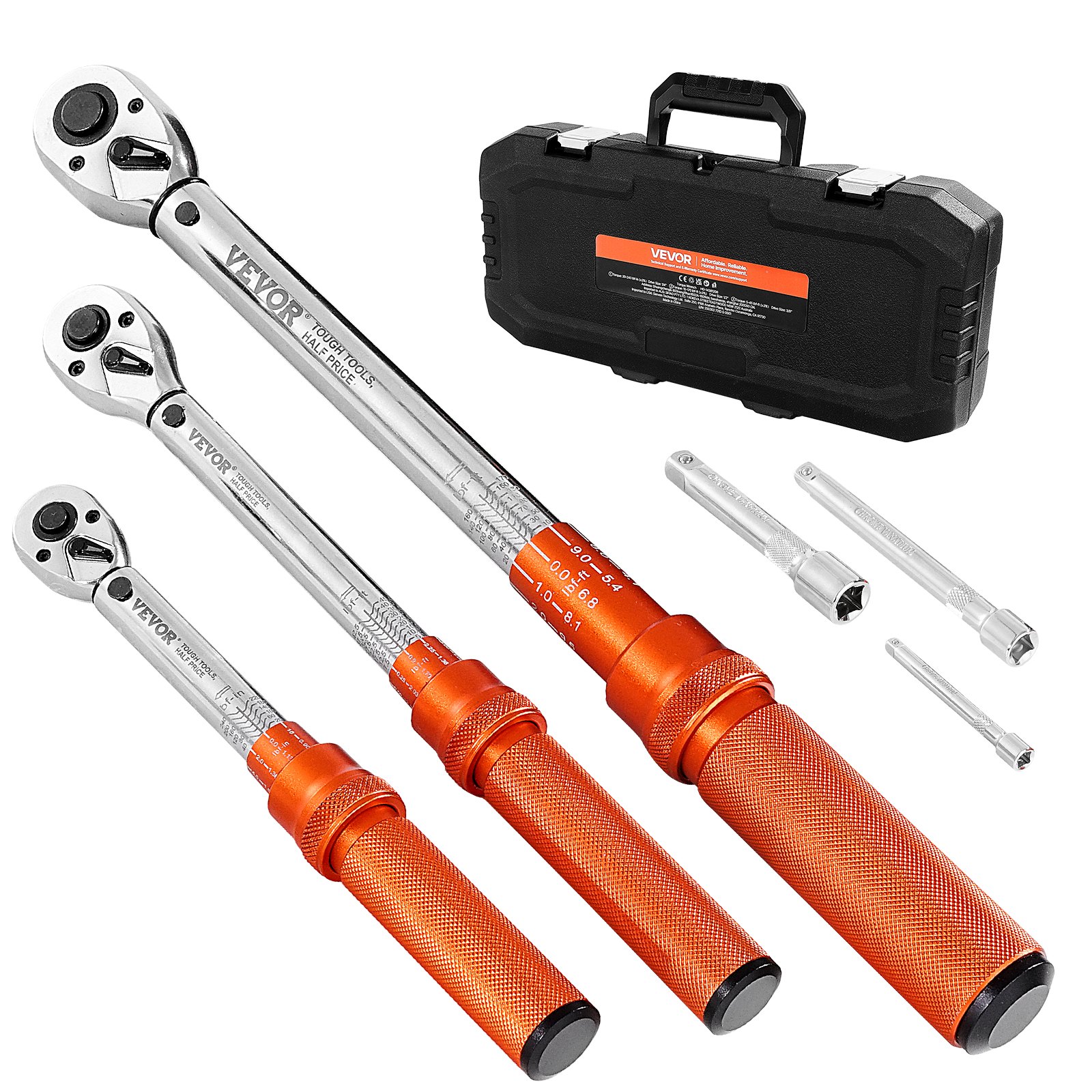 Click Torque Wrench Set, 3 Pieces, 1/4, 3/8, 1/2 Inch Drive, 10-170 Lbf-ft, 5-45 20-240 Lbf-in, Dual-direction And Dual Range Scales, 72-Tooth, ±3% High Precision, For Bicycle Repair$95.99View on Mallflare
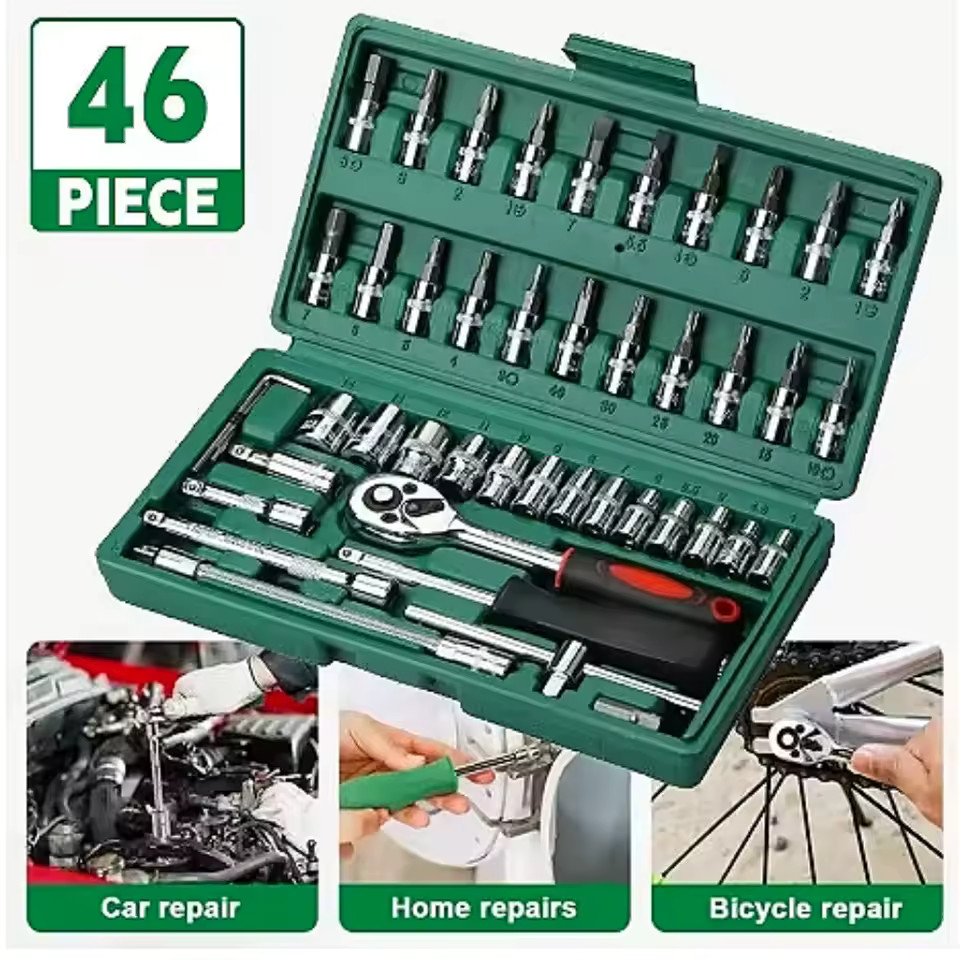 46PCS Socket Wrench Set – Ratchet & Torque Combo for Auto/Moto Repair$10.61View on eBay
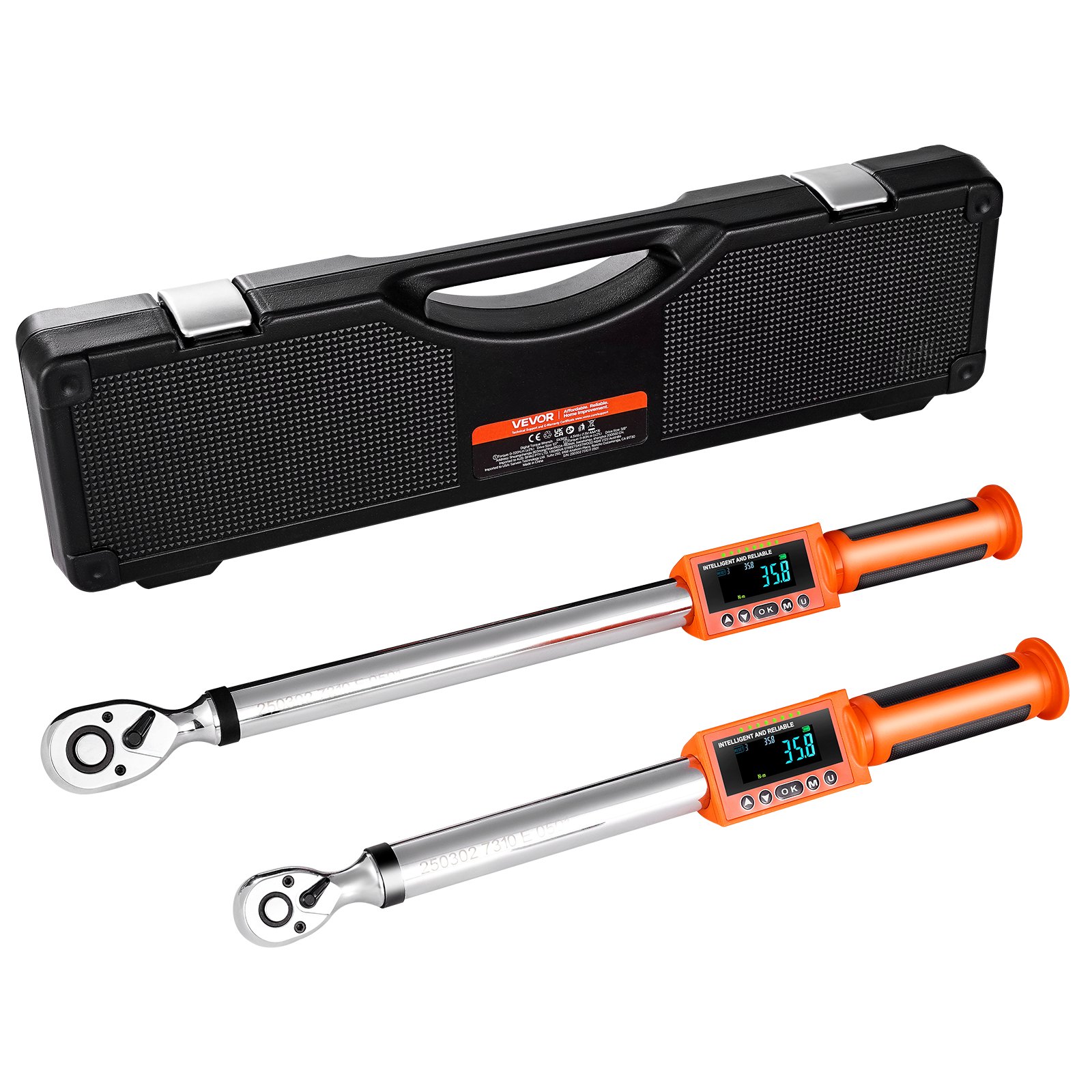 Digital Torque Wrench Set, 2 Pieces, 1-2, 3-8 Inch Drive, 72-Tooth High Accuracy Electronic With Preset Value, Buzzer And LED Notification, For Automotive Motorcycle$151.99View on Mallflare
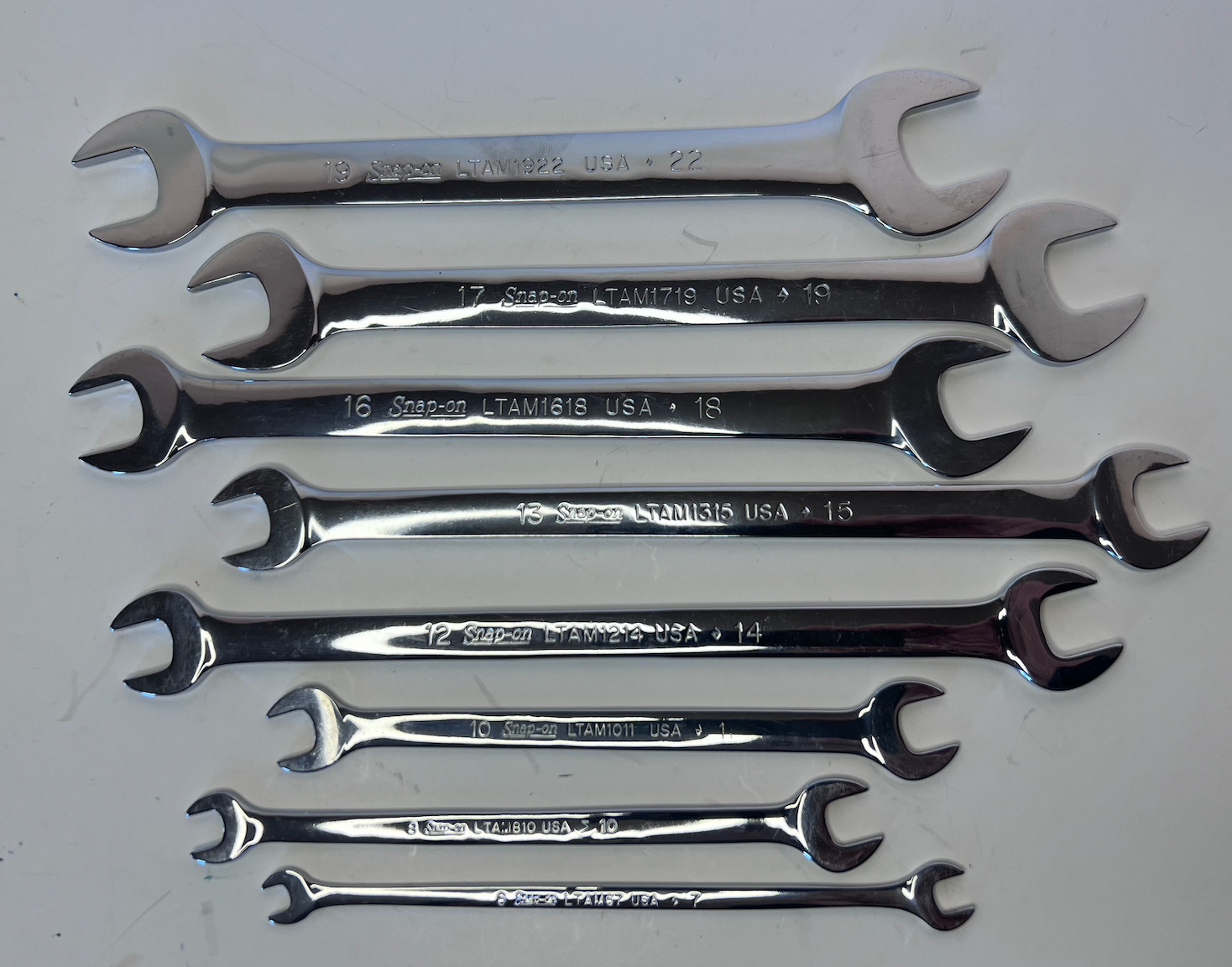 Snap-on LTAM 8pc Metric Low Torque Slimline Open End Wrench Set 6-22mm USA$279.00Used · Last checked Nov 18, 2026View on eBay
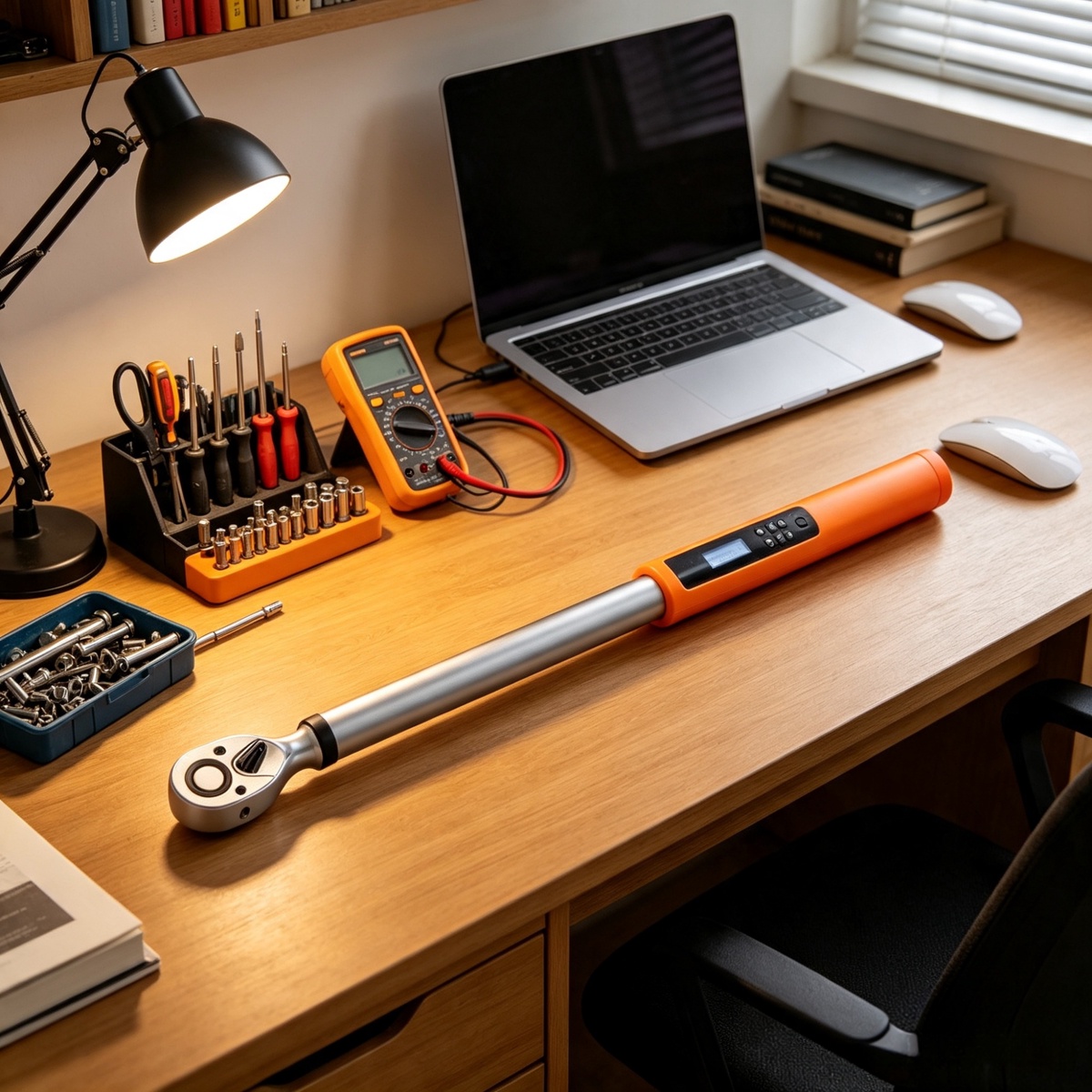 Digital Torque Wrench, 1/2" Drive Electronic Kit, 25–250 ft.lb / 34–340 N.m, ±2% Accuracy, 3-Mode Adjustable with LED Screen & Buzzer Calibration$219.99View on Mallflare
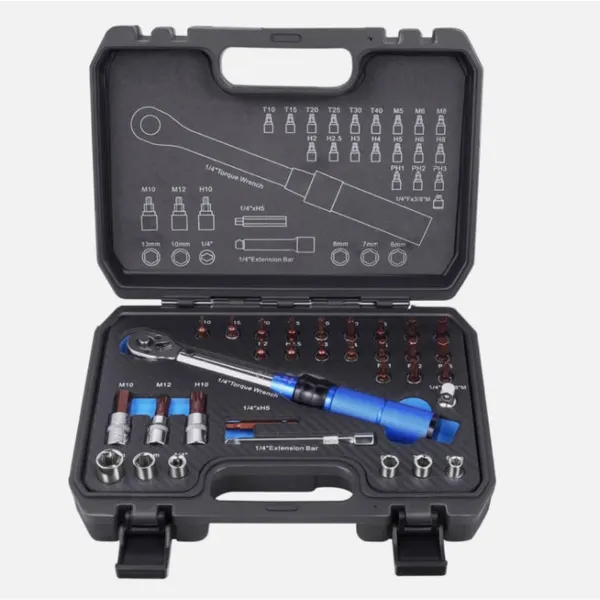 1/4 Inch Industrial-grade Torque Wrenchdjustable Accuracy Kilograms Auto Mechanic Tooltorque Wrench 5-25Nm Bicycle Repair Tool Kit (32-Piece)$58.99View on Mallflare
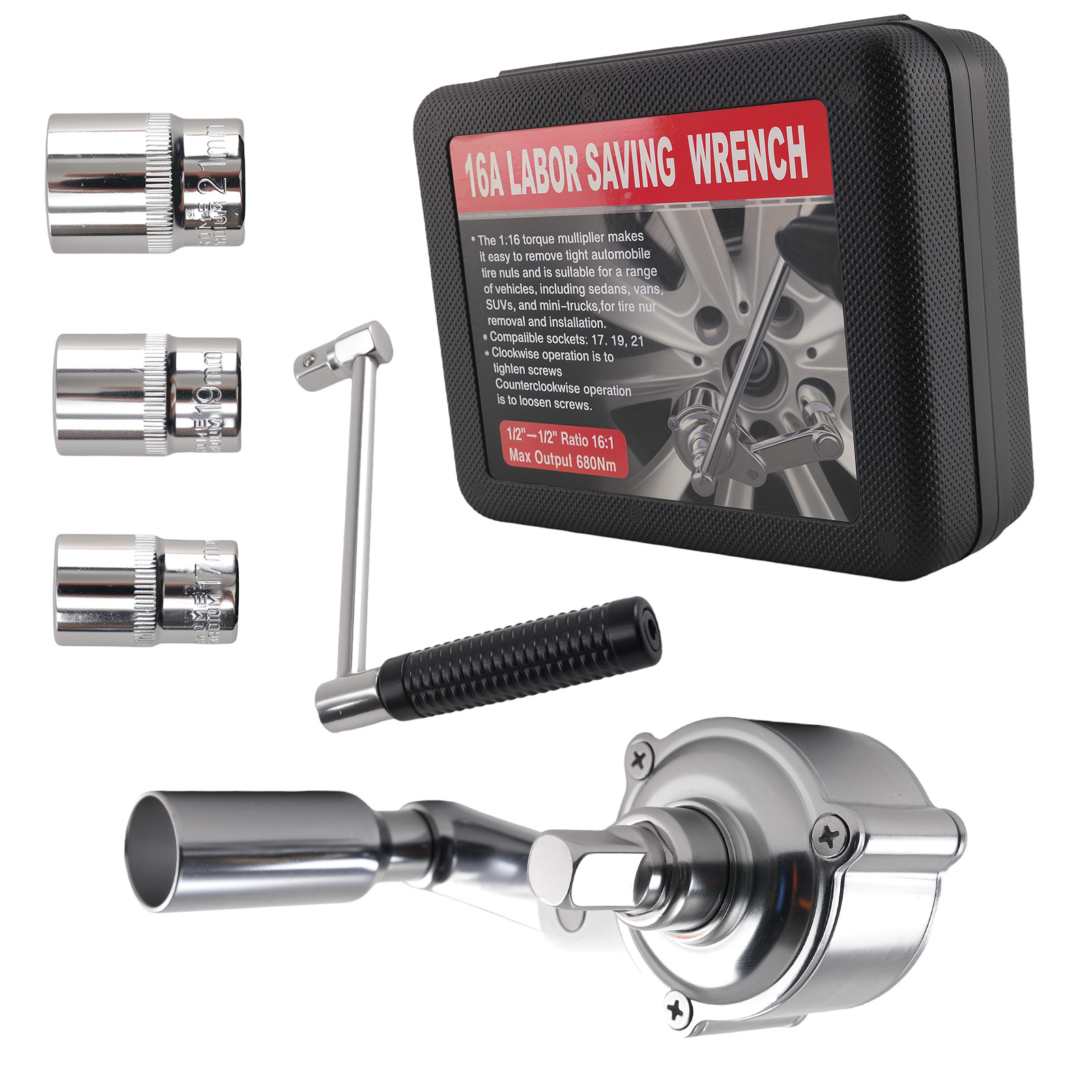 1/2in Lugnut Torque Multiplier Wrench 680NM fit for Toyota Honda BMW SUV Van Sedan$83.99View on Mallflare
Highlights
- Click-type wrenches use an internal spring-loaded mechanism that releases at a set torque; accuracy typically ±3% to ±4% of full scale, and they require periodic recalibration after heavy use.
- Digital wrenches use strain gauges and electronics to display real-time torque; accuracy is typically ±2% or better, but they depend on battery power and are more vulnerable to shock and temperature drift.
- Drive size dictates maximum torque capacity: 1/4-inch drives handle roughly 20–200 lbf-in (2.3–22.6 N·m), 3/8-inch drives cover 10–100 lbf-ft (13.6–135 N·m), and 1/2-inch drives reach 20–250 lbf-ft (27–340 N·m).
- Tooth count affects swing arc: 72-tooth ratchets need only 5 degrees of swing to engage, which is critical in tight engine bays; 24-tooth models require 15 degrees and are unsuitable for confined spaces.
Best use cases
- Best fit: bicycle and motorcycle maintenance — pick a 1/4-inch or 3/8-inch click wrench with 20–200 lbf-in or 10–100 lbf-ft range and ±3% accuracy; skip 1/2-inch drive models that are too bulky for small fasteners.
- Best fit: automotive engine and suspension work — choose a 1/2-inch drive click or digital wrench rated to at least 150 lbf-ft (203 N·m) with a 72-tooth head; skip 1/4-inch drive models that cannot reach lug-nut torque.
- Best fit: precision assembly and gunsmithing — use a 1/4-inch digital or beam-style wrench with 1–50 lbf-in range and ±2% accuracy; skip standard click wrenches that bottom out above 20 lbf-in.
- Wrong fit: industrial or heavy-equipment use — avoid consumer-grade alloy-steel wrenches with plastic handles; specify forged chrome-vanadium steel with a metal handle and a calibration certificate.
Buying tips
- Match drive size to torque, not to socket set convenience: 1/4-inch for under 200 lbf-in, 3/8-inch for 10–100 lbf-ft, 1/2-inch for 20–250 lbf-ft; using a small drive for high torque risks breaking the anvil.
- Demand a stated accuracy specification: ±3% or better for click-type, ±2% or better for digital; unbranded wrenches without an accuracy claim are unsuitable for critical fasteners.
- Choose 72-tooth or higher ratchet mechanisms for automotive work; 24-tooth heads need 15 degrees of swing and will not fit between tight components.
- Prefer forged chrome-vanadium or chrome-molybdenum steel bodies over cast alloy steel; forged bodies resist fatigue and hold calibration longer under repeated cycling.
Specs
| Drive Size | 1/4, 3/8, or 1/2 inch |
|---|---|
| Accuracy | Click ±3–4% / Digital ±2% |
| Torque Range | 5 lbf-in to 250 lbf-ft |
| Ratchet Tooth Count | 24, 36, or 72 tooth |
Related searches
What to check before buying
- Confirm the torque range covers every fastener you will touch: measure the required torque in your service manual and ensure the wrench's mid-range (not its maximum) includes that value for best accuracy.
- Verify drive size compatibility with your existing socket set: 1/4-inch, 3/8-inch, and 1/2-inch are not interchangeable without adapters, which reduce accuracy and add slop.
- Check storage and climate: click wrenches should be stored at their lowest setting to protect the spring; digital wrenches need a dry, room-temperature drawer and battery removal for long storage.
- Ensure the wrench includes or accepts a calibration port or adjustment screw; without one, the tool cannot be re-certified and becomes disposable after drift.
FAQ
Data sources: eBay / Amazon listings and product attribute feeds Data updated Nov 20, 2026.
Some links on this page are affiliate links. If you buy after clicking one, we may earn a commission at no extra cost to you. This does not change which products appear here or their order. Affiliate disclosure.