
Photos from current listings. Actual item, color, and included accessories may vary.
Framing Layout Tool Buying Guide
A framing layout tool is a dedicated gauge, square, or spacing jig that transfers stud, rafter, and plate marks quickly and repeatably—far faster and less error-prone than a tape measure alone. The core trade-off is between a single-purpose spacing jig (fast but limited to one stud pitch) and a general-purpose steel square or rafter square (versatile but slower for repeated stud layout). Buy a hardened, stamped-or-cast tool with clearly marked 16-inch and 24-inch pitches if you frame walls regularly; skip thin, unmarked import squares for structural work.
At a glance
- Category
- Measuring & Layout Tools
- Data updated
- Nov 21, 2026
Current offers
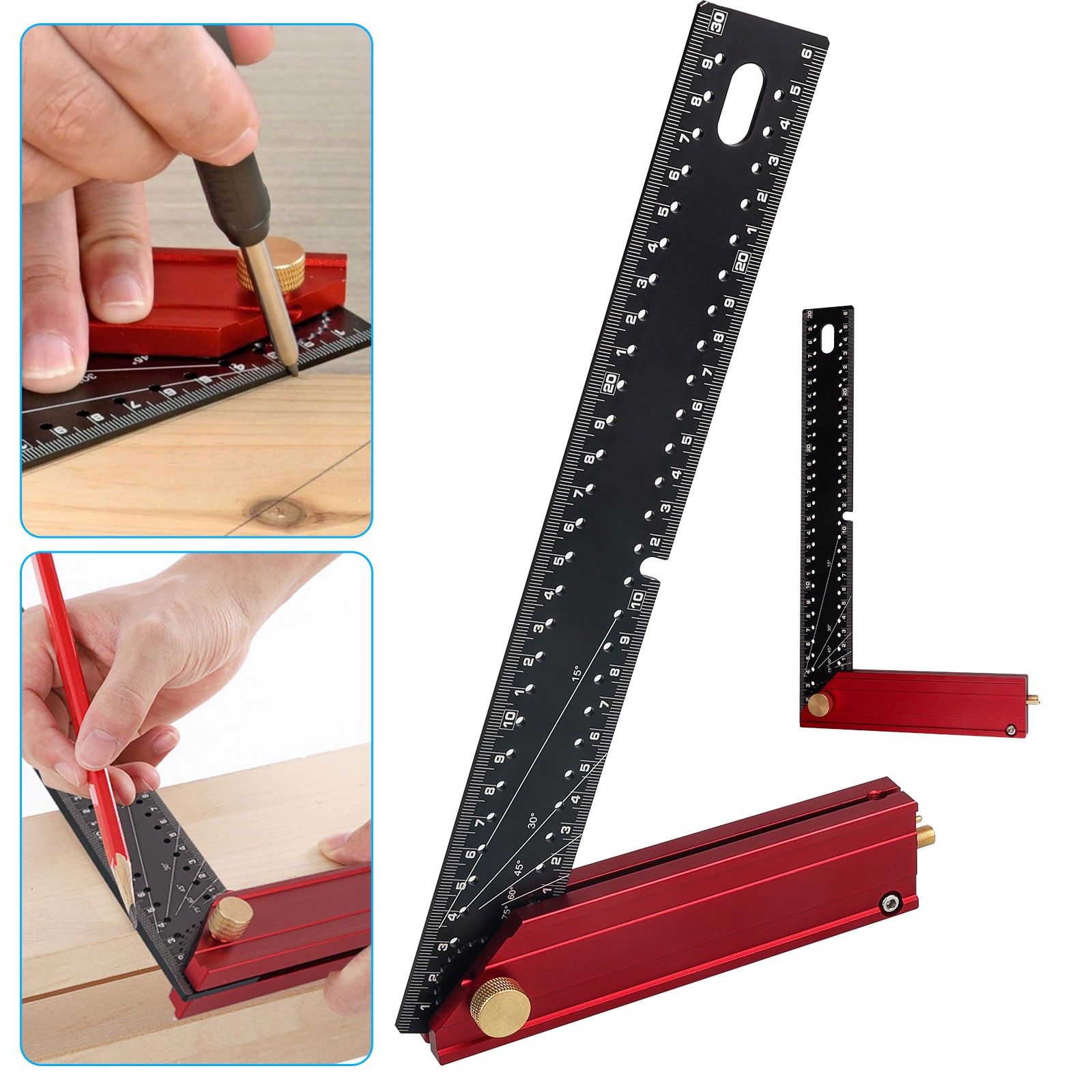 12in Folding Carpenter Square L Shape Angle Measuring Ruler Framing Layout Tool$23.98View on eBay
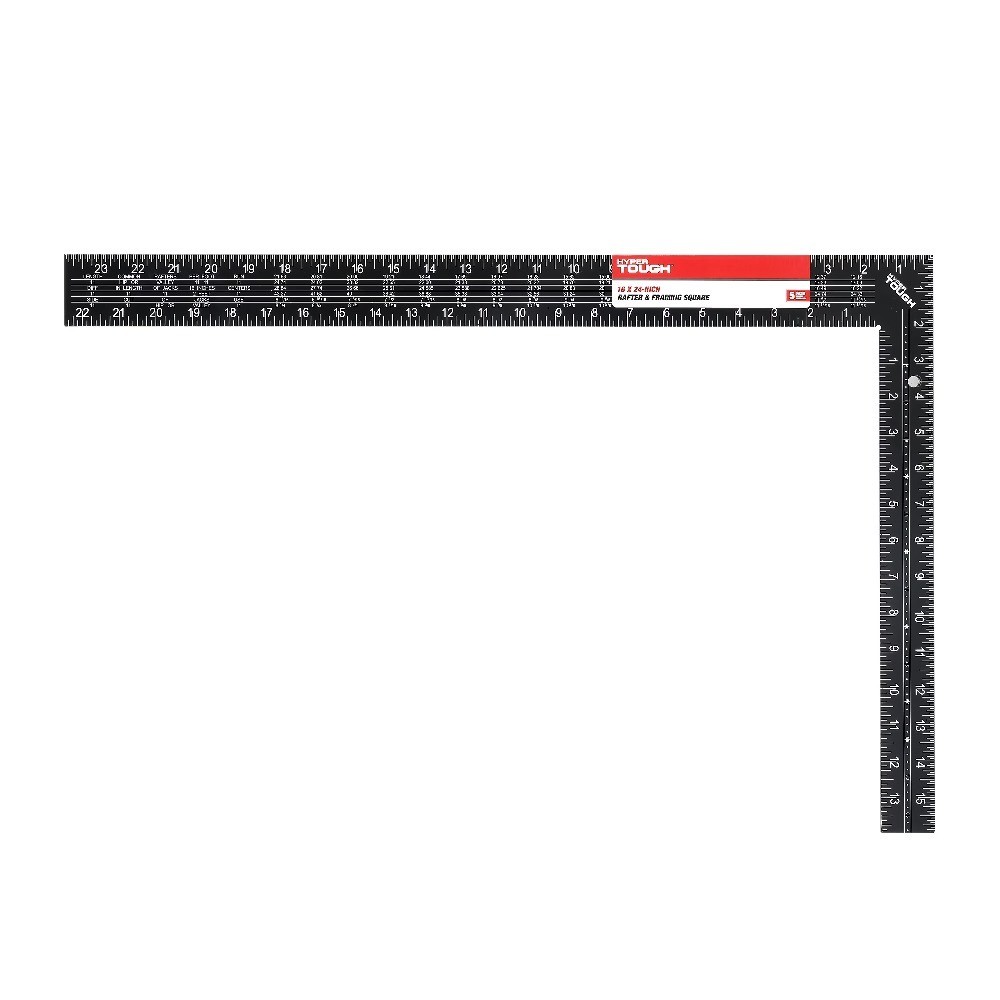 Rafter Framing Square 16 X 24 Inches Steel Construction Layout Measuring Tool$10.94View on eBay
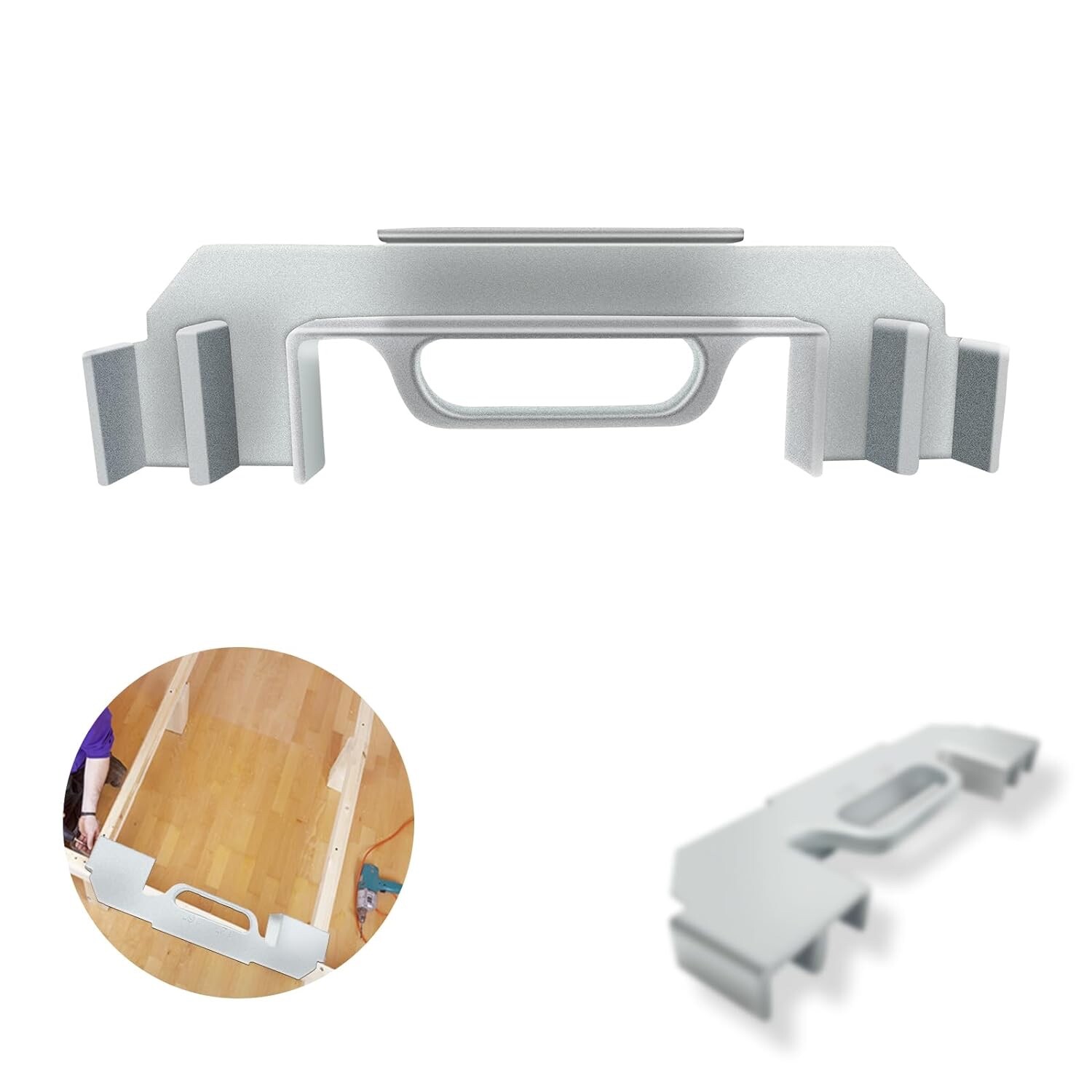 3-in-1 Stud Layout Framing Tool – Easy, Accurate, Durable Construction Aid - NEW$57.59View on eBay
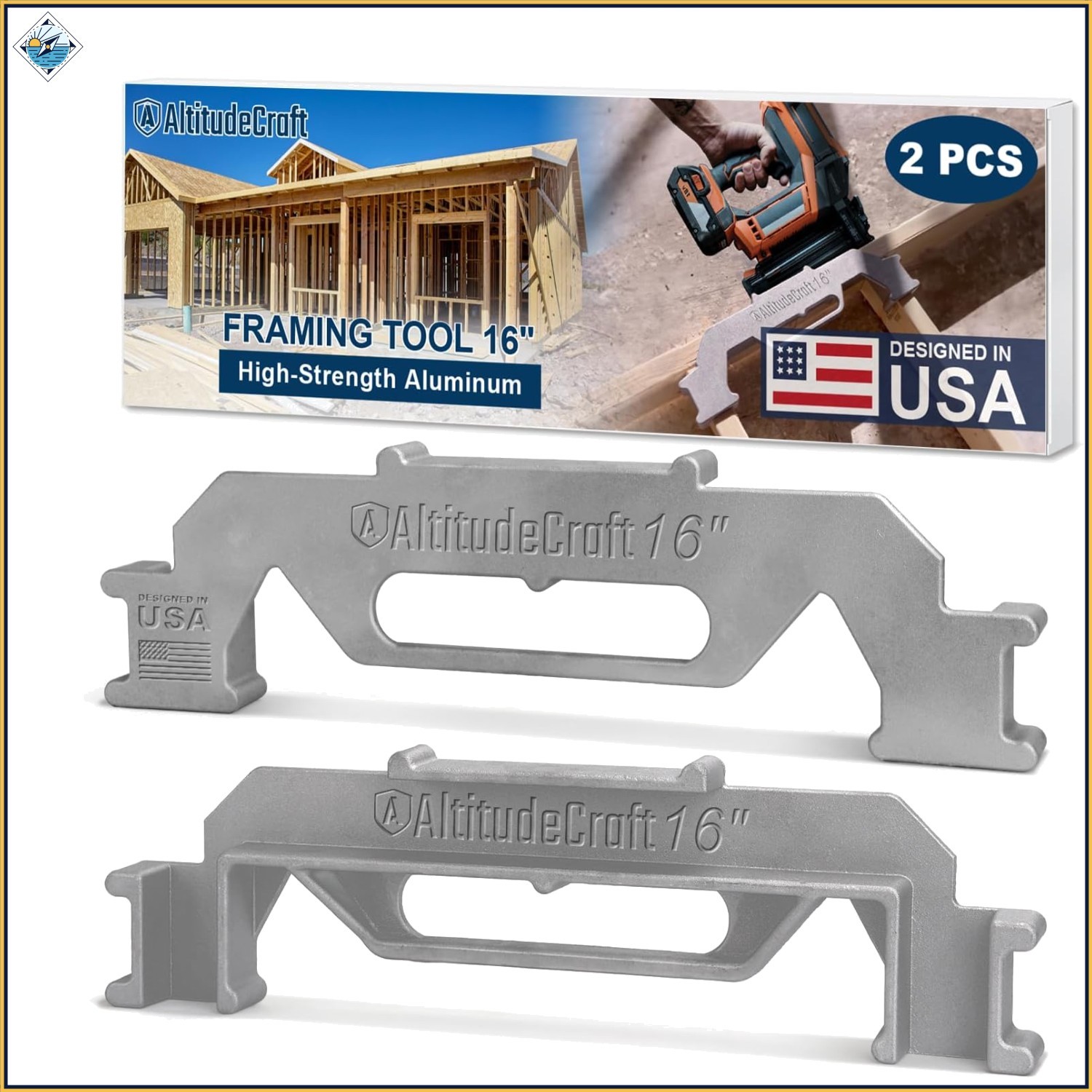 16-Inch Stud Layout Tool Set for Precise Framing and Construction Projects$115.60View on eBay
Highlights
- Stud layout jigs are machined to 16-inch or 24-inch on-center pitches—the two standard wall-framing spacings in North American light-frame construction.
- Rafter framing squares are sized 16 x 24 inches (trade size) with stamped graduations; thin steel below roughly 1/8 inch flexes and loses accuracy.
- Cast-aluminum 3-in-1 stud tools combine spacing, squaring, and marking in one body, eliminating tape re-reads on every stud.
- Folding L-shaped carpenter squares hinge at 90 degrees; stamped hinge play is the main durability failure point on budget models.
Best use cases
- Pick a 16-inch stud layout jig for repetitive wall framing where speed and consistent on-center spacing matter more than angle work.
- Choose a 16 x 24-inch steel rafter square for roof framing, stair stringers, and angle cuts; skip it if you only need stud spacing.
- Buy a 3-in-1 cast-aluminum stud tool for remodelers who want spacing, squaring, and marking in a single pocketable body.
- Skip folding L-squares for structural layout—hinge wear introduces play; reserve them for trim and light carpentry.
Buying tips
- Match the tool to your wall pitch: 16-inch OC for standard walls, 24-inch OC for engineered or non-bearing partitions—never assume one size fits both.
- For a rafter square, confirm the 16 x 24-inch body is at least 1/8-inch thick steel; thinner blades deflect and throw off long rafter lines.
- Prefer cast-aluminum bodies over stamped sheet for 3-in-1 stud tools—cast resists denting and holds calibration through job-site abuse.
- Check that graduations are stamped or etched, not printed; printed scales wear off within weeks of regular handling.
Specs
| Tool Type | Stud jig / Rafter square / 3-in-1 |
|---|---|
| Stud Pitch | 16 in OC or 24 in OC |
| Square Size | 16 x 24 in (rafter square) |
| Body Material | Cast aluminum or 1/8 in steel |
Related searches
What to check before buying
- Measure your actual stud spacing before buying a dedicated jig—16-inch and 24-inch OC tools are not interchangeable.
- Confirm your framing square storage: a 16 x 24-inch rafter square needs a corner or wall rack; folding squares fit a tool belt.
- For cast-aluminum stud tools, verify the body clears common 2x4 and 2x6 lumber widths without rocking.
- Check that the tool's reference edge is machined straight—lay it against a known straight edge before first use.
FAQ
Data sources: eBay / Amazon listings and product attribute feeds Data updated Nov 21, 2026.
Some links on this page are affiliate links. If you buy after clicking one, we may earn a commission at no extra cost to you. This does not change which products appear here or their order. Affiliate disclosure.