Photos from current listings. Actual item, color, and included accessories may vary.
Soldering Iron Kit Buying Guide
A soldering iron kit bundles a heating tool with essential consumables (solder, flux, wick) and hand tools to cover basic electronics repair. The primary trade-off is between fixed-wattage pencil irons with crude thermal recovery and adjustable-temperature or digitally controlled stations that maintain heat under load. The decision rule: choose a kit with at least adjustable temperature (200–450°C), a ceramic or composite heating element, and replaceable tips if you plan to solder more than a few joints per session; fixed-wattage kits are only for occasional, low-stakes work.


At a glance
- Category
- Soldering & Electronics Repair Tools
- Data updated
- Nov 20, 2026
Current offers
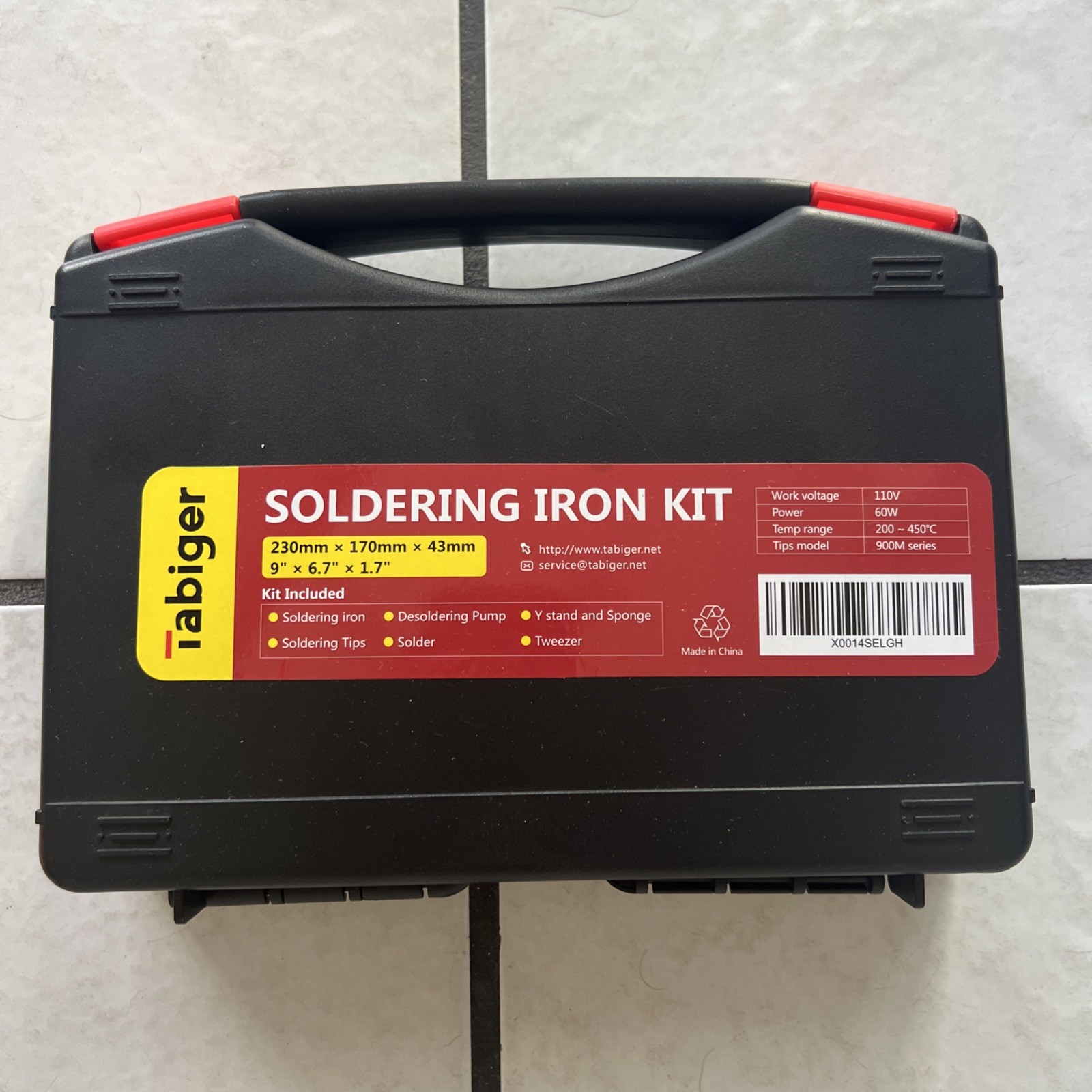 60W Soldering Iron Kit Adjustable Temp 110V Electronics Repair Tool Set Case$4.75
 View on eBay
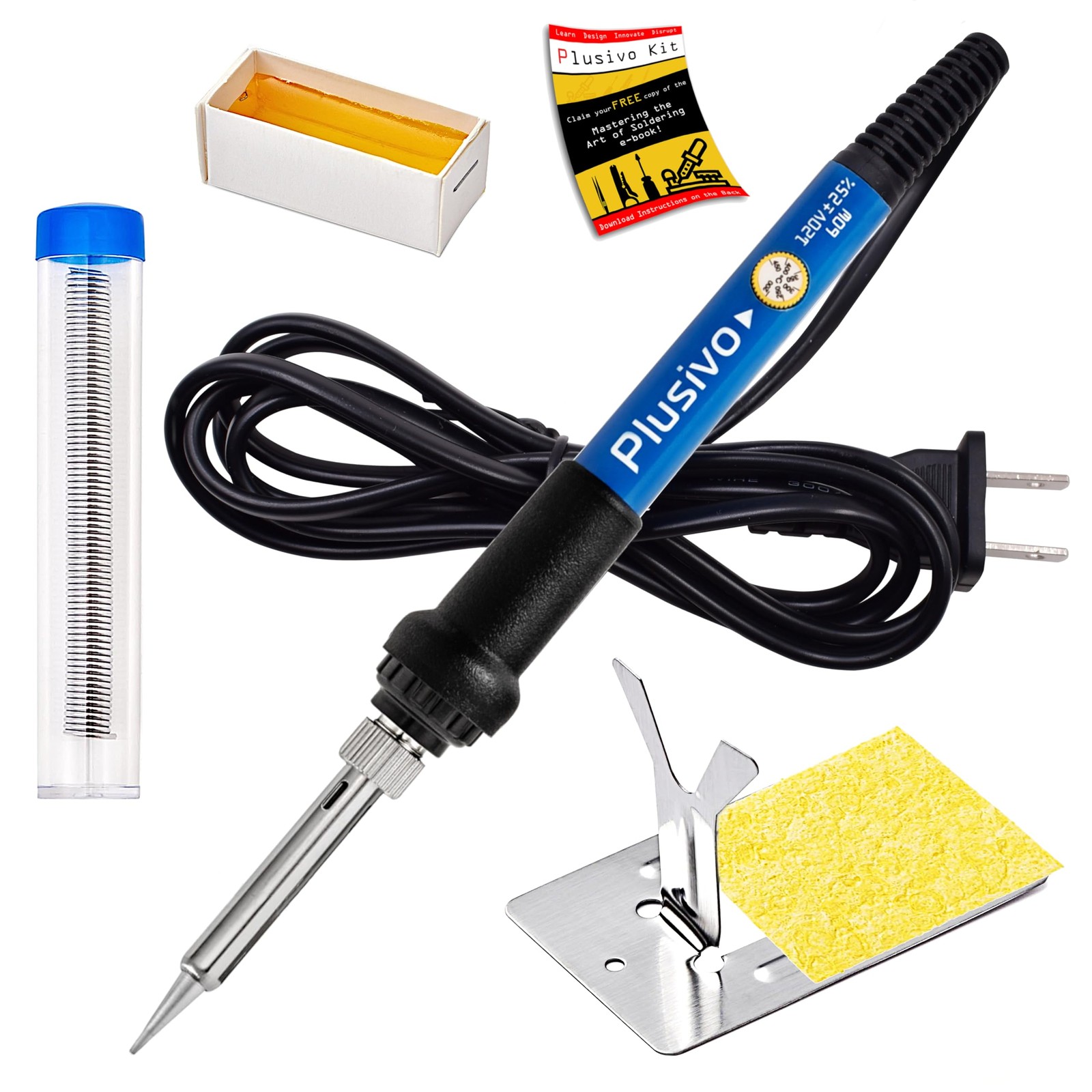 Soldering Iron Kit 60W Adjustable Temperature 5-in-1 Electronics Repair Kit, ...$9.16View on eBay
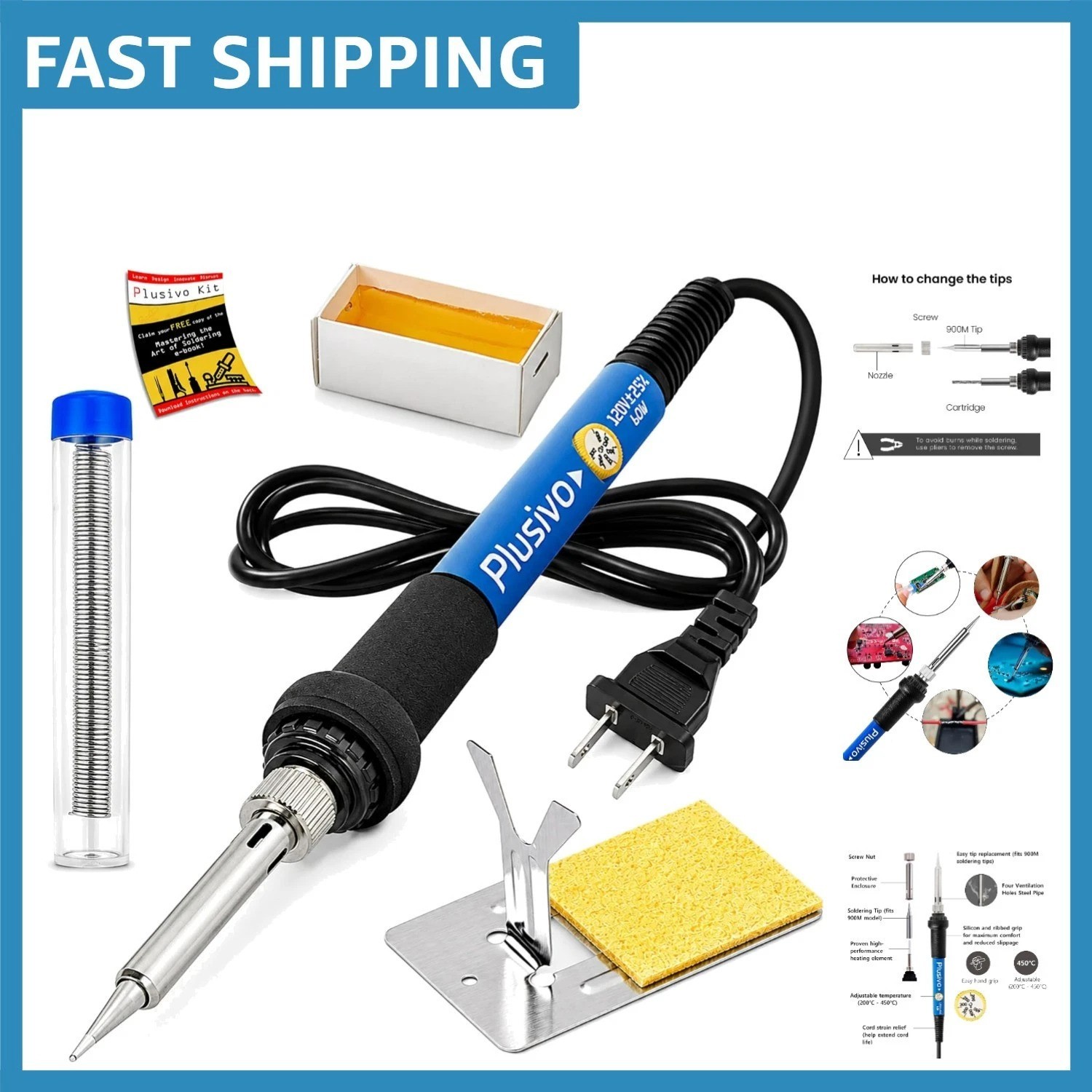 Complete 60W Soldering Iron Kit – Adjustable Tool for DIY Electronics & Repairs$9.37View on eBay
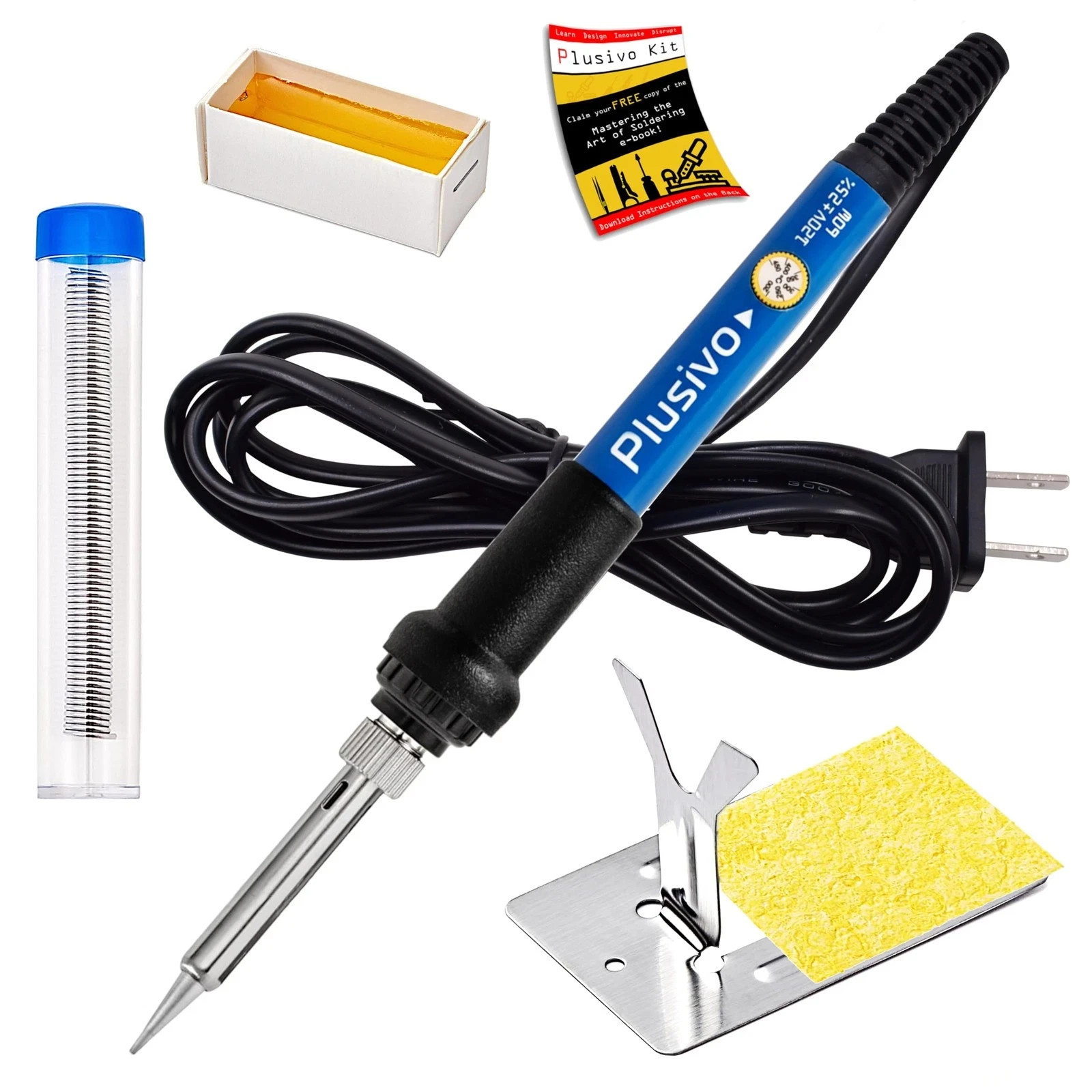 Soldering Iron Kit 60W Adjustable Temperature 5-in-1 Electronics Repair Kit, ...$10.99View on eBay
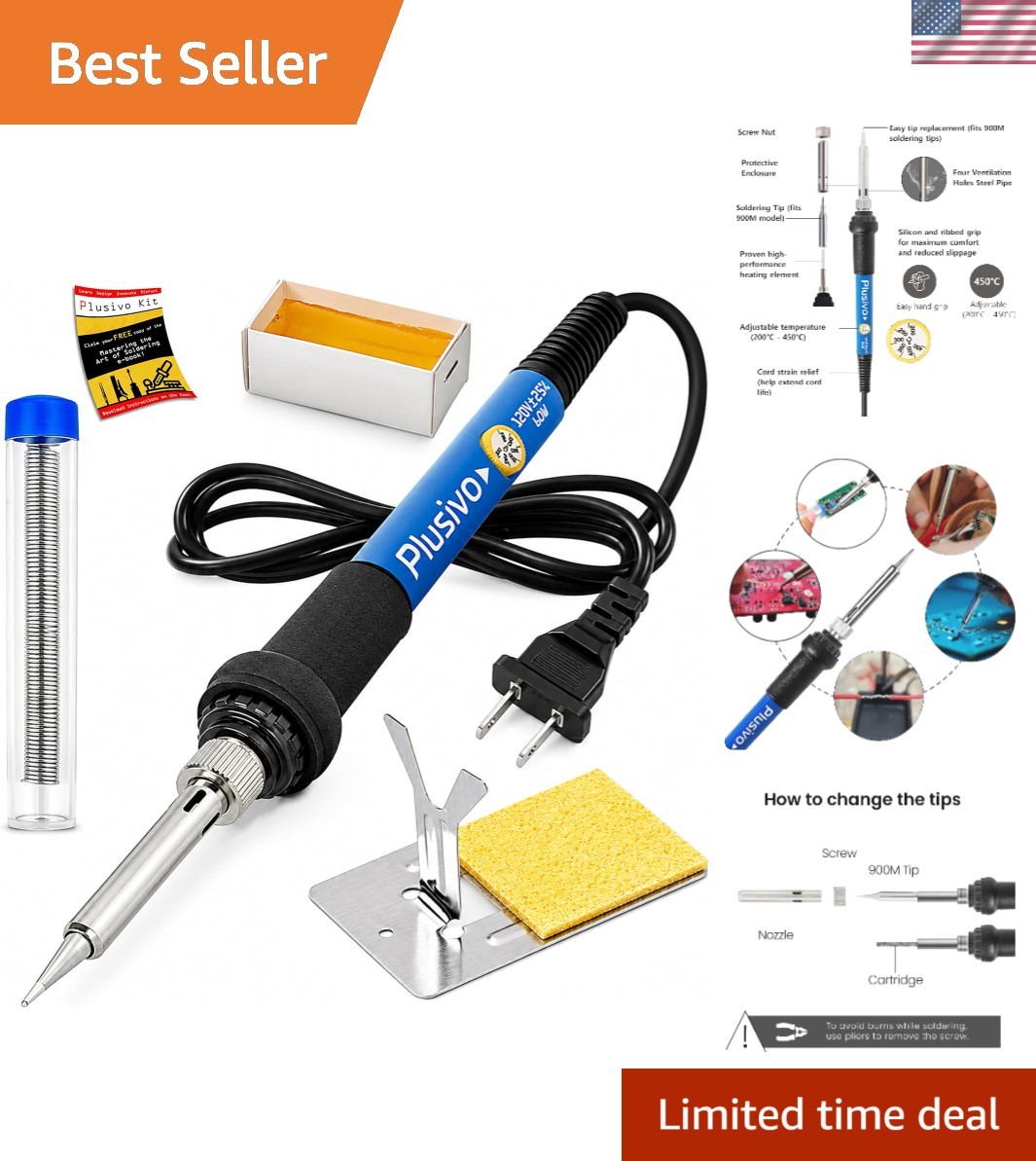 60W Adjustable Temperature 5-in-1 Soldering Iron Kit for DIY Electronics Repair$11.69View on eBay
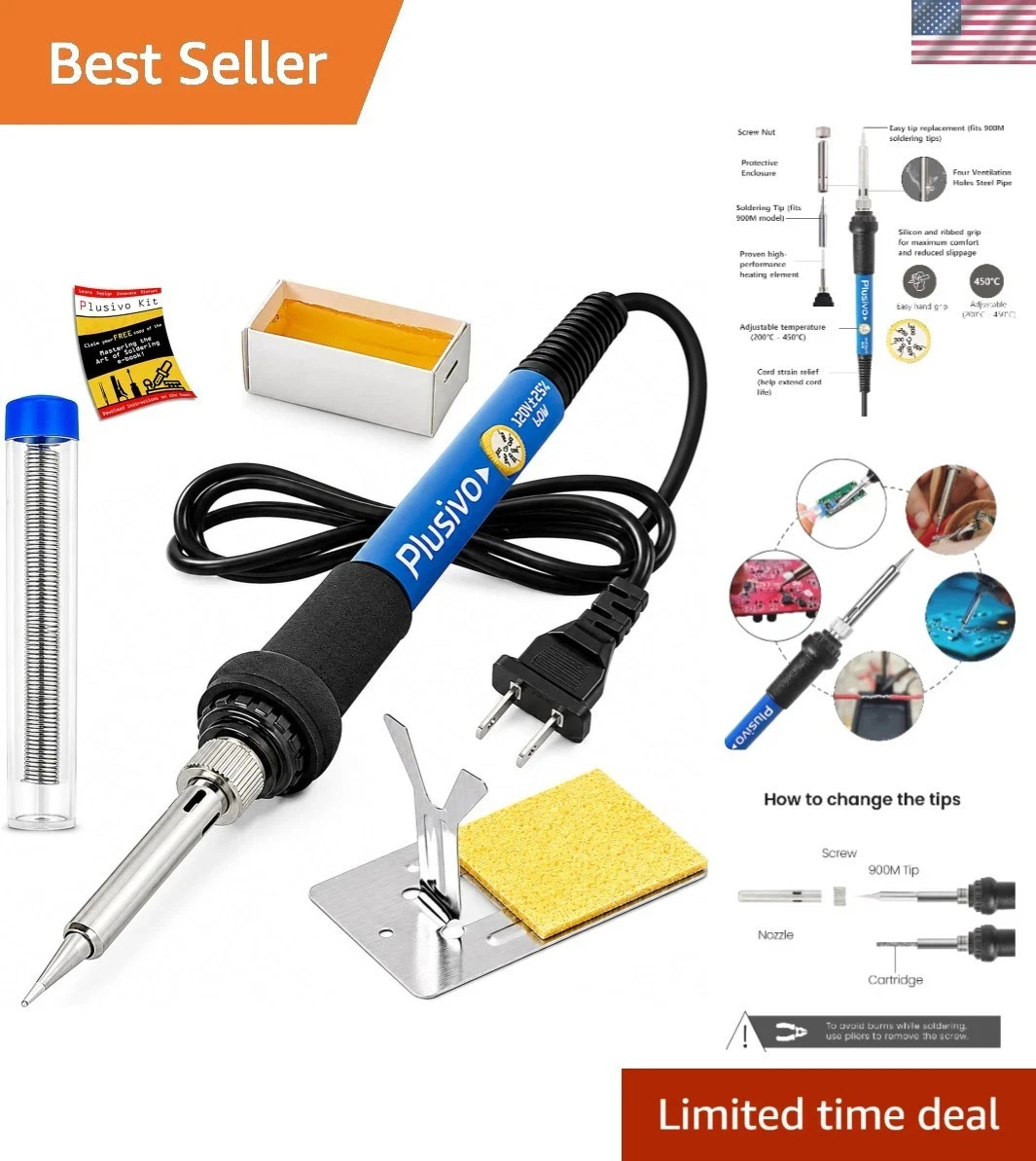 60W Adjustable Temperature 5-in-1 Soldering Iron Kit for DIY Electronics Repair$15.00View on eBay
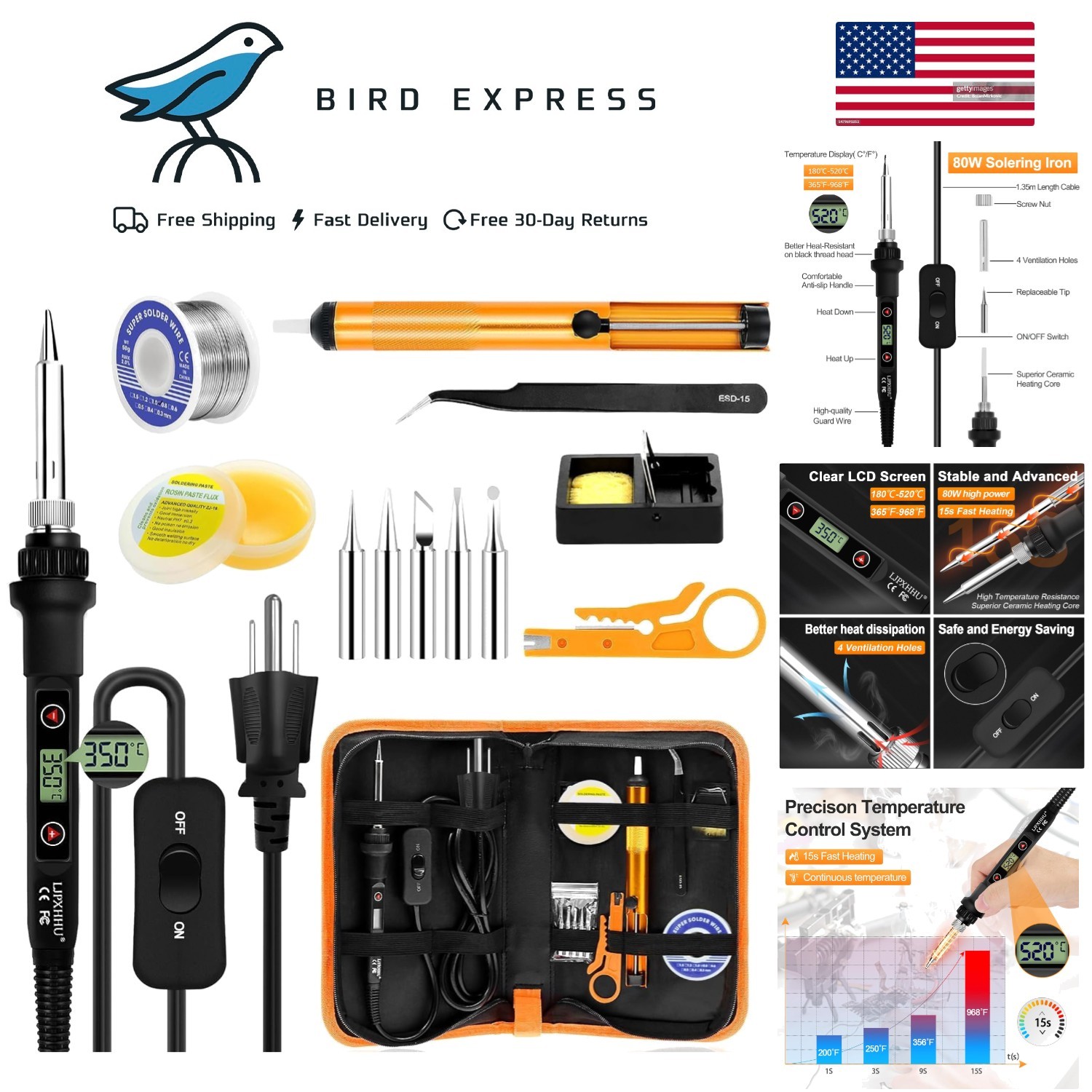 80W Digital Soldering Iron Kit w LCD Display, 13-in-1 Electronics Repair Tools$28.79View on eBay
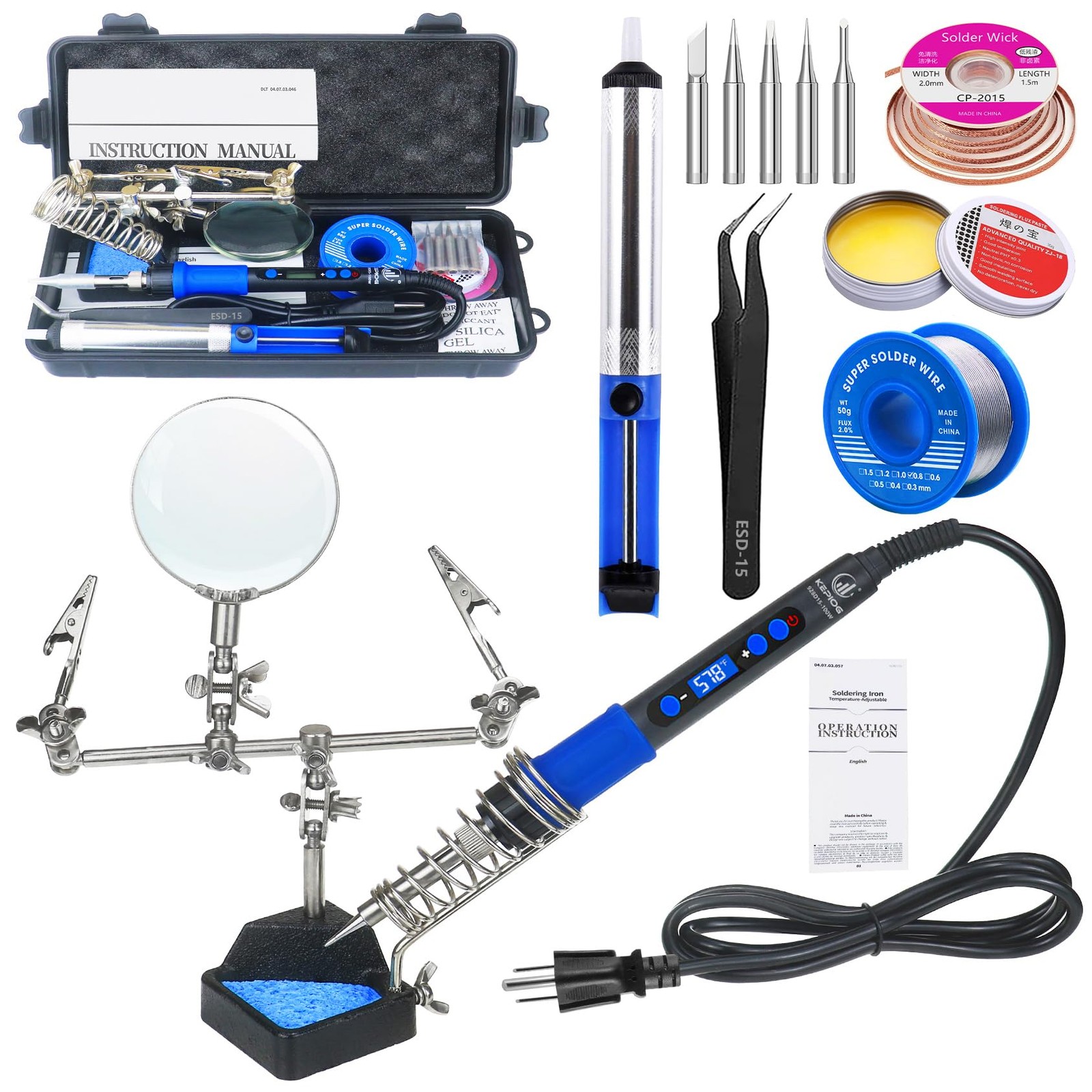 100W Soldering Iron Kit - Fast Heating Circuit Board Repair Tools with Magnif...$35.99View on eBay
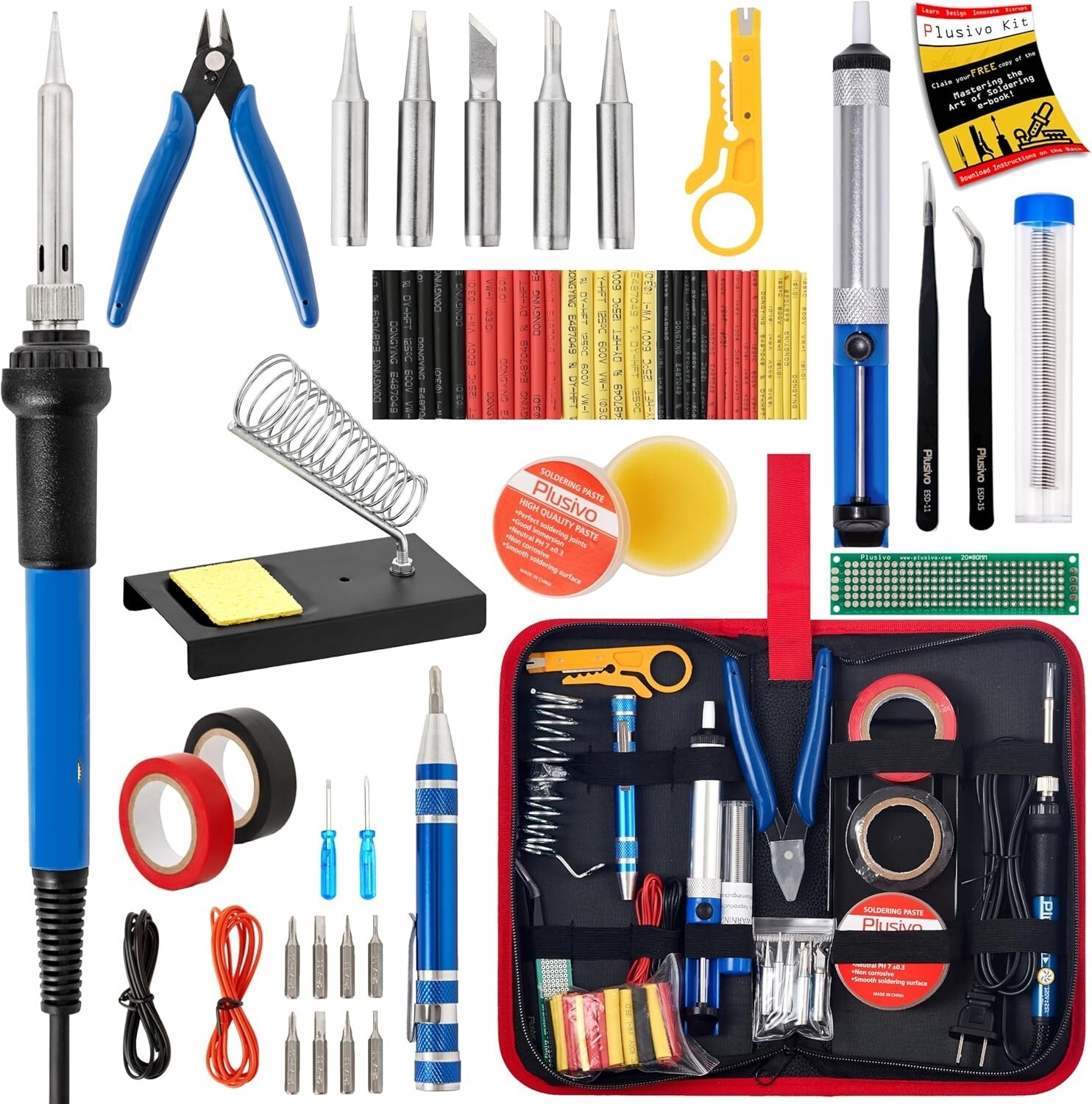 60W Soldering Iron Kit 25-in-1, Adjustable Temp, Tool Set for Electronics Repair$38.99View on eBay
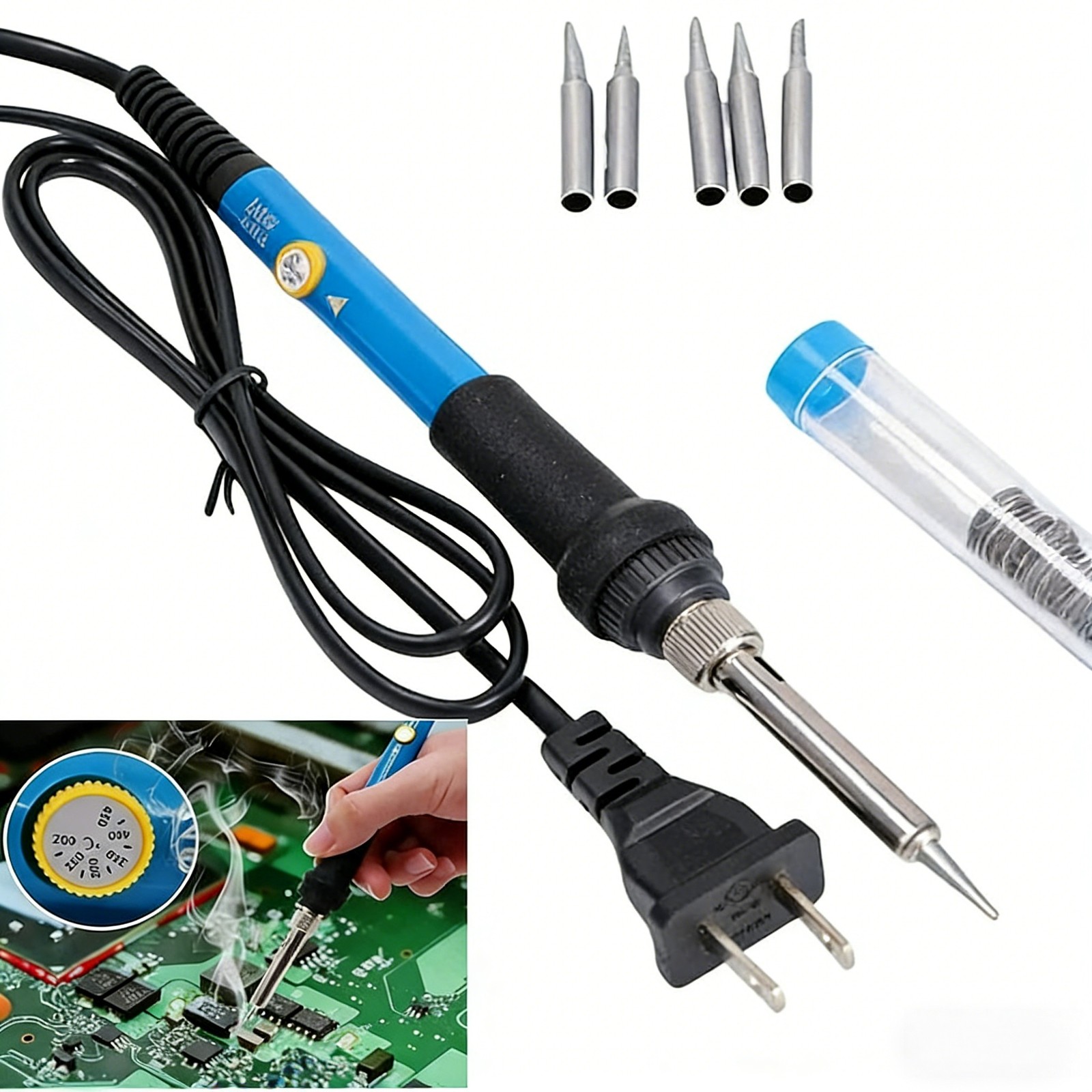 For Home DIY 60W Adjustable Temp Soldering Iron Electric Gun Solder Wire Kit$4.52View on eBay
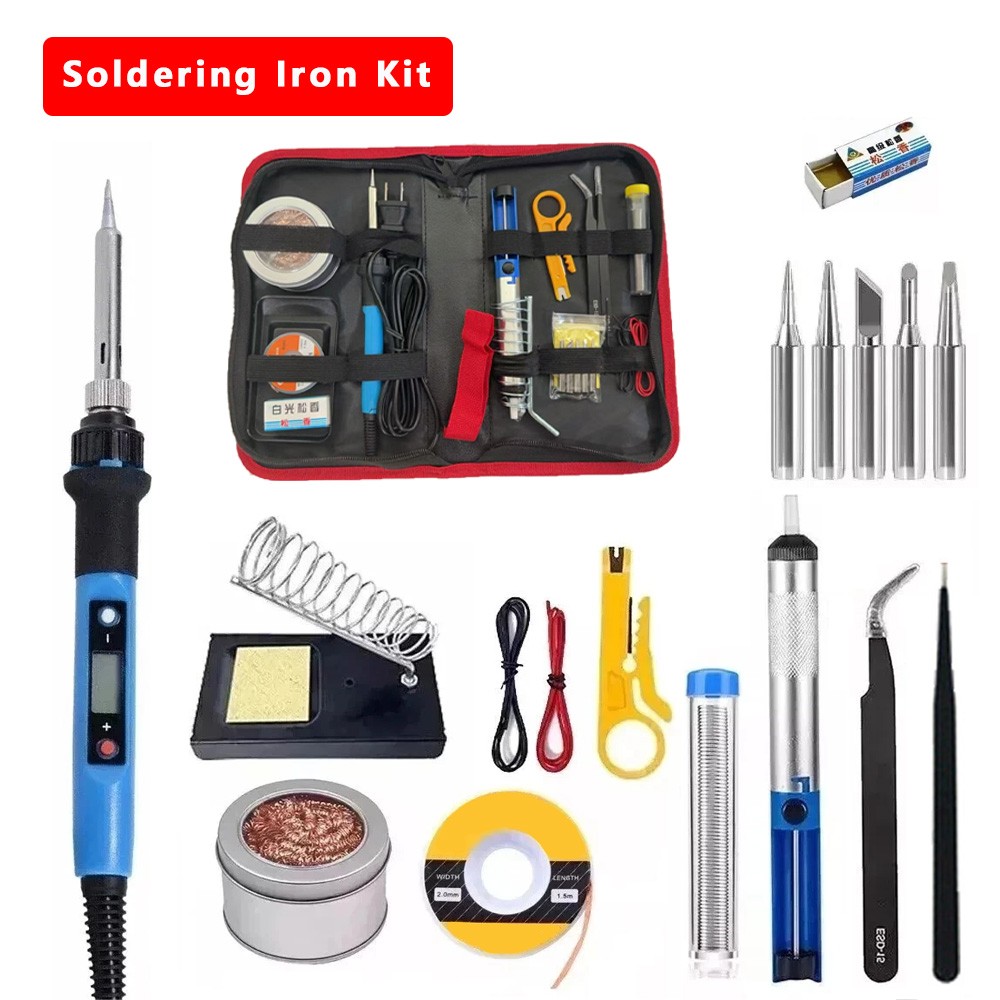 80W Electric Soldering Iron Welding Gun Tool Kit Solder Wire Desoldering Pumps$15.99View on eBay
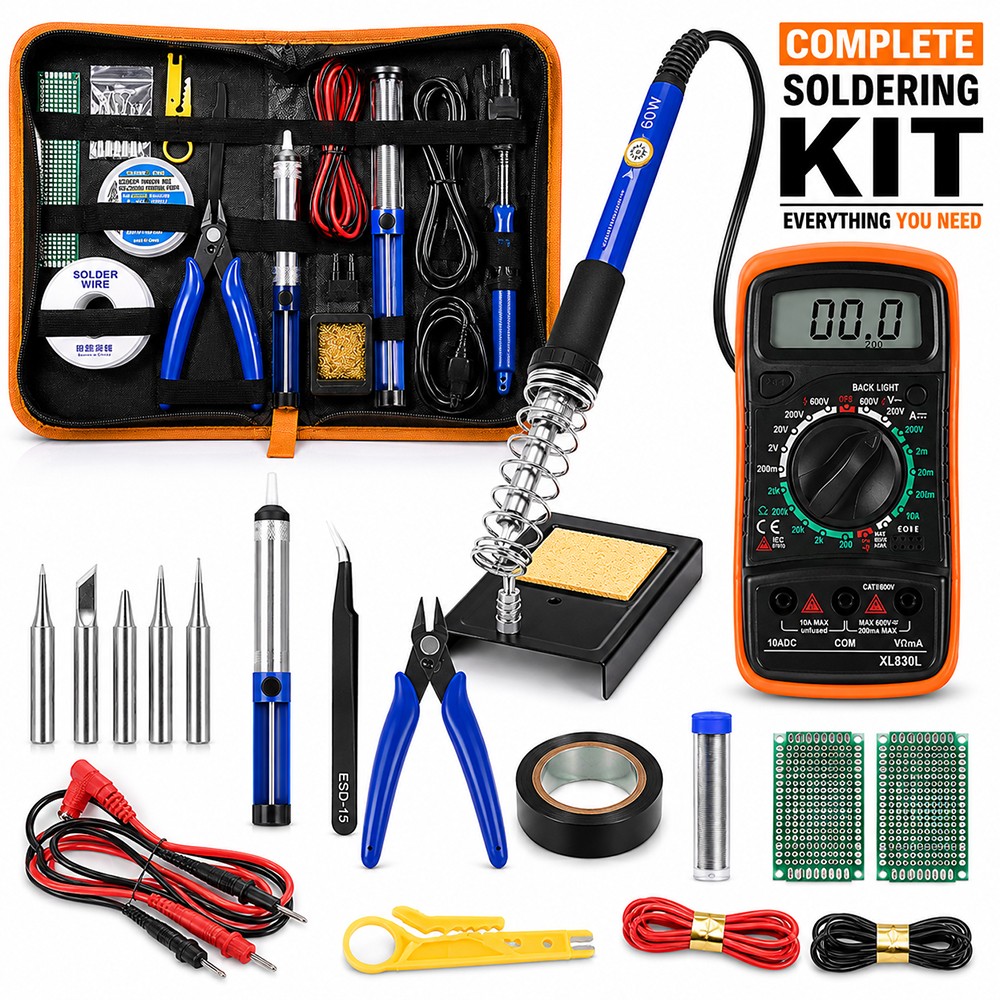 DIY Soldering Kit 60W Adjustable Iron Electronics Repair Set with Multimeter$21.84View on eBay
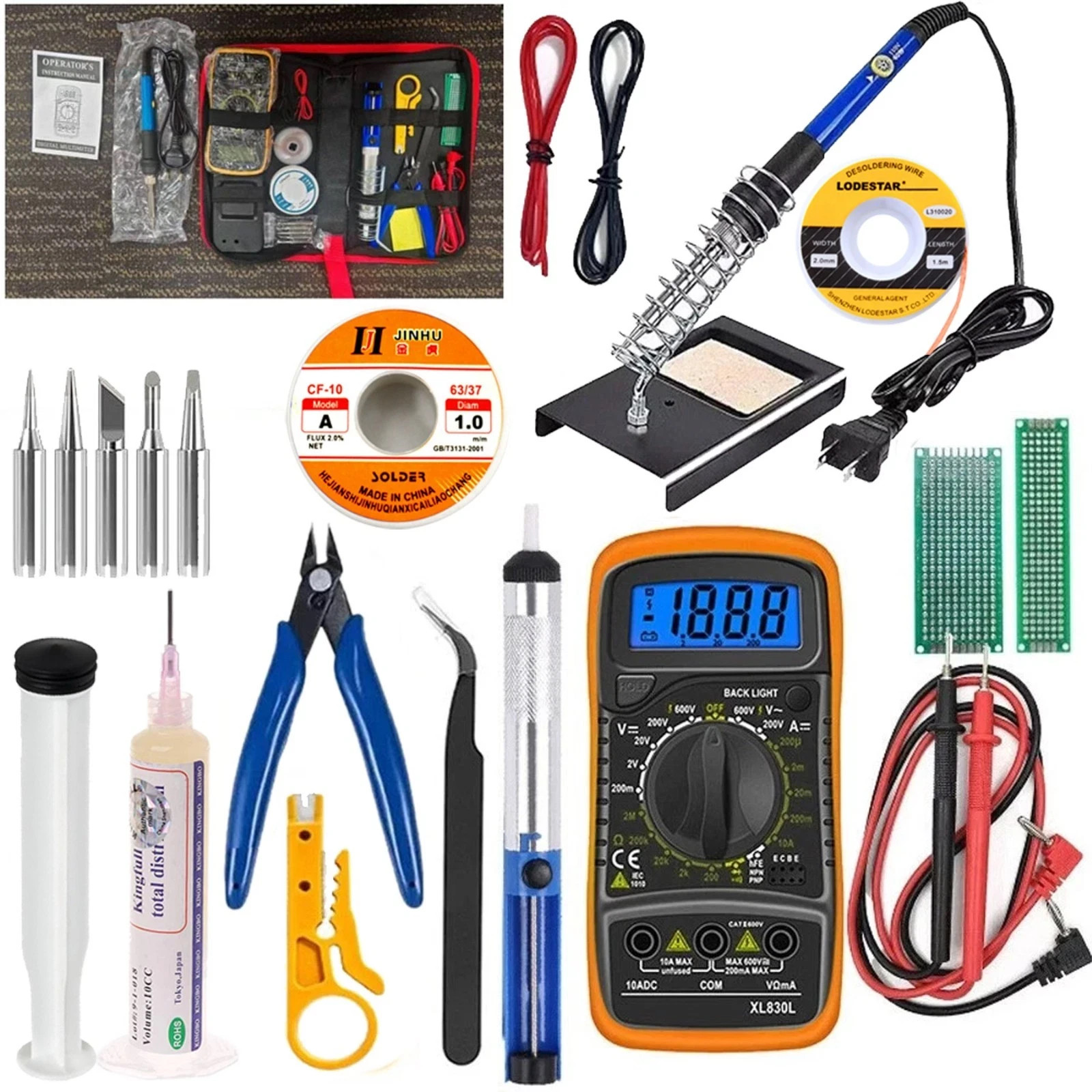 80W Electric Soldering Iron Welding Gun Tool Kit Solder Wire Desoldering Pumps$21.95View on eBay
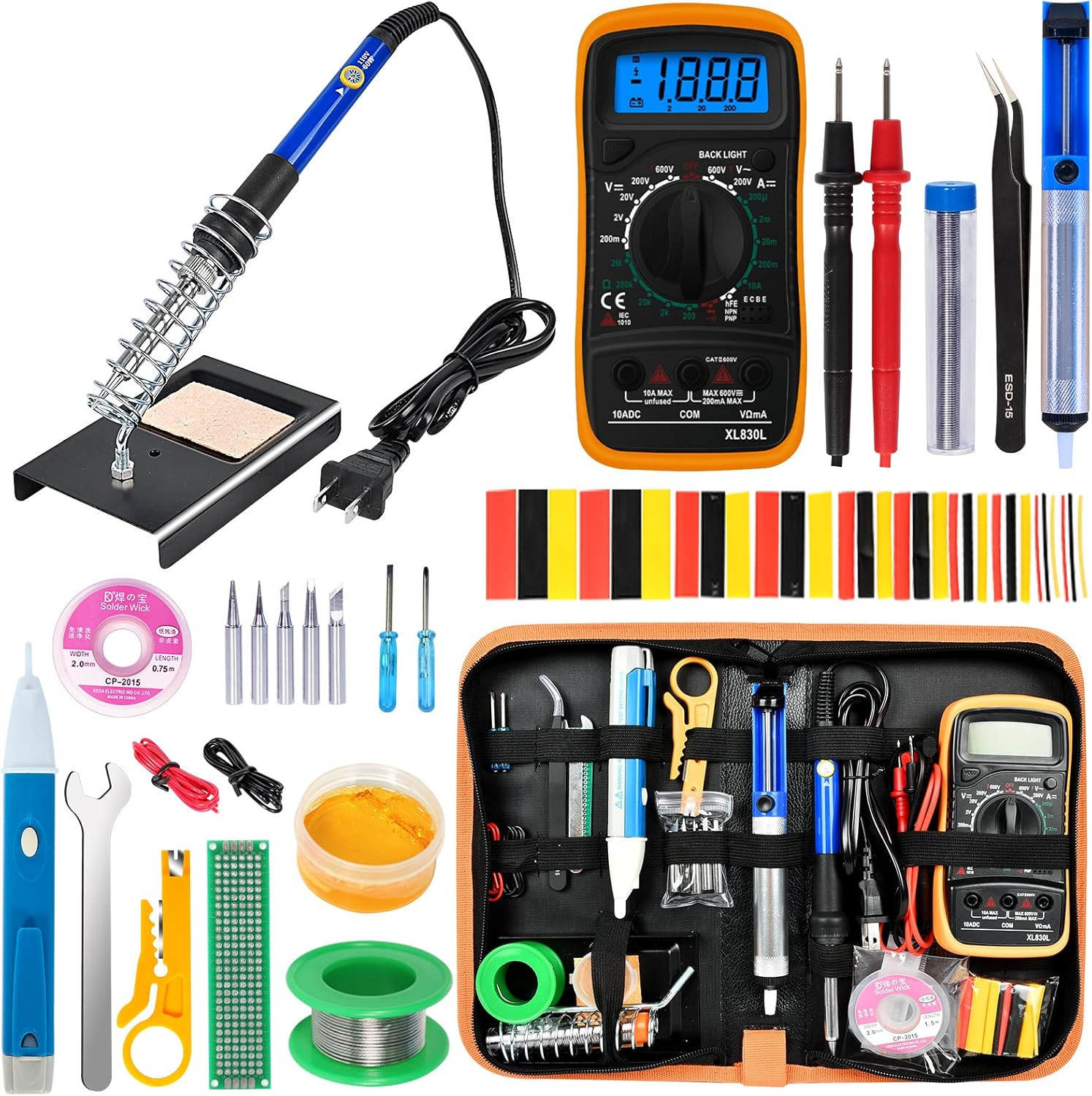 Electronics Soldering Kit 18 Piece Iron Multimeter Pump Tester Repair Tools$28.41View on eBay
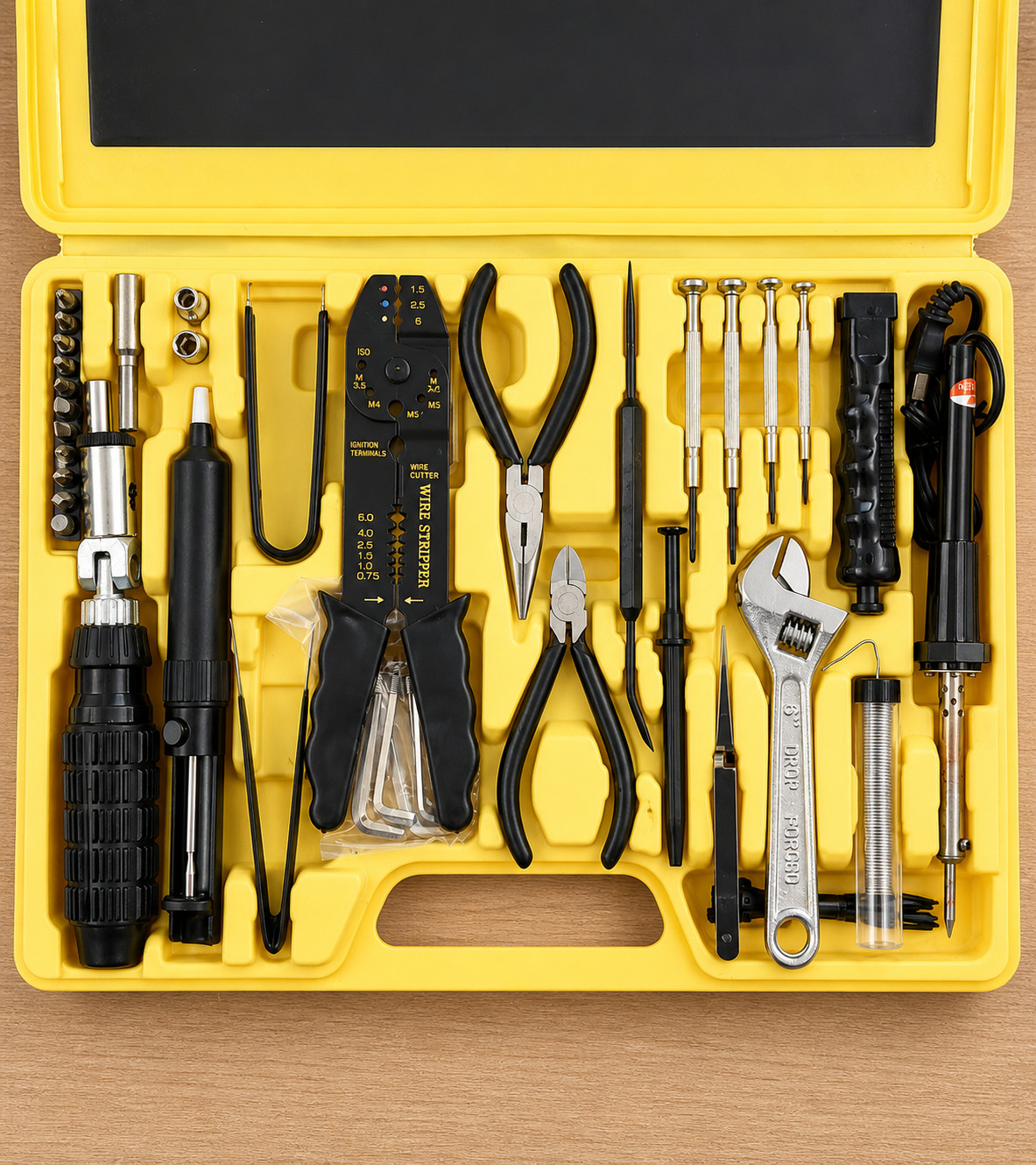 42 Pc Computer Repair Tool Kit w/ Soldering Iron Electronics Set Open Box Unused$33.00View on eBay
Highlights
- Adjustable-temperature irons (typically 60W–100W) use a triac or PWM controller to hold setpoint; fixed-wattage irons lack feedback and overheat or stall depending on joint mass.
- Ceramic heating elements reach working temperature in 30–60 seconds and recover faster than traditional copper-wound elements, which take 90+ seconds and sag under repeated joints.
- Digital kits with LCD or LED displays show actual tip temperature (±5–10°C), while analog dial kits show only a relative scale with ±20–30°C variance.
- Replaceable tip systems (e.g., 900M-series or T12-style) determine long-term cost and precision; kits with proprietary or non-replaceable tips become disposable when the tip oxidizes.
Best use cases
- Best fit for through-hole PCB repair and cable splicing: 60W adjustable-temperature kit with a chisel and conical tip, plus 60/40 or lead-free solder and flux pen.
- Best fit for SMD and fine-pitch work: 80W+ digital kit with fine conical tip (0.5–1.0 mm), temperature stability under 10°C, and a brass tip cleaner—skip any kit without replaceable fine tips.
- Wrong fit for automotive or heavy-gauge wire (12 AWG+): 60W pencil irons lack thermal mass; choose a 100W+ iron or a soldering gun with trigger boost instead of a standard kit.
- Wrong fit for production or daily professional use: kits with plastic-housing irons and no stand or fume control wear out quickly; step up to a station with a separate iron holder and tip storage.
Buying tips
- Match wattage to joint mass: 60W handles typical 0.1-inch PCB pads and 22–18 AWG wire; 80–100W is needed for 14–12 AWG or ground planes that sink heat.
- Demand a replaceable tip standard (900M or T12) and verify at least two tip shapes are included—conical for fine work, chisel for heat transfer on larger joints.
- Check temperature range and control: 200–450°C adjustable with a visible scale or display; kits limited to 300–400°C or with only on/off control cannot handle lead-free solder reliably.
- Prioritize kits that include a stand, brass wool, and 63/37 or 60/40 solder (or lead-free with flux core); missing these adds immediate extra cost and safety risk.
Specs
| Power / Wattage | 60W entry; 80–100W heavy joints |
|---|---|
| Temp Control | Adjustable 200–450°C; digital ±5–10°C |
| Heating Element | Ceramic or composite; 30–60 sec heat-up |
| Tip Standard | Replaceable 900M or T12; 2+ shapes |
Related searches
What to check before buying
- Confirm your workspace has a heat-resistant surface and ventilation—solder fumes and a 300°C+ tip require a stand and open airflow or fume extractor.
- Verify the kit’s plug and voltage match your outlet (110V for North America; 220–240V for EU/UK/AU) and that the iron is grounded or double-insulated.
- Measure available bench depth: kits with separate stands and tool cases need at least 12–18 inches of clear width to avoid tip contact with cords or plastics.
- Check included consumables: solder diameter (0.8 mm for PCB, 1.0–1.2 mm for wires) and flux type (rosin or no-clean) must match your intended joints.
FAQ
Data sources: eBay / Amazon listings and product attribute feeds Data updated Nov 20, 2026.
Some links on this page are affiliate links. If you buy after clicking one, we may earn a commission at no extra cost to you. This does not change which products appear here or their order. Affiliate disclosure.