Photos from current listings. Actual item, color, and included accessories may vary.
Soldering Tool Buying Guide
A soldering tool is the heat source and control system for electronics work, and the core trade-off is between fixed-power irons with crude control and adjustable-temperature stations with regulated output. The decision rule: for anything beyond wire tinning, choose a temperature-controlled iron with a grounded tip, a heat range covering 200–450°C, and replaceable tips; fixed-wattage unregulated irons are compromises suited only to rough bench work.

At a glance
- Category
- Soldering & Electronics Repair Tools
- Data updated
- Nov 20, 2026
Current offers
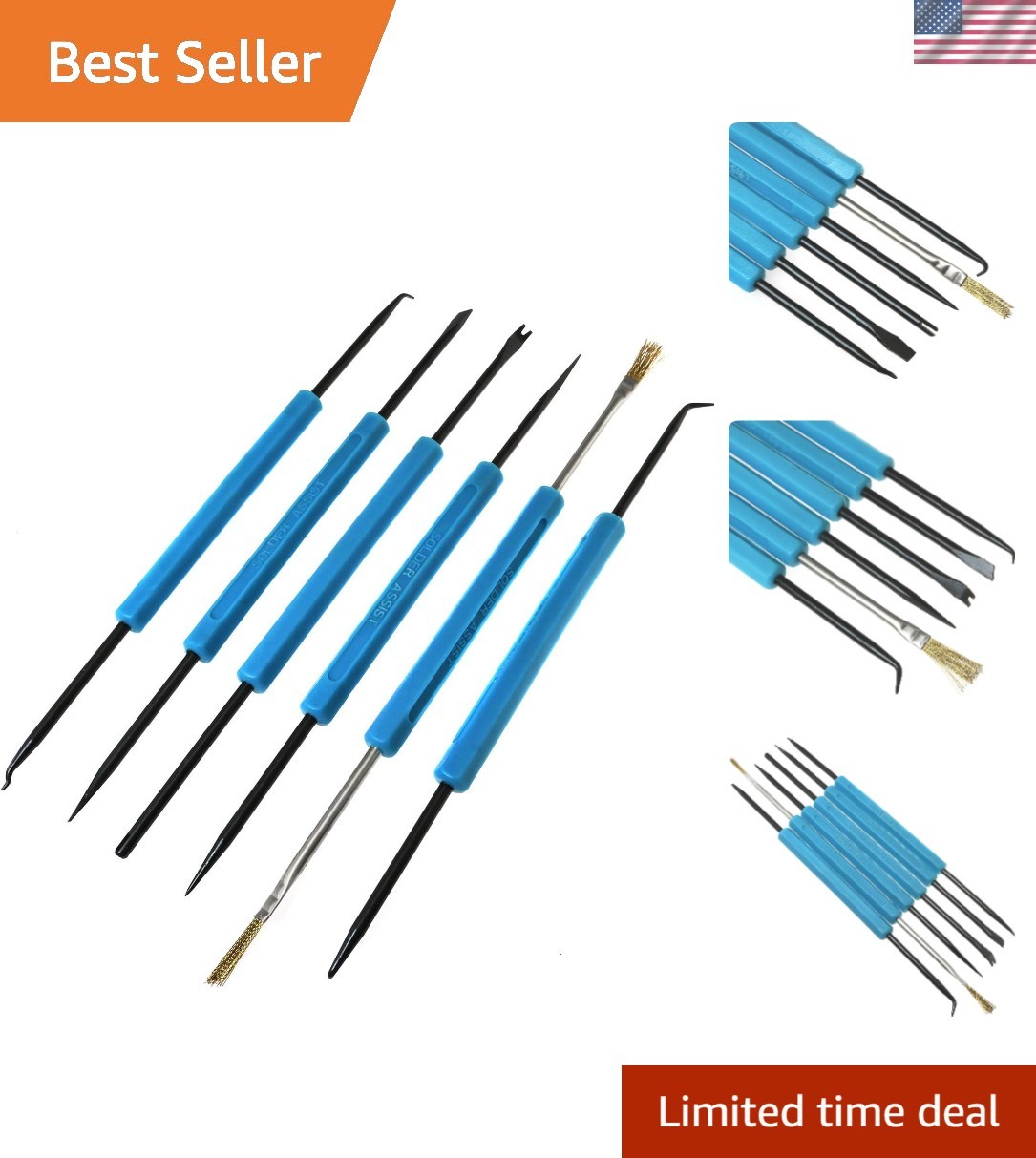 Versatile 6PCS Soldering Tools Set - Essential Aids for Electronic Repairs$13.49
 View on eBay
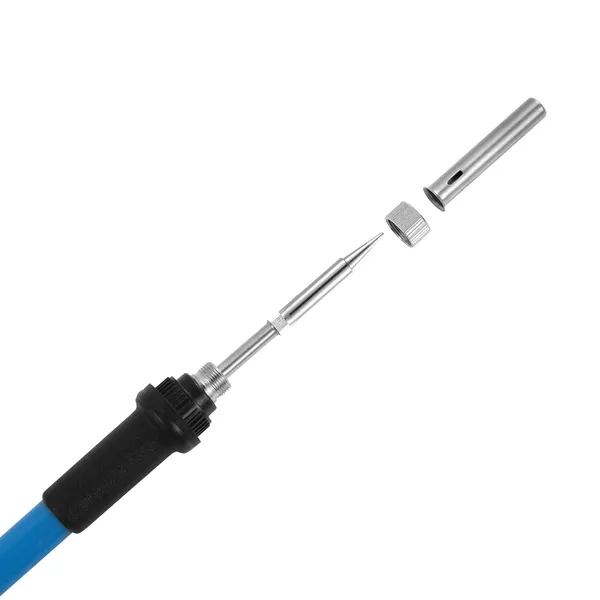 Soldering Iron 110V 60W Adjustable Temperature PCB Electric Welding With 5Pcs Different Tips$22.99
 View on Mallflare
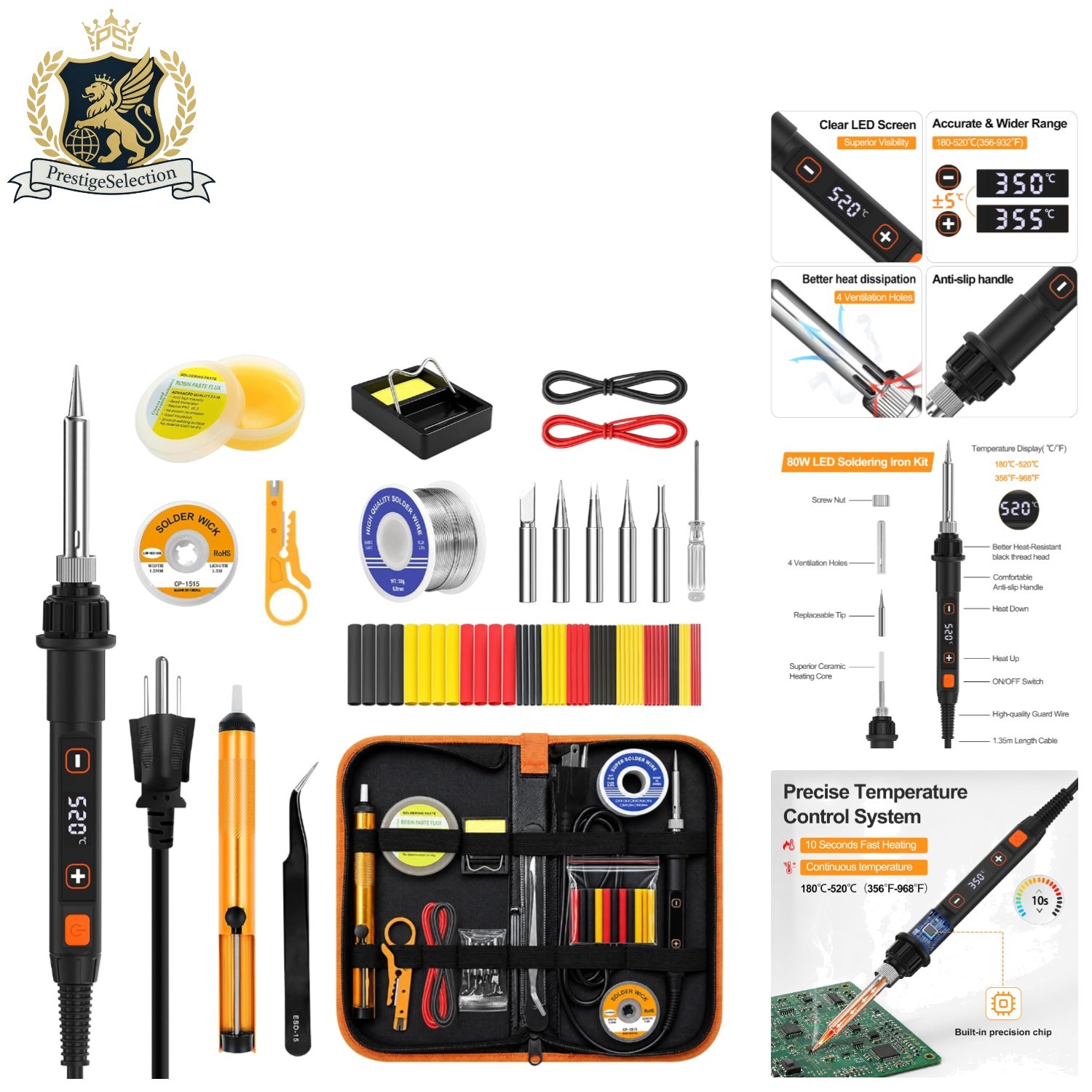 Versatile 80W Soldering Tool Set - Digital Precision for Electronics & Repairs$41.99View on eBay
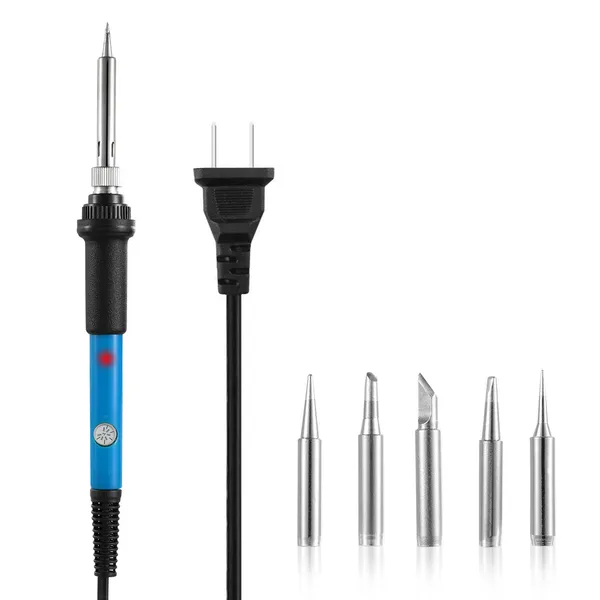 Soldering Iron 110V 60W Adjustable Temperature PCB Electric Welding$22.99View on Mallflare
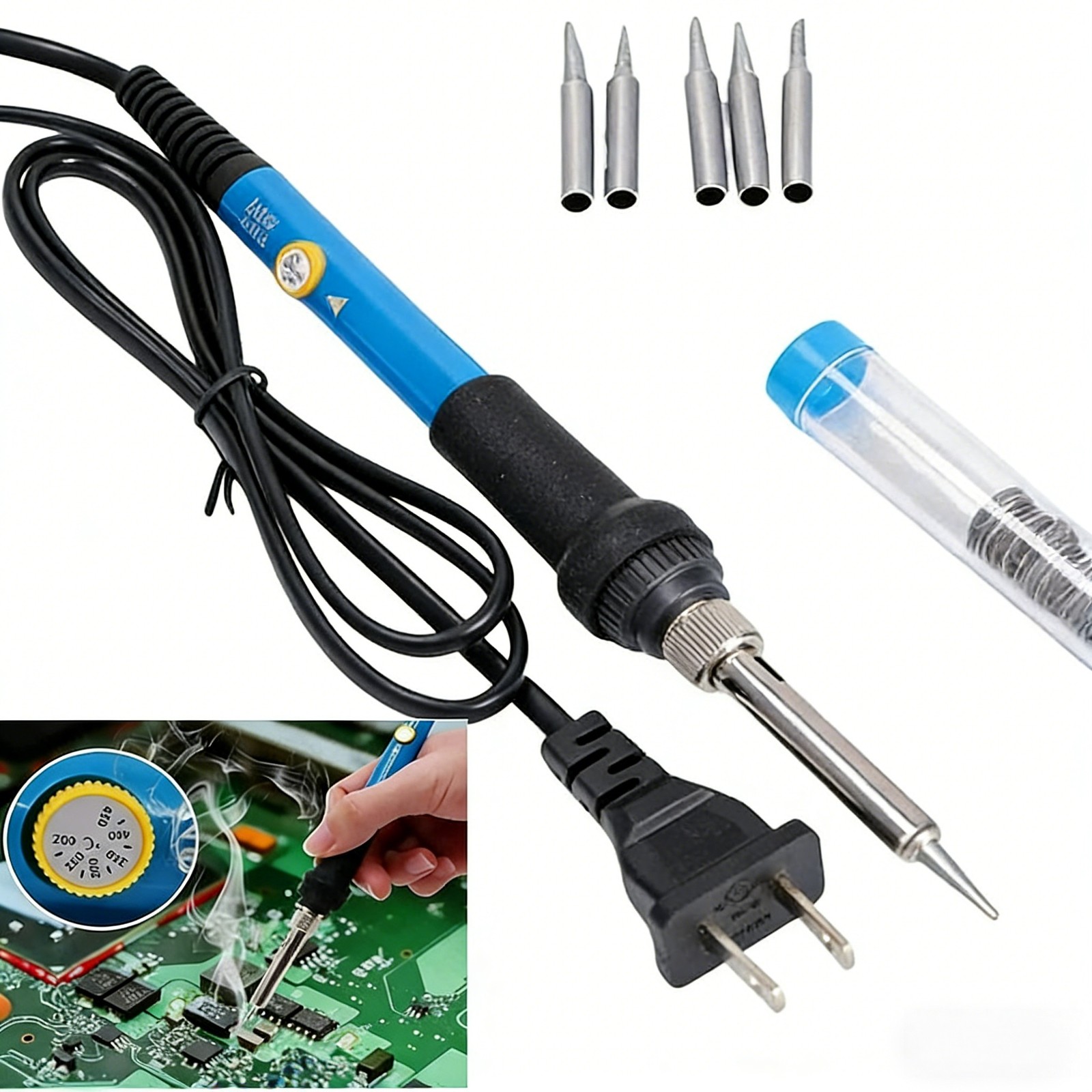 For Home DIY 60W Adjustable Temp Soldering Iron Electric Gun Solder Wire Kit$4.52View on eBay
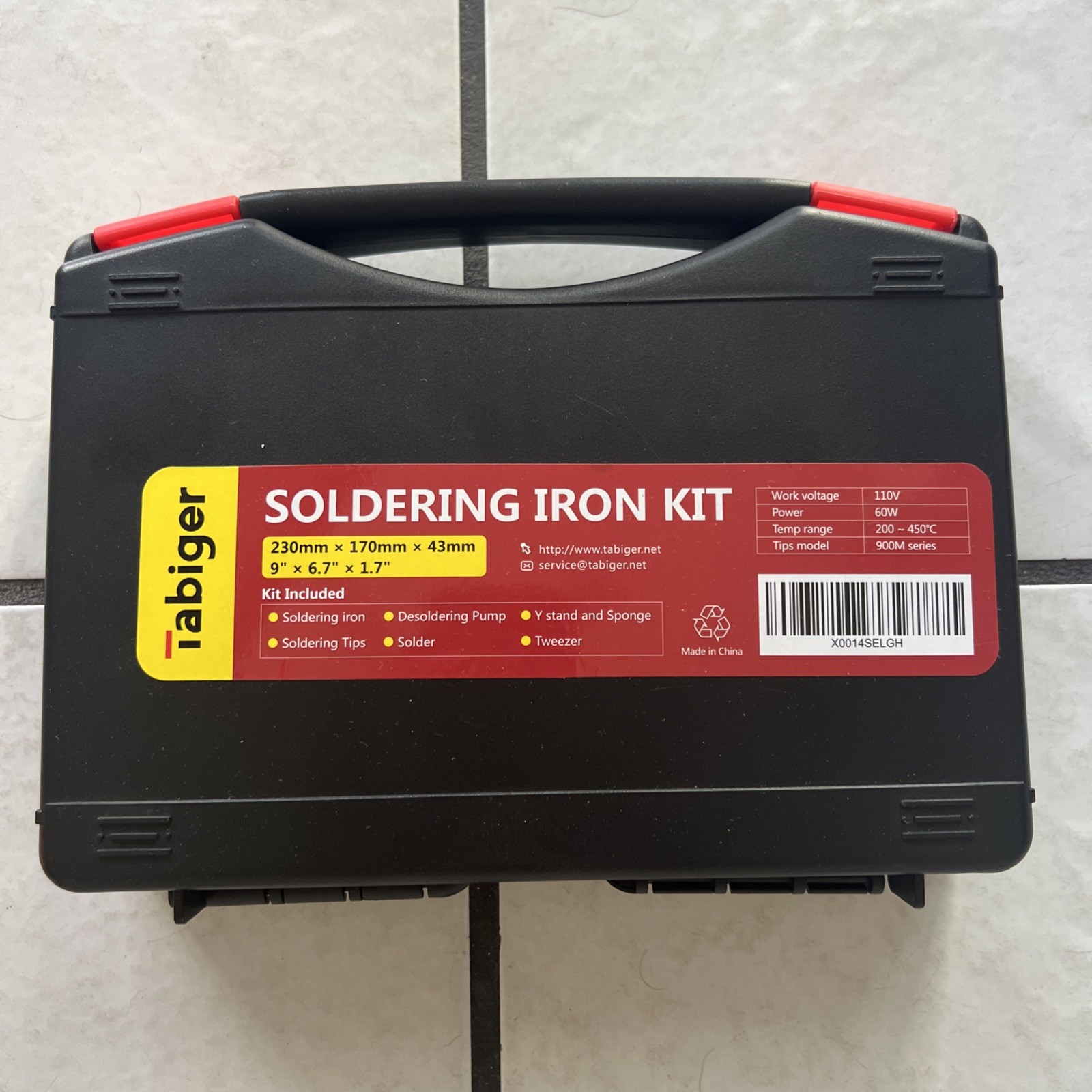 60W Soldering Iron Kit Adjustable Temp 110V Electronics Repair Tool Set Case$4.75View on eBay
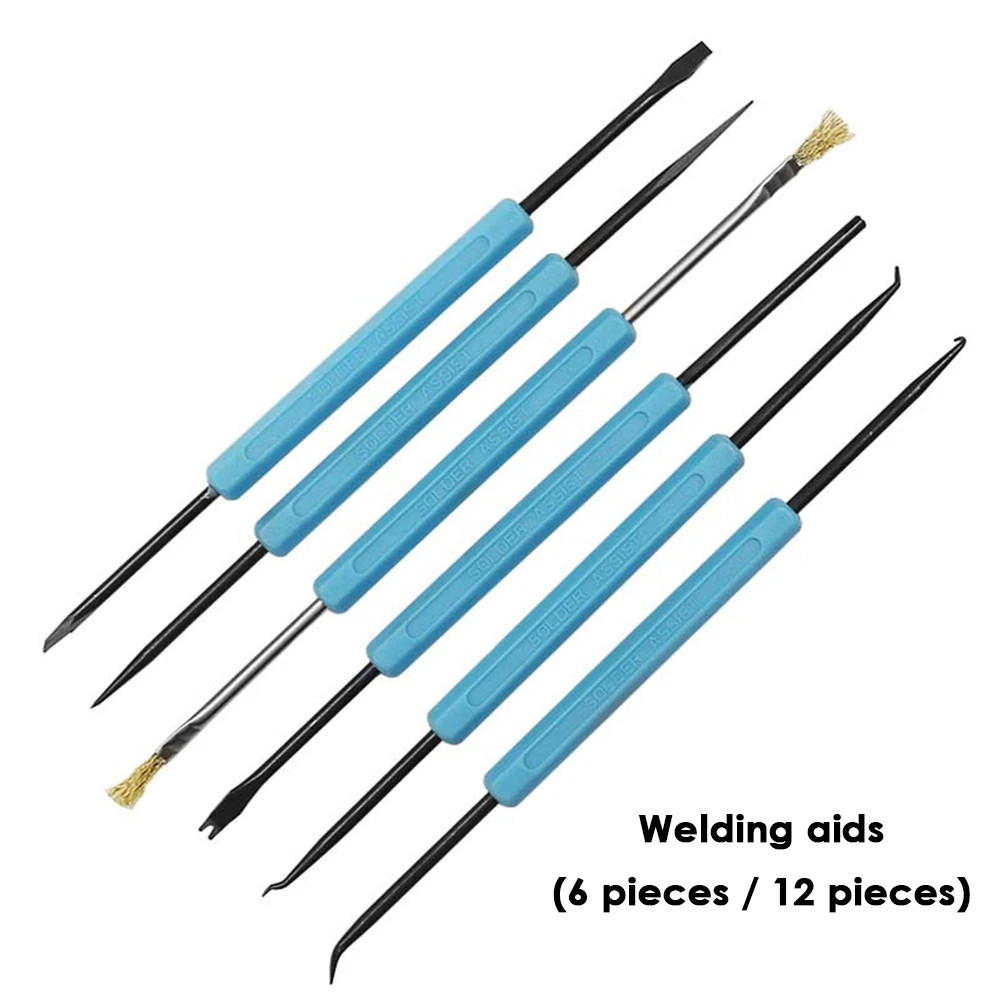 6-Piece Soldering Aid Kit PCB Cleaning and Maintenance Tools Repair and Solderin$7.70View on eBay
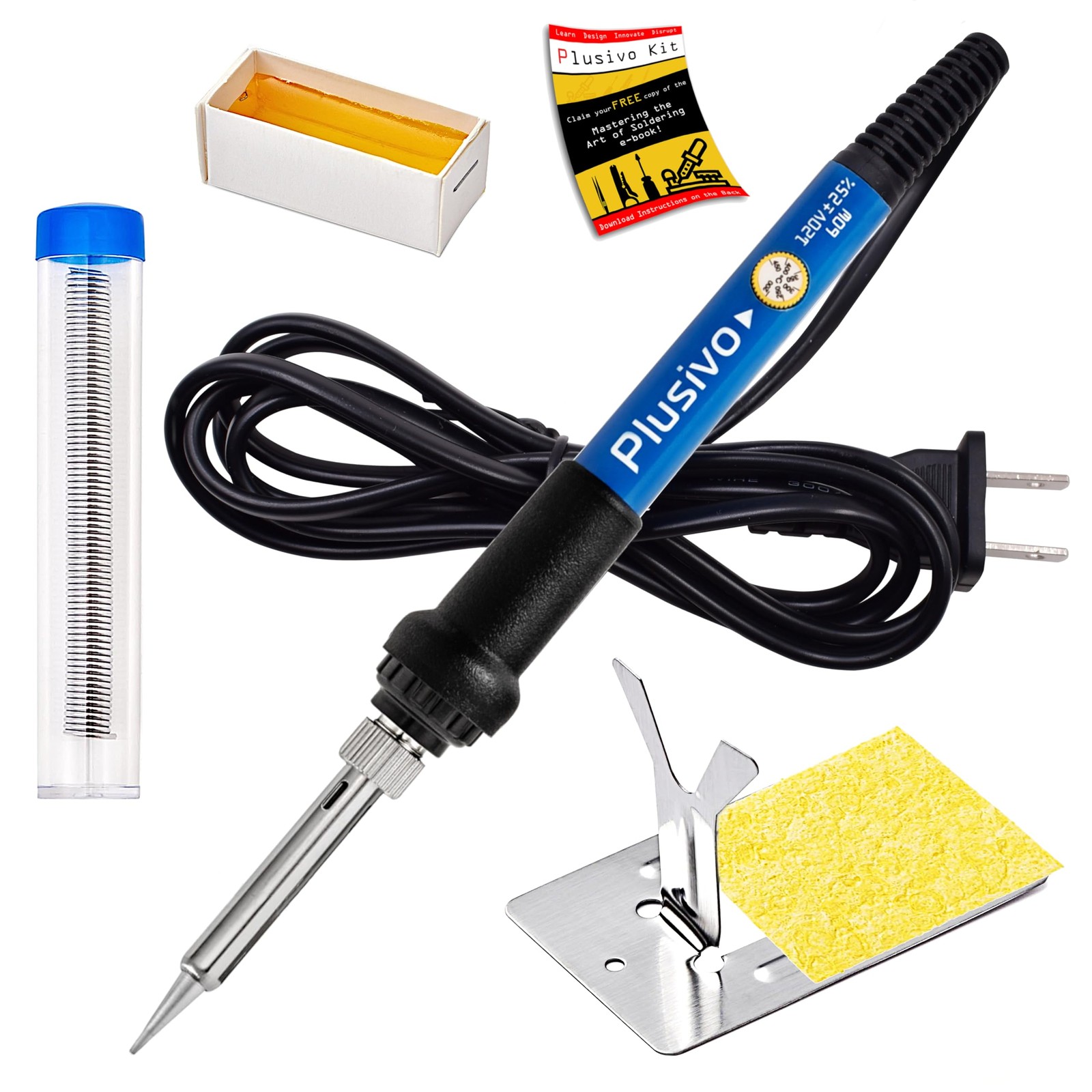 Soldering Iron Kit 60W Adjustable Temperature 5-in-1 Electronics Repair Kit, ...$9.16View on eBay
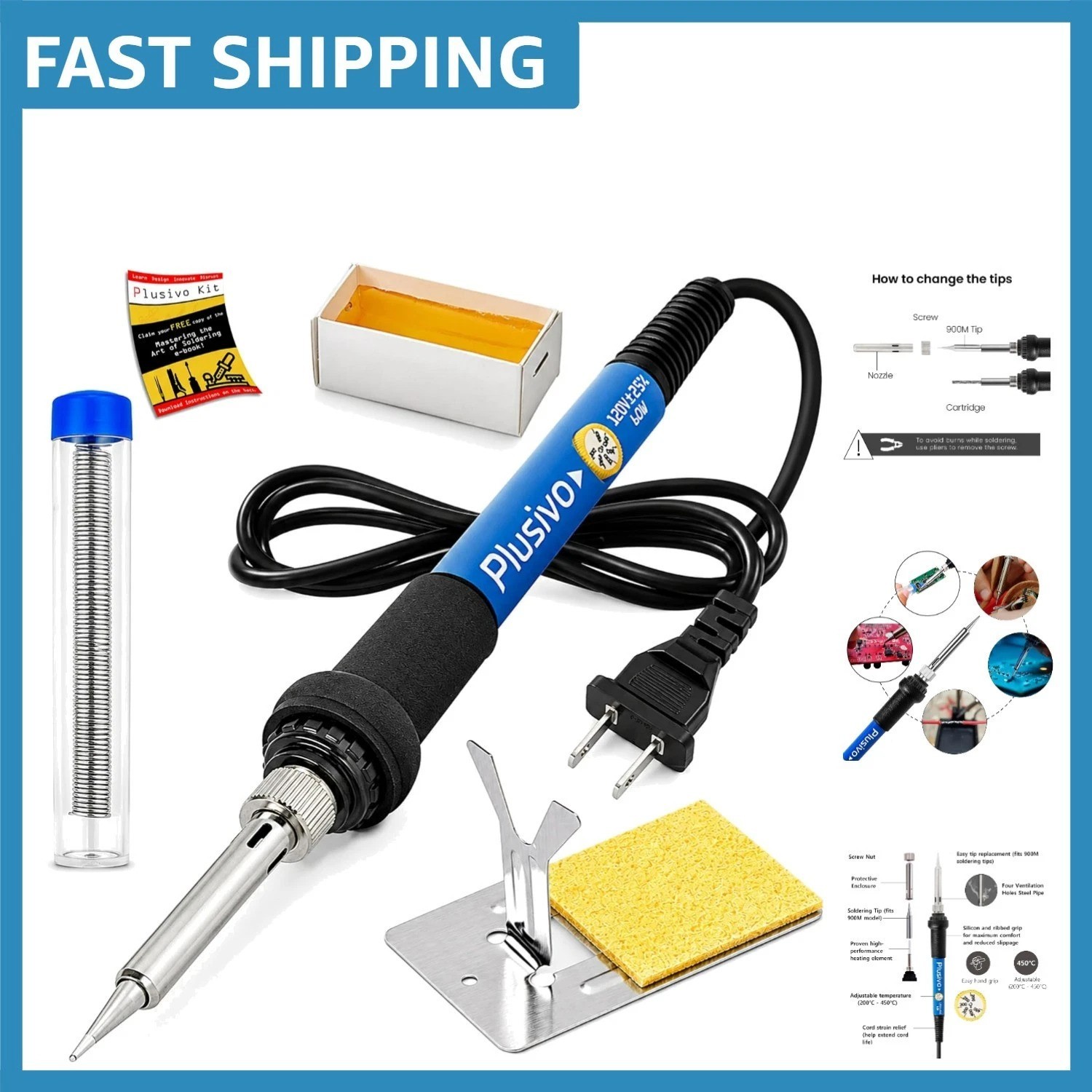 Complete 60W Soldering Iron Kit – Adjustable Tool for DIY Electronics & Repairs$9.37View on eBay
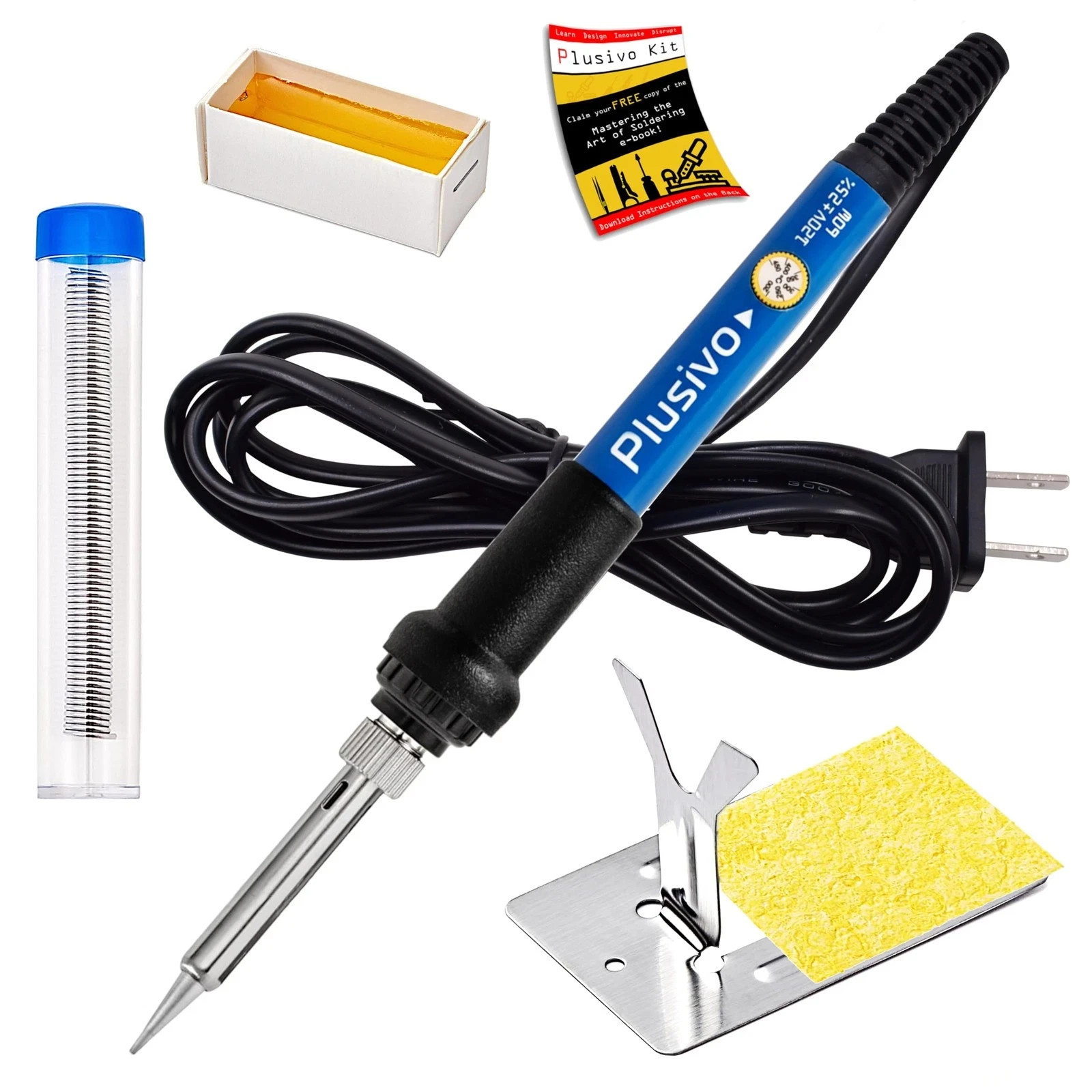 Soldering Iron Kit 60W Adjustable Temperature 5-in-1 Electronics Repair Kit, ...$10.99View on eBay
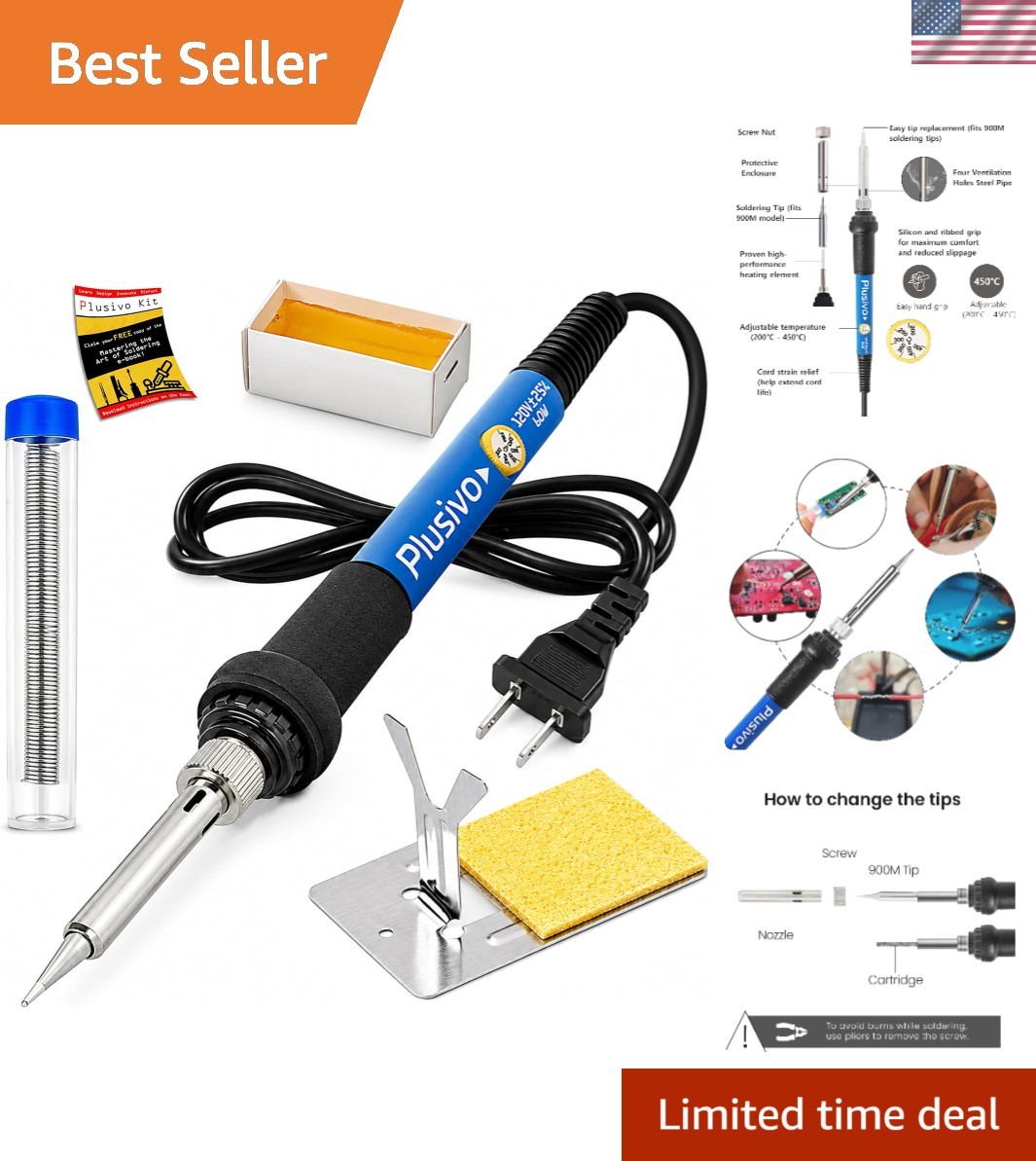 60W Adjustable Temperature 5-in-1 Soldering Iron Kit for DIY Electronics Repair$11.69View on eBay
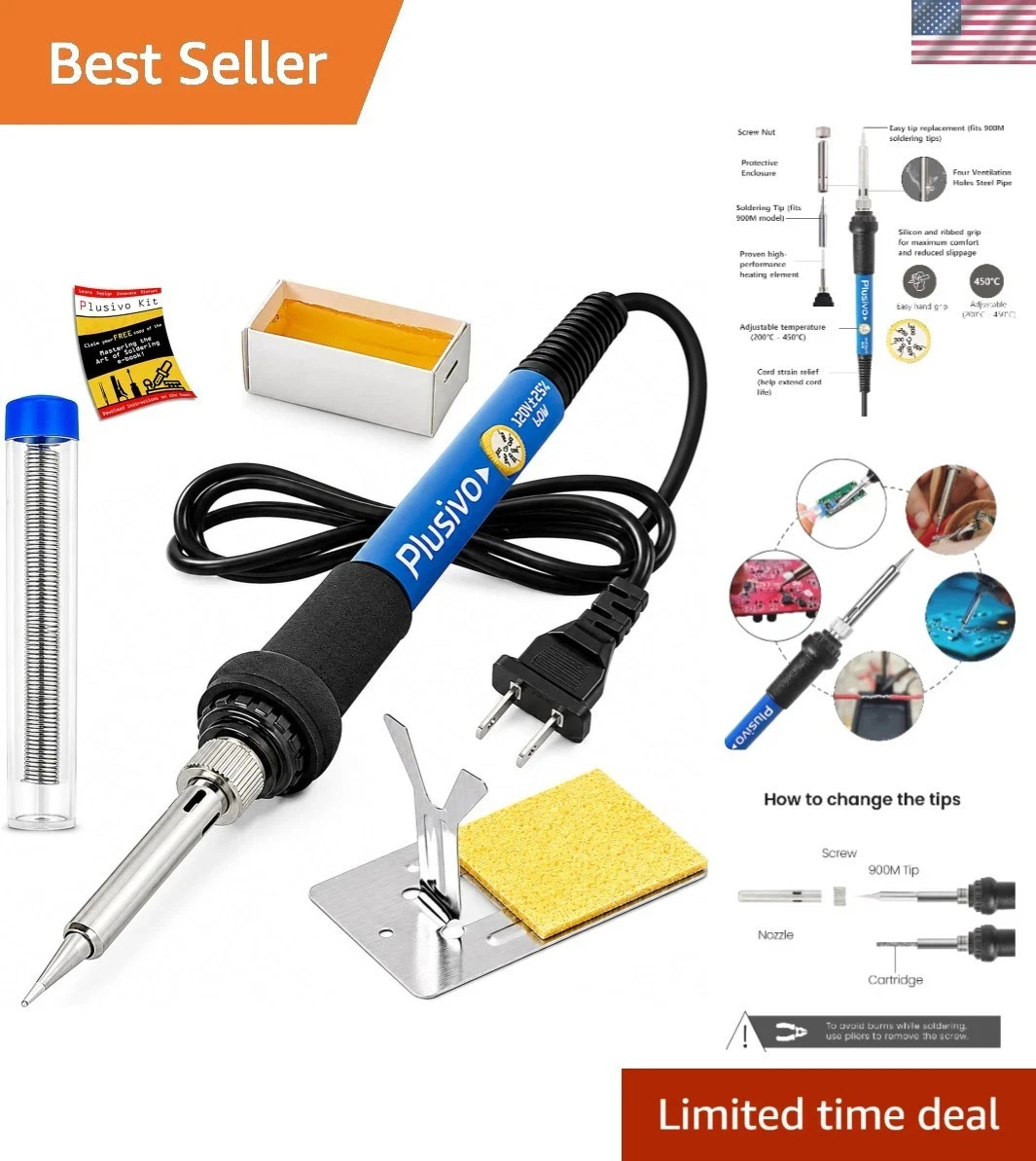 60W Adjustable Temperature 5-in-1 Soldering Iron Kit for DIY Electronics Repair$15.00View on eBay
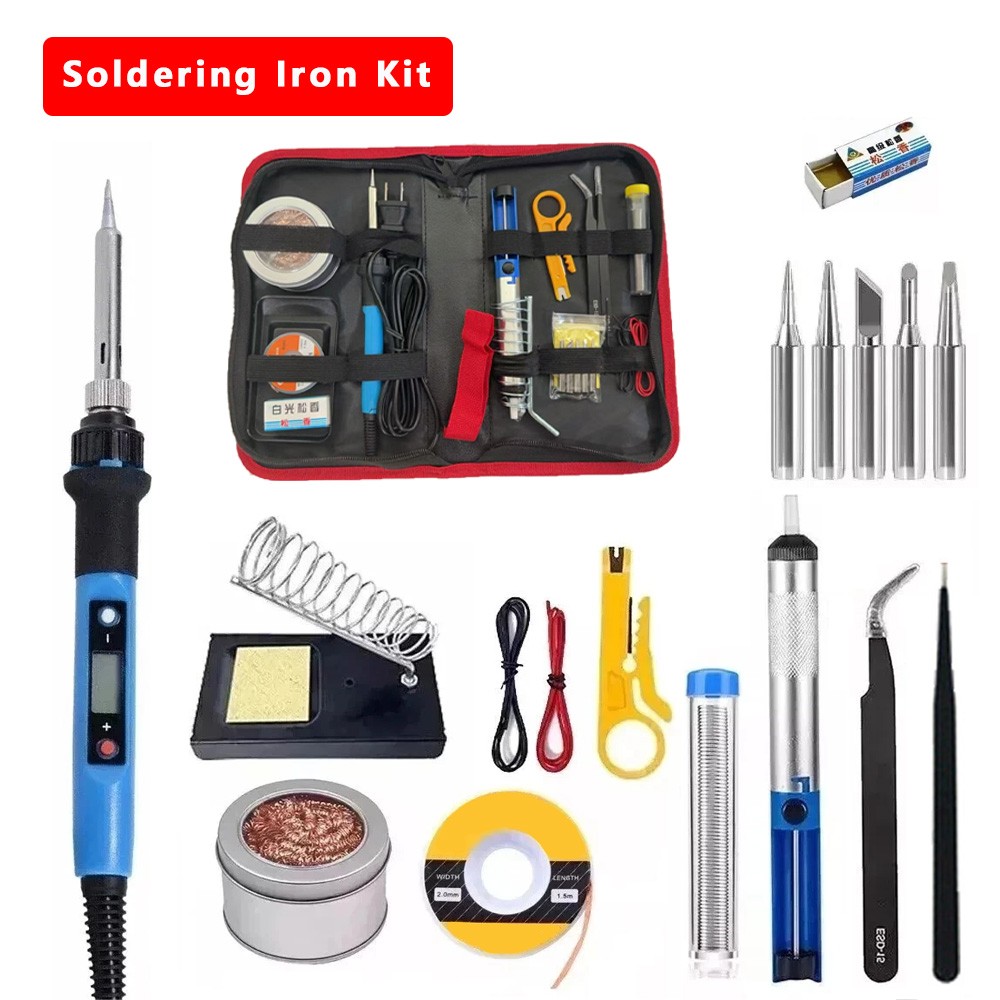 80W Electric Soldering Iron Welding Gun Tool Kit Solder Wire Desoldering Pumps$15.99View on eBay
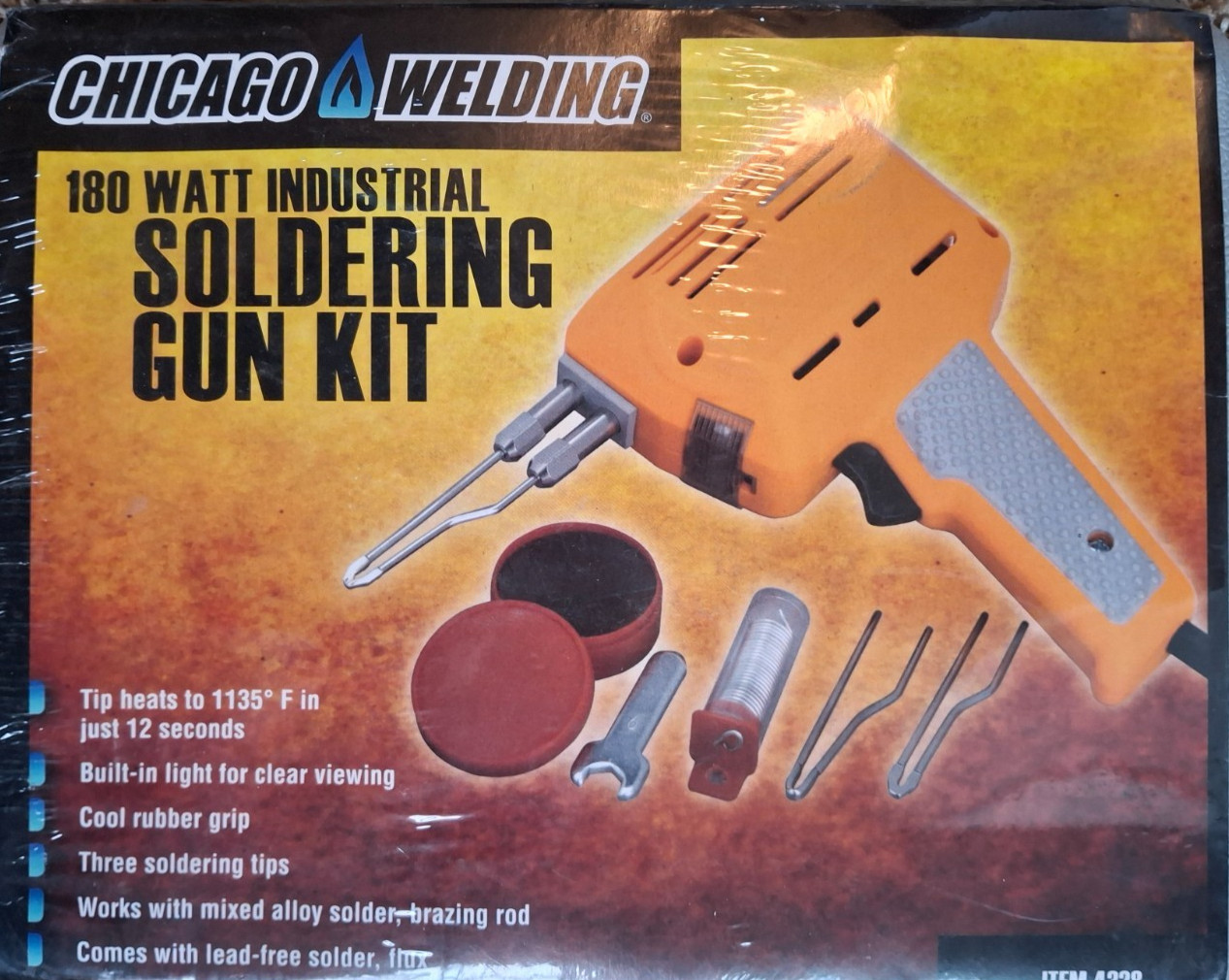 Chicago Electric Welding 180W Industrial Soldering Gun Kit w/ Tips Flux & Solder$19.99View on eBay
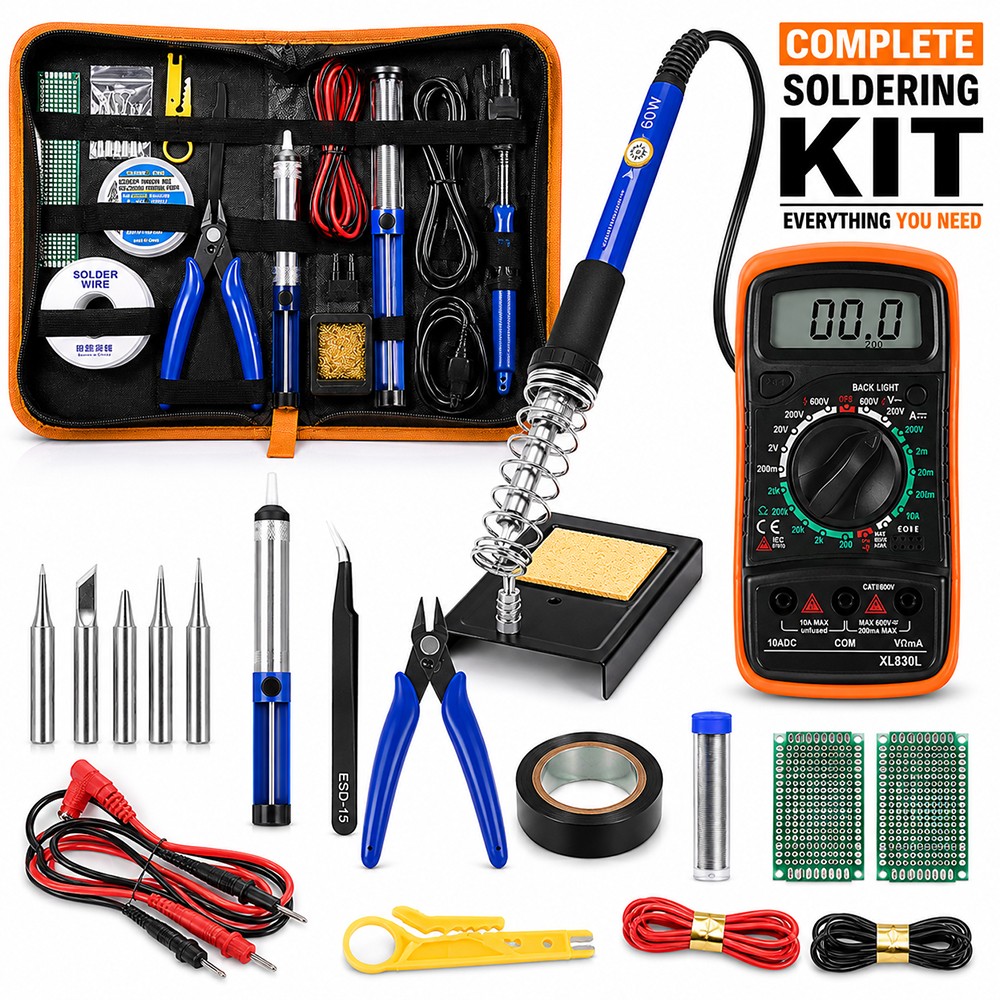 DIY Soldering Kit 60W Adjustable Iron Electronics Repair Set with Multimeter$21.84View on eBay
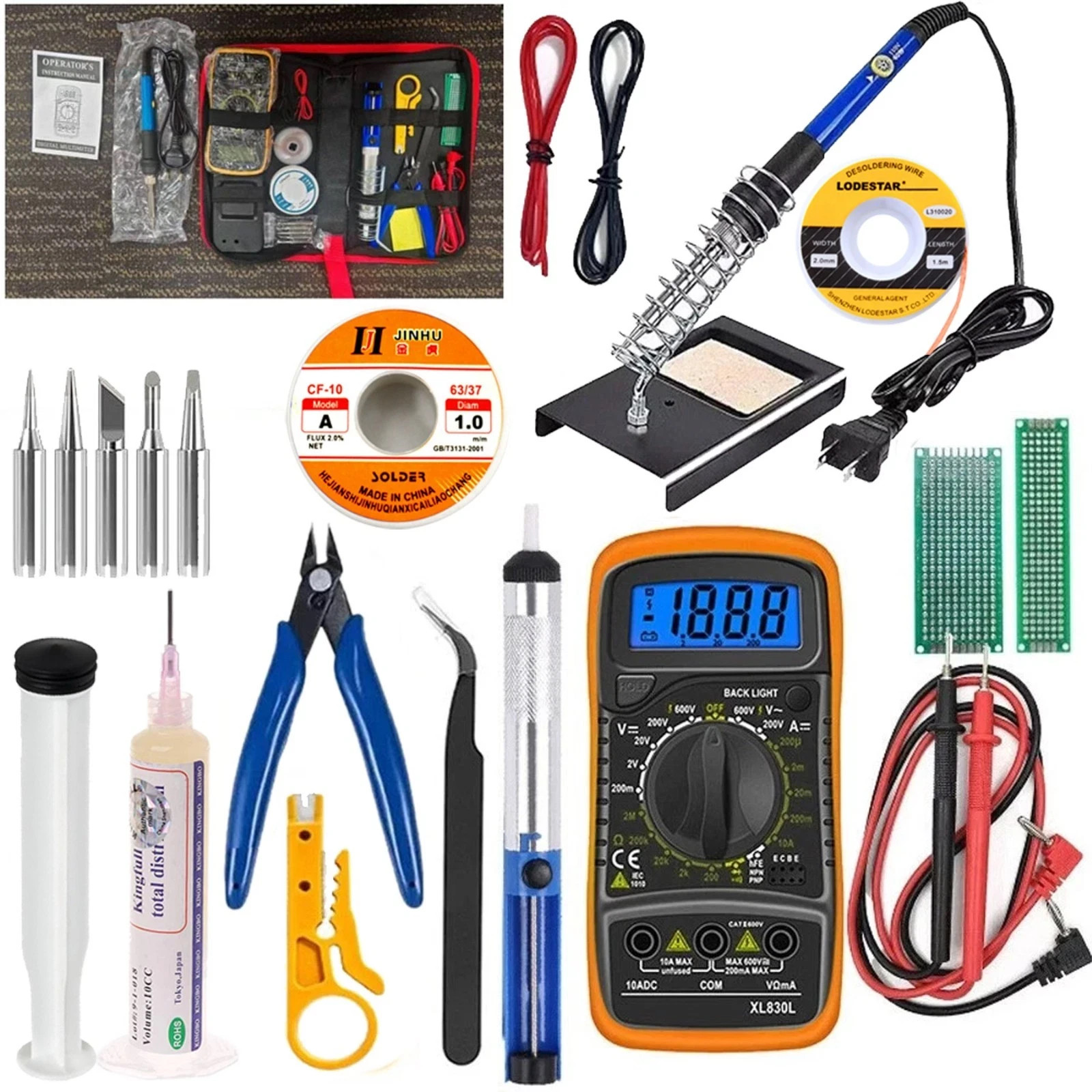 80W Electric Soldering Iron Welding Gun Tool Kit Solder Wire Desoldering Pumps$21.95View on eBay
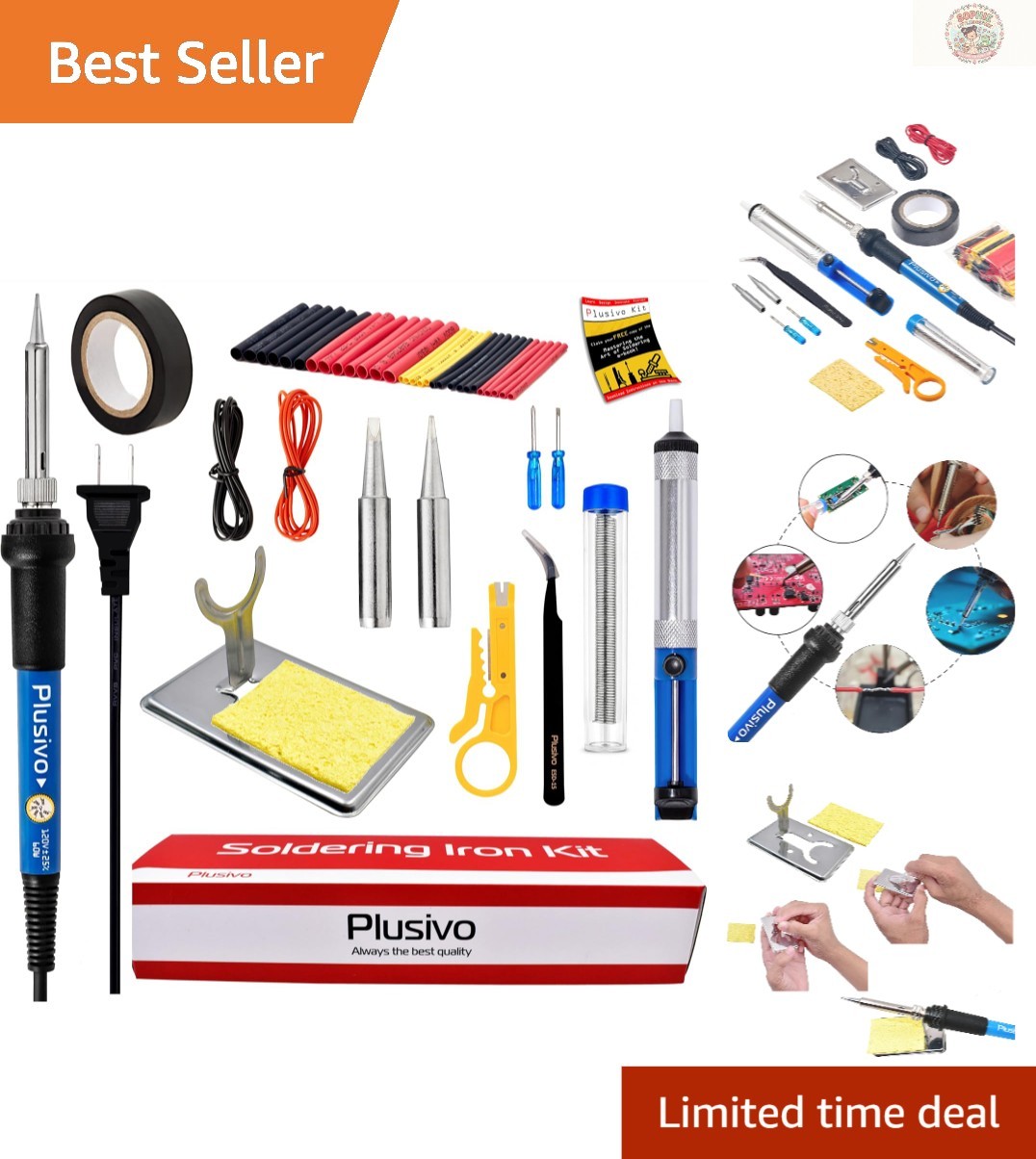 Versatile 60W Soldering Kit - Adjustable Heat, Complete for Electronics Repair$21.99View on eBay
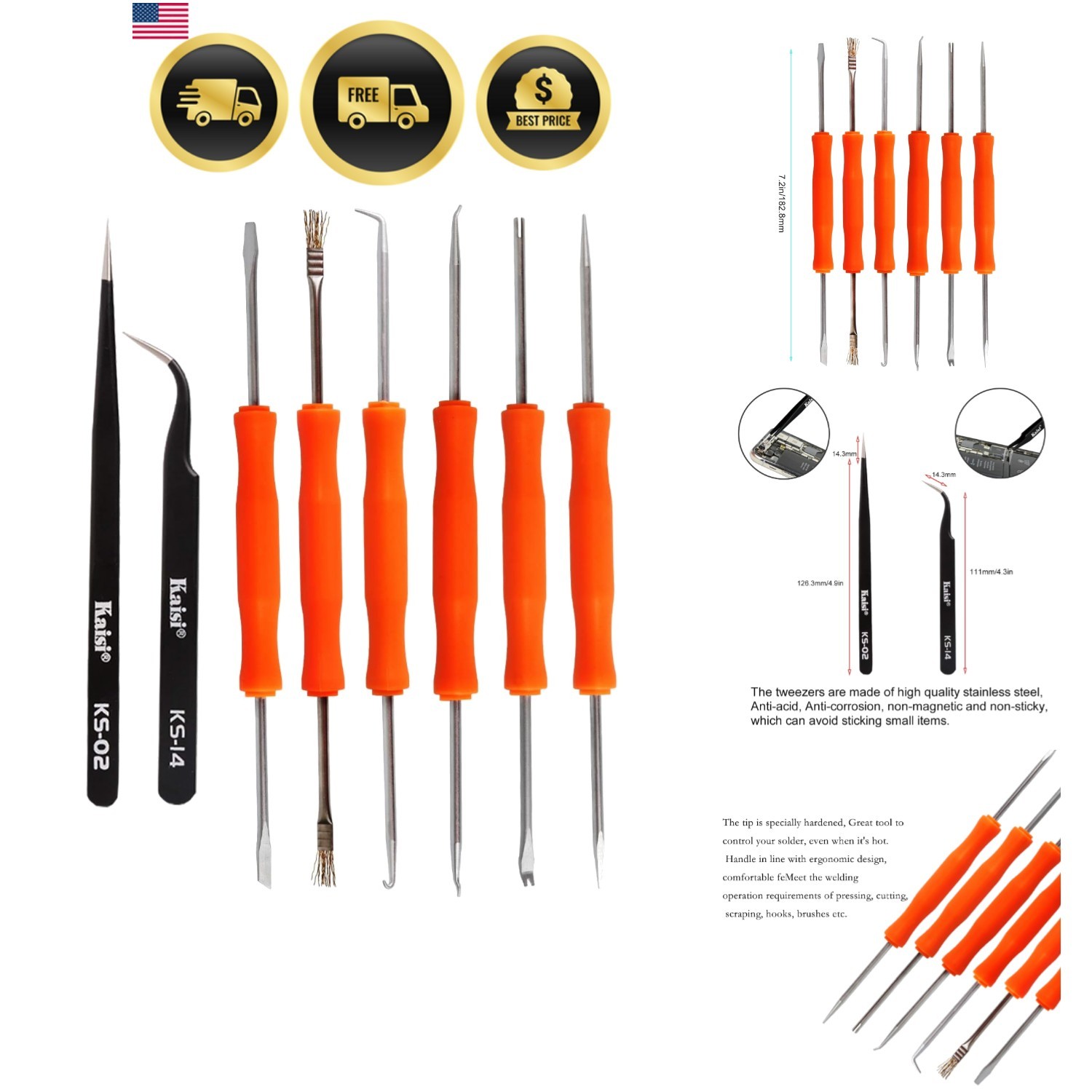 Soldering Aid Tool Kit with Tweezers for Electronics Repair Soldering and Des...$23.86View on eBay
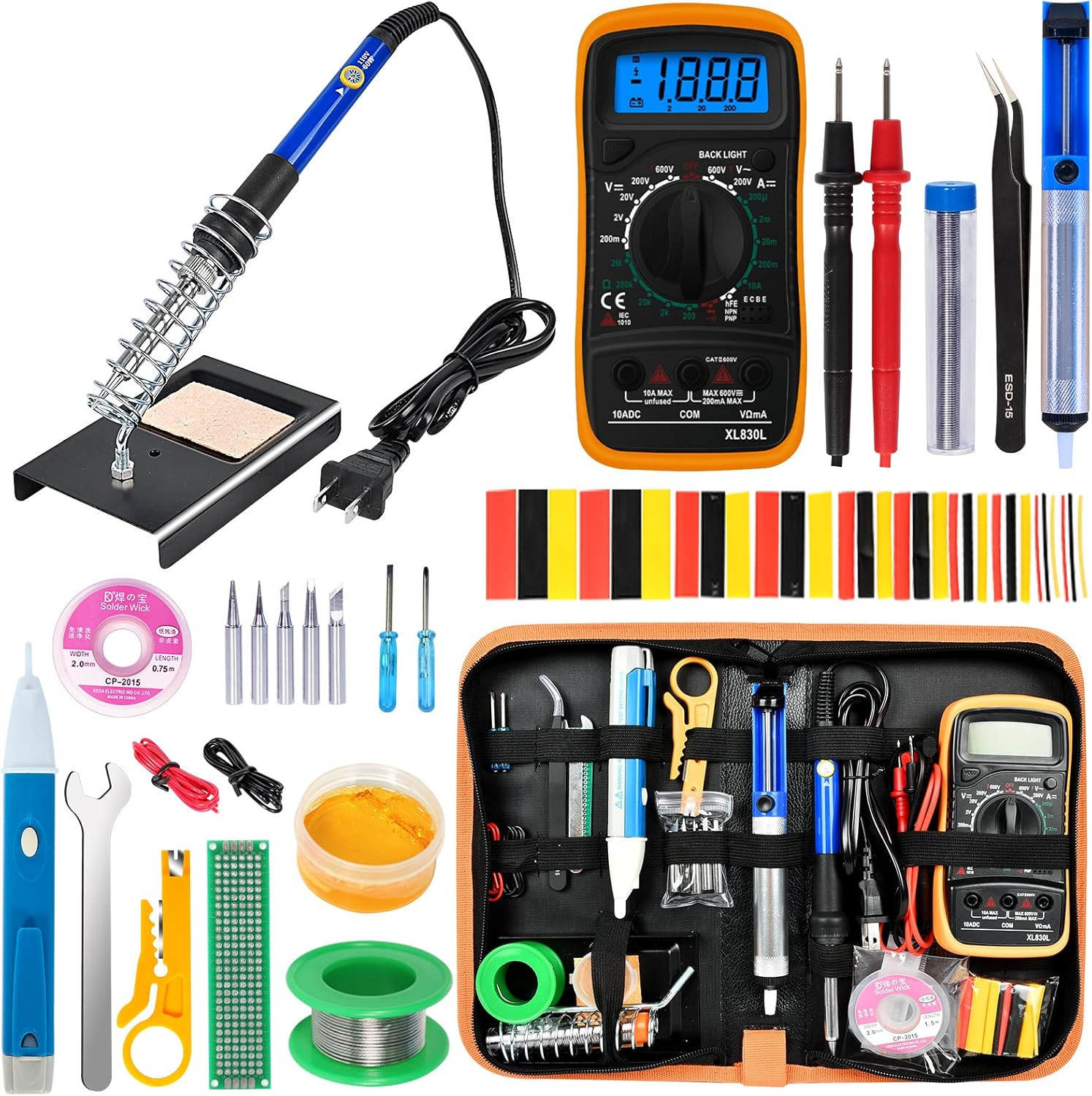 Electronics Soldering Kit 18 Piece Iron Multimeter Pump Tester Repair Tools$28.41View on eBay
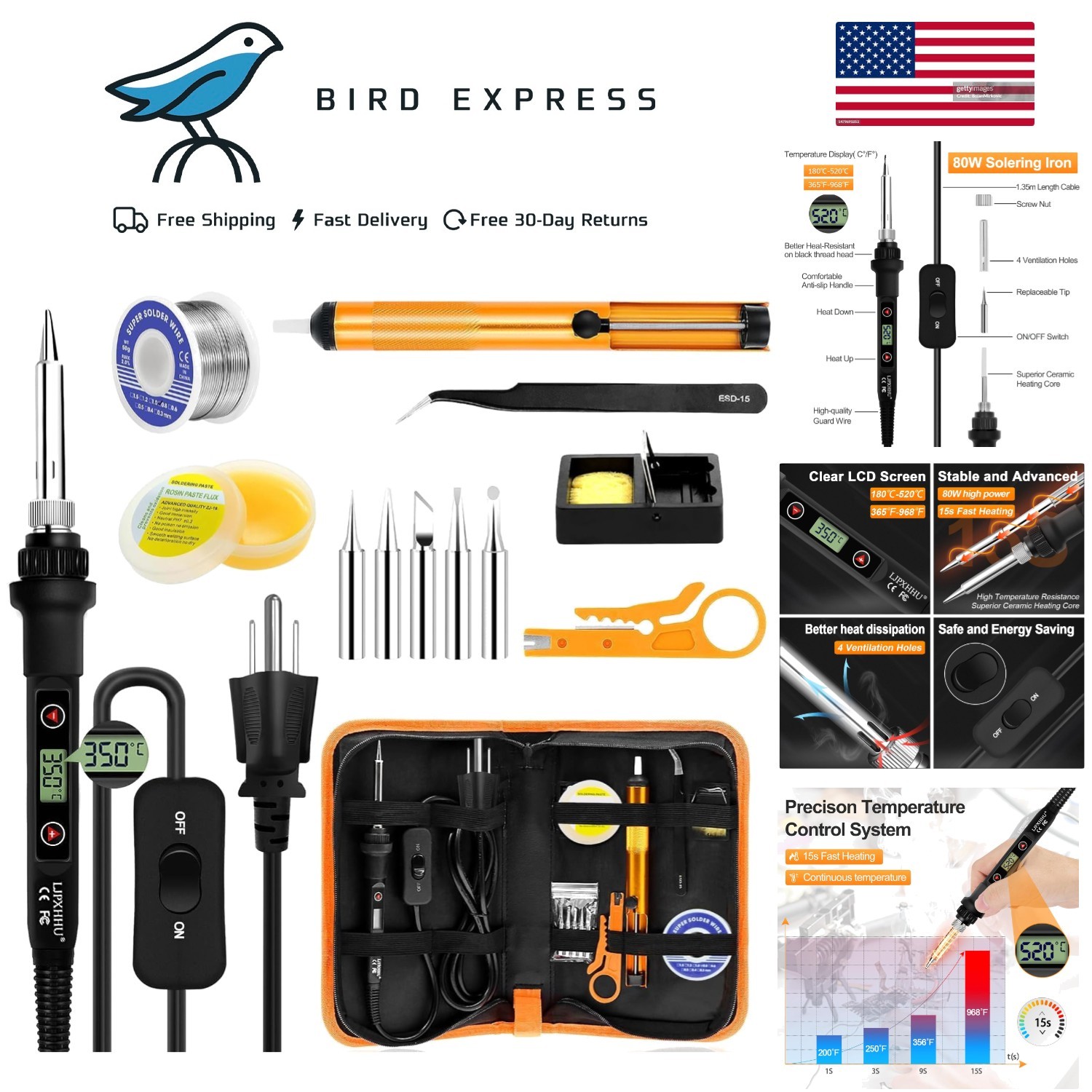 80W Digital Soldering Iron Kit w LCD Display, 13-in-1 Electronics Repair Tools$28.79View on eBay
Highlights
- Power tiers matter: 60W irons handle most through-hole and light SMD work; 80W+ models recover faster on ground planes and thicker joints, but only if the tip is regulated.
- Temperature regulation separates tiers: adjustable analog dial kits regulate poorly versus digital PID/thermostat circuits that hold setpoint within a few degrees under load.
- Tip geometry and material drive longevity: copper cores with iron plating and interchangeable 900M-series tips outlast fixed conical tips and allow fine-pitch work.
- Grounded, ESD-safe construction and ceramic heating elements are the key durability and component-safety differentiators versus cheap nichrome-wire irons.
Best use cases
- Best fit: beginners and occasional DIYers doing PCB rework, wires, and connectors — pick a 60W adjustable-temperature kit with 900M tips, a stand, and desoldering pump.
- Best fit: frequent repair techs working ground planes and larger joints — choose an 80W digital station with LCD setpoint and fast thermal recovery, skipping fixed-wattage pencil irons.
- Wrong fit: production or lead-free rework at scale — a handheld iron kit lacks the thermal mass and tip selection of a proper soldering station; step up to a station with interchangeable high-mass tips.
- Wrong fit: SMD and fine-pitch component work — skip the 6-piece aid kits alone and pair fine tweezers with a temperature-controlled iron and a fine conical or chisel tip.
Buying tips
- Match wattage to joint mass: 60W for typical 18–22 AWG wire and through-hole pads; 80W+ for ground planes, battery tabs, and 12–14 AWG wire.
- Require a temperature range of at least 200–450°C with a thermostat or PID controller; a simple dimmer-style dial is not true temperature regulation.
- Confirm the tip series (900M/900M-T is the common interchangeable standard) and buy spare tips in chisel and conical shapes at purchase.
- Choose 110V/60Hz models for North American outlets; a 220V iron on 110V underheats and a 110V iron on 220V overheats and fails — voltage must match the outlet.
Specs
| Power | 60W vs 80W+ regulated |
|---|---|
| Temperature Control | Fixed vs adjustable 200–450°C |
| Tip Type | 900M interchangeable vs fixed |
| Voltage | 110V/60Hz vs 220V/50Hz |
Related searches
What to check before buying
- Verify outlet voltage (110–120V in North America) and plug type match the iron's rating before ordering.
- Measure bench space for the stand and case; kits with a case need roughly a shoebox footprint, stations need a clear heat-safe area.
- Ensure the kit includes a heat-resistant stand, sponge or brass wool, and spare tips — these companion parts are required for safe, repeatable work.
- Check that the iron is grounded/ESD-safe if working on CMOS components, and that the handle grip stays cool during extended use.
FAQ
Data sources: eBay / Amazon listings and product attribute feeds Data updated Nov 20, 2026.
Some links on this page are affiliate links. If you buy after clicking one, we may earn a commission at no extra cost to you. This does not change which products appear here or their order. Affiliate disclosure.