Photos from current listings. Actual item, color, and included accessories may vary.
Portable Work Bench Table Buying Guide
A portable work bench table is a folding or collapsible platform that replaces a fixed shop bench for sawing, assembly, and repair tasks. The core trade-off is between light weight (easy transport) and rigidity/stability under load; most failures occur at hinge points and leg locks, not the top surface. The clear rule: choose a bench rated for at least 2x your heaviest expected load and with metal-to-metal locking hinges; skip any bench using plastic pivot pins or unbraced folding legs.

At a glance
- Category
- Workbenches & Shop Equipment
- Data updated
- Nov 20, 2026
Current offers
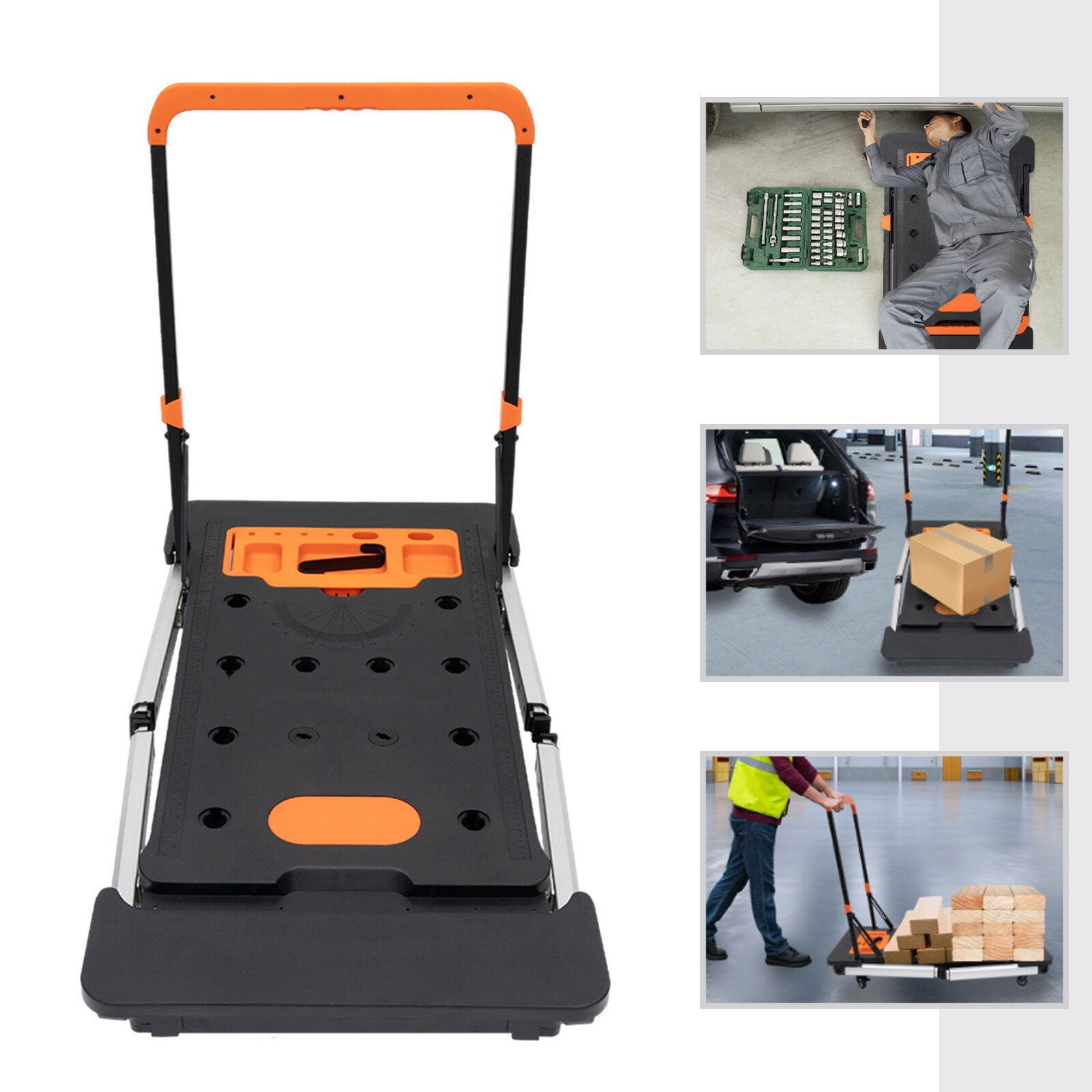 Multifunctional Workbench Portable Folding Work Table 7-in-1 Workbench Load$92.59
 View on eBay
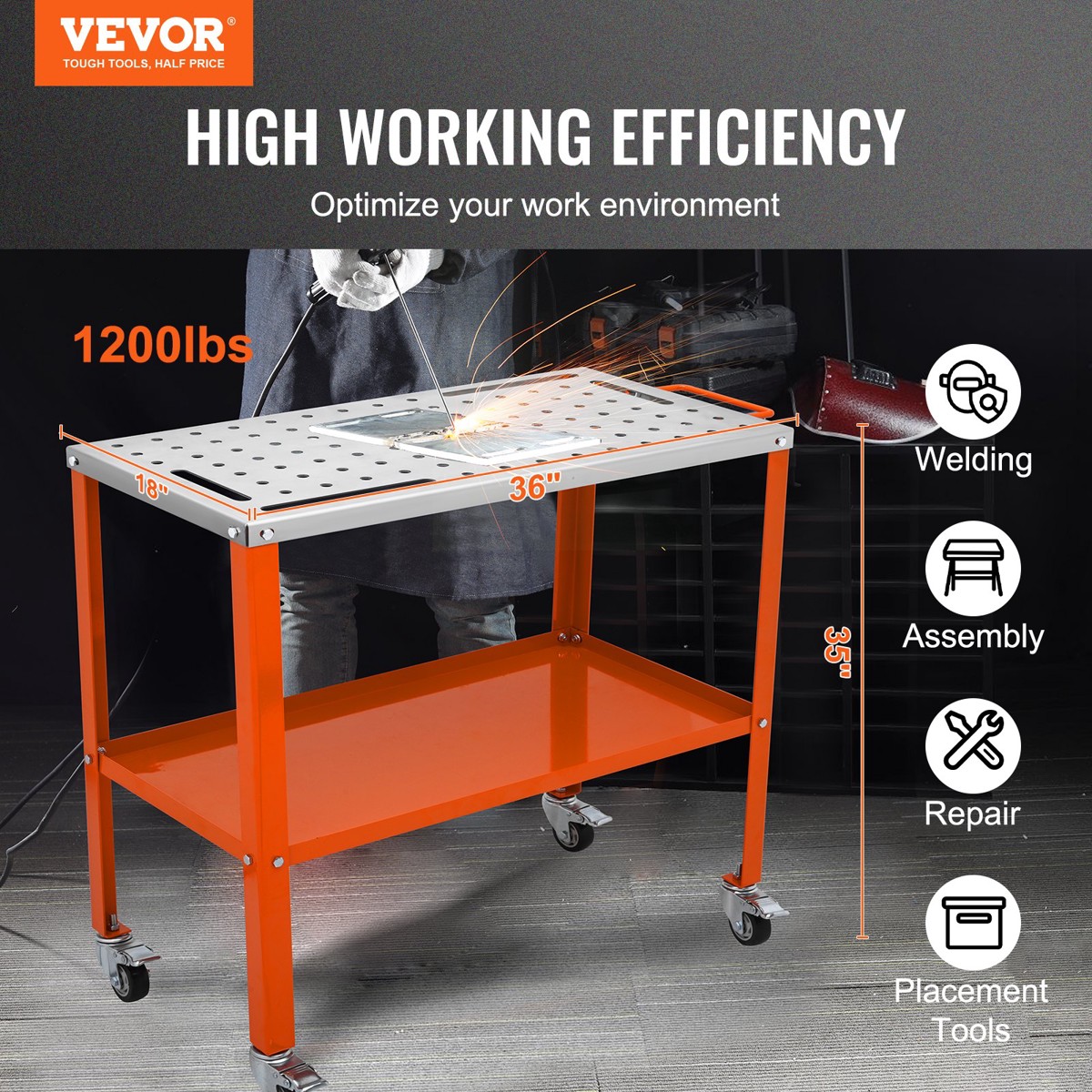 Welding Table, 1200lbs Load Capacity Steel Workbench On Wheels, Portable Work Bench With Braking Lockable Casters, 4 Tool Slots$106.99
 View on Mallflare
 7-in-1 Multifunctional Workbench Portable Folding Work Table Workbench Load$93.42View on eBay
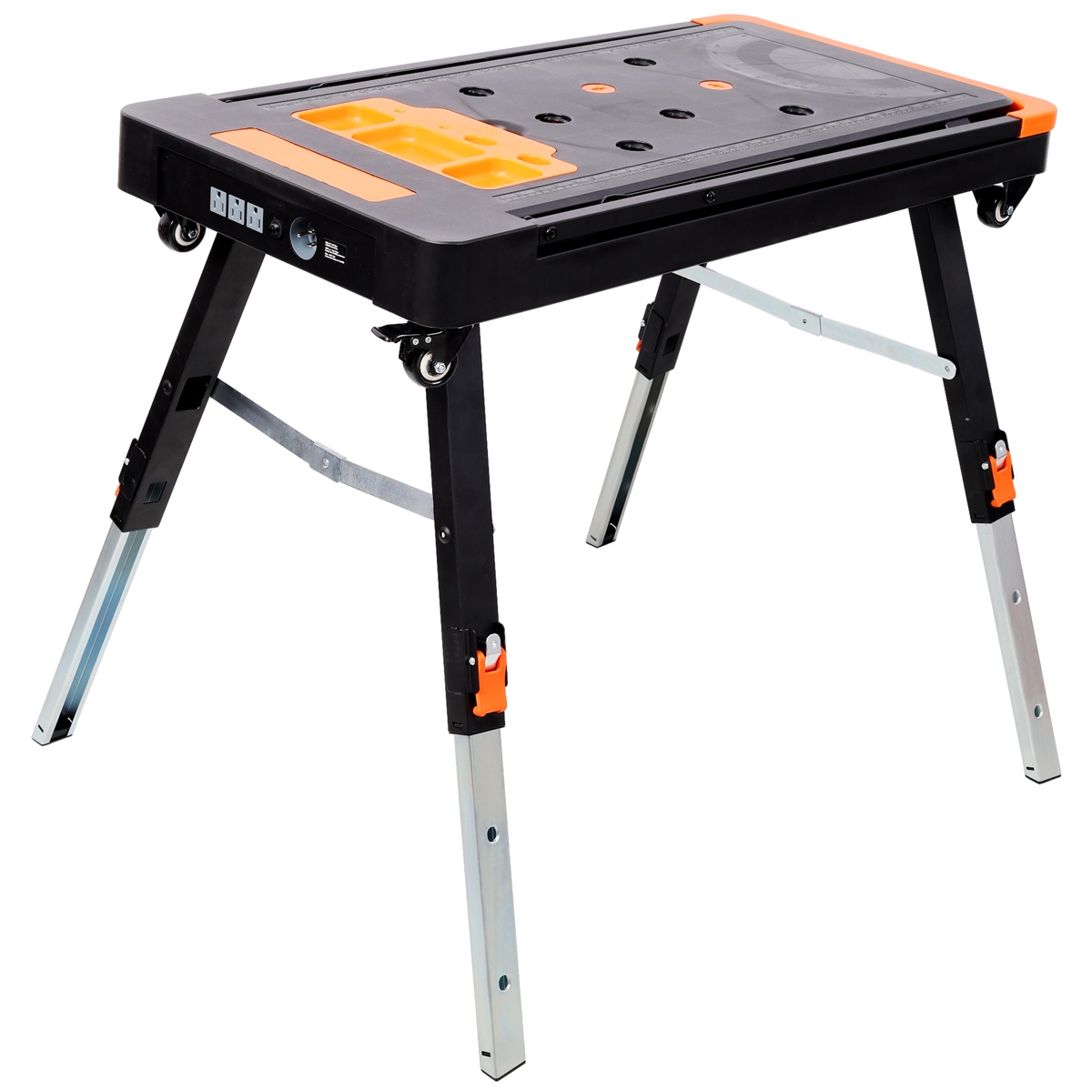 8-in-1 Multifunctional Folding Work Table with US Standard Socket, Portable Heavy Duty Workbench Wheels for Garage Workshop Home Use$218.99View on Mallflare
- 7-in-1 Multifunctional Workbench Portable Folding Work Table Workbench Load$119.26View on eBay
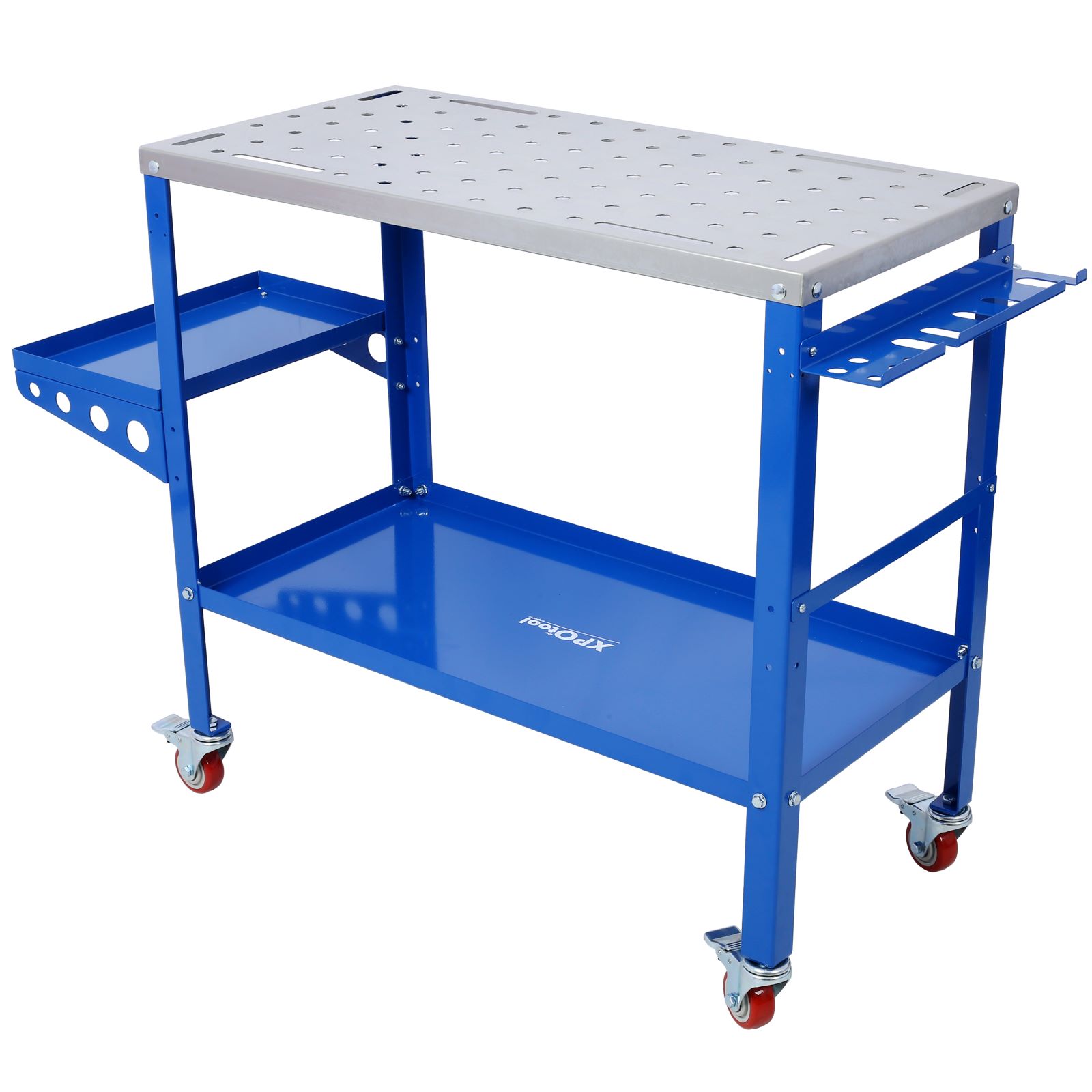 Welding Table 36"x18", 1200lbs Load Capacity Steel Workbench on Wheels, Portable Work Bench with Braking Lockable Casters, Tool Slots, 5/8-inch Fixture Holes, Tray$234.99View on Mallflare
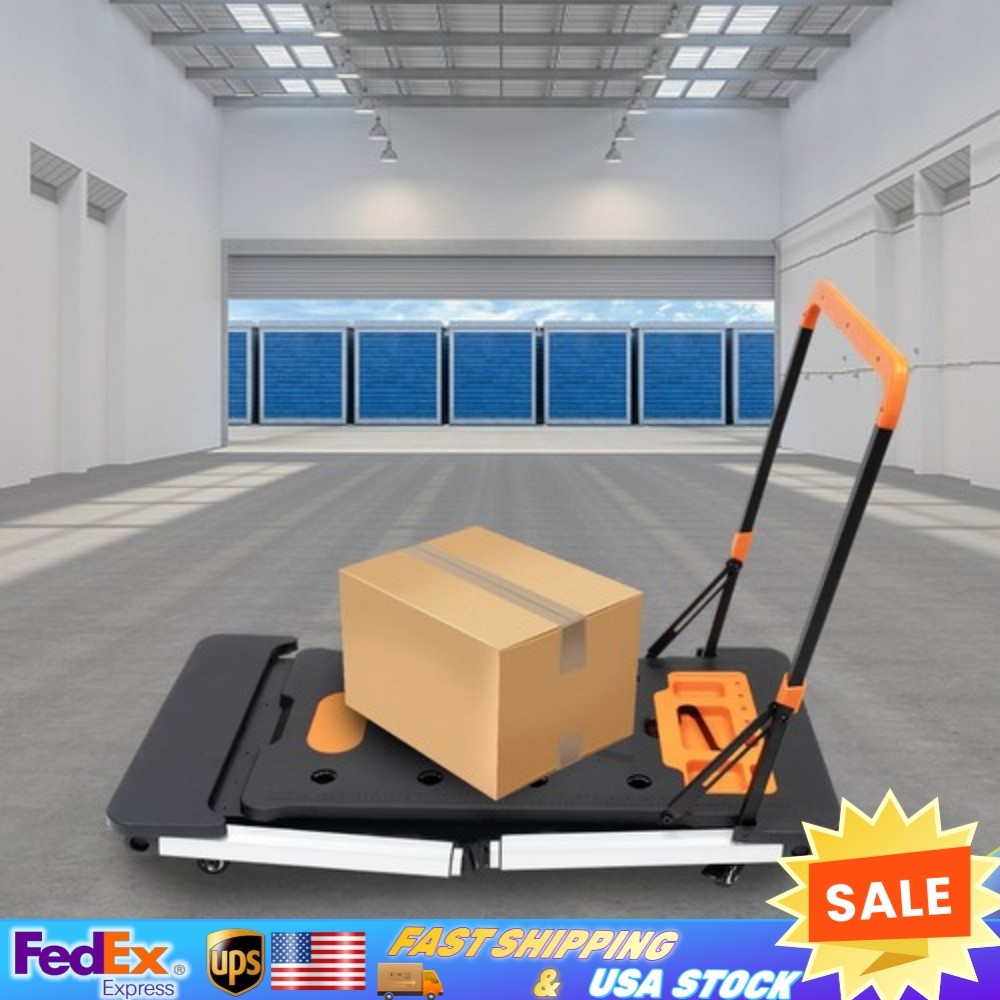 7-in-1 Multifunctional Workbench Portable Folding Work Table Workbench Load$140.16View on eBay
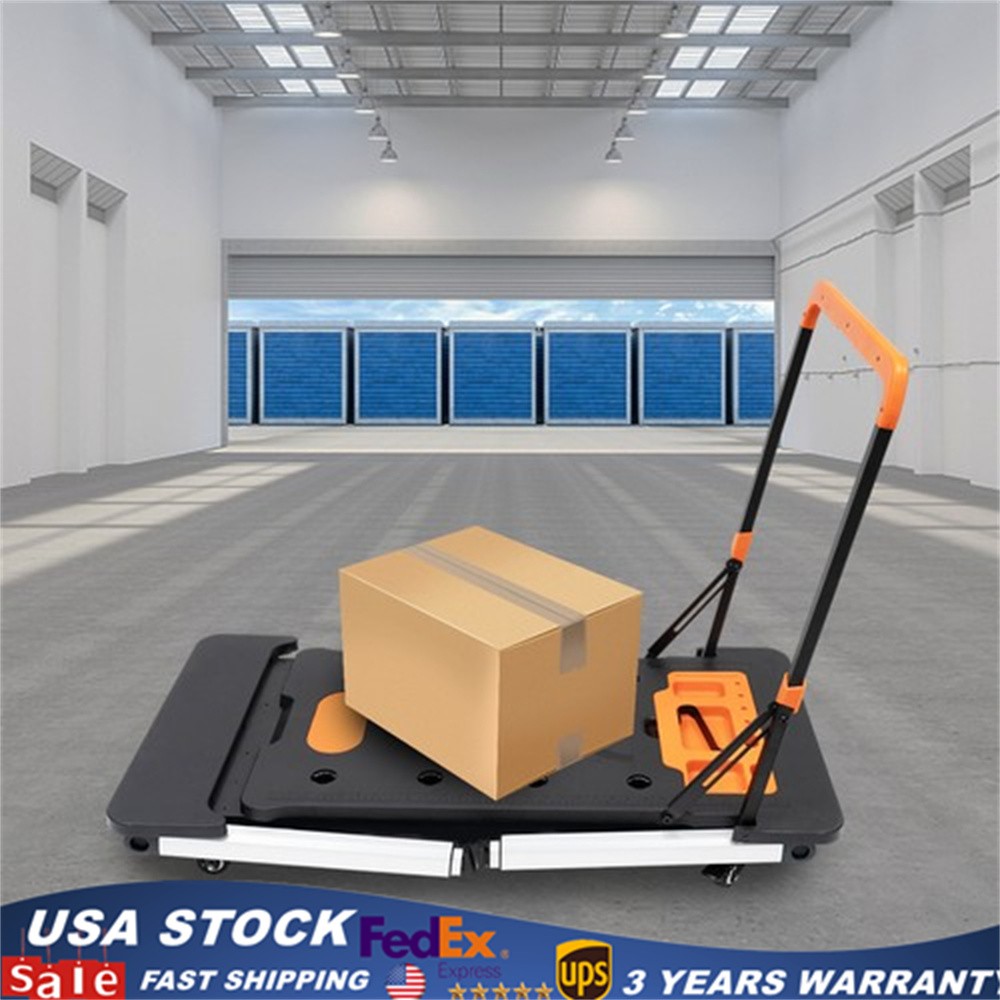 7-in-1 Portable Workbench Folding Sawhorse Work Table 550LBS Capacity 1090x550mm$140.64View on eBay
- 7-in-1 Portable Workbench Folding Sawhorse Work Table 550LBS Capacity 1090x550mm$142.64View on eBay
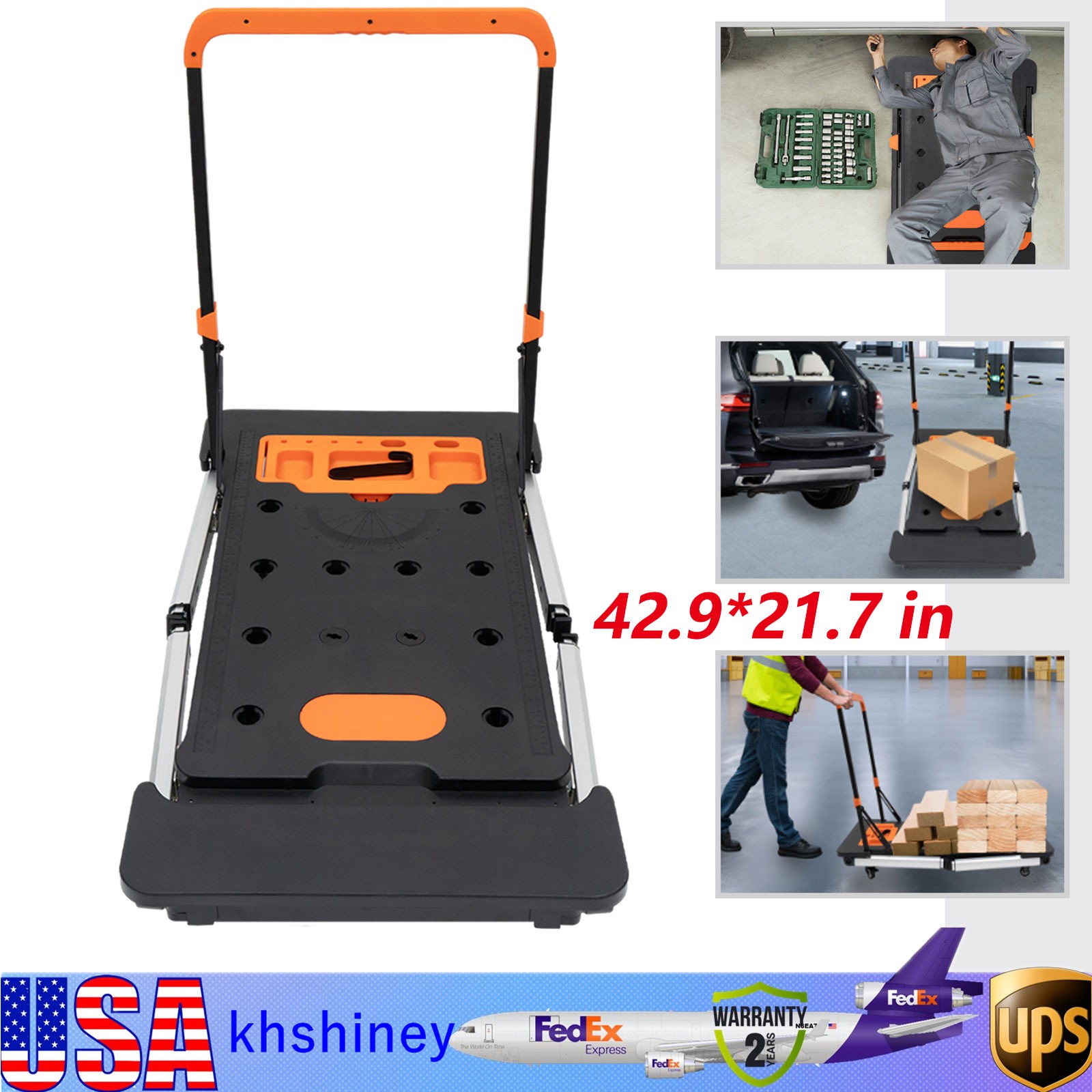 Multifunctional Workbench Portable Folding Work Table 7-in-1 Workbench Load$146.28View on eBay
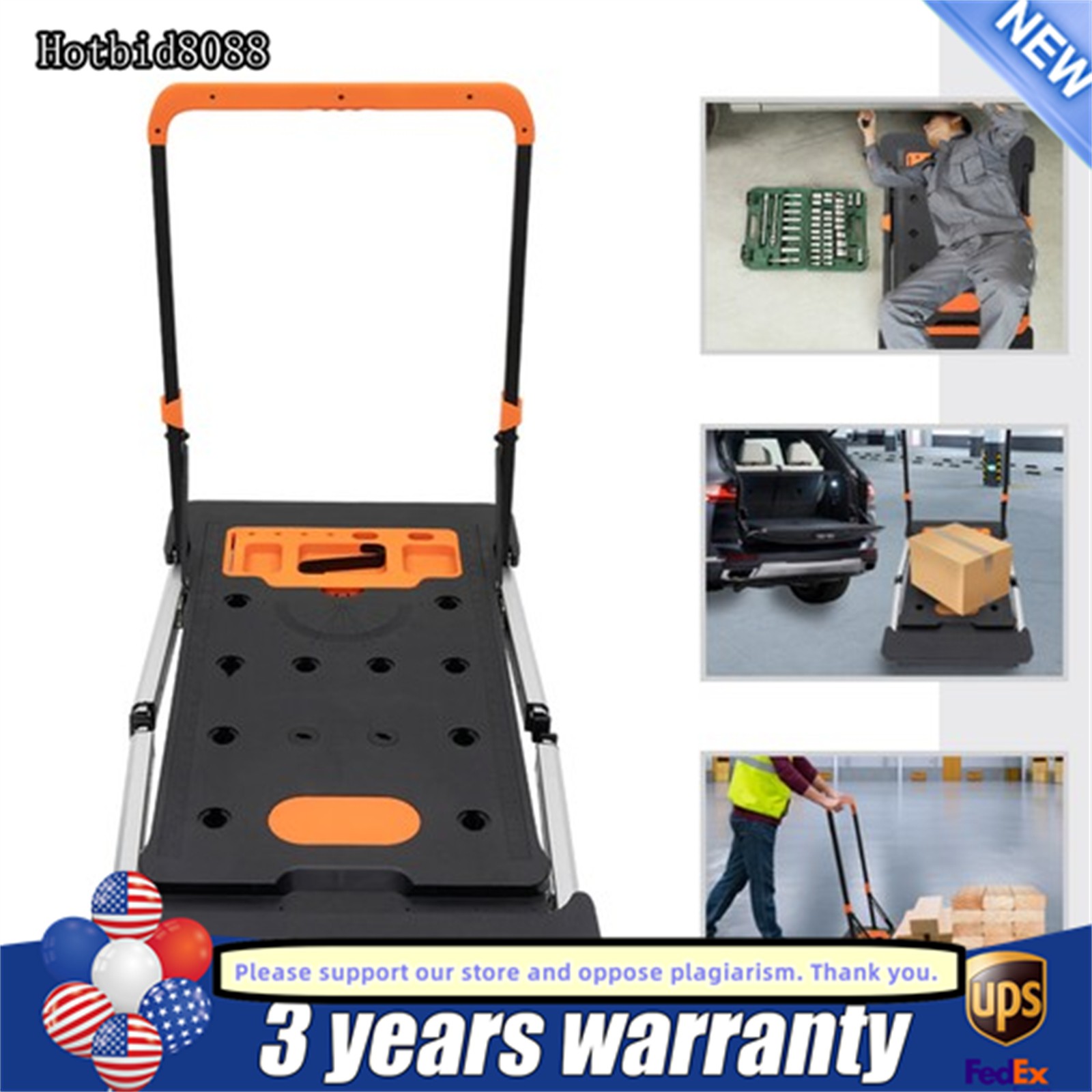 7-in-1 Multifunctional Workbench Portable Folding Work Table Workbench Load$149.63View on eBay
- 7-in-1 Multifunctional Workbench Portable Folding Work Table Workbench Load$149.96View on eBay
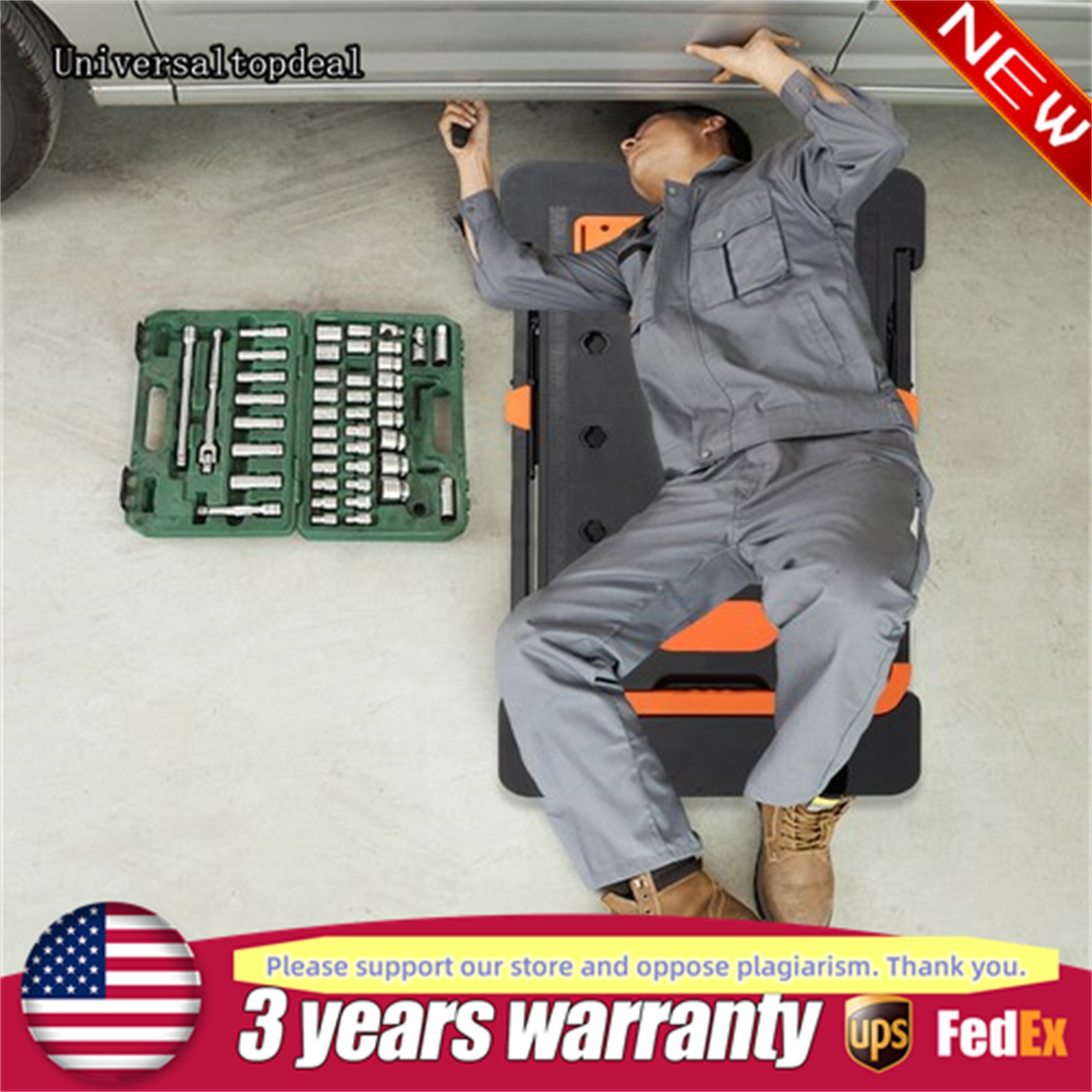 7-in-1 Multifunctional Workbench Portable Folding Work Table Workbench Load$150.50View on eBay
Highlights
- Folding work benches typically fall into two structural classes: a central scissor/X-frame with a single pivot (fast setup, less torsional rigidity) and a dual-leg trestle with independent locking legs (slower setup, far stiffer for hand-planing and sawing).
- Load ratings on portable benches are static and evenly distributed; a 550 lb rating does not mean 550 lb on one corner, so plan for a 50-70% derating for dynamic or off-center loads.
- Steel benches with lockable casters add mobility but require a level floor; braking casters on a sloped or cracked slab can creep under lateral force, making them unsuitable for hand-tool planing unless the casters are removed or chocked.
- Wood or MDF tops (typically 18-25 mm thick) accept dog holes and hold screws for jigs; steel or aluminum tops resist solvents and welding spatter but cannot be drilled or fastened into without dedicated clamps.
Best use cases
- Best fit: a 7-in-1 folding sawhorse-style bench (approx. 1090 x 550 mm top, 550 lb class) for trim carpentry, site assembly, and occasional crosscutting where portability and fast setup matter more than hand-plane rigidity.
- Best fit: a wheeled steel welding/fabrication table with lockable casters and 1200 lb class capacity for garage metalwork, where you need to roll the bench to the work and the top must resist spatter and grinding sparks.
- Wrong fit: any folding bench with plastic hinge pins or a single central pivot for sustained hand-planing, mortising, or heavy drawknife work — choose a fixed trestle bench or a dual-locking-leg folding model instead.
- Wrong fit: a wheeled bench on an uneven or sloped floor for tasks that generate lateral force (planing, prying); use a folding bench with rubber feet or remove/chock the casters.
Buying tips
- Match top height to your body: a general-purpose bench should put the work surface at roughly wrist height when standing (about 850-900 mm for most adults); sawing benches run lower, assembly benches higher.
- Check the folded footprint and weight before buying: a 1090 x 550 mm top typically folds to under 150 mm thick, but steel wheeled benches often weigh 30-50 kg and are not car-trunk portable.
- For hand-tool work, prioritize leg-lock design over load rating: metal over-center or spring-loaded detent locks with zero play beat a higher static rating on a plastic-pivot scissor frame.
- If you need to clamp work, confirm the top edge overhangs the frame by at least 50 mm on all sides so F-clamps and hold-downs can seat without hitting the legs.
Specs
| Frame Style | Scissor/X-fold vs dual-leg trestle |
|---|---|
| Load Rating | 550 lb (folding) to 1200 lb (steel) |
| Top Material | Wood/MDF vs steel/aluminum |
| Mobility | Folding flat vs lockable casters |
Related searches
What to check before buying
- Measure your vehicle cargo opening and trunk height: folding benches in the 1090 x 550 mm class usually fold flat, but wheeled steel tables often do not collapse and need a van or truck.
- Confirm floor type and levelness where the bench will be used; lockable casters need a flat, crack-free slab, while rubber-footed folding benches tolerate rougher surfaces.
- Verify the top material suits your tasks: wood/MDF for jigs and dog holes, steel for welding and solvents; mixed-use buyers should plan a sacrificial 18 mm plywood overlay on steel tops.
- Check clamp and vise compatibility: benchtop vises need a top thickness of at least 18 mm and an overhanging edge; dog-hole accessories require a wood top of 20 mm or more.
FAQ
Data sources: eBay / Amazon listings and product attribute feeds Data updated Nov 20, 2026.
Some links on this page are affiliate links. If you buy after clicking one, we may earn a commission at no extra cost to you. This does not change which products appear here or their order. Affiliate disclosure.