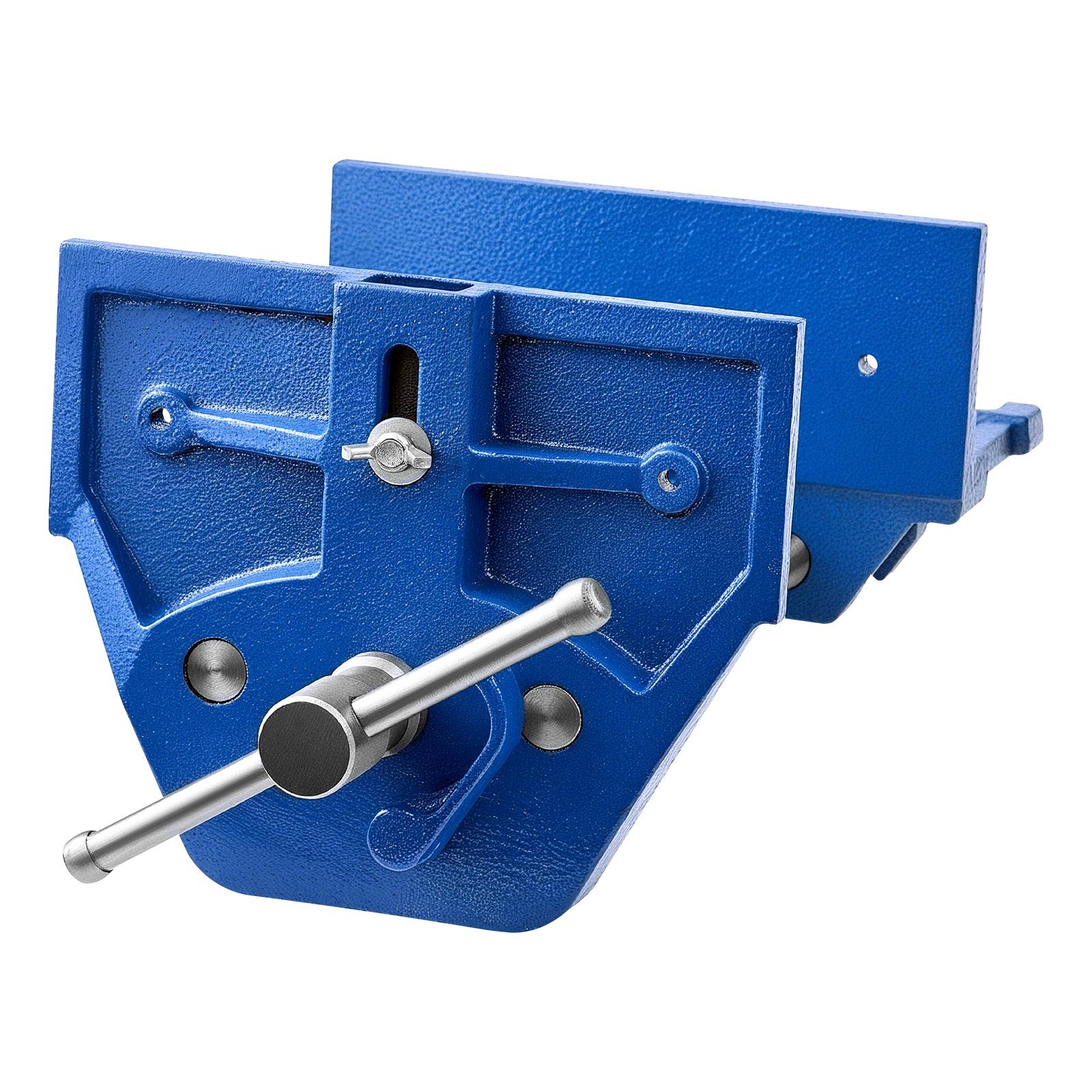

Photos from current listings. Actual item, color, and included accessories may vary.
Woodworking Bench Buying Guide
A woodworking bench is a rigid, flat workholding platform whose mass, joint stiffness, and vise quality determine whether hand-plane strokes stay flat or chatter. The core trade-off is between solid hardwood/plywood tops with proper mortise-and-tenon or bench-dog systems and lightweight MDF/steel benches that flex under planing force. Buy a bench that weighs at least 100 lb with a laminated top 2 inches or thicker and a quick-release vise; skip anything under 60 lb or with a hollow-core top.


At a glance
- Category
- Workbenches & Shop Equipment
- Data updated
- Nov 20, 2026
Current offers
Highlights
- Laminated hardwood or Baltic birch tops at 2.5-4 inches thick resist racking and damp vibration; tubular steel or hollow MDF tops flex and transfer chatter.
- Quick-release vises with 9-inch jaws and 10-inch+ opening handle most furniture parts; cast-iron screw and guide rods outlast stamped-steel or aluminum vises.
- Bench-dog hole grids at 3/4-inch diameter on 4-6 inch centers enable planing stops, holdfasts, and cross-cutting with a bench hook.
- A bench needs 100-300 lb mass or anchor points to stay put during heavy planing; knockdown bolt-together bases loosen over time versus glued mortise-and-tenon joinery.
Best use cases
- Hand-tool woodworking (planing, chiseling, joinery): choose a 4-inch-thick laminated maple or beech top with a tail vise and 3/4-inch dog holes, 200+ lb mass.
- Power-tool assembly and sanding: a 2.5-inch plywood top with a 9-inch quick-release vise and lower shelf is sufficient; skip the tail vise and dog-hole grid.
- Small apartment or garage shop: a knockdown bench with 2-inch top and bolt-through legs fits, but skip it for heavy planing; choose a wall-anchored folding bench instead.
- Drilling and metalwork: a cast-iron 9-inch jaw vise mounted to a steel-frame bench handles it; skip the wooden top for welding or solvent work.
Buying tips
- Match top thickness to work: under 2 inches flexes under hand-plane force; 2.5-3 inches suits hybrid work; 4 inches is ideal for sustained hand-tool planing.
- Vise jaw width of 9 inches and opening of 10 inches covers most stock; quick-release screws disengage for fast repositioning, while standard screws require full winding.
- Bench height should equal your palm-to-floor distance when standing (typically 33-36 inches); add 2-3 inches for hand-plane work or subtract for assembly.
- Check base joinery: glued mortise-and-tenon or drawbored joints stay rigid; bolts and brackets need re-tightening and allow racking under lateral planing force.
Specs
| Top Material | Laminated maple/beech vs MDF/plywood |
|---|---|
| Top Thickness | 2.5-4 in (hand tools); 1.5-2 in (assembly) |
| Vise Type | Quick-release 9-in jaw vs standard screw |
| Base Joinery | Mortise-and-tenon vs bolt-together |
Related searches
What to check before buying
- Measure your floor space for the bench footprint plus 3 feet of clearance on the vise side and 2 feet at each end for stock overhang.
- Confirm ceiling and door clearance for a 33-36 inch bench height plus the longest board you plan to plane vertically on end.
- Verify floor flatness and anchoring: a 200+ lb bench on an uneven slab rocks; shim legs or choose adjustable leveling feet.
- Check vise mounting: cast-iron vises need 1/2-inch or thicker top material and through-bolts; confirm the bench apron depth clears the vise body.
FAQ
Data sources: eBay / Amazon listings and product attribute feeds Data updated Nov 20, 2026.
Some links on this page are affiliate links. If you buy after clicking one, we may earn a commission at no extra cost to you. This does not change which products appear here or their order. Affiliate disclosure.