Choosing between FDM 3D printers is a practical fork: do you need more room and a contained setup for long jobs, or a workflow geared toward colorful models and hands-on handling? Flashforge Guider II and AD5X take different routes. Match the machine to the kind of prints and projects you plan to make before weighing the extras.
Quick verdict
Guider II is the fit when its stated long-duration brief is the priority. AD5X is the fit when auto refill and removable-plate handling are more useful. The listed prices are $550.81 apart, so decide by the workflow you will actually use rather than by a generic feature count.
Compact comparison
| Comparison point | Flashforge Guider II | FLASHFORGE AD5X |
|---|---|---|
| Listed price | USD 899.81 | USD 349.00 |
| Listed print format | Large-format enclosed FDM printer | 220 × 220 × 220 mm FDM printer |
Where each printer wins
Flashforge Guider II
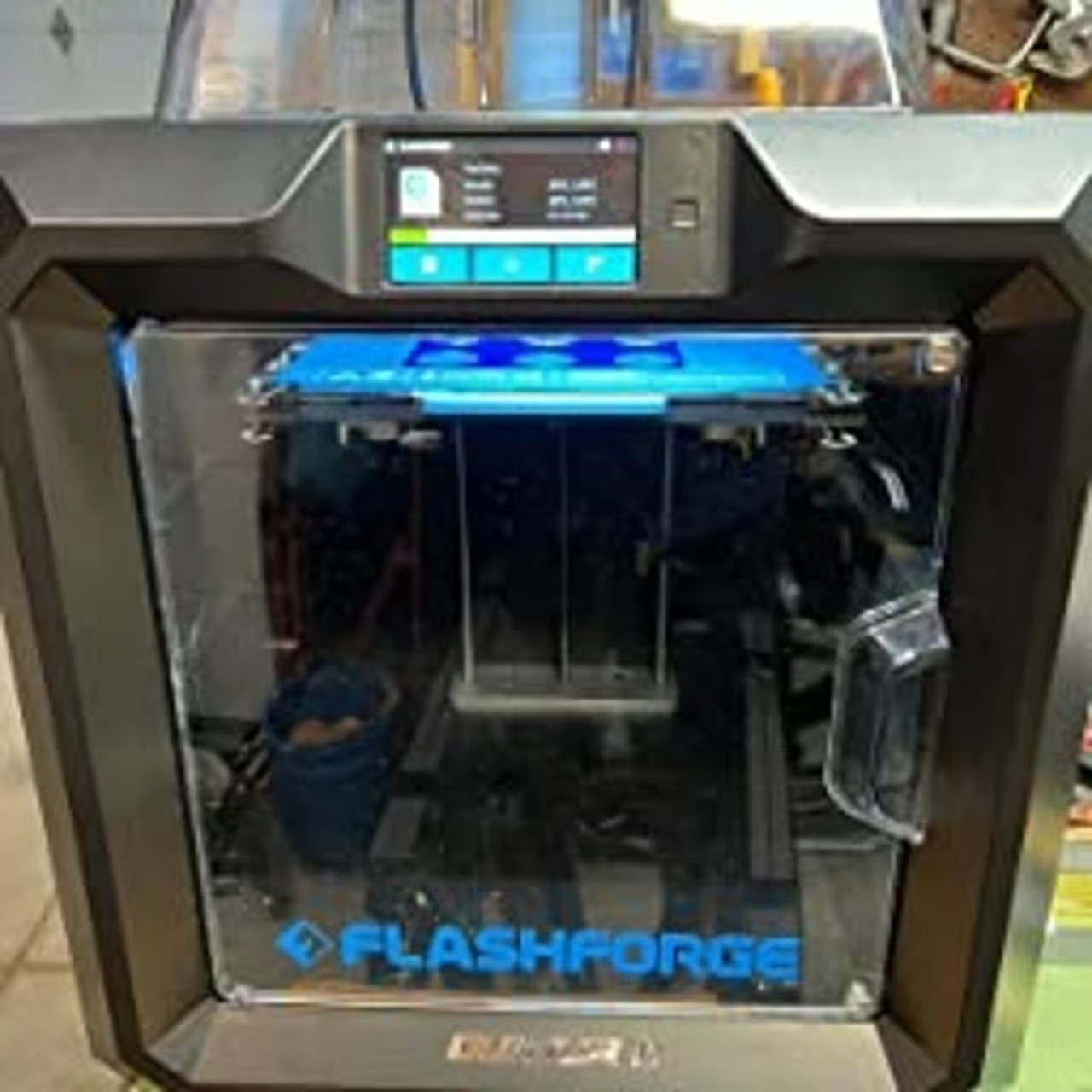
Guider II wins on stated project scope. Its description names prototyping, production, engineering, and long-duration projects, while its attributes specify PLA, ABS, and PETG compatibility, a heated build plate, and resume printing. Those details give it a concrete lane for varied filament work and extended jobs. The description also names WiFi and touchscreen controls, making the workflow easy to identify. It is the clearer match when those named uses, rather than color changes, drive the purchase.
FLASHFORGE AD5X
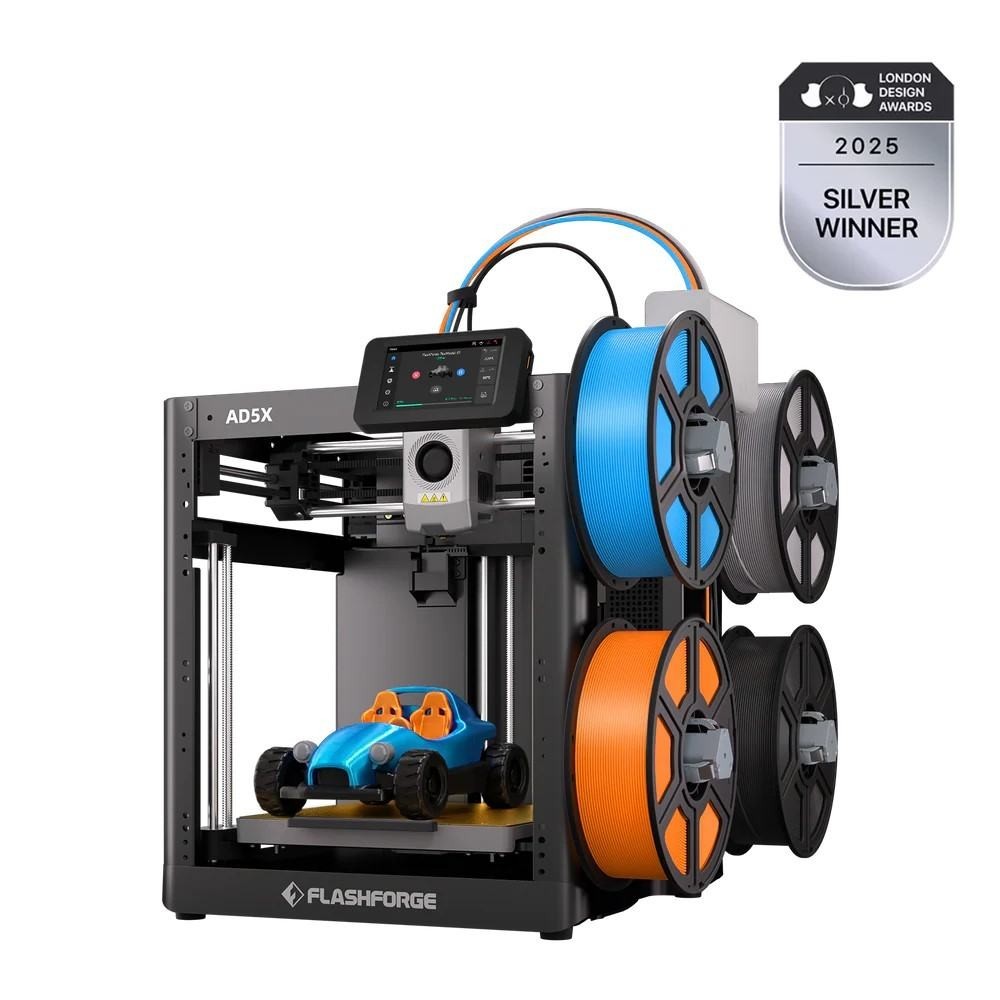
AD5X wins for a color-led workflow. Its description specifies four-color printing, while the product is presented with multi-color IFS and high-speed printing. The direct-drive extruder integrates the hotend, cooling fan, cutter module, filament sensor, heat sink, and nozzle, with tool-free nozzle changes. Its flexible removable PEI steel plate adds a second concrete handling detail. The high-speed wording is descriptive, not a guarantee that it suits every project. Choose AD5X when four-color output and the listed handling features lead the brief.
Product notes
Flashforge Guider II
Flashforge Guider II is a fit for shoppers whose material list includes PLA, ABS, or PETG. The description also names a 3D printer and tools bundle, plus touchscreen controls, giving the setup a clear hands-on starting point. Those are concrete reasons to choose it for varied filament projects. The limitation is its USD 899.81 listed price, which asks more of the budget than the AD5X. Choose Guider II when the material range and long-project brief justify that price; otherwise, its project scope may be more than you need.
FLASHFORGE AD5X
FLASHFORGE AD5X is a fit for shoppers who want named software and interface choices: Orca-Flashforge, Flash Maker, Flash Studio, Ethernet, USB 2.0, and Wi-Fi are specified. The direct-drive extruder and tool-free nozzle changes give the workflow a concrete hands-on reason to choose it. Its limitation is the listed 220 × 220 × 220 mm print space, so models that exceed that stated space call for a different format. The AD5X makes the most sense when app access and hands-on control matter more than a larger workspace. That makes it a focused choice for model makers with a clearly defined workflow.
Final choice by use case
- Large-format enclosed printing: Flashforge Guider II. That format is explicit in its description.
- Four-color model making: FLASHFORGE AD5X. Four-color output and multi-color IFS are specified.
- Prototyping, production, or engineering: Guider II, whose description names those uses.
- Software and interface variety: AD5X, with Orca-Flashforge, Flash Maker, Flash Studio, Ethernet, USB 2.0, and Wi-Fi listed.
The two choices are not interchangeable on the points that matter most. Pick Guider II when the project brief matches its material range and named uses; choose AD5X when color workflow, automatic refill, and interface choices will see regular use. The $550.81 spread is a useful tie-breaker only after that use-case decision.