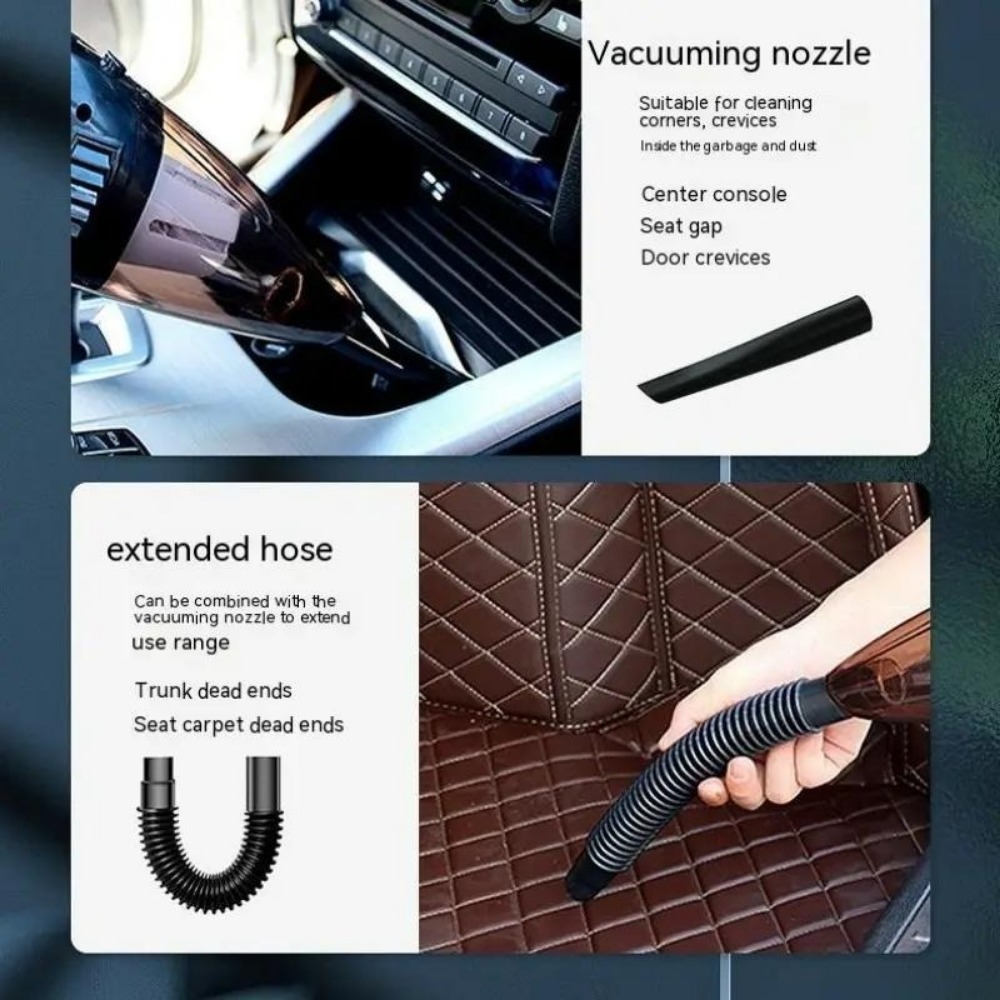

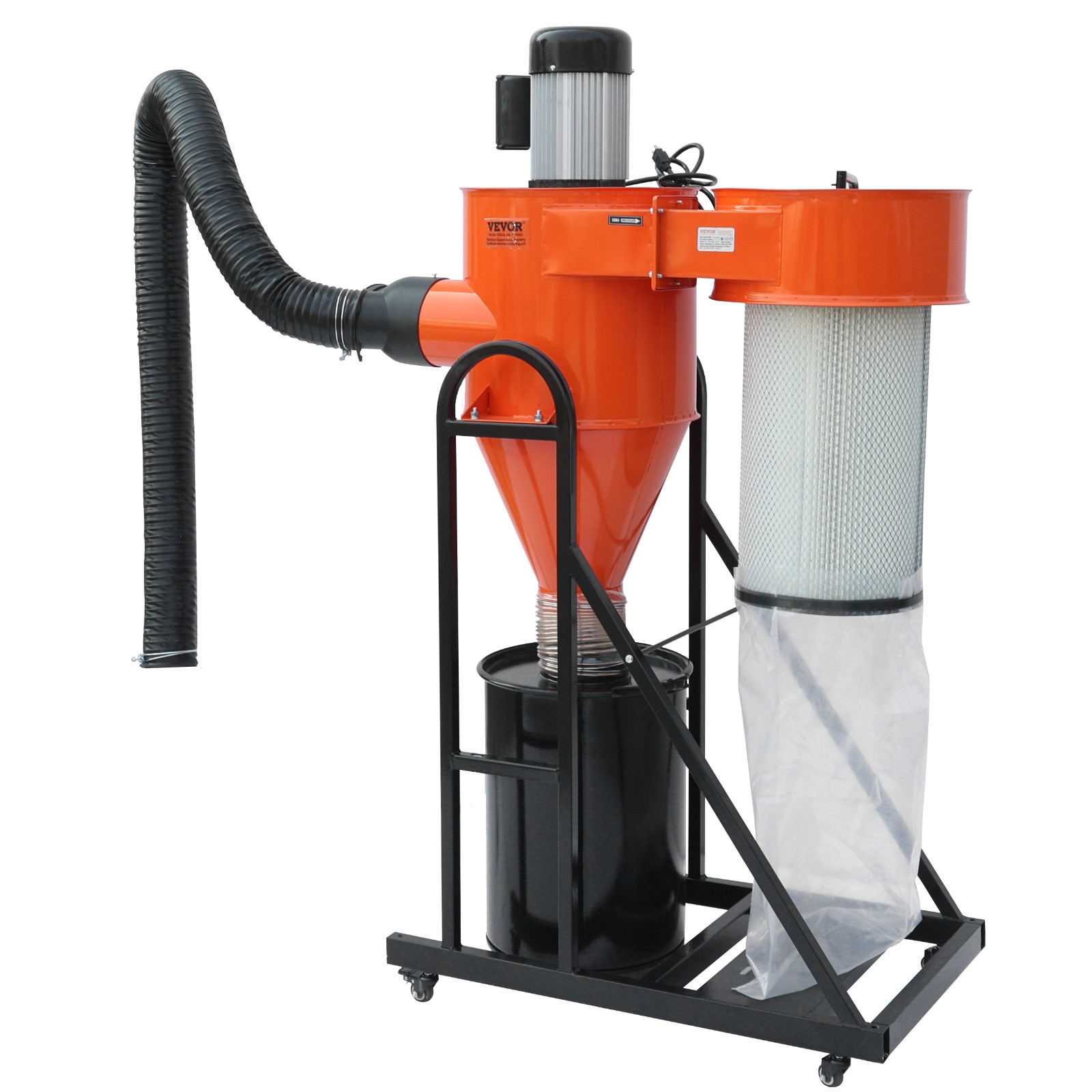
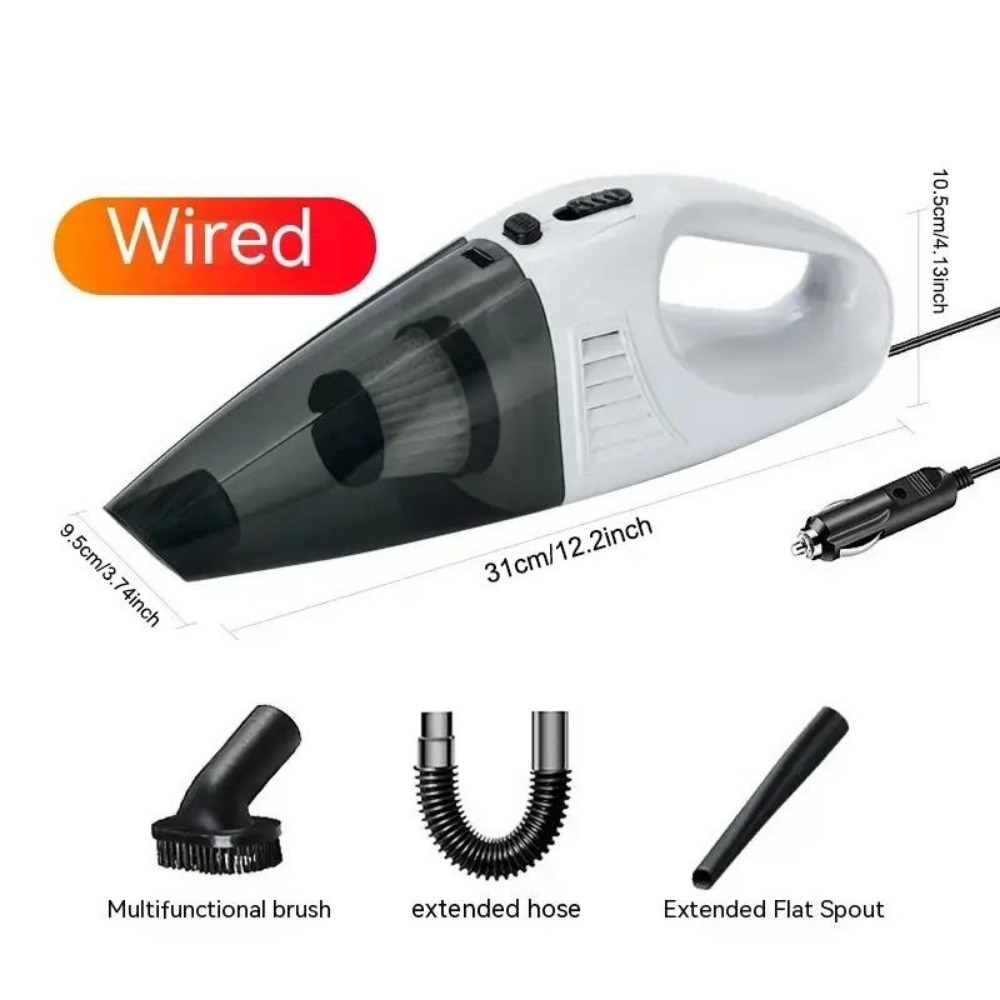
Photos from current listings. Actual item, color, and included accessories may vary.
Dust Collector Buying Guide
A dust collector is a high-volume air mover paired with a canister or bag filter, engineered to capture chips and fine wood dust at the source before it reaches your lungs or settles across the shop. The core trade-off is airflow versus filtration: single-stage units move high CFM but recirculate fine dust unless upgraded, while two-stage cyclone and HEPA extractors cost more and move less air but protect health and motor life. The decision rule is simple: buy for the dust your tool makes (chip-heavy jointer vs. fine-sander) and the filter grade you can tolerate in your breathing zone.


At a glance
- Category
- Dust Collection, Sanding & Finishing
- Data updated
- Nov 20, 2026
Current offers
Highlights
- Single-stage collectors typically use 1-2 HP universal motors moving 600-1200 CFM through a 4-inch inlet; two-stage cyclones separate chips first and preserve filter airflow.
- Filter rating is the health metric: 30-micron bags pass respirable dust, 1-micron canister or HEPA media captures the fine fraction that damages lungs and coats surfaces.
- Static pressure, not raw CFM, determines whether a unit can pull through long runs, flex hose, and a separator; short 6-10 ft runs with 4-inch duct suit 1-2 HP units.
- Inlet sizing caps real performance: 4-inch ports suit most 1-2 HP collectors, while 5-6-inch duct requires 3 HP and a true cyclone to avoid starving airflow.
Best use cases
- Small one-car or basement shop with a table saw, planer, and router: pick a 1-1.5 HP mobile single-stage unit with a 1-micron canister and 4-inch inlet; skip 3 HP cyclones that need 220V and long duct runs.
- Sanding-intensive finishing room where fine dust is the concern: choose a two-stage cyclone or HEPA extractor rated to 1 micron or better; skip bag-only single-stage units that exhaust fine dust back into the room.
- Portable jobsite or garage where tools move: use a wet/dry shop vac with a dust-extractor adapter and HEPA filter for 1.25-2.5-inch ports; skip stationary collectors that require fixed ducting.
- Multi-tool shop with long duct runs: step up to a 3 HP cyclone with 6-inch mains and blast gates; skip 1 HP units that cannot hold static pressure across the network.
Buying tips
- Match horsepower and impeller to duct length: 1-1.5 HP for 6-10 ft of 4-inch flex hose, 2 HP for 10-20 ft, and 3 HP for 5-6-inch mains over 20 ft.
- Demand a 1-micron or finer canister or HEPA filter; treat 30-micron bags as chip collectors only and budget to upgrade the filter at purchase.
- Keep duct velocity above 3500 FPM in horizontal runs by sizing 4-inch branch lines for 1-2 HP and 5-6-inch mains only for 3 HP cyclones.
- For shop vacs used as extractors, confirm the adapter matches your tool port (1.25, 1.5, or 2.5 inch) and that the vac is rated for continuous duty with a HEPA filter.
Specs
| Stage Type | Single-stage vs two-stage cyclone |
|---|---|
| Filtration Grade | 30-micron bag vs 1-micron canister/HEPA |
| Motor & Power | 1-3 HP; 120V 15-20A vs 220V |
| Inlet & Duct Size | 4-inch branch vs 5-6-inch mains |
Related searches
What to check before buying
- Measure your shop footprint and ceiling height: mobile single-stage units need roughly 2x2 ft of floor and 5-6 ft clearance, while cyclones need 7-8 ft plus wall space for the filter.
- Confirm circuit capacity: 1-1.5 HP units run on 120V/15A, 2 HP often needs 120V/20A, and 3 HP cyclones typically require 220V/240V dedicated circuits.
- Verify tool port diameters (1.25, 1.5, 2.5, or 4 inch) and plan adapters or blast gates before committing to an inlet size.
- Check replacement filter and bag availability in the sizes and micron ratings you need, and confirm the collector can be grounded to avoid static ignition in dust-laden air.
FAQ
Data sources: eBay / Amazon listings and product attribute feeds Data updated Nov 20, 2026.
Some links on this page are affiliate links. If you buy after clicking one, we may earn a commission at no extra cost to you. This does not change which products appear here or their order. Affiliate disclosure.