Photos from current listings. Actual item, color, and included accessories may vary.
Sanding Disc Buying Guide
Sanding discs are round abrasive sheets mounted on random-orbital, rotary, or angle grinders, and their performance hinges on abrasive grain, backing attachment, and disc diameter matching your tool. The core trade-off is cutting speed versus finish life: ceramic and zirconia grains last longest on hard materials, while aluminum oxide and silicon carbide suit softer stock and fine finishing. Choose by matching the backing system (hook-and-loop, roll-lock, or fiber) and disc size to your tool’s pad; generic adhesive discs will slip or load prematurely.

At a glance
- Category
- Dust Collection, Sanding & Finishing
- Data updated
- Nov 20, 2026
Current offers
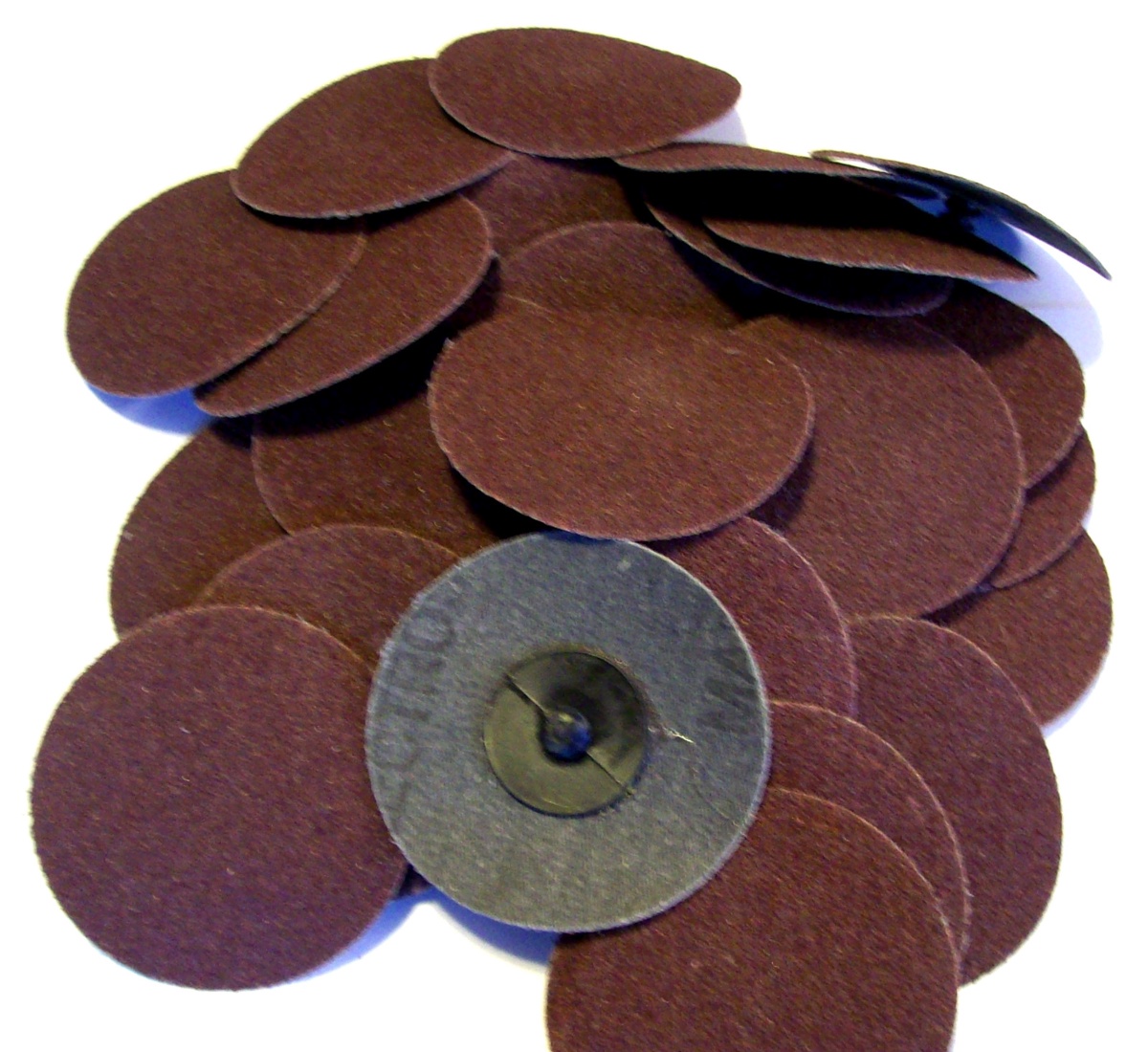 25 IIT 3" ROLL & LOCK 240 GRIT R TYPE SANDING ABRASIVE DISCS TWIST ON 82082$15.99
 View on eBay
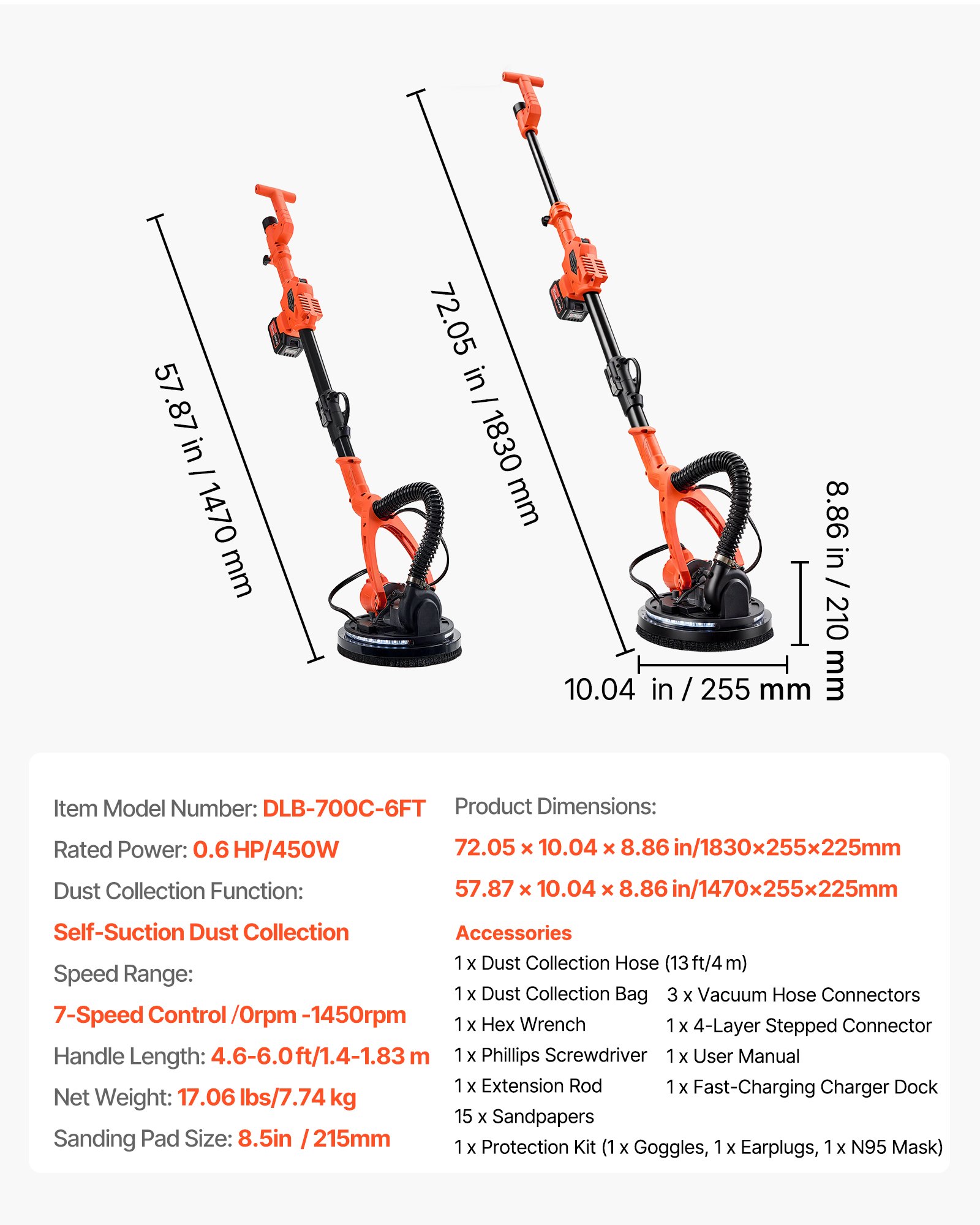 Cordless Drywall Sander, 450W Electric Popcorn Ceiling Removal Tool With Vacuum Dust Collection, 7 Variable Speed 0-1600 RPM, LED Light, Foldable & Extendable Handle, 15 Sanding Discs$202.99
 View on Mallflare
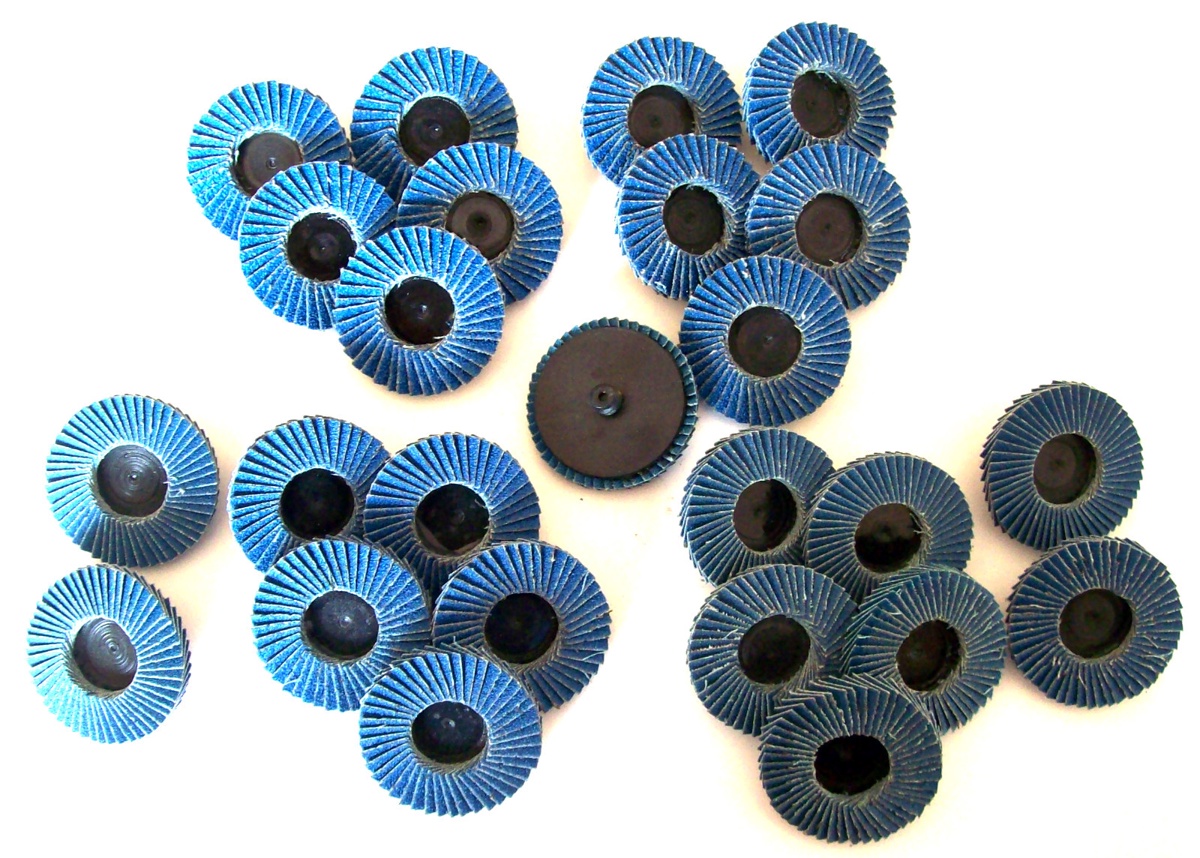 25 ASSORTED ILLINOIS INDUSTRIAL 2" ROLL & LOCK SANDING FLAP DISCS ZIRCONIA$28.99View on eBay
Highlights
- Abrasive grain hierarchy: ceramic (fastest, coolest cut on hardwood/steel) > zirconia (heavy stock removal, metal) > aluminum oxide (general wood) > silicon carbide (fine finishing, stone).
- Backing systems are not interchangeable: hook-and-loop (PSA) for random-orbital sanders, roll-lock (twist-on) for die grinders and drill mandrels, fiber discs for angle grinders with backing pads.
- Disc diameter must match pad size exactly—5-inch discs on 5-inch pads, 2-inch roll-lock on 2-inch mandrels—or edges catch and shed abrasive.
- Grit progression and open vs closed coat: open-coat discs resist loading on softwoods and paint; closed-coat gives finer scratch patterns on hardwoods and metal.
Best use cases
- Pick 5- or 6-inch hook-and-loop ceramic discs for random-orbital sanding of hardwood, paint, and finish prep; skip roll-lock discs which lack the fine grit range for finish work.
- For angle-grinder stock removal on steel or welds, use 4.5- or 5-inch zirconia or ceramic fiber discs with a backing pad; skip PSA hook-and-loop discs that shred at high RPM.
- For drill-mounted or die-grinder detail work in tight spaces, choose 2- or 3-inch roll-lock (Type R) discs in zirconia; skip large diameter discs that stall small drills.
- For drywall and popcorn ceiling sanding, use a dedicated drywall sander with 9-inch hook-and-loop mesh discs and vacuum extraction; skip standard orbital discs that clog instantly on joint compound.
Buying tips
- Match disc diameter to pad: 5-inch pads take 5-inch discs, 6-inch take 6-inch; a 1/2-inch overhang destroys the backing and throws abrasive.
- For angle grinders, confirm disc type: Type 27 flat discs for surface grinding, Type 29 conical for edge work; fiber backing requires a matching support pad.
- Choose grit sequence starting 40–80 for stock removal, 120–180 for prep, 220–400 for finishing; buy open-coat for softwoods and paint, closed-coat for hardwoods and metal.
- Roll-lock discs are sized by mandrel: 2-inch discs need 2-inch Type R mandrel, 3-inch need 3-inch; the twist-on attachment is not compatible with hook-and-loop pads.
Specs
| Abrasive Grain | Ceramic / Zirconia / AlOx / SiC |
|---|---|
| Backing Type | Hook-and-loop / Roll-lock / Fiber |
| Disc Diameter | 2 / 3 / 4.5 / 5 / 6 / 9 in |
| Grit Range | 40–400 (open vs closed coat) |
Related searches
What to check before buying
- Measure your sander or grinder pad diameter and backing type (hook-and-loop, roll-lock, fiber) before ordering—discs are not universal.
- Confirm your tool’s max RPM; fiber and flap discs for angle grinders are rated for high speed, while PSA discs may delaminate above 10,000 OPM.
- For dust extraction, verify your sander has a vacuum port sized to your shop vac hose (1-1/4, 1-1/2, or 2-1/2 inch) and that discs are perforated to match the pad’s hole pattern.
- Check voltage and plug standard for corded sanders (120V North America) and battery platform compatibility for cordless models before buying consumables.
FAQ
Data sources: eBay / Amazon listings and product attribute feeds Data updated Nov 20, 2026.
Some links on this page are affiliate links. If you buy after clicking one, we may earn a commission at no extra cost to you. This does not change which products appear here or their order. Affiliate disclosure.