Photos from current listings. Actual item, color, and included accessories may vary.
Sanding Pad Buying Guide
Sanding pads are the abrasive interface between your power tool and the workpiece, and their performance is dictated by backing type, attachment method, and abrasive grain—not by brand hype. The core trade-off is between fast material removal (coarse grit, rigid backing) and surface finish (fine grit, flexible backing), with attachment compatibility (hook-and-loop, PSA, Roll & Lock, or clamp) determining which pads actually fit your sander. The decision rule is simple: match the pad's attachment system and diameter to your tool's platen, then select grit and backing for the task—never force a pad that doesn't lock securely.

At a glance
- Category
- Dust Collection, Sanding & Finishing
- Data updated
- Nov 20, 2026
Current offers
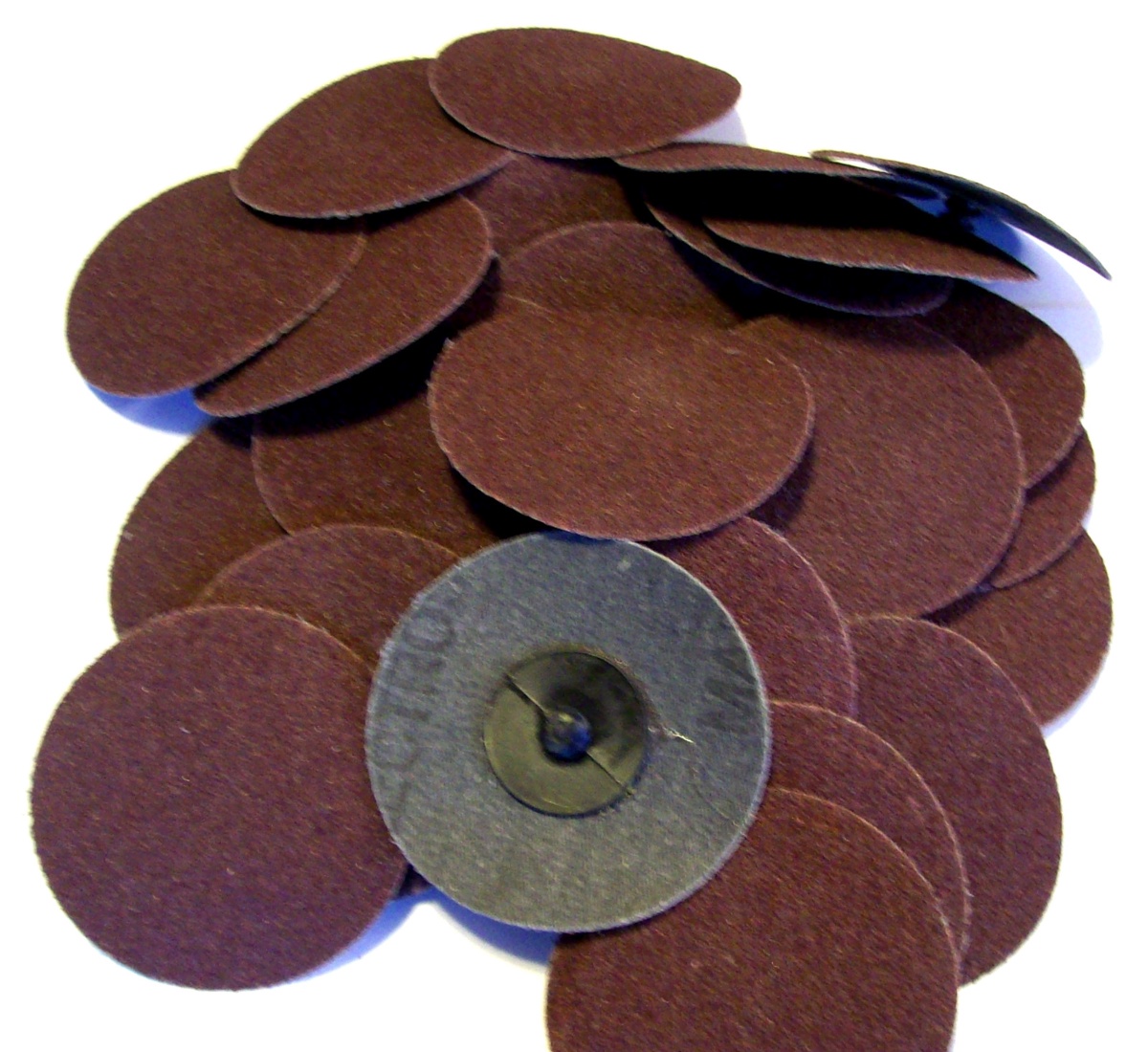 25 IIT 3" ROLL & LOCK 240 GRIT R TYPE SANDING ABRASIVE DISCS TWIST ON 82082$15.99
 View on eBay
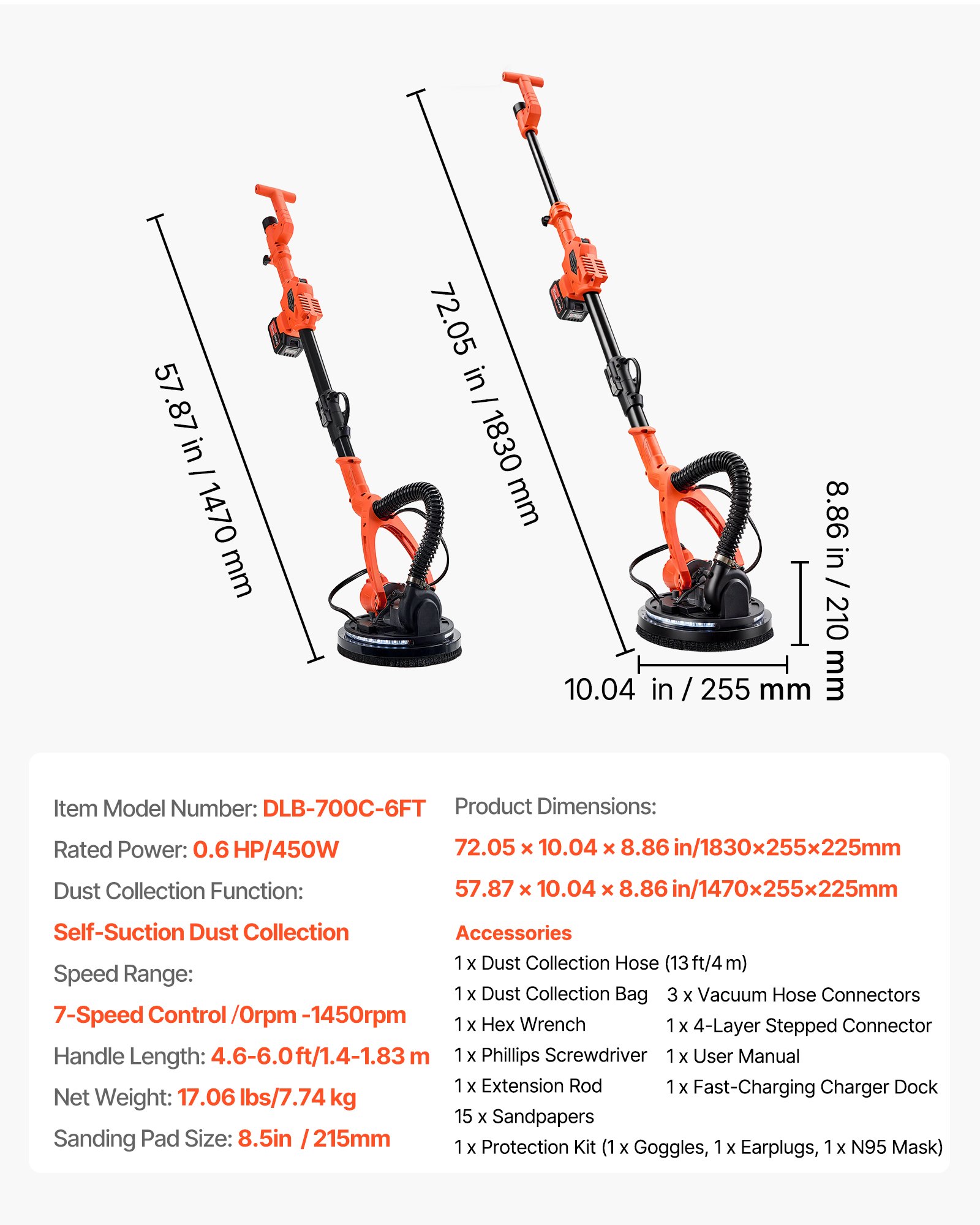 Cordless Drywall Sander, 450W Electric Popcorn Ceiling Removal Tool With Vacuum Dust Collection, 7 Variable Speed 0-1600 RPM, LED Light, Foldable & Extendable Handle, 15 Sanding Discs$202.99
 View on Mallflare
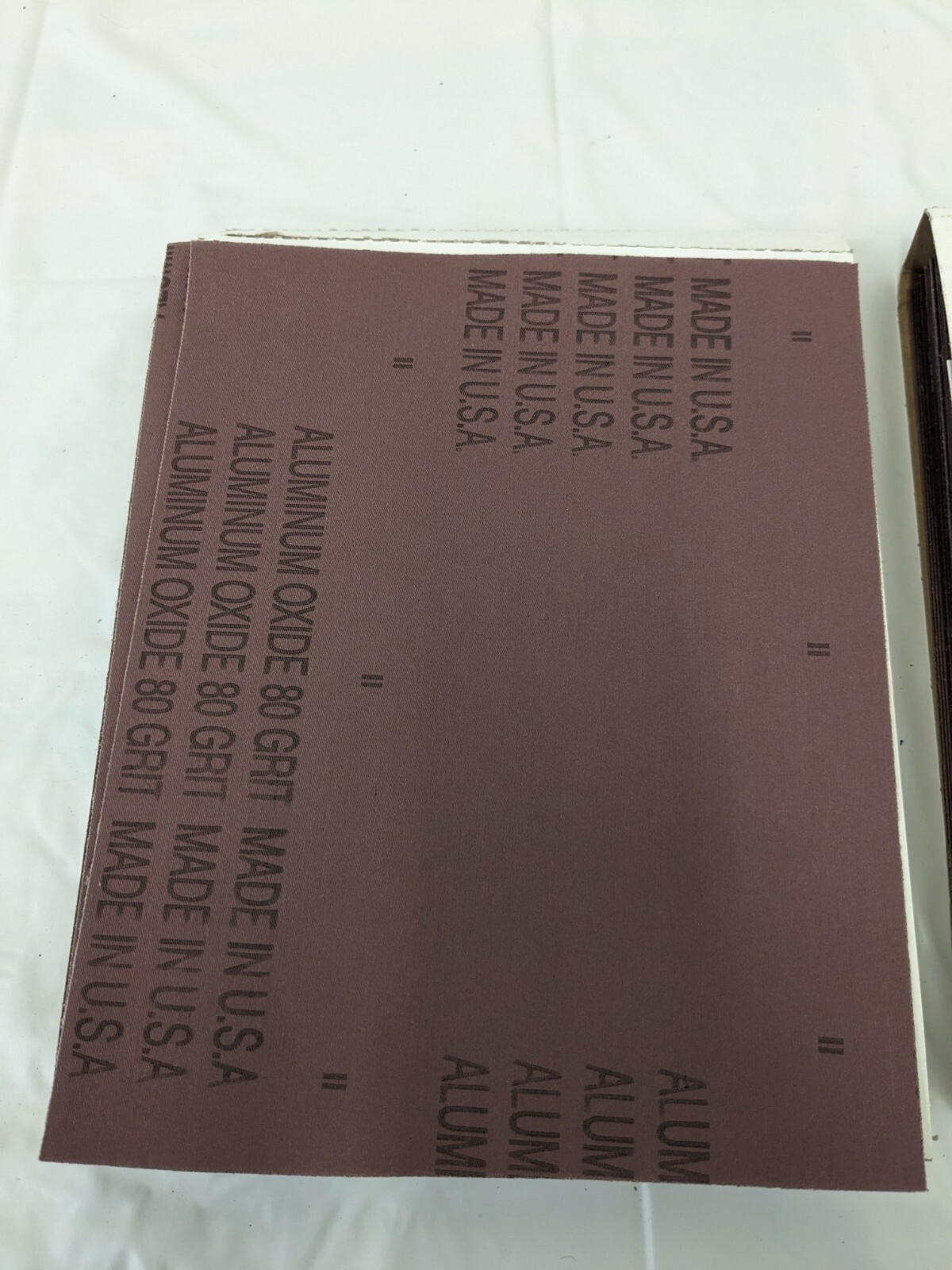 industrial 2 packs of 50 Sanding Sheets Medium Grade 80 Grit 70370804$22.50View on eBay
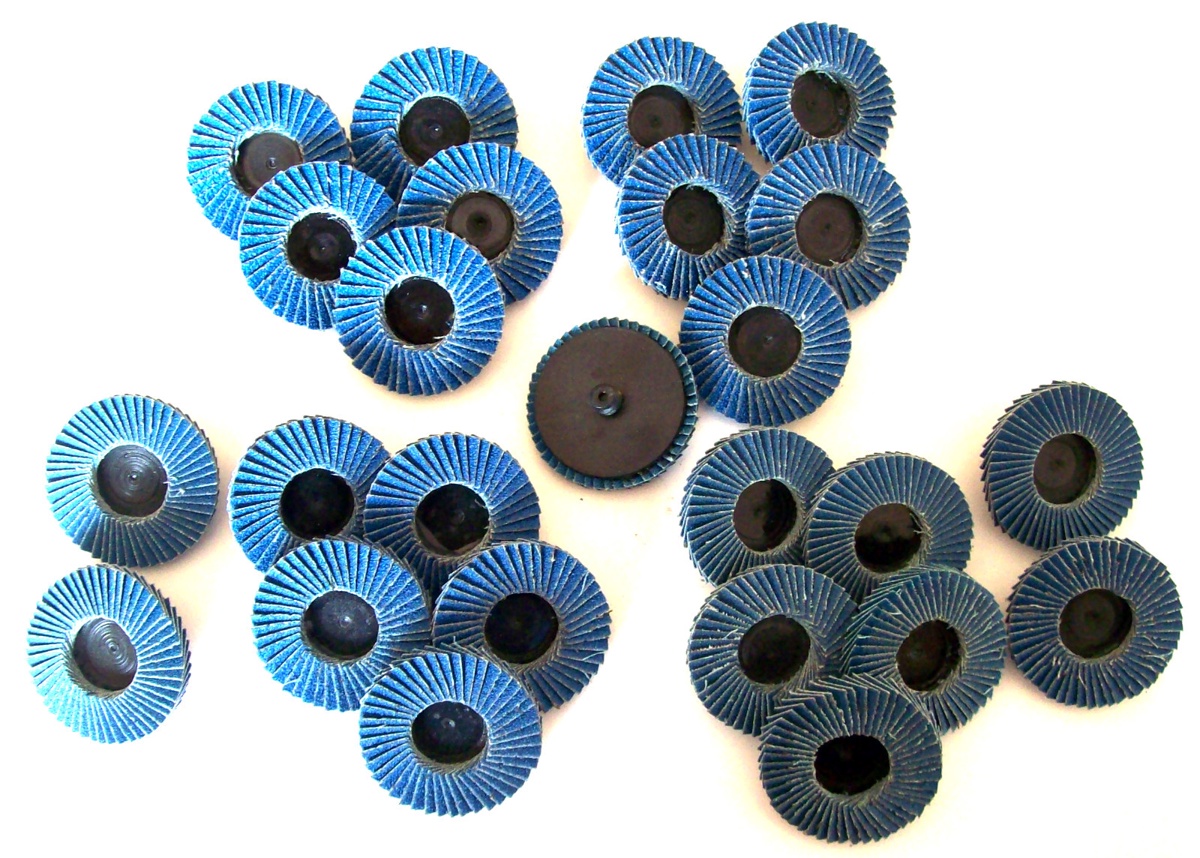 25 ASSORTED ILLINOIS INDUSTRIAL 2" ROLL & LOCK SANDING FLAP DISCS ZIRCONIA$28.99View on eBay
Highlights
- Attachment systems are not interchangeable: hook-and-loop (velcro) pads dominate random-orbit sanders, PSA (pressure-sensitive adhesive) suits fine finishing, Roll & Lock (twist-on) is common for die grinders and small discs, and clamp-style sheets fit 1/4-sheet sanders.
- Abrasive grain determines cut rate and life: aluminum oxide is the general-purpose baseline, zirconia alumina lasts 2–3x longer on metal and heavy stock removal, and ceramic alumina cuts fastest and runs coolest on hardwoods and exotic alloys.
- Backing weight and flexibility control finish: paper backing in A/C weights suits fine finishing and contours, while cloth or film backing resists tearing on edge work and high-speed grinder use; foam interface pads add conformability for contours.
- Grit progression is standardized (CAM I or FEPA): stepping through 80 → 120 → 180 → 220 removes prior scratches efficiently, while skipping more than one grit leaves deep scratches that require extra passes to remove.
Best use cases
- Best fit for random-orbit sanders: hook-and-loop 5" or 6" discs in 8-hole or universal hole patterns, 80–220 grit aluminum oxide or ceramic—skip PSA pads unless your sander lacks a hook-and-loop platen.
- Best fit for angle grinders: Roll & Lock or fiber-resin discs with a backing pad; use zirconia or ceramic grain for metal and 24–80 grit for stock removal—never use wood-sanding hook-and-loop pads on a grinder above 10,000 RPM.
- Best fit for drills: small 2"–3" hook-and-loop or Roll & Lock pads with a mandrel; ideal for spot repair and contours—skip large discs because drill chucks lack the speed and control for flat stock removal.
- Wrong fit to avoid: clamp-style 1/4-sheet sandpaper on a random-orbit sander, or any pad whose hole pattern doesn't align with the sander's dust ports—misalignment kills dust extraction and causes loading.
Buying tips
- Match pad diameter to your sander's platen exactly: 5" sanders take 5" discs, 6" take 6"; a 1/4" overhang is acceptable, but undersized pads leave swirl marks and skip edges.
- Confirm the attachment type before ordering: hook-and-loop (velcro) for quick changes, PSA for fine finishing where edges must stay sharp, Roll & Lock for twist-on security at high RPM, clamp for sheet sanders.
- Choose grain by workpiece: aluminum oxide for wood and general use, zirconia alumina for metal and heavy removal (2–3x life), ceramic alumina for hardwoods and heat-sensitive alloys—avoid garnet for power sanding.
- For dust collection, align hole patterns: 8-hole discs fit most 5" random-orbit sanders; universal multi-hole patterns fit multiple brands—never use a no-hole disc on a dust-extraction sander.
Specs
| Attachment Type | Hook-and-loop / PSA / Roll & Lock / Clamp |
|---|---|
| Disc Diameter | 2"–6" (match platen size) |
| Abrasive Grain | Aluminum oxide / Zirconia / Ceramic |
| Grit Range | 24–400+ (80/120/180/220 common) |
Related searches
What to check before buying
- Measure your sander's platen diameter and note the attachment type (hook-and-loop, PSA, Roll & Lock, or clamp) plus hole pattern before selecting pads.
- Check your tool's maximum RPM: grinder pads and backing plates must be rated above the grinder's no-load speed (often 10,000–13,000 RPM).
- Verify the pad's backing material suits your task: paper for fine finishing, cloth or film for edge work and wet conditions, foam interface for contours.
- Confirm grit availability in the attachment type you need—Roll & Lock and PSA often have narrower grit ranges than hook-and-loop, so plan your progression.
FAQ
Data sources: eBay / Amazon listings and product attribute feeds Data updated Nov 20, 2026.
Some links on this page are affiliate links. If you buy after clicking one, we may earn a commission at no extra cost to you. This does not change which products appear here or their order. Affiliate disclosure.