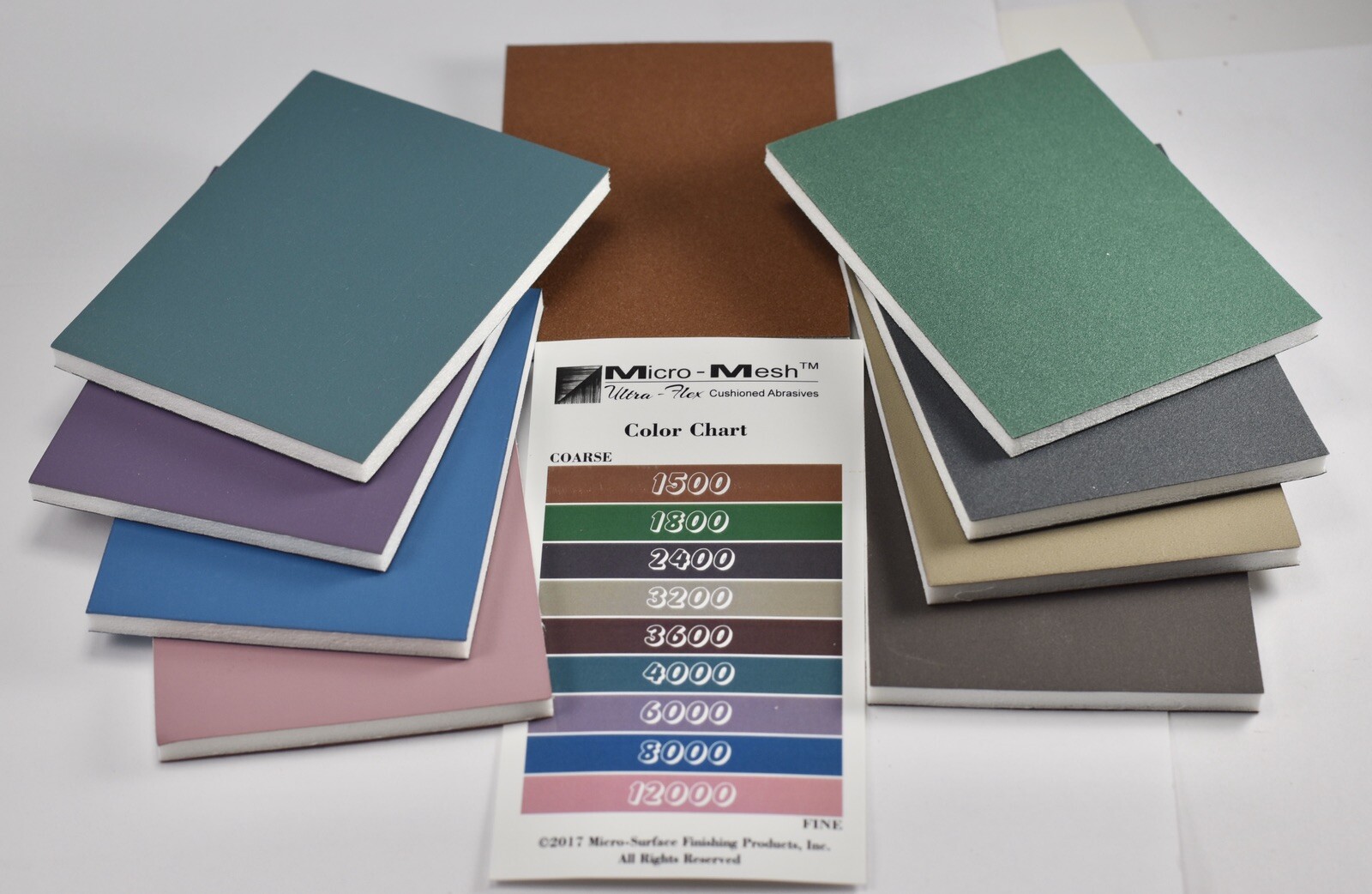

Photos from current listings. Actual item, color, and included accessories may vary.
Polishing Pad Grinder Buying Guide
Polishing pad grinders combine a variable-speed angle grinder or rotary tool with graded abrasive pads to remove scratches and restore gloss on paint, stone, metal, and resin. The primary trade-off is between pad backing hardness (firm for flat surfaces, flexible for contours) and abrasive grade progression, which determines whether you cut fast without burning through the finish. Durable setups use hook-and-loop backing with defined grit sequences; compromises skip intermediate grades or use hard backing on curved work, causing swirl marks or burn-through.


At a glance
- Category
- Dust Collection, Sanding & Finishing
- Data updated
- Nov 20, 2026
Current offers
Highlights
- Backing pad hardness (firm, medium, soft) controls edge conformability and cut rate—firm pads suit flat panels, soft pads suit contours and prevent gouging.
- Micro-Mesh grades run 1,500 to 12,000 grit in nine steps; skipping grades leaves deeper scratches that require restarting the sequence.
- Hook-and-loop (velcro) backing is the standard for quick pad changes; PSA adhesive pads suit single-grade production but tear on removal.
- Variable-speed grinders (2,000–4,000 RPM) with a speed dial prevent heat buildup; fixed high-speed grinders risk burning paint and melting pads.
Best use cases
- Automotive paint correction: use a dual-action or variable-speed rotary with soft backing and a 1,500–12,000 grit Micro-Mesh sequence; skip hard backing pads that mar curved panels.
- Stone and concrete countertops: use firm backing and wet/dry diamond pads in 50–3,000 grit; skip foam-backed pads that tear on aggregate.
- Metal finishing and knife sharpening: use medium backing with 400–8,000 grit sequences; skip random-orbit sanders that leave directional scratch patterns.
- Wood turning and resin: use soft interface pads at low RPM to avoid heat crazing; skip high-speed fixed grinders that melt resin and load pads.
Buying tips
- Match pad diameter to grinder arbor: 4.5-inch grinders use 7/8-inch arbor; 3-inch pads need a backing adapter or a dedicated mini grinder.
- Choose hook-and-loop backing for multi-grade work; PSA pads are cheaper per pad but cannot be repositioned and leave adhesive residue.
- Follow the grit sequence: skipping from 1,500 to 12,000 grit leaves visible scratches; each grade should remove the previous grade's scratch pattern.
- Use variable-speed control: keep below 3,000 RPM for paint and resin, 2,000–4,000 RPM for stone, and full speed only for metal cutting.
Specs
| Backing Type | Hook-and-loop vs PSA adhesive |
|---|---|
| Pad Diameter | 3 in / 4.5 in / 5 in common |
| Grit Range | 1,500–12,000 (Micro-Mesh 9 grades) |
| Arbor Fit | 7/8 in, 5/8-11, M14 |
Related searches
What to check before buying
- Confirm grinder arbor size (7/8-inch, 5/8-11, or M14) matches the backing pad before buying pads.
- Measure the work surface: flat panels take firm backing; contours and edges require soft or interface pads to avoid burn-through.
- Check power: corded grinders deliver consistent RPM under load; cordless models drop speed and require higher-capacity batteries.
- Verify wet/dry compatibility: stone and concrete pads need water feed; paint pads run dry with a mist of water to control heat.
FAQ
Data sources: eBay / Amazon listings and product attribute feeds Data updated Nov 20, 2026.
Some links on this page are affiliate links. If you buy after clicking one, we may earn a commission at no extra cost to you. This does not change which products appear here or their order. Affiliate disclosure.