Photos from current listings. Actual item, color, and included accessories may vary.
Sandpaper Buying Guide
Sandpaper is an abrasive consumable defined by grit, backing, and abrasive mineral — not by brand hype. The core trade-off is cut rate versus finish quality and clog resistance: open-coat aluminum oxide for wood, stearated silicon carbide or ceramic for paint and hardwoods. The decision rule is simple: match grit progression to your finish target, match backing to your sander type, and refuse paper that loads or sheds grit within one pass.

At a glance
- Category
- Dust Collection, Sanding & Finishing
- Data updated
- Nov 20, 2026
Current offers
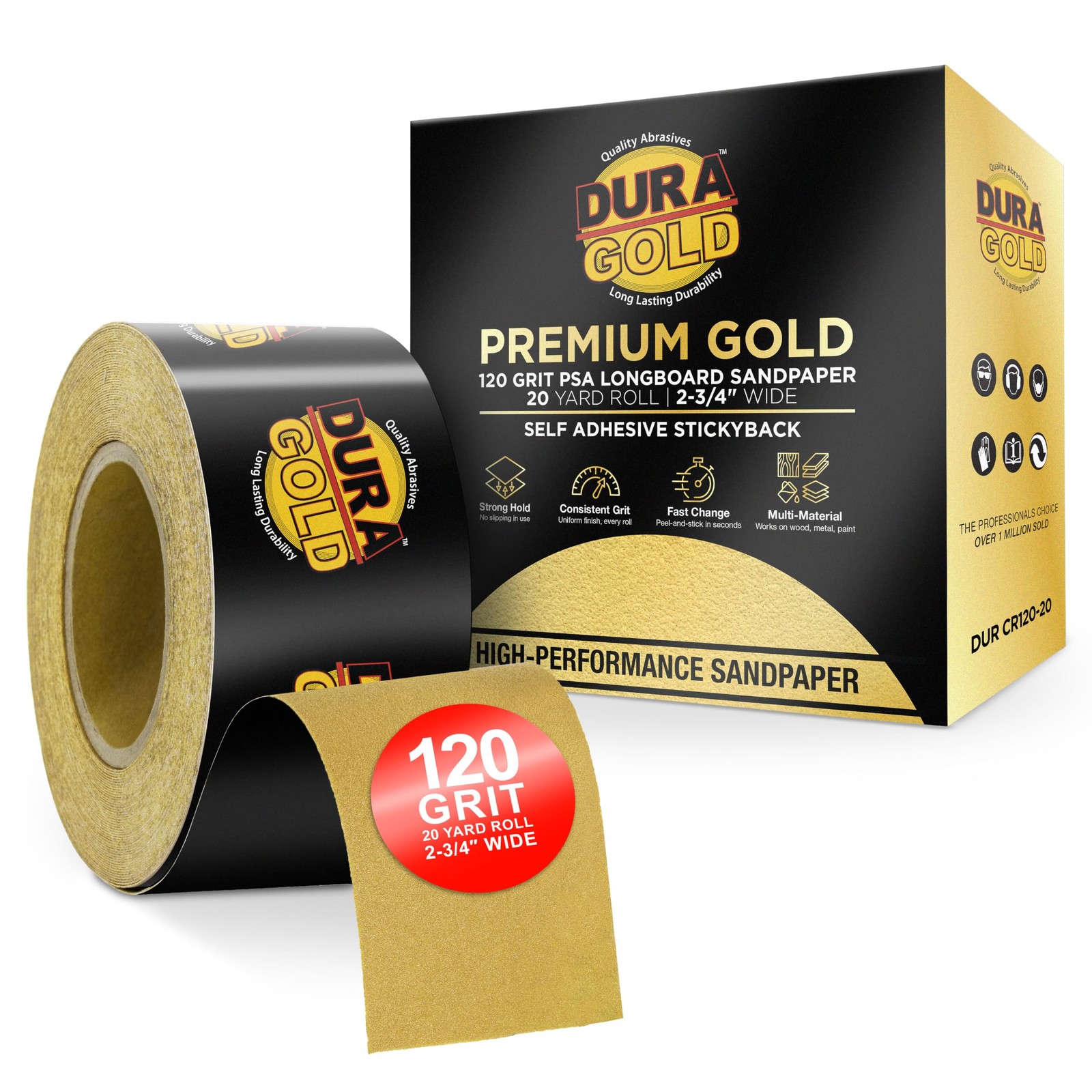 Dura-Gold Premium Gold 120 Grit PSA Longboard Sandpaper, 20 Yard Roll, 2-3/4"...$31.18
 View on eBay
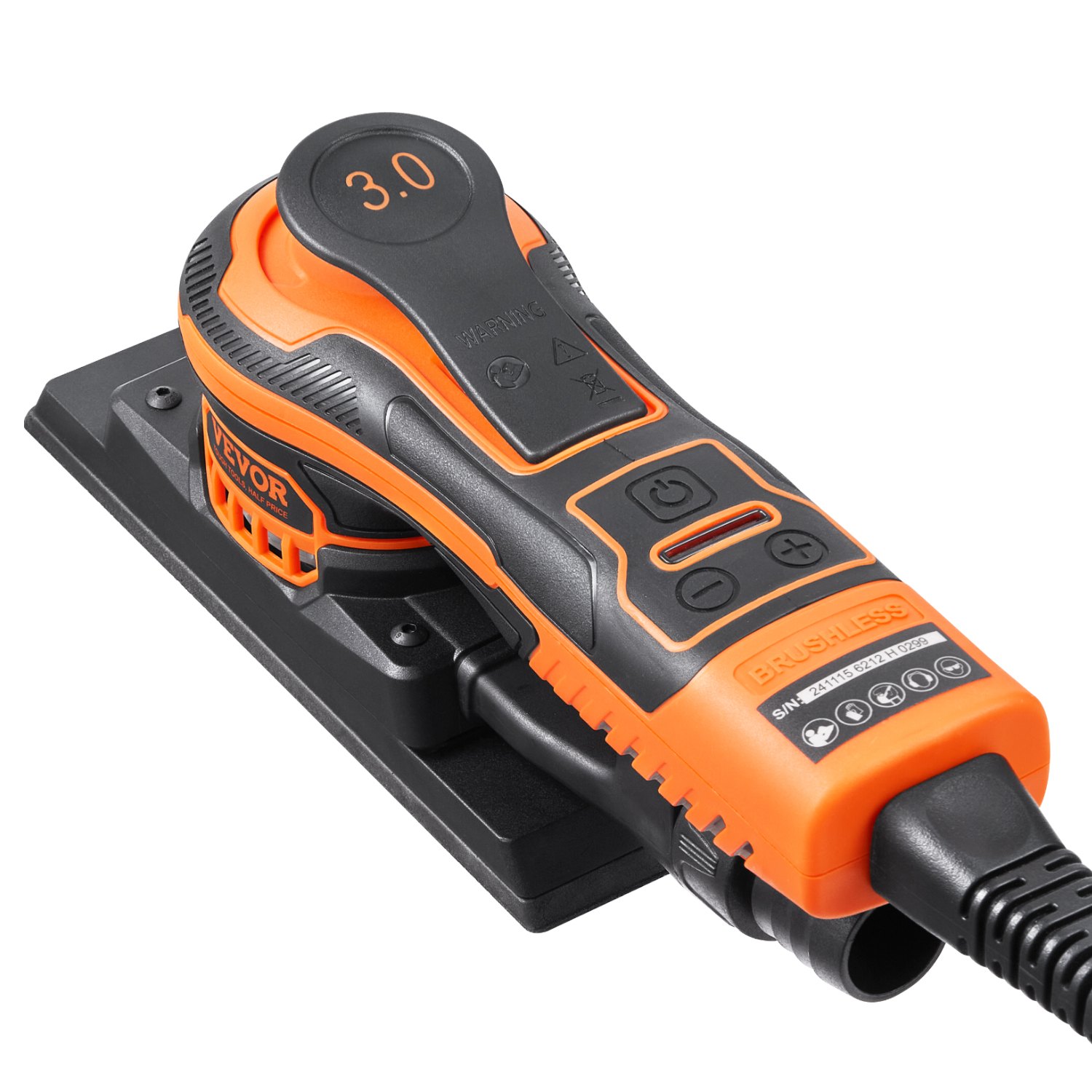 Sheet Sander, 3/8 3A EC Brushless Max. 10000RPM Variable Speed Finishing With 10PCS Sandpapers And Vacuum Cleaner Adapter For Woodworking$138.99
 View on Mallflare
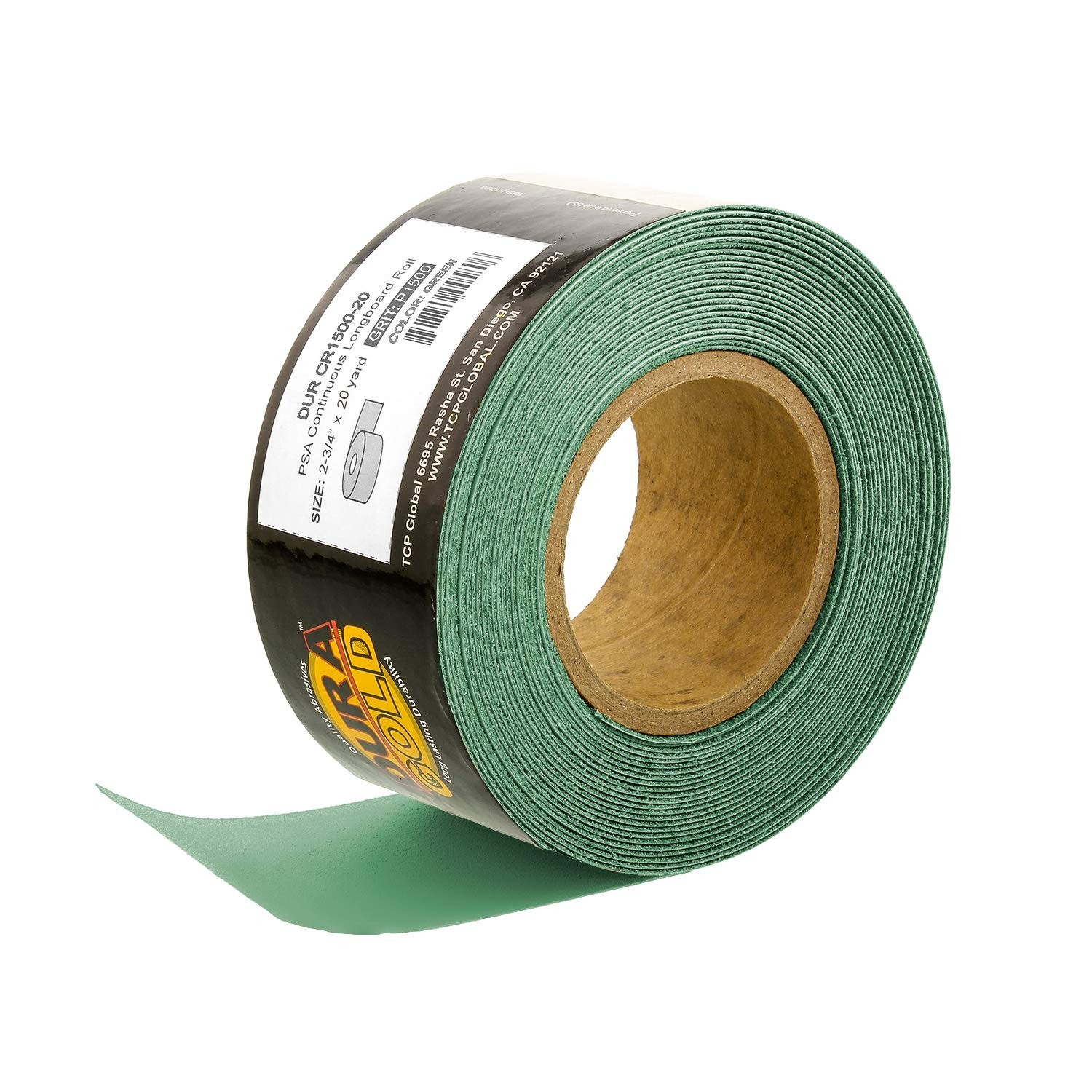 Dura-Gold Premium 1500 Grit Green Film PSA Longboard Sandpaper 20 Yard Long C...$41.37View on eBay
Highlights
- Grit is inverse abrasive particle size: P80 removes stock fast, P180 preps for finish, P320+ only scuffs between coats. Skipping a grit doubles the next step's work and burnishes wood.
- Backing type dictates compatibility: PSA (pressure-sensitive adhesive) rolls lock to longboard and file-sander pads, hook-and-loop (film or paper) fits random orbital and detail sanders, and plain sheets clamp into quarter- or third-sheet sanders.
- Abrasive mineral decides life and heat tolerance: aluminum oxide suits bare wood, silicon carbide cuts paint and lacquer, ceramic and zirconia outlast both on hardwoods, metal, and high-load work.
- Open-coat (spaced grain) resists clogging on softwoods and paint; closed-coat packs abrasive densely for faster cut and longer life on hardwoods. Stearated coatings shed dust on painted and resinous surfaces.
Best use cases
- Bare-wood stock removal and leveling: choose P80–P120 aluminum oxide in open coat on cloth or paper backing for random orbital or sheet sanders; skip fine-grit film rolls that load instantly on green wood.
- Finish prep before stain or topcoat: step P120 → P150 → P180–P220 aluminum oxide or stearated paper; stop at P220 on most hardwoods because finer burnishes and blocks stain absorption.
- Between-coat scuffing on paint, lacquer, and polyurethane: use P320–P400 stearated silicon carbide or film-backed paper; skip aggressive P80 aluminum oxide, which cuts through the coat and leaves scratch patterns.
- Paint and finish stripping: P60–P80 open-coat silicon carbide or zirconia on cloth backing survives heat and loading; skip closed-coat paper, which glazes over in seconds on cured film.
Buying tips
- Step grits no more than 1.5× per stage: P80 → P120 → P180 → P220 → P320. Jumping from P80 to P220 leaves deep scratches the finer paper cannot remove.
- Match backing to tool: PSA rolls for longboard and file sanders, hook-and-loop discs for random orbital and DA sanders, and clamped sheets for quarter- and third-sheet palm sanders — a mismatched backing wastes paper and pads.
- For bare wood choose aluminum oxide or ceramic in open coat when sanding softwoods or resinous stock, closed coat on hardwoods; reserve silicon carbide and stearated paper for paint, lacquer, and between-coat work.
- Buy rolls and multi-packs in a grit progression rather than single grits: a P80/P120/P180/P220 set covers 90% of wood finishing, and film-backed paper outlasts paper-backed on wet or high-heat sanding.
Specs
| Grit Range | P40–P3000 (wood: P80–P220) |
|---|---|
| Backing Type | PSA / Hook-and-loop / Clamped sheet |
| Abrasive Mineral | Aluminum oxide / SiC / Ceramic / Zirconia |
| Coat & Treatment | Open vs closed coat; stearated option |
Related searches
What to check before buying
- Confirm your sander's paper interface before buying: measure disc diameter (5 in vs 6 in) and hole pattern for orbital sanders, and check whether the platen takes PSA rolls, hook-and-loop, or clamped sheets.
- For sheet and longboard sanders, measure the platen length and width so cut rolls and pre-cut strips seat without overhang that tears at the edges.
- Assess your stock and finish: softwoods and paint need open-coat or stearated paper, hardwoods tolerate closed-coat, and between-coat work requires P320+ stearated film.
- Plan dust extraction: hook-and-loop paper with punched holes plus a vacuum or dust port keeps abrasive cutting longer — clogged paper is the leading cause of wasted sandpaper.
FAQ
Data sources: eBay / Amazon listings and product attribute feeds Data updated Nov 20, 2026.
Some links on this page are affiliate links. If you buy after clicking one, we may earn a commission at no extra cost to you. This does not change which products appear here or their order. Affiliate disclosure.