Photos from current listings. Actual item, color, and included accessories may vary.
Lineman S Plier Buying Guide
Lineman's pliers are the primary gripping, twisting, cutting, and pulling tool for electrical work, defined by forged-steel construction, induction-hardened cutting edges, and a high-leverage pivot. The core trade-off is handle insulation/comfort versus jaw durability and leverage geometry, not cosmetic color. Buy a 9-inch forged model with clearly rated 1000V insulation for live work, and skip any 12-inch or unrated 'insulated-looking' plier for energized circuits.


At a glance
- Category
- Electrician Hand Tools
- Data updated
- Nov 20, 2026
Current offers
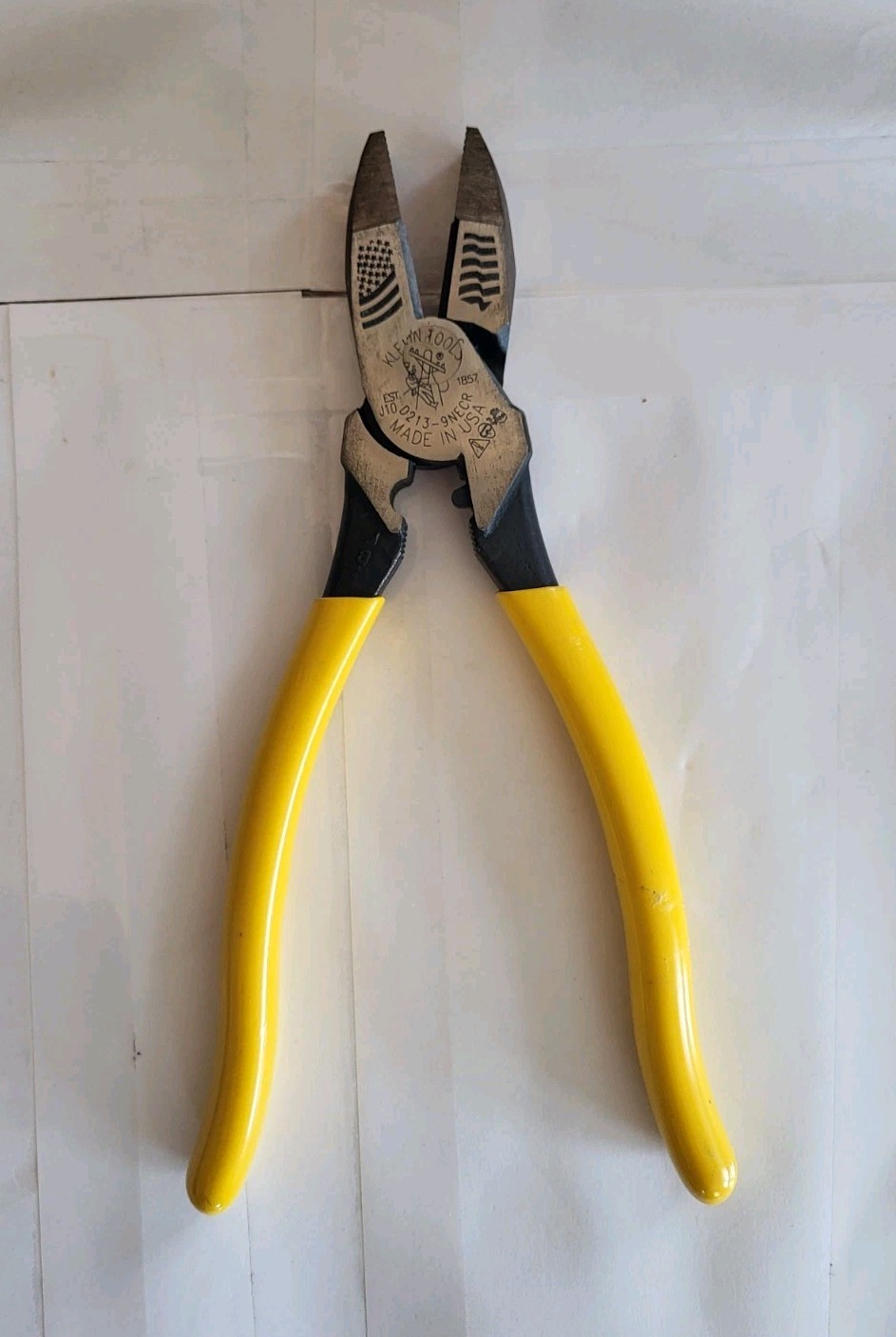 Klein Tools D213-9NECR 9.5in Lineman's Pliers Crimping Steel Yellow/Black$15.00
 View on eBay
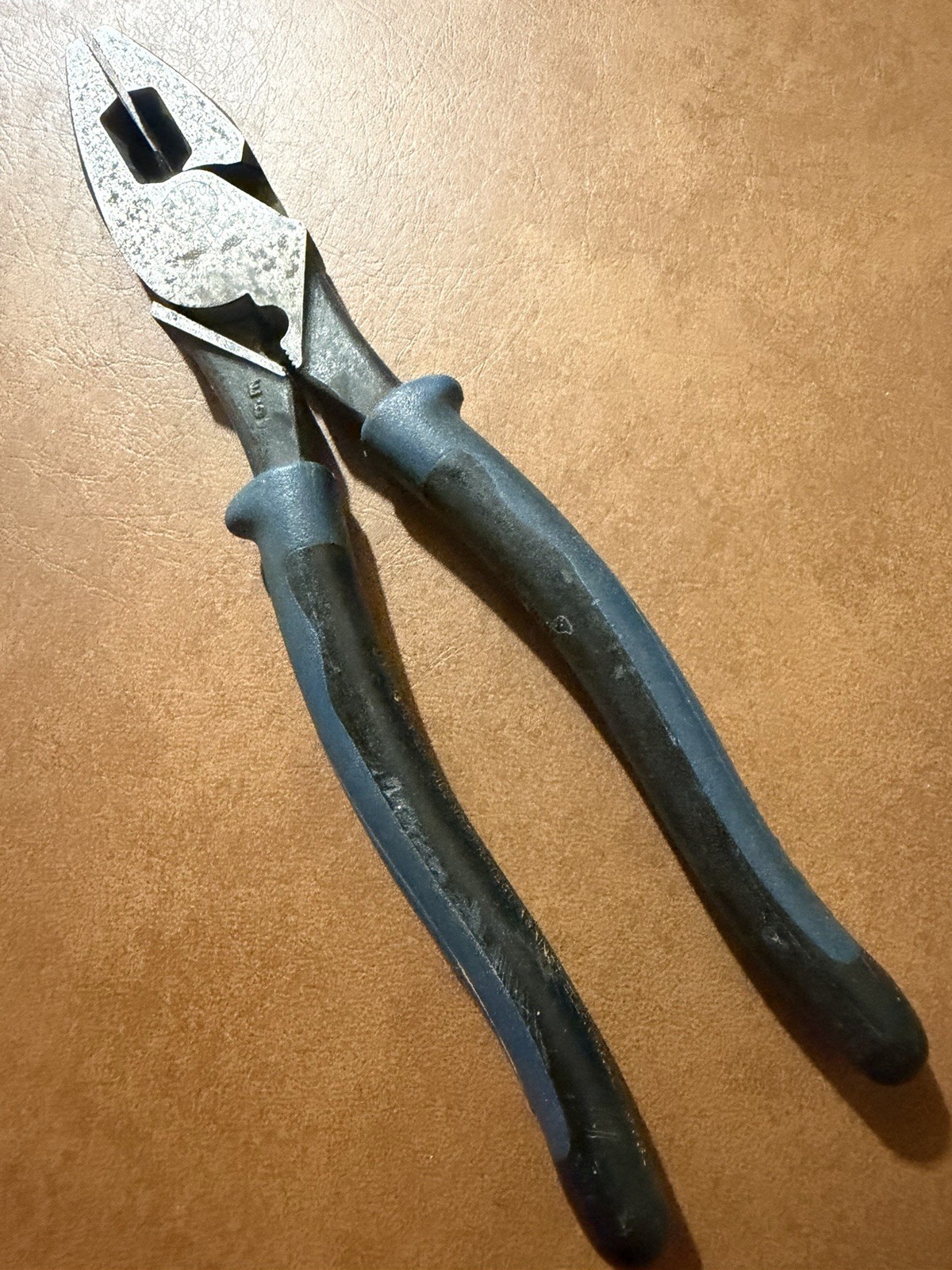 Klein Tools J2000-9NE 9in Heavy Duty Lineman's Pliers Steel Blue/Black$21.00View on eBay
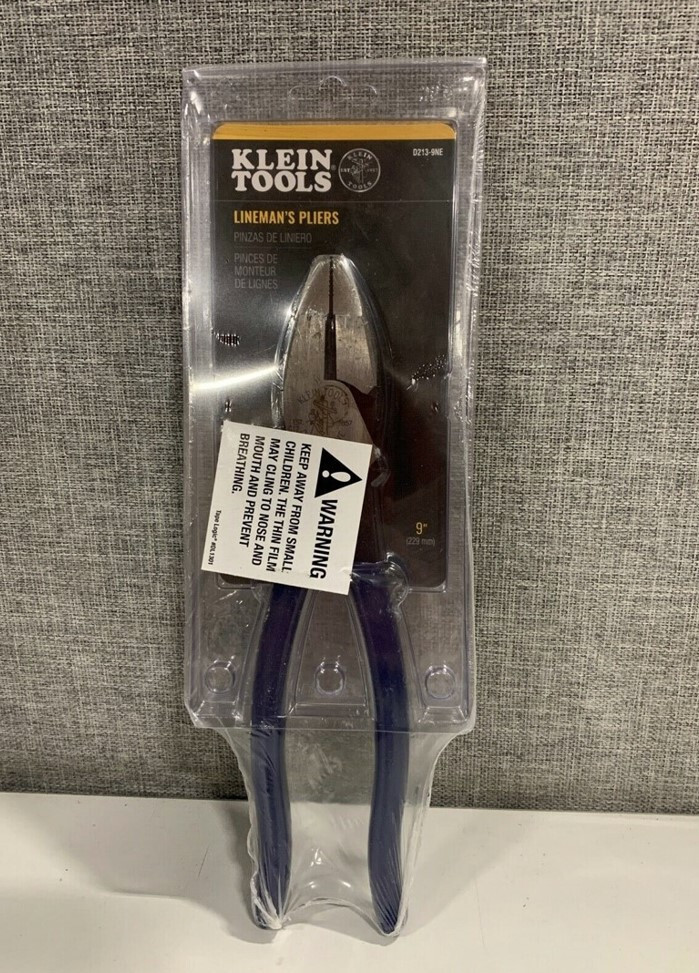 Klein Tools D213-9NE - 9" High Leverage Side Cutting Pliers Lineman's Pliers NEW$22.95View on eBay
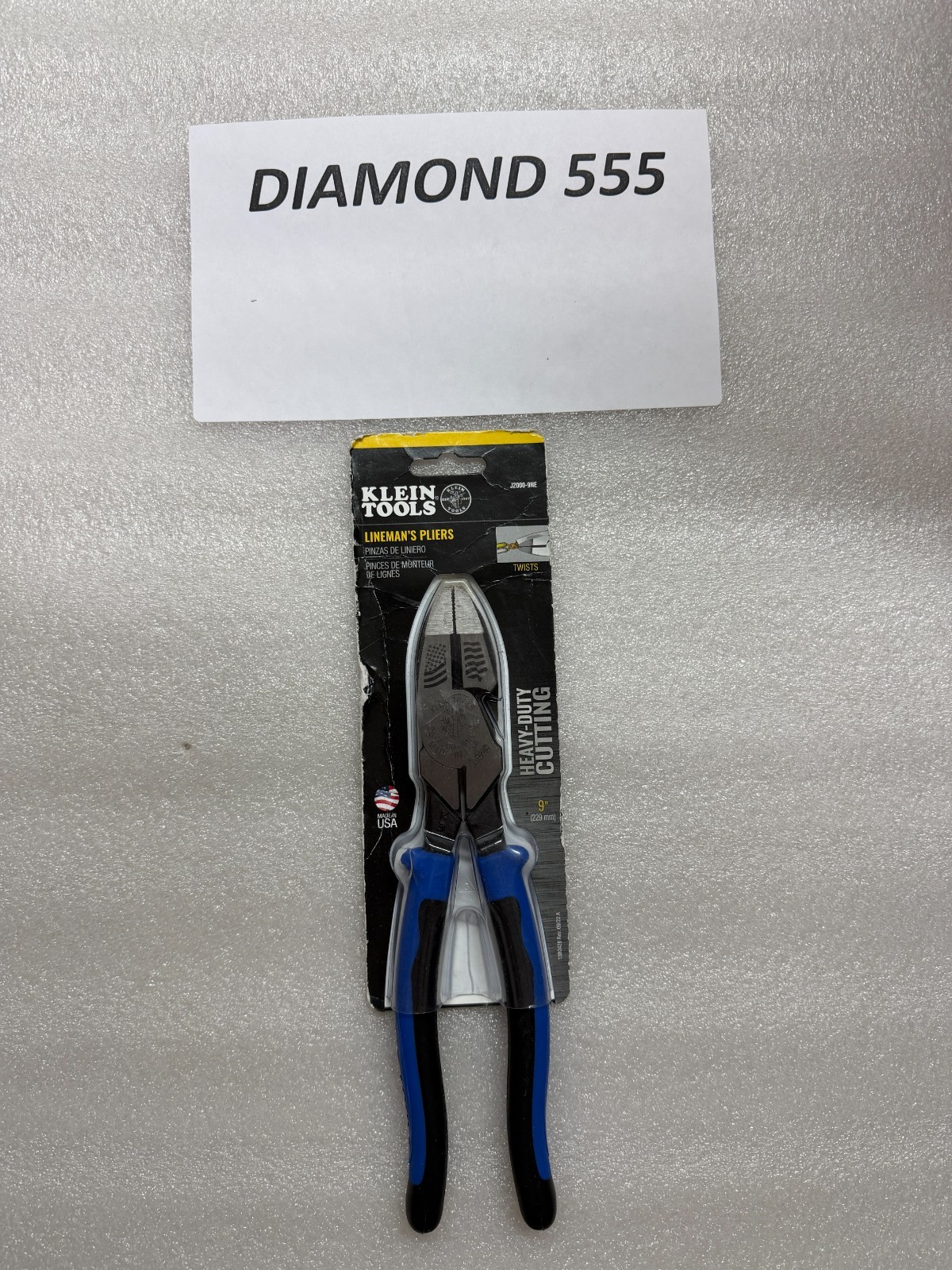 Klein Tools Lineman's Pliers 9-Inch Journeyman Handle J2000-9NE - Brand New 021$23.50View on eBay
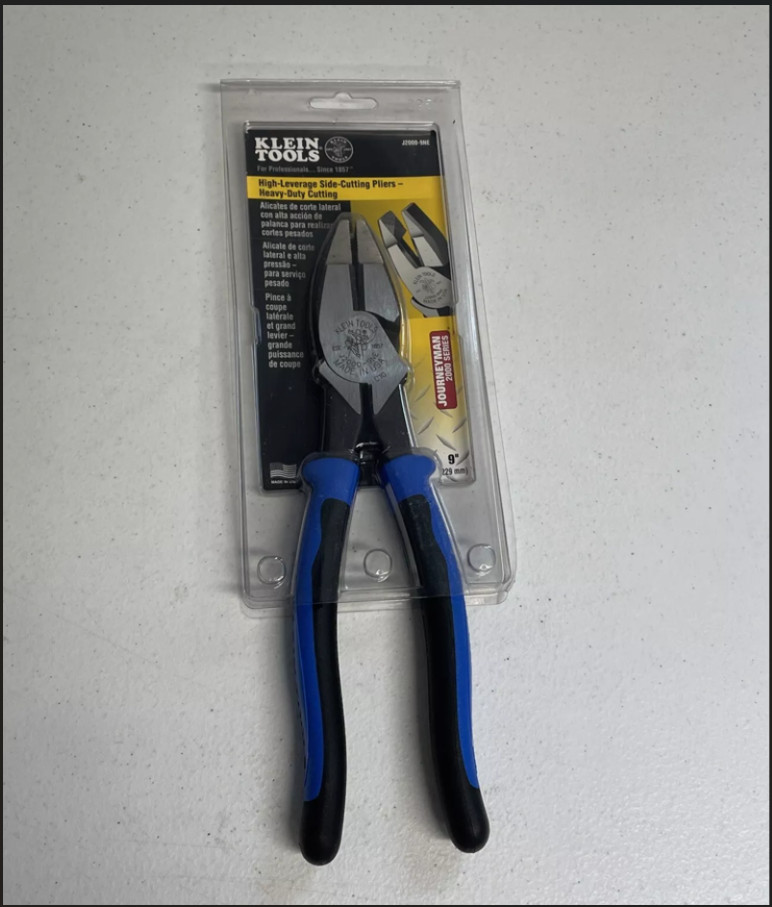 Klein Tools Lineman's Pliers 9-Inch Journeyman Handle J2000-9NE - FREE SHIPPING$23.50View on eBay
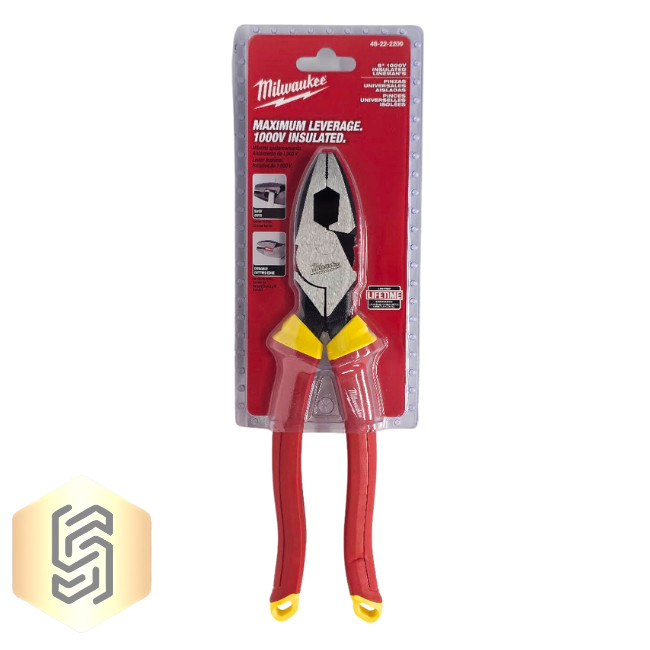 Milwaukee 48-22-2209 1000V Insulated 9" Maximum Leverage Lineman's Pliers$47.99View on eBay
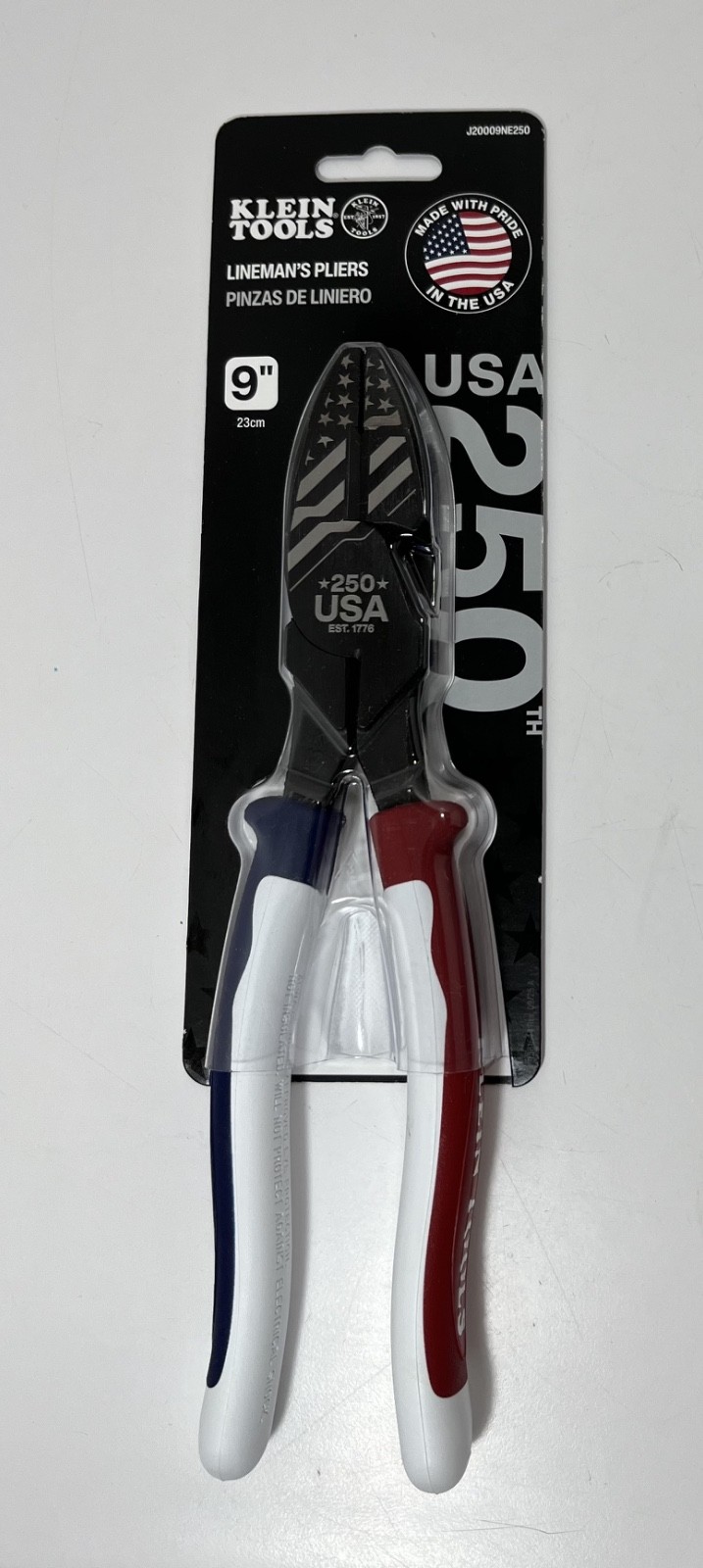 KLEIN Tools USA 250th Anniversary Limited Edition 9" LINEMAN’S PLIERS - NEW 🇺🇸$120.99View on eBay
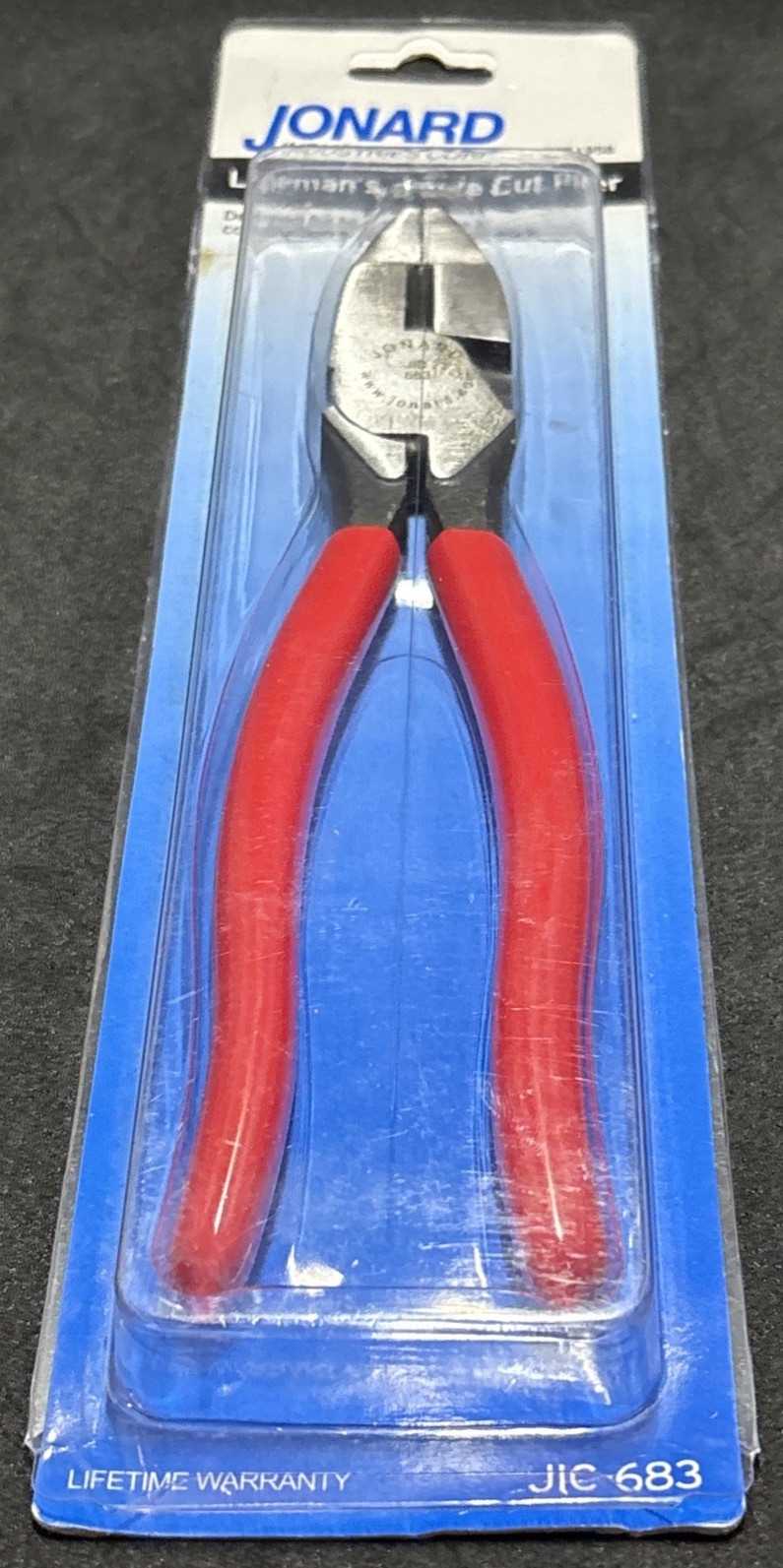 JONARD TOOLS LINEMAN'S SIDE CUT PLIERS JIC 683$20.69View on eBay
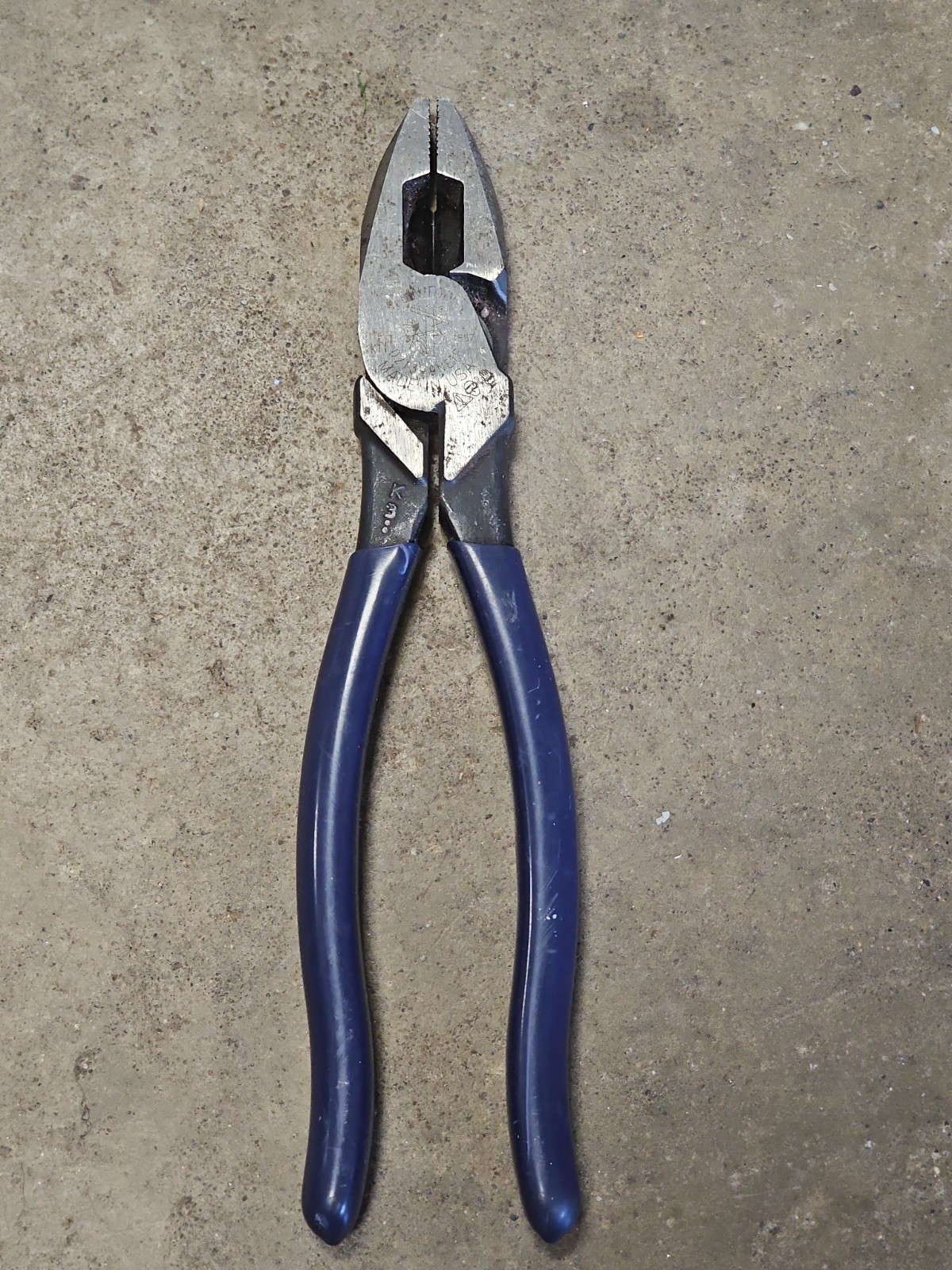 Klein Tools D213-9NETP Lineman's Fish Tape Pulling Pliers, 9-Inch$23.00View on eBay
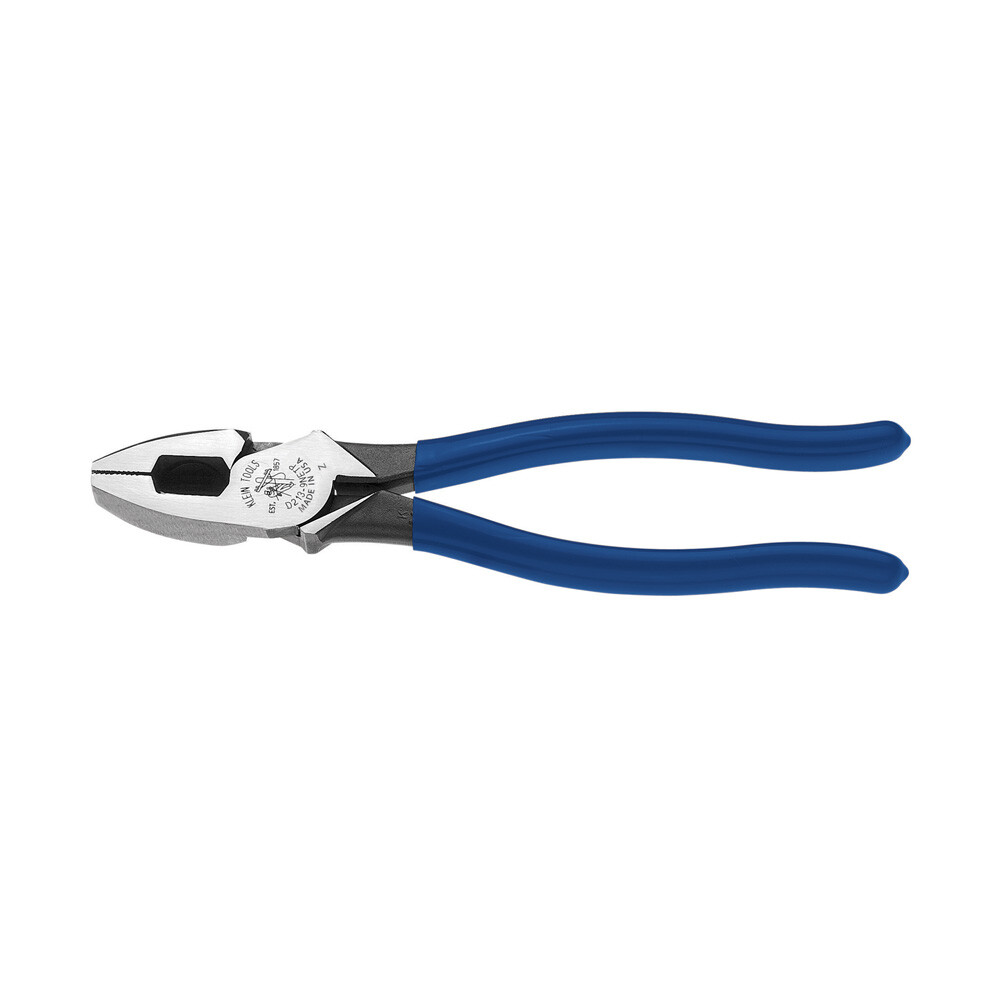 Klein Tools D213-9NETP Lineman's Fish Tape Pulling Pliers, 9-Inch$46.45View on eBay
Highlights
- Forged steel vs cast steel: forged jaws resist deformation under high-leverage twisting; cast or stamped pliers round out at the pivot and cutting edges.
- 9-inch class is the electrician standard; 12-inch pliers add leverage but exceed most pouch and belt fit, and are reserved for heavy rebar or large-gauge cable work.
- 1000V insulation rating is a tested ASTM/EN standard, not a color; unrated dipped handles are grip comfort only and must never contact live conductors.
- High-leverage pivot designs (e.g., Klein J2000, Milwaukee Maximum Leverage) multiply cutting force enough to cut hardened wire and screws that standard pliers dent.
Best use cases
- Choose a 9-inch 1000V-rated plier for panel work, device wiring, and service calls — it grips, twists splices, cuts conductors, and pulls fish tape.
- Choose a standard forged 9-inch high-leverage plier for rough-in, MC/BX cable, and general gripping where live-circuit contact is not expected.
- Skip 12-inch pliers for everyday electrical work: too long for pouches, too heavy on ladders, and overkill for 10–12 AWG conductors.
- Skip unrated dipped-handle pliers entirely for energized work; keep them only for low-voltage, data, or de-energized mechanical tasks.
Buying tips
- Specify 9-inch overall length for standard electrical work; step to 12-inch only for large-gauge cable, rebar tying, or high-force twisting.
- Confirm forged steel and induction-hardened cutting edges; hardened edges cut ACSR, screws, and nails without denting, while soft edges chip.
- For live work, require an explicit 1000V insulation rating on the tool body or packaging; dipped thermoplastic handles alone do not qualify.
- Pick high-leverage pivot geometry (offset rivet or compound leverage) if you routinely cut hardened wire or thick cable; standard pivot suits light cutting.
Specs
| Size Class | 9 in standard / 12 in heavy-duty |
|---|---|
| Steel Construction | Forged steel / induction-hardened edges |
| Insulation Rating | 1000V rated vs unrated dipped grip |
| Leverage Type | Standard pivot vs high-leverage compound |
Related searches
What to check before buying
- Measure your tool pouch or belt loop: a 9-inch plier needs roughly 10 inches of clear length; 12-inch models demand a long pouch or outside holster.
- Confirm your work voltage: any energized circuit above low voltage requires a plier with a printed 1000V insulation rating, plus insulated companion tools.
- Check jaw and cutter condition on arrival: edges should be sharp and aligned, pivot should move smoothly without side play, and handle grips should not rotate.
- Match handle type to gloves and climate: thick insulated grips resist oil and cold but reduce dexterity; thin dipped grips suit dry indoor panel work.
FAQ
Data sources: eBay / Amazon listings and product attribute feeds Data updated Nov 20, 2026.
Some links on this page are affiliate links. If you buy after clicking one, we may earn a commission at no extra cost to you. This does not change which products appear here or their order. Affiliate disclosure.