Photos from current listings. Actual item, color, and included accessories may vary.
Wire Stripper Buying Guide
A wire stripper is a precision hand tool that removes insulation without nicking the conductor, and the core trade-off is between automatic self-adjusting mechanisms and manual gauge-specific dies. Buy automatic or multi-die tools with hardened steel blades and AWG markings for repeatable work; skip stamped-steel, single-gauge toys unless the job is truly one-off.

At a glance
- Category
- Electrician Hand Tools
- Data updated
- Nov 20, 2026
Current offers
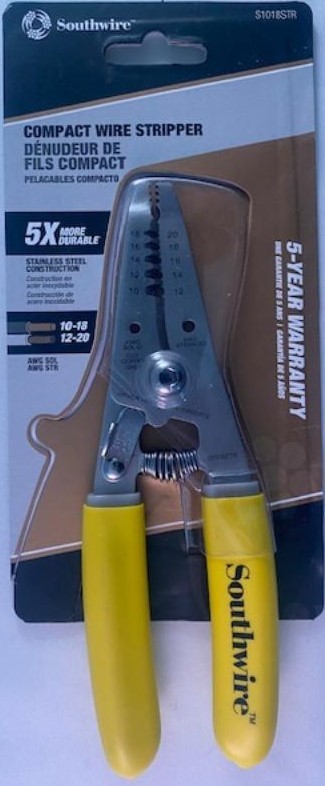 Southwire Tools Equipment S1018STR Wire Stripping Tool 10-18 AWG Wire Stripper$5.00
 View on eBay
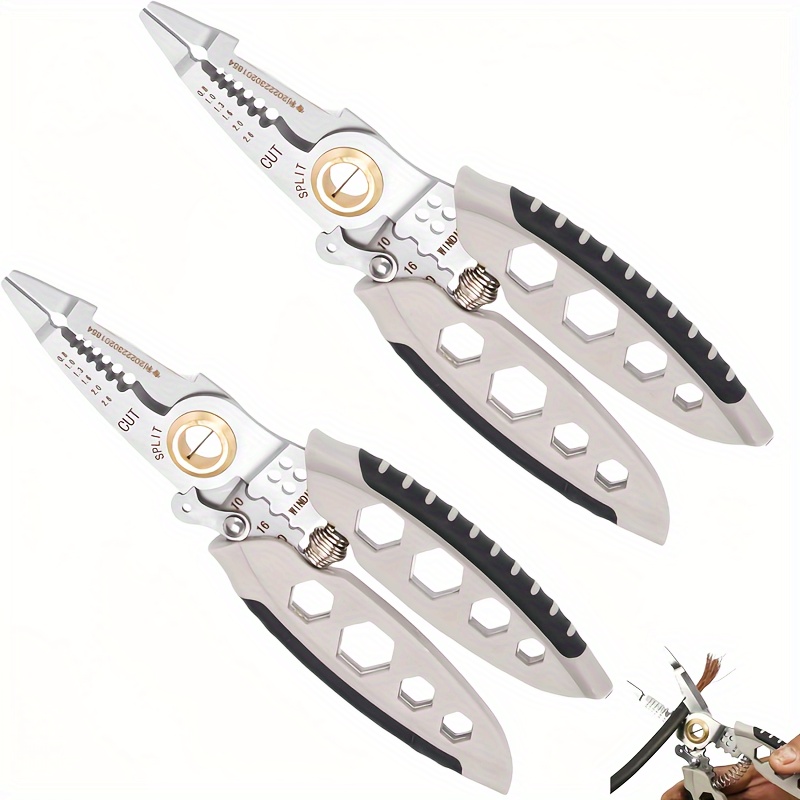 The Multi-Functional Wire Stripper (White Center 7 Inches), Special Tool For Electricians To Remove The Insulation Of Wires. It Is Made Of Stainless Steel And Is Used To Break And Strip$19.99
 View on Mallflare
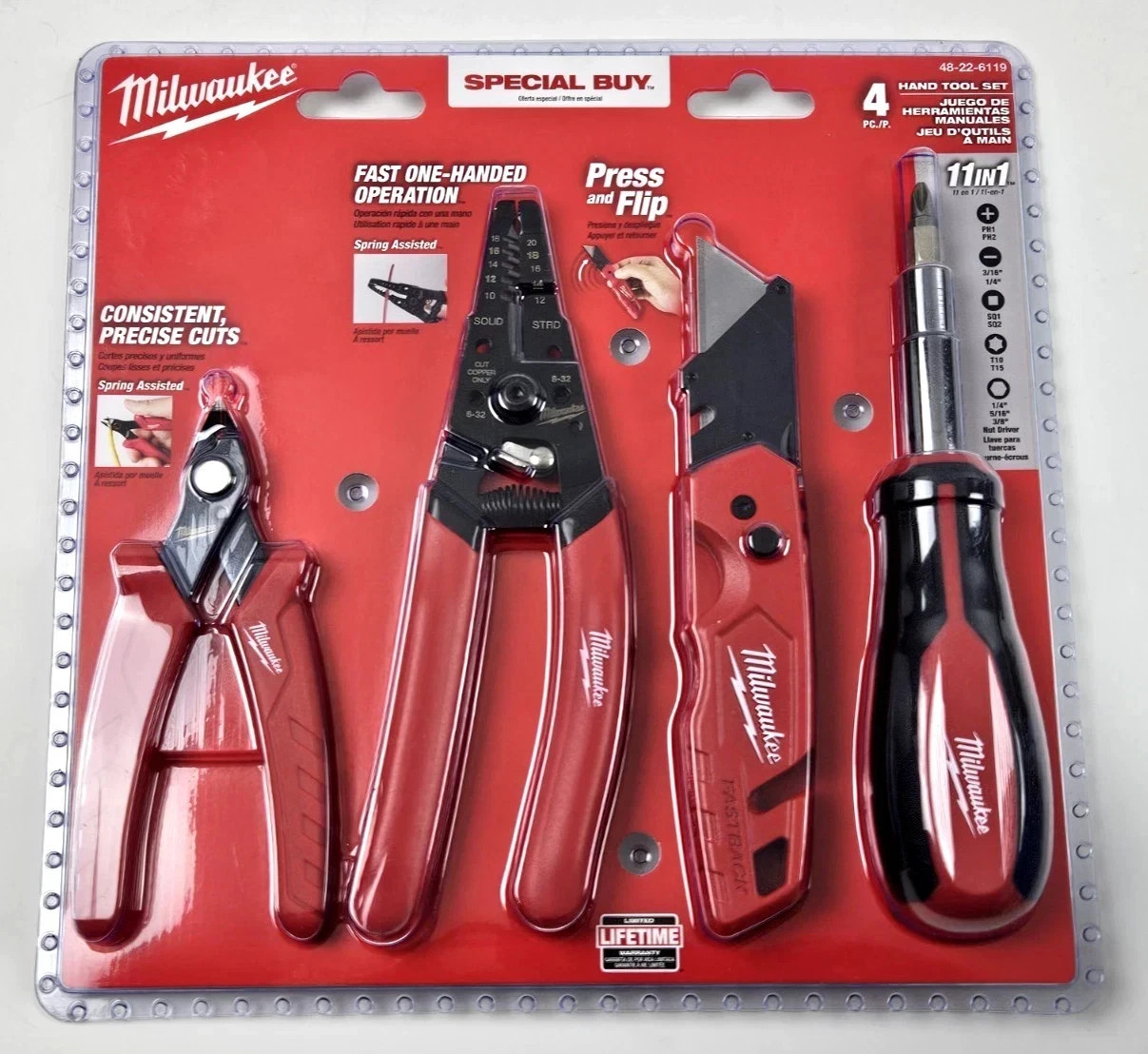 MILWAUKEE 4pc ELECTRICIAN'S HAND TOOL SET WIRE STRIPPER CUTTER SCREWDRIVER KNIFE$29.88View on eBay
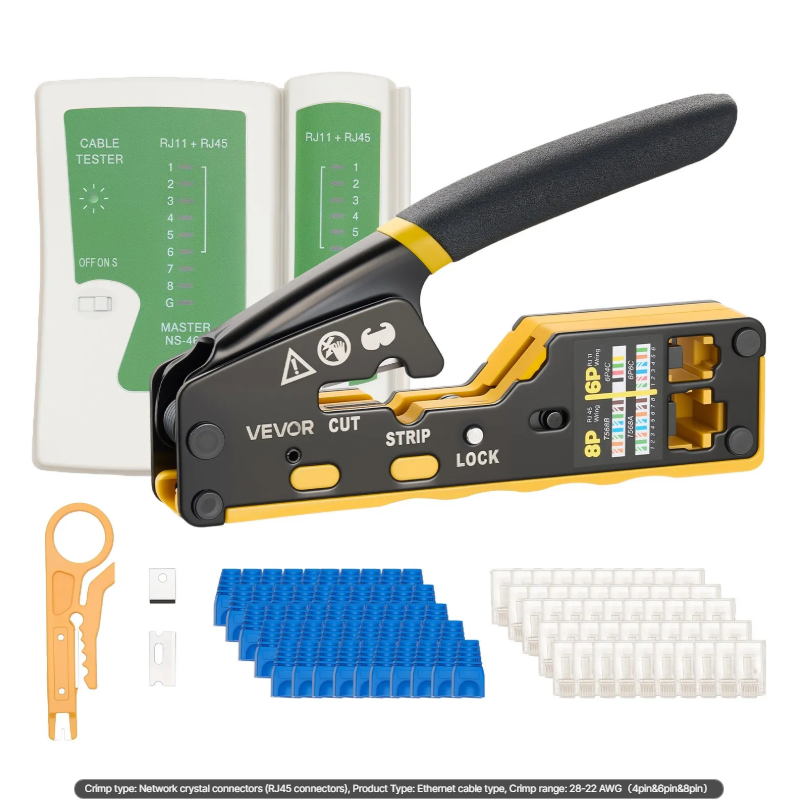 VEVOR Crimping Tool, RJ45-RJ11-RJ12 Ethernet Crimper, Crimp Kit For 4-6-8-Pin Modular Plugs, With Mini Wire Stripper, 50 Connectors And 50 Boots, Replacement Blades, And Network Cable Tester$29.99View on Mallflare
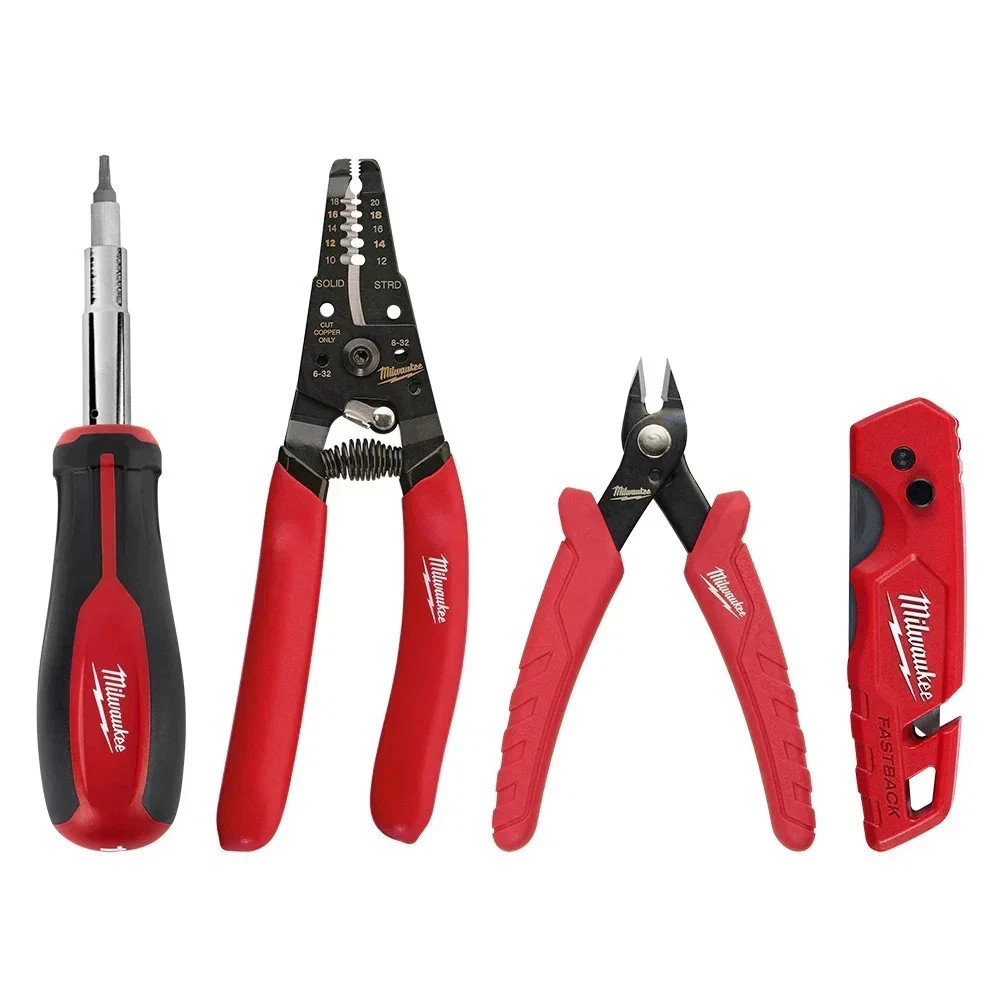 MILWAUKEE 48-22-6119 Electrician's HAND TOOL SET 4-PIECE WIRE STRIPPER CUTTER ..$29.98View on eBay
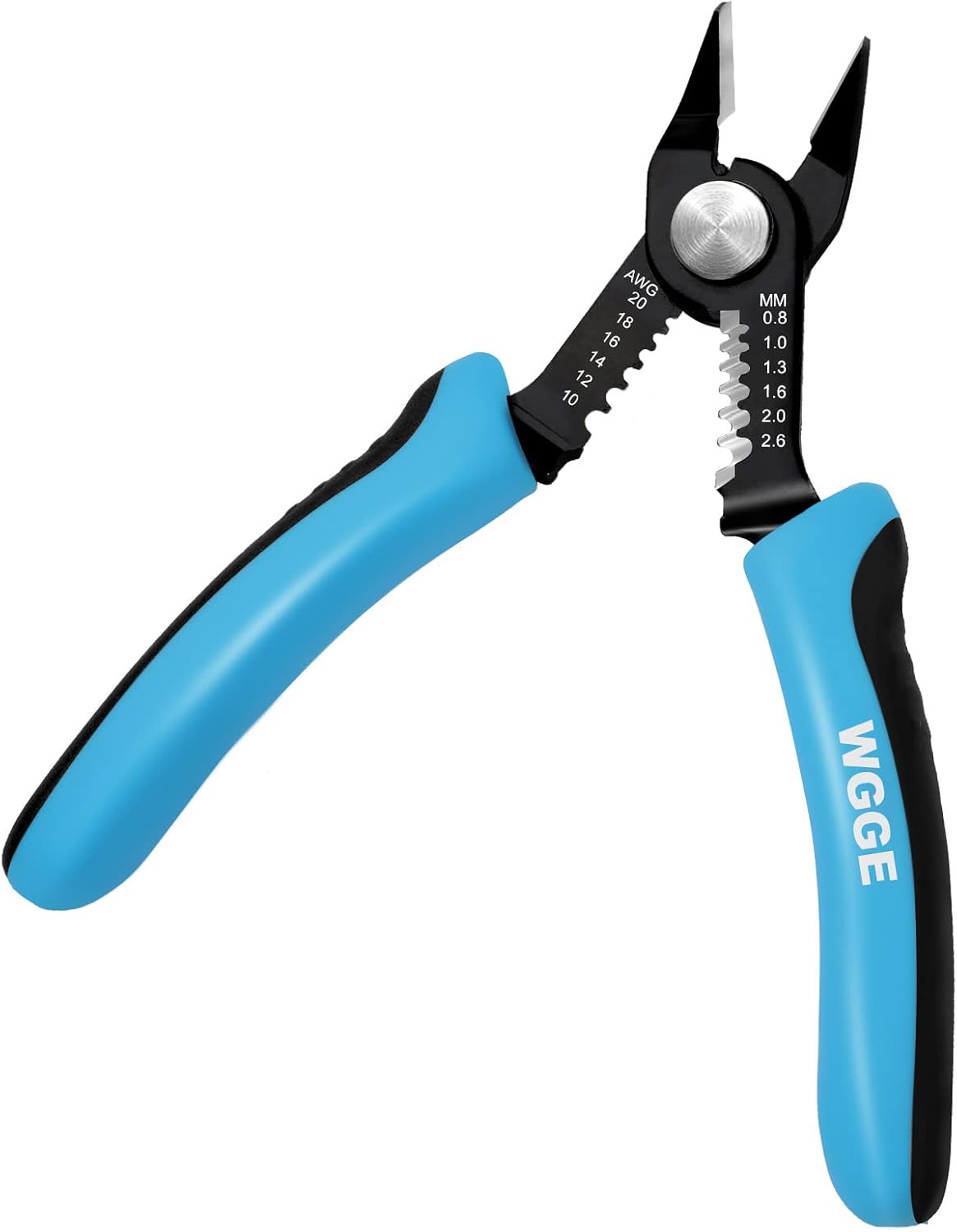 Precision Flush Wire Cutter & Stripper, 10-20 AWG, 6-Inch High-Carbon Steel Tool With Spring Handle & Angled Jaws For Electronics$44.99View on Mallflare
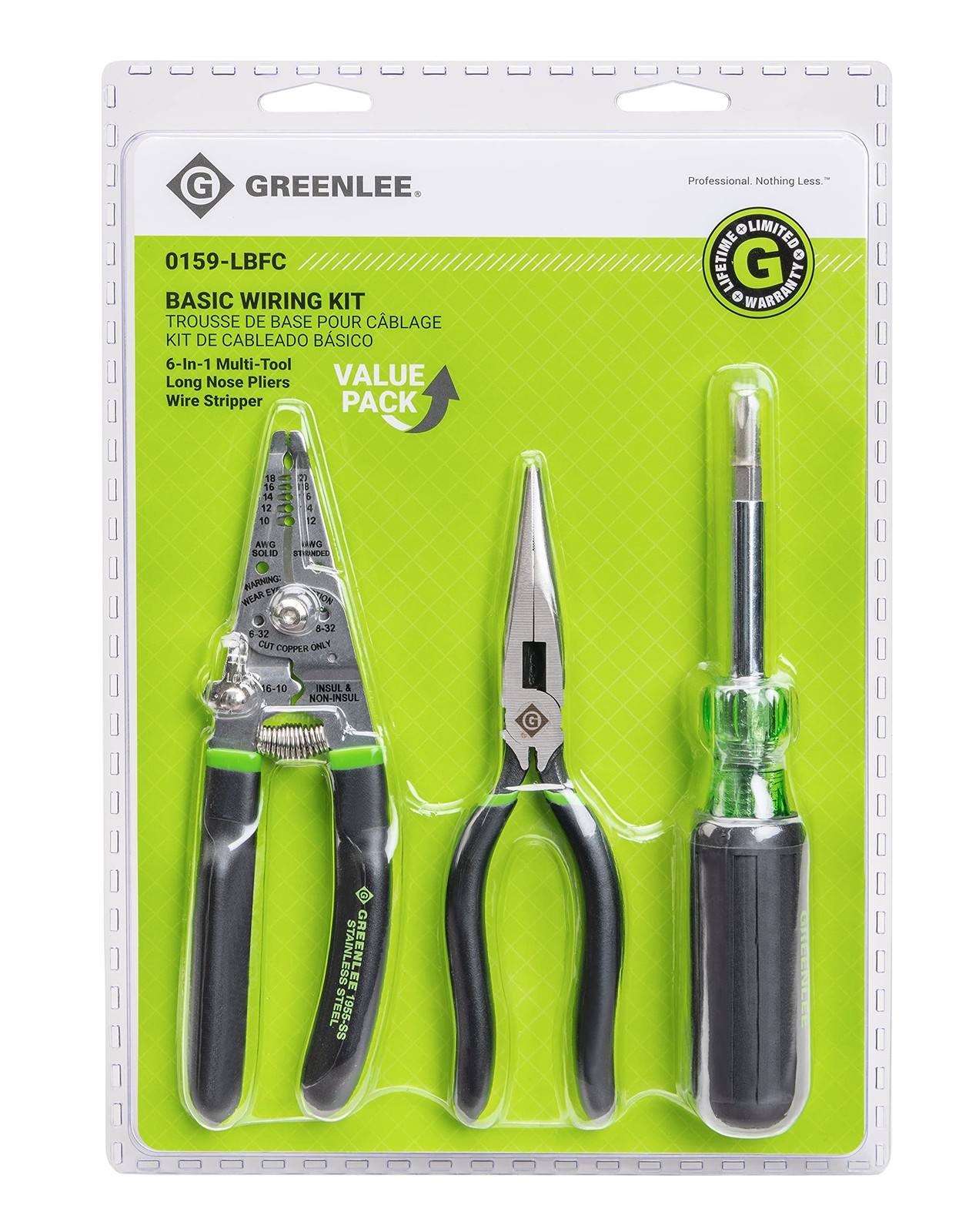 Greenlee 0159-Lbfc 3-Piece Electrician Tool Kit Stainless Steel Wire Stripper$66.15View on eBay
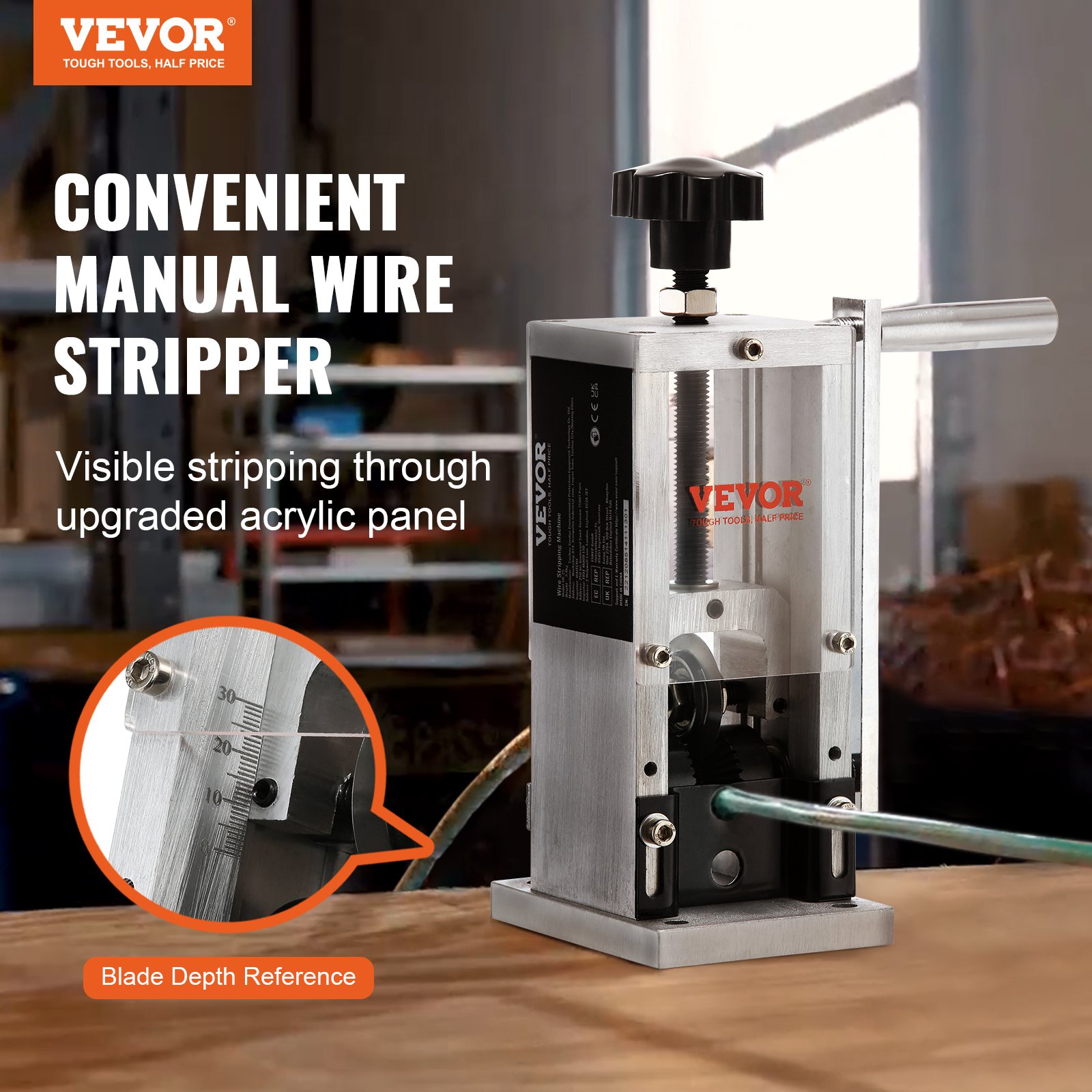 VEVOR Manual Wire Stripping Machine, Copper Stripper With Hand Crank Or Drill Powered, Visible Depth Reference, Portable Aluminum Frame Peeler For Scrap Recycling$67.99View on Mallflare
Highlights
- Automatic self-adjusting strippers handle 10-24 AWG via spring-loaded jaws, while manual models use fixed dies sized to specific AWG ranges like 10-18 or 10-20 AWG.
- Blade material determines life: hardened or high-carbon steel holds an edge through thousands of cycles; stainless resists corrosion but dulls faster on hard insulation.
- Insulated handles rated to 1,000 V protect against accidental contact on live-adjacent work; bare-metal grips offer no dielectric protection.
- Crimping and cutting functions add value only when the stripper's die geometry matches the terminal or connector standard being used.
Best use cases
- Best fit: residential and commercial electricians doing repetitive 12-14 AWG Romex work—pick a self-adjusting 10-18 AWG stripper with cushioned grips and a built-in cutter.
- Best fit: electronics and control-panel work at 20-30 AWG—choose a precision flush-cutter/stripper with spring return and angled jaws for tight spaces.
- Wrong fit: stripping scrap copper for recycling at volume—a hand stripper is too slow; use a drill-powered or crank wire stripping machine instead.
- Skip: RJ45/Ethernet crimp kits with a mini stripper if you need general-purpose wire stripping—the mini tool is sized for 23-24 AWG twisted pair only.
Buying tips
- Match the AWG range to your actual wire: 10-18 AWG covers most building wire; 20-30 AWG is required for electronics and thermostat/control wiring.
- Choose self-adjusting jaws for mixed-gauge work; choose fixed-die or nest-style strippers when you strip the same gauge daily and want zero setup.
- Verify handle insulation rating—1,000 V rated grips are the standard for any work near energized circuits; unrated grips are for dead circuits only.
- Prefer forged or machined steel bodies over stamped sheet metal; stamped tools flex under load and misalign the blades over time.
Specs
| Stripping Type | Self-adjusting vs fixed-die manual |
|---|---|
| AWG Range | 10-18 AWG building / 20-30 AWG precision |
| Blade Material | Hardened/high-carbon steel vs stainless |
| Handle Rating | 1,000 V insulated vs unrated |
Related searches
What to check before buying
- Confirm the wire gauges you strip most often and check the tool's printed AWG range covers both the smallest and largest.
- Measure your working space: a 7-inch tool fits a pouch, but a 6-inch precision stripper is needed for junction boxes and panel interiors.
- Check whether you need integrated crimping for insulated or bare terminals, and confirm the crimp die matches your terminal type.
- Verify grip insulation is rated for the voltage class of your work; 1,000 V rated handles are the baseline for electricians.
FAQ
Data sources: eBay / Amazon listings and product attribute feeds Data updated Nov 20, 2026.
Some links on this page are affiliate links. If you buy after clicking one, we may earn a commission at no extra cost to you. This does not change which products appear here or their order. Affiliate disclosure.