Photos from current listings. Actual item, color, and included accessories may vary.
Cordless Work Light Buying Guide
A cordless work light is a battery-powered area or task light built for hands-free illumination where extension cords cannot reach. The core trade-off is between raw lumen output and runtime versus portability and mounting versatility—high-output models often use larger battery packs and generate more heat, while compact magnetic lights sacrifice brightness for flexibility. The decision rule: buy a light whose beam pattern, mounting system, and ingress rating match your actual work environment, not the highest lumen number on the box.


At a glance
- Category
- Flashlights & Headlamps
- Data updated
- Nov 20, 2026
Current offers
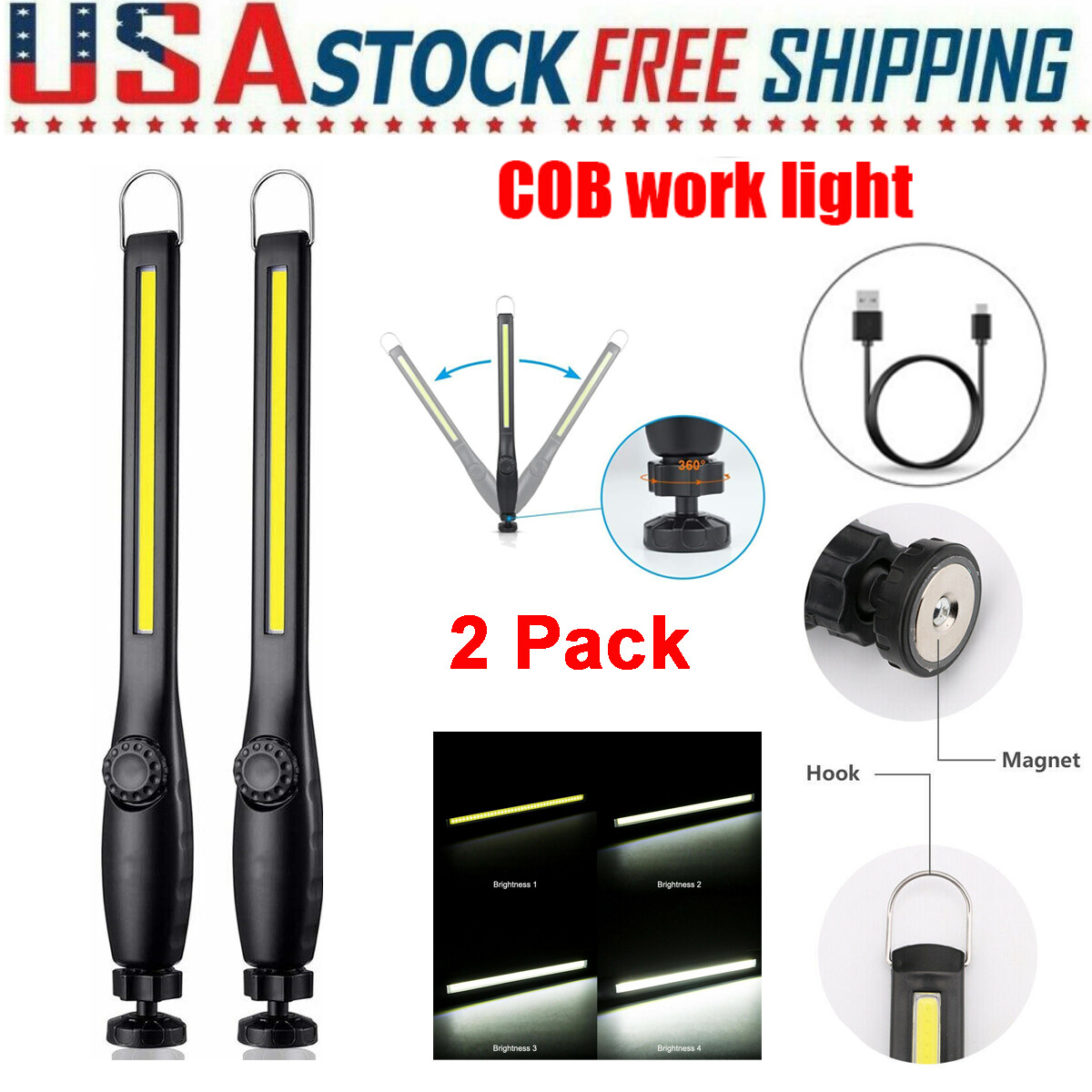 LED USB Rechargeable Work Light Magnetic Flashlight Flexible Cordless Torch Automotive Inspection$28.99
 View on Mallflare
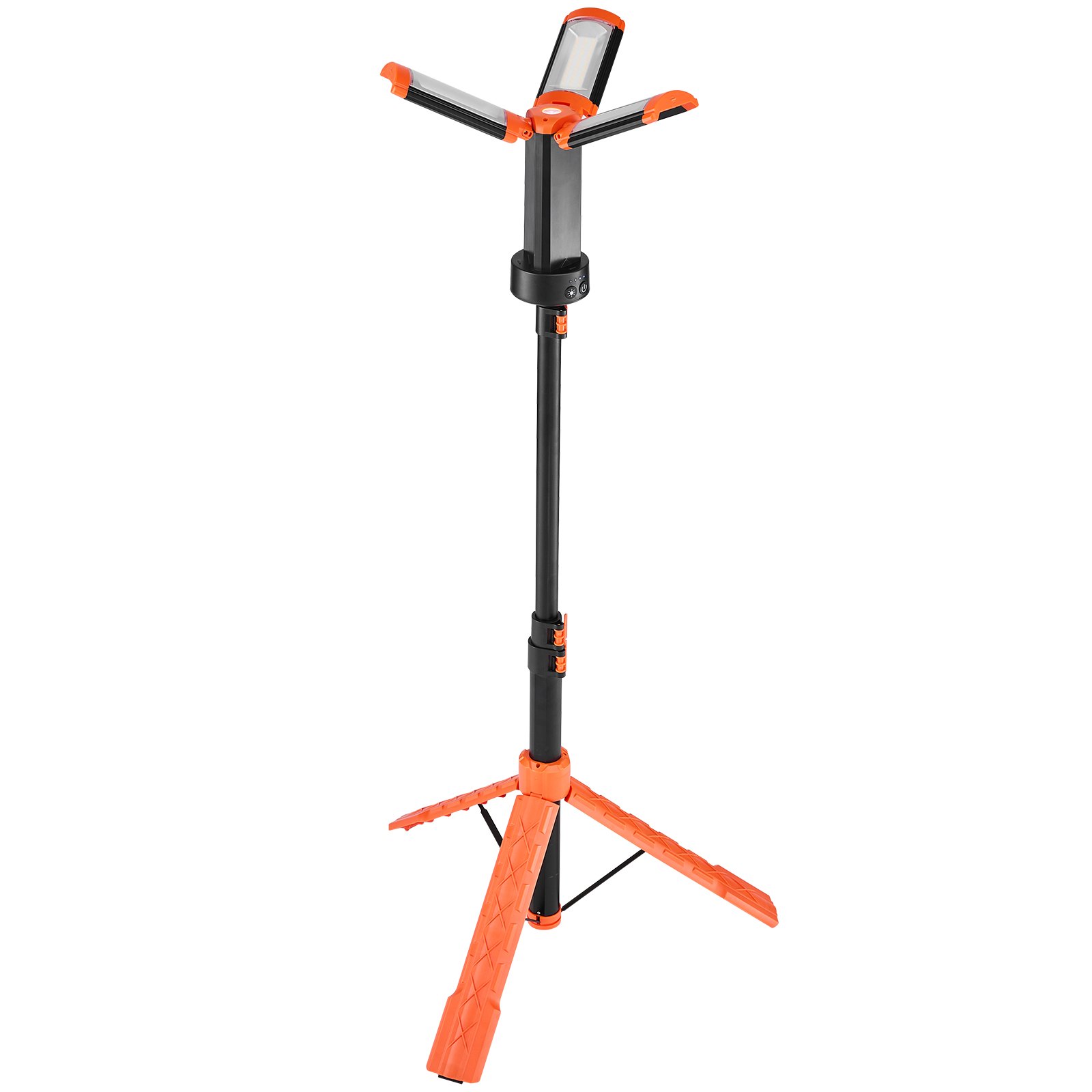 LED Work Light With Stand, 6Ah, Rechargeable Cordless Camping 3 Lamp Heads, Detachable Tripod 2200 Lumens 3000K-6500K Dimmable, Portable Construction Lighting For Job Site$67.99View on Mallflare
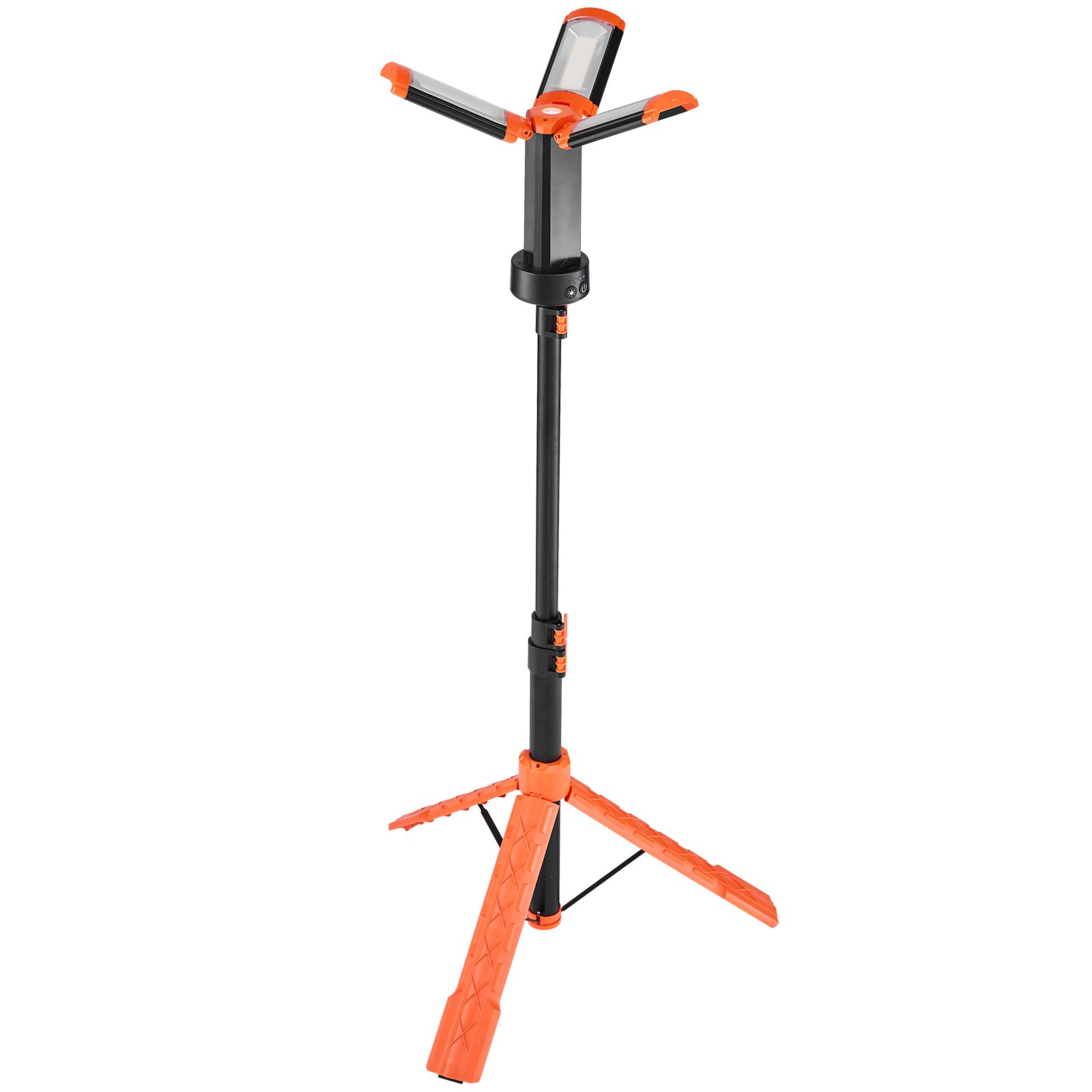 LED Work Light With Stand, 8Ah, Rechargeable Cordless Camping 3 Lamp Heads, Detachable Tripod 2200 Lumens 3000K-6500K Dimmable, Portable Construction Lighting For Job Site$69.99View on Mallflare
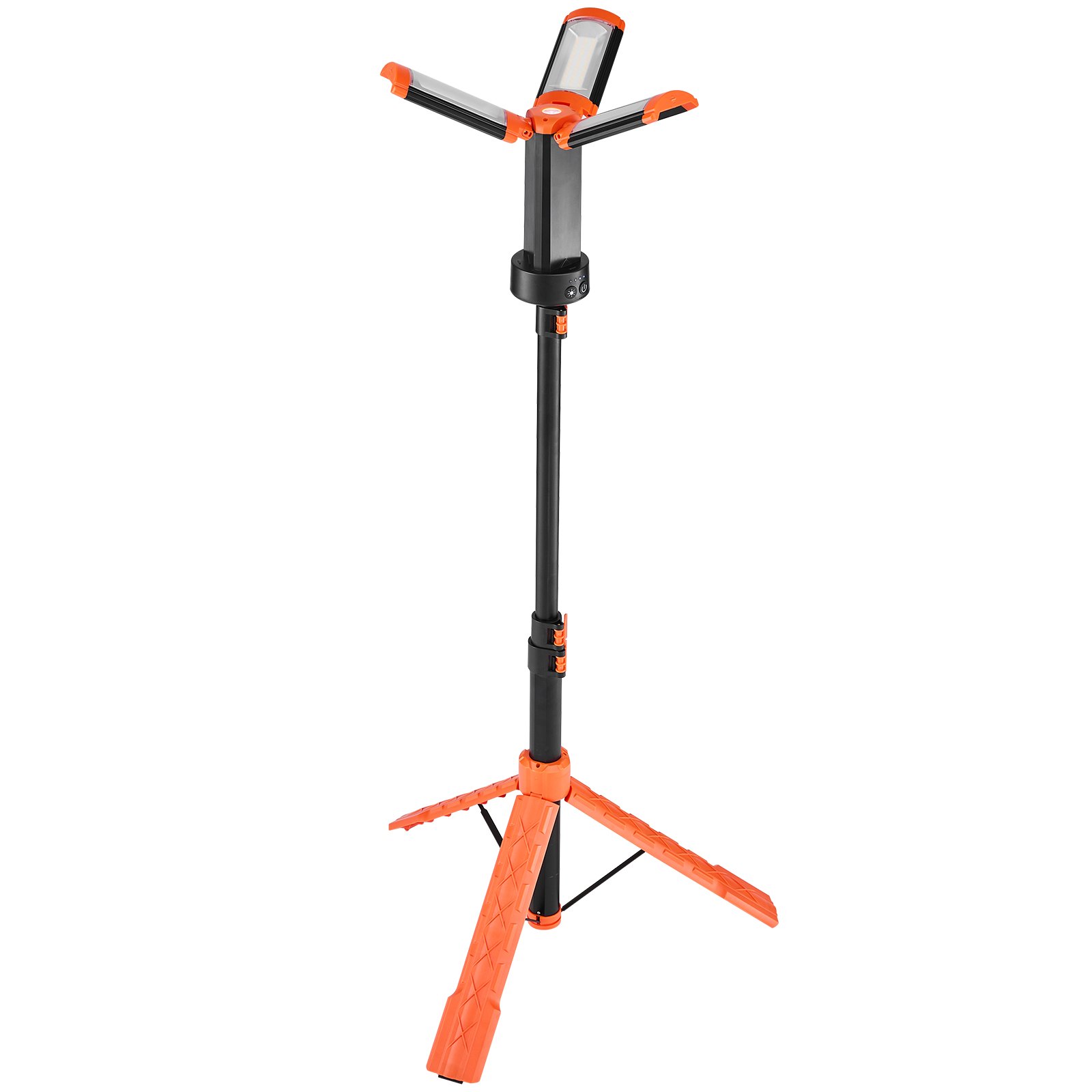 LED Work Light With Stand, 10Ah, Rechargeable Cordless Camping 3 Lamp Heads, Detachable Tripod 2200 Lumens 3000K-6500K Dimmable, Portable Construction Lighting For Job Site$73.99View on Mallflare
Highlights
- Battery architecture splits into built-in USB-rechargeable lithium-ion packs (compact, phone-charger convenience) versus removable 18650/21700 cells or 12V/18V tool-brand battery platforms (swappable, longer runtime, higher sustained output).
- Ingress protection is the key durability spec: IP54 handles dust and splashes for garage/attic work, while IP65/IP67 sealed bodies are required for outdoor, wet, or wash-down environments.
- Magnetic bases and folding/hook mounting determine hands-free utility—neodymium magnets rated for vertical steel hold versus simple clip-on hooks change where the light can actually be placed.
- LED emitter quality drives usable brightness: COB arrays give broad even flood for area lighting, while SMD LEDs with reflectors throw a tighter spot; adjustable color temperature (2700K–6500K) and high CRI (>80) matter for inspection and paint matching.
Best use cases
- Best fit: under-hood automotive and machinery inspection—pick a slim flexible-neck or folding magnetic bar light with IP54+ and a COB flood beam that sticks to steel and fits tight engine bays; skip large tripod floodlights here.
- Best fit: attic, crawlspace, and closet work—choose a compact USB-C rechargeable light with a folding hook and magnetic base plus at least 300–500 lumens; skip heavy tool-battery lanterns that are awkward overhead.
- Best fit: jobsite and outdoor night work—select a removable-cell or tool-platform light rated IP65+ with 1000+ lumens and a stand or tripod mount; skip unsealed plastic-body lights that fail in rain or dust.
- Wrong fit: continuous all-day professional use on a single charge—built-in-cell compact lights cannot sustain multi-shift runtime; step up to swappable battery packs or corded hybrids.
Buying tips
- Match battery to duty cycle: built-in 2000–5000 mAh USB cells suit intermittent 1–3 hour tasks; for 4+ hour shifts choose removable 18650/21700 cells or a tool-brand battery platform so you can swap packs.
- Use the lumen-runtime inverse rule: a light claiming 1000 lumens from a small built-in cell will step down quickly—expect realistic sustained output of roughly 30–50% of peak after 10–15 minutes unless it has a large heatsink or fan.
- Check the ingress rating before the brightness: IP54 minimum for dusty indoor work, IP65 or IP67 for outdoor, wet, or wash-down use; unrated plastic housings are a false economy in garages and jobsites.
- Verify charging standard: USB-C with PD is the current standard and charges faster than micro-USB; on tool-platform lights confirm the battery interface matches your existing brand's 12V/18V/20V system before buying.
Specs
| Power Source | Built-in USB vs removable 18650/21700 vs tool battery |
|---|---|
| Ingress Rating | IP54 indoor / IP65–IP67 outdoor & wet |
| Beam Type | COB flood vs SMD spot / adjustable focus |
| Mounting | Magnetic base / folding hook / stand / tripod |
Related searches
What to check before buying
- Measure your mounting surface: confirm the magnetic base holds on ferrous steel (not aluminum or stainless) and that the light's folded dimensions fit the gap or bay where you will place it.
- Confirm the light's IP rating matches your environment—IP54 for dry indoor, IP65/IP67 for outdoor, wet, or dusty jobsites—and that the charge port has a sealed cover.
- Check battery compatibility: built-in cells need a USB-C or micro-USB source; removable-cell and tool-platform lights require the correct cell size or brand battery you already own.
- Verify runtime at your needed brightness level, not peak lumens—read the sustained-output spec and confirm the light can run your typical task duration on one charge or one battery pack.
FAQ
Data sources: eBay / Amazon listings and product attribute feeds Data updated Nov 20, 2026.
Some links on this page are affiliate links. If you buy after clicking one, we may earn a commission at no extra cost to you. This does not change which products appear here or their order. Affiliate disclosure.