Photos from current listings. Actual item, color, and included accessories may vary.
Rechargeable Flashlight Buying Guide
A rechargeable flashlight replaces disposable alkaline cells with an integrated or swappable Li-ion pack, so runtime, brightness regulation, and charging safety depend on cell quality and driver design. The core trade-off is peak lumen marketing versus sustained output and honest IP waterproof ratings; the decision rule is to buy only lights with a named Li-ion cell, a regulated driver, and a real IPX rating, and skip anything that lists only vague 'high lumens' with no battery chemistry.


At a glance
- Category
- Flashlights & Headlamps
- Data updated
- Nov 20, 2026
Current offers
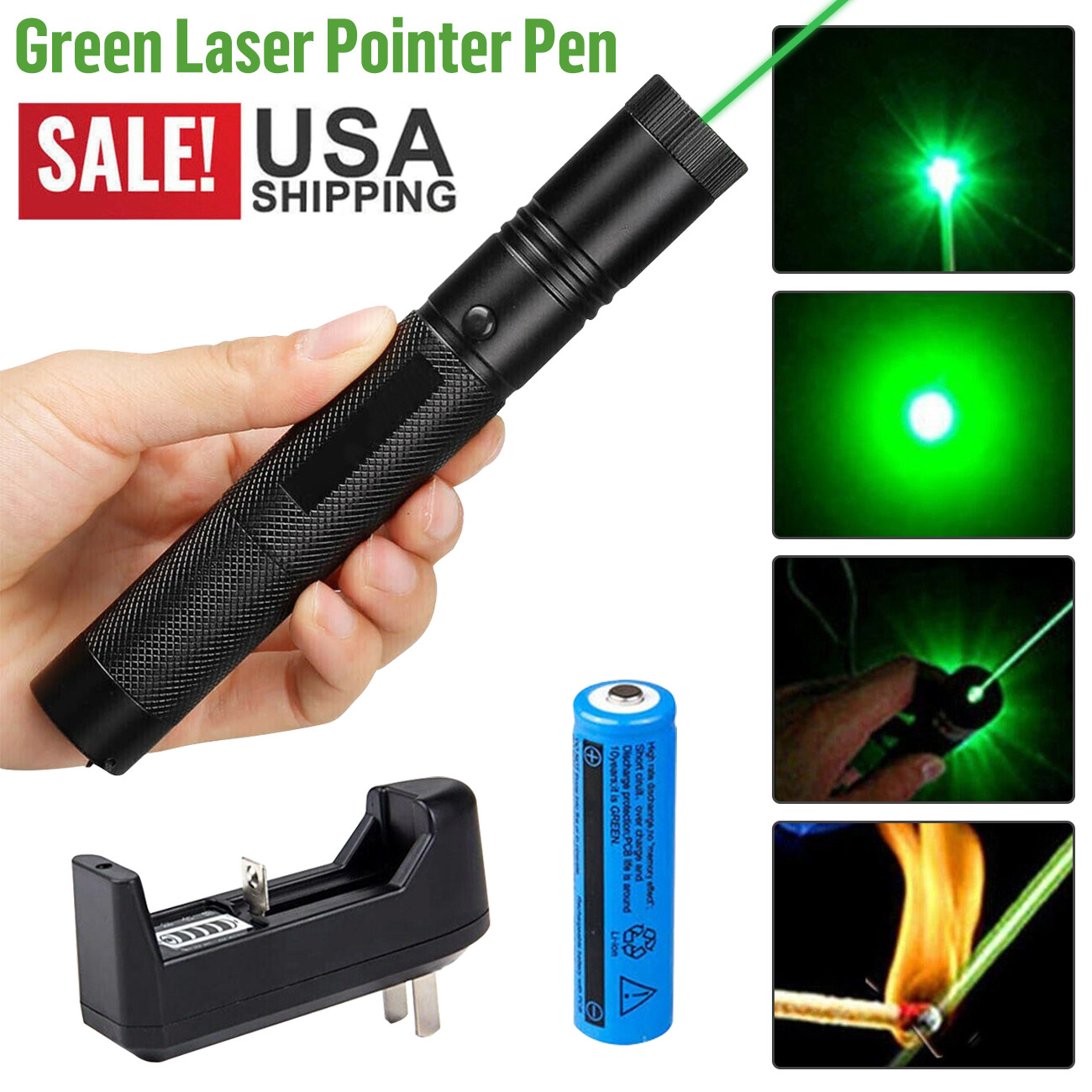 9900Mile Strong Green Laser Pointer Pen Light Visible Beam Lazer AAA Torch 532nm USB Rechargeable Flashlight$21.99
 View on Mallflare
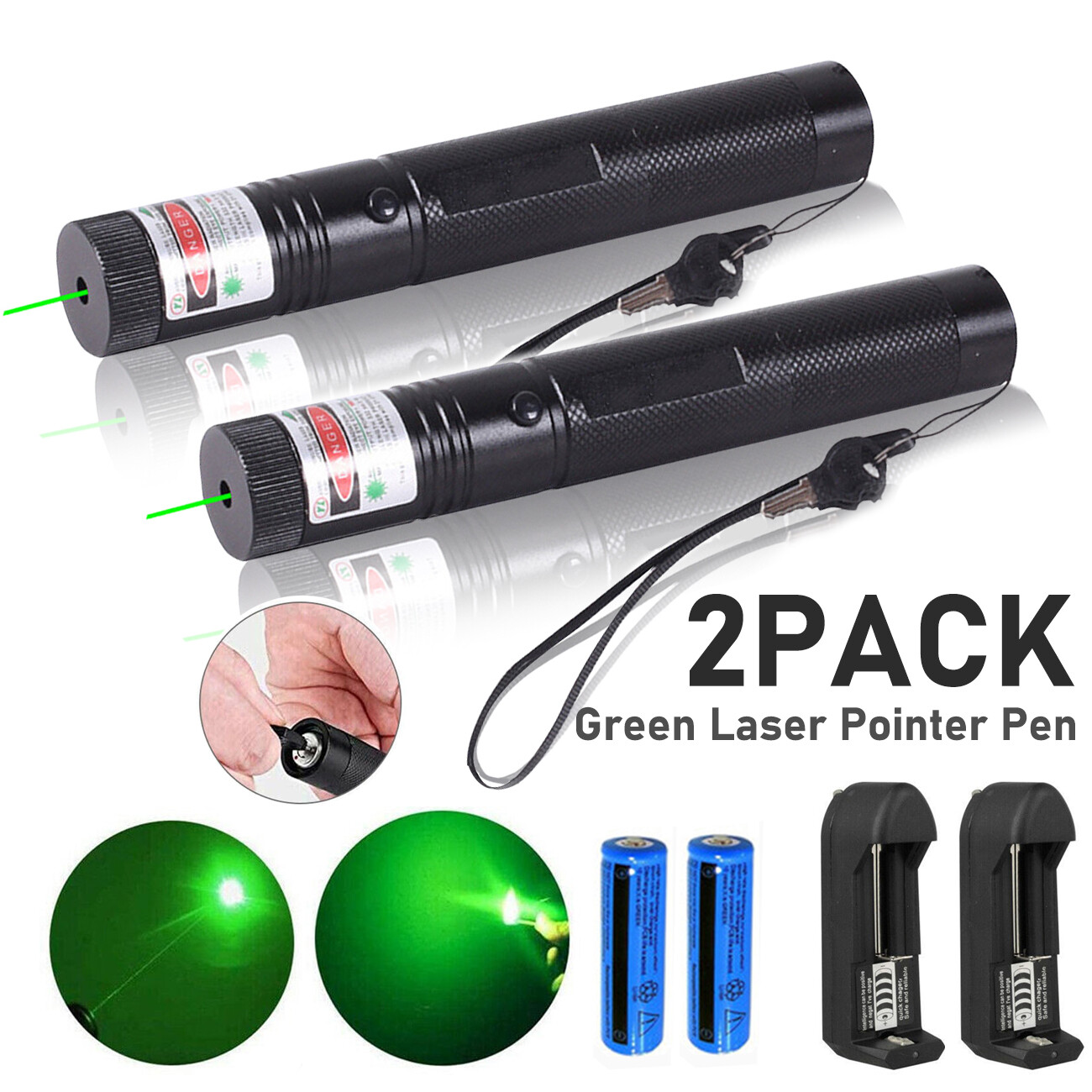 Green Laser Pointer Pen Light 9900Mile Strong Visible Beam Lazer AAA Torch 532nm USB Rechargeable Flashlight$21.99View on Mallflare
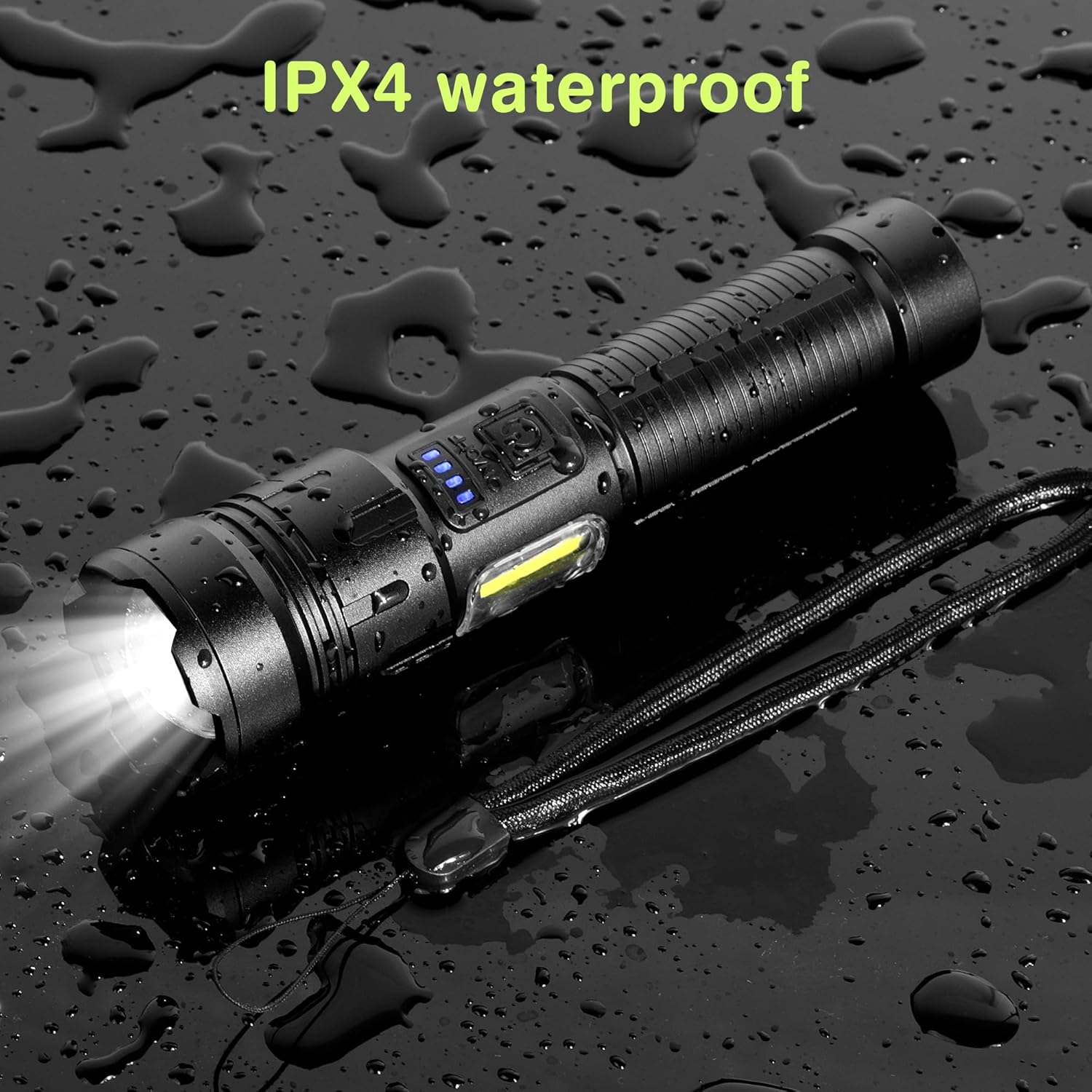 LED Rechargeable Flashlight$38.99View on Mallflare
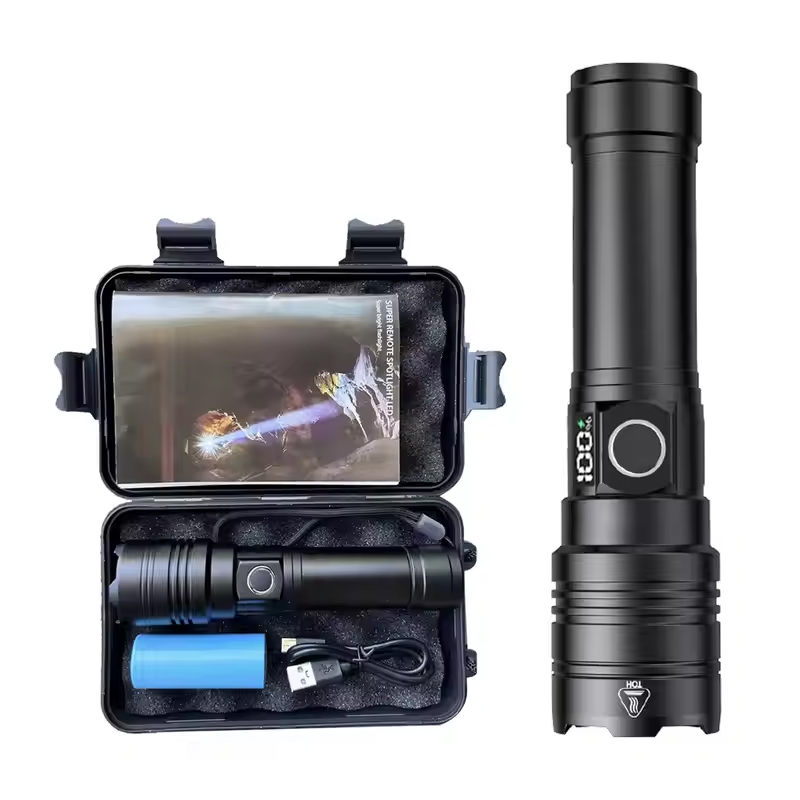 Rechargeable Flashlight$39.99View on Mallflare
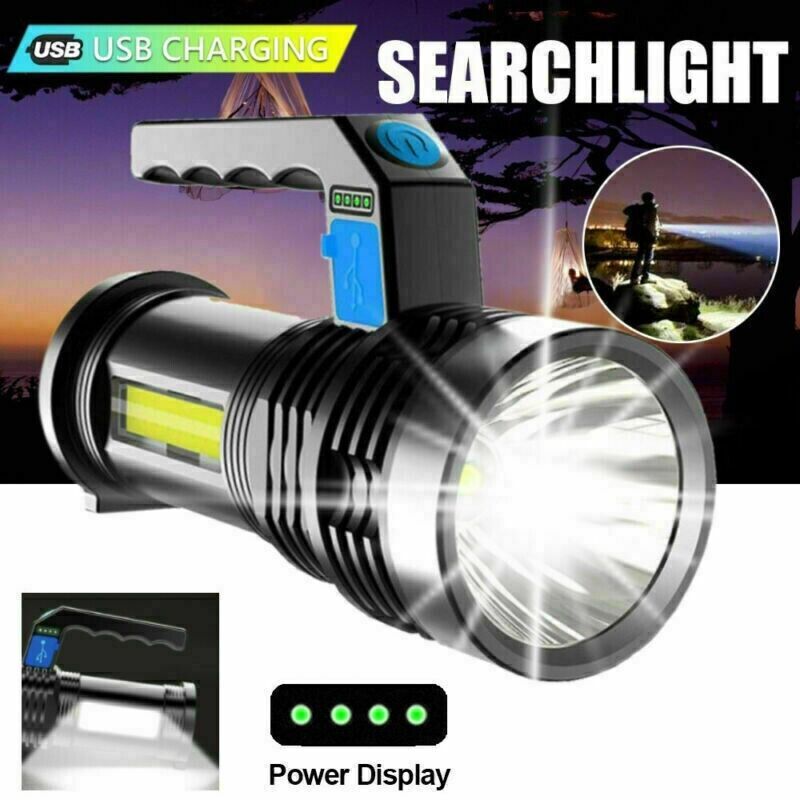 LED Flashlight USB Rechargeable Torch COB Spotlight Camping Light High Lumens Emergency Lamp 3 Modes Waterproof$18.99View on Mallflare
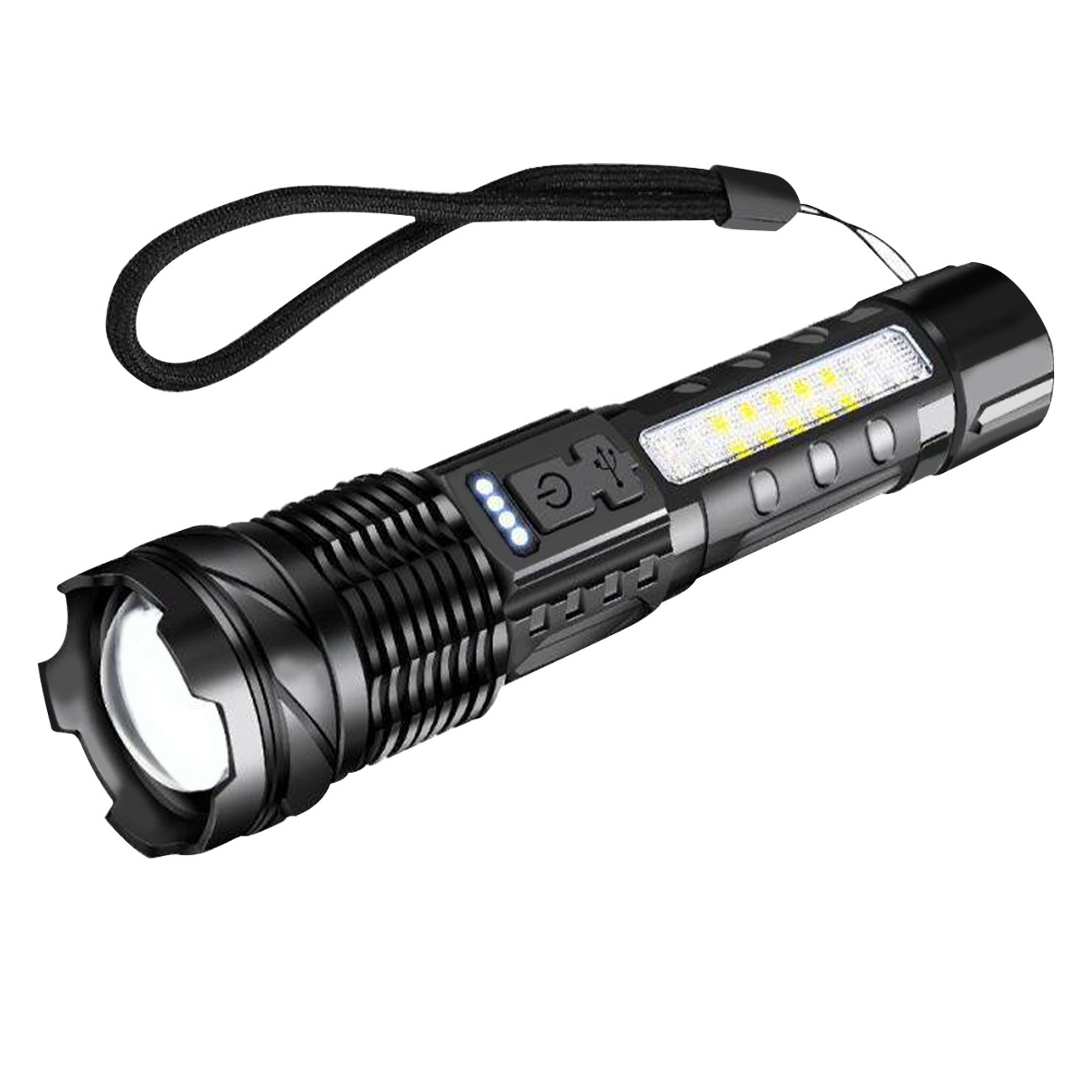 Rechargeable LED Flashlight Tactical Torch Police Super Bright Work Light Camping Lamp Modes USB Charging$18.99View on Mallflare
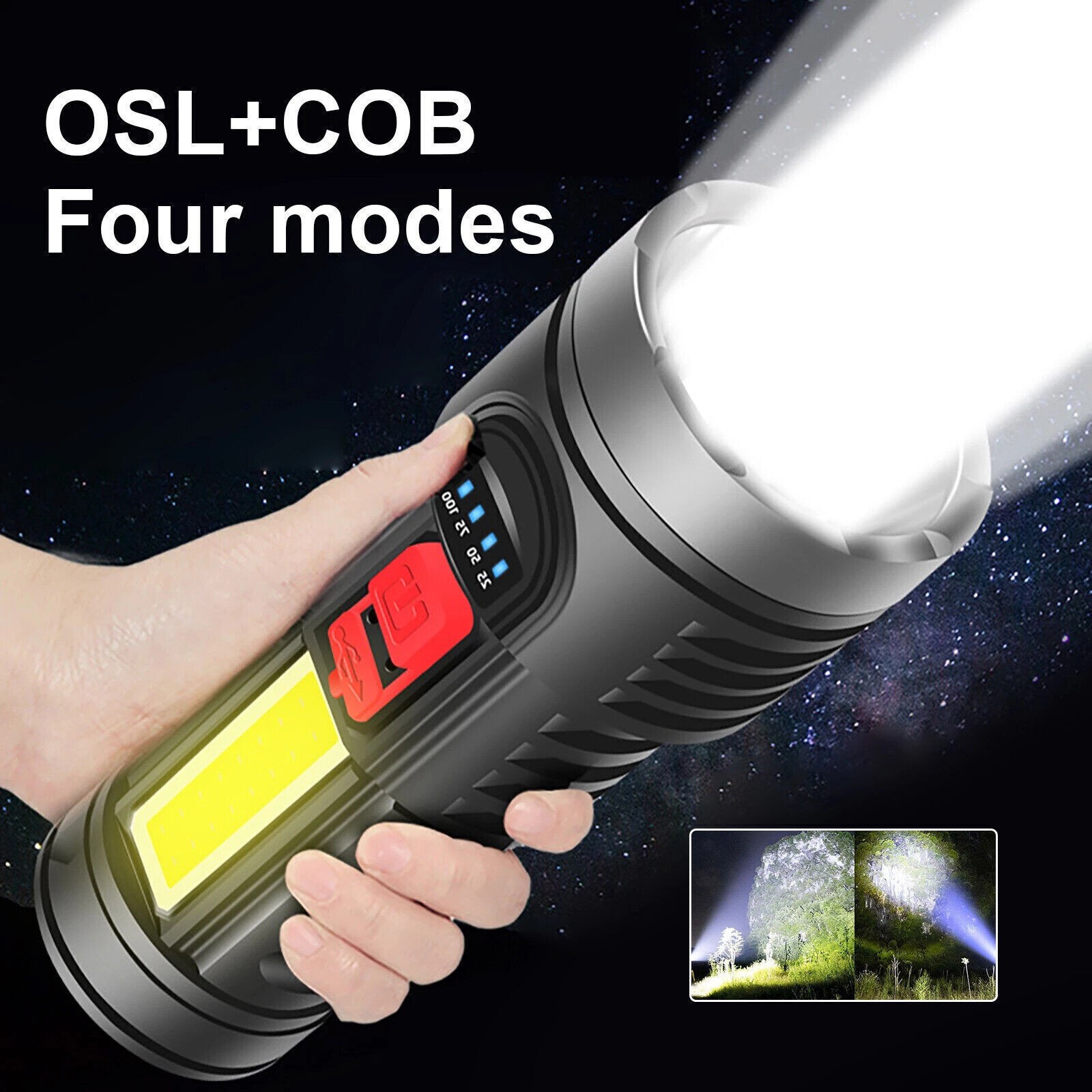 LED Flashlight Torch Rechargeable Work Light Built-in Battery$18.99View on Mallflare
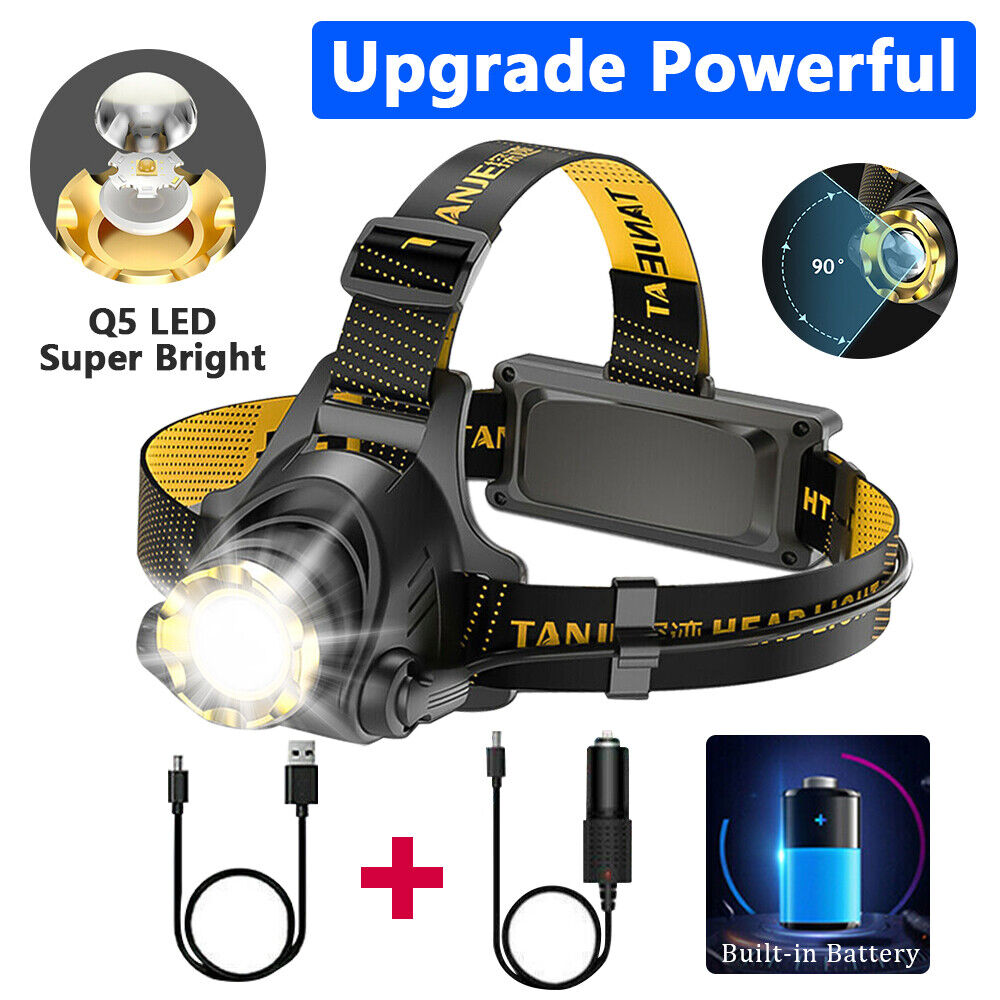 LED Headlamp Rechargeable Head Torch Zoom Headlight Lamp Flashlight Fishling Camping Light With 3 Modes Work$18.99View on Mallflare
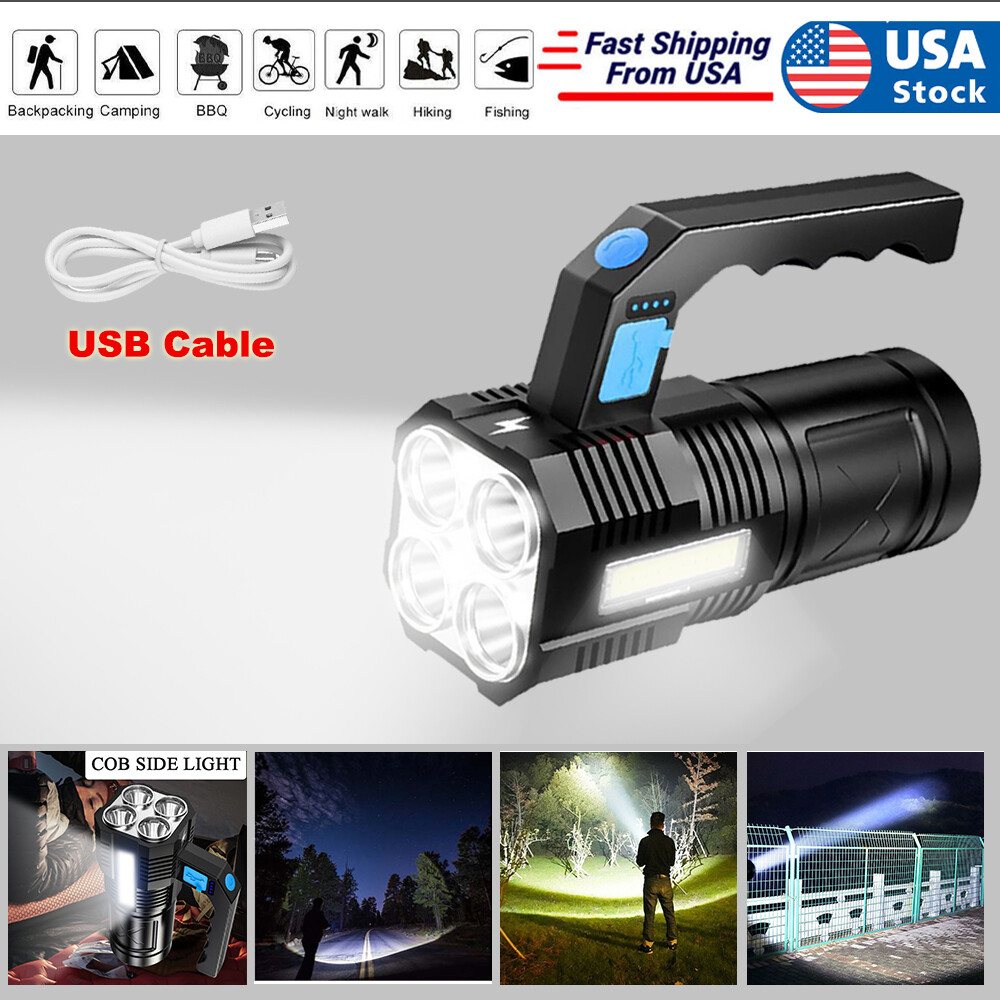 LED Flashlight USB Rechargeable Torch COB Spotlight Camping Light Emergency Lamp 4 Modes Waterproof Work$19.99View on Mallflare
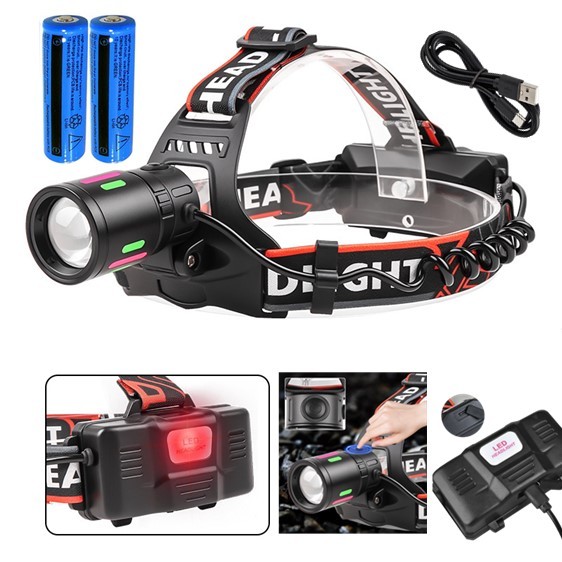 LED Headlamp USB Rechargeable Head Torch Zoom Headlight Lamp Super Bright Flashlight Work Light 3 Modes With Li-ion Batteries$19.99View on Mallflare
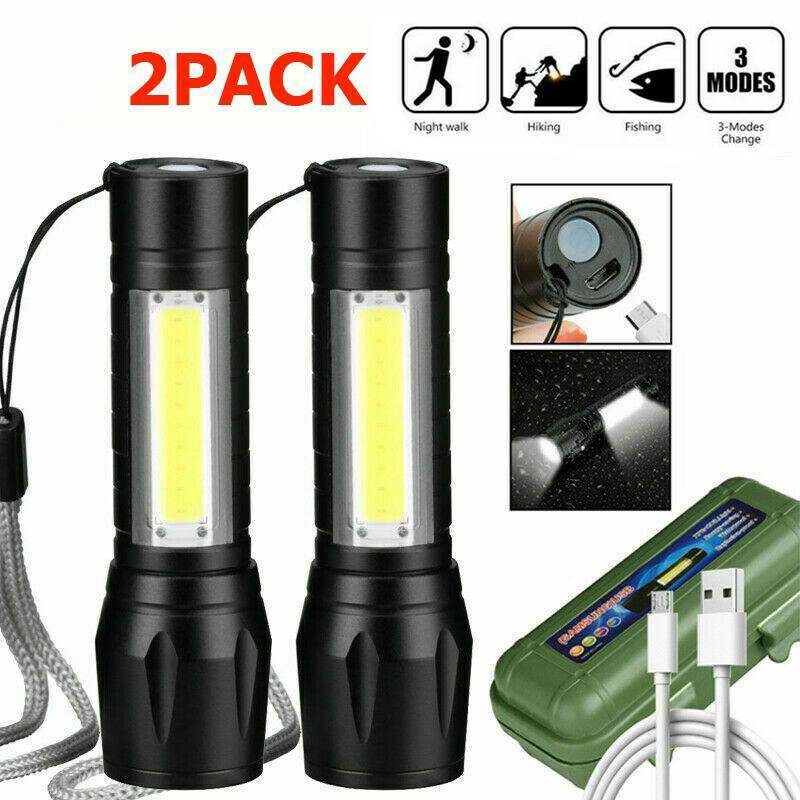 Mini Flashlight LED COB Torch Rechargeable High Lumens Zoomable Adjustable Focus Camping Light 3 Modes Waterproof$20.99View on Mallflare
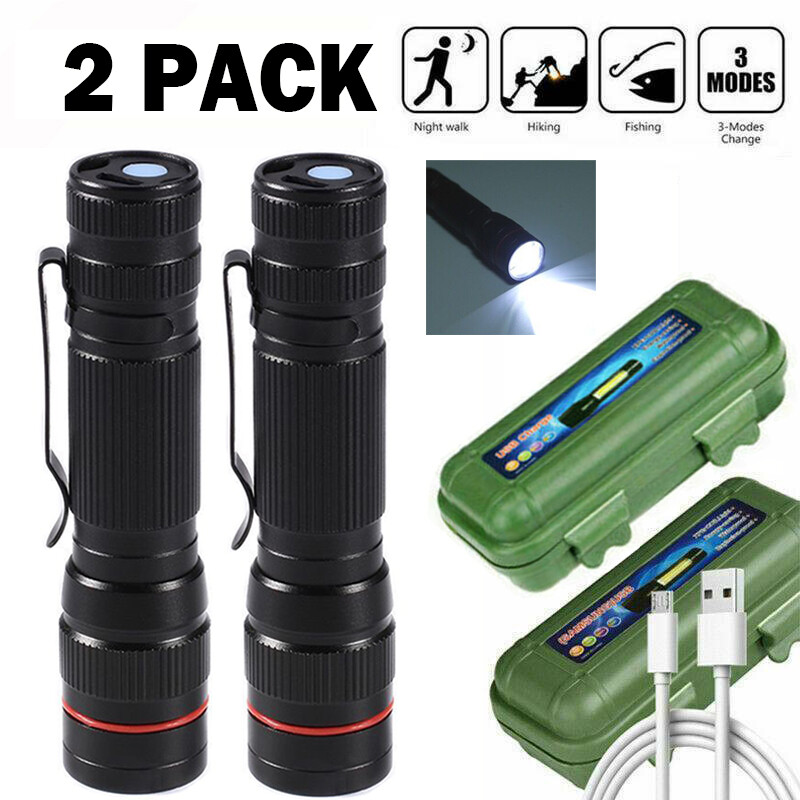 LED Flashlight USB Rechargeable Tactical Zoom Torch Powerful Mini Pen Light Work For Camping$20.99View on Mallflare
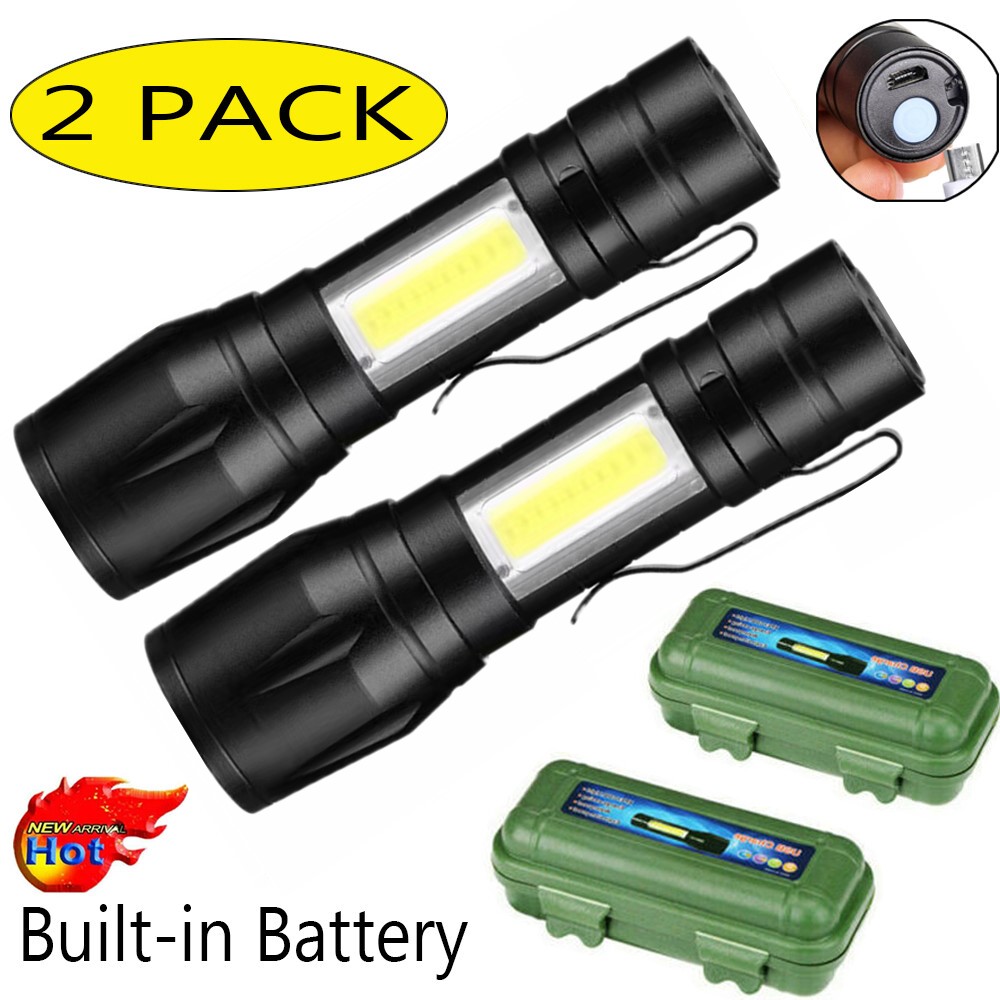 LED Telescopic Flashlight Military Torch USB Rechargeable Pen Light For Camping$20.99View on Mallflare
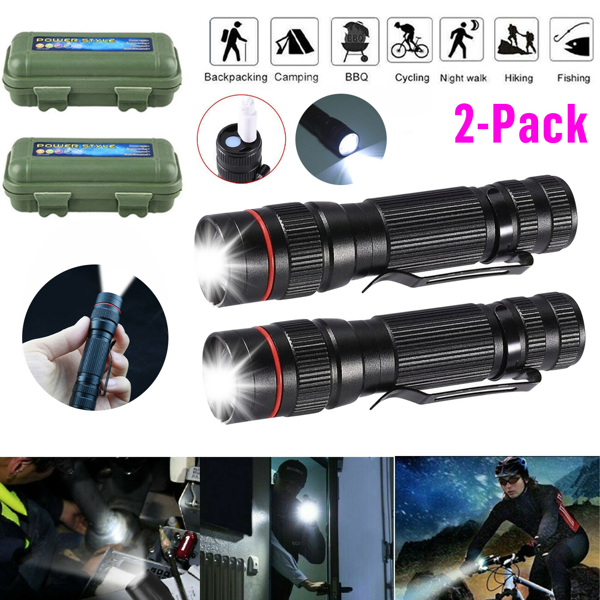 2 Pack USB Rechargeable LED Flashlight Adjustable Focus 3-Modes Outdoor Mini W/ USB Cable+Mini Box$21.99View on Mallflare
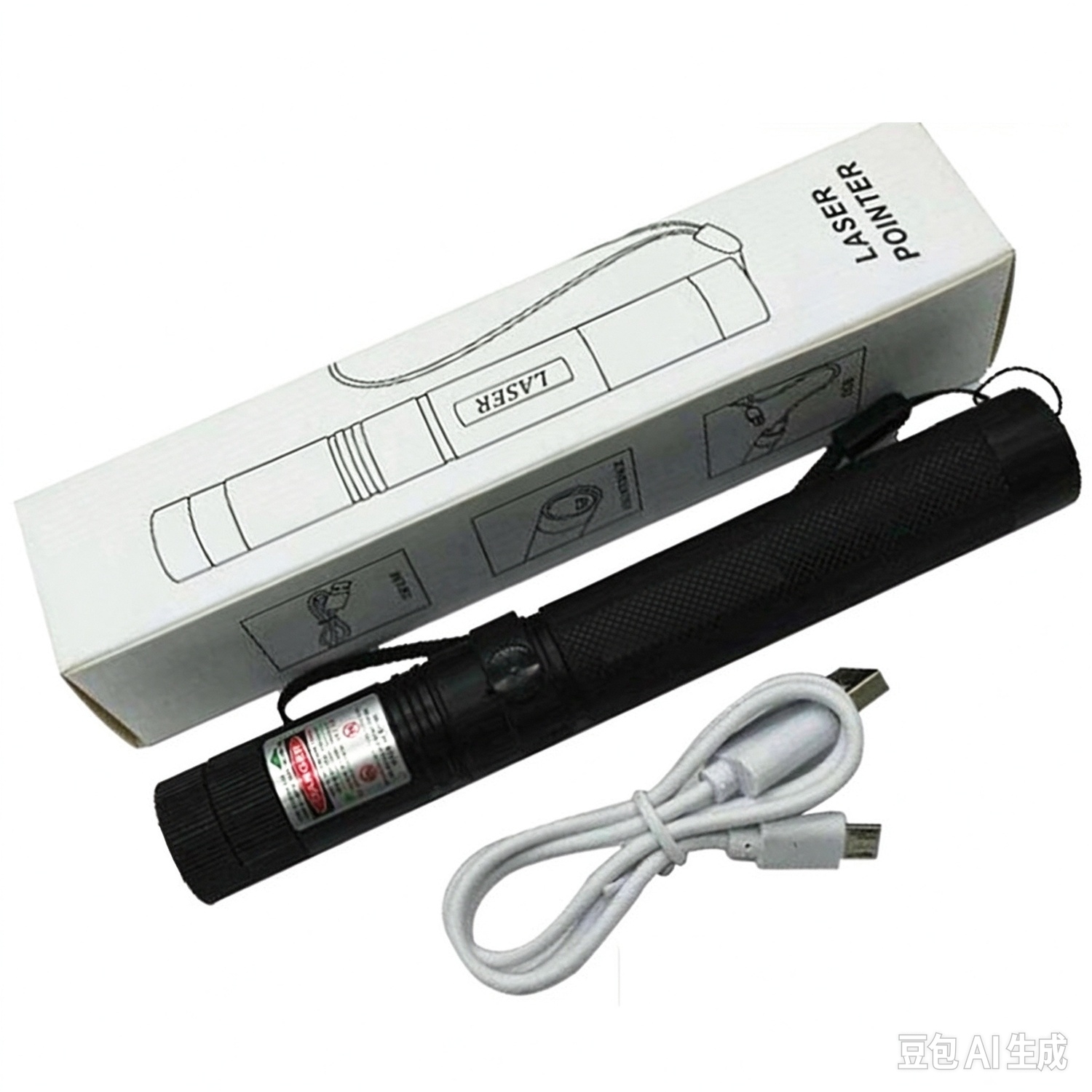 USB Rechargeable Green Laser Pointer Pen Light 990Miles 532NM Astronomy Visible Beam 1mw Flashlight$21.99View on Mallflare
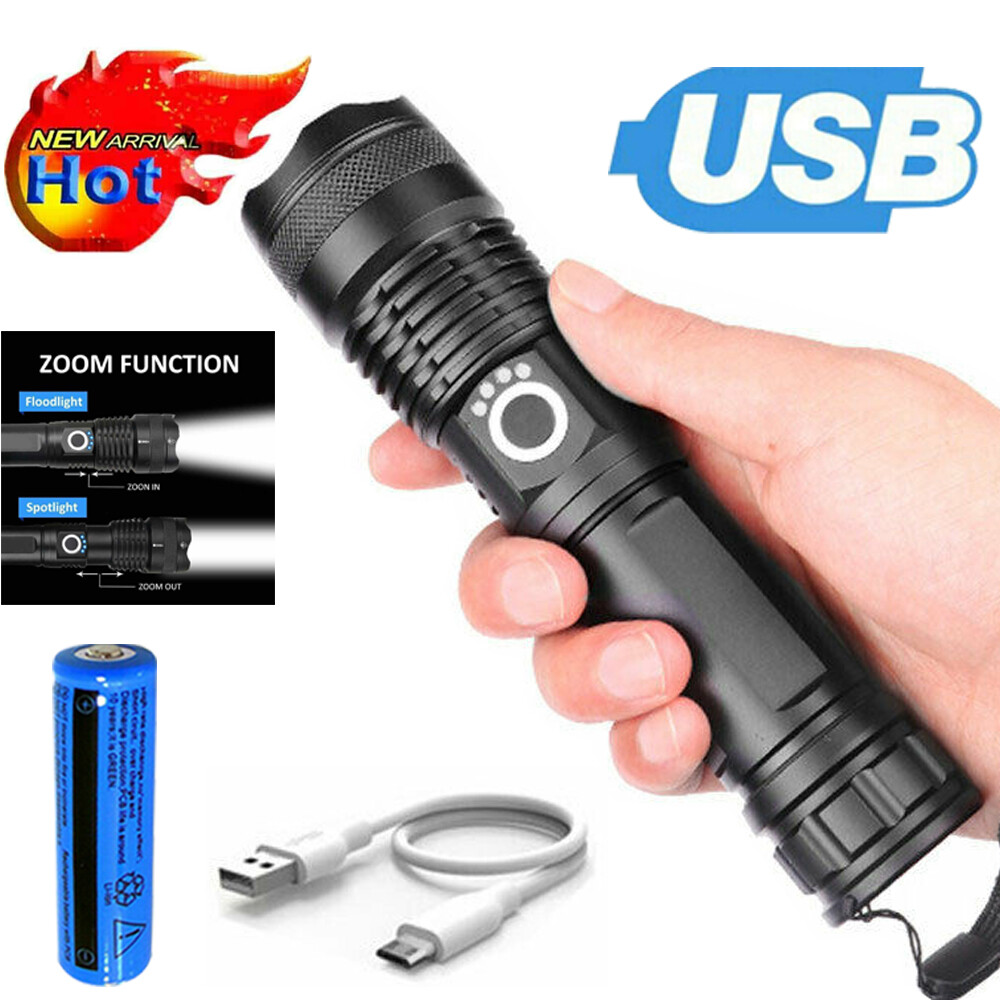 LED Flashlight Zoom USB Rechargeable Super Bright Torch Camping Lamp Work Light$22.99View on Mallflare
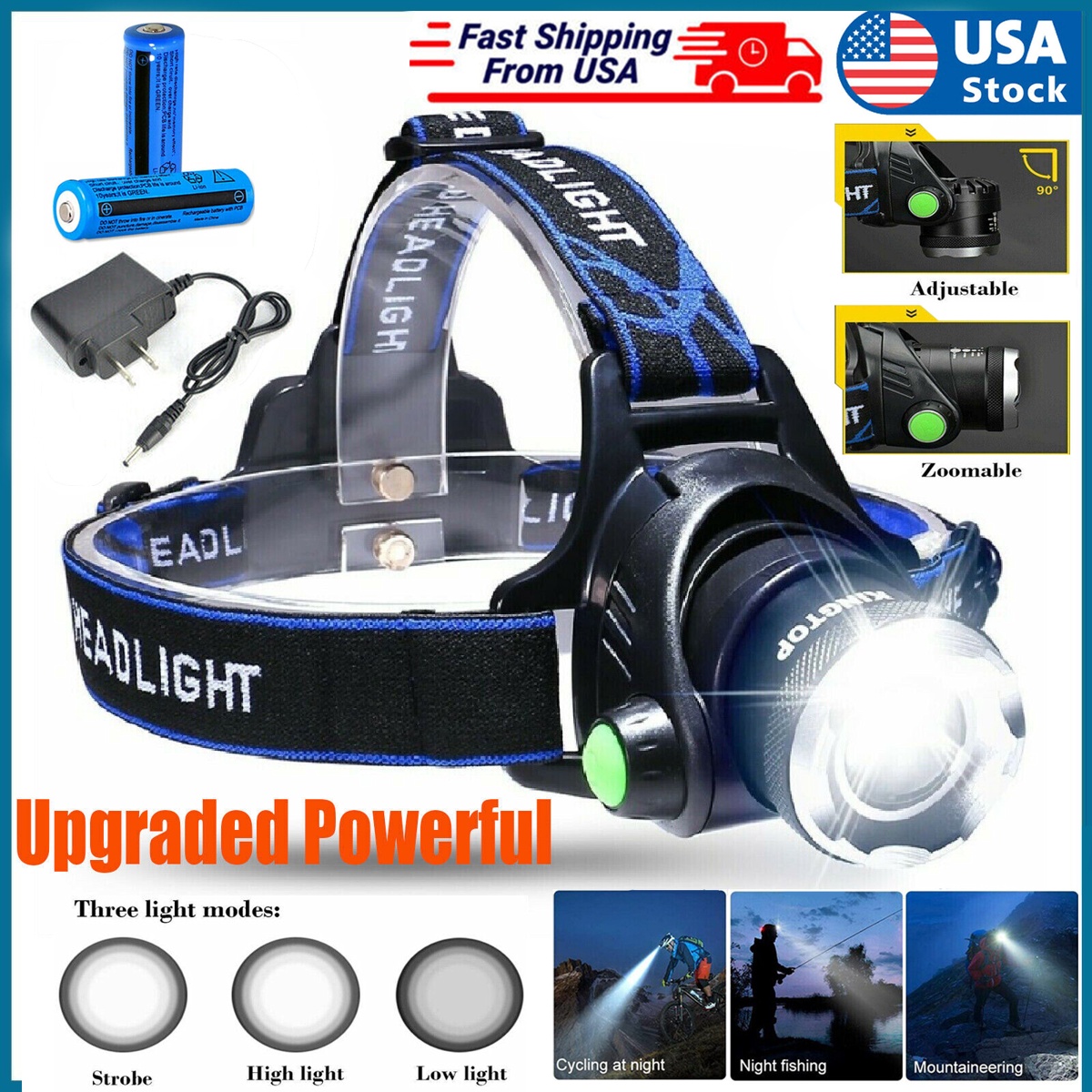 LED Headlamp Rechargeable Head Torch Zoom Headlight Super Bright Flashlight 3 Modes Work Light$22.99View on Mallflare
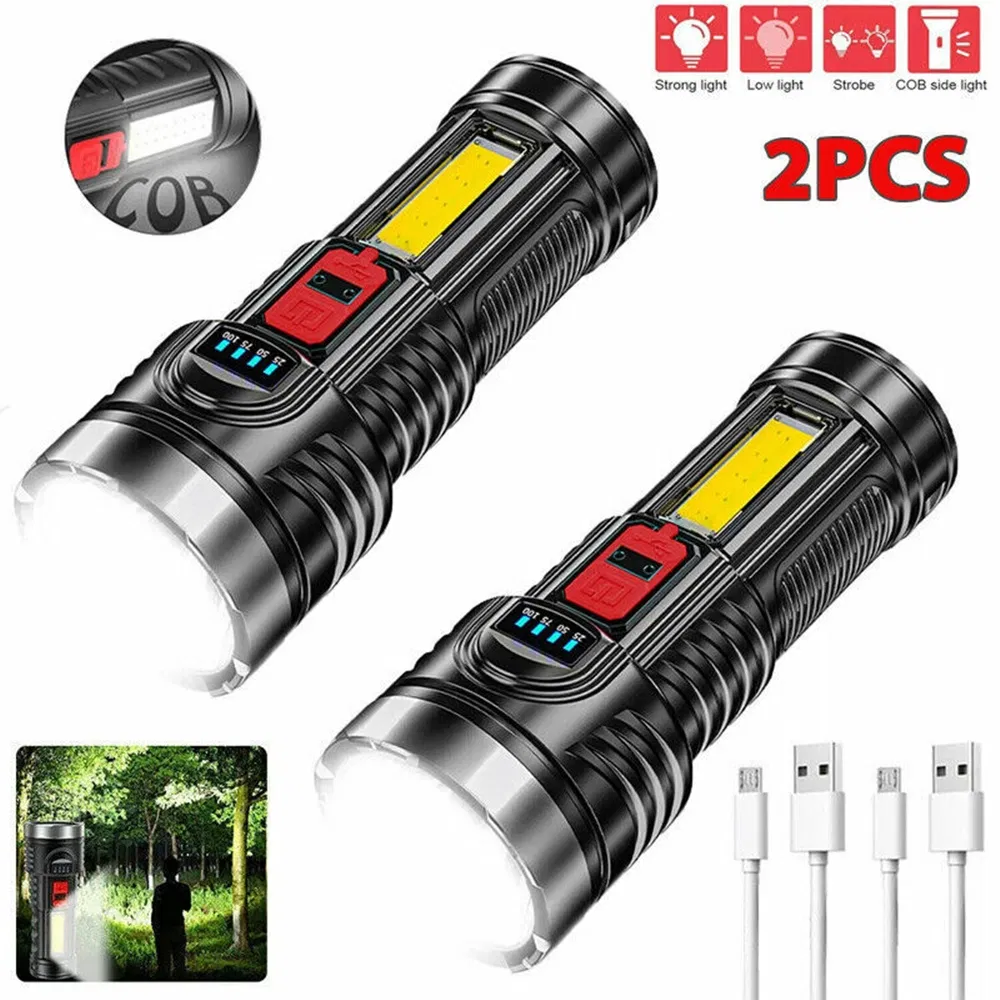 (2 Pack)USB Rechargeable LED Flashlight 4-Modes Camping Hiking Torch Work Light$23.99View on Mallflare
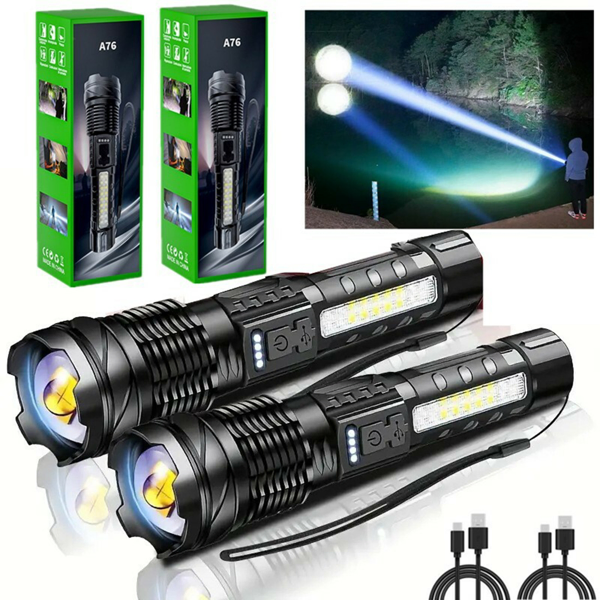 2Pack-USB Rechargeable LED Flashlight Adjustable Focus Camping Hiking Outdoor Work Light$24.99View on Mallflare
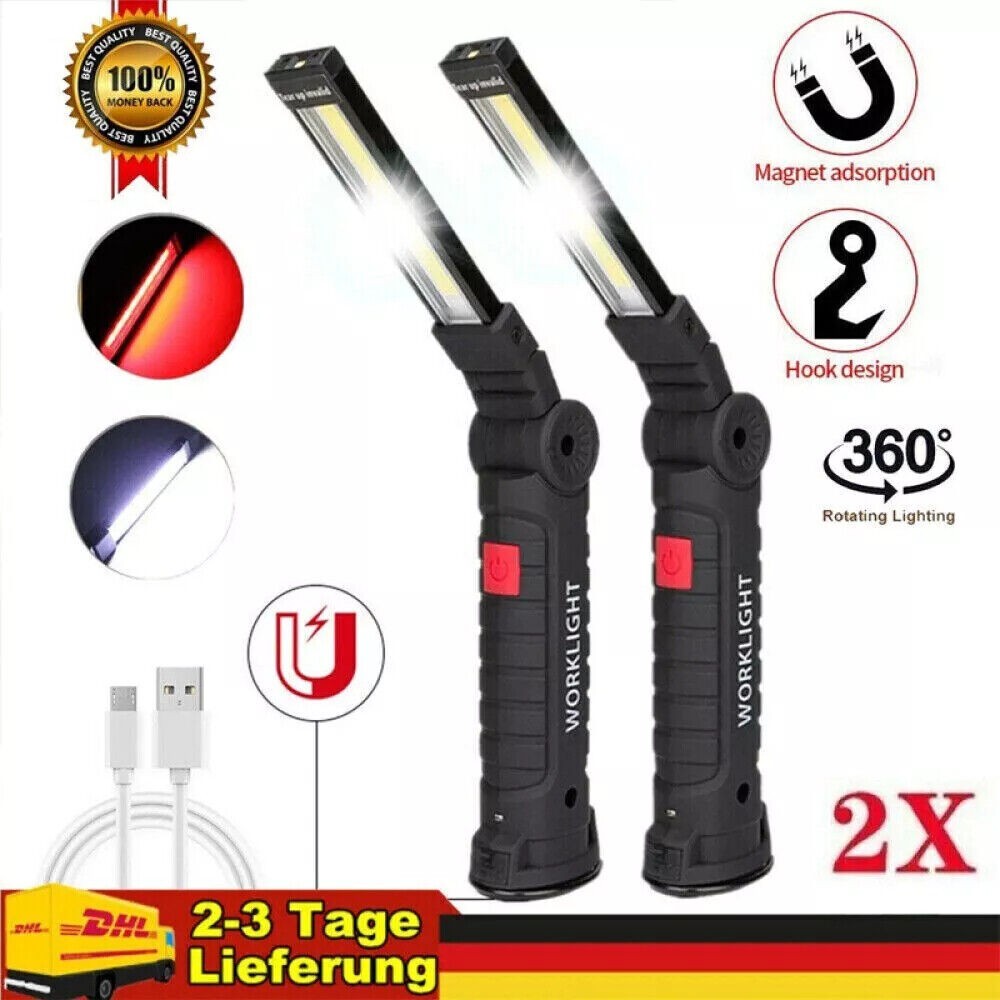 USB Rechargeable COB LED Work Light Inspection Hand Torch Flashlight 360 Rotate Base Magnetic Lamp For Car Repair Camping$24.99View on Mallflare
Highlights
- Integrated Li-ion (18650/21700) delivers higher sustained output than 3xAAA plastic lights, which sag quickly under load.
- Regulated constant-current drivers hold brightness flat; unregulated direct-drive lights dim steadily as the cell drains.
- IPX4 survives rain splashes; IPX7/IPX8 allows submersion, but only if the USB port uses a sealed gasket or screw cap.
- USB-C PD input recharges an 18650 in roughly 2-3 hours; micro-USB on older models often takes 4-6 hours and wears out faster.
Best use cases
- Home/emergency kit: pick a 18650 light with a tail-switch, 3-4 modes, and IPX4 or better; skip zoomable plastic COB lights that fail at the first drop.
- Everyday carry: choose a 14500/AA-compatible or built-in-cell penlight under 5 inches with a pocket clip; skip bulky tactical heads with crenulated bezels.
- Outdoor/camping: select a 21700 light rated IPX7 with a lockout mode and 400+ lumen sustained output; skip 3xAAA lantern-hybrids with unsealed battery doors.
- Vehicle/work use: pick a magnetic-base, impact-rated (1m+) light with a swappable cell; skip glued-shut plastic bodies with non-replaceable batteries.
Buying tips
- Match cell to runtime: 18650 (~3500mAh) gives 4-6 hr at 200 lumens; 21700 (~5000mAh) adds 40-50% runtime but a thicker body.
- Prefer swappable cells with a standard charger over sealed packs; a glued-in cell turns the whole light into e-waste when it degrades.
- Check the charging port: USB-C with a rubber gasket or captive screw cap survives weather; bare micro-USB slots corrode.
- Verify the LED and driver: Cree/Nichia/Samsung emitters with a buck or boost driver hold output; generic 'XML-T6' clones overstate lumens.
Specs
| Battery Type | 18650 / 21700 / 14500 Li-ion |
|---|---|
| Charging Port | USB-C (5V) vs Micro-USB |
| Waterproofing | IPX4 splash / IPX7-8 submersible |
| Body Material | Anodized aluminum vs plastic |
Related searches
What to check before buying
- Measure your pocket or holster: 18650 lights run 4.5-6 in long, 21700 lights 5.5-7 in; confirm the clip and bezel diameter fit.
- Confirm the cell format and whether the light accepts protected (longer) cells or only unprotected flat-tops.
- Check the plug standard: US buyers need a UL-listed USB adapter; the light itself should charge from standard 5V USB.
- For helmet or headband use, verify the mount clamp diameter matches the body tube (commonly 0.8-1.0 in).
FAQ
Data sources: eBay / Amazon listings and product attribute feeds Data updated Nov 20, 2026.
Some links on this page are affiliate links. If you buy after clicking one, we may earn a commission at no extra cost to you. This does not change which products appear here or their order. Affiliate disclosure.