Photos from current listings. Actual item, color, and included accessories may vary.
Angle Finder Buying Guide
An angle finder measures the angle between two surfaces or sets a precise angle for cutting and assembly, and the core trade-off is between contact-based digital protractors (accurate but surface-dependent) and non-contact laser or bubble devices (fast but less precise). Durable options use machined aluminum bodies, magnetic bases, and ±0.1° to ±0.2° digital resolution; compromises rely on plastic housings and ±0.5° or coarser sensors that drift with temperature and battery voltage.

At a glance
- Category
- Measuring & Layout Tools
- Data updated
- Nov 20, 2026
Current offers
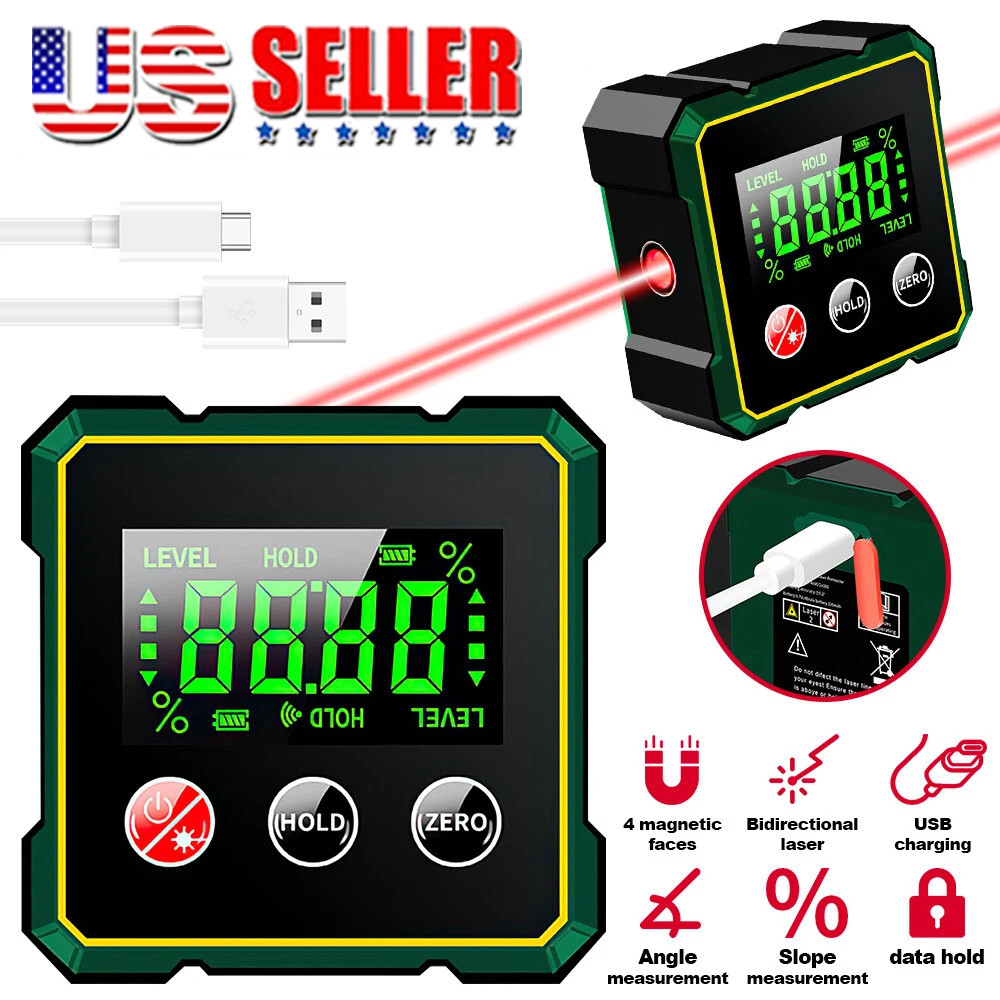 Digital Angle Finder with Electronic Laser 4-side Strong Magnetic Angle Gauge US$7.99
 View on eBay
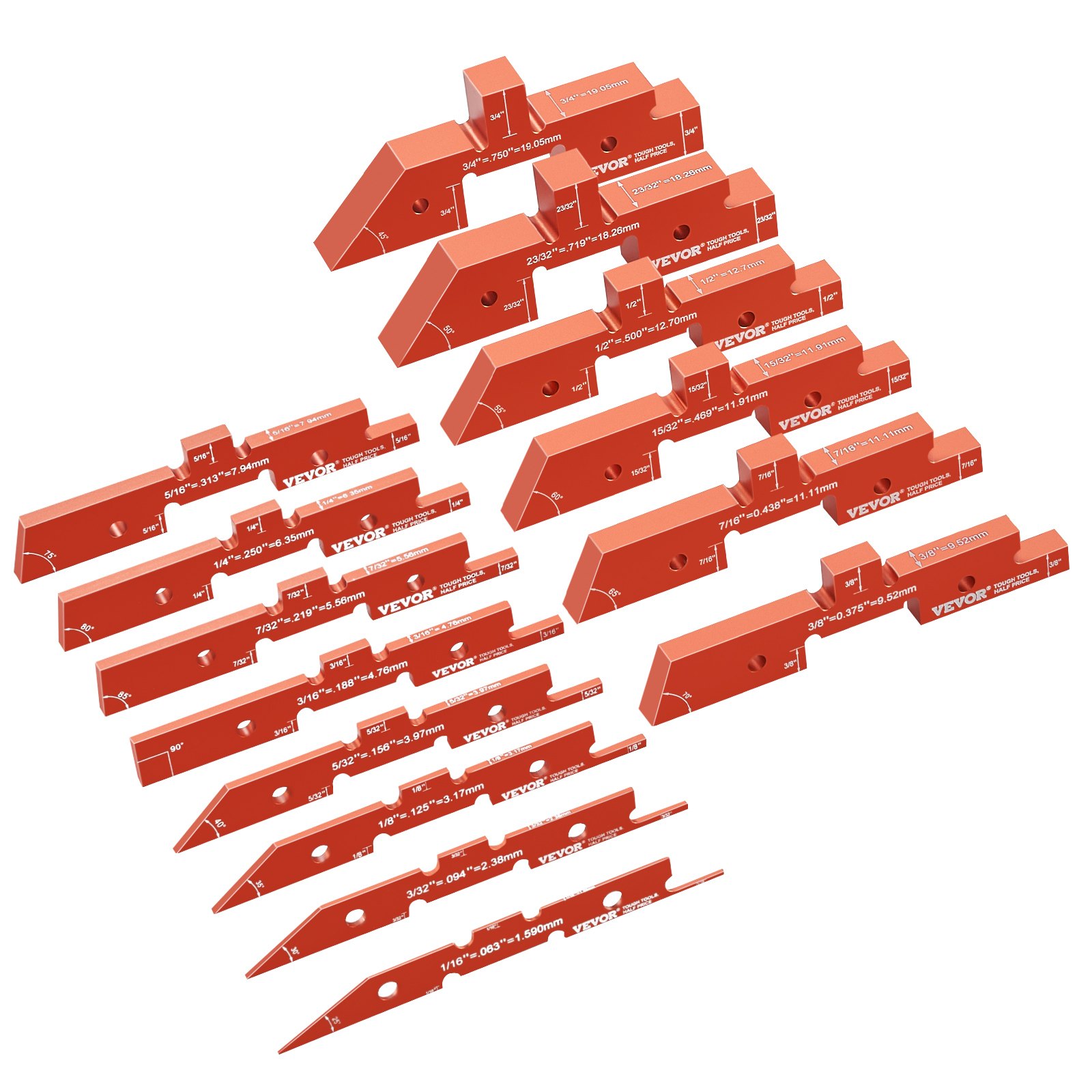 Router Table Setup Bars, 14 Pcs, Precision Aluminum Blocks Height Gauge Set, With Laser Engraved Size Markings Storage Case, Measuring Depth Angle, For Saw Accessories$67.99
 View on Mallflare
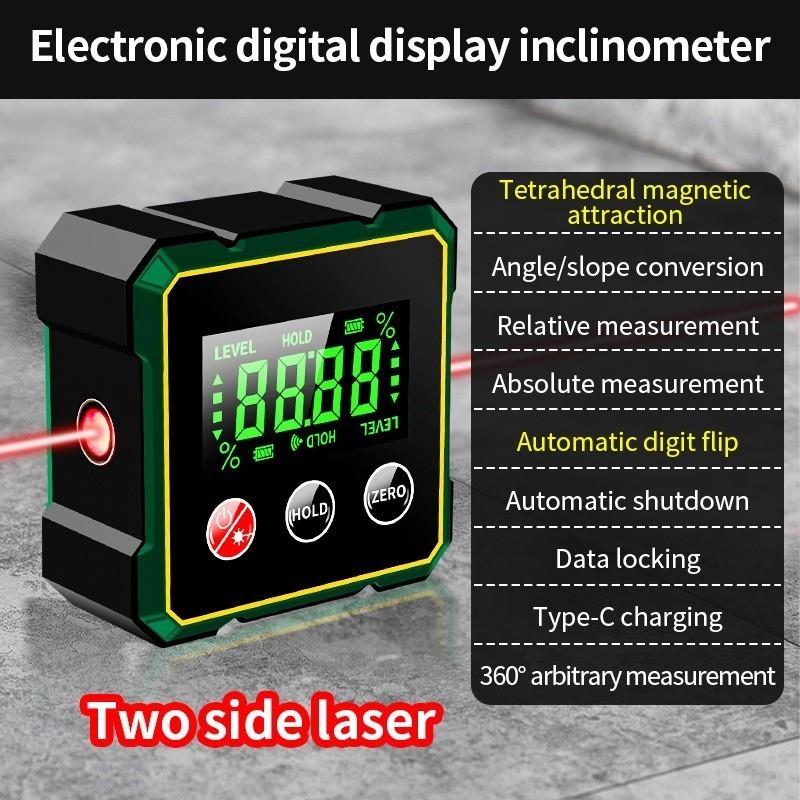 Digital Angle Finder with Electronic Laser 4-side Strong Magnetic Angle Gauge$12.99View on eBay
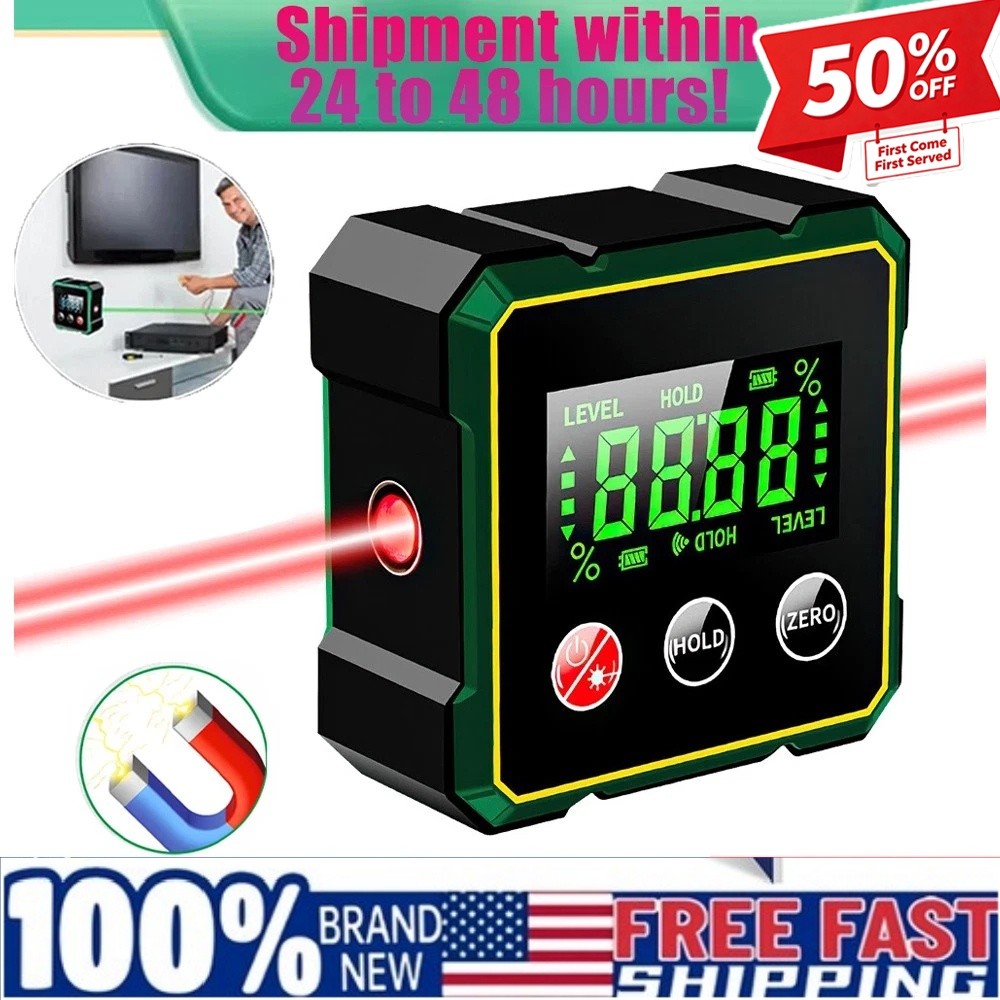 Digital Angle Finder with Electronic Laser 4-side Strong Magnetic Angle Gauge$13.99View on eBay
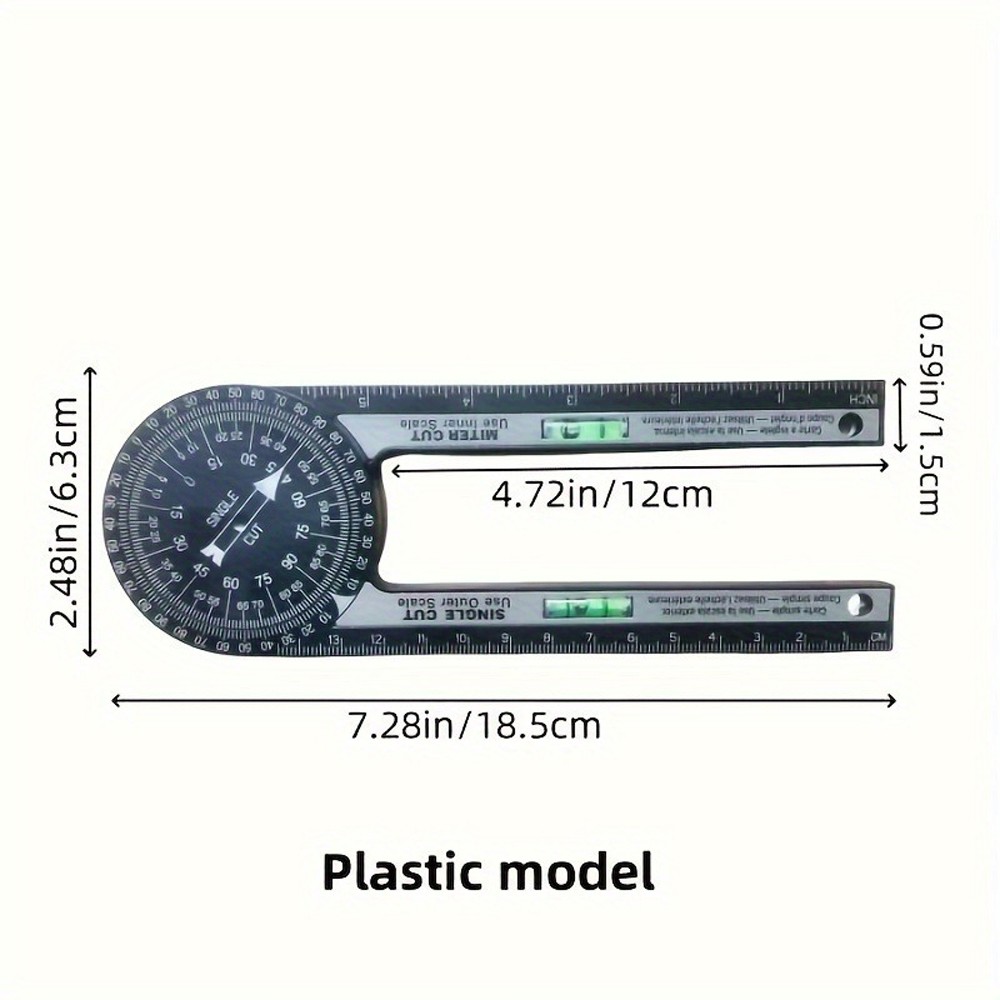 Miter Saw Protractor Angle Finder Tool fits Woodworking, Carpentry, Architecture$34.63View on eBay
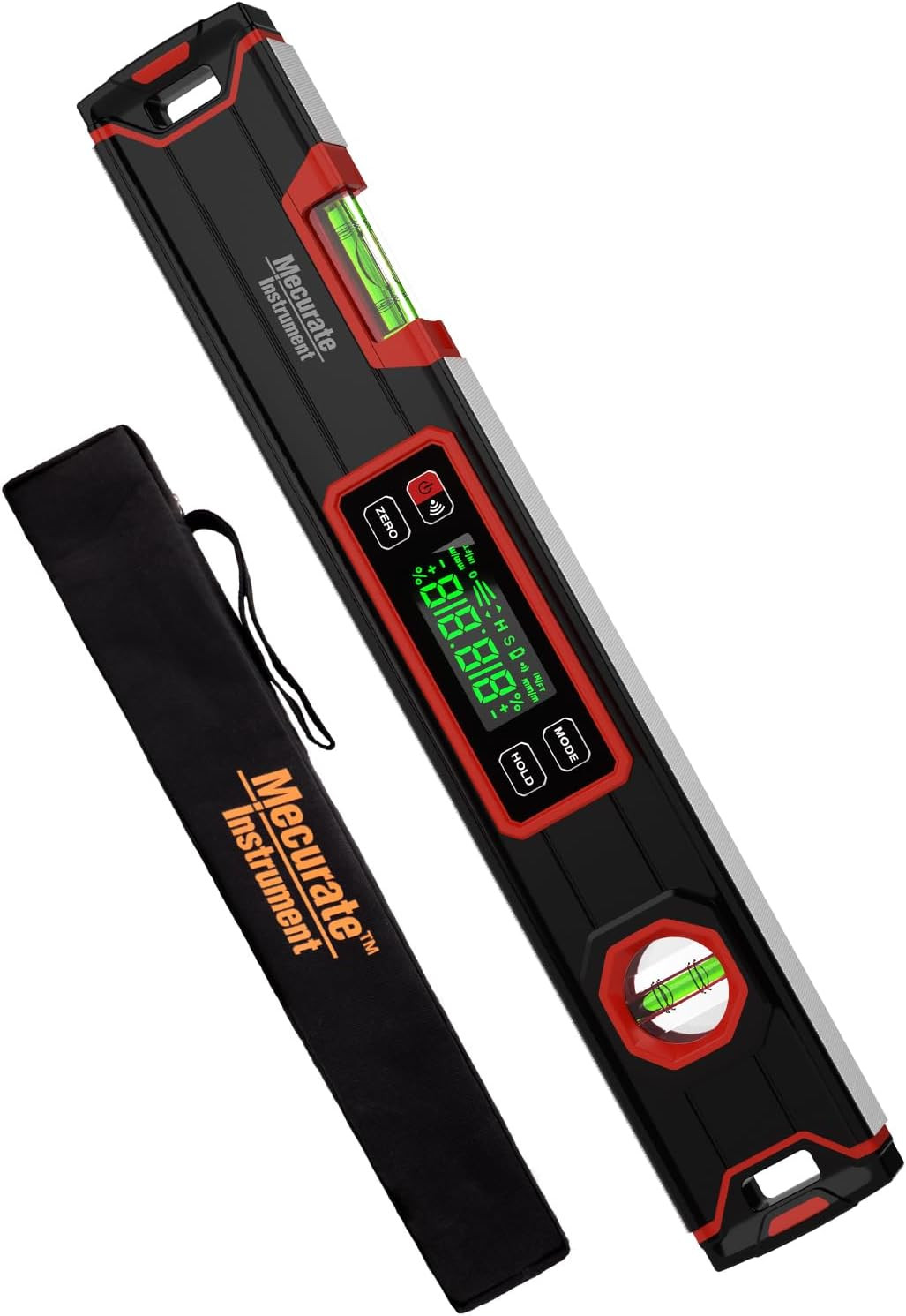 16-Inch Digital Level, Portable Electronic Angle Finder with Backlit Display, ±0$63.60View on eBay
Highlights
- Digital protractors with a machined aluminum frame and ±0.1° resolution hold calibration better than plastic-bodied units that flex under clamping force.
- Four-sided magnetic bases (rare-earth magnets on all reference edges) let the tool stick to miter saw tables, band saw fences, and steel frames for hands-free reading.
- Laser angle finders project a line for non-contact measurement and typically carry ±0.5° accuracy—fine for layout, not for finish carpentry joinery.
- Miter saw protractors are mechanical (no battery) and read directly in miter-cut degrees, eliminating the 180° vs 90° conversion errors common on digital protractors.
Best use cases
- Finish carpentry and trim: pick a digital protractor with ±0.1° resolution and a locking blade—skip laser-only units, which cannot hold a set angle for transfer to a miter saw.
- Miter saw setup and crown molding: choose a dedicated miter saw protractor that reads cut angles directly; a general digital angle finder forces you to subtract from 180° and invites errors.
- Metal fabrication and welding layout: select a 4-sided magnetic digital angle gauge that clamps to steel; bubble levels and plastic protractors will not stay put on vertical or overhead surfaces.
- Rough framing and landscaping: a mechanical dial or bubble angle finder is sufficient and battery-free; do not pay for ±0.1° digital precision in applications with ±1° tolerance.
Buying tips
- Match resolution to task: ±0.1° for joinery and machine setup, ±0.5° for general layout, and 1° mechanical scales for framing—higher precision costs more and drifts faster in dirty environments.
- Check the reference edge length: a 16-inch digital level spans wider surfaces for truer readings on bowed lumber, while 6-inch protractors fit inside cabinets and tight mortises.
- Confirm the angle range and mode: 0–360° with absolute and relative modes lets you zero on any reference; fixed 0–180° scales require manual subtraction and cause conversion mistakes.
- For miter work, buy a protractor that displays the actual miter saw setting (half the included angle) rather than the included angle itself—this removes the most common trim-cutting error.
Specs
| Sensor Accuracy | ±0.1° digital vs ±0.5° laser |
|---|---|
| Body Material | Machined aluminum vs plastic |
| Magnetic Base | 4-sided rare-earth vs none |
| Angle Range | 0–360° absolute / relative |
Related searches
What to check before buying
- Measure the widest surface you need to reference: a 16-inch level needs 16 inches of flat stock; short protractor legs fit inside 6-inch openings.
- Verify the tool's magnetic edges align with your machine fences—4-sided magnetism matters on steel saw tables but is useless on wood or aluminum fixtures.
- Check battery type and access: coin-cell (CR2032) units are compact but need a screwdriver; AAA-powered units last longer and are field-replaceable.
- Confirm the display is backlit and readable at the angles you work—vertical and overhead readings are unreadable on non-backlit LCDs.
FAQ
Data sources: eBay / Amazon listings and product attribute feeds Data updated Nov 20, 2026.
Some links on this page are affiliate links. If you buy after clicking one, we may earn a commission at no extra cost to you. This does not change which products appear here or their order. Affiliate disclosure.