Photos from current listings. Actual item, color, and included accessories may vary.
Angle Finder Tool Buying Guide
An angle finder tool measures angles in carpentry, metalwork, and installation, and the core trade-off is between a mechanical protractor (durable, no battery, less precise) and a digital angle gauge (fast, precise to 0.1°, battery-dependent). Choose mechanical for rough framing and dirty jobsites; choose digital for trim, machining, and any task needing repeatable decimal accuracy.


At a glance
- Category
- Measuring & Layout Tools
- Data updated
- Nov 20, 2026
Current offers
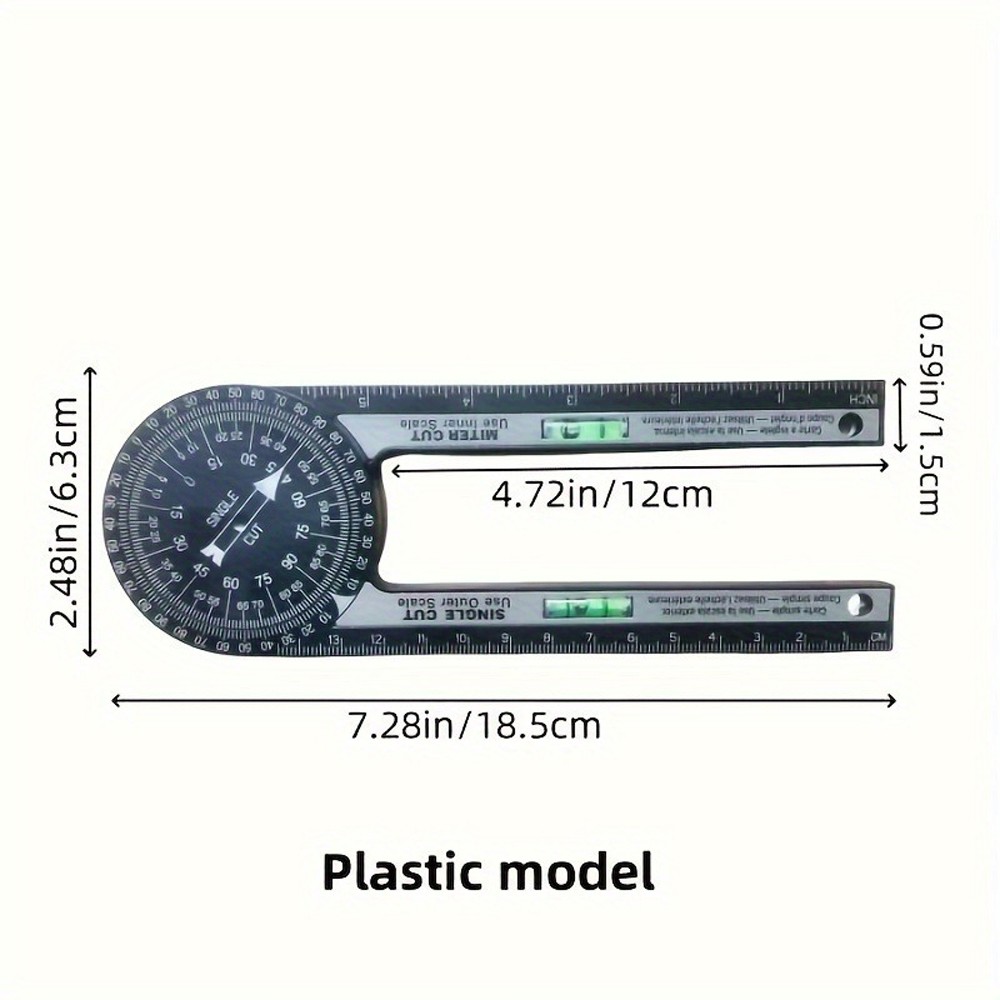 Miter Saw Protractor Angle Finder Tool fits Woodworking, Carpentry, Architecture$34.63
 View on eBay
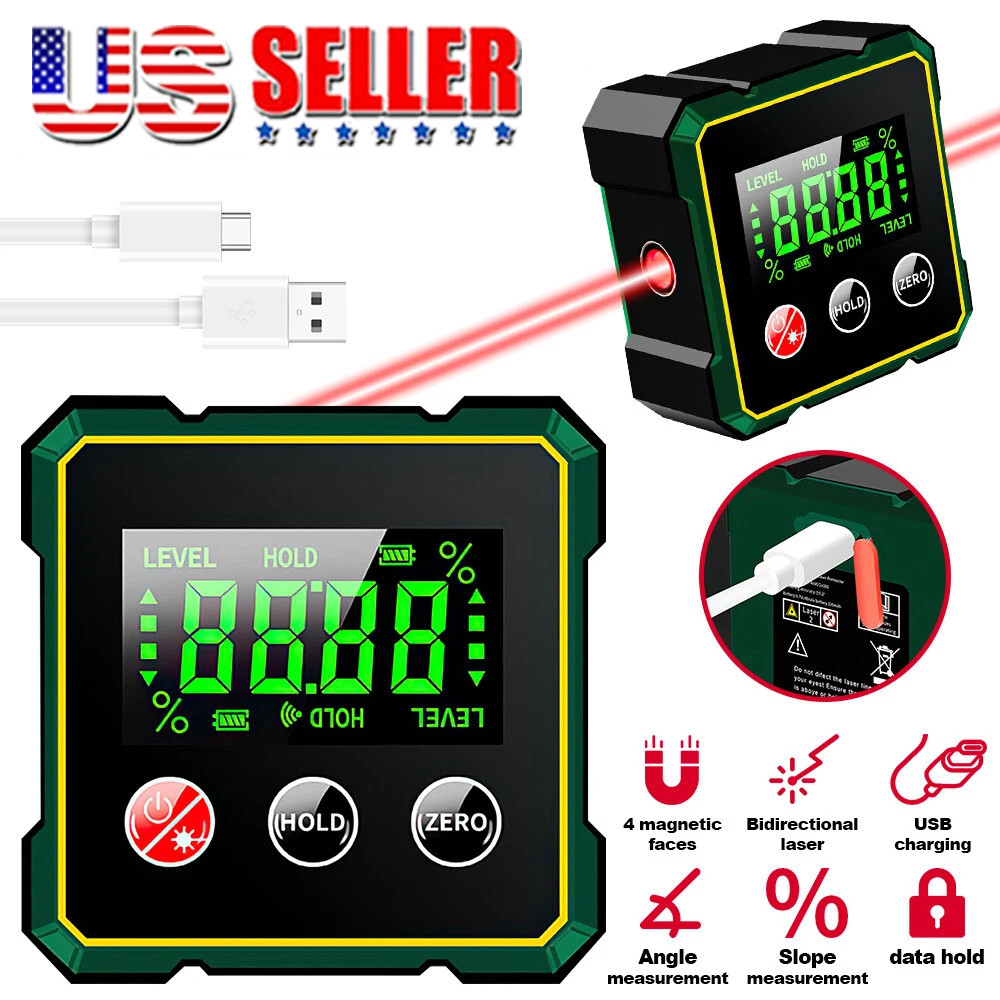 Digital Angle Finder with Electronic Laser 4-side Strong Magnetic Angle Gauge US$7.99View on eBay
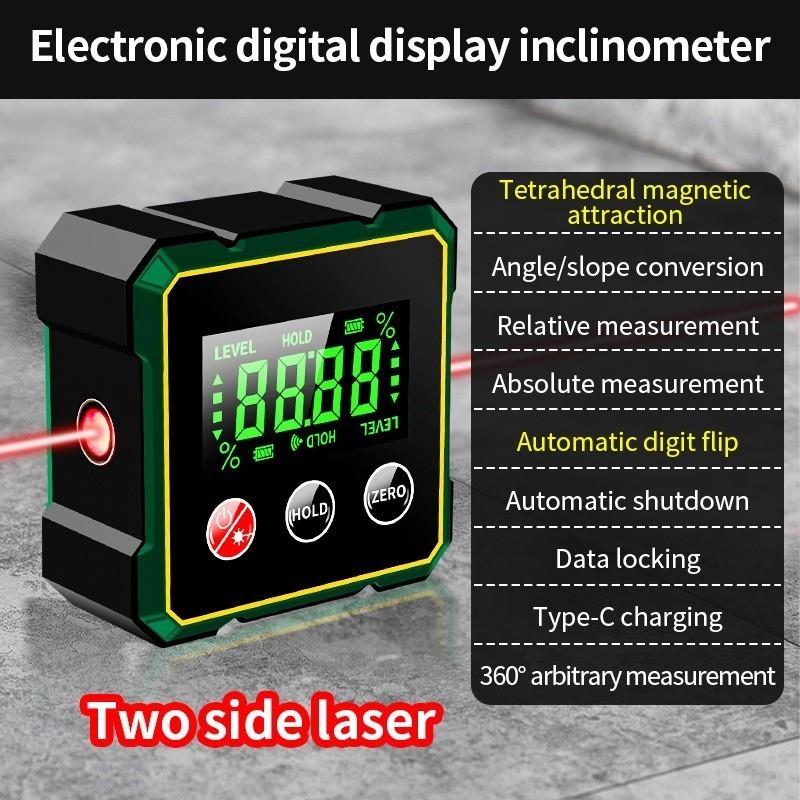 Digital Angle Finder with Electronic Laser 4-side Strong Magnetic Angle Gauge$12.99View on eBay
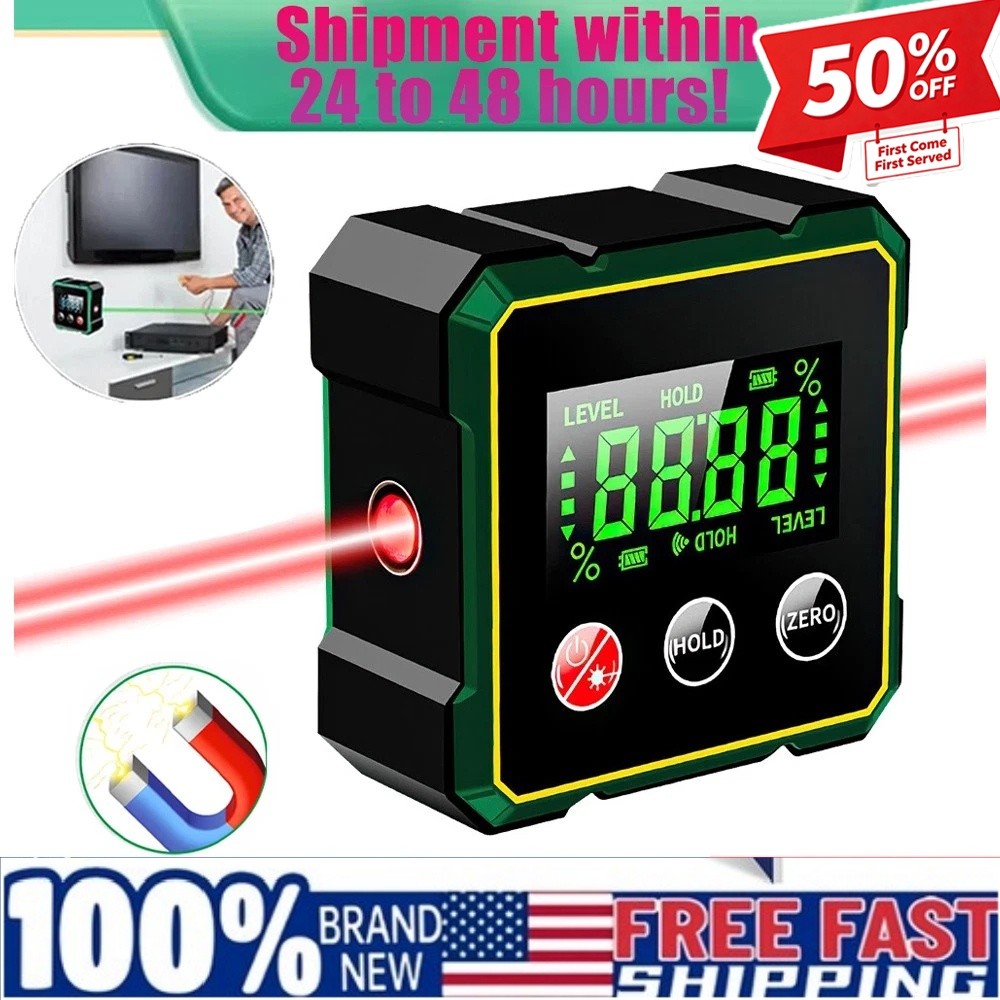 Digital Angle Finder with Electronic Laser 4-side Strong Magnetic Angle Gauge$13.99View on eBay
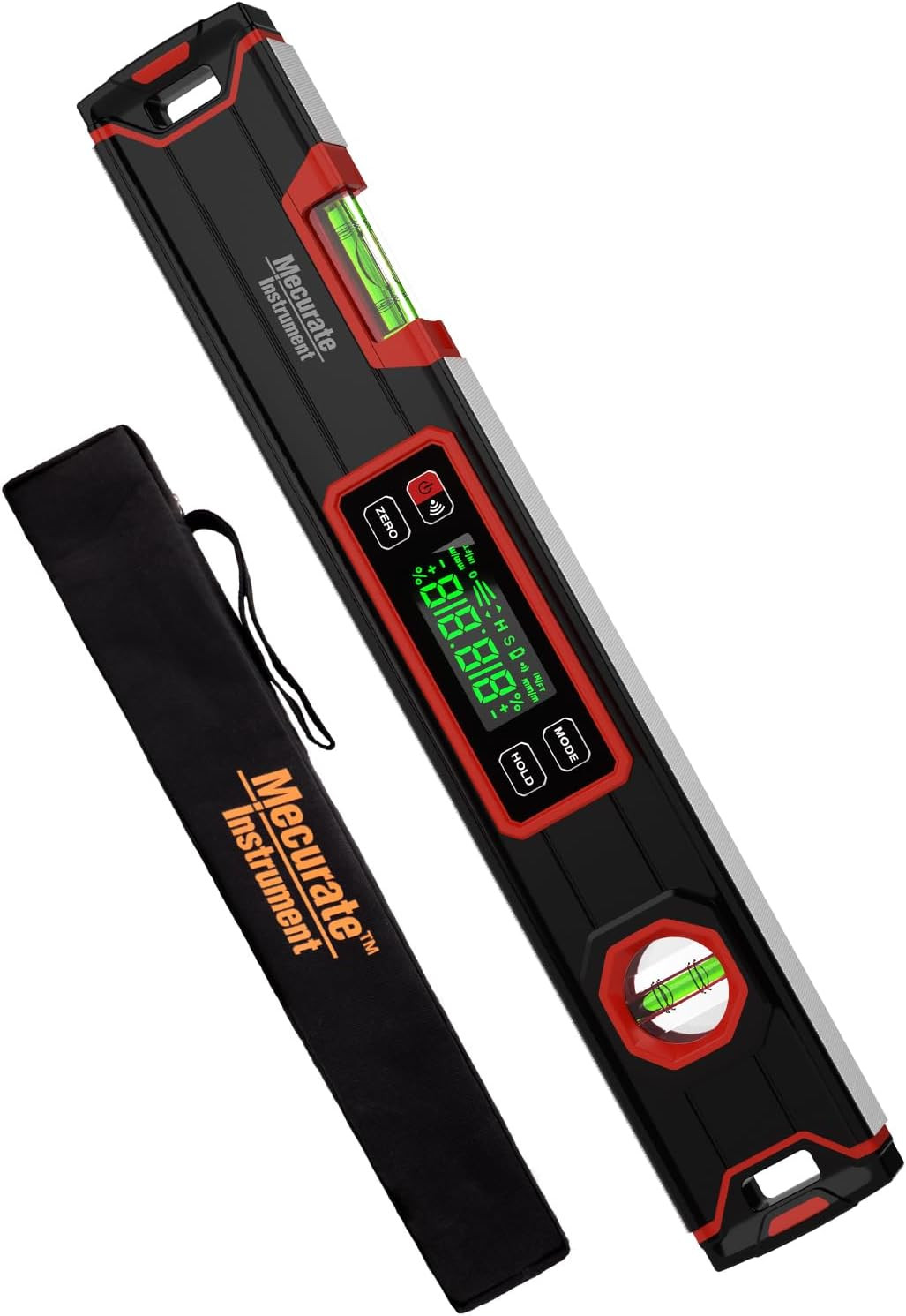 16-Inch Digital Level, Portable Electronic Angle Finder with Backlit Display, ±0$63.60View on eBay
Highlights
- Digital angle finders use a MEMS inclinometer with ±0.1° resolution and ±0.2° accuracy; mechanical protractors rely on printed scales readable to about 0.5°.
- Miter saw protractors solve crown molding and baseboard cuts directly with pre-marked miter and bevel scales, eliminating trigonometry on common 90° and 45° corners.
- Strong magnetic bases (rare-earth magnets on 2–4 faces) let digital gauges hold to saw tables, miter slots, and steel pipe for hands-free zeroing and measurement.
- Battery type and life separate tiers: LR44 coin cells last months on auto-off gauges, while 9V or AAA models last longer but add bulk; laser lines aid alignment but do not improve angular accuracy.
Best use cases
- Crown molding and baseboard: pick a dedicated miter saw protractor with miter/bevel scales; skip a plain digital inclinometer that forces you to calculate compound angles manually.
- Trim carpentry and cabinet installation: pick a digital angle finder with ±0.1° resolution and magnetic base; skip mechanical protractors when matching existing miters or setting saw blades precisely.
- Welding and metal fabrication: pick a magnetic digital gauge rated for steel surfaces with hold function; skip plastic-bodied protractors that distort near heat and cannot stick to pipe.
- Rough framing and decking: pick a mechanical T-bevel or dial protractor; skip digital units in dusty, wet, or drop-prone environments where electronics fail.
Buying tips
- Match resolution to task: 0.1° digital resolution is needed for trim and machining; 0.5° mechanical readability is fine for framing and landscaping.
- Check magnetic faces: 2-face magnets hold on flat stock, 4-face magnets grip pipe and miter slots; buy 4-face for welding and tube work.
- Prefer auto-off and low-battery indication on digital units; a gauge that dies mid-cut wastes material and time.
- Confirm the reference edge: some gauges measure from the base, others from the blade; the base must sit flush on your saw table or workpiece for accurate zeroing.
Specs
| Type | Digital inclinometer / mechanical protractor |
|---|---|
| Resolution | 0.1° digital / 0.5° mechanical |
| Magnetic Faces | 2-face flat / 4-face pipe & slot |
| Battery | LR44 / AAA / 9V, auto-off |
Related searches
What to check before buying
- Measure your longest expected workpiece: 7-inch gauges fit most trim, 16-inch digital levels span longer runs for deck and framing layout.
- Verify battery availability: LR44 and AAA cells are common; 9V models add weight but are easy to source.
- Check magnetic strength on your material: rare-earth magnets hold steel; aluminum and wood require a clamping or contact method.
- Confirm display readability: backlit LCDs help in dim cabinets and crawlspaces; non-backlit mechanical scales need good light.
FAQ
Data sources: eBay / Amazon listings and product attribute feeds Data updated Nov 20, 2026.
Some links on this page are affiliate links. If you buy after clicking one, we may earn a commission at no extra cost to you. This does not change which products appear here or their order. Affiliate disclosure.