Photos from current listings. Actual item, color, and included accessories may vary.
Angle Gauge Buying Guide
An angle gauge is a digital or analog instrument for measuring and transferring angles in woodworking, metalworking, and construction—typically an inclinometer with a magnetic base for saw setup or a protractor for layout. The main trade-off is sensor resolution and repeatability versus build durability: ±0.1° or ±0.2° digital units with machined aluminum frames hold calibration, while ±1° plastic-bodied gauges drift and fail at blade-contact vibration. Buy a digital inclinometer with a strong magnet and a stated accuracy of ±0.2° or better for saw setup; skip analog-only or unrated gauges for precision work.

At a glance
- Category
- Measuring & Layout Tools
- Data updated
- Nov 20, 2026
Current offers
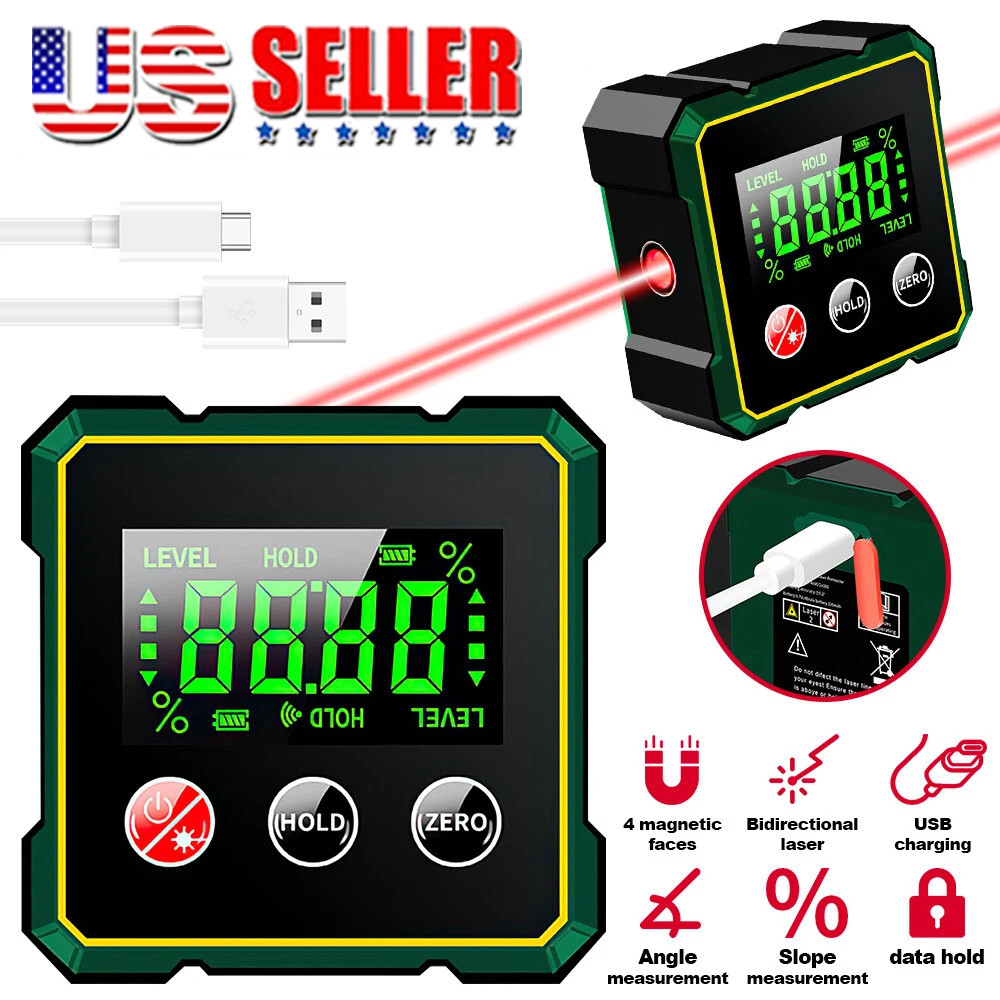 Digital Angle Finder with Electronic Laser 4-side Strong Magnetic Angle Gauge US$7.99
 View on eBay
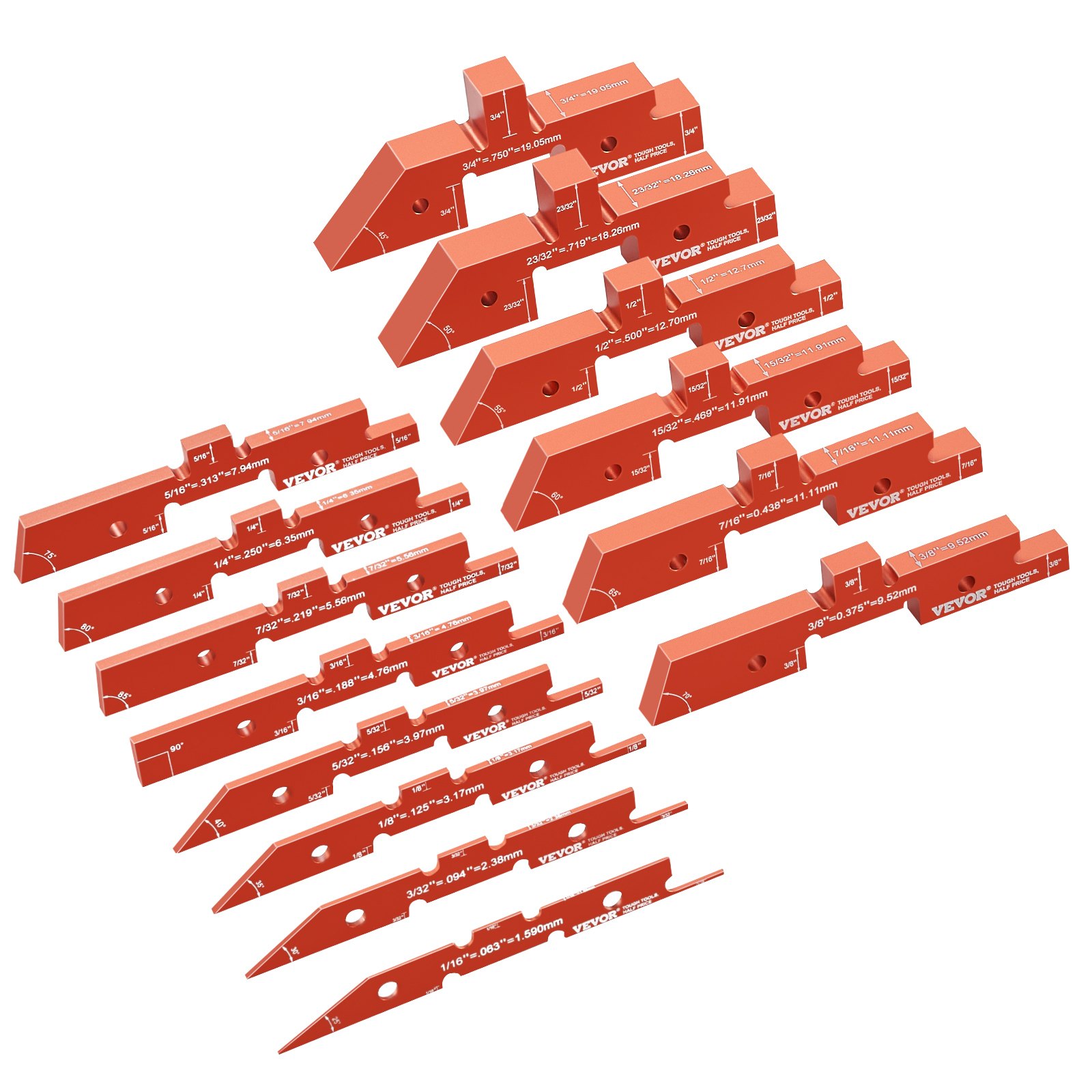 Router Table Setup Bars, 14 Pcs, Precision Aluminum Blocks Height Gauge Set, With Laser Engraved Size Markings Storage Case, Measuring Depth Angle, For Saw Accessories$67.99
 View on Mallflare
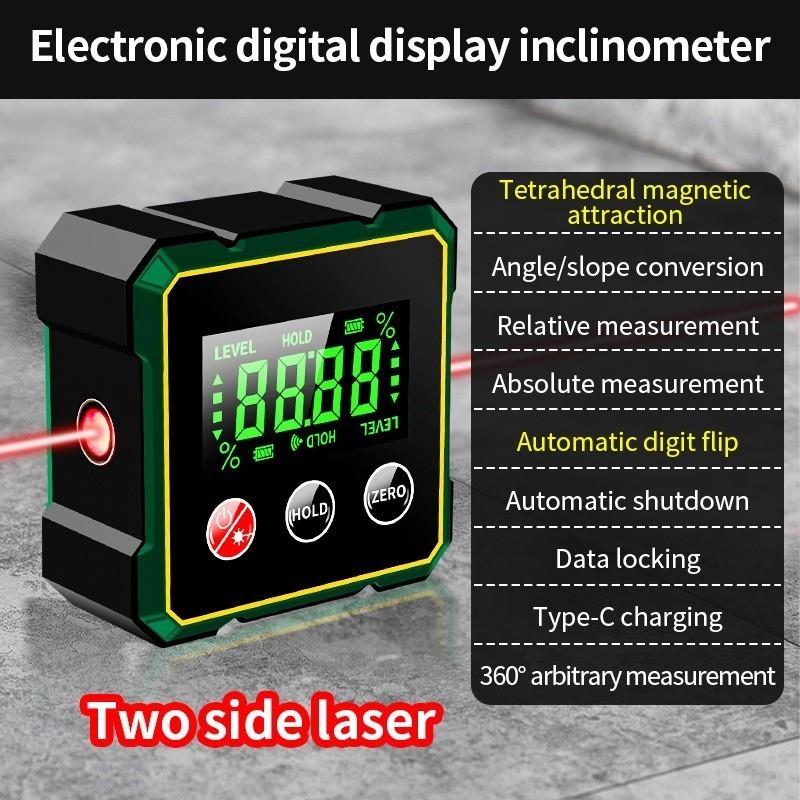 Digital Angle Finder with Electronic Laser 4-side Strong Magnetic Angle Gauge$12.99View on eBay
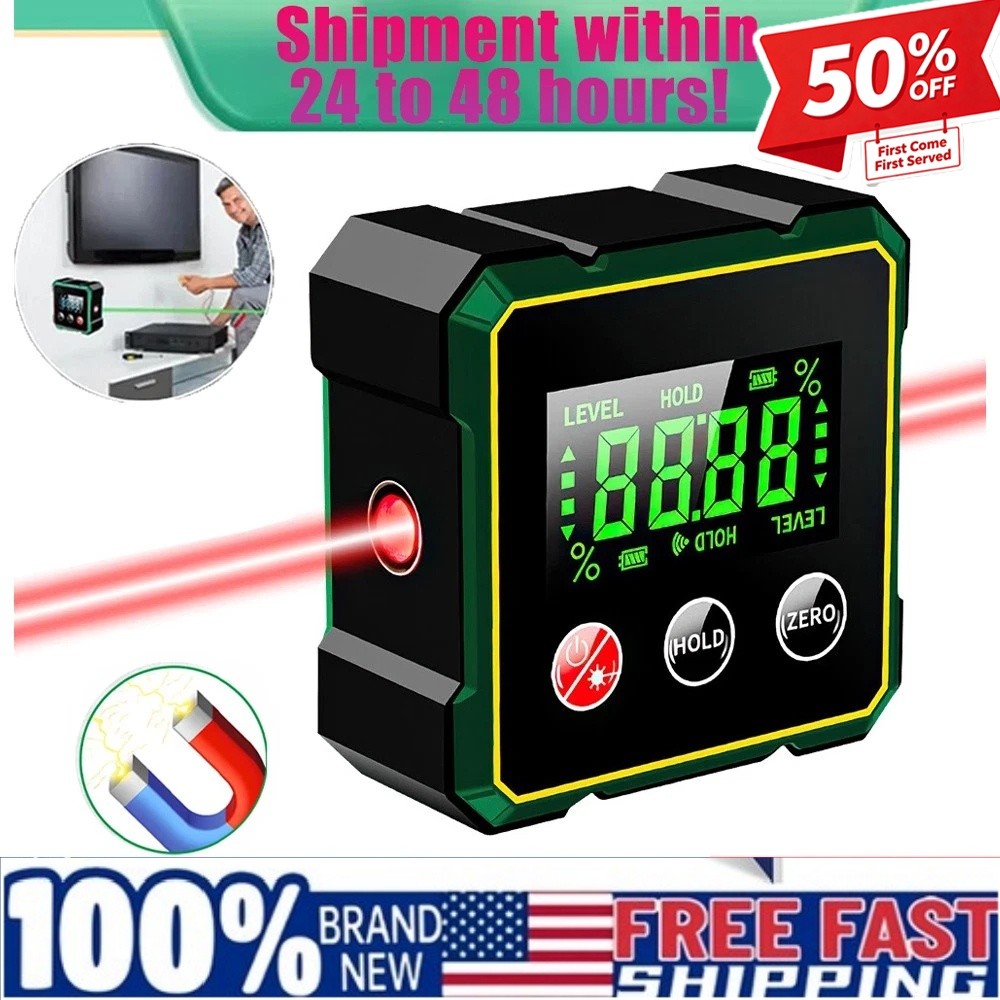 Digital Angle Finder with Electronic Laser 4-side Strong Magnetic Angle Gauge$13.99View on eBay
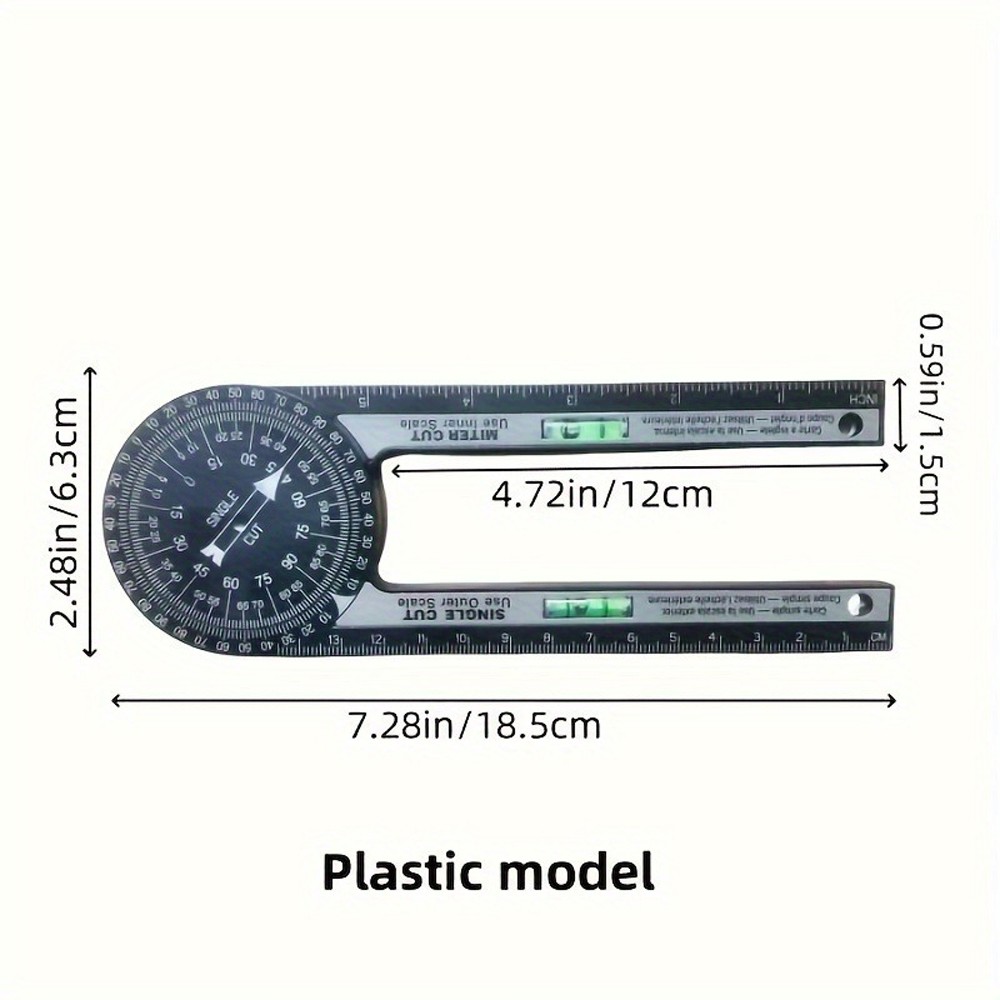 Miter Saw Protractor Angle Finder Tool fits Woodworking, Carpentry, Architecture$34.63View on eBay
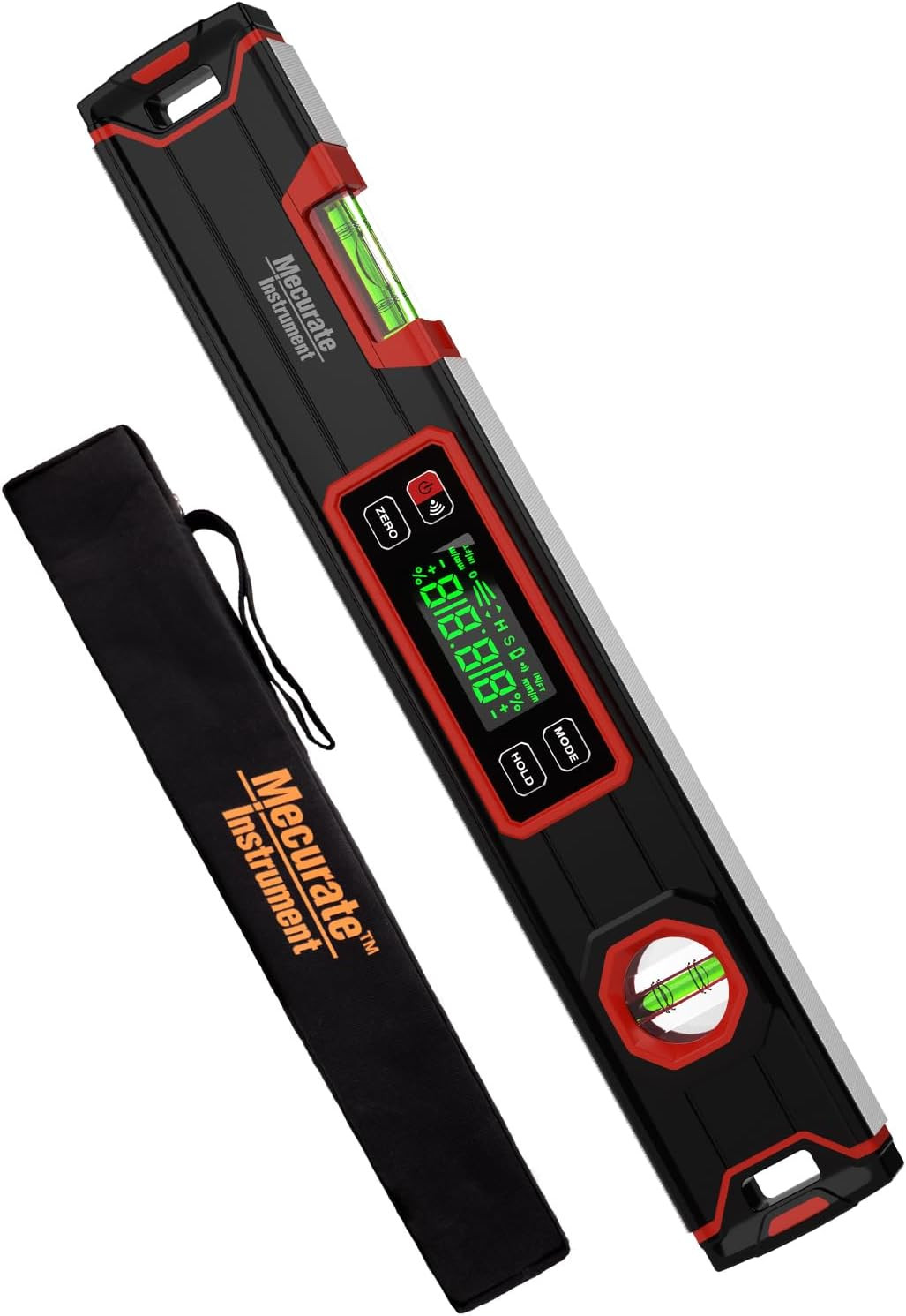 16-Inch Digital Level, Portable Electronic Angle Finder with Backlit Display, ±0$63.60View on eBay
Highlights
- Digital inclinometers use MEMS accelerometers; accuracy tiers are ±0.1° (precision), ±0.2° (general woodworking), and ±0.5°+ (rough carpentry).
- A 4-side magnetic base with rare-earth magnets holds the gauge to cast-iron tables and steel blades; weak ferrite magnets slide during tilt.
- Blade-to-table squareness must be verified at 90.0°; a 0.2° error over a 10-inch blade yields roughly 0.035 in of runout at the tip.
- Analog miter protractors are stamped or laser-etched stainless; etched graduations in 1° increments resist wear better than printed plastic scales.
Best use cases
- Table-saw and miter-saw blade setup: pick a digital inclinometer with a 4-side magnet and ±0.2° accuracy; skip analog protractors that cannot reference the blade directly.
- Compound miter and trim layout: pick a protractor with a locking arm and fine 1° scale for transferring wall angles; skip magnetic inclinometers that need a ferrous surface.
- Router-table and jointer setup: pick a digital angle gauge plus setup bars for height; skip a level-only app, which lacks the required resolution for cutter height.
- Rough framing and decking: a ±0.5° analog or basic digital gauge suffices; buying a ±0.1° precision unit here is unnecessary spend.
Buying tips
- Match accuracy to task: ±0.1° for machine setup, ±0.2° for finish carpentry, ±0.5° for framing—resolution finer than the task wastes money.
- Check battery type and auto-off: CR2032 coin cells are common but require spares; AAA-powered units last longer in daily shop use.
- Verify the magnetic base is on all four sides for blade and table reference; single-magnet units cannot hold a vertical blade reliably.
- For protractors, choose stainless-steel arms with a locking screw and etched 1° graduations; plastic arms flex and lose angle under hand pressure.
Specs
| Accuracy Tier | ±0.1° to ±0.5° digital |
|---|---|
| Magnetic Base | 4-side rare-earth vs none |
| Power Source | CR2032 coin cell vs AAA |
| Construction | Aluminum body vs plastic |
Related searches
What to check before buying
- Measure your saw table and blade width: a gauge body under 2 inches fits between blade and throat plate; oversized housings block the reference.
- Confirm the gauge's magnetic faces contact ferrous metal—aluminum or stainless tables need the analog protractor instead.
- Check display readability: backlit LCD with 0.1° resolution is needed for dim shops; non-backlit units are hard to read under a saw.
- For protractors, ensure the arm length reaches your longest cut—short arms amplify error when transferring wall angles.
FAQ
Data sources: eBay / Amazon listings and product attribute feeds Data updated Nov 20, 2026.
Some links on this page are affiliate links. If you buy after clicking one, we may earn a commission at no extra cost to you. This does not change which products appear here or their order. Affiliate disclosure.