Photos from current listings. Actual item, color, and included accessories may vary.
Digital Level Buying Guide
Digital levels replace bubble vials with solid-state inclinometers for precise angle readouts, but accuracy and durability hinge on sensor resolution, calibration, and frame rigidity. The key trade-off is between a full-length box-beam level for flatwork versus a compact angle finder for tight spaces; decide based on whether you need a reference plane or a simple protractor. Buyers should reject any unit without a stated accuracy spec (±0.1° or better) and a calibration function.

At a glance
- Category
- Measuring & Layout Tools
- Data updated
- Nov 20, 2026
Current offers
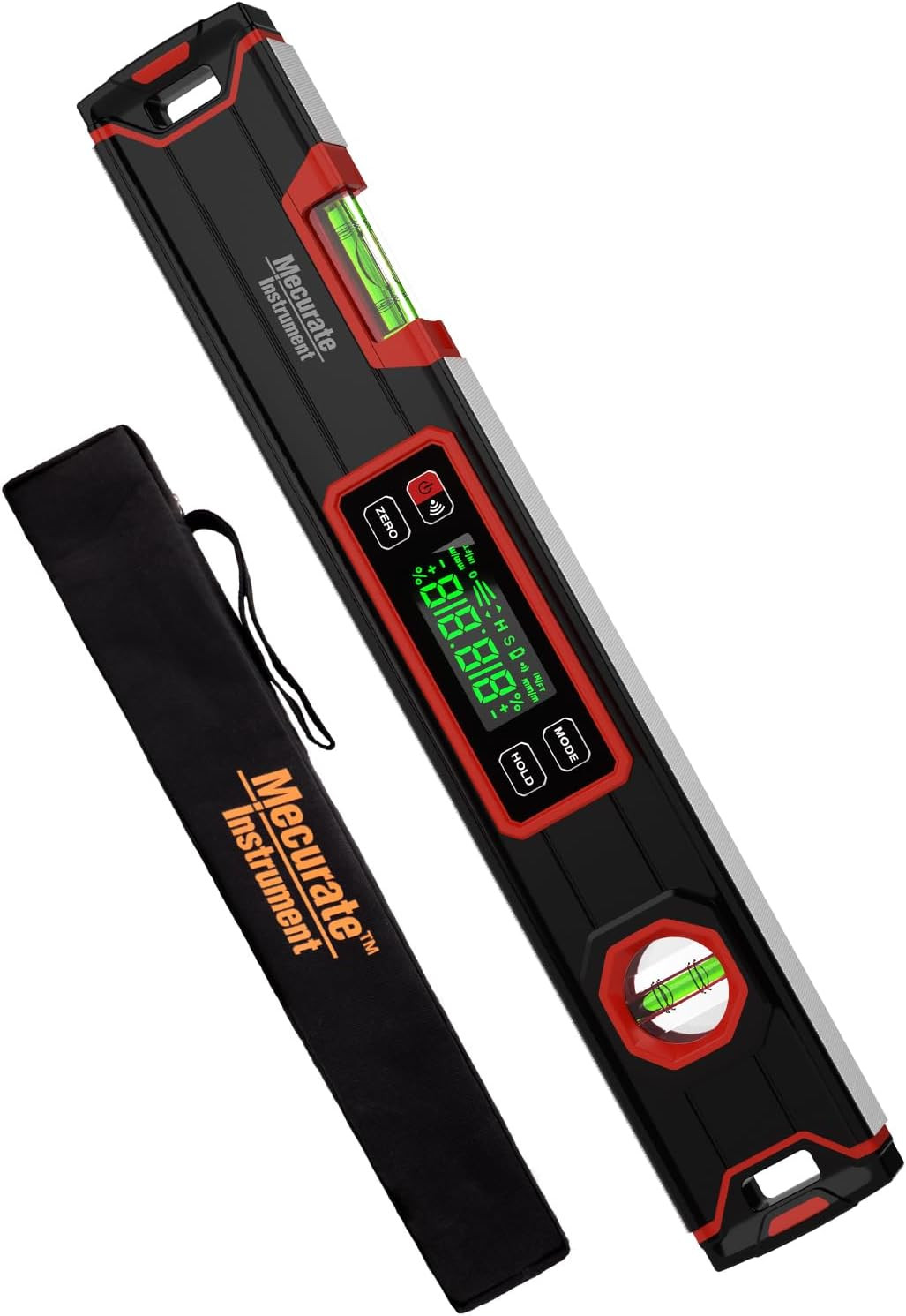 16-Inch Digital Level, Portable Electronic Angle Finder with Backlit Display, ±0$63.60
 View on eBay
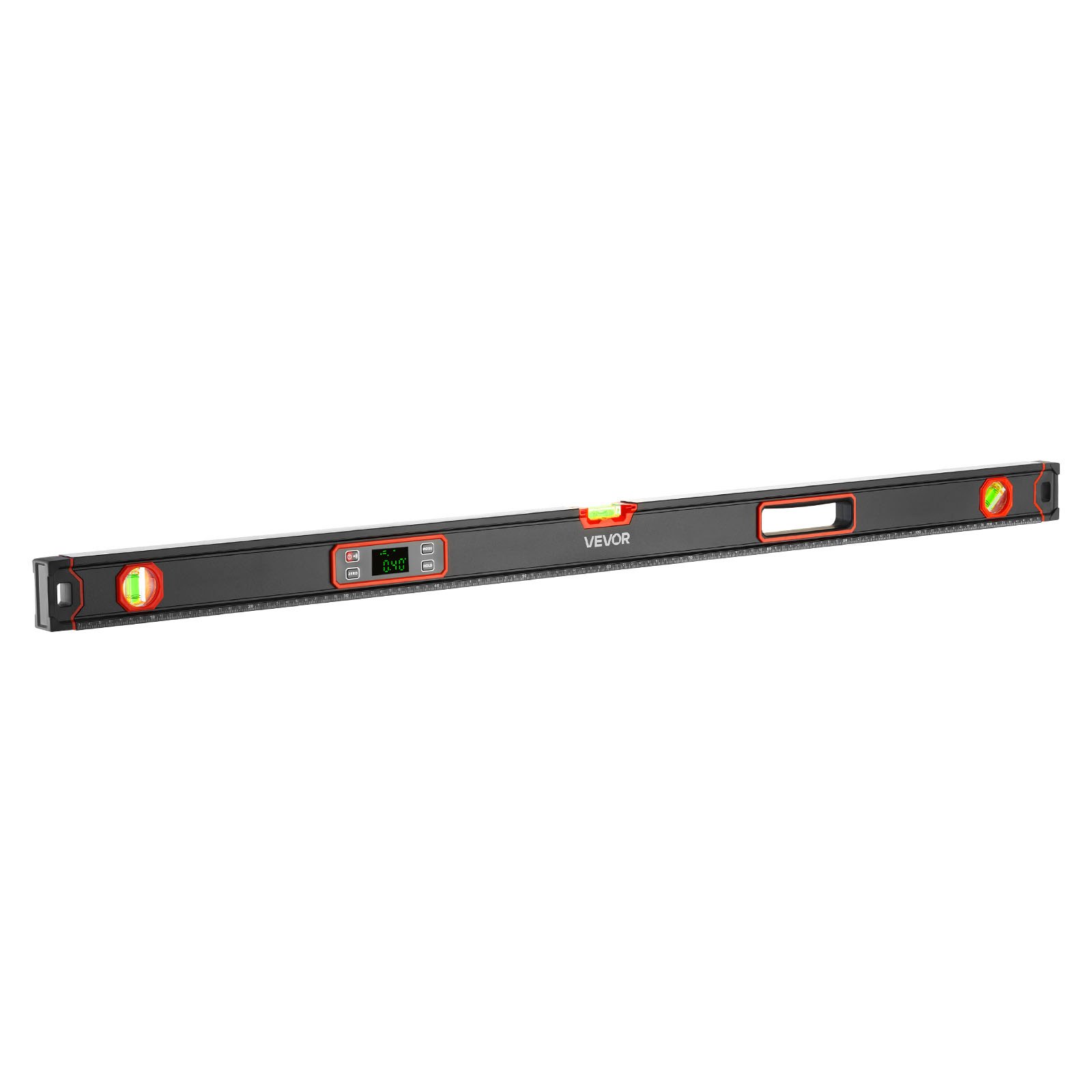 Digital Level, 48 In Length, Magnetic Electronic With LED Backlit Display, 360 Leveler Tool 0 45 90 Bubble Vials, IP54 Rating For Construction Carpentry Home Renovation$53.99
 View on Mallflare
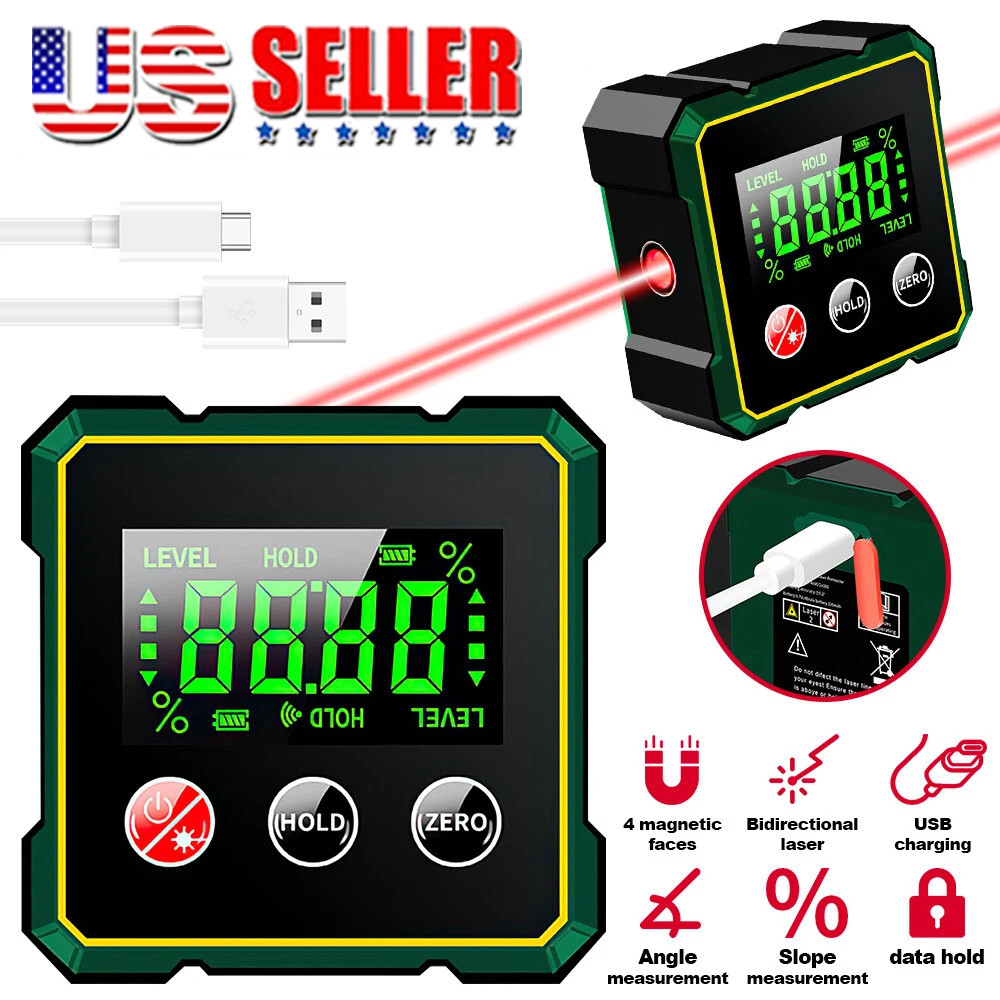 Digital Angle Finder with Electronic Laser 4-side Strong Magnetic Angle Gauge US$7.99View on eBay
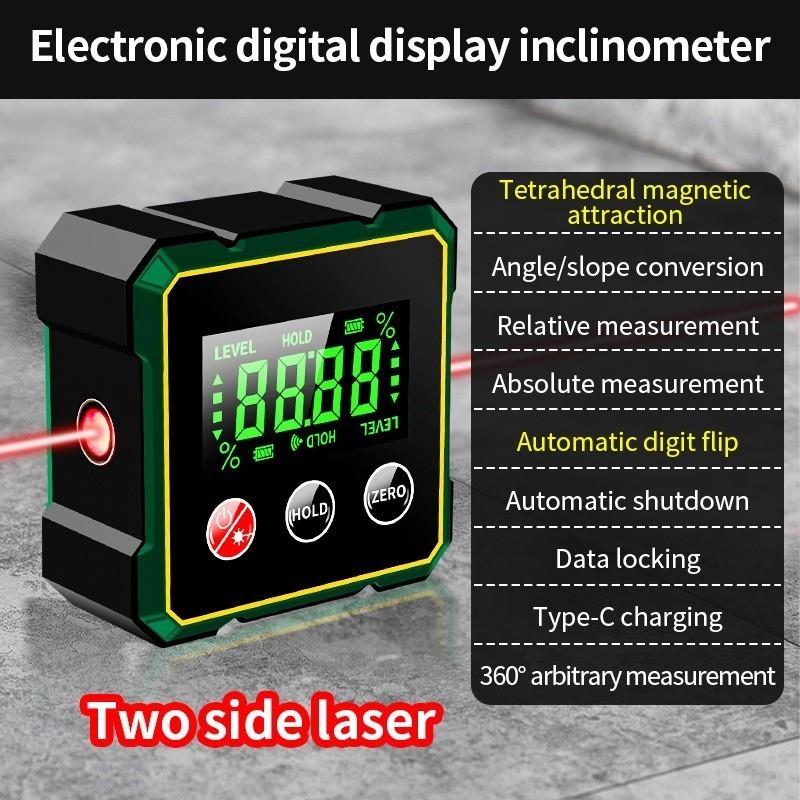 Digital Angle Finder with Electronic Laser 4-side Strong Magnetic Angle Gauge$12.99View on eBay
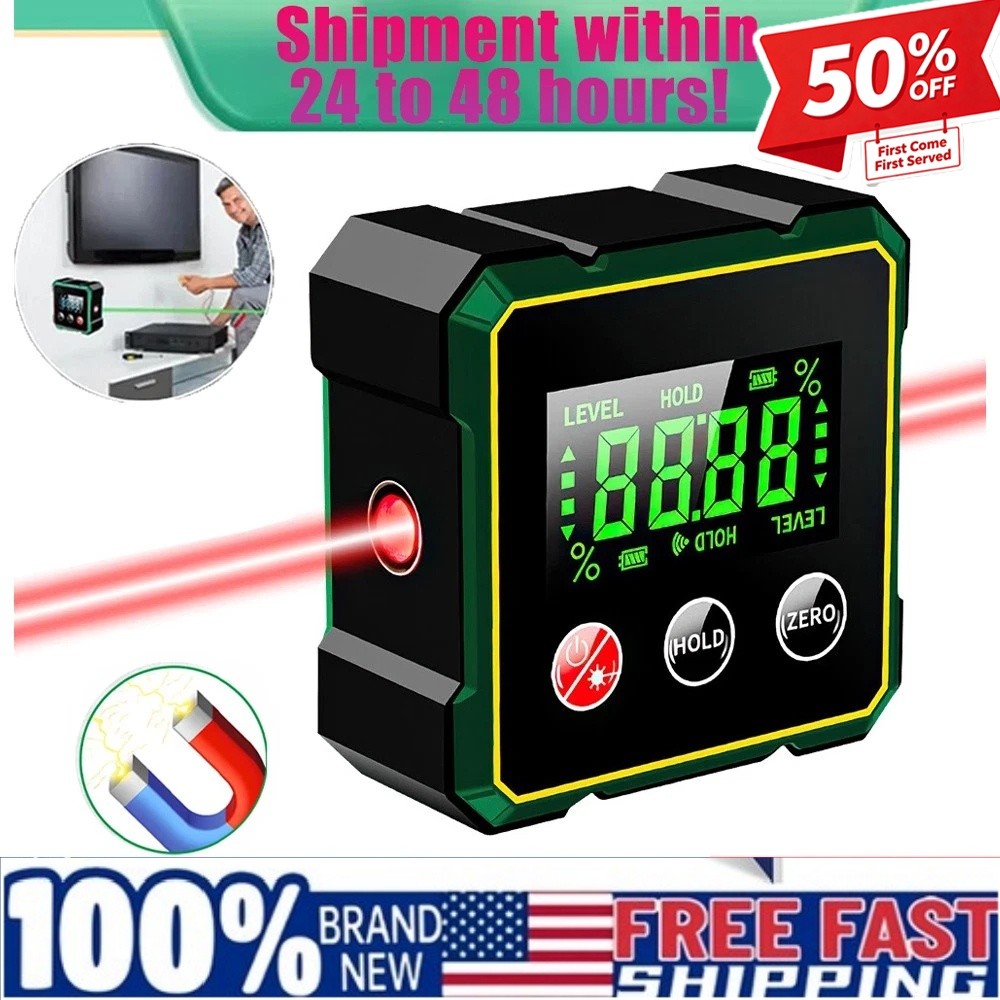 Digital Angle Finder with Electronic Laser 4-side Strong Magnetic Angle Gauge$13.99View on eBay
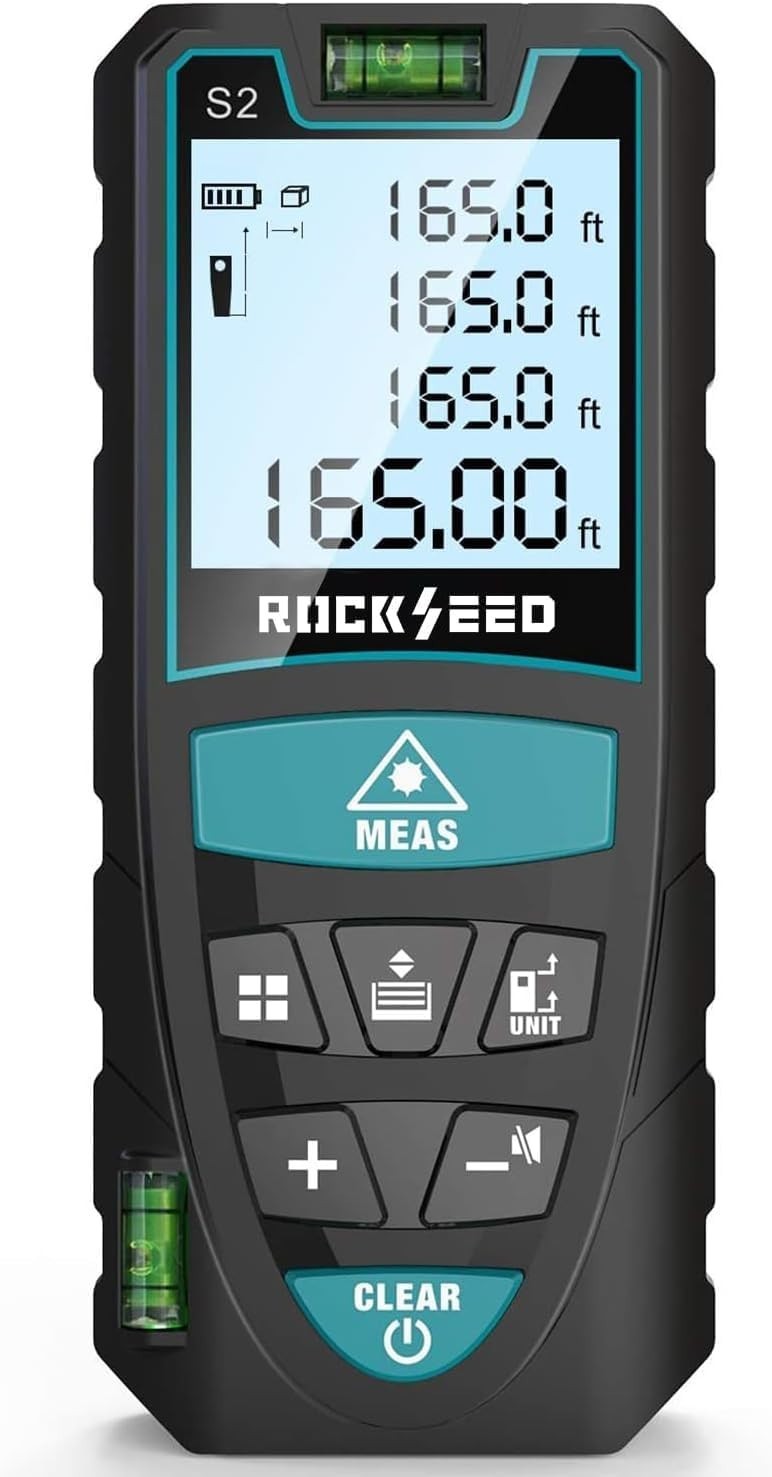 Portable Laser Measure 165' LCD Digital Laser Distance Meter w 2 Bubble Levels$15.95View on eBay
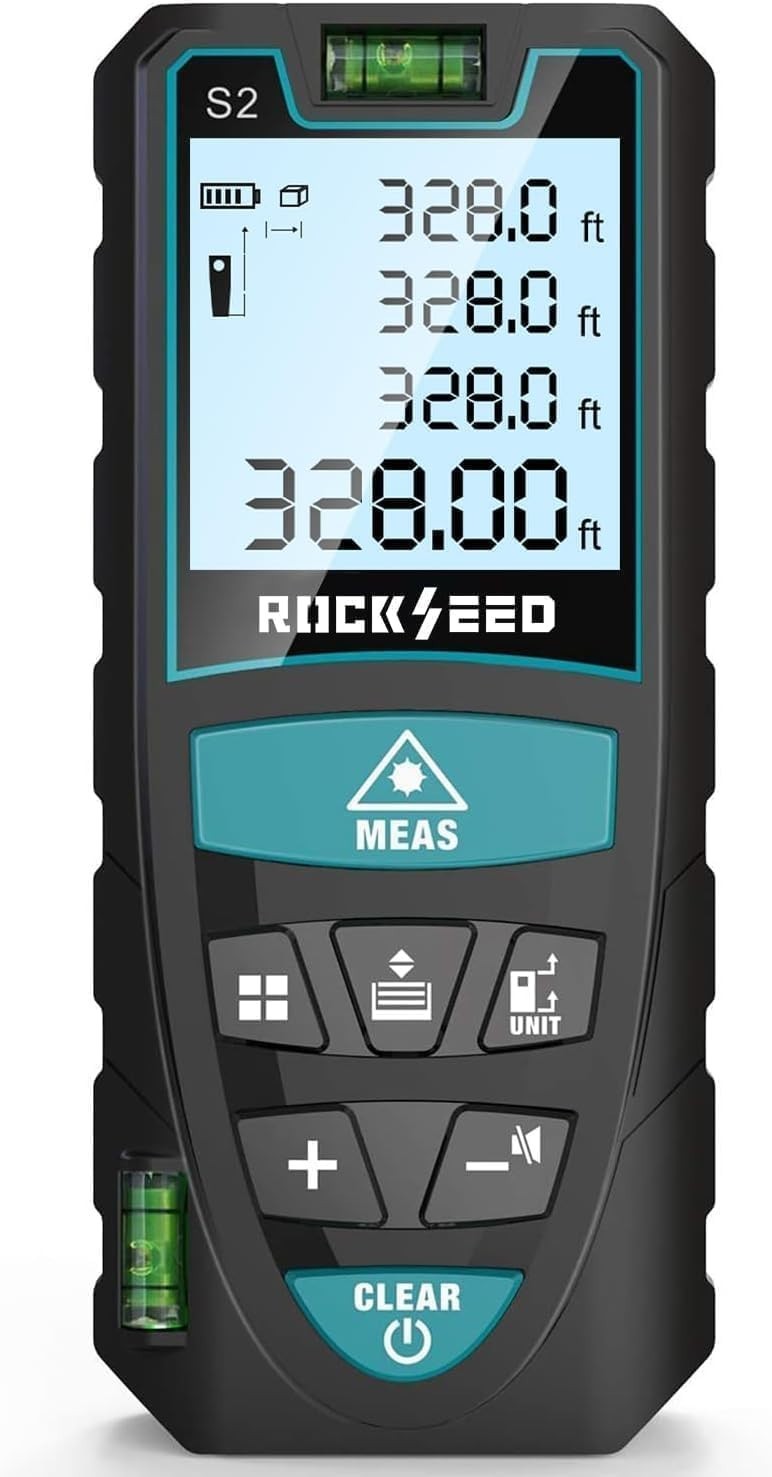 Portable Laser Measure 328' LCD Digital Laser Distance Meter w 2 Bubble Levels$19.95View on eBay
Highlights
- Sensor accuracy tiers: ±0.1° for finish carpentry and millwork; ±0.2° to ±0.3° acceptable for framing; ±0.5° or unspecified is a compromise for rough layout only.
- Display type matters: backlit LCD with auto-rotate ensures readability in overhead or dim conditions; non-backlit units are unusable in low light.
- Frame construction: aluminum box-beam (1.5–2 mm wall) resists twist over 48 inches; plastic or thin-walled frames flex and lose calibration.
- Magnetic base strength: rare-earth magnets (N35 or stronger) hold to steel studs and pipe; weak ceramic magnets slide and cause reading errors.
Best use cases
- Pick a 48-inch digital box-beam level for checking countertop, door, and cabinet installs; its long reference edge spans joints and averages surface irregularities.
- Choose a 16-inch or compact digital level for tight spots like stair stringers, window sills, and appliance leveling where a full-length beam won't fit.
- Skip a digital angle finder for flatwork—it has no straight edge—but use it for transfer angles on miter saws, pipe bends, and roof pitch.
- For outdoor or jobsite use, require IP54 or better sealing and a hard case; open-frame or unsealed units fail in dust and rain.
Buying tips
- Match length to task: 48 inches for countertops and long joints (spans two high points); 16–24 inches for tight spaces; angle finders for transfer only.
- Demand a stated accuracy of ±0.1° and a user calibration button; units without calibration drift after drops and temperature swings.
- Check battery type: AAA or AA cells are field-replaceable; coin cells or rechargeable-only units leave you stranded mid-job.
- Verify magnetic holding force on vertical steel—weak magnets cause the level to slide and read the wrong plane; rare-earth magnets are mandatory.
Specs
| Accuracy | ±0.1° (precision) to ±0.3° (framing) |
|---|---|
| Length | 16–24 in compact; 48 in box-beam |
| Frame Material | Aluminum box-beam 1.5–2 mm wall |
| Ingress Rating | IP54 or better for jobsite use |
Related searches
What to check before buying
- Measure the longest joint you need to check: if over 24 inches, buy a 48-inch box-beam; if under, a 16-inch compact suffices.
- Confirm the level's frame width fits your toolbox or belt pouch—48-inch beams need truck or wall storage.
- Check jobsite environment: for dusty or wet conditions, require IP54 or higher ingress rating and a sealed battery compartment.
- Ensure the unit ships with a protective case and calibration instructions; exposed vials and sensors are fragile.
FAQ
Data sources: eBay / Amazon listings and product attribute feeds Data updated Nov 20, 2026.
Some links on this page are affiliate links. If you buy after clicking one, we may earn a commission at no extra cost to you. This does not change which products appear here or their order. Affiliate disclosure.