Photos from current listings. Actual item, color, and included accessories may vary.
Framing Square Buying Guide
A framing square is a rigid L-shaped layout tool used to mark 90° cuts, stair stringers, and rafter angles; the core trade-off is stamped steel vs. milled/machined steel and fixed vs. adjustable design, which determines whether the square stays true over years of jobsite abuse. Buy a fixed, machined-steel square for structural framing and a lighter stamped or folding square for layout and trim; skip thin stamped L-squares with no heel reinforcement for repeated rafter work.


At a glance
- Category
- Measuring & Layout Tools
- Data updated
- Nov 20, 2026
Current offers
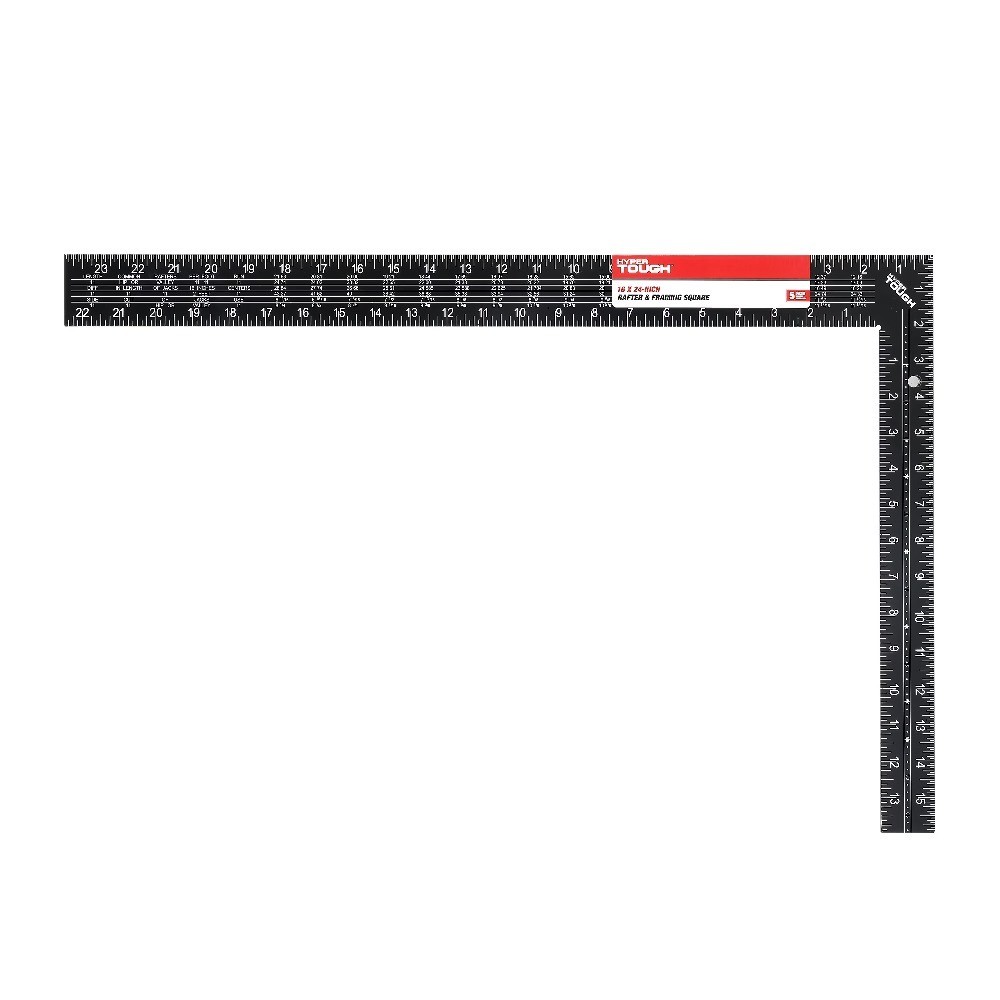 Rafter Framing Square 16 X 24 Inches Steel Construction Layout Measuring Tool$10.94
 View on eBay
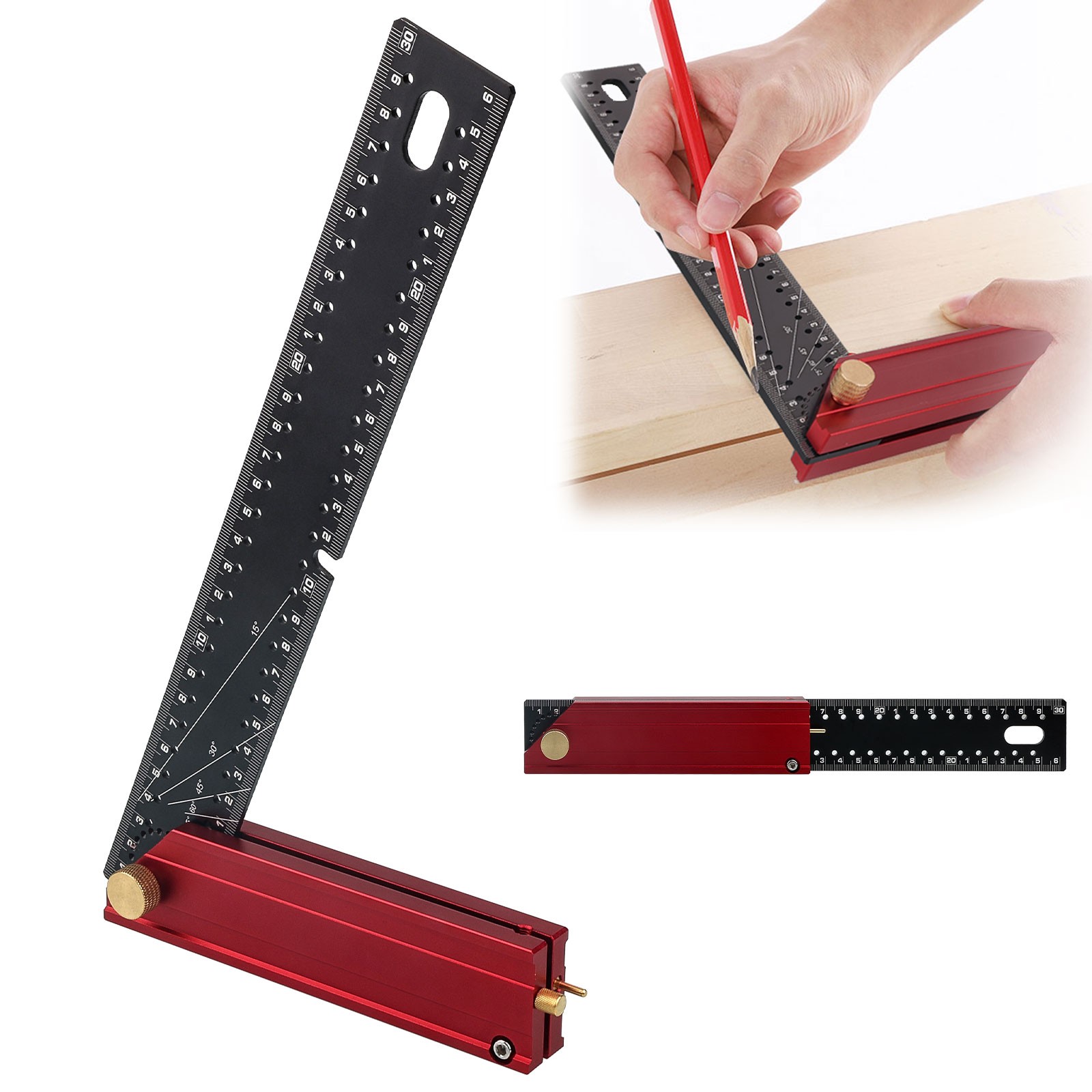 12"Adjustable Carpenter Framing Square L Angle Ruler w/ Scribing Pin Woodworking$23.98View on eBay
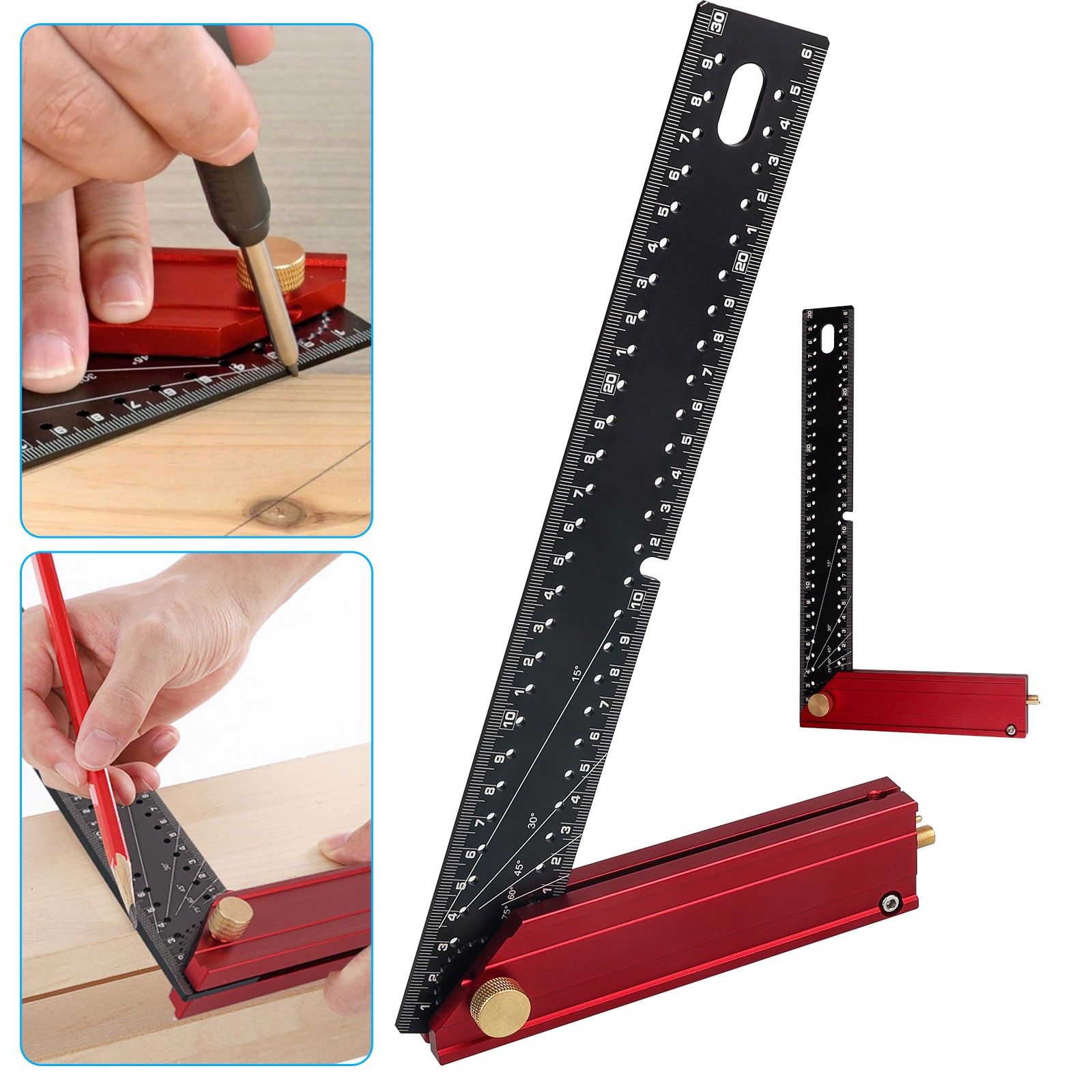 12in Folding Carpenter Square L Shape Angle Measuring Ruler Framing Layout Tool$23.98View on eBay
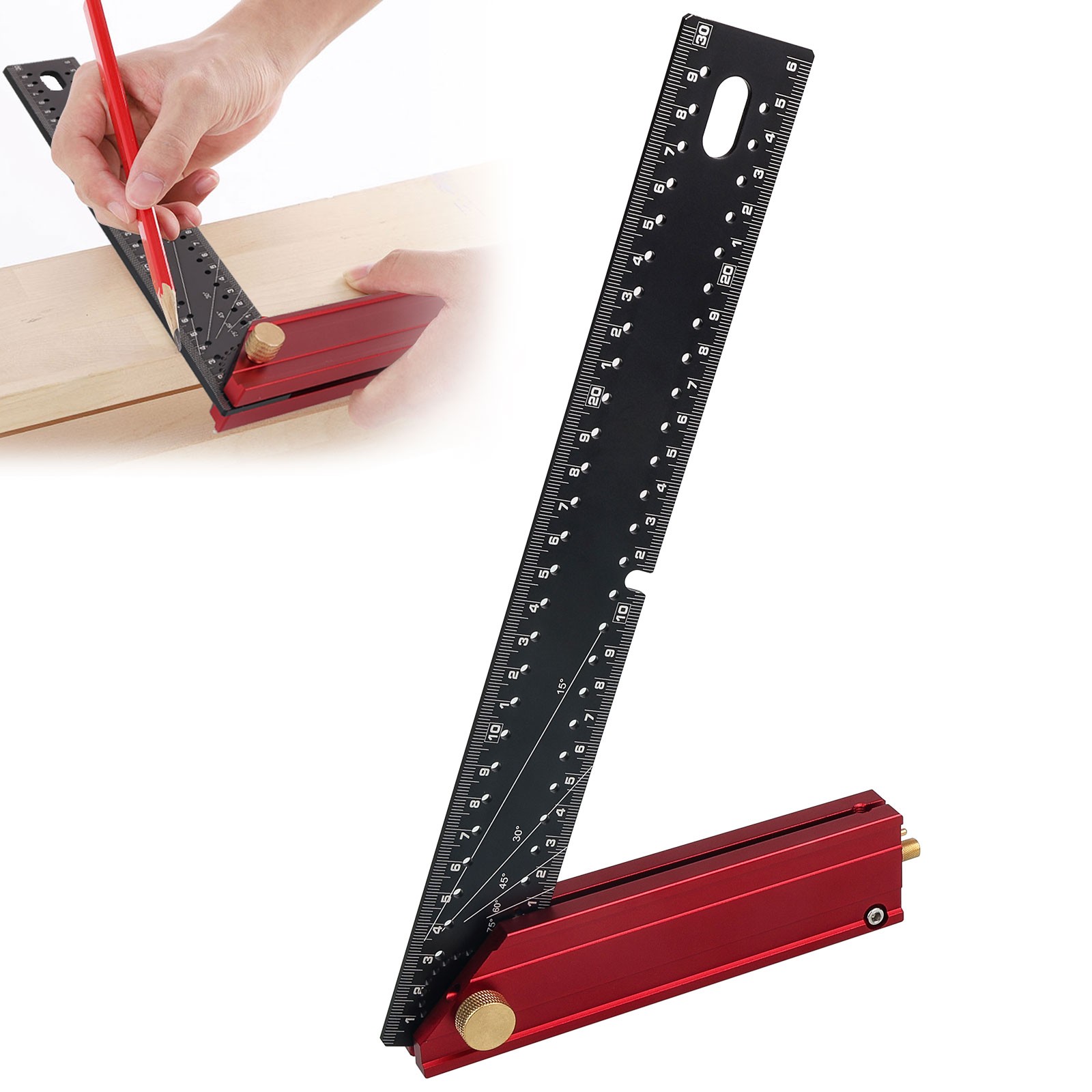 12"Adjustable Carpenter Square L Shaped 90° Framing Angle Ruler Woodworking Tool$23.98View on eBay
Highlights
- Body size drives layout reach: 16×24 in is the standard rafter square for full stair and roof pitches; 12 in L-squares handle sheet goods and trim.
- Steel grade and thickness separate durable squares from consumables: 1/4 in thick hardened steel resists bending; thin stamped 1/16 in bodies flex and lose 90°.
- Adjustable squares use a sliding or pivoting blade with a lock screw; accuracy depends on a machined pivot, not a riveted hinge that loosens.
- Folding L-squares hinge at the corner and trade rigidity for pocketability; they suit layout reference but not repeated framing strikes.
Best use cases
- Pick a 16×24 in fixed steel rafter square for roof framing, stair stringers, and repeated 90°/45° marking on full-dimension lumber.
- Pick a 12 in fixed or adjustable L-square for cabinet, trim, and sheet-goods layout where reach matters less than a compact pocket tool.
- Pick a folding carpenter square only for light layout and transport; skip it for structural framing where a rigid heel and fixed 90° are required.
- Skip adjustable squares with plastic or riveted hinges for heavy framing; choose machined pivot and metal lock screw when the angle must hold.
Buying tips
- Match body length to task: 24 in blade for rafter tables and stair layout; 12 in blade when working in tight cabinets or on a tool belt.
- Choose steel thickness of at least 3/16 in on the body and a reinforced heel; thin stamped bodies deflect under a pencil or knife line.
- For adjustable squares, demand a machined pivot and a positive lock screw; riveted hinges drift out of 90° under repeated use.
- Verify graduation marks are stamped or etched, not printed; printed scales wear off quickly on jobsite squares.
Specs
| Body Size | 16×24 in rafter / 12 in L-square |
|---|---|
| Material & Thickness | Hardened steel, 3/16–1/4 in |
| Adjustability | Fixed 90° vs lock-screw adjustable |
| Heel Type | Reinforced fixed vs folding hinge |
Related searches
What to check before buying
- Confirm the square’s body width fits your framing lumber: a 24 in blade spans 2×10 and 2×12 rafter layout with room for tables.
- Check your tool belt or pouch depth: folding 12 in squares pack flat, while fixed 16×24 squares need a holster or wall hook.
- Verify the square stores flat and dry; bare or lightly coated steel rusts in damp jobsite boxes unless wiped and oiled.
- Ensure the square’s thickness clears your saw shoe and marking knife: a 1/4 in body is stable but can rock on narrow trim.
FAQ
Data sources: eBay / Amazon listings and product attribute feeds Data updated Nov 20, 2026.
Some links on this page are affiliate links. If you buy after clicking one, we may earn a commission at no extra cost to you. This does not change which products appear here or their order. Affiliate disclosure.