Photos from current listings. Actual item, color, and included accessories may vary.
Laser Level Buying Guide
A laser level projects self-leveling horizontal, vertical, or 360-degree reference lines using a diode and pendulum or electronic compensator. The core trade-off is beam architecture and accuracy versus environmental durability: cross-line units suit indoor tasks, while multi-plane 360-degree heads with pulse mode and IP54 sealing handle dusty jobsites. Buyers should demand ±1/8-inch-per-10-foot accuracy, green diode visibility, and a locking pendulum; anything less is a picture-hanging gadget, not a layout tool.

At a glance
- Category
- Measuring & Layout Tools
- Data updated
- Nov 20, 2026
Current offers
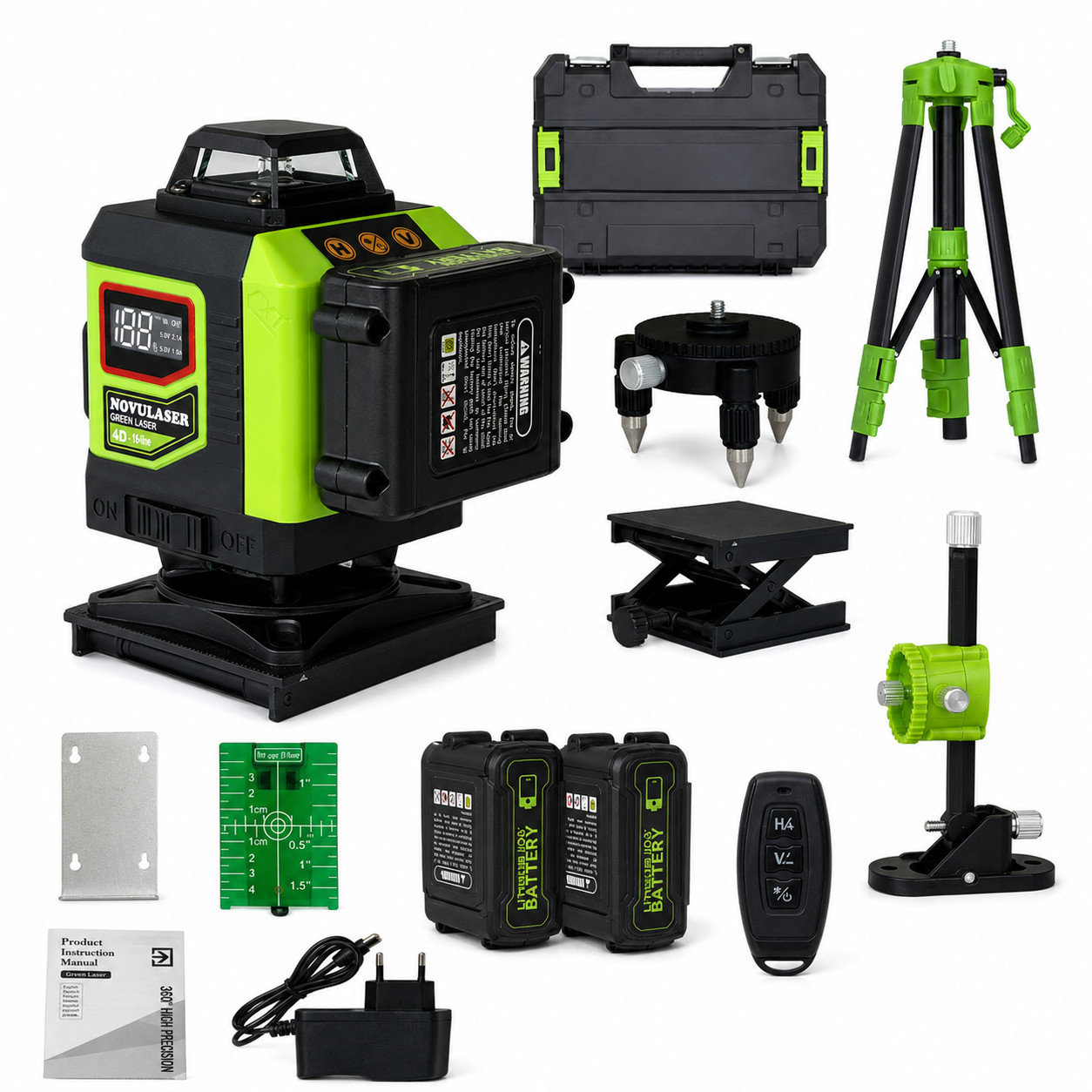 16 Line 4D Green Laser Level 360° Self Leveling Remote Tripod 2 Batteries$59.99
 View on eBay
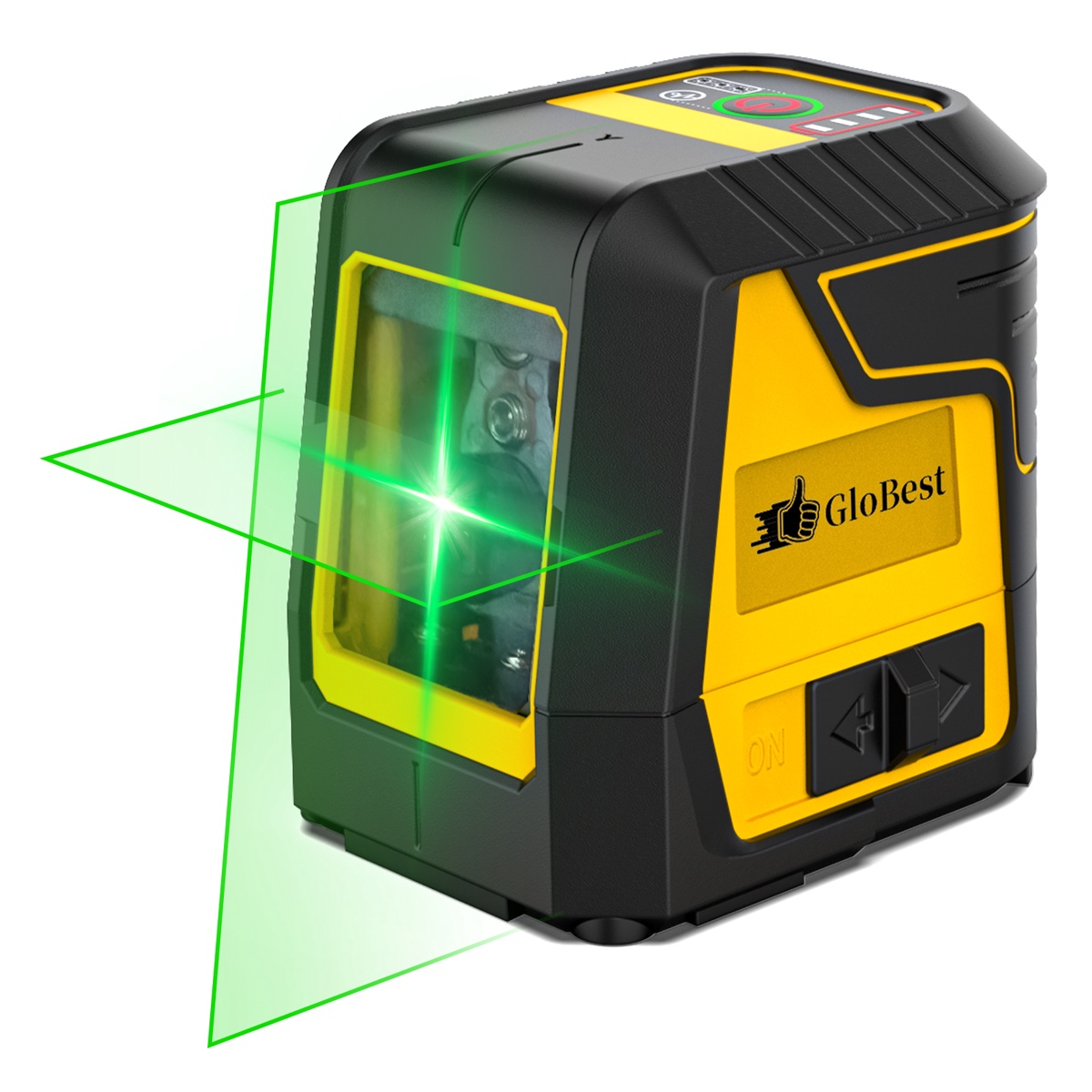 Laser Level, Green Cross Line Lever, With Self-leveling, Manual, Pulse Mode, Lazer Tool For Picture Hanging, Tiling, Includes 360 Degree Magnetic Base & Battery$37.99
 View on Mallflare
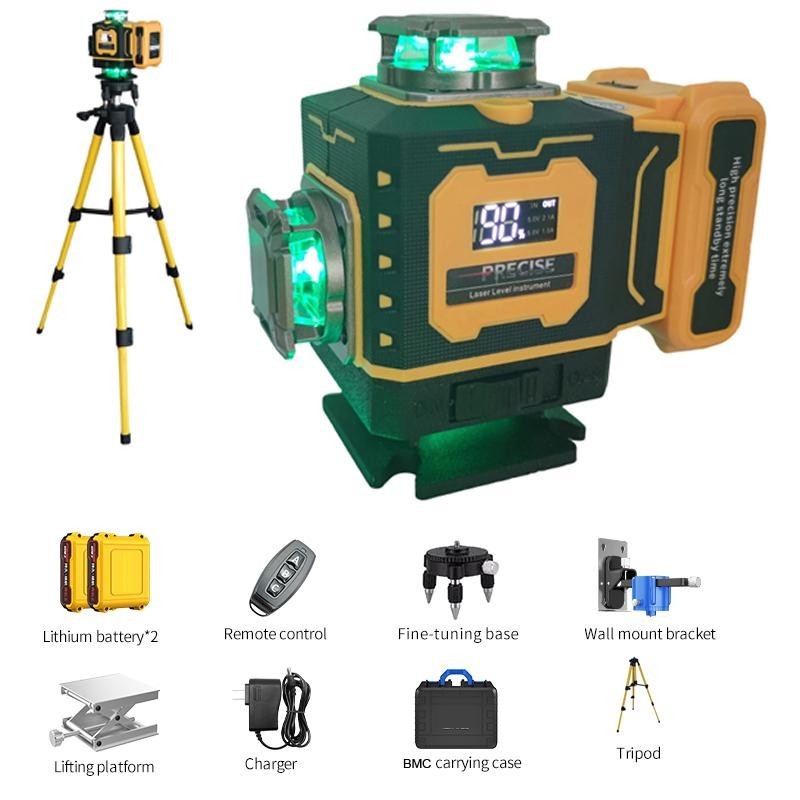 Laser Level with Tripod, 4×360° Self Leveling Laser Leveler Tool$65.99View on eBay
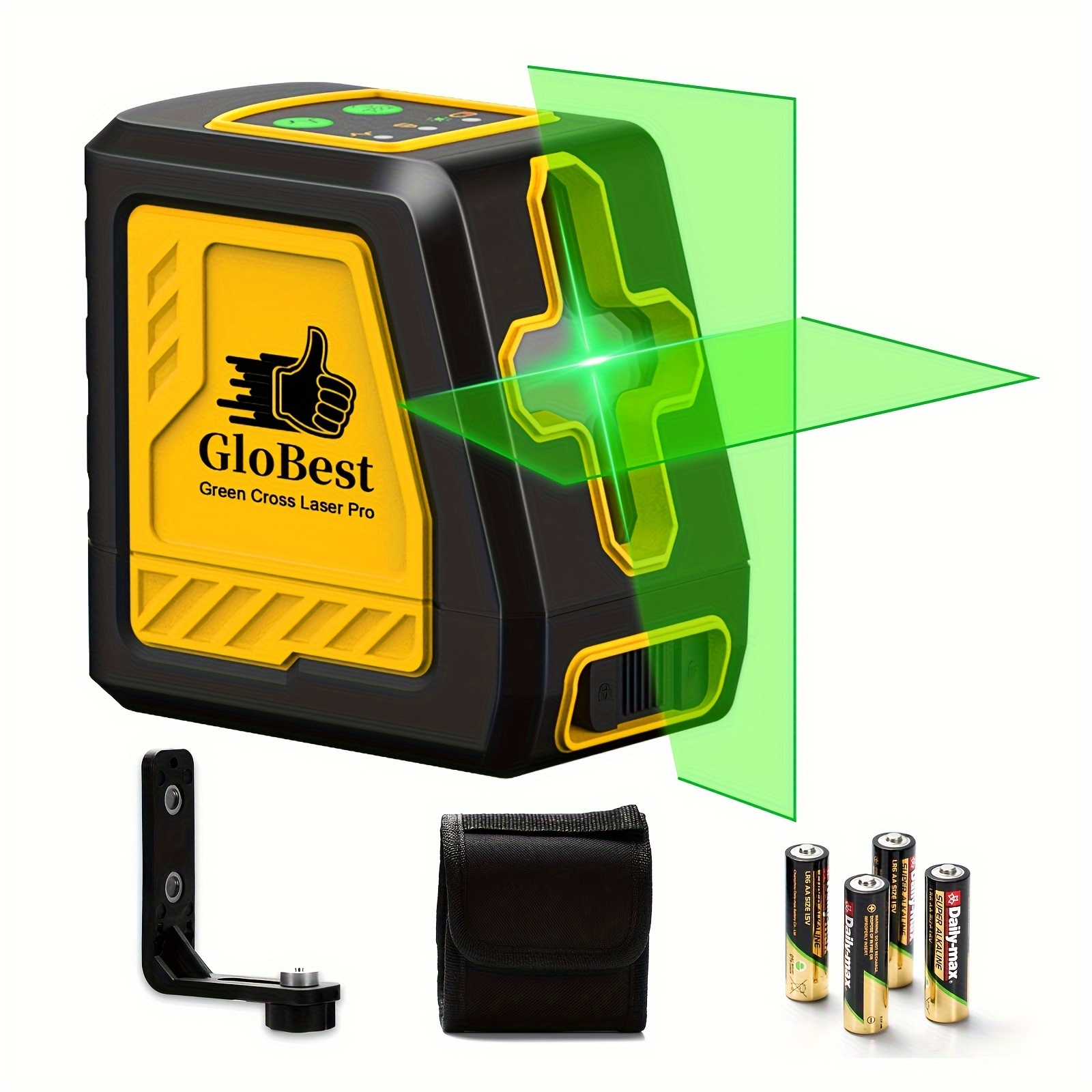 Laser Level, 100Ft Self Leveling Cross Line Lasers, Green Beam Leveler Tool, With Self-leveling, Manual, Pulse Mode, Lazer 360 Degree Magnetic Base And Battery$71.99View on Mallflare
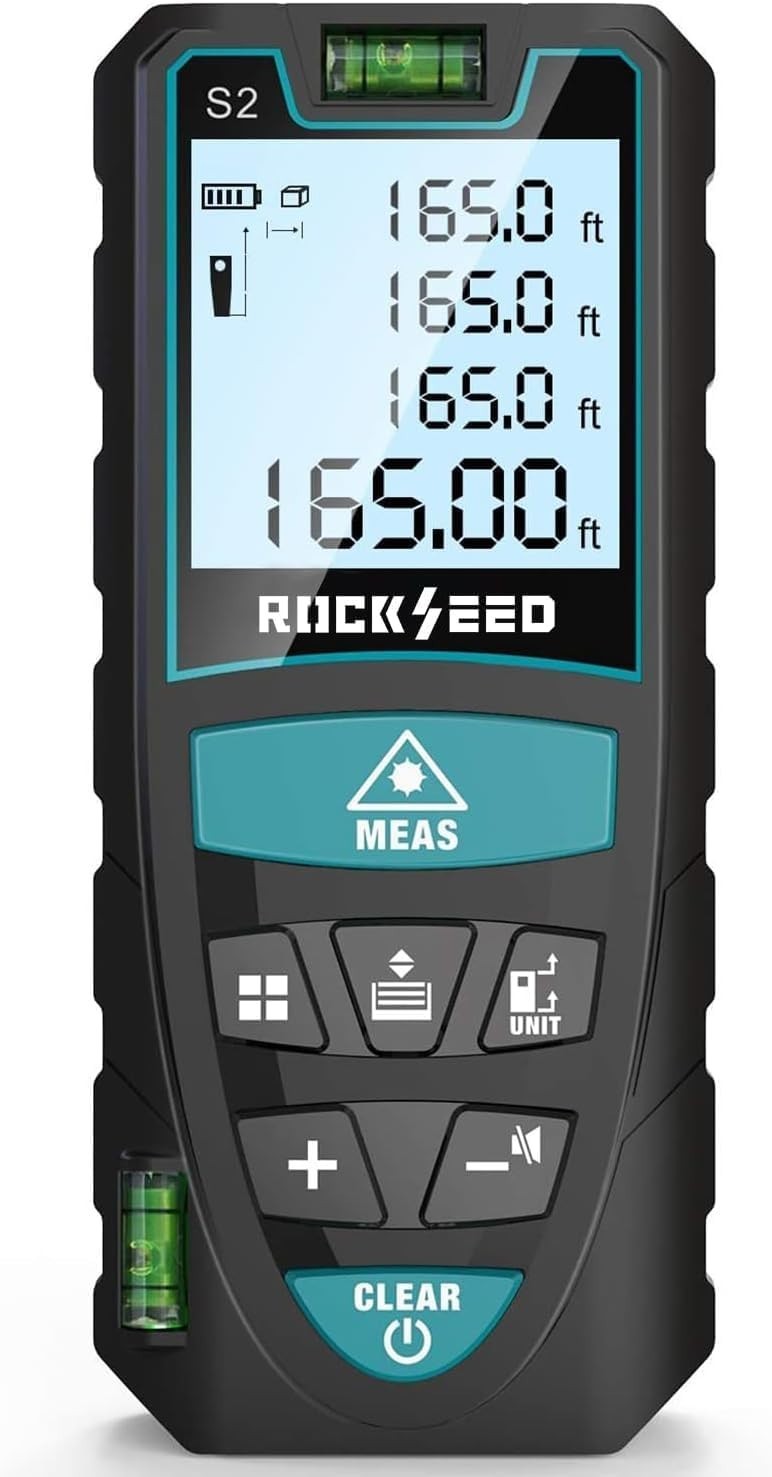 Portable Laser Measure 165' LCD Digital Laser Distance Meter w 2 Bubble Levels$15.95View on eBay
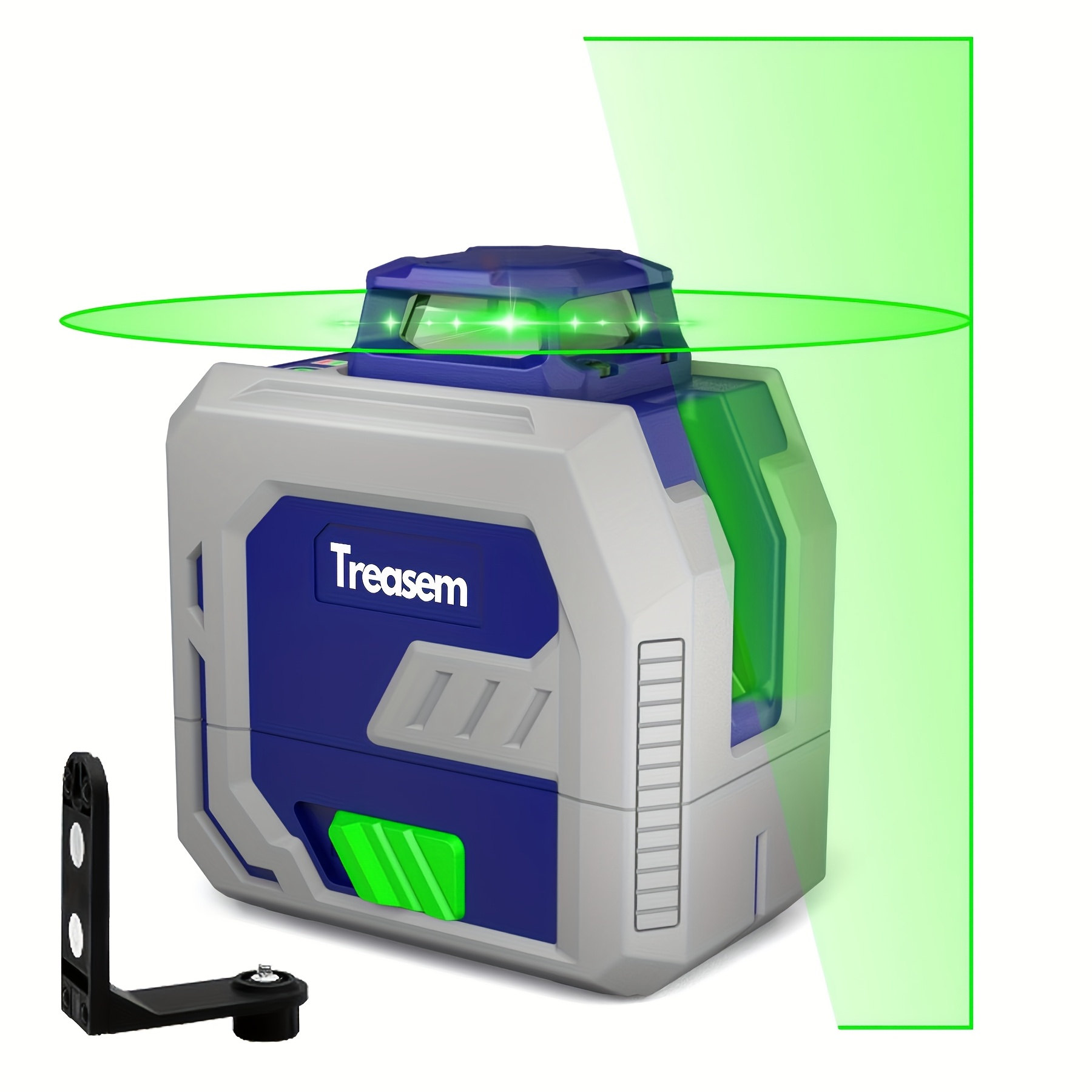 Laser Level, Self-leveling Rechargeable Measurement Tool With Type-C Charging Port For Building Construction, Hanging Pictures, Calibration, Tiling$91.99View on Mallflare
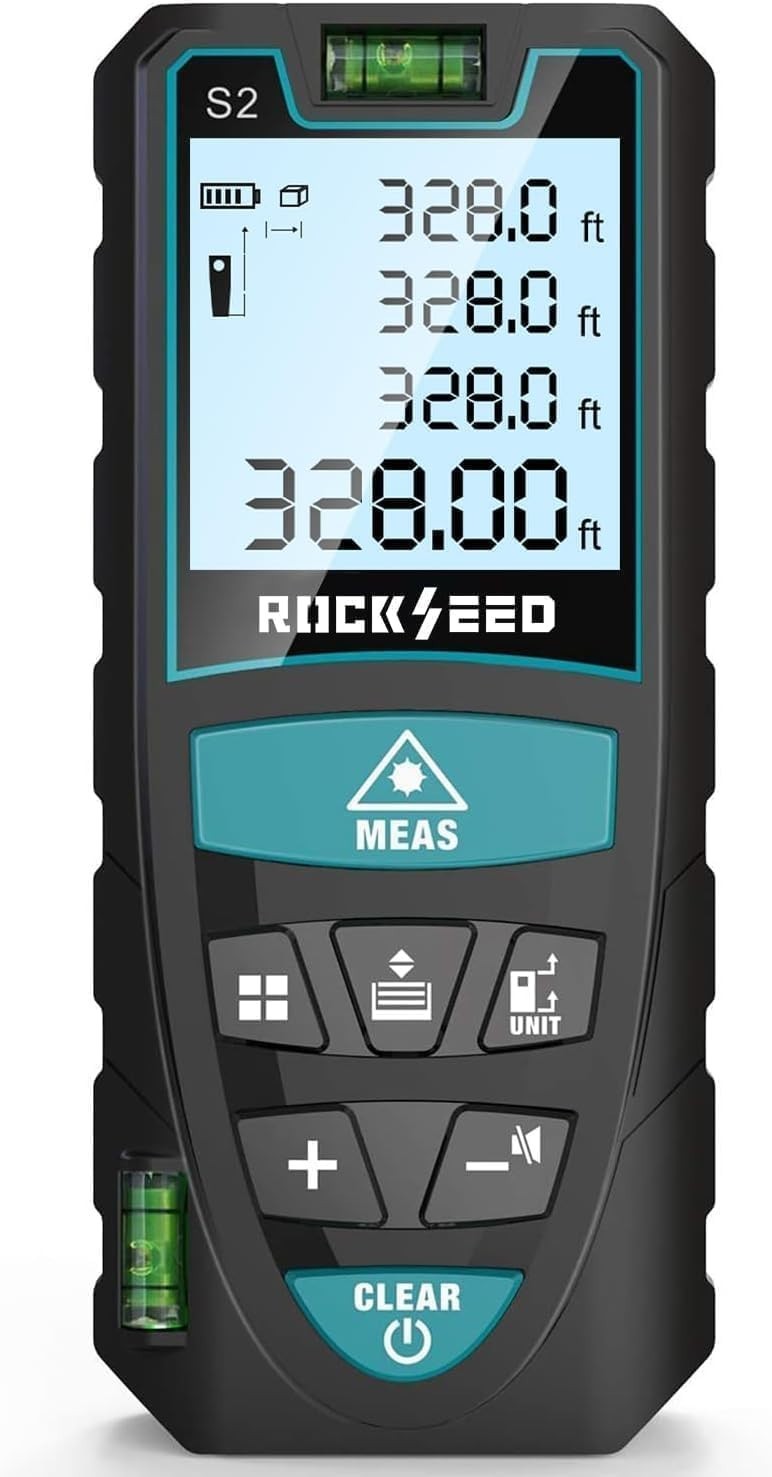 Portable Laser Measure 328' LCD Digital Laser Distance Meter w 2 Bubble Levels$19.95View on eBay
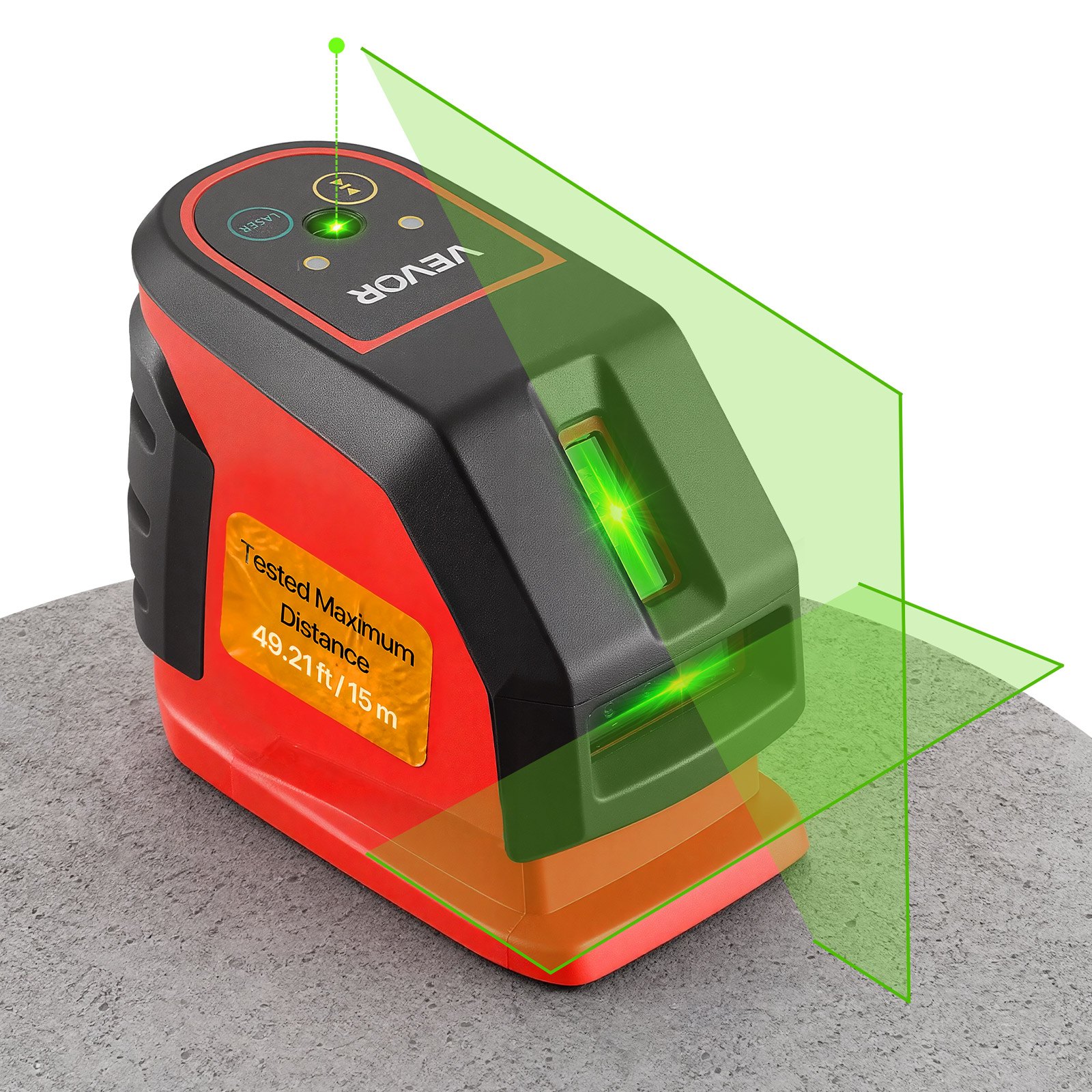 Self Leveling Laser Level 49.2 ft, Green Cross Line 2 Spot for Picture Hanging, Tile, DIY Construction, Manual, Self-Leveling, Pulse Modes, IP54 Rated, 8H Runtime, with Storage Bag$100.99View on Mallflare
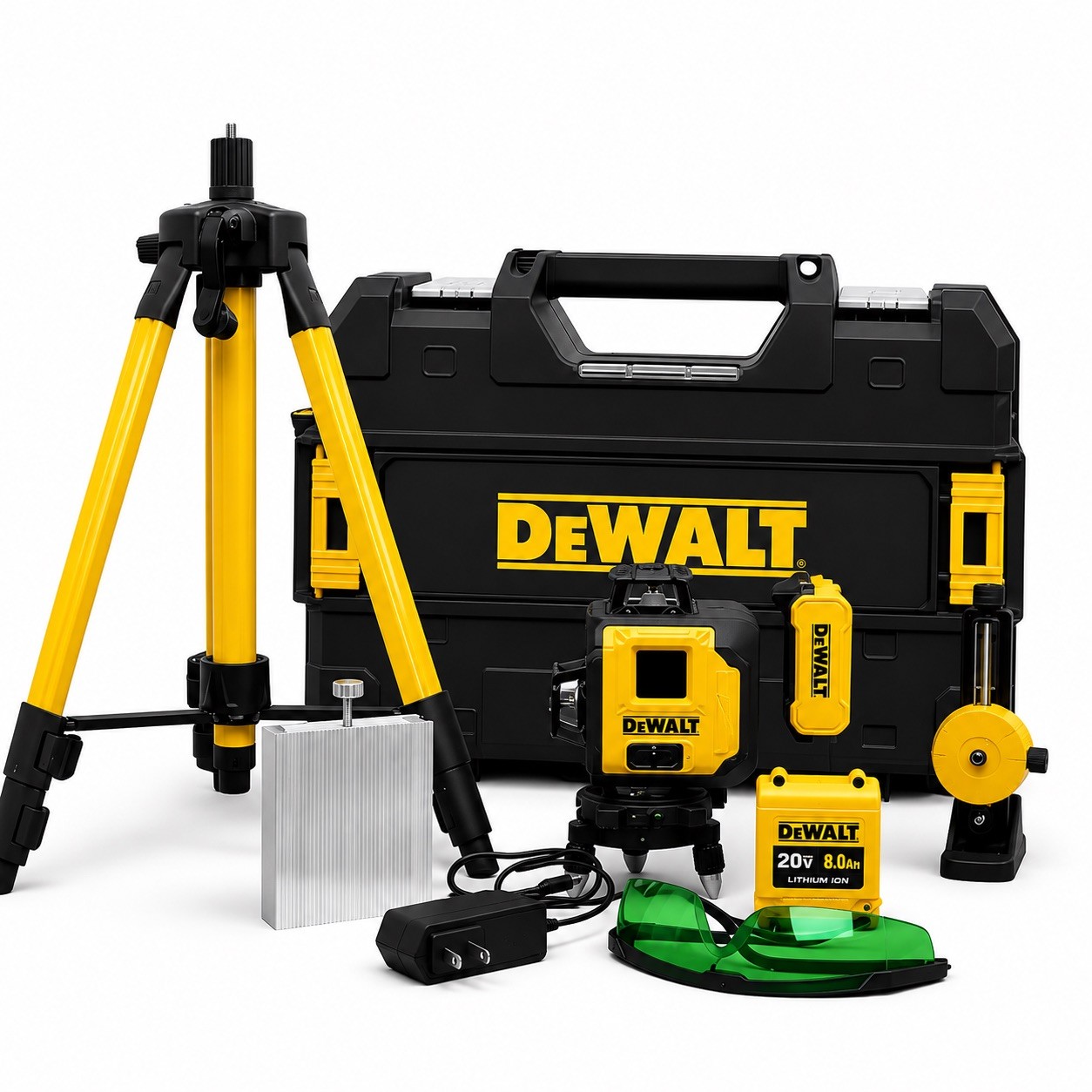 DEWALT Self Leveling Green Beam Laser 16 Lines in 3x360° for Ultimate Precision$118.00View on eBay
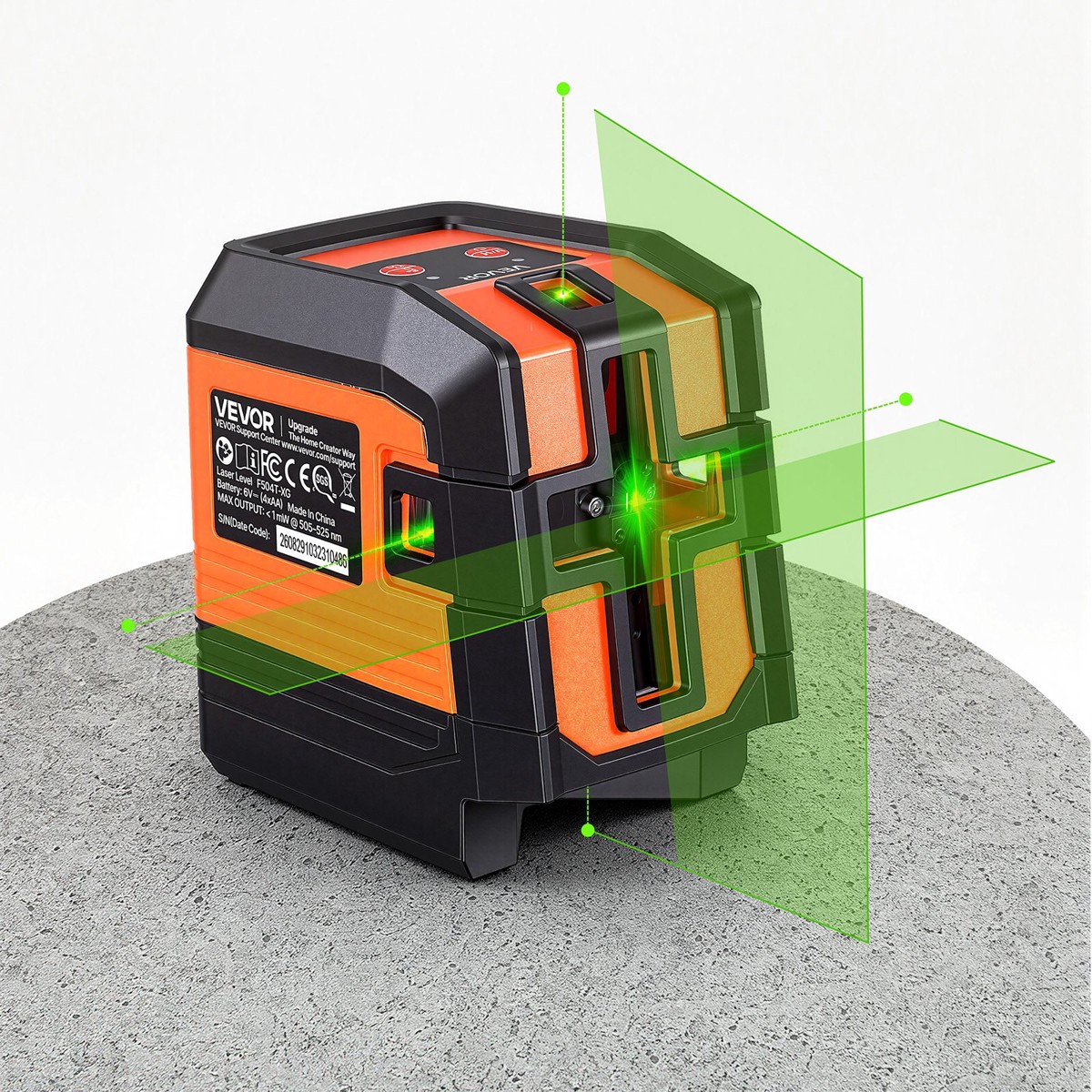 Self Leveling Laser Level 98.4 ft Green Cross Line with 4-Point for Picture Hanging, Tile, DIY Construction, Manual, Self-Leveling, Pulse Modes, IP54 Water-Resistant, 8H Runtime, Tool Case$102.99View on Mallflare
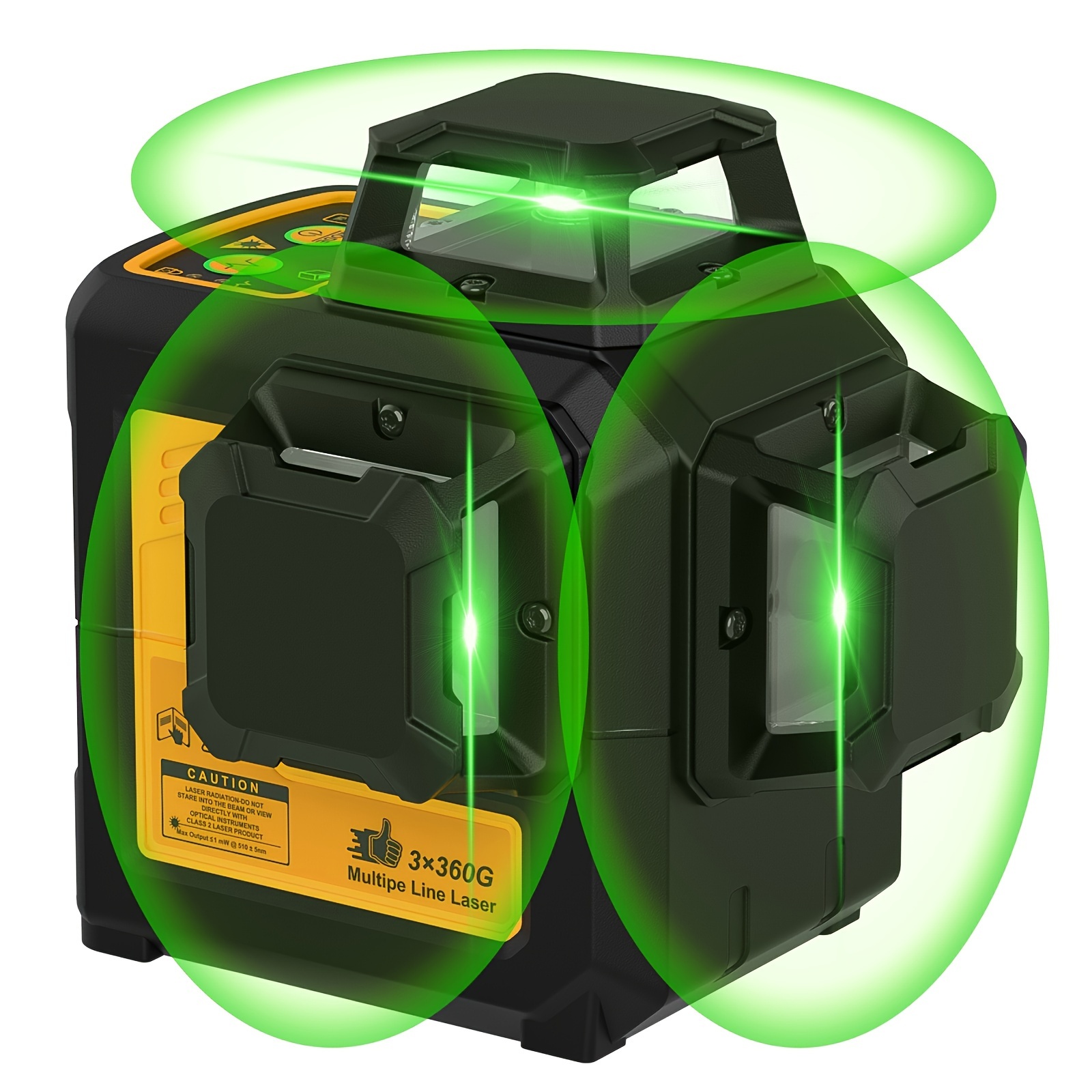 Self Leveling Laser Level Tool, 3x360 Line Lasers, 12 Lines Green Beam Leveler With Self-leveling, Manual, Pulse Mode, Lazer 360 Magnetic Base And Rechargeable Battery$154.99View on Mallflare
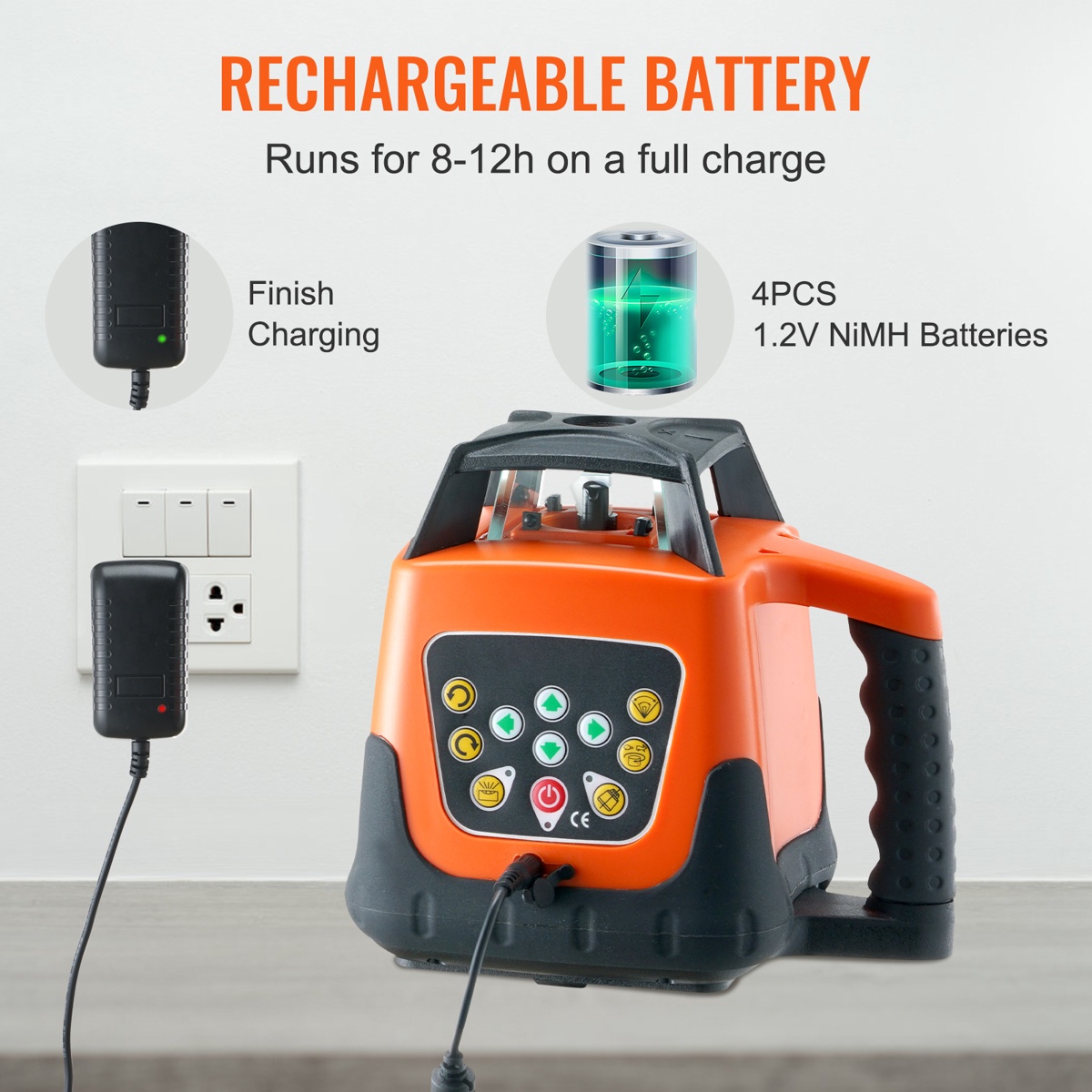 VEVOR Laser Level, 2000ft, 360 Degree Self Leveling Green Cross Line 5 Rotation Speeds & 4 Scanning Angles Adjustment, IP66 Waterproof Remote Control Manual Self-leveling Mode, Battery Included$262.99View on Mallflare
Highlights
- Green diode beams are 3-4x more visible than red in bright indoor light, but draw more power—expect 8-10 hour runtime on rechargeable packs versus 20+ hours for red.
- Cross-line models project one horizontal and one vertical plane; 3x360 and 4D 16-line heads project multiple overlapping planes for full-room layout.
- Self-leveling pendulum units correct within ±3-4 degrees and blink or alarm beyond that range; manual mode locks the pendulum for angled projection.
- Pulse mode modulates the beam for use with a line detector, extending usable range from roughly 100 ft to 200+ ft outdoors in daylight.
Best use cases
- Picture hanging, shelving, and tiling indoors: pick a self-leveling cross-line with green beam and magnetic bracket; skip multi-plane 360 heads that add cost and calibration complexity.
- Full-room remodeling, drop ceilings, and framing: choose a 3x360 or 4D 16-line unit with pulse mode, rechargeable batteries, and a tripod mount; a single cross-line cannot mark all four walls simultaneously.
- Outdoor site layout in daylight: require pulse mode plus a compatible line detector and a sturdy tripod; bare-beam green units are invisible past 50-100 ft in sun and are the wrong fit.
Buying tips
- Verify accuracy spec of ±1/8 in per 10 ft (±1/9 in per 3 m); wider tolerances compound over long runs and defeat the purpose of a level.
- Match plane count to task: 2-line cross for walls and shelves, 3x360 for floor-to-ceiling and four-wall layout, 4D 16-line for complex commercial grid work.
- Confirm the mount thread: 1/4-20 in is standard for camera-style tripods and magnetic brackets; 5/8-11 in is the surveying standard and needs an adapter.
- Choose IP54 or better for dusty or damp sites; unsealed units ingest drywall dust and lose calibration within months.
Specs
| Beam Color | Green (visible) vs Red (budget) |
|---|---|
| Plane Count | 2-line cross / 3x360 / 4D 16-line |
| Accuracy | ±1/8 in per 10 ft standard |
| Mount Thread | 1/4-20 in (5/8-11 via adapter) |
Related searches
What to check before buying
- Measure the longest run you will mark; beam range and accuracy must cover it without repositioning the unit.
- Confirm your tripod or bracket uses 1/4-20 in thread, or budget for a 5/8-11 adapter.
- Check ambient light: green beam for bright interiors, red acceptable for dim rooms and close-range work.
- Verify battery format (rechargeable Li-ion pack versus AA cells) and whether spares are included for multi-day jobs.
FAQ
Data sources: eBay / Amazon listings and product attribute feeds Data updated Nov 20, 2026.
Some links on this page are affiliate links. If you buy after clicking one, we may earn a commission at no extra cost to you. This does not change which products appear here or their order. Affiliate disclosure.