
Photos from current listings. Actual item, color, and included accessories may vary.
Square Measuring Tool Buying Guide
A square measuring tool is a rigid 90-degree reference for marking, verifying, and transferring angles in carpentry, layout, and fabrication. The core trade-off is stamped or folded sheet metal versus machined or forged solid stock: thin stamped squares flex and lose true over time, while thicker blade stock and hardened heels hold accuracy under load. Choose a solid-steel or aluminum square with a reinforced heel for daily framing; reserve folding or lightweight stamped squares for occasional layout and trim work.


At a glance
- Category
- Measuring & Layout Tools
- Data updated
- Nov 20, 2026
Current offers
Highlights
- Blade thickness drives accuracy retention: 1/8 in (3 mm) or thicker hardened steel resists flex; sub-1/16 in stamped blades bend permanently under clamping pressure.
- Heel construction separates tiers: riveted or welded reinforced heels stay square after drops; single-piece stamped bends are the first point of failure.
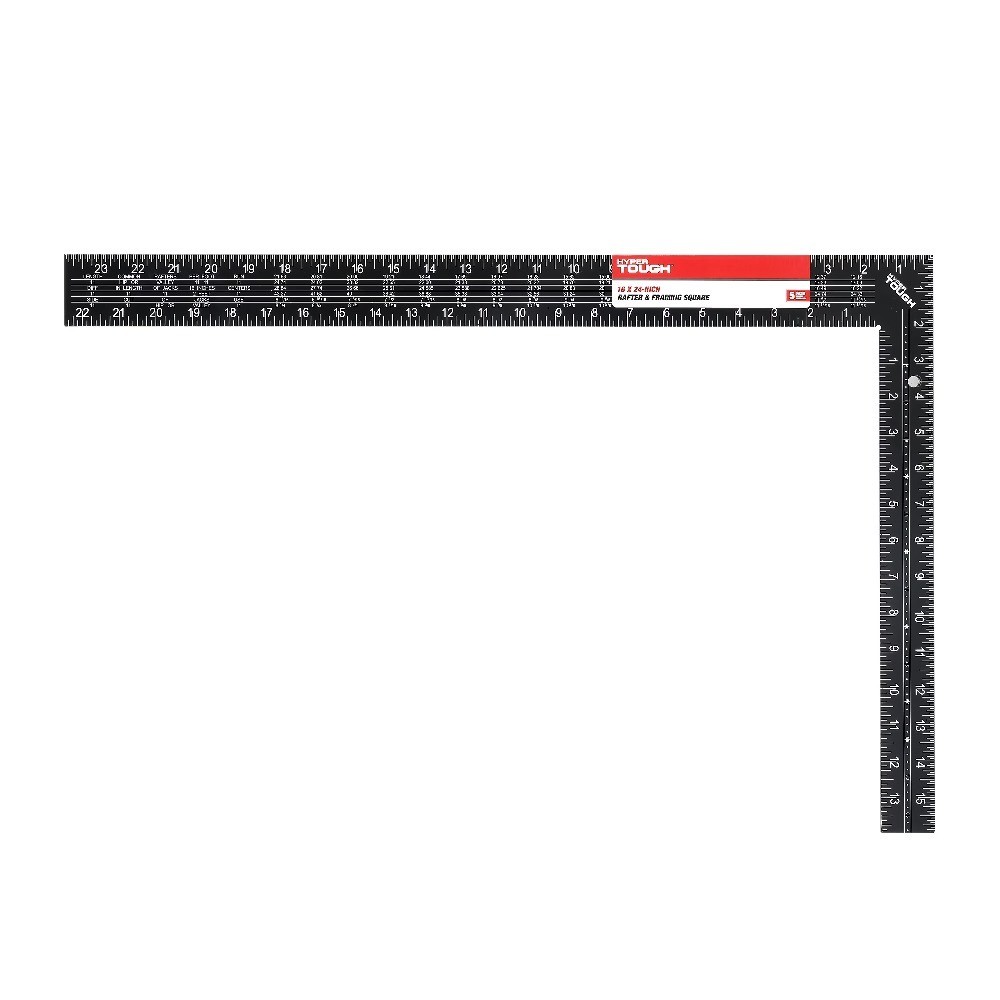
- Rafter squares (16 x 24 in) carry brace and octagon tables on the body; framing squares (8 x 12 in) prioritize portability with common rafter graduations.
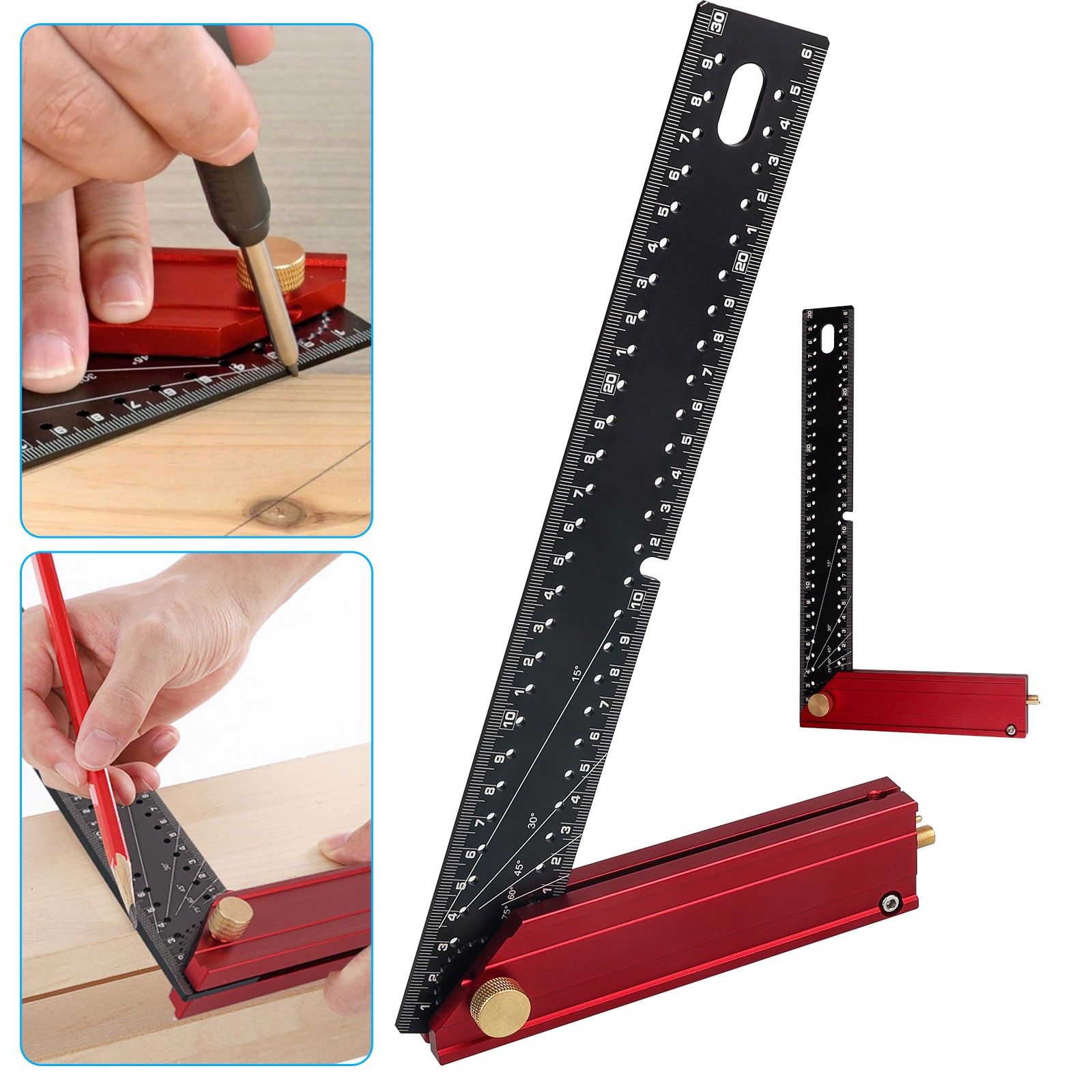
- Folding carpenter squares use a hinged L-joint with a locking detent; check that the hinge seats flat, since a worn pivot introduces 0.5-1 degree error over a 12 in span.
Best use cases
- Daily wall framing and roof layout: pick a 16 x 24 in steel rafter square with stamped rafter tables and a reinforced heel; skip folding or aluminum squares that deflect under speed-square clamping.
- Trim, cabinet, and furniture layout: choose a 12 in folding carpenter square with a positive locking hinge for tight spaces; skip oversized rafter squares that cannot register inside cabinet boxes.
- Occasional DIY and deck board marking: a 12 in L-shape aluminum square is sufficient; skip premium forged squares only if you never clamp or strike the tool.
Buying tips
- Match square size to the longest cut: a 16 x 24 in rafter square handles 2x10 and 2x12 rafters; an 8 x 12 in framing square is the minimum for stair stringer layout.
- Specify hardened steel or extruded aluminum: hardened steel holds stamped graduations longer, while aluminum resists rust but gouges at the heel under hammer strikes.
- For folding squares, require a hinge with a riveted or machined pivot and a flat-seating detent; a loose pivot multiplies error across the blade length.
- Verify graduation format before buying: rafter tables in inches per foot of run are standard in the US; metric-only squares suit cabinet work but not US framing lumber.
Specs
| Square Type | Rafter 16x24 in / Framing 8x12 in / Folding 12 in |
|---|---|
| Blade Material | Hardened steel / Extruded aluminum |
| Blade Thickness | 1/8 in+ steel / 3/32 in aluminum |
| Heel Construction | Riveted or welded reinforced heel |
Related searches
What to check before buying
- Measure your widest framing member: rafter squares need 16 in of body to span a 2x12; a 12 in square cannot mark a full 2x12 plumb cut in one pass.
- Confirm you work in US imperial lumber dimensions; rafter and brace tables on framing squares are graduated in inches per foot of run, not metric.
- Check bench or pouch space: a 16 x 24 in rafter square needs a full-length pocket or wall hanger; folding 12 in squares fit a tool belt.
- For outdoor or damp sites, choose aluminum or coated steel; bare high-carbon steel squares rust at the graduations and heel rivets.
FAQ
Data sources: eBay / Amazon listings and product attribute feeds Data updated Nov 20, 2026.
Some links on this page are affiliate links. If you buy after clicking one, we may earn a commission at no extra cost to you. This does not change which products appear here or their order. Affiliate disclosure.