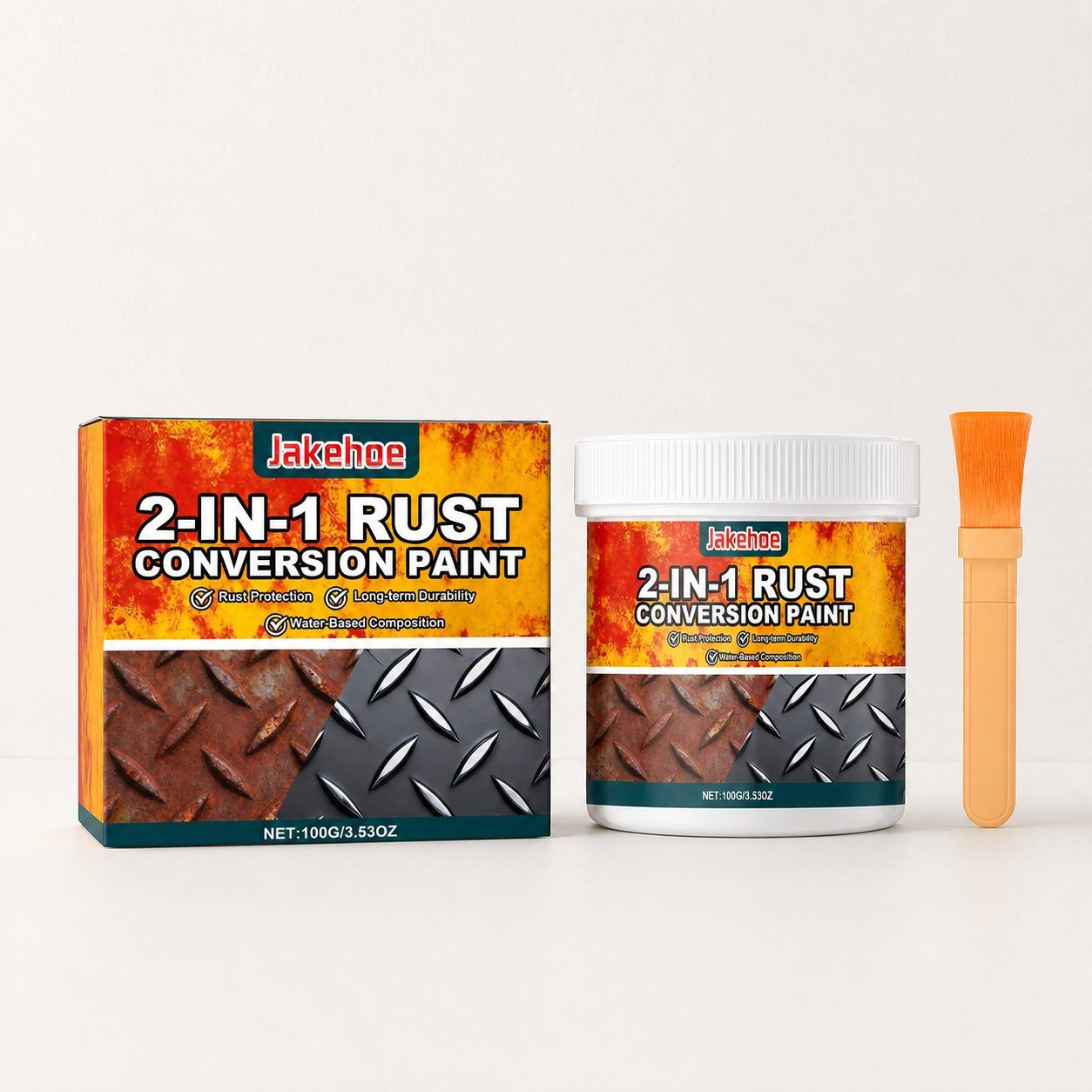

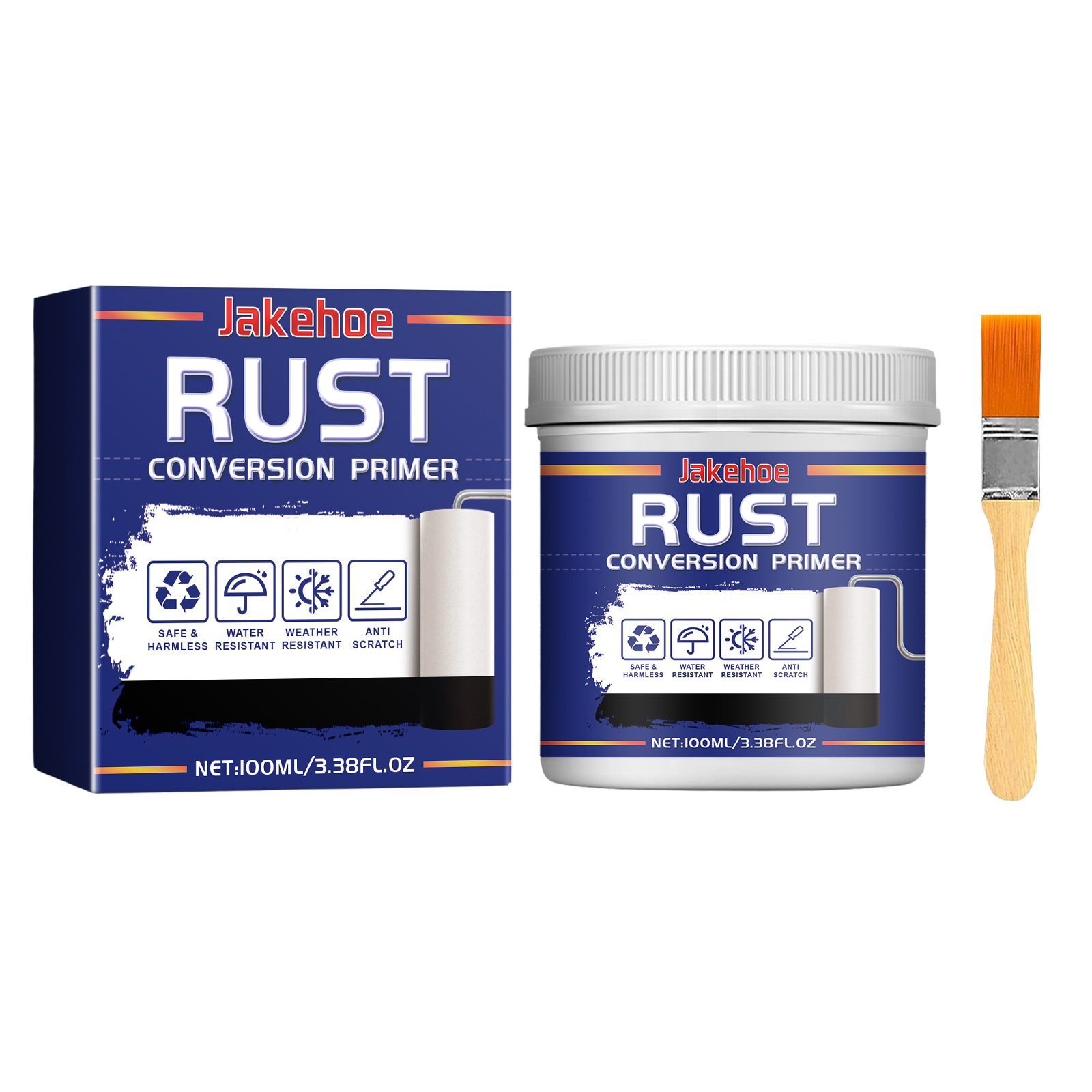
Photos from current listings. Actual item, color, and included accessories may vary.
Rust Converter Buying Guide
Rust converters are reactive primers that chemically transform iron oxide into a paintable, stable surface, stopping corrosion without full removal. The core trade-off is between acid-based converters that need topcoating and polymer-encapsulating converters that tolerate heavier rust but can hide ongoing corrosion. Choose a converter that matches your rust severity, surface prep, and whether you will apply a topcoat.


At a glance
- Category
- Painting & Finishing Supplies
- Data updated
- Nov 20, 2026
Current offers
Highlights
- Acid-based converters (phosphoric or tannic acid) dissolve rust into iron phosphate/tannate; require clean metal contact and a topcoat within hours to prevent flash rust.
- Polymer-encapsulating converters form a flexible barrier over rust; best for pitted or hard-to-reach areas but can trap moisture if rust is loose or scale is thick.
- Water-based formulas have low VOC and easy cleanup but need longer cure and may require a primer overcoat for adhesion on smooth steel.
- Solvent-based converters penetrate deeper into porous rust and dry faster; require ventilation and are not for use on galvanized or non-ferrous metals.
Best use cases
- Best for chassis and frame restoration: choose a solvent-based converter with high acid content, apply after wire-brushing to bare metal, then topcoat with epoxy primer within the recoat window.
- Best for automotive body panels with light surface rust: use a water-based converter that dries clear, sand smooth, and cover with primer-sealer before paint.
- Wrong fit: heavily scaled or flaking rust requires mechanical removal first; converters only work on tightly adhered rust and will fail under thick scale.
- Wrong fit: aluminum, galvanized steel, or stainless steel; acid converters can corrode these substrates—use a dedicated metal prep instead.
Buying tips
- Match converter chemistry to rust depth: acid-based for tight orange rust, polymer-based for pitted rust where sandblasting is impractical.
- Check recoat window: most converters require a topcoat within 2–24 hours; missing the window means sanding and reapplying.
- For truck frames, select a converter that is overcoat-compatible with epoxy or chassis paint; bare converter will not survive road salts.
- Coverage is typically 100–200 sq ft per gallon; buy based on measured surface area, not guesswork, and double for porous rust.
Specs
| Chemistry | Acid (phosphoric/tannic) vs Polymer |
|---|---|
| Base | Water-based vs Solvent-based |
| Rust Depth | Light surface vs Heavy pitted |
| Topcoat Window | 2–24 hr recoat required |
Related searches
What to check before buying
- Confirm substrate is ferrous (iron or steel); converters are not for aluminum, galvanized, or stainless without a compatible primer.
- Measure surface area and rust severity: tight rust needs less product; pitted or layered rust requires higher volume and multiple coats.
- Ensure application temperature is above 50°F (10°C) and humidity below 85%; cold or damp conditions stop the chemical reaction.
- Plan topcoat: have compatible primer or paint ready before applying converter, as most require overcoating within a specific window.
FAQ
Data sources: eBay / Amazon listings and product attribute feeds Data updated Nov 20, 2026.
Some links on this page are affiliate links. If you buy after clicking one, we may earn a commission at no extra cost to you. This does not change which products appear here or their order. Affiliate disclosure.