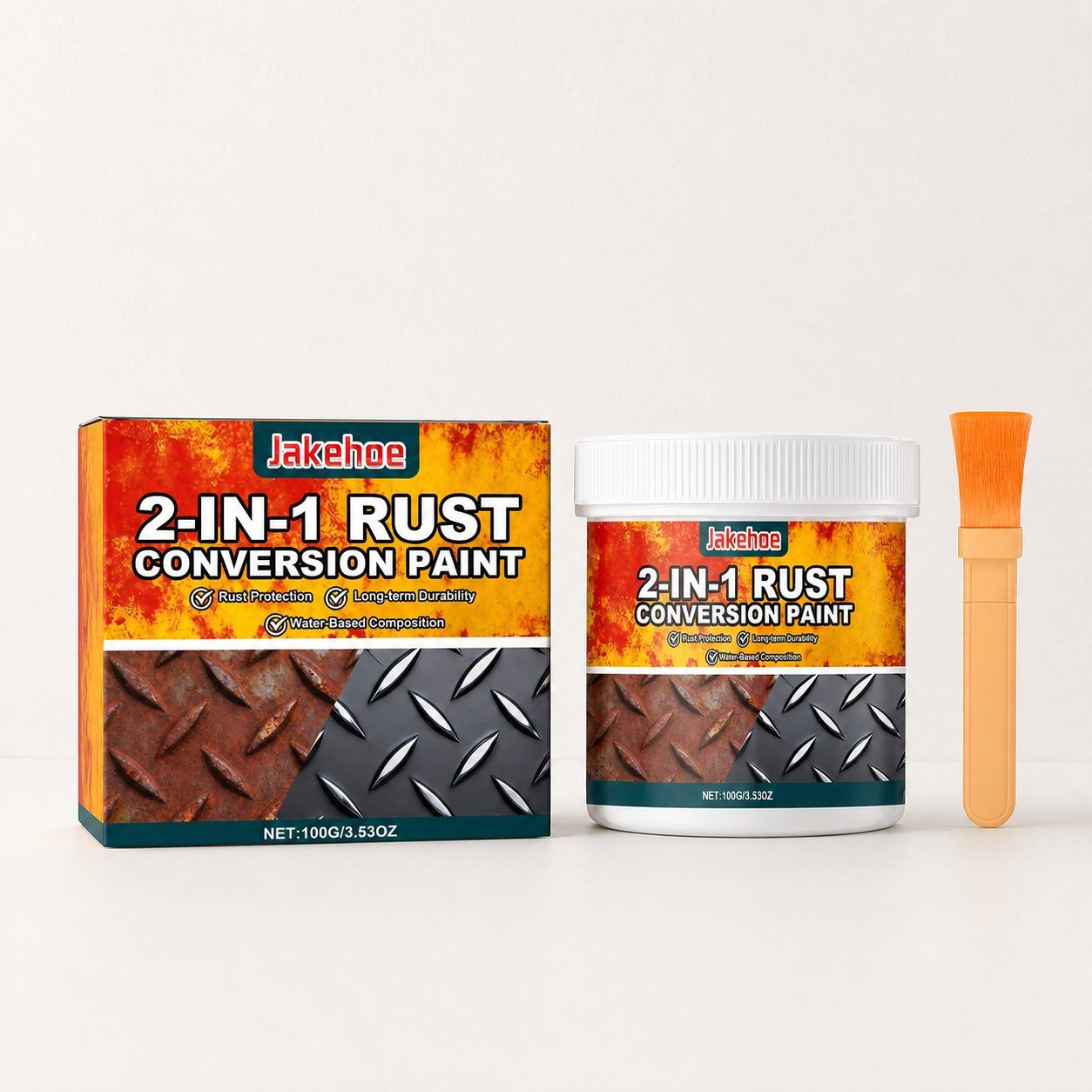

Photos from current listings. Actual item, color, and included accessories may vary.
Rust Converter Car Buying Guide
Rust converter for cars is a brush-on chemical treatment that converts iron oxide into a stable, paintable phosphate layer, stopping surface rust without full removal. The core trade-off is conversion chemistry strength and film durability versus prep tolerance—weak formulations need near-white metal, while robust acid-polymer systems tolerate tightly adhered rust. Choose a converter that specifies a recoat window and topcoat compatibility; skip generic 'rust remover' liquids that only dissolve and flash-rust bare steel.


At a glance
- Category
- Painting & Finishing Supplies
- Data updated
- Nov 20, 2026
Current offers
Highlights
- True converters rely on phosphoric or tannic acid to form iron phosphate; neutral-pH 'converters' are only primers and fail under topcoat.
- Film build matters: 1–2 mil dry film tolerates light pitting; thinner films (<0.5 mil) leave unreacted rust that bleeds through paint.
- Two-part epoxy-amine converters outlast single-component latex-acrylic types in wheel wells and rocker panels exposed to road salt.
- Recoat window is decisive: most single-component converters require topcoat within 24–72 hours or the phosphate layer must be scuffed.
Best use cases
- Best fit: chassis, subframe, and wheel-arch surface rust—pick a two-part epoxy converter and topcoat with a direct-to-metal urethane.
- Best fit: light flash rust on bare panels before bodywork—use a single-component phosphoric converter, then scuff and seal within 24 hours.
- Wrong fit: structural perforation or scale thicker than 1 mm—converter only stabilizes surface oxide; cut out and weld instead.
- Skip: engine-bay or interior cosmetic rust where aerosol overspray risk is high—brush-gel formulas give placement control.
Buying tips
- Measure rust depth with a fingernail or pick: if it catches deeper than 0.5 mm, treat as pitting and use a two-part epoxy converter, not a wash.
- Match converter chemistry to topcoat: acid-based converters need full neutralization and scuff before epoxy primer; epoxy converters accept urethane directly.
- Calculate coverage at 200–250 sq ft per gallon for brush-on gel; aerosol cans cover roughly 10–15 sq ft per can—buy kits sized to panel area, not 'one kit fixes all'.
- Confirm the recoat and topcoat window on the technical data sheet; a 24-hour window is typical for single-component, 7 days for some epoxy types.
Specs
| Chemistry | Phosphoric / Tannic / Epoxy-amine |
|---|---|
| Component Type | Single-component vs Two-part epoxy |
| Film Build | 0.5–2 mil dry film |
| Recoat Window | 24–72 hr (epoxy up to 7 days) |
Related searches
What to check before buying
- Verify surface prep plan: wire brush or 80-grit to remove loose scale—converter bonds only to tightly adhered rust, not flaking metal.
- Check ambient conditions: apply between 50–90°F and below 80% RH; acid converters flash-rust or blush outside this range.
- Confirm topcoat compatibility and required primer: some converters require an epoxy primer tie-coat, others accept direct urethane.
- Plan ventilation and PPE: phosphoric/tannic acid products need nitrile gloves and eye protection; two-part epoxies require respirator for aerosol.
FAQ
Data sources: eBay / Amazon listings and product attribute feeds Data updated Nov 20, 2026.
Some links on this page are affiliate links. If you buy after clicking one, we may earn a commission at no extra cost to you. This does not change which products appear here or their order. Affiliate disclosure.