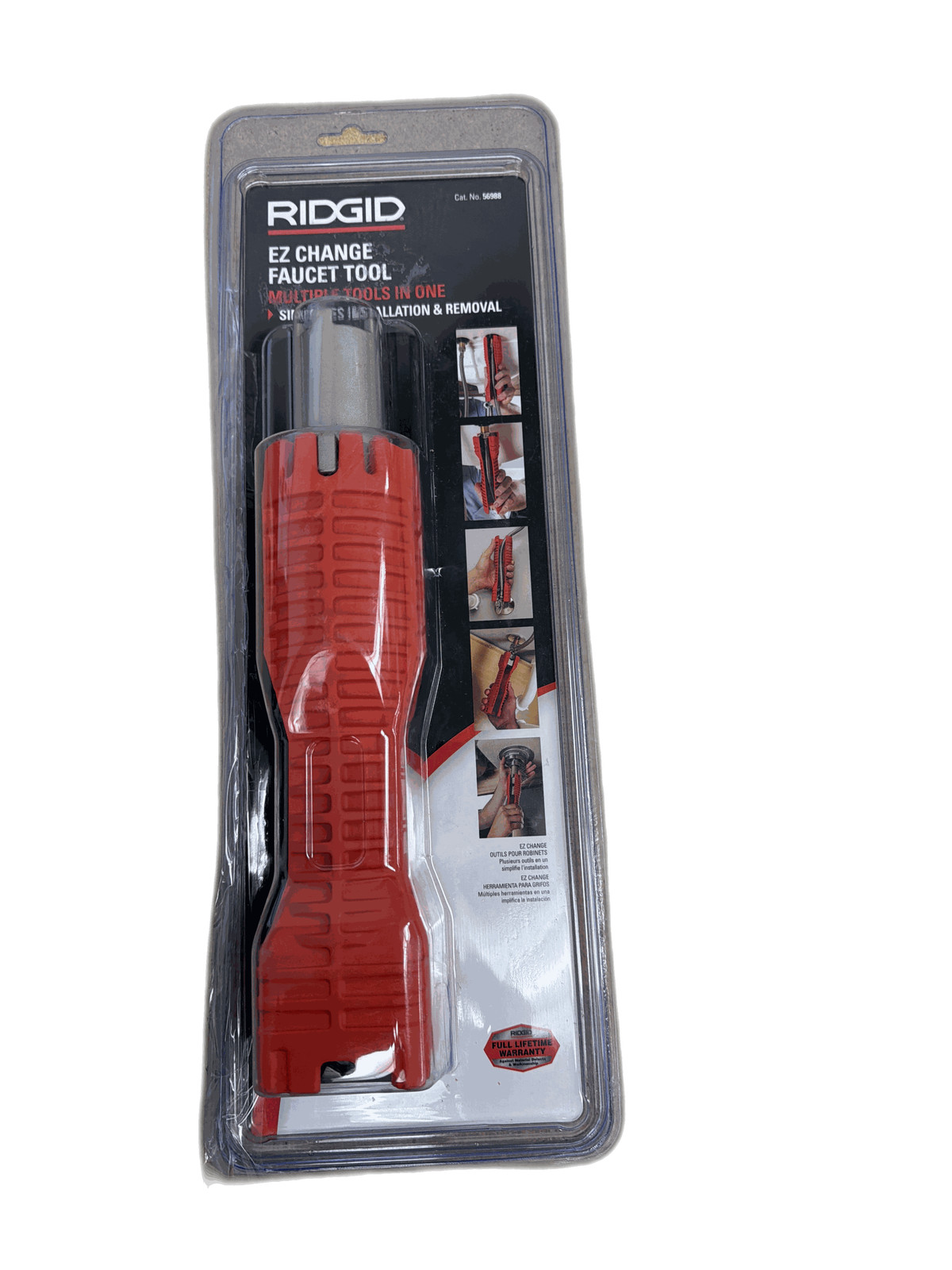

Photos from current listings. Actual item, color, and included accessories may vary.
Change Faucet Tool Buying Guide
A change faucet tool is a specialized wrench or socket system designed to reach and turn faucet mounting nuts in tight, under-sink spaces where standard basin wrenches and adjustable wrenches fail. The core trade-off is jaw reach and articulation versus torque capacity: aluminum and ABS-bodied multi-socket tools excel in confined residential cabinets, while machined-metal or steel-jaw tools handle corroded or high-torque connections without flex. Choose a tool whose socket set and jaw opening match your faucet nut type (typically 1/2-inch or 7/8-inch hex or slotted retainer nuts) and whose handle length fits your cabinet clearance.


At a glance
- Category
- Plumbing Tools
- Data updated
- Nov 20, 2026
Current offers
Highlights
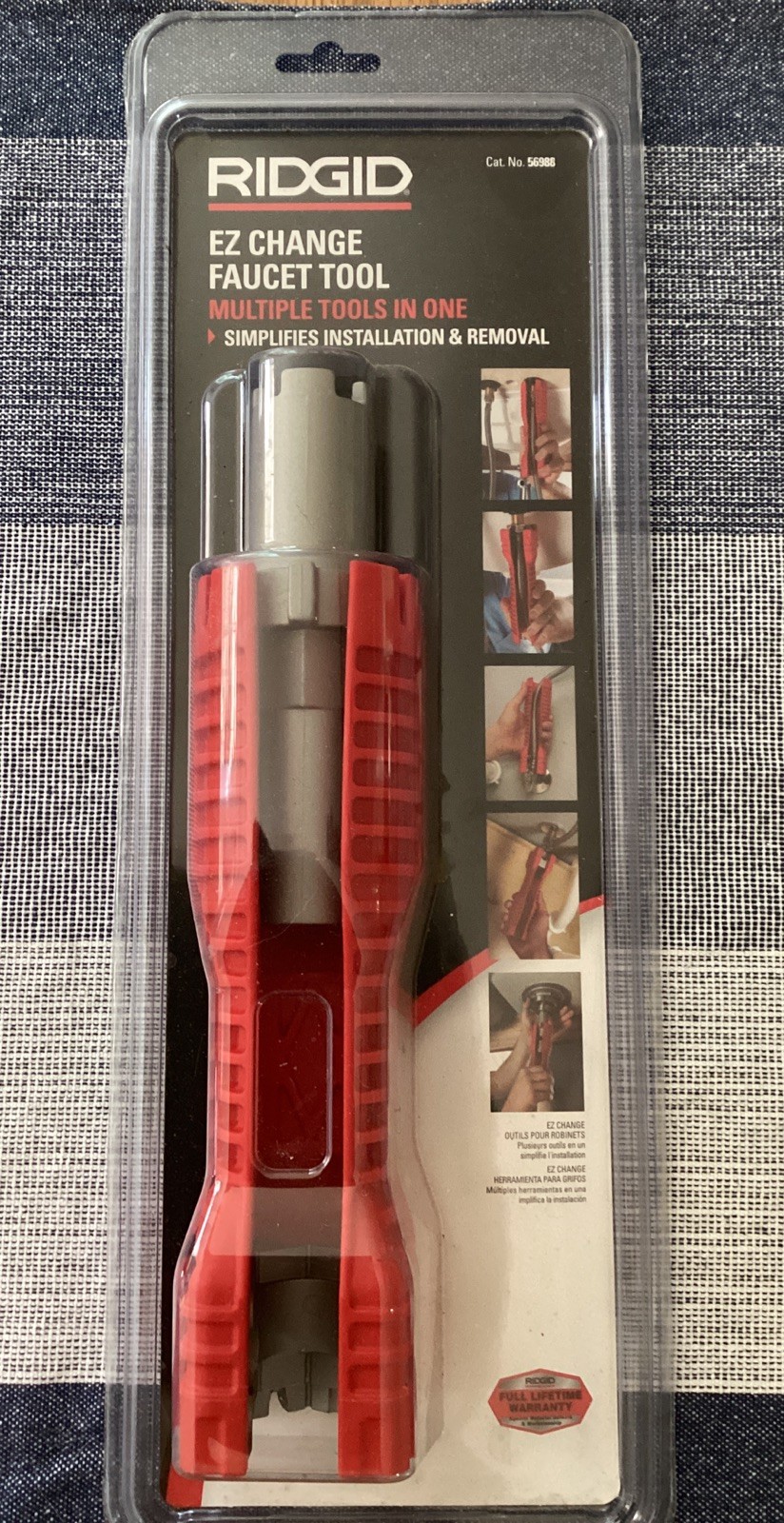
- RIDGID EZ Change (model 56988) uses a pivoting aluminum jaw with interchangeable socket inserts to grip hex and slotted faucet nuts from 1/2 to 1 inch.
- ABS-bodied change faucet tools are lightweight and rust-proof but flex under high torque; aluminum and steel-jaw tools resist deformation on seized nuts.
- Socket-style tools engage the mounting nut directly and work on standard 3-hole and 4-hole faucet decks; strap-style tools grip smooth round bodies but slip on hex nuts.
- Handle lengths range from stubby 8-inch models for vanity cabinets to 14-inch extendable shafts for deep kitchen sink bases.
Best use cases
- Best fit: Standard under-sink faucet replacement in a vanity or kitchen cabinet with at least 10 inches of vertical clearance — pick a pivoting-jaw aluminum tool with 1/2 to 1 inch socket range.
- Best fit: Corroded or factory-torqued faucet nuts on older plumbing — choose a steel-jaw or machined-metal tool with a long handle for leverage; skip ABS-bodied tools that flex.
- Wrong fit: Wall-mounted or exposed shower faucets requiring seat-wrench or spanner access — a change faucet tool cannot reach recessed valve seats; use a dedicated seat wrench.
- Wrong fit: Faucets with decorative covers or non-standard metric retaining rings — verify nut shape (hex vs slotted) and size before buying; a socket set that does not include your nut size is useless.
Buying tips
- Measure the faucet mounting nut across flats before buying: common residential sizes are 1/2-inch, 9/16-inch, 5/8-inch, and 7/8-inch hex; choose a tool whose socket set covers your exact size.
- Check cabinet clearance: the tool's total length plus handle swing must fit under the sink; a 10-inch tool needs at least 12 inches of depth from the cabinet opening.
- Prefer aluminum or steel jaws over ABS plastic for any nut that has been installed more than five years or shows corrosion; plastic jaws round off seized nuts.
- Confirm the tool accepts interchangeable sockets or has a pivoting head; fixed single-size tools are only useful if you replace the same faucet model repeatedly.
Specs
| Jaw Material | ABS plastic / aluminum / steel |
|---|---|
| Socket Range | 1/2 to 1 in (interchangeable) |
| Handle Length | 8-14 in (stubby to extendable) |
| Nut Compatibility | Hex and slotted retainer nuts |
Related searches
What to check before buying
- Measure the vertical and horizontal clearance inside the sink cabinet from the cabinet floor to the underside of the countertop.
- Identify your faucet mounting nut type (hex, slotted, or round retainer) and its size across flats using calipers or a test fit.
- Verify the tool's handle material and jaw grade (aluminum, steel, or ABS) against the torque required for your faucet's age and corrosion level.
- Confirm the tool's socket range includes your nut size and that spare sockets or adapters are available for future faucet types.
FAQ
Data sources: eBay / Amazon listings and product attribute feeds Data updated Nov 20, 2026.
Some links on this page are affiliate links. If you buy after clicking one, we may earn a commission at no extra cost to you. This does not change which products appear here or their order. Affiliate disclosure.