Photos from current listings. Actual item, color, and included accessories may vary.
Pipe Wrench Buying Guide
A pipe wrench is a heavy-duty gripping tool that bites into round pipe via hardened serrated jaws and a self-tightening geometry, converting torque into clamping force; the core trade-off is cast-iron/ductile-iron affordability versus forged or chrome-vanadium strength and jaw-tooth durability. Buy ductile-iron or forged-steel bodies with replaceable hardened jaws for daily trade use, and reserve cast-iron economy wrenches for occasional light-duty tasks.

At a glance
- Category
- Plumbing Tools
- Data updated
- Nov 20, 2026
Current offers
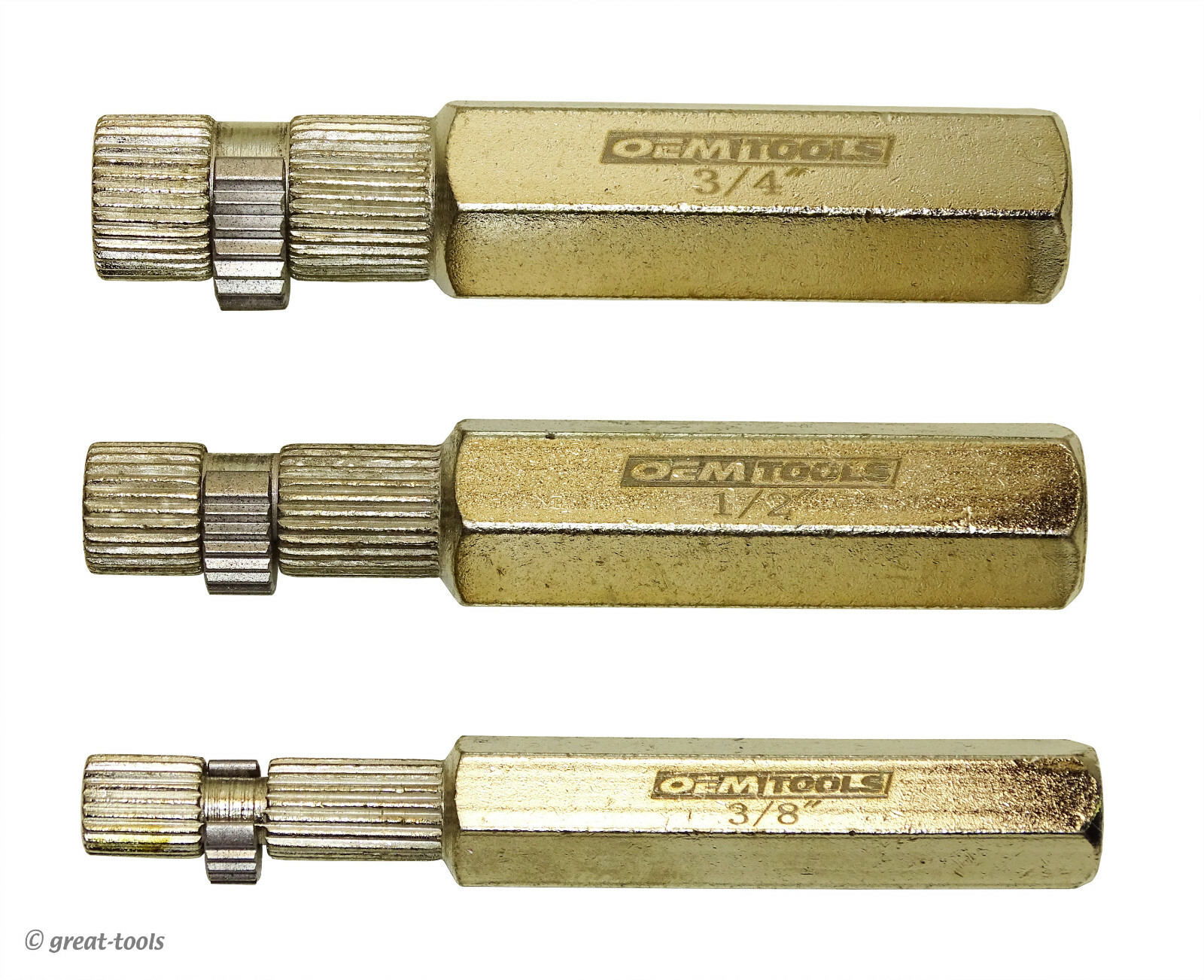 PIPE EXTRACTOR SET – plumbing tools – pipe nipple remover tool – internal wrench$29.00
 View on eBay
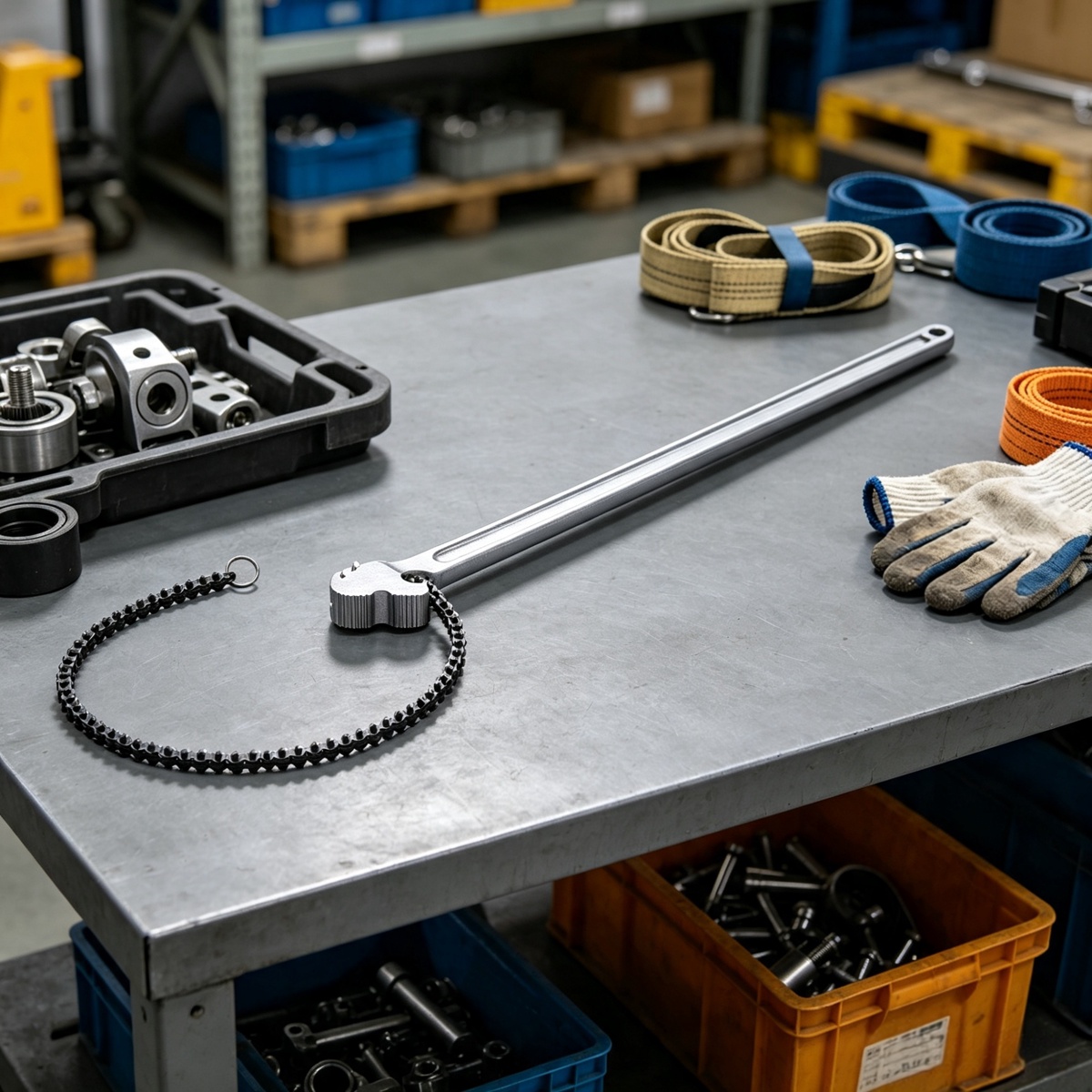 48 Inch CRV Chain Wrench, Reversible with High Strength Jaw & Ergonomic Handle, 13.4 Diameter Capacity, for Pipe Installation & Car Repair$104.99
 View on Mallflare
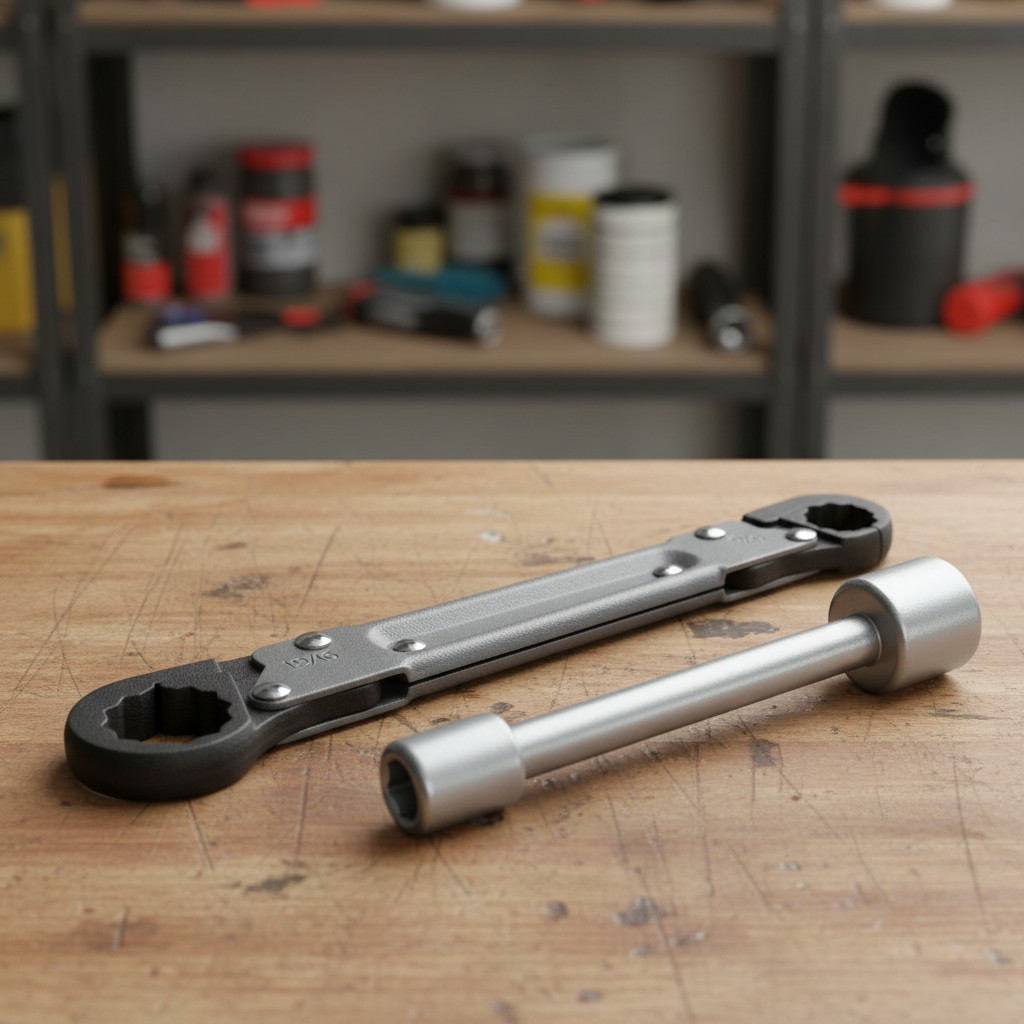 Durable Corrosion-Resistant Plumbing Wrench for Efficient Pipe Installation$41.78View on eBay
Highlights
- Body material governs survival: ductile iron flexes and resists cracking, cast iron can shatter under a cheater bar, and chrome-vanadium (CRV) is used on chain-wrench and specialty variants.
- Jaw teeth are hardened steel and replaceable on better wrenches; worn or soft teeth round off pipe, so a jaw replacement kit extends tool life across the whole set.
- Self-tightening knurl-and-hook nut geometry means torque increases grip; the trade-off is that over-tightening the nut or reversing direction releases the bite.
- Handle length scales leverage: small 8-14 in wrenches for tight spaces and fittings, 18-24 in for general pipe, 36-48 in for large-diameter mains and stubborn joints.
Best use cases
- Best fit: 14-18 in ductile-iron wrench for household plumbing, fixture nuts, and 0.5-1.5 in pipe; skip cast-iron budget wrenches if you'll add a cheater bar.
- Best fit: 24-36 in heavy forged or ductile wrench for 2-4 in steel pipe and mains work; wrong fit is a tiny 10 in wrench on large pipe, which lacks leverage and risks jaw slip.
- Best fit: pipe wrench set spanning 10/14/18/24 in for mixed plumbing and maintenance work; wrong fit is buying a single oversized 48 in tool when most joints are under 2 in.
- Best fit: chain wrench or internal pipe extractor for chrome-plated, plastic, or recessed nipple removal where serrated jaws would crush or mar; wrong fit is a standard pipe wrench on finished chrome.
Buying tips
- Size by pipe diameter and leverage: 10-12 in for up to 1 in, 14-18 in for 1-2 in, 24 in for 2-3 in, 36-48 in for 3-6 in and high-torque joints.
- Choose ductile iron or forged steel over generic cast iron for trade use; ductile bends before breaking, while cast iron can crack under cheater-bar loads.
- Confirm jaw teeth are hardened and replaceable; replacement jaw kits are cheaper than a new wrench and restore grip on worn tools.
- For sets, match the jaw capacity rating to your largest pipe; a wrench rated to 2 in will not grip 3 in pipe even if the handle is long enough.
Specs
| Body Material | Ductile iron / forged steel / cast iron |
|---|---|
| Jaw Capacity | 0.5-8 in depending on wrench size |
| Handle Length | 8-48 in leverage tiers |
| Jaw Type | Hardened serrated, replaceable |
Related searches
What to check before buying
- Measure the largest pipe or fitting diameter you'll turn and pick a wrench whose jaw capacity exceeds it with margin.
- Check clearance around the joint: handle swing radius and head width must fit behind toilets, under sinks, or inside cabinets.
- Verify handle length fits your work area and your ability to apply torque without a cheater bar; long handles need open space.
- For chrome, plastic, or finished surfaces, plan a strap or chain wrench instead of serrated jaws to avoid crushing or marring.
FAQ
Data sources: eBay / Amazon listings and product attribute feeds Data updated Nov 20, 2026.
Some links on this page are affiliate links. If you buy after clicking one, we may earn a commission at no extra cost to you. This does not change which products appear here or their order. Affiliate disclosure.