Photos from current listings. Actual item, color, and included accessories may vary.
Gas Powered Water Pump Buying Guide
Gas-powered water pumps are portable, engine-driven centrifugal pumps for moving large volumes of water where mains power is unavailable. The core trade-off is portability versus trash-handling capability: semi-trash and trash models pass solids but sacrifice some flow and head, while clear-water models maximize flow but clog easily. Choose based on your required flow rate, total head, and solid size — not on horsepower alone.


At a glance
- Category
- Plumbing Tools
- Data updated
- Nov 20, 2026
Current offers
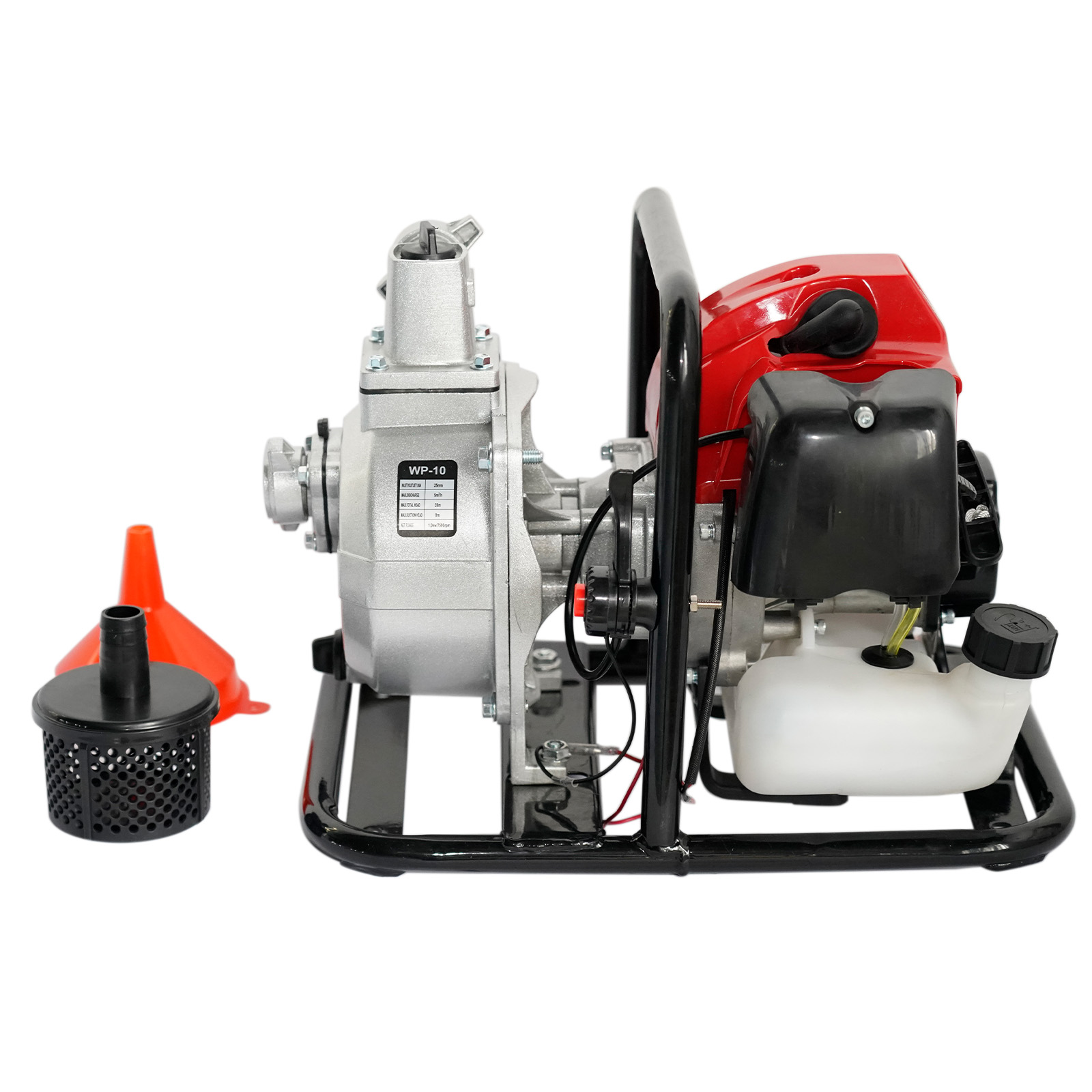 Gas Powered Water Pump,Water Transfer Pump, Gas 1 Inch 2HP$154.99
 View on Mallflare
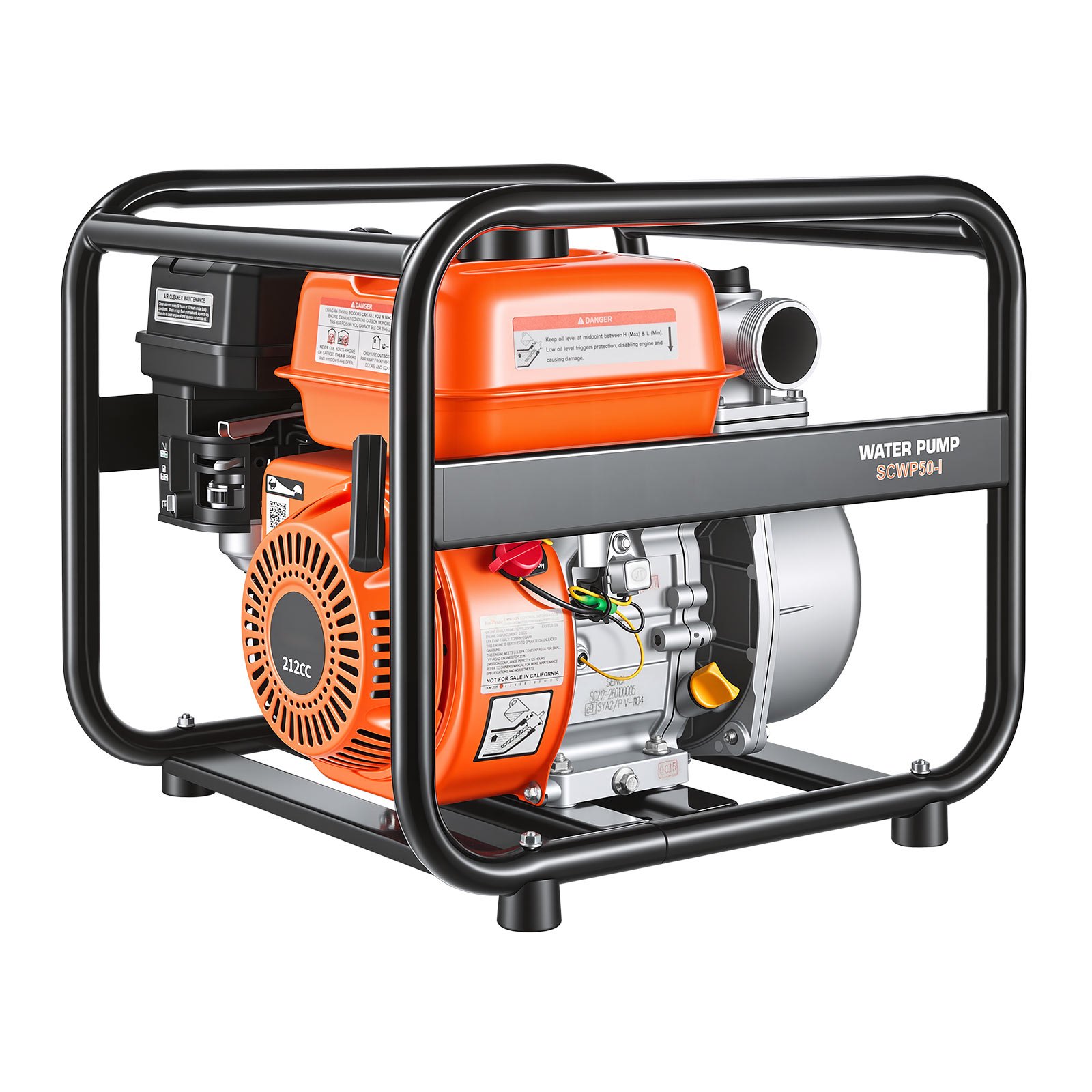 Gas Powered Water Pump, 2 In, 132 GPM 6.5HP Semi Trash Transfer Portable, Gasoline Engine With 25 Ft Discharge Hose, Heavy Duty Frame, Cast Iron Impeller, For Irrigation, Ponds, Pools$220.99View on Mallflare
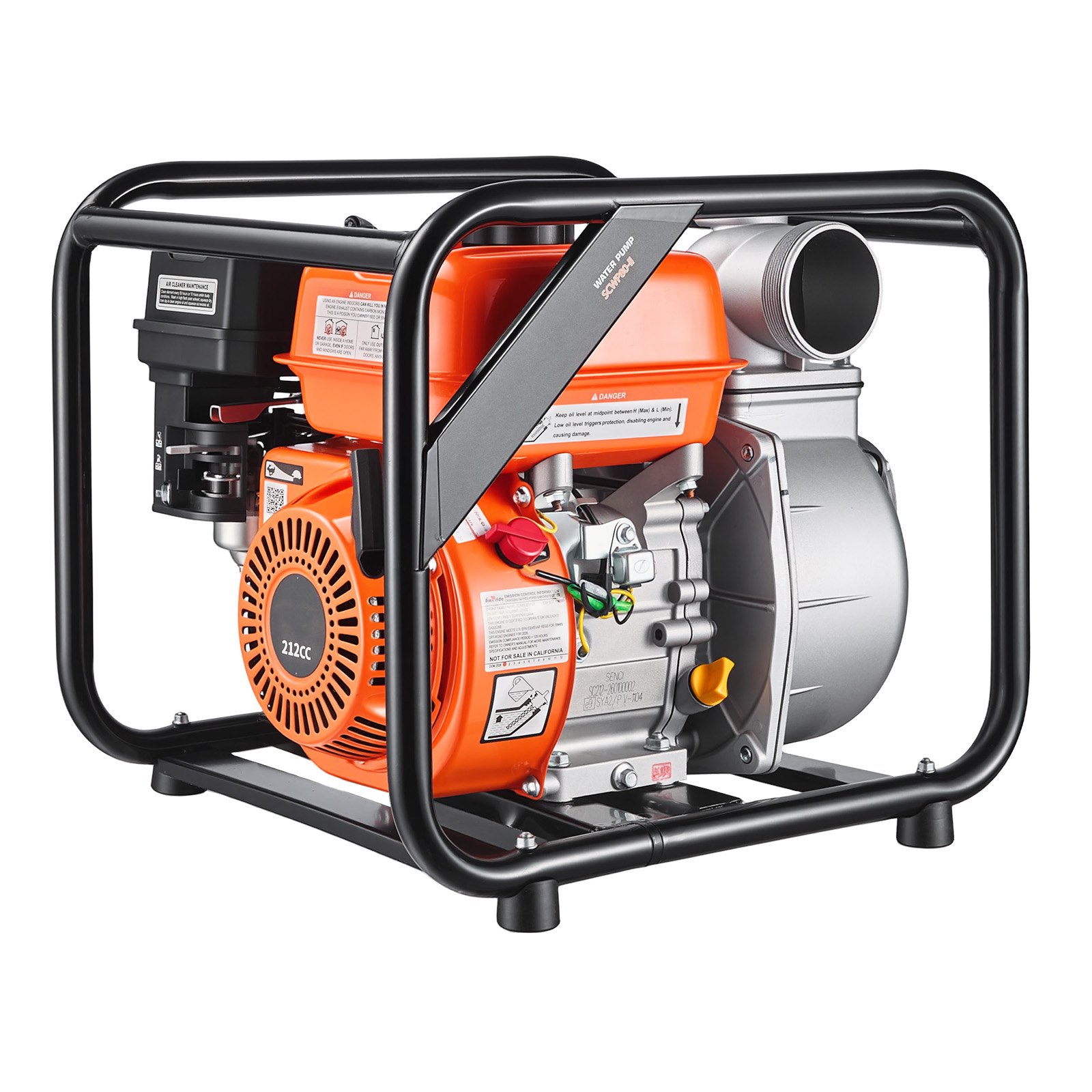 Gas Powered Water Pump, 3 In, 264 GPM 7HP Semi Trash Transfer Portable, Gasoline Engine With 25 Ft Discharge Hose, Heavy Duty Frame, Cast Iron Impeller, For Irrigation, Ponds, Pools$259.99View on Mallflare
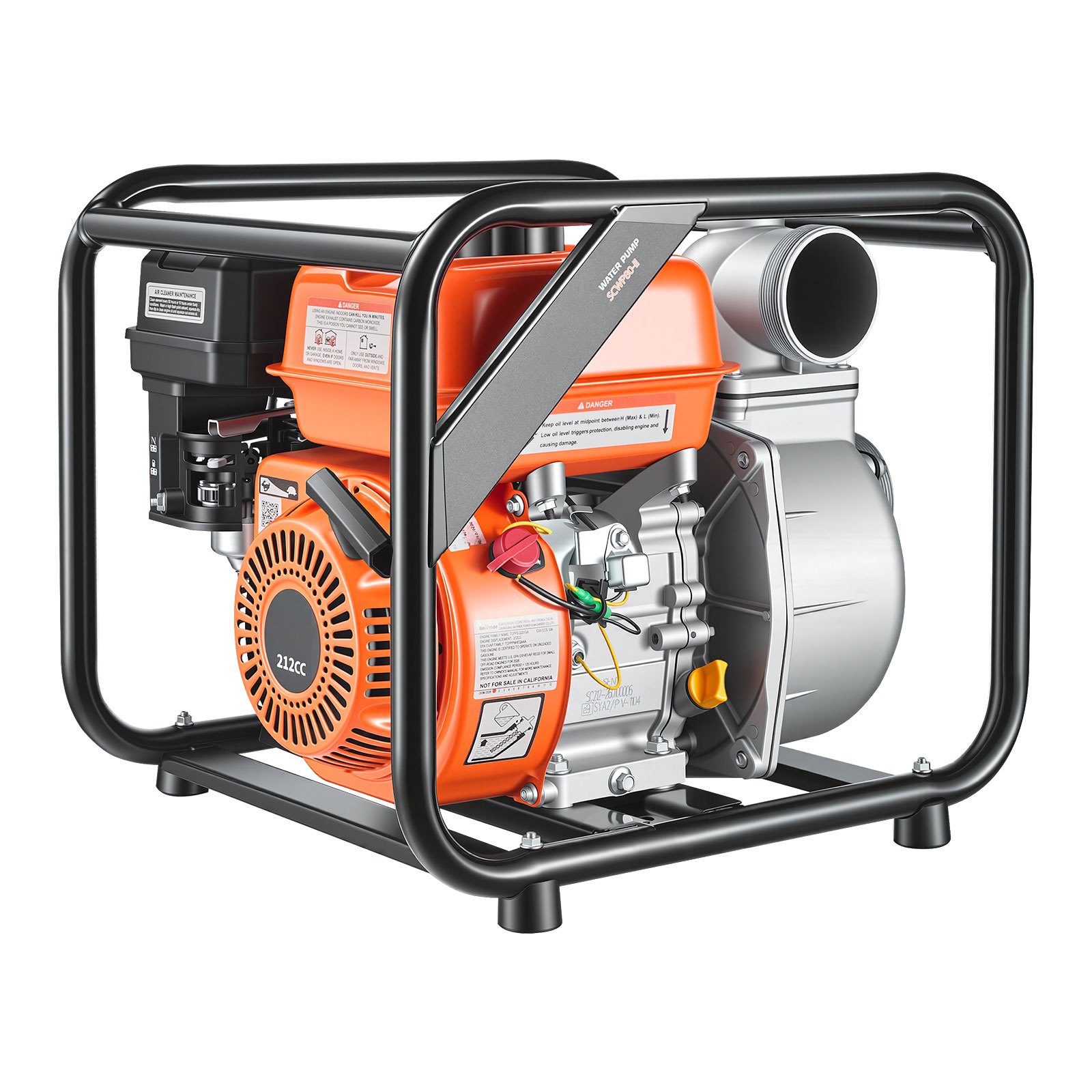 Gas Powered Water Pump, 3 In, 242 GPM 7HP Semi Trash Transfer Portable, Gasoline Engine With 25 Ft Discharge Hose, Heavy Duty Frame, Cast Iron Impeller, For Irrigation, Ponds, Pools$277.99View on Mallflare
Highlights
- Inlet/outlet port size drives flow: 1-inch pumps move roughly 30–50 GPM, 2-inch pumps 130–160 GPM, and 3-inch pumps 240–290 GPM at open discharge.
- Engine class scales with port size: 1-inch models use ~2 HP engines, 2-inch models ~6.5 HP, and 3-inch models ~7 HP; larger ports need more power to maintain head.
- Semi-trash and trash models pass solids up to roughly 1/4–3/4 inch depending on impeller design, while clear-water pumps use tight tolerances and clog on debris.
- Cast iron impellers and volutes resist abrasion and last longer than plastic or aluminum in sandy or silty water; heavy-duty frames with rubber feet reduce vibration walk.
Best use cases
- Best fit for 1-inch 2 HP pumps: draining pools, hot tubs, rain barrels, and small garden irrigation where flow under 50 GPM and minimal debris are acceptable.
- Best fit for 2-inch 6.5 HP semi-trash pumps: pond transfer, flood recovery, and lawn irrigation with light sediment; 132 GPM balances portability and volume.
- Best fit for 3-inch 7 HP semi-trash pumps: large-scale field irrigation, construction dewatering, and fast pond draining where 240–264 GPM justifies the heavier frame and fuel burn.
- Wrong fit: pumping thick mud, heavy slurry, or solids over 3/4 inch through a semi-trash unit — step up to a true trash pump with a cast iron impeller rated for that solid size.
Buying tips
- Size the pump by required flow and total head, not horsepower: every 10 feet of lift or 2.31 feet of elevation reduces available flow, so match the pump curve to your actual head.
- Match port size to hose diameter: a 3-inch pump throttled to a 1-inch hose wastes capacity and overheats; use discharge hose equal to the outlet port.
- Choose cast iron impeller and volute for any sandy, silty, or gravel-laden water; plastic impellers wear quickly and lose prime in abrasive conditions.
- For semi-trash service, confirm the rated solid-passing size (typically 1/4–3/4 inch) and never run the pump dry — mechanical seals fail within seconds without water.
Specs
| Port Size | 1 in / 2 in / 3 in discharge |
|---|---|
| Engine Class | 2 HP / 6.5 HP / 7 HP gasoline |
| Flow Rate | 30–50 / 130–160 / 240–290 GPM |
| Impeller Material | Cast iron vs plastic/aluminum |
Related searches
What to check before buying
- Measure your total head: vertical lift from water surface to discharge plus horizontal run friction; ensure the pump curve covers it with margin.
- Confirm suction hose length and diameter match the inlet port, and plan for a strainer on the suction line to block debris larger than the pump's solid rating.
- Check fuel capacity and runtime for your job: smaller 1-inch engines run longer per tank but move less water; 3-inch engines burn more fuel per hour.
- Verify the pump's solid-handling rating against your water source; semi-trash pumps are not trash pumps and will clog on large debris.
FAQ
Data sources: eBay / Amazon listings and product attribute feeds Data updated Nov 20, 2026.
Some links on this page are affiliate links. If you buy after clicking one, we may earn a commission at no extra cost to you. This does not change which products appear here or their order. Affiliate disclosure.