Photos from current listings. Actual item, color, and included accessories may vary.
1 Cordless Impact Buying Guide
Cordless impact tools split into two distinct classes: 1/4-inch impact drivers for fastening screws and lag bolts, and 1/2-inch impact wrenches for lug nuts and heavy bolts. The primary trade-off is drive size and torque versus battery platform compatibility. Buy a tool that matches your existing battery ecosystem and the fastener size you actually turn; avoid generic no-name kits with inflated torque claims and non-standard batteries.

At a glance
- Category
- Power Tools
- Data updated
- Nov 20, 2026
Current offers
 21V Cordless Hammer Drill Set Electric Impact Driver Screwdriver & 1/2 Battery$18.93
 View on eBay
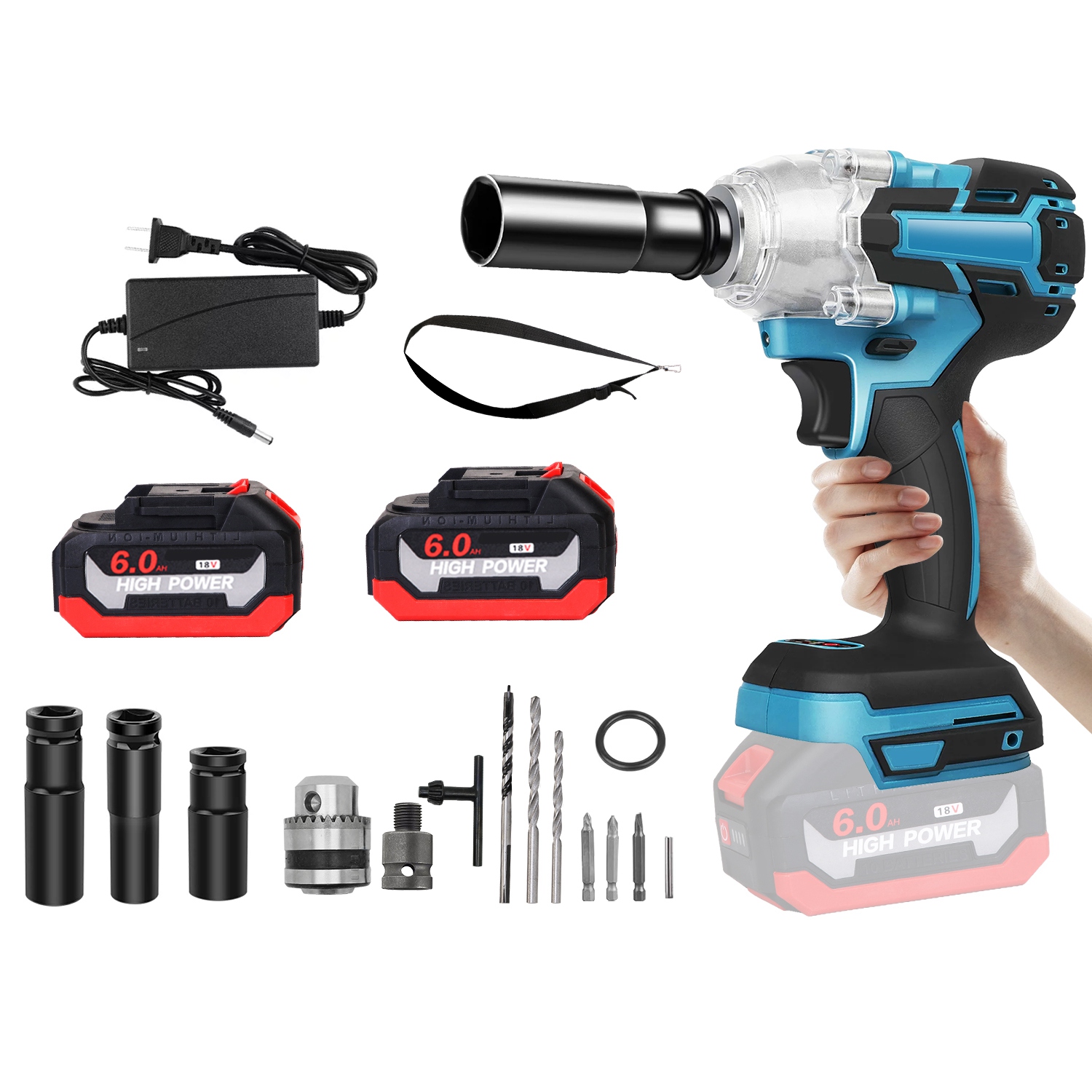 1Pc 3 In 1 Cordless Electric Impact Wrench For Repairing Drill Screwdriver With Brushless Motor Max 3450RPM Variable Speed 2Pcs 6.0Ah Batteries 3 Sockets 3 Bits 3$89.99
 View on Mallflare
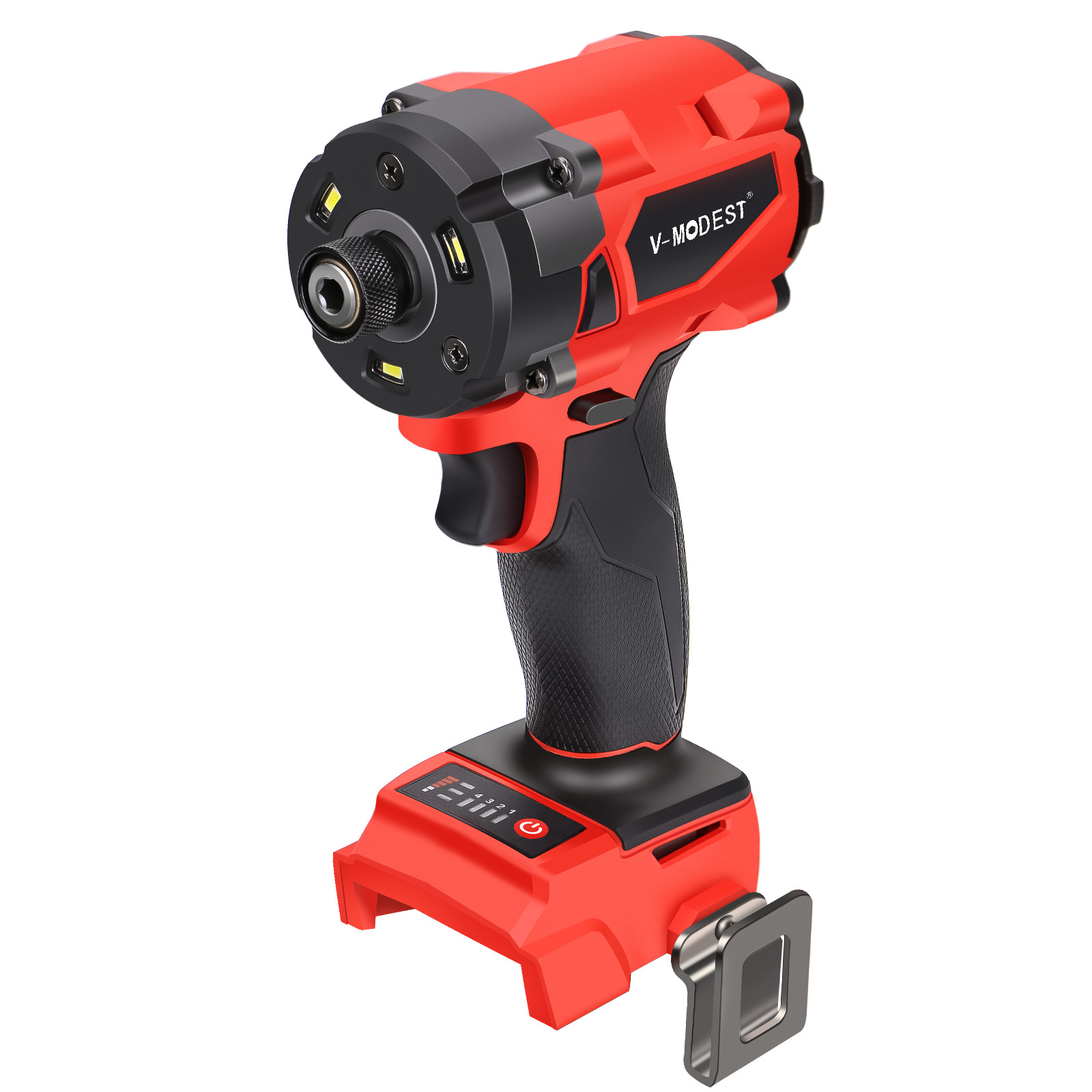 Cordless Brushless 1/4" Impact Driver & 1/2" Impact wrench for Milwaukee Battery$19.99View on eBay
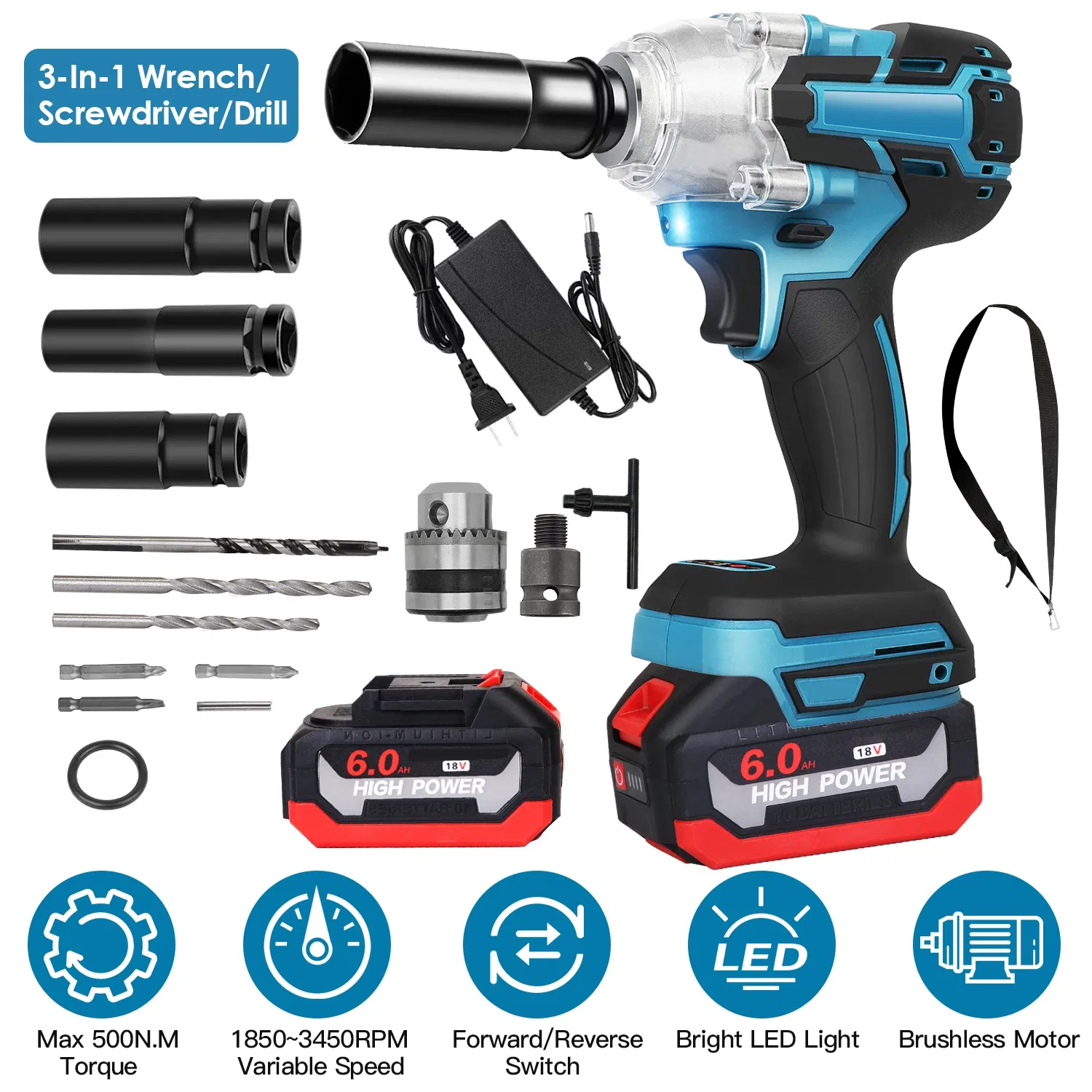 3-In-1 Cordless Electric Impact Wrench Drill Screwdriver with Brushless Motor Max 3450RPM Variable Speed 2Pcs 6.0Ah Batteries 3 Sockets 3 Bits 3$98.99View on Mallflare
 21V Cordless Impact Wrench Kit with 1/2 Batteries & Charger Brushless Motor$20.00View on eBay
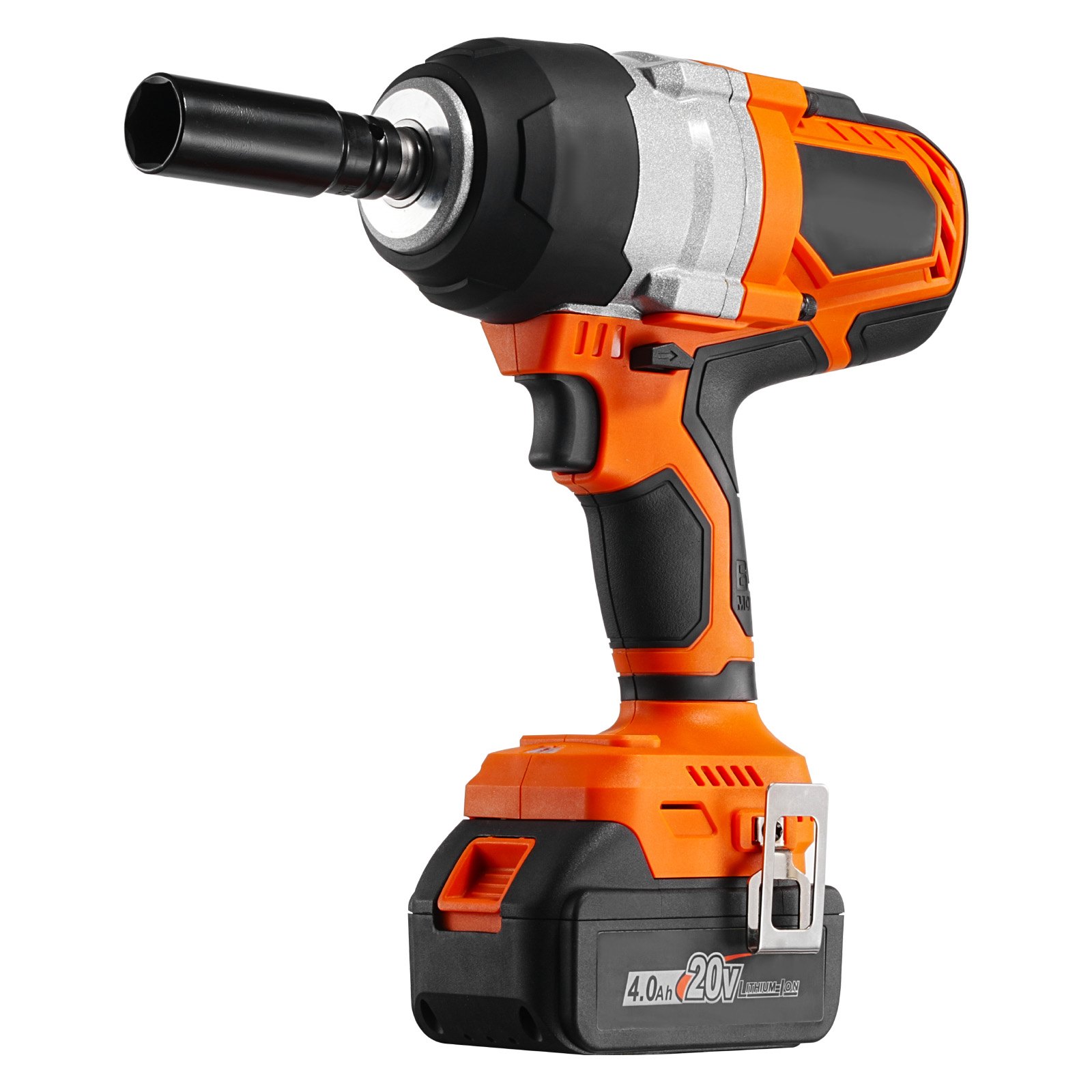 Cordless Impact Wrench, 958.8 Ft-lbs / 1300 N·m High Torque, 1/2 Inch, 20V Electric With Brushless Motor, 2 X 4Ah Batteries, Charger, 5 Sockets And Belt Clip, For Car Tire Truck$193.99View on Mallflare
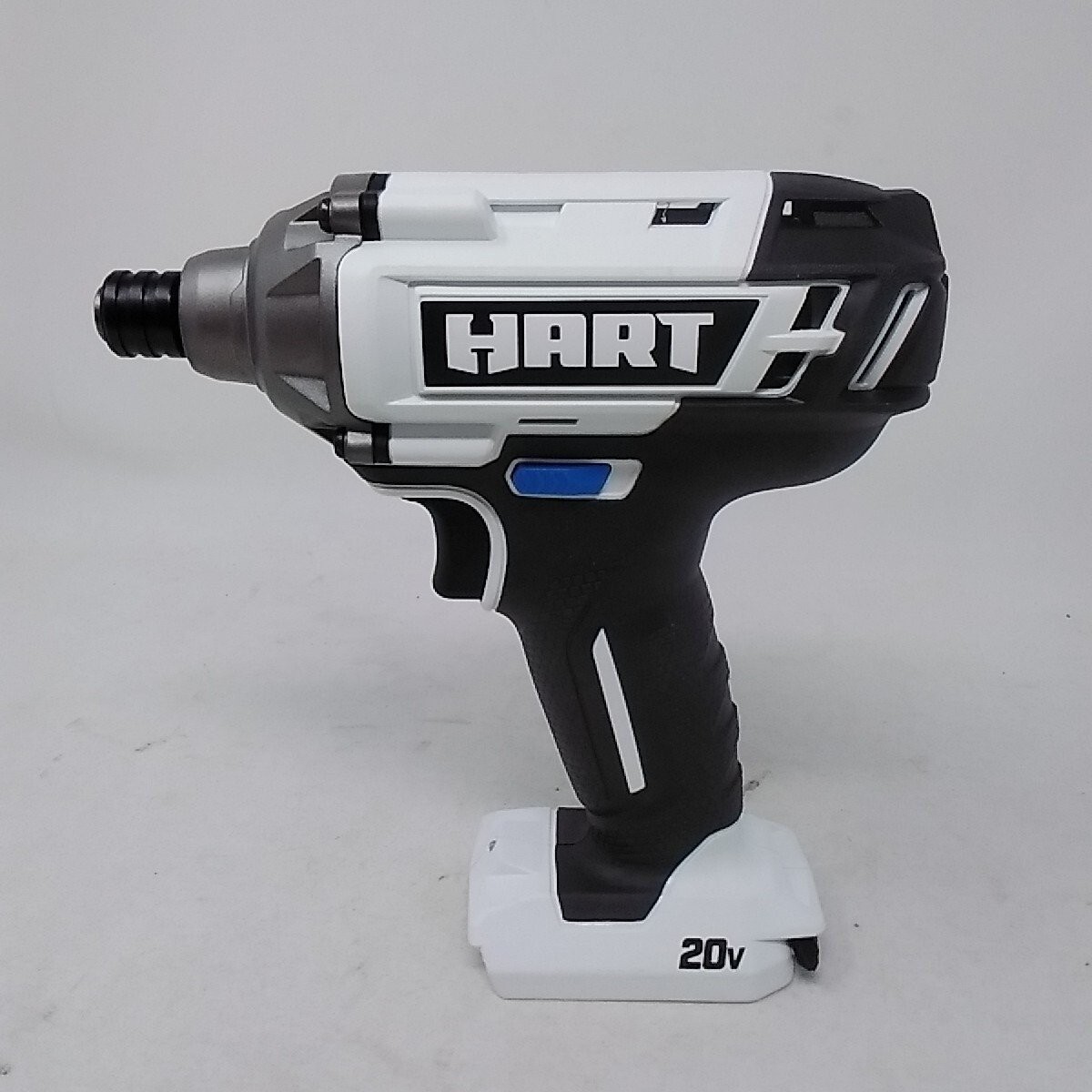 Hart 1/4" HPID01VN 20-Volt Cordless Impact Driver Bare *Tool Only*$22.49View on eBay
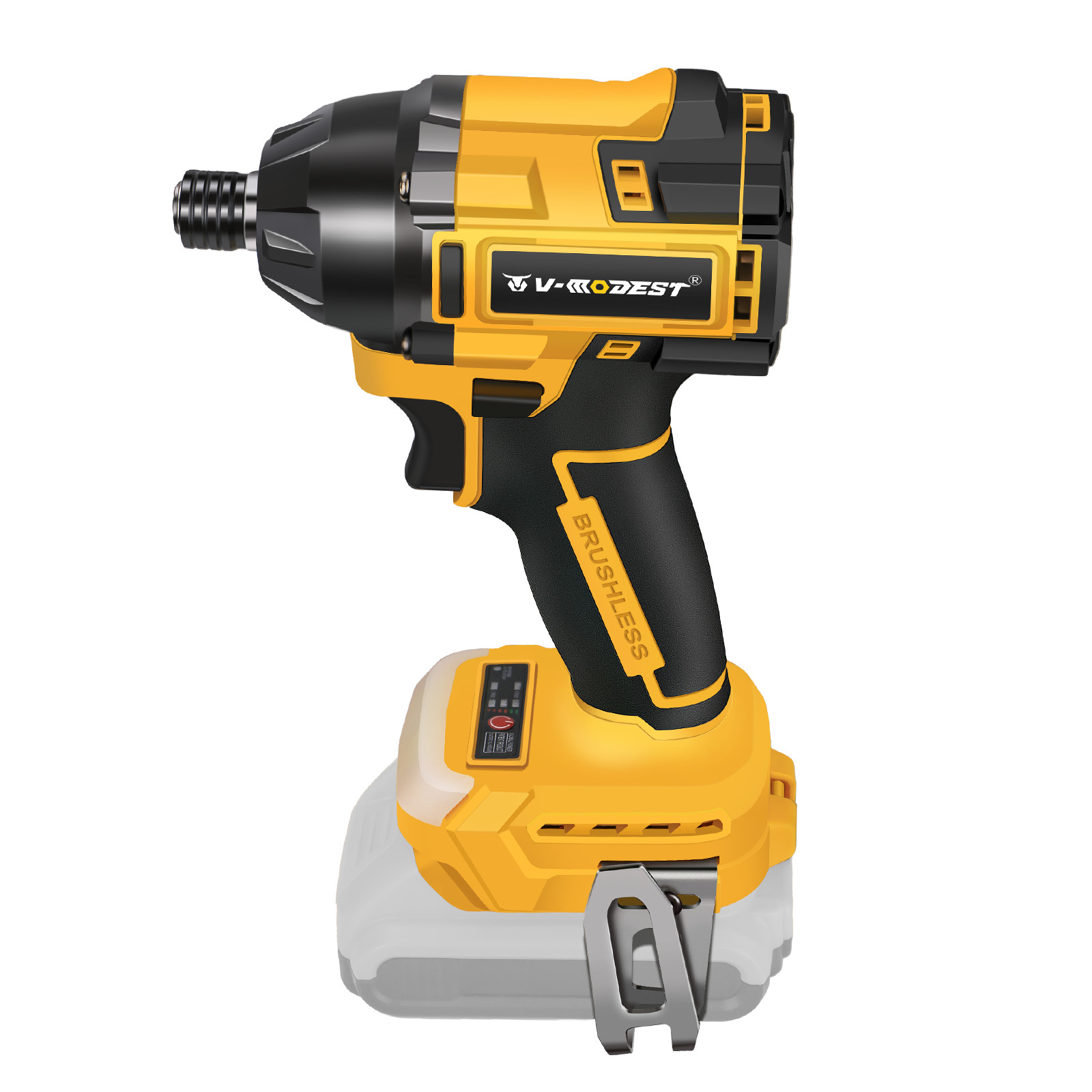 Brushless Cordless Impact Driver For Dewalt 20V Max Battery 1/4" Compact 2 Speed$27.99View on eBay
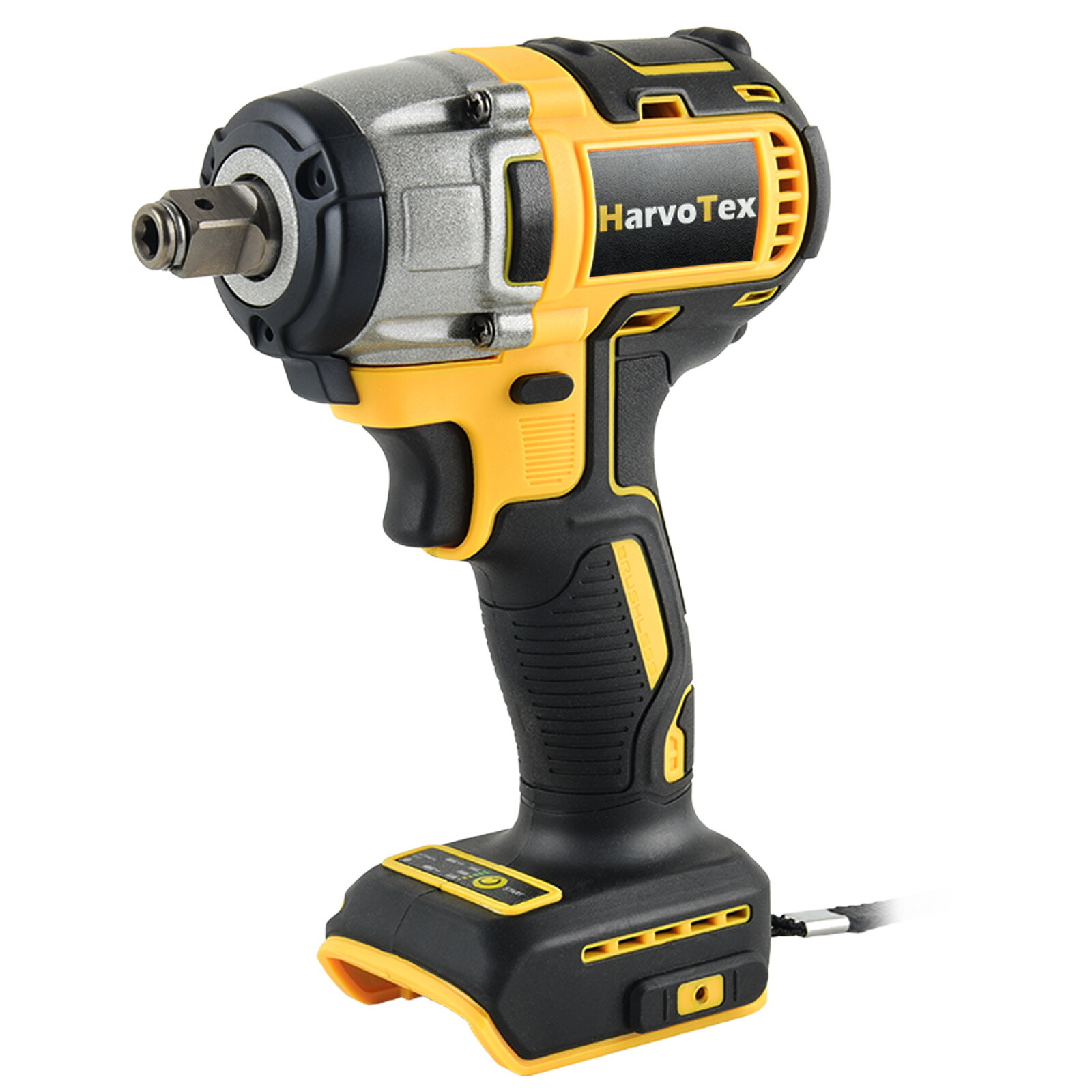 Cordless Impact Wrench 1/2" High Torque Brushless For Dewalt 20V Max Battery$29.90View on eBay
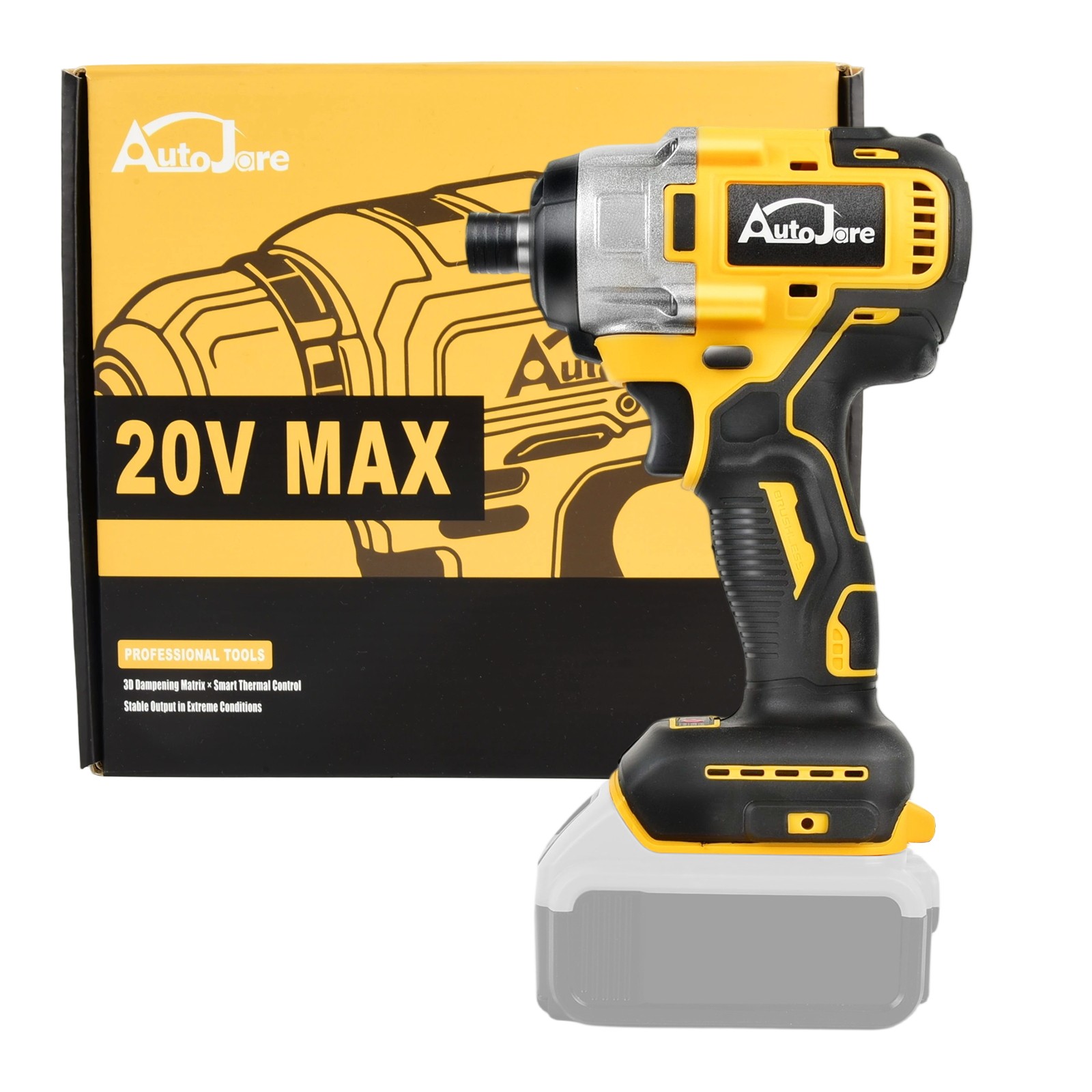 Brushless Cordless Impact Driver,for Dewalt 20V Max Battery,1/4" Compact,2 Speed$30.90View on eBay
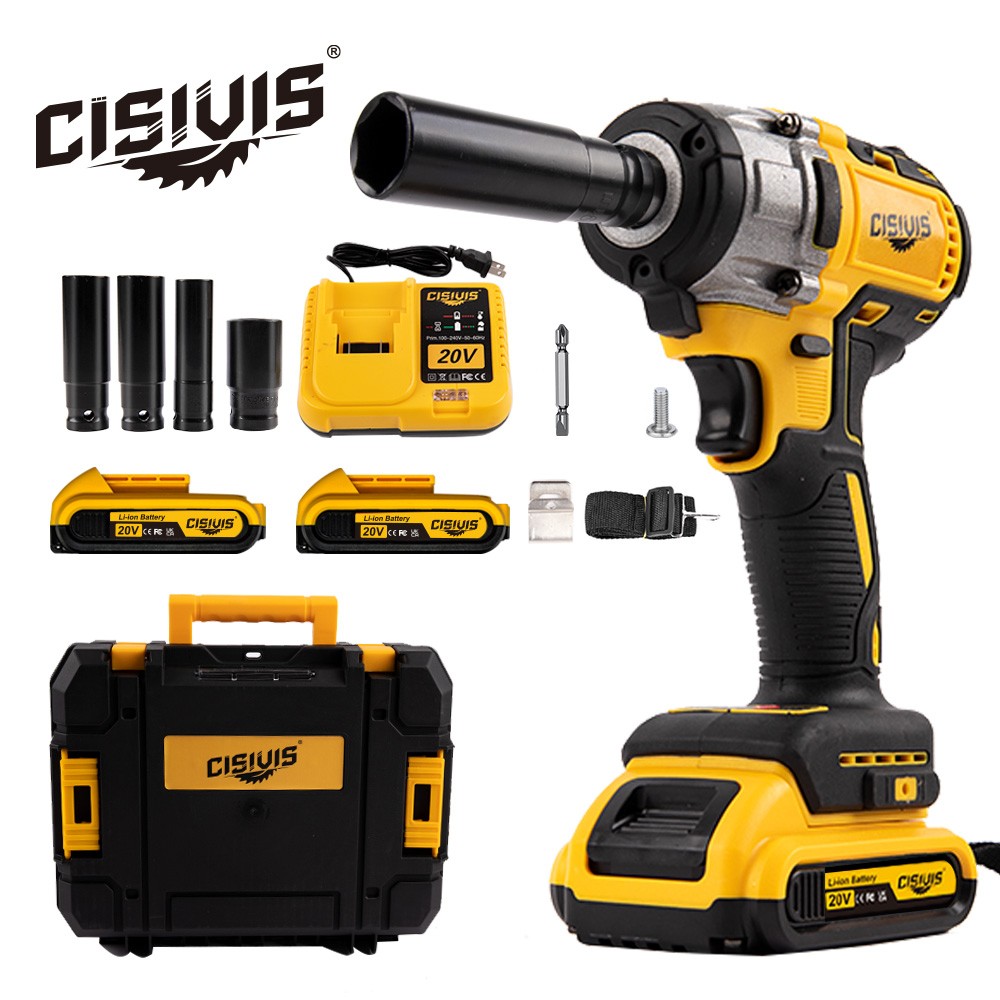 20V Cordless Impact Wrench 1/2" 500Nm High Torque Brushless Drill w/ 2 Batteries$36.80View on eBay
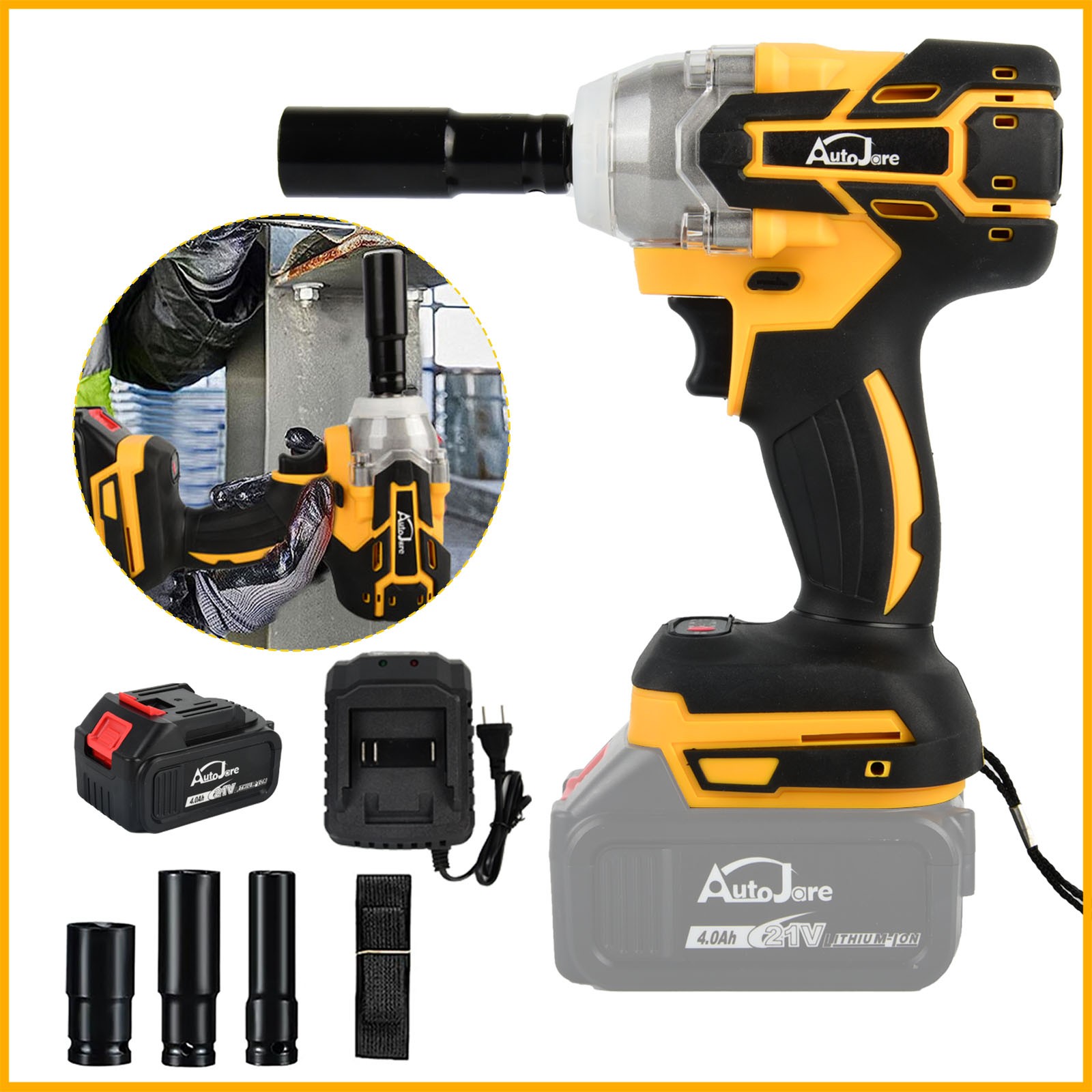 20V Cordless Impact Wrench Kit 1/2" with Batteries & Charger Brushless Motor$37.59View on eBay
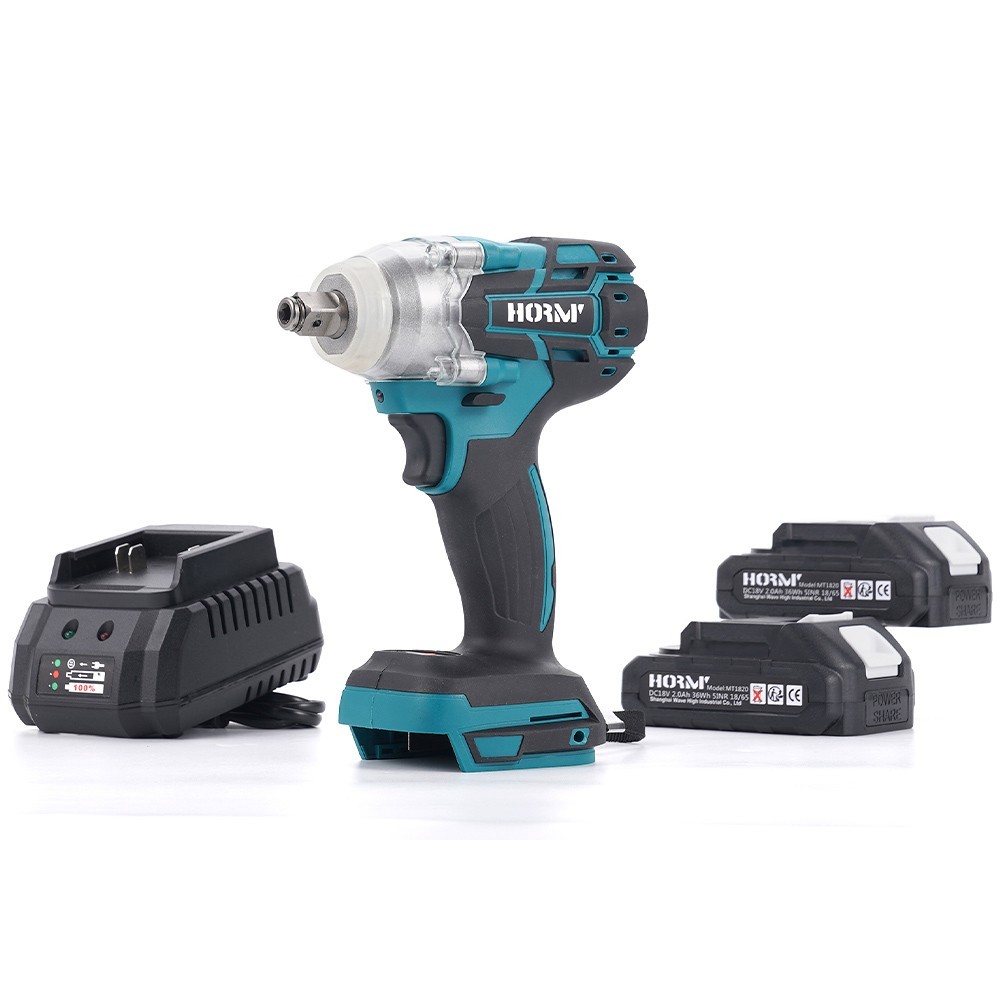 18V Cordless Impact Wrench 1/2" 280Nm High Torque Brushless Drill with 2 Battery$39.99View on eBay
 20V Cordless Harmmer Drill 1/2"in Brushless Electric Impact Wrench With Battery$41.89View on eBay
 Brushless Cordless Impact Driver, 1/4 for Milwaukee Compatible with M18V Battery$44.99View on eBay
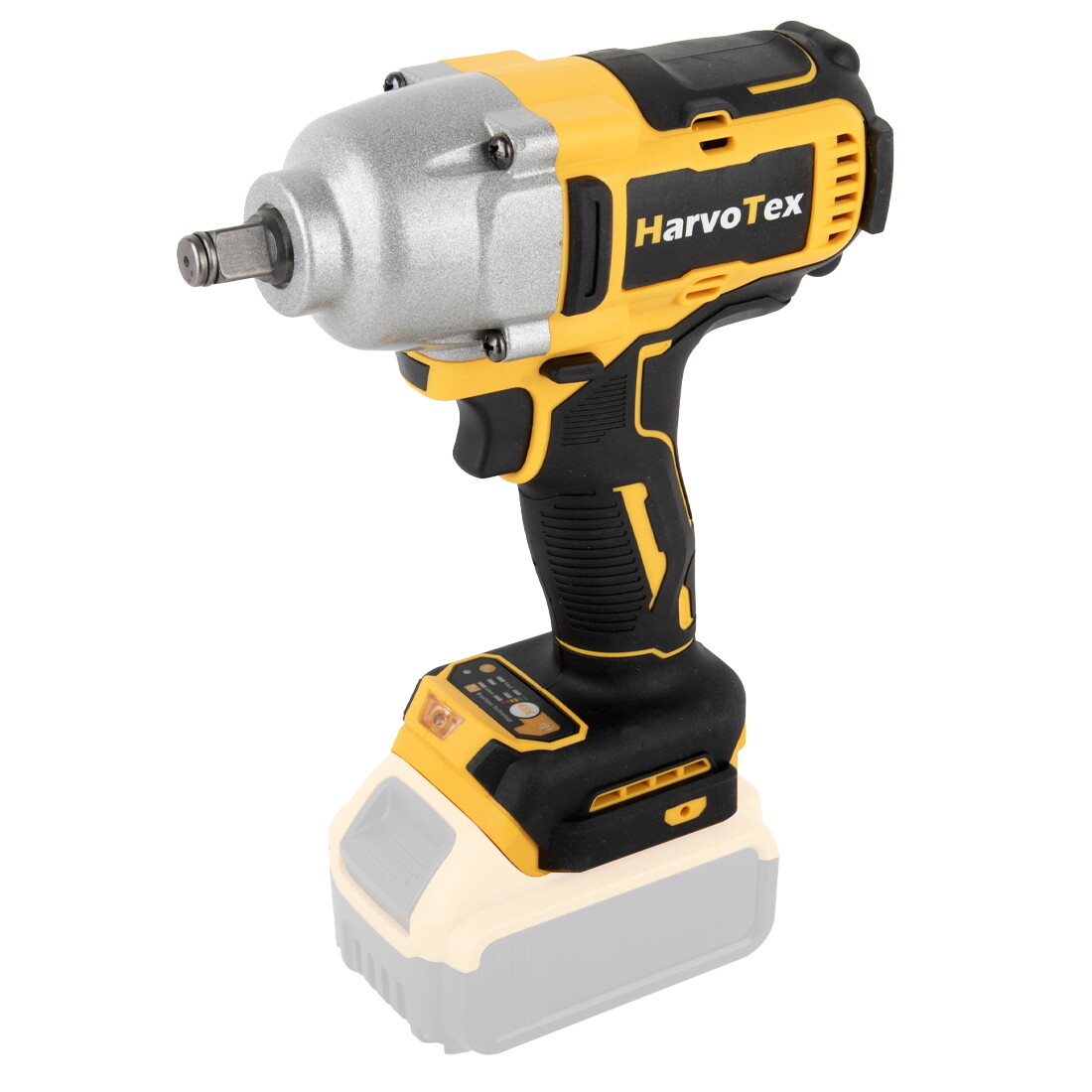 Cordless Impact Wrench Brushless 1/2'' High Power Driver for Dewalt 20V Battery$47.90View on eBay
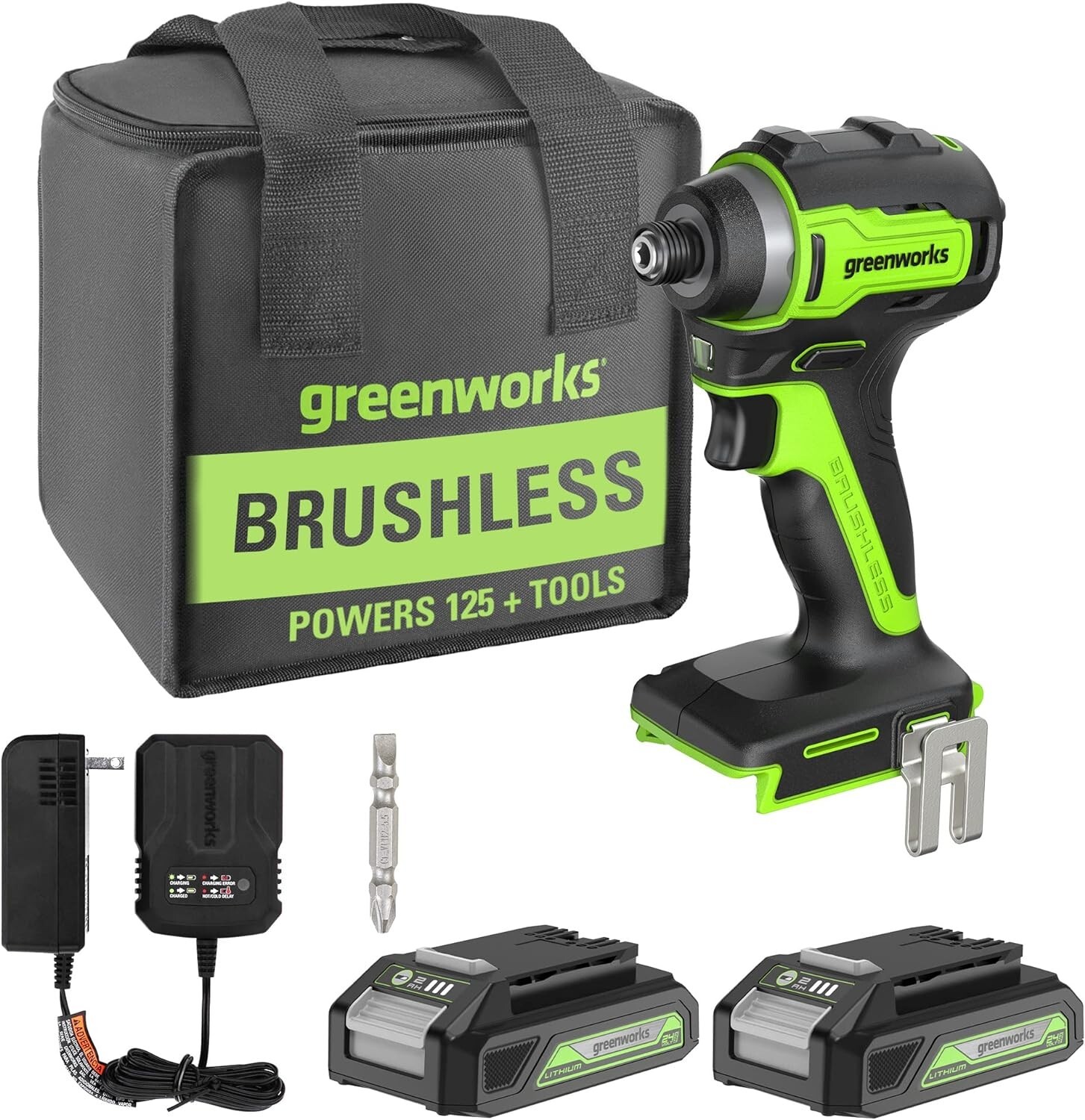 Greenworks 24V Brushless 1/4" Cordless Impact Driver, (2) 2.0Ah Batteries, Comp$47.99View on eBay
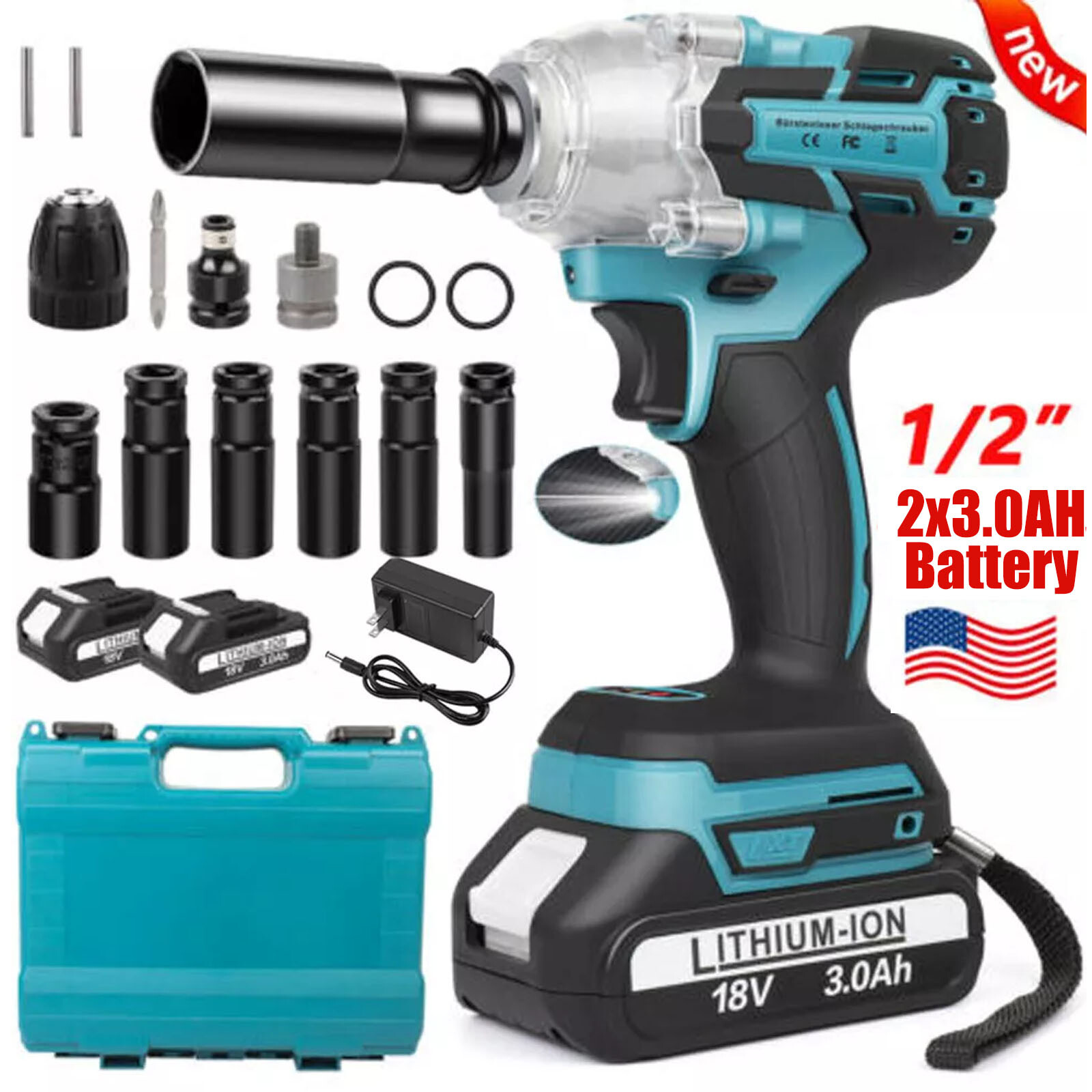 21V Cordless Impact Wrench 1/2" High Torque Brushless Drill with 2x3.0Ah Battery$52.99View on eBay
 1300Nm Cordless Impact Wrench 960ft-lbs 1/2 Battery Impact Gun 2X 4.0Ah Battery$54.89View on eBay
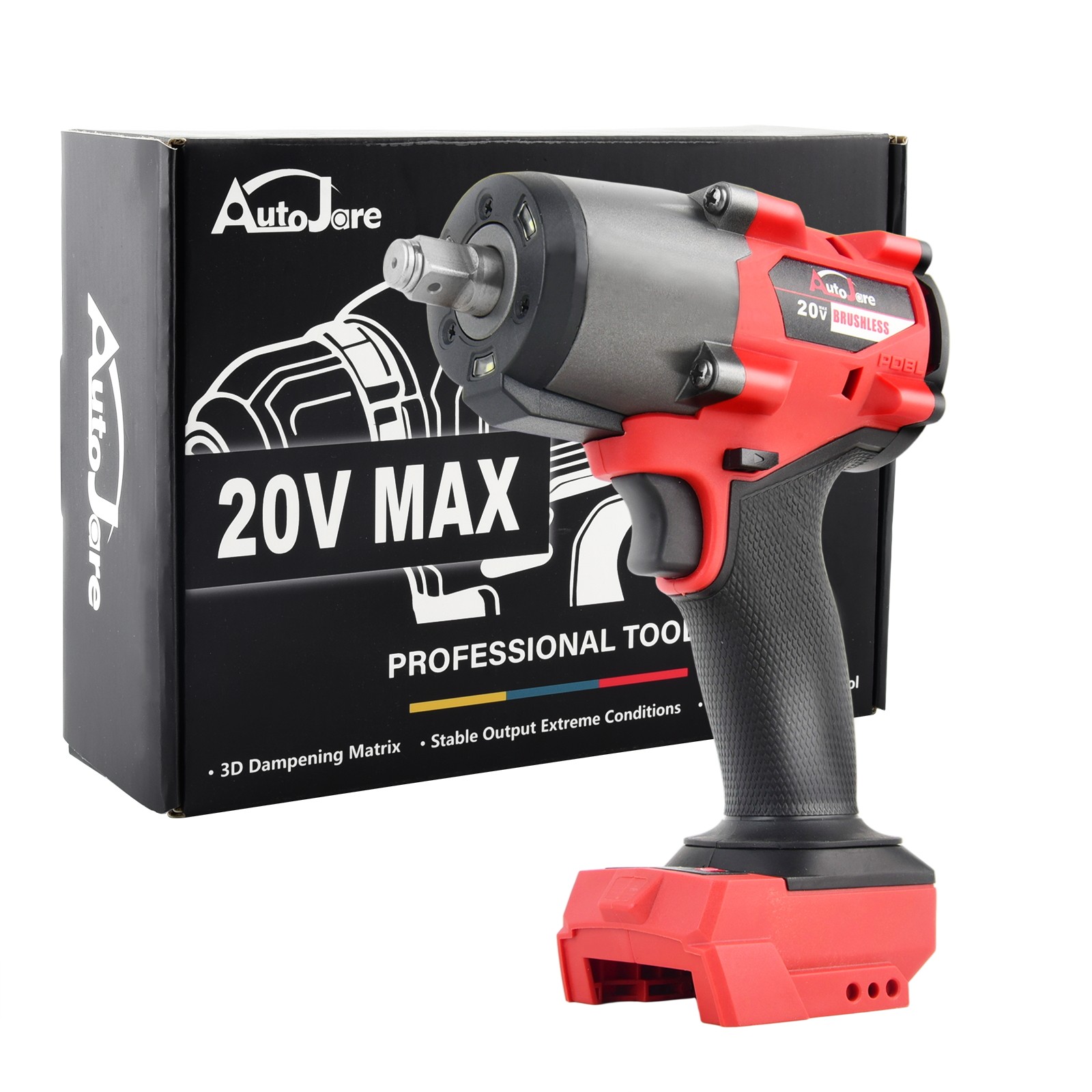 1500N.m Cordless Impact Wrench for Milwaukee Battery 1/2" High Torque No Battery$57.59View on eBay
Highlights
- Drive size dictates torque: 1/4-inch hex impact drivers deliver roughly 1,500-2,500 in-lbs, while 1/2-inch square-drive impact wrenches reach 300-1,300 ft-lbs for automotive and structural work.
- Brushless motors run cooler and 30-50% more efficient than brushed, extending runtime per charge and service life under sustained load.
- Battery platform compatibility is the hard constraint: DeWalt 20V Max, Milwaukee M18, Makita 18V LXT, and Hart 20V each use proprietary slide packs, so bare tools only make sense inside one ecosystem.
- Torque ratings are marketing peak values; real working torque is lower, and high-torque 1/2-inch wrenches require impact-rated sockets (CR-MO steel) to avoid shattering chrome-vanadium sockets.
Best use cases
- Best fit: 1/4-inch brushless impact driver for decking, cabinet assembly, and lag screws up to 3/8-inch — pick a bare tool if you already own that brand's batteries.
- Best fit: 1/2-inch high-torque brushless impact wrench for tire rotation and suspension work — choose a kit with 4.0Ah+ batteries and impact sockets included.
- Wrong fit: a 3-in-1 drill/driver/wrench combo with generic 21V batteries for daily professional use — the chuck and electronics are compromised and battery replacement is impossible.
- Wrong fit: a compact 1/4-inch driver for lug nuts — it lacks the square drive and torque; step up to a 1/2-inch wrench with at least 300 ft-lbs.
Buying tips
- Match drive size to fastener: 1/4-inch hex for screws and bolts under 3/8-inch; 1/2-inch square for lug nuts (typically 80-150 ft-lbs) and larger.
- Choose the battery platform first: DeWalt 20V Max, Milwaukee M18, Makita 18V LXT, or Hart 20V — then buy bare tools or kits within that line.
- For automotive lug nuts, require a 1/2-inch wrench rated at 300 ft-lbs or more and use only impact-rated CR-MO sockets.
- Prefer brushless motors and metal gearboxes for tools used weekly or more; brushed motors and plastic internals suit light occasional use only.
Specs
| Drive Size | 1/4" hex vs 1/2" square |
|---|---|
| Motor Type | Brushless vs brushed |
| Battery Platform | 20V Max / M18 / 18V LXT / 20V |
| Torque Class | 1,500 in-lbs to 1,300 ft-lbs |
Related searches
What to check before buying
- Confirm your existing battery brand and voltage — a bare tool only works with matching slide packs and charger.
- Measure the fastener and socket drive: 1/4-inch hex bits for drivers, 1/2-inch square anvil for wrenches; ensure socket set matches.
- For tire work, verify the wrench's breakaway torque exceeds your vehicle's lug nut spec (typically 80-150 ft-lbs) with margin.
- Check kit contents: batteries, charger, belt clip, and sockets add real cost; bare tools require those separately.
FAQ
Data sources: eBay / Amazon listings and product attribute feeds Data updated Nov 20, 2026.
Some links on this page are affiliate links. If you buy after clicking one, we may earn a commission at no extra cost to you. This does not change which products appear here or their order. Affiliate disclosure.